Month: May 2025

  • Composting 101: Turning Kitchen Waste into Garden Gold

    Composting

    In a world that’s increasingly conscious of sustainability, composting is one of the simplest and most impactful ways to reduce waste and nourish the planet. If you’ve ever wondered what to do with those vegetable peels, coffee grounds, and eggshells, composting is your answer.

    In this guide, we’ll break down everything you need to know to get started with composting—whether you have a backyard, a balcony, or just a kitchen corner.

    Why Compost?

    1. Reduce Landfill Waste
    Food scraps and yard waste make up about 30% of what we throw away. Composting keeps this material out of landfills where it would otherwise produce harmful methane gas.

    2. Enrich Your Soil
    Compost adds valuable nutrients and microorganisms to the soil, helping plants grow healthier and more resilient.

    3. Save Money
    Cut down on garbage disposal costs and reduce the need for chemical fertilizers.

    4. Fight Climate Change
    By diverting organic waste from landfills and returning nutrients to the earth, you’re contributing to a more sustainable ecosystem.

    What Can You Compost?

    Fruit & vegetable scraps

    Coffee grounds and filters

    Tea bags (check for plastic)

    Fresh grass clippings

    Houseplant trimmings

    Browns (Carbon-rich materials)

    Dry leaves

    Shredded newspaper or cardboard

    Paper towels and napkins

    Sawdust (from untreated wood)

    Egg cartons

    What NOT to Compost

    • Meat, bones, and dairy products
    • Oily or greasy foods
    • Pet waste
    • Diseased plants
    • Synthetic materials (plastic, metal, glass)

    How to Start Composting

    Option 1: Backyard Compost Bin

    1. Choose a spot with good drainage and partial sunlight.
    2. Build or buy a compost bin (you can use wood, plastic, or wire).
    3. Layer your materials: Start with a mix of browns and greens.
    4. Turn the pile regularly to aerate and speed up decomposition.
    5. Water as needed—your pile should be moist like a wrung-out sponge.

    Option 2: Indoor Composting

    For small spaces, consider:

    • Countertop compost bins (collect scraps to transfer outside)
    • Bokashi bins (ferments waste anaerobically)
    • Worm bins (vermicomposting using red wiggler worms)

    🔄 Composting Tips for Success

    • Keep a balance: Aim for about 2 parts browns to 1 part greens.
    • Chop larger items: Speeds up the breakdown process.
    • Avoid strong smells: A smelly pile may be too wet or nitrogen-heavy.
    • Use a kitchen caddy: Store daily scraps before adding them to the main pile.

    🧑‍🌾 When is Compost Ready?

    Finished compost is:

    • Dark brown or black
    • Crumbly and soil-like
    • Earthy-smelling
    • Free of recognizable food or yard waste

    Depending on your method and conditions, compost can take anywhere from 2 months to 12 months to fully mature.


    🌻 Using Your Compost

    Once your compost is ready, use it to:

    • Enrich garden beds and potting soil
    • Top-dress lawns and trees
    • Mix into plant containers
    • Start a new garden with healthier soil

    🌍 Final Thoughts

    Composting isn’t just for gardeners—it’s for everyone. By turning kitchen scraps into a powerful resource, you reduce waste, enrich the soil, and take a big step toward a greener future. Whether you start small or go all in, your contribution matters.


    Ready to start composting?
    Contact us – www.thegreeenpanetsolutions.com /https://www.instagram.com/greenplanetsolutionscomp/ for composting bins, local workshops, or pickup services. Let’s work together to turn waste into worth!

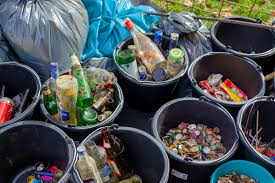
  • The 5 R’s of Waste Management: A Practical Guide to Sustainable Living

    In our fast-paced world, waste generation has become a pressing issue. However, by embracing the 5 R’s of Waste Management, we can significantly reduce our environmental footprint. These principles—Refuse, Reduce, Reuse, Repurpose, and Recycle—offer a structured approach to managing waste and promoting sustainability.

    Refuse: Say No to Unnecessary Waste

    The first step in waste management is to refuse items that contribute to waste. This proactive approach prevents waste before it starts.

    Examples:

    • Opt for Digital Receipts: Choose electronic receipts over paper ones to reduce paper waste.
    • Avoid Single-Use Plastics: Say no to plastic straws, cutlery, and bags by carrying reusable alternatives.
    • Reject Excess Packaging: Select products with minimal or recyclable packaging to decrease packaging waste.

    By refusing unnecessary items, we can significantly decrease the amount of waste generated.

    Reduce: Minimize Consumption and Waste

    Reducing involves cutting down on the amount of waste we produce by being mindful of our consumption patterns.

    Tips:

    • Buy in Bulk: Purchasing items in bulk reduces packaging waste and often saves money.
    • Choose Quality Over Quantity: Invest in durable products that have a longer lifespan, reducing the need for replacements.
    • Be Energy-Efficient: Turn off lights and unplug devices when not in use to conserve energy.

    Implementing these strategies helps in reducing both waste and resource consumption.

    Reuse: Give Items a Second Life

    Reusing means finding new ways to use items instead of discarding them.

    Ideas:

    • Repurpose Containers: Use glass jars as storage for spices or small items.
    • Donate Unused Items: Give away clothes, books, or furniture that you no longer need.
    • Repair Instead of Replace: Fix broken items rather than buying new ones.

    Repurpose: Transform Waste into Useful Items

    Repurposing involves creatively turning waste materials into new, functional items.

    Creative Projects:

    • Old T-Shirts into Rags: Cut up worn-out t-shirts to use as cleaning cloths.
    • Wine Bottles as Candle Holders: Transform empty wine bottles into decorative candle holders.
    • Pallets into Furniture: Use wooden pallets to create tables, shelves, or garden planters.

    Recycle: Process Waste into New Products

    Recycling is the process of converting waste materials into new products, conserving resources and reducing pollution.

    Recycling Tips:

    • Separate Waste Properly: Sort recyclables like paper, plastic, and glass to ensure they are processed correctly.
    • Clean Containers: Rinse food containers before recycling to prevent contamination.
    • Check Local Guidelines: Follow your local recycling program’s rules to ensure effective recycling

    Why the 5 R’s Matter

    Adopting the 5 R’s approach leads to:

    • Resource Conservation: Reduces the need for raw materials and energy.
    • Pollution Reduction: Minimizes waste and lowers emissions.
    • Economic Savings: Saves money through reduced consumption and waste management costs.
    • Community Engagement: Encourages collective action towards a sustainable future.

    Final Thoughts

    Implementing the 5 R’s—Refuse, Reduce, Reuse, Repurpose, and Recycle—is a powerful way to contribute to environmental sustainability. By making conscious choices in our daily lives, we can collectively make a significant impact.

  • How International Policies Are Shaping the Future of Waste

    In a world where global waste generation is projected to reach 3.4 billion tons by 2050 (according to the World Bank), waste is no longer just a local issue—it’s a global crisis. From marine pollution to hazardous e-waste exports, the need for cohesive international policies has never been more urgent. But how exactly are international agreements and frameworks influencing the way countries manage, reduce, and regulate waste?

    In this blog, we explore the major international policies shaping waste management globally and their real-world impact.

    Why International Waste Policies Matter

    Waste crosses borders—whether it’s plastic waste washing up on foreign shores, illegal waste dumping, or e-waste exported to developing nations. Coordinated international action helps to:

    • Prevent environmental dumping in poorer countries.
    • Promote fair and sustainable practices across the supply chain.
    • Encourage innovation in recycling and waste processing technologies.
    • Hold multinational corporations accountable.

    Key International Agreements and Their Impact

    Purpose: To control the transboundary movement of hazardous wastes and their disposal.

    Impact:

    • Prohibits the export of hazardous waste from developed to less developed countries without consent.
    • In 2019, it was amended to include plastic waste, forcing countries to rethink global plastic exports.
    • Encouraged transparency in global waste trade and accountability among exporters.

    The Stockholm Convention (2001)

    Purpose: Eliminate or restrict the production and use of persistent organic pollutants (POPs).

    Impact:

    • Targets waste like industrial chemicals, pesticides, and flame retardants that remain toxic in the environment.
    • Encourages nations to properly treat or phase out toxic materials, directly affecting e-waste management and incineration practices.

    European Union Waste Framework Directive

    urpose: Create a circular economy by promoting waste prevention, reuse, and recycling.

    Impact:

    • Legally binds EU member states to recycling targets and landfill reduction.
    • Promotes extended producer responsibility (EPR), holding manufacturers accountable for post-consumer waste.
    • Influences non-EU nations that trade with the EU to adopt better standards.

    UN Sustainable Development Goals (SDGs) – Goal 12

    Target: Ensure sustainable consumption and production patterns, including efficient waste management.

    Impact:

    • Pushes countries to reduce waste generation via prevention, reduction, recycling, and reuse.
    • Encourages global data sharing and public-private partnerships for innovative waste solutions.

    The Global Plastic Treaty (In Progress)

    Led by: United Nations Environment Programme (UNEP)

    Purpose: Develop a legally binding treaty to end plastic pollution by 2040.

    Potential Impact:

    • Could introduce global caps on plastic production.
    • May require countries to invest in sustainable packaging and circular design.
    • Could heavily influence corporate supply chains and international trade norms.

    The Role of Trade & Industry

    Many international waste-related policies also influence:

    • Waste trade restrictions, especially in light of China’s 2018 “National Sword” policy, which banned foreign waste imports.
    • Green technology transfer between developed and developing countries.
    • Regulations around electronic waste (e-waste), which accounts for over 50 million tons globally each year.

    Challenges & Future Outlook

    Key Challenges:

    • Lack of enforcement in many regions.
    • Economic incentives for illegal dumping or recycling shortcuts.
    • Disparity in waste infrastructure between developed and developing countries.

    What’s Next?

    • Stronger public-private partnerships across borders.
    • Unified standards for plastic labeling, sorting, and recycling.
    • Greater accountability for multinational corporations via supply chain regulations.
    • Use of digital technologies (e.g., blockchain, AI) to track and optimize waste flows globally.

    Final Thoughts

    Waste is no longer a “local” problem—it’s a global systems issue. International policies like the Basel Convention, EU directives, and emerging UN treaties are paving the way for a smarter, cleaner, and fairer approach to waste.

    But these efforts will only succeed if backed by strong enforcement, industry cooperation, and citizen engagement.

  • Why Sustainable Waste Management Matters More Than Ever in 2025

    Why Sustainable Waste Management Matters More Than Ever in 2025

    Introduction

    In 2025, the urgency for sustainable waste management has reached a critical point. With the global population expanding and consumption patterns intensifying, the traditional “take-make-dispose” model is no longer viable. At Green Planet Solutions, we recognize that effective waste management is not just a governing requirement but a pivotal component of natural stewardship, economic resilience, and public health.
     

    The Environmental Imperative

    The environmental repercussions of inadequate waste management are profound. Landfills are significant sources of methane, a potent greenhouse gas contributing to climate change. Moreover, improper disposal can lead to soil and water contamination, adversely affecting ecosystems and biodiversity.

    Sustainable waste management practices, such as recycling and composting, mitigate these impacts by diverting waste from landfills and reducing the need for raw material extraction. For instance, recycling aluminum saves up to 95% of the energy required to produce new aluminum .

    Economic Benefits and Opportunities

    Adopting sustainable waste management practices offers significant economic advantages. Recycling and reusing materials can reduce the costs associated with raw material procurement and waste disposal. Additionally, the recycling industry creates jobs and fosters innovation in waste processing technologies

    Businesses that implement sustainable practices often benefit from improved efficiency and a positive public image, attracting environmentally conscious customers and investors. This alignment with sustainability can lead to increased profitability and long-term economic growth.


    Public Health and Community Well-being

    Improper waste disposal can lead to pollution and health risks for communities. Sustainable waste management minimizes the release of harmful substances into the environment, reducing air and water pollution. This, in turn, enhances public health and quality of life for residents .

    Communities that embrace sustainable waste management practices often experience cleaner streets, reduced disease transmission, and a stronger sense of civic pride. These benefits contribute to overall community well-being and resilience.

    Technological Innovations Driving Change

    The integration of technology in waste management is transforming the industry. Artificial intelligence (AI) and automation are increasingly being used to sort and process waste more efficiently. AI-powered systems can quickly identify, separate, and process recyclable materials, leading to higher recycling rates and reduced contamination in recycling streams .

    These technological advancements not only improve operational efficiency but also enable predictive maintenance, reducing downtime and enhancing the overall effectiveness of waste management systems.


    The Shift Towards a Circular Economy

    A significant trend in 2025 is the shift from a linear waste disposal model to a circular economy. In a circular economy, the focus is on reducing, reusing, recycling, and recovering materials, thereby minimizing waste and maximizing resource efficiency .

    This paradigm shift not only addresses environmental concerns but also presents economic opportunities by creating new business models and revenue streams. For example, businesses that embrace circularity can reduce costs associated with raw material procurement and waste disposal, leading to improved profitability.


    Conclusion

    As we navigate the challenges of 2025, sustainable waste management stands at the forefront of environmental conservation, economic development, and public health. At Green Planet Solutions, we are committed to providing innovative and effective waste management solutions that contribute to a cleaner, healthier, and more sustainable future.


    1. Circular Economy Diagram: Illustrates the principles of reduce, reuse, recycle, and recover.
    2. AI in Waste Sorting: Depicts AI-powered systems sorting recyclable materials.
    3. Community Clean-Up Initiatives: Showcases community efforts in waste management and environmental conservation.
    4. Recycling Process Flowchart: Demonstrates the journey of materials from waste to recycled products.
    5. Green Planet Solutions in Action: Features images of Green Planet Solutions’ waste management operations and technologies.

    These visuals will not only complement the content but also provide readers with a clearer understanding of sustainable waste management practices and their impact.


    Join us in our mission to promote sustainable waste management practices. Contact Green Planet Solutions today to learn how we can assist you in implementing effective waste management strategies for a greener tomorrow.

    1.
    Join the movement toward a cleaner, greener planet.
    📞 Contact – +917722073961Green Planet Solutions today to start your journey toward sustainable waste management in 2025.

    2.
    Ready to future-proof your waste strategy?
    🌍 Partner with Green Planet Solutions for innovative, eco-conscious waste solutions that make a real impact.

    3.
    Don’t let your waste go to waste.
    ♻️ Get in touch with Green Planet Solutions and discover how sustainable waste management in 2025 can transform your business and the planet.

    4.
    Sustainability starts with smarter waste choices.
    💬 Let’s talk about how Green Planet Solutions can help you implement a waste system that works—for you and the environment.

    Grid

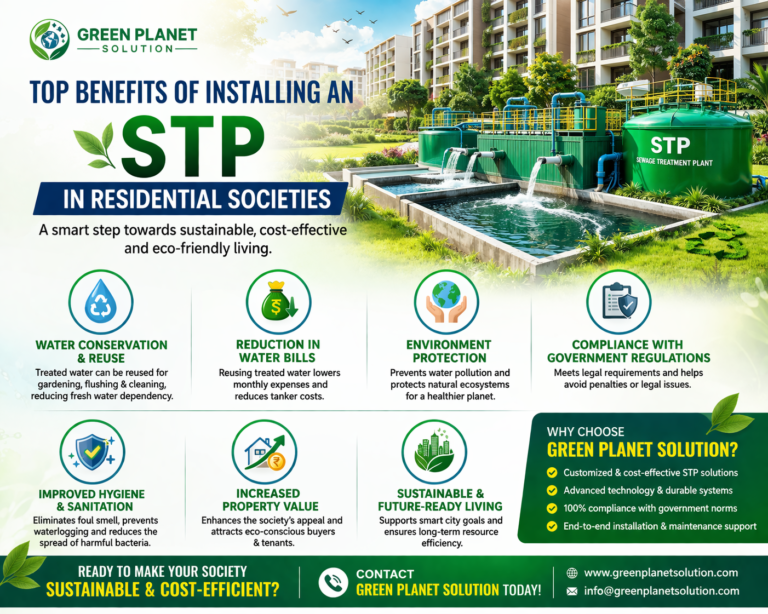
    🌱 Top benefits of installing a Sewage Treatment Plant in societies

    Water is life. And yet millions of litres of it go down the drain every single day in residential societies …

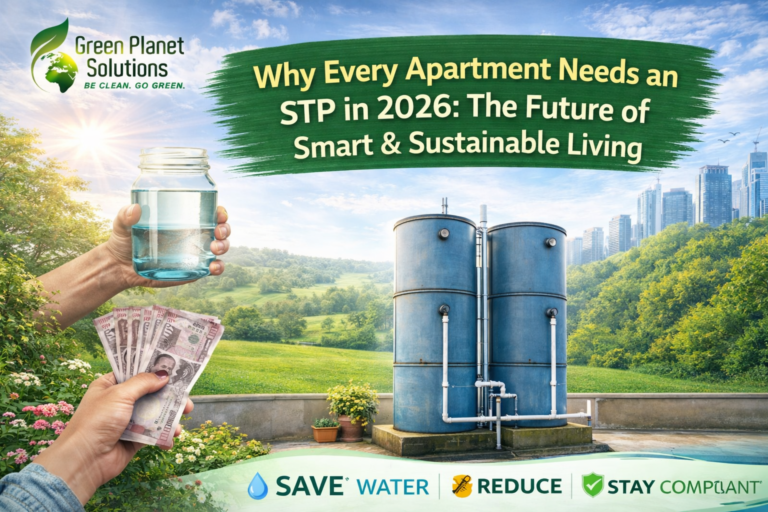
    Top Reasons Why Every Apartment Must Have an STP in 2026

    As urbanization continues to accelerate in India, the demand for water and the generation of wastewater have increased significantly, making …

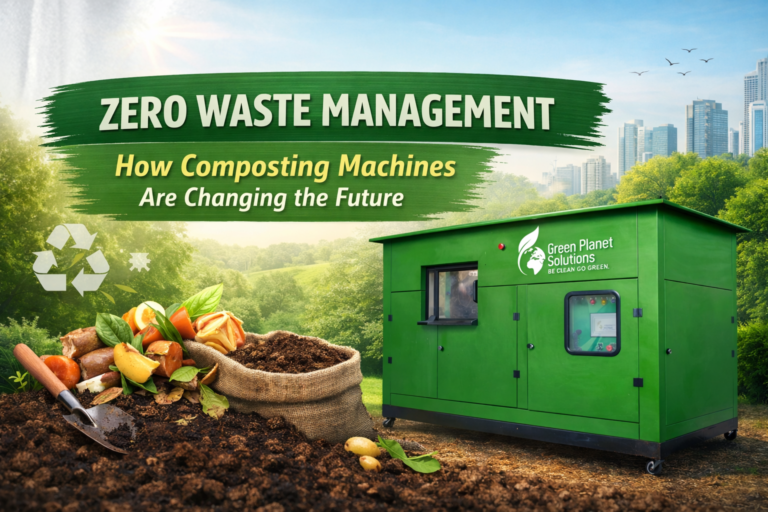
    Zero Waste Management: How Composting Machines Are Changing the Future

    In today’s rapidly growing world, waste generation has become one of the biggest environmental challenges. From households to industries, the …

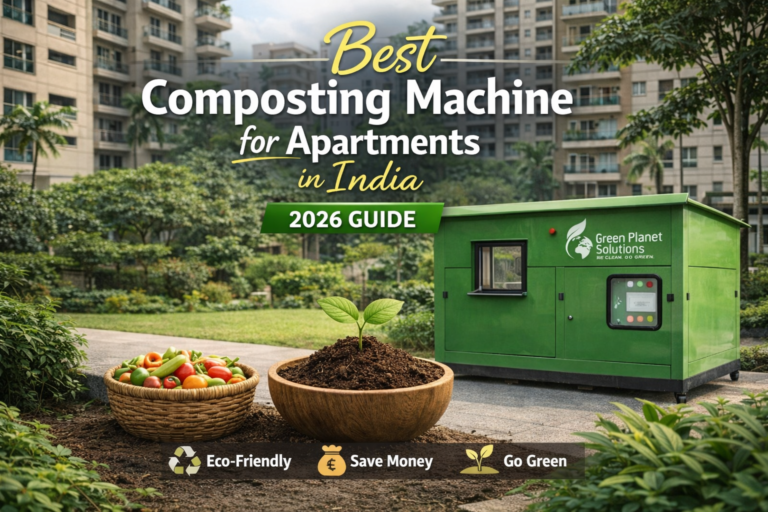
    🌱 Best Composting Machine for Apartments in India

    Introduction With the rapid growth of urban living in India, apartments and housing societies have become the backbone of modern …
    Biogas

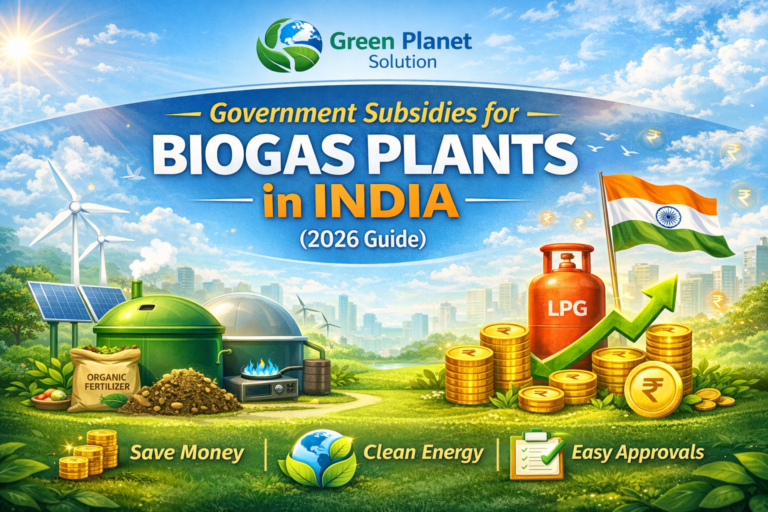
    Biogas Subsidy India 2026: Complete Guide

    Introduction With increasing fuel prices and growing environmental concerns, biogas plants are emerging as a reliable and sustainable energy solution …

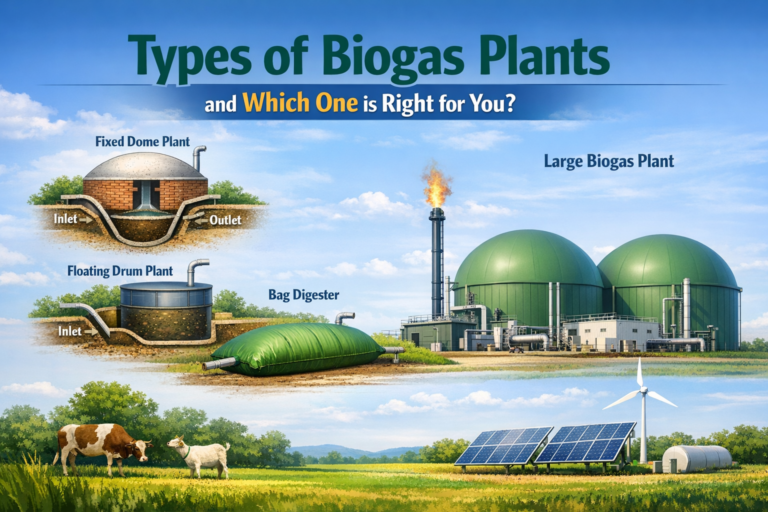
    How to Choose the Right Biogas Plant for Maximum Savings

    As energy costs continue to rise and environmental concerns become more serious, businesses and households are actively searching for sustainable …