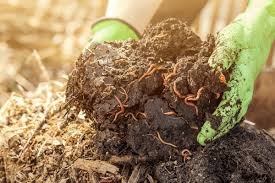
Pune isn’t just known for its tech parks and educational institutions anymore — it’s fast becoming India’s capital of sustainability.
Across residential societies, gated communities, and corporate campuses, a quiet revolution is underway. Apartment residents are turning food waste into rich, organic compost. Parking lots are transforming into “green corners.” And at the heart of it all is Pune’s growing zero-waste movement — powered by awareness, innovation, and technology from Green Planet Solutions Pune.
🌍 From waste bins to compost bins — Pune is rewriting India’s waste story.
Every day, Pune generates over 2,000 tonnes of municipal waste, with nearly 60% being organic or food waste. For decades, this wet waste ended up in overflowing landfills, releasing methane and contaminating soil and groundwater.
But not anymore.
Societies across Baner, Kalyani Nagar, Wakad, Aundh, and Hadapsar are saying “no” to landfills and embracing on-site composting machines.
They’re not just following regulations — they’re leading a citizen-driven sustainability revolution.
⚙️ What Makes Pune’s Composting Drive So Successful?
1️⃣ Forward-Thinking Housing Societies
Apartment residents are taking ownership of their waste. They’re forming green committees, segregating at source, and investing in smart composting systems to process waste within their own premises.
“We wanted to stop being part of the problem — and start being the solution.” — Resident, Kalyani Harmony Society, Pune
The Pune Municipal Corporation (PMC) has been instrumental in promoting decentralised composting under the Solid Waste Management (SWM) Rules 2016. Societies producing over 100 kg of wet waste daily are required to treat it onsite — turning regulation into motivation.
3️⃣ Innovative Technology by Green Planet Solutions Pune
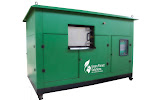
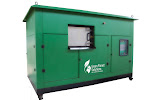
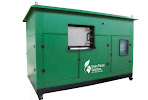
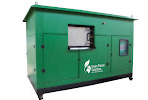
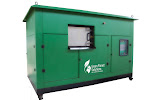
At Green Planet Solutions Pune, we’ve designed compact, automated composting machines ideal for Pune’s residential societies.
✅ Odour-free operation ✅ Converts waste to compost in 24–48 hours ✅ Energy-efficient & maintenance-friendly ✅ No segregation errors — easy for residents ✅ Compliant with PMC waste norms
Our mission is simple:
♻️ Empower every society in Pune to become self-sufficient in waste management.
🌾 From Waste to Wealth: The “Compost Economy”
When societies compost their waste onsite, they don’t just reduce garbage — they create value.
Each composting unit generates organic manure that can be:
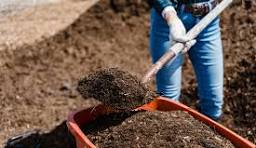
Used in community gardens and landscapes 🌸
Donated to local farmers 🌾
Sold locally to generate maintenance funds 💰
This circular model is building a new “compost economy” where waste becomes wealth, and every resident becomes a climate hero.
Installed Green Planet’s 200 kg/day composting unit
Reduced waste collection cost by ₹30,000/month
Generates 4 tonnes of compost annually
“Our society is now 95% waste-free. Residents proudly showcase our compost garden!” — Society Chairman, Green Horizon Baner
🌿 Case 2: Maple Greens, Viman Nagar
Households: 100
Introduced a community composting model with resident volunteers
Compost used for rooftop gardens and tree plantations
Created strong eco-awareness among children
“Now, kids remind parents to segregate waste — that’s real change.” — Resident Volunteer, Maple Greens
🌏 The Bigger Picture: Pune Leading India’s Composting Revolution
While other cities are still struggling with landfill dependency, Pune’s decentralised model is being replicated across India. From Delhi NCR to Hyderabad, local governments are studying Pune’s composting framework as a model for urban sustainability.
Green Planet Solutions Pune has already partnered with over 500+ societies across Maharashtra — and counting.
🔋 Every composting unit installed is one less truckload going to a landfill.
🚀 Why Choose Green Planet Solutions Pune
Feature
Benefit
Automated Composters
Hassle-free waste-to-compost in 24–48 hrs
Odour-Free & Silent
Ideal for residential use
Compact Design
Space-saving and efficient
Low Energy Use
Sustainable and cost-effective
End-to-End Support
From installation to AMC & training
Custom Capacity
From 25 kg/day to 2 tonnes/day
We help your society save money, reduce carbon footprint, and achieve zero-waste certification — all in one integrated solution.
Uncommon Words (SEO boosters): Microbial catalyst, in-vessel composting, circular waste model, community-driven sustainability, regenerative living
🌿 Join Pune’s Zero-Waste Revolution Today!
Is your housing society still sending wet waste to landfills? Turn that around with Green Planet Solutions Pune’s advanced composting machines — the clean, efficient, and sustainable way to manage organic waste.
📞 Book a free on-site waste audit and live demo now! Together, let’s make Pune a model for sustainable living — one composting society at a time.
Pune’s Zero-Waste Revolution: How Local Societies Are Leading India’s Composting Drive | Green Planet Solutions Pune
Discover how Pune housing societies are driving India’s zero-waste movement using Green Planet Solutions Pune’s smart composting systems. Go sustainable today!
Introduction: India’s Urban Waste Problem Is Growing — But So Is the Solution
Every Indian city wakes up to the same challenge: mountains of garbage, overflowing bins, and the unbearable stench of mixed waste. With over 62 million tonnes of waste generated annually in India — and more than 50% of it organic — the way we handle waste can no longer remain the same.
This is where decentralised composting emerges as a revolutionary, people-powered, and planet-saving solution.
At Green Planet Solutions Pune, we believe that waste shouldn’t travel miles to rot in a landfill — it should turn into rich compost right where it’s generated.
♻️ What Is Decentralised Composting?
Decentralised composting means processing organic waste locally — at housing societies, hotels, institutions, and offices — instead of transporting it to centralised plants.
It’s a simple but powerful idea: 👉 Waste stays where it’s made — and turns into wealth for the same community.
Unlike centralised systems (which often fail due to logistics, fuel costs, and contamination), decentralised composting empowers residents, facilities, and organizations to control, monitor, and benefit from their own waste.
🏙️ Why Indian Cities Need Decentralised Composting in 2025
1. India’s Landfills Are Overflowing
Every day, Indian cities dump thousands of tonnes of mixed waste into landfills. Decentralised composting cuts this by 40–60%, reducing methane emissions and environmental hazards.
2. Regulations Are Getting Stricter
Under the Solid Waste Management Rules 2016, societies, hotels, and institutions that generate over 100 kg/day must treat their organic waste onsite. Non-compliance invites heavy penalties.
Green Planet Solutions’ composting machines ensure full compliance with municipal norms and zero waste-to-landfill operations.
3. Composting Is Economical and Eco-Friendly
By composting locally, societies save on waste transport costs, reduce dependency on municipal pickups, and produce organic fertilizer for gardens and farms — a true waste-to-wealth model.
4. Empowers Communities & Creates Green Jobs
Community composting brings residents together, builds awareness, and can create employment for local workers managing compost units. It’s sustainability that includes everyone.
🌱 How Green Planet Solutions Pune Powers Decentralised Composting
As one of India’s most trusted waste management innovators, Green Planet Solutions Pune provides automated, odour-free composting machines designed for housing societies, hotels, corporate campuses, hospitals, and municipal projects.
Fast & Efficient: Converts waste to compost in 24–48 hours
Low-Maintenance: Plug-and-play with minimal supervision
Eco-Certified: Meets government waste treatment standards
We don’t just sell machines — we deliver a complete solution: from waste audits → installation → training → AMC (Annual Maintenance Contracts) → monitoring dashboards for performance tracking.
🌎 The Bigger Picture: Composting as Climate Action
Every time we compost, we reduce methane, a greenhouse gas 28x more potent than CO₂. If even 20% of Indian apartments and hotels adopt decentralised composting by 2025, we could cut millions of tonnes of emissions annually.
Composting isn’t just about managing waste — it’s about protecting our planet, regenerating our soils, and restoring urban ecosystems.
That’s why Green Planet Solutions Pune is on a mission to help every Indian city become “Zero-Waste Ready.”
Introduction: The Rise of a Grassroots Green Revolution
Across India, a quiet but powerful transformation is taking place. In cities, towns, and villages alike, women’s self-help groups (SHGs) and housing societies are proving that waste is not waste — it’s wealth.
From small compost pits in rural areas to fully-automated composting units in urban housing complexes, these community-driven composting initiatives are turning organic waste into valuable compost, creating employment, income, and cleaner surroundings.
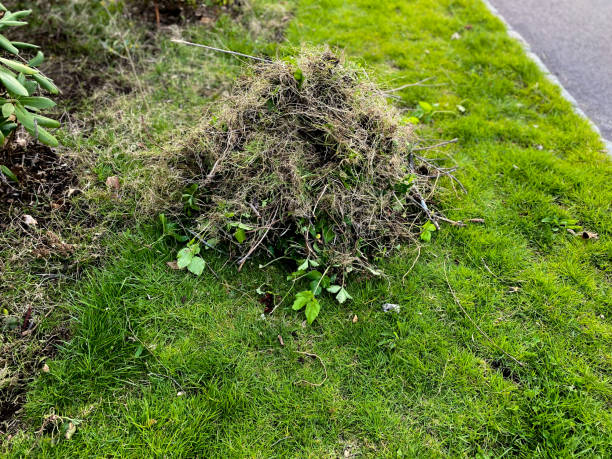
weeding time in the spring
At Green Planet Solutions Pune, we’ve seen firsthand how on-site composting technology and community collaboration can build sustainable ecosystems — one composting unit at a time.
♻️ 1. Why Community Composting Matters More Than Ever
India generates over 65 million tonnes of waste annually, and almost 50% is organic. Most of it still ends up in landfills, emitting methane and polluting groundwater.
Community composting offers a practical, local, and scalable solution:
Reduces transportation costs of waste
Cuts landfill load
Produces nutrient-rich compost
Empowers communities and creates green jobs
For urban India, it’s a win-win model that promotes self-sufficiency while meeting the Swachh Bharat Mission and Solid Waste Management Rules (2016).
👩🌾 2. The Power of India’s Self-Help Groups (SHGs)
Self-help groups across India — especially women’s collectives — are embracing composting as a micro-enterprise opportunity.
In states like Maharashtra, Kerala, and Tamil Nadu, SHGs operate decentralized composting centers that process tons of food waste daily.
They sell the resulting compost to local farmers, nurseries, and municipalities.
Some even brand and market their compost as “organic soil boosters,” creating steady income streams.
These initiatives are more than waste solutions — they’re social empowerment engines, giving rural women financial independence and environmental leadership.
🏢 3. Housing Societies & RWAs: Leading Urban Composting in India
Gated communities and apartment societies are joining the movement. With support from sustainability consultants like Green Planet Solutions Pune, many housing complexes now:
Install automated organic waste composters
Train residents in segregation at source
Use or sell compost for gardens and parks
Societies in Pune, Bengaluru, and Gurugram have reduced wet-waste disposal costs by up to 60% — and turned their compost into a community asset.
Green Planet Solutions Pune provides compact, odor-free, and low-maintenance composting machines designed for shared community use.
Key features include: ✅ Fully automatic operation ✅ Handles 25 kg to 1000 kg waste/day ✅ Zero-odor design with bio-filter ✅ Converts food waste to compost in 24 hours ✅ Eco-friendly, low power consumption
Our machines are ideal for:
Self-help groups managing local waste
Housing societies
Hotels, schools, and offices participating in CSR waste projects
This is technology that empowers communities — not replaces them.
💰 5. Turning Waste into Revenue: The Circular Model
Here’s how community composting drives income generation:
Collection Fee: Members contribute small monthly amounts.
Compost Sales: Compost is sold to farmers, gardeners, and municipalities.
CSR Partnerships: Local businesses support projects under sustainability mandates.
Government Grants: Schemes like Swachh Bharat, Smart City, and AMRUT fund decentralized waste projects.
The result: Cleaner neighborhoods + regular income + reduced landfill burden.
🌏 6. The Green Planet Commitment
At Green Planet Solutions Pune, we don’t just sell composting machines — we help communities design complete waste-to-wealth ecosystems.
Our experts assist in:
Site assessment
Machine installation
Training & operations
Compost marketing support
Compliance with waste management norms
Our mission is simple — to make India waste-free, one community at a time.
🧭 7. The Future: Composting as a Social Business
By 2030, India’s compost market is expected to surpass ₹4,000 crores — largely driven by decentralized models. With government policies pushing for on-site organic waste management, SHGs, NGOs, and local groups are becoming key stakeholders in India’s circular economy.
Community composting isn’t just an environmental practice — it’s a movement of empowerment, sustainability, and economic resilience.
❤️ Conclusion: Small Communities, Big Change
Every banana peel, every food scrap, every leaf collected — when composted, becomes a symbol of responsibility and rebirth.
Community composting teaches us that sustainability doesn’t start in a lab or factory — it begins in our homes, our hands, and our hearts.👉 Be part of India’s composting revolution with Green Planet Solutions Pune — where we help communities turn waste into opportunity.
Primary Keywords: community composting India, self help group composting, decentralized composting, composting machine India, waste to wealth, Green Planet Solutions Pune
Secondary Keywords: urban composting India, composting business model, organic waste management India, compost machine supplier Pune, on-site composting system
Power Words: transform, revolutionize, empower, breakthrough, profit, smart, sustainable, impact
Emotional Words: hope, independence, pride, community, purpose, care, legacy
Keyword density: 1.5%–2% for “community composting India”
Suggested meta title: “Community Composting in India: How SHGs & Societies Are Turning Waste into Revenue | Green Planet Solutions Pune”
Suggested meta description: “Discover how Indian self-help groups and housing societies are transforming food waste into profit through on-site composting. Learn from Green Planet Solutions Pune.”
The Growing Waste Crisis in Singapore’s F&B Sector
Every day, Singapore throws away nearly 2,000 tonnes of food waste — the weight of over 140 double-decker buses. For a nation that imports over 90% of its food, this isn’t just wasteful — it’s a missed opportunity.
For restaurants, cafés, and hotels across Singapore, food waste management has become more than an environmental checkbox. It’s now a business survival strategy.
From rising disposal costs to government pressure under the Singapore Green Plan 2030, the message is clear: 👉 Reduce waste. Recycle more. Compost smartly.
♻️ Composting: The New Gold Standard for F&B Sustainability
Today, forward-thinking restaurants aren’t just cooking delicious meals — they’re cooking up circular economies.
By converting organic waste into compost, businesses are:
Cutting waste disposal costs by up to 40%.
Reducing carbon emissions and landfill dependency.
Producing valuable compost for urban gardens or green collaborations.
Enhancing brand image with eco-conscious diners and investors.
It’s not just green. It’s profitable sustainability — a rare blend of purpose and performance.
🔥 From Waste to Wealth: How the Process Works
Composting in a restaurant doesn’t need to be messy or time-consuming. With next-generation composting machines by Green Planet Solutions Pune, food waste can transform into rich, usable compost in just 24–48 hours.
Here’s how it works:
Collect food scraps, peels, leftovers, and organic waste.
Load them into a fully-sealed composting system.
Automated processing breaks down waste using heat, air, and microbes.
Output: Nutrient-rich compost that can be reused or donated to urban farms.
Modern composting systems are odor-free, rodent-proof, and compact — ideal for Singapore’s space-constrained kitchens and malls.
🌍 Case in Point: Singapore’s F&B Composting Movement
Across Singapore, sustainability is no longer optional. Top dining establishments — from hotel chains to boutique cafés — are installing on-site composting units to stay compliant and cost-efficient.
Real trends driving the shift:
NEA’s Zero Waste Masterplan: Businesses must segregate and treat food waste responsibly.
Landfill capacity concerns: Pulau Semakau could reach full capacity by 2035.
Green consumer behavior: 72% of Singaporeans prefer restaurants that actively reduce waste.
💡 The Profit Perspective: Composting Makes Financial Sense
Let’s break the myth: Composting is not an expense — it’s an investment. A small to mid-sized F&B outlet can save SGD 2,000–3,000 per month on disposal fees while turning waste into a PR-worthy sustainability story.
ROI drivers:
Lower waste collection fees
Reduced waste transport emissions
Potential brand sponsorships or green grants
Free compost for landscaping or garden supply partnerships
In short: composting pays back in more ways than one — financially, socially, and reputationally.
⚙️ Why Choose Green Planet Solutions Pune
At Green Planet Solutions Pune, we specialize in intelligent composting systems designed for high-density cities like Singapore. Our technology combines automation, odor-control, and energy efficiency, perfect for the F&B and hospitality sectors.
What makes us different:
Compact machines ideal for restaurants, malls, and hotels
24–48-hour composting cycle
Plug-and-play installation
IoT monitoring and maintenance support
Tailored solutions for Singapore’s climate and space limitations
Our mission: To help every restaurant turn waste into wealth.
❤️ Composting Isn’t Just Good for the Planet — It’s Good for People
Every plate of composted leftovers is a statement of care. It tells customers: We’re responsible. We’re modern. We care about tomorrow.
Restaurants that lead this green shift aren’t just saving the earth — they’re winning hearts. They’re part of a growing movement redefining how the food industry operates — cleaner, smarter, and kinder.
🚀 Ready to Transform Your Restaurant’s Waste Strategy?
Singapore’s F&B future belongs to those who act now. Whether you’re a small café or a five-star hotel, composting can help you cut costs, grow brand value, and achieve true sustainability.
✅ Book your free consultation today with Green Planet Solutions Pune. Let’s design a composting system that fits your kitchen, your budget, and your sustainability goals.
🔍 SEO Analysis
SEO Element
Optimized Content
Primary Keywords
food waste composting Singapore, on-site composting Singapore, restaurant composting machine, Green Plan 2030 waste solutions
Secondary Keywords
sustainable F&B Singapore, zero waste dining, composting solutions for restaurants, eco-friendly waste management
Introduction: The Waste Challenge No Business Can Ignore
Every day, India’s industries, hotels, and food facilities generate millions of kilograms of organic waste — much of which ends up in overflowing landfills. This isn’t just an environmental issue; it’s an economic leak.
In 2025, progressive companies across India are discovering a powerful truth:
Composting isn’t an expense — it’s an investment with real, measurable ROI.
For forward-thinking organizations, industrial and commercial composting has become the smartest sustainability move of the decade.
🌿 The Business Case for Composting: Waste = Opportunity
💰 1. Reduced Disposal Costs
Traditional waste disposal involves collection, transport, and tipping fees. Installing an on-site composting system can reduce these recurring costs by 30% to 60%.
Example: A hotel generating 500 kg/day of food waste spends ₹40,000–₹50,000 monthly on disposal. An in-house composter by Green Planet Solutions Pune turns this cost into compost — saving ₹5–6 lakh annually.
Compost produced from your own kitchen or cafeteria waste can be reused for:
Landscaping and gardening
On-site horticulture or green zones
Partnering with local farms and nurseries
This closes the loop of sustainability, turning waste into valuable organic fertilizer.
📉 3. Lower Carbon Footprint & ESG Benefits
Every tonne of food waste composted avoids methane emissions from landfills — one of the most harmful greenhouse gases. Companies integrating composting see tangible results in their ESG (Environmental, Social, and Governance) and CSR scorecards — enhancing investor and public trust.
🌍 4. Compliance Advantage
Under India’s Solid Waste Management Rules 2023, any commercial entity generating over 100 kg/day of waste must treat it at the source. Choosing an automated composter ensures 100% regulatory compliance, avoids penalties, and builds goodwill with local authorities.
🌱 5. Brand Reputation & Customer Loyalty
Consumers and guests now prefer eco-conscious brands. A visible composting initiative — displayed in your hotel, corporate campus, or cafeteria — instantly signals responsibility, care, and innovation. It creates what every marketer wants: trust + emotional connection.
🏭 Who Benefits the Most from Industrial Composting?
Sector
Waste Type
Benefits
🏨 Hotels & Restaurants
Food & kitchen waste
Cost savings, green branding, compost reuse in landscaping
🏢 Corporate Campuses
Cafeteria waste
ESG compliance, zero-waste workplace
🏫 Educational Institutions
Canteen & hostel waste
Awareness, sustainability showcase
🏭 Manufacturing Units
Canteen & packaging waste
CSR integration, carbon reduction
🏘 Residential Complexes & Societies
Mixed organic waste
Reduced disposal cost, society engagement
📈 Real ROI: How Composting Pays for Itself
Case Example – Pune IT Park
Daily waste: 600 kg
Composter installed: 750 kg/day capacity
Investment: ₹6.5 lakh
Monthly savings: ₹45,000 in transport + tipping
Payback period: 12–14 months
Additional gain: 10 tonnes of compost per year used for landscaping
✅ Result: Zero waste to landfill, full ESG compliance, and a visible sustainability success story.
❤️ The Emotional ROI: Pride, Purpose & Planet
Beyond numbers, there’s a deeper satisfaction. When a business manages its waste responsibly, employees feel proud, customers feel connected, and the community sees commitment.
Composting transforms waste anxiety into environmental pride — a shift that defines India’s sustainability movement in 2025.
industrial composting India
commercial composting solutions
composting machine for hotels
Green Planet Solutions Pune
automatic composting system
Secondary Keywords (Supporting SEO)
on-site composting system
organic waste management India
ESG waste solutions
waste to compost technology
food waste recycling machine India
Power Words Used: Profit, Innovation, Smart, Transform, Circular, Sustainable, Proven, Effective, Powerful, Game-Changer, Responsible, Breakthrough, Future-Ready.
💬 Want to discover how much your business can save — and how fast you can achieve Zero Waste? Partner with Green Planet Solutions Pune, India’s trusted name in sustainable waste management.
China has moved from ad-hoc pilots to large-scale urban systems: mandatory household sorting in leading cities, fast growth of centralized anaerobic digestion and a parallel rise in community / decentralized composting pilots that prove local composting can work at scale. International businesses can learn three things: policy-driven demand, hybrid technology models (centralized + on-site), and community-centred engagement — all of which open clear commercial pathways for composting machines, service contracts, and software-enabled logistics. Frontiers+2mdpi.com+2
1) What China did — quick timeline & policy drivers
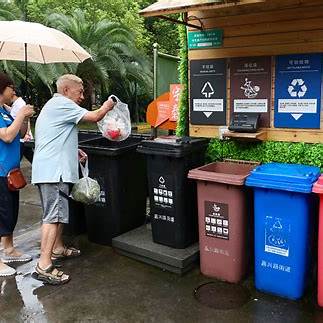
Mandatory waste sorting: Shanghai’s 2019 municipal household sorting regulations set the template for many other cities to enforce source separation, which dramatically improved the feedstock quality for composting and AD facilities. Frontiers
Large treatment capacity expansion: Many cities rapidly expanded anaerobic digestion (AD) and centralized organic-waste facilities in the last 3–5 years — AD now handles a much larger share of food waste treatment than composting in some metros. mdpi.com
Community pilots & decentralized projects: NGOs and local governments have run community composting pilots (dozens of communities across provinces) demonstrating on-site or neighbourhood composting succeeds where centralized facilities are distant or overloaded. BioCycle
2) The three urban composting models now used in China (and why each matters)
A. Centralized treatment (AD + industrial composting)
Used for high-volume streams from markets, food processors and large caterers. Strengths: economies of scale, energy recovery (biogas). Weaknesses: expensive logistics, risk of contamination if source sorting is poor. mdpi.com
B. Decentralized / community composting (on-site or local clusters)
Small-scale aerobic units or managed community composting in residential complexes and campuses — low transport needs, immediate local benefit (garden use), strong public engagement. Successful programs have persisted after pilot funding when quality controls and local buy-in were present. BioCycle
C. On-site commercial composting (hotels, restaurants, schools)
Businesses process their own organic waste using in-vessel or automated machines (plug-and-play units) to eliminate disposal fees and produce usable compost. Growing interest in automated solutions that reduce odour and labour. (See Chinese decentralized tech adoption examples.) www3.wipo.int
3) Why this matters to international businesses & hospitality clients
Policy creates demand — Mandatory sorting + municipal targets mean real, recurring demand for treatment capacity, logistics, and on-site solutions. Frontiers
Mixed treatment market — Cities want both high-throughput AD and local on-site/commercial solutions; that opens spaces for machine vendors, service contracts, and hybrid offers. mdpi.com
Community proof lowers risk — Community pilot programs show composting works in Chinese urban contexts when quality and standards are met — which reduces commercial adoption risk for vendors that supply certified, low-odour machines. BioCycle
4) How Chinese cities solved common barriers — practical innovations you should note
Strict source separation enforcement (fines, monitoring, resident training) to reduce contamination and improve compost quality. Frontiers
Quality control & standards for finished compost to boost public acceptance and allow agricultural reuse. BioCycle
Plug-and-play decentralized machines that have automated sorting/pre-processing (crushing, dewatering, fermentation) to reduce labour and odour — attractive for hotels, campuses and community centres. www3.wipo.int
Shanghai: mandatory sorting + public engagement increased quality of organics collection and enabled routing to treatment plants rather than incineration/landfill. Frontiers
Community Composting Program (multiple provinces): ~50 communities trialled neighborhood composting; nearly half continued after pilots — demonstrating scalability with proper standards and governance. BioCycle
Citywide shift: municipal data show a large rise in AD capacity, changing the treatment mix (AD share rose notably in some analyses). mdpi.com
6) Market & opportunity snapshot (what to sell / where the money is)
7) Actionable 8-step playbook for an international supplier (how you win China-style)
Map municipal policy & pilot sites — target cities with mandatory sorting and active organic programs (Shanghai, Beijing, Shenzhen, Changsha, etc.). Frontiers+1
Localise products — offer low-odour, automated, compact machines with Chinese UI, CE/CCC documentation and local service network. www3.wipo.int
Partner with community NGOs — leverage local trust to run demonstration projects (community buy-in drives municipal acceptance). BioCycle
Offer hybrid solutions — combine on-site units for businesses with centralized pre-processing for larger streams. mdpi.com
Provide standards & testing — show compost quality reports to win acceptance in landscaping/agriculture. BioCycle
Finance models — propose leasing, revenue-share from compost sales, or performance contracts to lower customer CAPEX hurdles.
Pilot → Scale — run 3-month pilots with measurable KPIs: tonnes diverted, % contamination, compost output, cost savings.
Train & certify staff + provide PR collateral to help clients use sustainability as a marketing differentiator.
Suggested primary SEO title (<= 60 chars): Urban Composting Innovations in China — Lessons for Businesses
Suggested meta description (<= 155 chars): Learn how Chinese cities are turning food waste into value — mandatory sorting, community composting pilots and commercial on-site solutions. Insights for vendors.
H1 — Urban Composting Innovations in China — What International Businesses Can Learn H2 — Why China’s policy push matters H2 — Three urban composting models H3 — Centralized AD & industrial composting H3 — Community & decentralized composting H3 — On-site commercial composting for hotels/restaurants H2 — How to enter the market (8-step playbook) H2 — Case studies & proof points H2 — SEO keywords, CTAs, and next steps
Image alt tags (use these on images):
“Shanghai food waste sorting bins”
“community composting site Changsha”
“in-vessel composting China pilot”
“hotel on-site composting machine China”
9) Word choices for maximum engagement (use in headings, CTAs, social posts)
Common words (friendly, searchable): hotel, restaurant, city, compost, waste, recycling, program, pilot, machine, community
Power words (use in CTAs/headlines): transform, unlock, scale, proven, certified, breakthrough, fast-track, win
Emotional words / phrases (for storytelling & social): from waste to resource, neighbourhood pride, breathe easier, green leadership, future-proof your business
Sample emotional headline: From Bin to Bloom: How China’s Cities Turned Food Waste into Local Value
If you’re a composting-machine vendor: pilot in a tourism district or residential community with pre-sorted waste and partner with an NGO to build trust.
If you’re a hotel/restaurant group exploring China: run an on-site demo to show immediate OPEX savings and compost benefits for landscaping.
If you’re an investor/service provider: target hybrid offers — machines + logistics + compost quality certification — because cities want turnkey, low-risk solutions.
Introduction – Turning Waste Into Profit in the Food Industry
In India’s fast-growing hospitality sector, food waste is a hidden expense. Hotels, cafes, and restaurants generate massive amounts of organic waste every day — and managing it costs time, money, and reputation.
But what if you could cut those costs in half, comply with waste laws, and even generate revenue from compost? That’s exactly what many smart Indian hotels and restaurants are achieving with on-site composting machines powered by innovation from Green Planet Solutions Pune.
From five-star properties to bustling mid-sized eateries, composting is no longer just an environmental choice — it’s a financial strategy.
💡 The Financial Case for On-site Composting
Before diving into cost-saving tactics, let’s understand the math:
Average hotel/restaurant generates 50–200 kg of food waste/day
Disposal costs: ₹8,000–₹15,000 per month (collection, transport, landfill fees)
On-site composting cuts this by 40–60%
Compost resale or in-house reuse adds 10–15% savings/revenue
👉 Over a year, this means potential ₹1.5–₹2.5 lakh in savings for a medium-sized establishment.
💰 10 Proven Ways to Cut Costs by 50% with On-site Composting
1. Zero Transport Fees
No more paying contractors to haul wet waste daily. Composting machines installed on-site eliminate logistics costs, reducing monthly waste transport expenses by 30–40%.
2. Reduced Waste Disposal Charges
Municipal corporations increasingly charge for waste collection. By processing organic waste internally, hotels and restaurants avoid penalties and recurring disposal costs.
3. Lower Manpower Dependency
Modern composters from Green Planet Solutions Pune come with automated shredding, heating, and mixing systems. One staff member can manage 100 kg/day of waste — cutting manual labor needs by 50%.
4. Faster ROI with Smart Composting
Today’s composters produce ready-to-use compost in 24–48 hours using bio-cultures and AI-based temperature control. The faster cycle means quicker savings and faster returns.
5. Revenue from Compost Sales
Hotels and restaurant chains can sell high-quality compost to nurseries, farmers, or landscapers. A single 100 kg/day machine can generate up to ₹50,000–₹1 lakh per year from compost sales alone.
6. Energy-Efficient Operations
New-generation composting units are low-power and solar-compatible, reducing energy bills by 15–20%. In eco-conscious states like Maharashtra and Karnataka, this directly contributes to your ESG goals.
Municipal rules in cities like Pune, Mumbai, Bengaluru, and Delhi now mandate on-site wet waste treatment for bulk generators. Non-compliance can attract penalties up to ₹25,000 per month. Installing a composting machine avoids this entirely.
8. Tax Benefits & Green Branding
Hotels using composting can qualify for property tax rebates and sustainability certifications (e.g., GRIHA, IGBC). Additionally, a visible green initiative attracts eco-conscious customers — improving occupancy and brand reputation.
9. Cleaner Kitchens & Healthier Workspaces
On-site composting drastically reduces odor, pest infestations, and waste storage clutter. This leads to cleaner kitchens, better staff morale, and smoother day-to-day operations — intangible yet powerful cost savings.
10. Boost CSR & ESG Scores
Corporate clients, travel agencies, and global booking platforms now evaluate hotels on sustainability metrics. Composting strengthens your CSR reporting and ESG score, opening up B2B partnerships and premium clientele.
Each system comes with: ✅ Odor & pest control ✅ Fully automatic drying and mixing ✅ AI-driven heat regulation ✅ Zero-liquid discharge ✅ Remote monitoring options
We help you install, operate, and maintain the system so that you can focus on your business, not on waste.
waste, compost, hotel, restaurant, cost, machine, save, energy, business
Meta Title:
10 Proven Ways Indian Hotels & Restaurants Save 50% Using On-site Composting | Green Planet Solutions Pune
Meta Description:
Learn how Indian hotels and restaurants are cutting waste disposal costs by up to 50% with on-site composting machines. Smart, sustainable, and profitable — discover the future of food waste management.
“Want to reduce your hotel’s waste bills and boost your green rating? Join 500+ Indian businesses that have switched to smart composting with Green Planet Solutions Pune.”
Between 2025 and 2030, every successful hospitality brand in India will have one thing in common — on-site waste management. On-site composting is not an expense, it’s a strategic investment that brings financial, environmental, and reputational returns.
Hotels and restaurants embracing composting today are building a future-ready business model — one where every kilogram of food waste becomes a resource.
Introduction – The Composting Revolution Has Begun
India is entering a waste management revolution — and composting stands at the heart of it. Between 2025 and 2030, the focus is shifting from traditional compost pits to AI-powered, data-driven composting machines. As smart cities rise and sustainability becomes a business mandate, companies and institutions that adopt next-gen composting solutions will not only comply with regulations but also generate measurable profits from waste.
For smart businesses, housing societies, hotels, and food industries, composting is no longer a “green choice” — it’s a strategic advantage.
By 2030, India aims to divert more than 80% of its organic waste from landfills. Government mandates, rising landfill costs, and corporate sustainability goals are driving this transformation.
Here’s what’s shaping the composting landscape:
Smart City Missions integrating decentralized waste processing.
Municipal bylaws mandating on-site composting for large waste generators.
Technological innovation in IoT, automation, and energy-efficient composting.
Carbon credit opportunities for compost producers and green waste processors.
⚙️ Future Trends (2025–2030): What’s Next in Composting Technology
1. AI-Driven Composting Machines
Composting machines are getting smarter. Artificial Intelligence and machine learning now monitor temperature, humidity, and aeration to ensure perfect compost every time.
Benefits:
Reduces manual monitoring
Predicts compost maturity
Optimizes energy consumption
Increases compost yield
Example: Future-ready composters from companies like Green Planet Solutions Pune already feature auto-mix, odor-control, and remote monitoring — helping businesses stay compliant and efficient.
2. IoT-Based Remote Monitoring
Smart sensors connected via the Internet of Things (IoT) allow real-time monitoring of composting parameters. Facility managers can track performance through dashboards, even on mobile apps.
With India’s solar capacity booming, solar-powered composters are emerging as a sustainable and cost-saving innovation. They reduce operational costs by 20–30%, making composting even more viable for rural areas and institutions with high power costs.
4. Modular and Compact Machines
Urban India struggles with space. Between 2025–2030, expect compact modular composters that can fit into small society basements or restaurant corners while processing hundreds of kilograms daily.
5. Bio-Enzyme & Accelerated Composting Agents
Innovations in bio-culture enzymes are cutting composting times from 30 days to as little as 24–48 hours. These agents also reduce odor and increase nutrient retention in the compost — making it more valuable for resale.
6. Integration with Carbon Credit Programs
Businesses that compost organic waste can now earn carbon credits, adding a new revenue stream. Between 2025–2030, carbon markets in India will increasingly reward decentralized waste processors that lower methane emissions.
7. Government Push and Green Financing
The Indian government’s 2025-2030 Waste-to-Wealth roadmap includes incentives for on-site composting equipment. Businesses adopting eco-tech can benefit from:
Capital subsidies (up to 50%)
Property tax rebates for sustainable waste management
Green loans for composting infrastructure
Recognition under ESG reporting frameworks
💼 Why Smart Businesses Must Invest in Composting Now
waste, compost, machine, India, smart, business, green, technology, future
Meta Title:
Future Trends in Indian Composting Technology (2025–2030) | Green Planet Solutions Pune
“The future of composting is smart, profitable, and sustainable. Don’t get left behind — partner with Green Planet Solutions Pune today and be the change India needs.”
The 2025–2030 decade will define how India manages its waste — and how businesses redefine sustainability. Smart composting machines will merge AI, IoT, and green energy to turn waste into wealth. For forward-thinking organizations, composting is more than compl
Introduction – Why the Subsidy Landscape Matters for Composting
Every day in India, tons of organic waste end up in landfills. But more and more, government policy is shifting from “dispose” to “recover” — turning wet-waste into compost, and offering financial incentives to make it happen. For societies, hotels, institutions and businesses, installing a composting machine today is not just a sustainability move — it’s a smart financial decision, especially when subsidies reduce upfront costs.
2. Overview of Key Government Grants & Subsidies
A. Central / National Programmes
Under the Organic Fertilizer Scheme 2025, the government provides financial support to set up composting units and organic-manure production. For example: 50% cost support for vermi compost units (up to ₹ 25,000) and direct subsidies for compost unit setup. INPA+1
Under broader farming and organic-inputs schemes, there is support for compost units, bio-fertilizers and organic manure production. Agri Farming+2Agri Farming+2
For waste-to-resource infrastructure, certain centrally-sponsored grant programmes allow up to one-third of cost for compost-plant setup. ERIA+1
Several states provide state-wise organic farming subsidy lists (2025) that include support for compost-units, bio-fertilizers and related infrastructure. For example, in Maharashtra: support for compost units under state-organic-farming subsidies. INPA
At municipal/residential level: e.g., the Pune Municipal Corporation (PMC) offered subsidies to societies and homes for installing composting or wet-waste-processing machines. Up to ~₹ 1,20,000 for societies. The Times of India
Rural and village-level schemes: under the Swachh Bharat Mission – Grameen (SBM-G), villages and panchayats can get capital assistance for compost/wet-waste infrastructure. nbmcw.com
3. What Types of Machines / Projects Are Eligible
Eligible machines/projects typically include:
On-site composters and organic-waste converters (for housing societies, hotels, institutions)
Vermi-compost units and bio‐fertilizer production units (especially agriculture-focused)
Community/cluster composting plants (municipal or institutional scale)
Wet-waste processing infrastructure tied to “waste to resource” objective
Note: While many subsidies target farmers or clusters, there is increasing scope for housing societies, commercial institutions, hotels to tap capital grants or municipal subsidies for composting equipment.
Apply to the relevant authority – state agriculture dept, municipal corporation, district nodal office. Provide required documents (land/ownership, machine quote, bank details, Aadhaar etc).
Install machine & report – after approval, install machine; maintain operational records, segregation data, compost output and usage/sales.
Monitor & leverage benefits – claim subsidy/DBT, showcase savings & compost revenue, build case study for others.
“Government Grants & Subsidies for Composting Machines India 2025 | Green Planet Solutions Pune”
Meta Description:
“Discover the latest 2025 subsidies and grants in India for composting machines. How housing societies, hotels & businesses can access funding and reduce waste-costs.”
“Looking to install a composting machine for your society or hotel? Did you know you can access up to 50 % subsidy under Indian government schemes in 2025? Download our free subsidy checklist now! #CompostingMachineIndia #WasteToCompost”
Are you a housing society, hotel, school or business in India looking to install a composting machine and want help navigating subsidies and grants? 📞 Contact Green Planet Solutions Pune for a free subsidy eligibility check & project proposal.
Let us help you reduce your waste disposal cost, access government funding, and create value from compost.
10. Conclusion
In 2025, the tide is turning: from “waste disposal cost” to “sustainable value creation”. Government subsidies and grants are now real enablers for installing composting machines and unlocking circular-economy benefits. For housing societies, hotels and institutions in India – now is the time to act. With the right machine, the right subsidy and the right partner like Green Planet Solutions Pune, you can turn food waste into profit, sustainability and pride.
Introduction: Turning the UAE’s Food Waste Problem Into a Business Opportunity
Every plate of leftover food, every vegetable peel, and every buffet tray tossed away costs UAE’s F&B businesses more than just waste bills — it’s lost revenue, lost resources, and lost sustainability credibility.
But what if you could turn that waste into wealth? That’s exactly what smart composting machines are helping F&B businesses across the UAE achieve.
From Dubai’s luxury hotels to Sharjah’s catering kitchens, forward-thinking brands are now installing on-site composting units to convert food waste into valuable compost — and discovering impressive returns on investment (ROI) in the process.
♻️ 1. The Hidden Cost of Food Waste in UAE’s F&B Sector
According to the UAE Ministry of Climate Change and Environment, nearly 38% of all waste generated in the UAE is food waste. Hotels, restaurants, and catering units are major contributors — often paying AED 300–800 per ton for waste disposal.
These costs don’t just add up financially — they impact your brand image, sustainability rating, and compliance with UAE Vision 2031’s Zero Waste Target.
⚙️ 2. The Smart Composting Revolution: How It Works
A smart composting machine is a fully automated unit that uses microbial technology, heat, and aeration to convert organic waste into compost within 24–48 hours.
🌿 Key Features:
Odor-free operation with advanced air filtration
IoT-enabled smart sensors for monitoring performance
Compact footprint, ideal for commercial kitchens
Automated waste logging for ESG documentation
In simple terms — it turns food waste into organic gold, without odor, mess, or extra manpower.
💰 3. The ROI of Composting: Turning Waste Into Revenue
Let’s break down how composting directly contributes to your bottom line.
✅ A. Reduced Waste Disposal Costs
With on-site composting, 80–90% of organic waste is diverted from landfills. This immediately slashes waste hauling and tipping fees by up to 40% per month.
✅ B. Revenue from Compost Sales
The nutrient-rich compost produced can be:
Sold to landscaping companies or farms
Used internally for gardens or green spaces
Donated for CSR initiatives, enhancing brand value
✅ C. Enhanced Brand Value & Green Certification
Hotels and restaurants adopting composting systems get recognized under LEED, Estidama, and Dubai Municipality’s Green Star Rating. This boosts their ESG profile and attracts eco-conscious guests and investors.
✅ D. Payback Period
A 100 kg/day machine typically recovers its investment within 12–18 months through savings and compost reuse.
In short:
Every dirham invested in composting today pays back in savings, brand value, and sustainability credibility tomorrow.
Target Audience Keywords: F&B operators, hotel general managers, sustainability officers, facility managers, CSR heads, Free Zone developers, and waste management consultants.
🌎 Conclusion: Composting Is the New Profit Center
UAE’s F&B industry is evolving — and smart composting machines are no longer a sustainability luxury, but a financial advantage.
By investing in composting today, you’re not just saving waste — you’re building a brand that’s profitable, responsible, and future-ready.
🌱 Partner with Green Planet Solutions Pune — your sustainability ally in the UAE. 💬 Book a free on-site waste audit today and discover how much you can save!
Discover how UAE’s F&B businesses can turn food waste into profit with smart composting machines. Learn ROI, cost savings, and sustainability benefits. | Green Planet Solutions Pune

 – +917722073961