Category: organic waste composter

  • How Organic Waste Composter Can Help Tackling Waste Management Challenges in Manesar

    How Organic Waste Composter Can Help Tackling Waste Management Challenges in Manesar

    How Organic Waste Composter Helps Waste Management in Manesar

    The Municipal Corporation of Manesar (MCM) has been facing ongoing challenges in solid waste management, and these issues have now stretched for over 18 months. The delays, compounded by various regulatory changes and tender restructuring, have left MCM struggling to secure a dedicated waste management firm. As a result, waste has remained untreated, and the reliance on temporary solutions, such as tractor trolleys and sanitation staff, has proven to be inefficient. But amidst this challenge lies an opportunity for a sustainable solution, and Green Planet Solutions has the perfect answer: the Organic Waste Composter.

    The Waste Management Crisis in Manesar

    Since the expiration of the previous waste collection contract in July 2023, MCM has struggled to secure a new contractor to manage the waste collection, segregation, and processing tasks. The Haryana Urban Local Bodies (ULB) department has made significant changes to the Request for Proposals (RFP), which now requires MCM to split the work into two parts, one for waste collection and another for processing. While the new seven-year contract length promises more stability, it also means that MCM faces delays that stretch even further.

    Currently, with waste piling up and inadequate systems in place, MCM is using temporary methods such as tractor trolleys for waste collection. However, these stopgap measures are not sustainable in the long term. The need for an innovative, environmentally friendly solution to this problem is more critical than ever.

    Organic Waste Composting: A Game Changer

    As MCM works through the bureaucratic hurdles to establish a new waste management system, Green Planet Solutions offers a simple yet effective solution: the Organic Waste Composter. This technology is designed to help both urban and rural communities tackle the issue of organic waste management in an eco-friendly, efficient manner.

    Here’s why the Organic Waste Composter could be the key to solving waste management problems in Manesar:

    1. No More Untreated Organic Waste

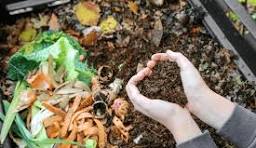
    Much of the waste generated in Manesar, especially from households and bulk waste generators like apartments is organic (wet waste). The Organic Waste Composter can process all organic waste, including garden waste, poultry waste, and even meat waste. By using this system locally, organic waste can be composted on-site, eliminating the need for transportation to distant processing centers and reducing the untreated waste piling up.

    2. A Fully Automatic, Skill-Free Solution

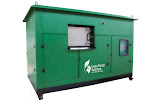
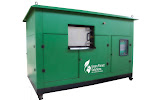
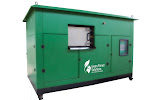
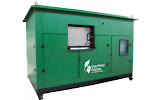
    The Organic Waste Composter from Green Planet Solutions is fully automatic and PLC-controlled. This means it requires no special skills to operate, making it an ideal solution for residents and communities in Manesar. The machine uses microorganisms to break down organic matter in a natural, efficient manner. The process is noiseless and odorless, ensuring that it won’t disturb residents or create unpleasant smells.

    3. Compact and Space-Efficient

    With space being a premium in densely populated areas like Manesar’s new sectors and condominiums, the organic waste composter is compact and requires minimal space. It can easily be set up in small areas like kitchens, community gardens, or even within apartment complexes, making it suitable for urban and rural spaces alike.

    4. Sustainable and Environmentally Friendly

    One of the most pressing concerns for Manesar is the growing environmental footprint of untreated waste. By adopting organic waste composting, MCM can reduce harmful greenhouse gases, leachate formation, and overall pollution. Additionally, it aligns with sustainability goals, reducing the need for landfill space and promoting recycling.

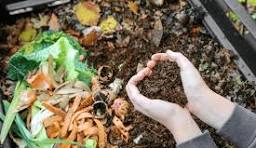
    The composter works by naturally converting organic waste into high-quality compost, which can be used for gardening or sold as organic fertilizer. This closed-loop system supports eco-friendly living and contributes to healthier, greener communities.

    5. Safety and Reliability

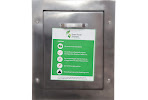
    The Organic Waste Composter comes equipped with safety features such as mixing blades that stop when the door is opened and an overload function to prevent mishaps. The HMI (Human Machine Interface) provides real-time process information, so users can monitor performance and ensure everything is working smoothly.

    6. High-Quality, Durable Construction

    Made with stainless steel and anticorrosive powder-coated metal, the composter is built to last. It is designed to withstand the wear and tear of regular use, ensuring that it provides years of reliable service. The use of high-quality materials guarantees a long lifespan, making it a cost-effective investment in the long run.

    How Green Planet Solutions Can Help

    For Manesar, the solution lies in integrating organic waste composters into the waste management ecosystem. By equipping homes, communities, and businesses with these systems, Green Planet Solutions can help reduce the burden on MCM’s overburdened waste management infrastructure.

    Whether it’s a single residential unit or a large condominium, our Organic Waste Composter can be seamlessly integrated into existing waste management systems. This will significantly reduce the amount of organic waste that needs to be collected, transported, and processed by MCM, thereby alleviating some of the strain on the system during this transitional period.

    Conclusion

    Manesar’s waste management crisis presents an urgent challenge, but it also offers an opportunity to innovate. By embracing sustainable technologies like the Organic Waste Composter, Green Planet Solutions can empower residents, communities, and local authorities to take charge of their waste in a natural, efficient way.

    As MCM works through the delay and tender processes, the adoption of organic waste composting can significantly reduce the environmental footprint of waste and pave the way for a cleaner, greener future for Manesar. Together, we can build a waste-free, sustainable community.

    To learn more about how we can help transform waste management in your area, get in touch with us today!

  • Greening the GCC: The Power of Organic Waste Composter in Sustainable Waste Management

    Greening the GCC: The Power of Organic Waste Composter in Sustainable Waste Management

    The Power of Organic Waste Composter in Sustainable Waste Management

    In recent years, the GCC (Gulf Cooperation Council) countries have made significant strides toward improving waste management practices, driven by urgent environmental concerns and rapid urbanization. Bahrain, Kuwait, Oman, Qatar, Saudi Arabia, and the United Arab Emirates form the Gulf Cooperation Council (GCC). The GCC’s joint efforts to adopt cutting-edge recycling technology and composters for organic waste demonstrate its dedication to a more sustainable future while tackling the increasing waste issues brought on by industrialization and urbanization.  With the increasing volume of waste, the demand for innovative and sustainable solutions has become more critical than ever. One of the most effective methods gaining momentum in this region is using the organic waste composter. This simple yet impactful technology offers a sustainable solution to reduce waste while benefiting the environment.
    Green Planet Solutions offers innovative waste management solutions across the Gulf countries, introducing organic waste composters to help achieve zero waste goals. By converting organic waste into valuable compost, we promote sustainable practices and waste-to-energy solutions, contributing to a cleaner, greener future.

    The Growing Waste Problem in the GCC

    The GCC countries, especially the UAE, have long faced challenges regarding waste management. The region has one of the world’s highest per capita waste generation rates, with some areas producing as much as 2.5kg of waste per person per day. Rapid urbanization and long-standing societal issues regarding wastefulness have exacerbated this growing problem. Currently, a significant portion of this waste—around 77%—ends up in landfills, posing environmental and economic challenges.

    As governments across the GCC step up their efforts to tackle this issue, they have started to pass ambitious legislation and mandate changes to reduce landfill waste. For example, the UAE’s recent federal legislation mandates a 75% recycling rate for municipal solid waste (MSW) by 2021, with the long-term goal of achieving “zero waste to landfill” by the end of 2020. These mandates are driving the region toward more sustainable waste management practices, and one of the most promising solutions is the organic waste composter.

    The Role of Organic Waste Composters in Waste Management

    An organic waste composter is a device that allows organic waste, such as food scraps, garden waste, and agricultural residues, to be converted into valuable compost. This process significantly reduces the volume of waste that would otherwise end up in landfills, contributing to a cleaner and more sustainable environment. Composting also has the added benefit of creating nutrient-rich soil that can be used in gardening and farming, closing the loop on waste and benefiting the economy.

    The integration of organic waste composters into waste management strategies is a key component of the GCC’s efforts to meet their ambitious recycling targets. By turning organic waste into compost, these systems not only reduce landfill waste but also promote a circular economy, where resources are reused and regenerated, rather than discarded.

    Organic Waste Composter in UAE

    Government Mandates and Waste Management Innovations

    In response to the growing waste problem, GCC governments are implementing a range of initiatives aimed at reducing waste and promoting sustainable practices. In the UAE, the government’s integrated waste management plan includes several strategies, such as Scandinavian-style home recycling systems, composting, and the construction of the largest waste-to-energy plant in the Middle East. These efforts are supported by investments in cleantech innovations, such as organic waste composters, which align perfectly with the region’s sustainability goals.

    Governments are not only focusing on large-scale waste management systems but are also encouraging individuals and businesses to adopt green solutions like organic waste composters. These efforts are helping to raise awareness about the importance of reducing waste, recycling, and adopting sustainable practices in everyday life.

    The Future of Waste Management in the GCC

    As the GCC countries work toward achieving their waste diversion targets, the role of technologies like organic waste composters will only become more critical. These systems offer a cost-effective and environmentally friendly way to manage organic waste, and they can be implemented at both the household and industrial levels. With the support of government mandates and increased investment in cleantech, the region is well-positioned to embrace a future where waste is reduced, recycled, and composted, rather than being sent to landfills.

    By using organic waste composters, individuals and businesses in the GCC can play an essential role in supporting the region’s sustainability goals. These systems offer a simple yet powerful solution to help combat the growing waste problem, reduce environmental impact, and create a more sustainable future for generations to come.

    Green Planet Solutions: Your Partner in Sustainable Waste Management

    At Green Planet Solutions, we are committed to providing innovative and eco-friendly waste management solutions that align with the GCC’s sustainability goals. Our organic waste composters are designed to help businesses and households reduce waste, recycle organic materials, and contribute to a cleaner, greener planet. We believe that adopting sustainable practices is not just a necessity—it’s an opportunity to make a positive impact on the environment and the economy.

    With the GCC governments mandating stricter waste management laws and pushing for more sustainable practices, now is the time to invest in solutions like the organic waste composter. At Green Planet Solutions, we are proud to be part of the green revolution, helping the region move toward a zero-waste future.

    By embracing green technologies such as the organic waste composter, we can ensure that waste management becomes a sustainable, effective, and integral part of life in the GCC. Let us help you take the next step in creating a cleaner, more sustainable world for future generations.
    Contact Green Planet Solutions today to learn how our organic waste composters can help you achieve zero waste and sustainable waste management!

  • The Surprising Benefits of Using an Organic Waste Composter in Winter

    The Surprising Benefits of Using an Organic Waste Composter in Winter

    The Surprising Benefits of Using an Organic Waste Composter in Winter

    When most people think of composting, they picture spring and summer—sunny days, flourishing gardens, and plenty of organic waste. However, winter—and specifically December—offers unique benefits for using an organic waste composter. Despite the cold temperatures and shorter days, December is the perfect time to begin or continue composting. Whether you’re a seasoned composter or just getting started, here are the surprising advantages of using an organic waste composter during the winter months, and why December is the ideal time to dive into composting with Green Planet Solutions.

    1. Composting in Winter Helps You Manage Holiday Waste Efficiently

    The holiday season in December typically leads to an increase in kitchen scraps—peels, leftovers, and even organic waste from holiday meals. An organic waste composter allows you to manage these waste items sustainably instead of sending them to the landfill. By composting food scraps, wrapping materials like cardboard, and even Christmas tree trimmings, you reduce waste and create nutrient-rich compost for your garden in the months ahead.

    • Green Planet Tip: Add a balanced mix of “greens” (kitchen scraps, coffee grounds) and “browns” (leaves, cardboard) to your organic waste composter to ensure the best decomposition process.

    2. Slower Decomposition = Less Odor

    One of the challenges many people face with composting during warmer months is the potential for unpleasant odors as waste breaks down quickly. Winter composting naturally slows down the decomposition process, which can be an advantage in keeping odors under control. In December, the cool temperatures prevent the pile from overheating, leading to less moisture and fewer smells, making it an ideal time for people who are sensitive to compost odors.

    • Green Planet Tip: If you’re worried about odors, place your organic waste composter in a sheltered, well-ventilated area to help air circulate.

    3. Less Pests and Critters

    Warm weather often invites pests like flies, rodents, and other critters into compost piles, especially when composting food scraps. Winter composting significantly reduces pest activity, as cold temperatures make it less likely for flies and rodents to thrive. This makes December an ideal time for those who struggle with pests during the warmer months. With fewer bugs around, you can compost with greater peace of mind.

    • Green Planet Tip: Make sure your organic waste composter has a secure lid or mesh cover to keep larger animals out and ensure that your composting remains hygienic.

    4. A New Year’s Resolution for Sustainability

    Many people set New Year’s resolutions focused on sustainability, reducing waste, or leading a greener lifestyle. Starting or committing to using an organic waste composter in December aligns perfectly with these goals. Not only will you begin the year by reducing your carbon footprint, but you’ll also be setting yourself up for a year of eco-friendly habits.

    • Green Planet Tip: If you’re new to composting, start with small batches and gradually increase the amount as you become more familiar with the process.

    5. Composting in Winter Helps Retain Nutrients for Spring Gardening

    While composting slows down in the winter, it still works at a reduced pace. By starting or continuing to compost in December, you give your organic waste composter more time to break down, ensuring that by the time spring rolls around, you’ll have nutrient-rich, ready-to-use compost. This compost will be perfect for your garden, flowerbeds, or lawn, setting you up for a productive growing season.

    • Green Planet Tip: Use a compost thermometer to check that your pile is staying warm enough to encourage decomposition, even in colder months. Aim for a temperature of 120°F to 150°F for best results.

    6. The Environmental Impact of Winter Composting

    Composting year-round, including during the winter, plays a critical role in reducing landfill waste. Organic waste makes up a significant portion of landfill mass, and when it decomposes anaerobically (without oxygen) in a landfill, it releases harmful methane—a potent greenhouse gas. By using an organic waste composter, you’re helping to reduce methane emissions and contribute to a more sustainable planet, even when it’s cold outside.

    • Green Planet Tip: Consider setting up a composting bin or vermicomposting system if outdoor composting isn’t feasible due to extreme cold or limited space.

    7. Energy and Time Efficiency

    Winter offers an unexpected advantage: you’re likely to be spending more time indoors, which gives you the opportunity to focus on your composting. You can use this time to manage your pile, monitor temperature levels, and make adjustments as needed. Plus, because the composting process is slower in the cold months, you don’t need to worry about managing large volumes of waste as often.

    • Green Planet Tip: Keep an eye on moisture levels and stir your compost pile less frequently in the winter. Inactive piles during winter months can be more forgiving with fewer maintenance needs.

    8. Winter Composting Supports Local Ecosystems

    In colder climates, organic waste composters contribute to maintaining local ecosystems by providing much-needed nutrients to the soil in the spring. Starting in December, when snow and ice cover the ground, your compost will be ready to enrich the soil once the thawing begins. By adding compost to your garden or flower beds in the spring, you help local plants, trees, and wildlife thrive, fostering biodiversity.

    • Green Planet Tip: If you’re gardening in the winter, you can still use compost in raised beds or plan for composting as soon as the weather warms up.

    Conclusion: Why December is the Perfect Time to Start Using an Organic Waste Composter

    Using an organic waste composter in winter, especially in December, comes with a host of surprising benefits—from controlling odors and pests to creating rich compost for spring gardening. It’s also a great way to kickstart your commitment to sustainability and waste reduction during the holidays and beyond.

    At Green Planet Solutions, we believe that composting shouldn’t be limited to the warmer months. Our organic waste composters are designed for year-round use, providing a simple and effective way to manage waste and support a healthier planet.

    Key Takeaways:

    • December offers a perfect opportunity to start composting, with fewer pests, less odor, and manageable waste from holiday meals.
    • Winter composting helps create nutrient-rich compost for the spring, enhancing your garden’s health.
    • Using an organic waste composter year-round reduces your environmental impact and supports sustainability goals.

    Ready to start composting this winter? Green Planet Solutions can help you find the perfect organic waste composter for your needs—no matter the season!

    You Must Read – The Problem of Food Waste and Its Impact on the Environment

  • 5 Tips for Maintaining Your Organic Waste Composter in India’s Diverse Climate

    5 Tips for Maintaining Your Organic Waste Composter in India’s Diverse Climate

    5 Tips for Maintaining Your Organic Waste Composter in India’s Diverse Climate

    Maintaining an organic waste composter in India can be a rewarding experience that contributes to a cleaner environment and sustainable living. However, India’s diverse climate—ranging from tropical heat to cold, dry winters—requires specific care and attention when managing an organic waste composter. At Green Planet Solutions, we understand the challenges and solutions necessary for successful composting in varying environmental conditions.

    In this blog, we share five essential tips for maintaining your organic waste composter to ensure optimal performance, no matter the climate in which you live. Whether you’re in the humid coastal regions, the dry northern plains, or the cooler hill stations, these tips will help you manage your organic waste effectively and reduce landfill pressure.

    1. Monitor Temperature and Moisture Levels Regularly

    India’s weather conditions can cause fluctuations in temperature and moisture, which directly affect the decomposition process in an organic waste composter. If your composter becomes too hot in tropical or arid climates, the composting process may accelerate too quickly, while cold weather can slow it down significantly.

    What to Do:

    • In warmer regions, ensure your organic waste composter is placed in a shaded area to prevent overheating. You can also add moisture regularly to keep the pile damp but not soggy.
    • In colder climates, insulate your composter using hay or straw to retain heat, and increase the pile size to maintain internal warmth.
    • Keep the moisture levels balanced—too dry and decomposition slows down; too wet and it becomes smelly and anaerobic.

    Why It Matters:
    Temperature and moisture balance are essential for maintaining the right conditions for microorganisms to break down organic matter effectively, no matter the climate.

    2. Ensure Proper Aeration and Turning of Waste

    Proper airflow is crucial to speed up the composting process. In humid regions, such as coastal areas, the composting material can become compacted, which prevents oxygen from reaching the microbes that help break down organic waste. In drier regions, aeration helps avoid the buildup of dry, crumbly material.

    What to Do:

    • Turn the compost regularly to allow air to circulate and prevent the compost from becoming too dense or smelly.During warm weather, it’s best to turn the compost every 1-2 weeks.
    • For areas with high humidity, make sure your organic waste composter has proper ventilation or holes to allow airflow. Use a composting bin with adjustable air vents if necessary.
    • In drier climates, adding coarse materials like small twigs or straw can help create pockets of air within the compost.

    Why It Matters:
    Aeration promotes aerobic decomposition, which is faster and more odor-free than anaerobic decomposition. It also prevents the compost from becoming stagnant or overly wet.

    3. Manage Waste Type and Size for Effective Breakdown

    The types of organic waste you add to your organic waste composter play a significant role in how efficiently your compost breaks down. India’s varied climate means that the availability of certain types of waste may vary throughout the year, but consistency in the types and sizes of waste you add is essential.

    What to Do:

    • Chop or shred larger waste materials, such as vegetable peels, fruit skins, and yard waste, before adding them to the composter. Finer particles break down faster and more uniformly.
    • Balance green (nitrogen-rich) and brown (carbon-rich) materials. Green waste includes kitchen scraps, grass, and vegetable peelings, while brown materials include dry leaves, straw, and cardboard. A good ratio of 2:1 (green to brown) is ideal.
    • Be mindful of seasonal waste. During monsoons, you may have an abundance of wet waste, while in winter, dry leaves and plant trimmings might be more prevalent. Adjust your composting inputs accordingly.

    Why It Matters:
    A balanced mix of materials with proper size ensures efficient decomposition and minimizes the risk of attracting pests or creating unpleasant odors.

    4. Protect the Composter During the Monsoon and Winter Seasons

    Monsoon and winter in India can introduce challenges for composting, particularly excess moisture during the rainy season or colder temperatures in northern regions. These seasonal variations can disrupt the composting process if the organic waste composter is not properly protected.

    What to Do:

    • During monsoons, elevate your organic waste composter slightly off the ground to prevent water from flooding it. You can use bricks or a wooden platform to ensure proper drainage.
    • For outdoor composters, consider covering the compost with a waterproof tarp to prevent excess rainwater from soaking into the pile.
    • In winter, ensure your composter is insulated to maintain heat. You can use straw bales or blankets to wrap the composter, protecting it from the chill.
    • For both seasons, consider moving the organic waste composter to a sheltered or covered location, such as a balcony or patio, where it is shielded from direct weather elements.

    Why It Matters:
    Protecting your composter from the elements ensures that the composting process remains consistent and efficient, regardless of seasonal challenges.

    5. Regularly Check for Pests and Odor Control

    Climate conditions in India, especially in hot and humid regions, can make your organic waste composter a haven for pests if not properly maintained. Similarly, during the monsoon, excess moisture can lead to foul smells and unwanted visitors.

    What to Do:

    • Ensure that the compost is properly aerated and balanced with enough carbon-rich materials like dry leaves or straw to minimize odors.
    • Avoid adding meat, dairy, or oily food to your composter, as these can attract pests and rodents.
    • If you notice an odor or pests, try adjusting the moisture level (add dry leaves or cardboard if it’s too wet), or turn the compost more frequently to improve aeration.
    • Consider using natural pest deterrents, such as neem leaves or garlic, to keep pests at bay.

    Why It Matters:
    Proper maintenance reduces the likelihood of pest infestations and foul smells, ensuring that your composting process is clean and efficient.

    Conclusion: Sustainable Composting for All Climates

    Composting is an essential practice for reducing waste and enriching the soil. By following these maintenance tips for your organic waste composter, you can ensure that it functions optimally, regardless of India’s diverse climate. At Green Planet Solutions, we are dedicated to helping you achieve sustainable waste management practices with high-quality composting solutions.

    Ready to start composting? Contact Green Planet Solutions today for more information about our range of organic waste composter products designed for every climate in India!

  • The Role of Composting Machines in Achieving Swachh Bharat Abhiyan Goals

    The Role of Composting Machines in Achieving Swachh Bharat Abhiyan Goals

    The Role of Composting Machines in Achieving Swachh Bharat Abhiyan Goals

    India’s journey toward cleanliness and waste management has taken a significant turn with the launch of the Swachh Bharat Abhiyan (Clean India Mission) in 2014. This ambitious nationwide initiative aims to promote hygiene, improve waste management, and eliminate open defecation, among other objectives. As the country moves toward achieving a cleaner and greener future, innovations in waste management technology, particularly composting machine, have proven to be instrumental.

    Green Planet Solution, a leader in sustainable waste management technology, is proud to contribute to the mission by promoting eco-friendly solutions like composting machines. Let’s look at how composting machines can play an important role in helping India achieve the goals set by the Swachh Bharat Abhiyan.

    Understanding the Swachh Bharat Abhiyan Goals

    The Swachh Bharat Abhiyan aims to create a cleaner India by addressing various aspects of sanitation and waste management. Key goals of this mission include:

    • Encouraging sanitation and hygiene across urban and rural areas.
    • Improving waste management practices and promoting waste segregation at the source.
    • Encouraging the use of sustainable solutions for waste disposal and recycling.
    • Creating awareness among citizens about the importance of a clean environment.

    Achieving these goals requires both individual and community efforts, along with the adoption of innovative technologies. This is where composting machines come into picture.

    How Composting Machines Contribute to Waste Management in India

    A composting machine is a device designed to convert organic waste into compost, a natural and nutrient-rich fertilizer. Organic waste, such as food scraps, garden waste, and biodegradable materials, is one of the major contributors to India’s waste burden. In a country where waste management infrastructure is still evolving, composting machines provide a simple yet effective solution for households, businesses, and local communities to manage their organic waste sustainably.

    Here’s how composting machines directly contribute to achieving Swachh Bharat Abhiyan’s goals:

    1. Reducing Landfill Waste and Greenhouse Gas Emissions

      The majority of organic waste in India ends up in landfills, contributing to pollution and the production of harmful gasses like methane, a potent greenhouse gas. By using composting machines, organic waste can be converted into compost instead of being sent to landfills. This helps reduce landfill burden and mitigates the environmental impact of waste disposal.

      Green Planet Solution’s composting machine offer efficient and eco-friendly waste processing that aligns with the Swachh Bharat Abhiyan‘s objective of reducing the environmental impact of waste.
    2. Promoting Waste Segregation at the Source

      One of the fundamental goals of Swachh Bharat Abhiyan is to encourage waste segregation at the source. Composting help facilitate this practice by promoting the separation of organic waste from other types of waste. By segregating waste, households, institutions, and businesses can reduce contamination of recyclable materials and ensure that organic waste is treated appropriately, leading to cleaner streets and neighborhoods.
    3. Creating Nutrient-Rich Compost for Urban Farming

      In cities where green spaces and agricultural land are limited, composting machines offer a way to recycle waste into valuable resources. The compost produced by Green Planet Solution’s machines can be used in urban farming, community gardens, and landscaping. This supports the development of greener cities and helps create a circular economy, where waste becomes a resource rather than a problem.
    4. Supporting Local Communities and Small-Scale Enterprises

      Machines are not just for large corporations or affluent households. They also cater to small-scale businesses and local communities, where waste management is often a significant challenge. By adopting composting machines, these communities can process their waste locally, creating compost for agricultural use or selling it for income generation. This aligns with the Swachh Bharat Abhiyan’s broader goal of empowering communities to take responsibility for waste management and cleanliness.
    5. Educating Citizens and Promoting Awareness

      A critical aspect of the Swachh Bharat Abhiyan is raising awareness about the importance of cleanliness and waste management. Composting serve as a practical tool to educate people about the benefits of managing waste sustainably. Green Planet Solutions initiatives include workshops, training sessions, and awareness campaigns aimed at demonstrating how easy it is to use composting machines and how they contribute to a cleaner environment.
    6. Cost-Effective and Sustainable Waste Management for Businesses

      Many businesses, such as hotels, restaurants, and educational institutions, generate large amounts of organic waste daily. Composting machines offer an efficient, cost-effective way for these businesses to manage their waste while supporting sustainability goals. By integrating composting machines into their operations, businesses not only contribute to Swachh Bharat Abhiyan’s objectives but also reduce waste disposal costs, improve their environmental footprint, and create a cleaner workplace.

    Green Planet Solution: Leading the Way in Composting Machine Technology

    Green Planet Solution is at the forefront of promoting composting technology in India. With a range of advanced and user-friendly composting machine, the brand offers solutions for various sectors, from individual households to large-scale industries.

    Our composting machines are designed to meet the unique needs of the Indian market:

    • Efficient Waste Processing: Our machines are capable of processing a wide variety of organic waste, from food scraps to garden trimmings, in a short period.
    • Easy to Use: Designed for simplicity, our machines make it easy for anyone to compost waste without requiring complex knowledge or skills.
    • Energy-Efficient: Our composting machines use minimal energy and resources, making them both environmentally friendly and cost-effective.
    • Durable and Low-Maintenance: Built to last, Green Planet Solutions composting machines require minimal maintenance, making them ideal for long-term use.

    By adopting Green Planet Solutions composting machines, individuals, businesses, and communities can actively contribute to the goals of the Swachh Bharat Abhiyan, moving one step closer to a cleaner and more sustainable India.

    Conclusion

    The Swachh Bharat Abhiyan is an ambitious and vital initiative that requires collective efforts from all sections of society to achieve its goals. Composting machine, particularly those offered by Green Planet Solution, are powerful tools in this movement. They help reduce waste, promote sustainable practices, and contribute to a cleaner, greener India.

    As the country works toward a cleaner future, composting machines play a pivotal role in transforming how we handle waste. By integrating these machines into daily life, we can support the vision of Swachh Bharat Abhiyan and create lasting positive change for future generations.

    Join us at Green Planet Solution in making India cleaner, greener, and more sustainable with our innovative composting machines!

  • Waste Not, Want Not: How Organic Waste Composters Help Prevent Food Waste at Home | Green Planet Solution

    Waste Not, Want Not: How Organic Waste Composters Help Prevent Food Waste at Home | Green Planet Solution

    Waste Not, Want Not: How Organic Waste Composters Help Prevent Food Waste at Home | Green Planet Solution

    In a world where food waste has become an alarming issue, individuals and families are searching for sustainable solutions to reduce the impact on the environment. One of the most effective ways to combat this growing problem is through organic waste composting. By using an organic waste composter homeowners can transform their food scraps into nutrient-rich compost, diverting waste from landfills, and contributing to healthier soil and a more sustainable future. 

    At Green Planet Solution, we are dedicated to providing innovative, eco-friendly products designed to make waste management easier and more efficient. In this blog, we’ll explore how an organic waste composter can help prevent food waste at home and the broader environmental benefits of composting organic waste.

    The Growing Problem of Food Waste

    According to the United Nations, roughly one-third of all food produced globally is wasted. In households, this typically happens in the form of leftover food, spoiled produce, or food that has gone past its expiration date. This waste not only represents a loss of valuable resources but also contributes to significant environmental issues. 

    When food waste ends up in landfills, it decomposes anaerobically, releasing methane—a potent greenhouse gas. In addition, the production and transportation of food require substantial energy, water, and labor, all of which are wasted when food is discarded. Therefore, reducing food waste is not just an ethical imperative; it’s also an essential step toward mitigating climate change and fostering a more sustainable planet.

    The Benefits of Using an Organic Waste Composter

    An organic waste composter offers an elegant solution to this problem. By composting your food scraps at home, you can significantly reduce the amount of waste you send to landfills, while simultaneously creating a valuable resource for your garden. Here’s how composting with an organic waste composter can help prevent food waste at home:

    1. Turning Food Scraps into Fertilizer

    The primary benefit of composting food scraps is the creation of nutrient-rich compost, which can be used to enhance soil fertility in your garden or potted plants. Instead of throwing away food waste—such as vegetable peels, coffee grounds, eggshells, or fruit cores—into the trash, you can feed it into an organic waste composter. Over time, this organic material will break down into compost, improving soil structure and enriching it with essential nutrients like nitrogen, phosphorus, and potassium.

    In addition to supporting plant growth, this compost helps the soil retain moisture and promotes healthy root development. It’s a great way to contribute to your garden’s sustainability while reducing your reliance on store-bought chemical fertilizers.

    2. Reducing Landfill Waste and Methane Emissions

    Landfills are one of the largest contributors to methane emissions, a greenhouse gas that has a much higher warming potential than carbon dioxide. Food waste in landfills is a primary source of this methane because, in anaerobic conditions (without oxygen), organic materials like food decompose in a way that generates methane. By diverting food waste from landfills and using an organic waste composter to break it down aerobically (with oxygen), you help reduce the creation of methane emissions, contributing to the fight against climate change.

    At Green Planet Solution, we offer organic waste composters that are easy to use and efficient, helping you make a meaningful difference in reducing waste and lowering your carbon footprint.

    3. Simplifying Waste Management at Home

    Composting at home doesn’t have to be complicated. With a modern organic waste composter from Green Planet Solution, homeowners can easily process food scraps without the mess and smell associated with traditional composting methods. Our composters are designed to be odor-free, compact, and efficient, making them ideal for use in apartments, homes with small backyards, or urban environments. 

    Whether you choose a countertop composter for your kitchen or an outdoor unit for your garden, these systems are designed to break down organic materials quickly and with minimal maintenance. Simply add food scraps, and the composter will do the work of turning them into rich compost in a matter of weeks.

    4. Promoting a Sustainable Lifestyle

    Composting food scraps doesn’t just help you eliminate waste; it’s also an easy step toward living a more sustainable lifestyle. By embracing composting, you’re reducing your environmental impact, conserving resources, and supporting a circular economy. Rather than sending food scraps to waste facilities, you are recycling organic matter back into the Earth, where it can provide nourishment for future generations.

    When you choose an organic waste composter from Green Planet Solution, you’re making an eco-conscious decision that aligns with the global movement toward sustainability. Not only will you prevent food waste, but you’ll also be inspired to make other eco-friendly choices, such as reducing single-use plastics, conserving water, and supporting sustainable food production.

    5. Reducing the Cost of Waste Disposal

    In many places, waste disposal costs are tied to the volume of waste generated. By composting food scraps at home, you can reduce the overall amount of waste you send to the landfill, potentially lowering waste disposal costs. This is particularly helpful for households that generate a lot of organic waste—such as large families or those with gardens—where an organic waste composter can help manage large volumes of material efficiently. 

    Moreover, the compost you produce can replace expensive chemical fertilizers, creating additional cost savings in your gardening or landscaping projects.

    How to Use an Organic Waste Composter at Home

    Using an organic waste composter is simple and straightforward. 

    1. Choose the Right Composter: Depending on your needs, you can choose a countertop model for smaller amounts of food waste, or a larger outdoor composter if you have a garden or yard space. Green Planet Solution offers a range of products to suit different living situations.

    2. Start Collecting Food Scraps: Collect food waste such as vegetable peels, fruit cores, coffee grounds, eggshells, and other organic material. Avoid composting meat, dairy, or oils, because these can attract pests.

    3. Add to the Composter: Place the food scraps into the composter, ensuring proper air circulation to allow aerobic decomposition. Some composters feature built-in aeration systems, which help speed up the process.

    4. Maintain the Process: Turn or stir the material regularly to encourage decomposition. Ensure that the mixture remains moist, but not too wet.

    5. Harvest the Compost: After a few weeks to a few months (depending on the system), your compost will be ready to use. Use it in your garden or potted plants to enrich the soil.

    Why Choose a Green Planet Solution for Your Organic Waste Composter Needs?

    At Green Planet Solution, we believe in making sustainable living easier and more accessible for everyone. Our organic waste composters are designed to suit various lifestyles—from city dwellers in apartments to homeowners with spacious gardens. We offer products that are efficient, low-maintenance, and built to last, so you can compost with ease and confidence.

    Our composters are also eco-friendly, designed to minimize odors and maximize decomposition, ensuring a clean and sustainable process for your home. With Green Planet Solution, you’ll not only help reduce food waste but also contribute to a healthier planet, one compost bin at a time.

    Conclusion

    By using an organic waste composter at home, you’re taking an important step toward reducing food waste and creating a more sustainable future. Whether you’re looking to enhance your garden, reduce methane emissions, or lower waste disposal costs, composting provides a simple yet powerful solution.

    At Green Planet Solution, we’re here to support you on your journey to a more sustainable lifestyle. Join the movement to “Waste Not, Want Not” and contact us make the most of your organic waste with our efficient, easy-to-use composters. Together, we can turn food scraps into gold for your garden and contribute to a greener, cleaner world.

  • How Qatar Can Foster a Circular Economy with Organic Waste Composter

    How Qatar Can Foster a Circular Economy with Organic Waste Composter

    How Qatar Can Foster a Circular Economy with Organic Waste Composter

    As Qatar embarks on its journey towards a more sustainable and eco-friendly future, the concept of a circular economy has emerged as a key strategy to reduce waste, conserve resources, and improve environmental quality. A circular economy is a system that promotes the continuous use of resources by recycling, reusing, and reducing waste, ensuring minimal impact on the planet. One of the most effective ways Qatar can advance this circular economy vision is by utilizing organic waste composter systems across the nation.

    In this blog, we’ll explore how Qatar can leverage the power of organic waste composter technology to foster a circular economy, reduce waste, and contribute to sustainable development goals. At Green Planet Solution, we believe that the adoption of composting practices, particularly through the use of high-quality organic waste composters, is crucial to building a sustainable future for Qatar.

    What is a Circular Economy?

    A circular economy is based on the idea of closing the loop of production and consumption. Unlike the traditional linear economy, which follows a “take-make-dispose” model, a circular economy seeks to maintain the value of products, materials, and resources in the economy for as long as possible. It reduces the need for raw materials, minimizes waste, and ensures that resources are continuously reused and recycled.

    For Qatar, a country with limited natural resources and a rapidly growing population, transitioning towards a circular economy is essential for long-term sustainability. A key component of this transition is the management of organic waste—a significant contributor to landfill overflow and greenhouse gas emissions.

    The Role of Organic Waste in Qatar’s Waste Management Challenge

    Qatar generates a considerable amount of organic waste annually, mainly consisting of food scraps, agricultural waste, and yard trimmings. This waste, when not properly managed, ends up in landfills, contributing to harmful methane emissions and occupying valuable space in the limited land available for waste disposal. With Qatar’s increasing population and urbanization, waste management systems are under mounting pressure.

    This is where an organic waste composter can make a significant difference. By diverting organic waste away from landfills and turning it into nutrient-rich compost, Qatar can transform its waste problem into a valuable resource. Composting organic waste can support agricultural initiatives, improve soil health, and help in the creation of a more sustainable urban environment.

    How Qatar Can Foster a Circular Economy with Organic Waste Composter

    1. Promoting Widespread Use of Organic Waste Compers

    One of the first steps Qatar can take in fostering a circular economy is by encouraging the use of organic waste composter systems at the household, commercial, and industrial levels. With easy-to-use composters, residents can recycle food scraps, yard waste, and other organic materials into compost that can be used to improve soil health in gardens and urban farms. On a larger scale, businesses such as restaurants, hotels, and supermarkets can implement organic waste composting to divert a large portion of their organic waste from landfills.

    Green Planet Solution provides efficient and innovative organic waste composter systems tailored to both individual and large-scale use. By making composters readily available and affordable, Qatar can ensure that more people and businesses participate in the circular economy, creating a seamless transition from waste to resource.

    2. Reducing Landfill Dependency and Greenhouse Gas Emissions

    In a traditional linear economy, organic waste decomposes in landfills, releasing methane—a potent greenhouse gas that contributes significantly to climate change. Through composting, Qatar can divert organic materials from landfills, significantly reducing methane emissions. An organic waste composter helps break down organic materials in an oxygen-rich environment, preventing the formation of methane and instead producing compost that can be used in agriculture and landscaping.

    By reducing landfill waste and methane emissions, Qatar can take a big step toward meeting its climate action goals, aligning with the global push for carbon neutrality and sustainability.

    3. Creating Nutrient-Rich Compost for Agriculture

    Agriculture in Qatar faces several challenges due to the arid climate and poor soil fertility. By using an organic waste composter, Qatar can produce high-quality compost that enriches the soil with vital nutrients, enhances water retention, and supports local food production. Composting organic waste offers a sustainable alternative to chemical fertilizers, reducing the country’s reliance on imports and supporting local agricultural initiatives.

    Compost generated from organic waste composter systems can be used to enhance soil in urban farming projects, landscaping, and even for reforestation efforts. This will not only improve food security in Qatar but also contribute to reducing the carbon footprint associated with food transportation.

    4. Educational Campaigns to Raise Awareness

    For Qatar to successfully foster a circular economy with composting, public awareness and education are critical. Green Planet Solution advocates for educational programs that teach the value of composting and how it fits into the larger circular economy framework. By informing individuals, businesses, and government institutions about the benefits of an organic waste composter, Qatar can drive wide adoption of composting practices across the nation.

    Workshops, community events, and public campaigns can demonstrate how simple it is to compost organic waste and the positive environmental impact it can have. The more people understand how they can contribute to a circular economy with their own organic waste composter, the more likely they are to engage in sustainable practices.

    5. Establishing Large-Scale Composting Facilities

    To truly capitalize on the benefits of organic waste composter systems, Qatar can invest in large-scale composting facilities. These facilities can process large volumes of organic waste generated by municipalities, restaurants, supermarkets, and industries. The compost produced can then be sold to local farms, landscaping companies, and construction projects, helping to reduce the need for synthetic fertilizers and enhancing soil quality.

    By setting up these composting plants, Qatar can establish a circular economy model where organic waste is continually transformed into valuable resources, creating a closed-loop system that supports both the environment and the economy.

    6. Collaboration Between Government, Businesses, and Citizens

    The successful implementation of a circular economy in Qatar will require collaboration across all sectors of society. The government can introduce policies and incentives to encourage the adoption of organic waste composter systems, provide subsidies or grants for businesses to implement composting programs, and promote the use of organic compost in public parks and landscaping projects.

    Businesses can lead by example by setting up composting systems in their operations, reducing food waste, and supporting local agricultural practices. Citizens can contribute by adopting simple composting practices in their homes and encouraging others to do the same.

    Conclusion

    Fostering a circular economy in Qatar is essential for the country’s long-term sustainability and environmental health. By embracing organic waste composter technology, Qatar can reduce waste, minimize landfill dependency, and create valuable resources that support agriculture, soil health, and local economies.

    Green Planet Solution is committed to helping Qatar’s transition to a circular economy by providing high-quality organic waste composter systems and expert guidance. As Qatar continues its journey towards a greener future, the adoption of composting will play a pivotal role in ensuring a sustainable, resource-efficient economy that benefits the environment, businesses, and citizens alike.

    Together, we can create a circular economy where waste becomes a valuable resource, and Qatar remains at the forefront of sustainability in the region. Contact us today!

    Contact Information

    Name: Green Planet Solutions
    Address: Green Planet Solutions, 6, Kunjir Shyama Prestige, Opposite Vijay Sales, Above Kokane Chowk, Pimple Saudagar, Pune – Maharashtra (India.) – 411027
    Phone: 7722073961

    Follow Us on Social Media:

    https://www.facebook.com/profile.php?id=100063535827041

    https://www.linkedin.com/company/green-planet-solutions/?originalSubdomain=in

    https://www.youtube.com/channel/UCu7L0eY9Hvx5ZrCkTyBjdPA

  • Green Planet Solutions Netherlands: Revolutionizing Waste Management with the Organic Waste Composter

    Green Planet Solutions Netherlands: Revolutionizing Waste Management with the Organic Waste Composter

    Revolutionizing Waste Management with the Organic Waste Composter

    At Green Planet Solutions, we’ve been delivering sustainable, innovative, and cost-effective waste management solutions since 2013. We take pride in offering cutting-edge systems that tackle waste problems across a variety of sectors, including real estate, commercial establishments, industries, and government agencies. One of the key products that exemplify our commitment to environmental sustainability is our organic waste composter —a game-changer in waste management.

    In a world where organic waste contributes to landfill overflow and environmental pollution, the organic waste composter is a reliable solution that helps businesses and individuals reduce their carbon footprint, create valuable resources, and save on disposal costs. Let’s take a closer look at the features and benefits of our organic waste composter, and how it is revolutionizing waste management in the Netherlands and beyond.

    What Makes the Organic Waste Composter a Game-Changer?

    The organic waste composter isn’t just another waste management tool; it is a fully automated, environmentally friendly system that processes organic waste efficiently and naturally. Here’s why this system stands out:

    Fully Automated and PLC-Controlled

    Gone are the days of manual waste sorting or complex composting systems. The organic waste composter is PLC-controlled (Programmable Logic Controller), which means it runs automatically without requiring constant supervision. The system is designed to simplify waste processing for you—whether it’s in a small office, large industrial facility, or residential complex. No special skills are needed, making it a practical solution for various sectors.

    A Natural and Eco-Friendly Process

    At the heart of our organic waste composter is a completely natural process. By using microorganisms, the composter efficiently breaks down organic waste like garden scraps, food waste, poultry waste, and even meat waste. The entire process is eco-friendly and free from chemicals, making it the ideal choice for environmentally conscious individuals and businesses looking for a sustainable solution.

    Noiseless and Odourless Operation

    One of the standout features of the organic waste composter is its noiseless and odourless operation. Whether you’re operating it in a bustling commercial setting or in a quiet residential area, the composter runs smoothly without creating unwanted noise or unpleasant smells. This is particularly important for maintaining a clean and comfortable environment in places like offices, kitchens, and even urban homes.

    Processes a Wide Range of Organic Waste

    The versatility of the organic waste composter is one of its most impressive aspects. It is designed to process a wide range of organic waste materials, including:

    – Garden Waste: Leaves, grass cuttings, and branches

    – Food Scraps: Leftover meals, discarded fruit skins, and veggie cuttings.

    – Poultry Waste: Chicken, eggshells, and other poultry-related waste

    – Meat Waste: Leftover meat scraps and bones

    This makes it perfect for a variety of industries, from food processing and agriculture to landscaping and commercial kitchens.

    Safety Features for Enhanced Protection

    We know that safety is a first priority for our customers. That’s why our organic waste composter comes equipped with several safety features to ensure smooth and secure operation:

    – Mixing Blades Stop When the Door is Opened: This prevents accidents and ensures that the system operates safely.

    – Overload Protection: The system stops if it is overloaded, ensuring that it functions within its safe operating limits.

    – HMI (Human-Machine Interface): Provides clear and accessible process information, allowing users to monitor and control the composter efficiently.

    Environmental Benefits

    The organic waste composter is more than just a waste processing tool—it is a powerful environmental asset. By converting organic waste into compost, the system helps reduce the amount of waste that ends up in landfills, preventing harmful leachate formation. Moreover, it helps to reduce greenhouse gas emissions that result from organic waste decomposition in landfills. In short, it is a simple yet effective solution for businesses and individuals committed to sustainability.

    Compact and Space-Efficient

    Our organic waste composter is designed to take up minimal space, making it a perfect fit for locations with limited room. Its compact design ensures that even in busy environments, it can be integrated seamlessly without cluttering valuable space.

    Durability and High-Quality Parts

    Durability is essential for any long-term investment, and the organic waste composter is built to last. The system features stainless steel contact parts, which are resistant to corrosion, ensuring that it can withstand long-term use. The exterior is constructed from mild steel (MS) with a powder-coated anticorrosive finish, making it both tough and aesthetically pleasing.

    Why Choose Green Planet Solutions for Your Organic Waste Management?

    At Green Planet Solutions, we have been at the forefront of delivering sustainable and innovative waste management solutions since 2013. Our organic waste composter is a prime example of our commitment to providing cost-effective, environmentally friendly, and technologically advanced solutions that meet the needs of various sectors.

    Whether you’re in real estate, industry, commercial establishments, or government sectors, our organic waste composter offers a reliable, efficient, and eco-friendly way to handle organic waste. Not only will you be contributing to a greener planet, but you will also be taking steps towards reducing your operational costs and enhancing your sustainability efforts.

    Contact Us Today

    If you’re looking for a sustainable solution to manage organic waste, the organic waste composter from Green Planet Solutions is your answer. Contact us today to learn more about how this revolutionary product can benefit your business and the environment. Let us help you take the next step towards smarter, greener waste management solutions.

  • Why Organic Waste Is the Next Environmental Crisis in Sweden—And How Composting Machines Can Help  

    Why Organic Waste Is the Next Environmental Crisis in Sweden

    Sweden is widely regarded as an example of environmental stewardship, from its pioneering waste-to-energy systems to its ambitious goal of achieving a zero-waste society. However, despite these achievements, the country faces an emerging ecological crisis that could undo much of its progress: the growing problem of organic waste. Organic waste Composting machines, which include food scraps, garden clippings, and other biodegradable materials, are a significant part of Sweden’s waste stream. And while much of it is recycled through composting or biogas production, a shocking amount still ends up in landfills or incineration facilities. This not only exacerbates Sweden’s carbon footprint but also wastes valuable resources that could otherwise be turned into nutrient-rich compost or renewable energy.

    At Green Planet Solutions Sweden, we believe the solution lies in expanding the adoption of organic waste composting machines, which can help both businesses and households manage their organic waste more effectively while supporting the nation’s broader sustainability goals. In this post, we will explore why organic waste is becoming the next environmental crisis in Sweden and how composting machines can be the key to solving it.

    The Growing Organic Waste Problem in Sweden

    Organic waste accounts for a large portion of Sweden’s municipal waste. While Sweden is excellent at recycling its paper, plastic, and glass, organic waste remains an underutilized resource. According to statistics, approximately 1.3 million tonnes of food waste are discarded in Sweden each year, much of which could be composted or repurposed for biogas production. Instead, this waste ends up in landfill sites or is incinerated, creating harmful emissions such as methane, a potent greenhouse gas.

    In landfills, organic waste decomposes anaerobically (without oxygen), producing methane gas which significantly contributes to climate change. When organic waste is incinerated, the process releases carbon dioxide (CO₂), further escalating Sweden’s carbon emissions. Additionally, valuable nutrients in the waste—such as nitrogen, phosphorus, and potassium—are lost in both scenarios, when in fact, these could be used to enrich the soil and improve agricultural productivity.

    As Sweden continues to strive for climate neutrality by 2045, organic waste presents a critical issue that must be tackled. Without a clear and scalable solution for organic waste disposal, Sweden risks undermining its environmental progress.

    Why Composting Is the Solution

    Composting is the natural process of breaking down organic waste through microbial activity to create nutrient-rich humus, also known as compost. Composting returns valuable nutrients to the soil, enriches the ecosystem, and reduces the need for chemical fertilizers. Unlike landfill and incineration, composting doesn’t release harmful gases like methane or CO₂ into the atmosphere.

    In Sweden, where urbanization is high and waste management systems are under constant pressure, organic waste composting machines are emerging as a practical and efficient solution. These machines can help cities, businesses, and households handle organic waste locally, reducing the need for transportation and large-scale waste management infrastructure.

    By composting organic waste at the source, Sweden can reduce methane emissions, improve soil quality, and contribute to a circular economy—one that makes full use of resources and reduces waste.

    How Organic Waste Composting Machines Work

    At Green Planet Solutions Sweden, we specialize in providing state-of-the-art organic waste composting machines designed for a range of settings—from households to large-scale commercial operations. These machines are equipped with cutting-edge technology to accelerate the composting process, turning organic waste into rich, usable compost in a matter of weeks.

    Features of Organic Waste Composting Machines:

    1. Efficient Decomposition: The machines use controlled temperature, humidity, and airflow to speed up the decomposition process, turning organic matter into high-quality compost faster than traditional composting methods.

    2. Odor Control: One of the main concerns with organic waste is the smell. Composting machines are designed to minimize odors through advanced filtration systems and airtight processing chambers, making them ideal for both indoor and outdoor use.

    3. Energy-Efficient: Many modern composting machines are energy-efficient, using minimal electricity and relying on natural microbial processes to break down the waste, making them environmentally friendly.

    4. Space-Saving Design: With Sweden’s increasing urban population, space is at a premium. Organic waste composting machines are compact and designed to fit seamlessly into both residential and commercial spaces, including apartments, restaurants, and offices.

    5. Eco-Friendly: By diverting organic waste from landfills and incinerators, these machines help reduce Sweden’s carbon footprint and contribute to cleaner, healthier communities.

    The Benefits of Organic Waste Composting Machines for Sweden

    Adopting organic waste composting machines can provide a wide range of benefits, both environmental and economic, for Sweden. Here are a few key advantages:

    1. Reduced Greenhouse Gas Emissions

    Composting organic waste eliminates the harmful methane emissions produced by landfills. It also reduces the carbon dioxide generated by incineration. By diverting organic waste into composting machines, Sweden can significantly cut its greenhouse gas emissions, helping to meet its ambitious climate goals.

    2. Completing the Cycle in Waste Management

    Sweden is committed to the circular economy—a system where resources are reused and recycled. Composting organic waste closes the loop by turning food scraps and yard waste into valuable soil amendments that can be used to grow more food, reducing the need for synthetic fertilizers and promoting local agriculture.

    3. Soil Enrichment

    The compost produced by these machines can be used to enrich agricultural soils, improving their fertility and water retention properties. This is especially important as Sweden faces increasing challenges related to soil degradation and the impacts of climate change on agriculture.

    4. Cost Savings for Municipalities and Businesses

    Municipalities and businesses that adopt composting machines can reduce waste management costs. By composting organic waste locally, transportation costs are lowered, and landfill usage is minimized. For businesses like restaurants and food manufacturers, composting machines offer an affordable and eco-friendly solution to manage organic waste on-site.

    5. Encouraging Sustainable Practices

    By promoting composting at the individual and community levels, Sweden can encourage more sustainable living practices. Households can divert food scraps and garden waste from the trash bin and create valuable compost for their own gardens, reducing waste while fostering a deeper connection with the natural world.

    Green Planet Solutions: Empowering Sweden with Sustainable Composting

    At Green Planet Solutions Sweden, we are proud to provide cutting-edge organic waste composting machines designed to address Sweden’s organic waste crisis head-on. Whether you’re a business, municipality, or homeowner, our range of composting solutions can help you manage organic waste sustainably while contributing to Sweden’s long-term environmental goals.

    Our composting machines are designed to be both user-friendly and highly efficient, making it easier than ever to turn organic waste into a valuable resource. By choosing Green Planet Solutions, you’re not just tackling waste—you’re contributing to a cleaner, greener future for Sweden.

    Conclusion

    As Sweden continues to lead the way in environmental sustainability, organic waste has emerged as one of the most pressing challenges facing the nation. But with the right solutions—such as organic waste composting machines—Sweden has the opportunity to turn this problem into a powerful opportunity. By adopting these innovative technologies, we can reduce emissions, enrich our soils, and close the loop on waste, ultimately helping Sweden maintain its position as a global leader in sustainability.

    At Green Planet Solutions Sweden, we’re committed to providing the tools and solutions to help Sweden embrace the circular economy and tackle the growing organic waste crisis. Together, we can create a more sustainable future for our country—and the planet.

    Ready to take action against the organic waste crisis? Contact us today to learn more about our organic waste composting machines and how they can help your business or home reduce waste, save money, and protect the environment.

  • How Organic Waste Composting Machines Help Austria’s Hospitality Industry Go Green

    How Organic Waste Composting Machines Help Austria’s Hospitality Industry Go Green

    How Organic Waste Composting Machines Help Austria’s Hospitality Industry Go Green

    As the world embraces sustainability, the hospitality industry stands at the forefront of environmental change. In Austria, where sustainability and eco-consciousness are deeply woven into the culture, the hospitality industry is increasingly adopting green practices to reduce its environmental footprint. One of the most effective tools in this transformation is the organic waste composting machines — a revolutionary solution for managing food waste and turning it into a valuable resource.

    At Green Planet Solutions Austria, we specialize in providing cutting-edge organic waste composting machines that help hospitality businesses reduce their waste and contribute to a circular economy and greener environment. In this blog, we explore how these machines are helping Austria’s hospitality sector go green, reduce costs, and enhance its sustainability efforts.

    Addressing the Food Waste Challenge in the Hospitality Industry

    Food waste is one of the largest contributors to waste in the hospitality industry. Restaurants, hotels, and catering services generate large amounts of organic waste daily, much of which is in landfills. Food waste accounts for approximately one-third of all food produced globally, contributing to significant environmental damage, including methane emissions, soil depletion, and increased waste disposal costs.

    In Austria, where sustainable practices are encouraged by both the government and environmentally conscious consumers, the need for a solution to manage food waste is critical. An organic waste composting machine offers an efficient and eco-friendly solution for the hospitality sector by converting organic waste—including food scraps, peelings, and leftovers—into nutrient-rich compost. This compost can be used for landscaping, gardening, or even sold to local farms, closing the loop on food waste.

    At Green Planet Solutions Austria, we provide advanced organic waste composting machines that efficiently handle organic waste generated by hotels, restaurants, and catering businesses, transforming it into valuable compost in a matter of days. Let’s explore how these machines help the hospitality industry go green.

    Reducing Landfill Waste and Lowering Environmental Impact

    One of the most immediate benefits of adopting an organic waste composting machine in the hospitality industry is the significant reduction in landfill waste. By composting organic materials on-site, businesses can divert food waste from landfills, where it would otherwise contribute to methane emissions — a potent greenhouse gas.

    With Austria’s stringent waste regulations and its ambitious climate goals, reducing waste sent to landfills is crucial. By investing in an organic waste composting machine, hospitality businesses in Austria can align with these goals while cutting down on waste management fees and improving their waste diversion rates. Composting also helps reduce the need for chemical fertilizers, contributing to a more sustainable agricultural system.

    For example, a hotel that produces significant amounts of food waste can use a composting machine to process this waste into nutrient-rich compost for their garden or landscaping. This process not only helps reduce the environmental footprint but also demonstrates the hotel’s commitment to sustainability, which is an increasingly important factor for today’s eco-conscious guests.

    Cost Savings through Waste Reduction

    One of the primary reasons hospitality businesses in Austria are adopting organic waste composting machines is the potential for cost savings. Traditionally, organic waste is disposed of through expensive waste removal services, which charge based on the volume or weight of waste being collected.

    By installing an organic waste composting machine, hospitality businesses can significantly reduce their reliance on waste disposal services. Instead of paying for regular pickups of food waste, the organic waste can be processed on-site, turning what was once a cost into a resource. The compost produced can be used for landscaping, reducing the need to purchase commercial fertilizers, or even sold to local farmers or gardeners.

    Hotels and restaurants that produce large amounts of organic waste, such as food scraps from kitchens, banquet halls, and dining areas, can cut waste disposal costs and become more financially efficient. This is especially beneficial for businesses aiming to improve their bottom line while also committing to sustainability.

    Enhancing the Brand Image and Attracting Eco-Conscious Guests

    In Austria, where environmental sustainability is highly valued, hospitality businesses that make a visible commitment to sustainability often attract eco-conscious travelers. Guests are increasingly seeking accommodations and dining options that prioritize green practices and environmental responsibility. By adopting an organic waste composting machine, businesses in the hospitality industry can highlight their commitment to sustainability and improve their public image.

    For example, a hotel that promotes its use of an organic waste composting machine marketing campaigns can emphasize how it reduces food waste, conserves natural resources, and contributes to a greener environment. This kind of transparency and effort to reduce the carbon footprint resonates with today’s conscious travelers who prefer to stay at businesses that share their environmental values.

    Moreover, the hospitality industry in Austria can gain recognition through certifications such as the Green Key or EcoLabel, which require businesses to meet specific sustainability criteria. Composting organic waste is a great way to fulfill some of these requirements and show that the business is actively taking steps to reduce its environmental impact.

    Supporting a Circular Economy

    Austria is a leader in the circular economy movement, where resources are reused, and waste is minimized. The adoption of organic waste composting machines in the hospitality sector directly supports this model. Instead of sending organic waste to landfills, which leads to resource loss, composting allows businesses to recycle nutrients back into the system.

    The organic waste composting machine helps complete the nutrient cycle by turning food waste into compost, which can be used for local gardening or farming. This practice not only reduces waste but also contributes to the sustainable production of food and healthy soils.

    For example, the compost produced by the machine can be used in hotel or restaurant gardens to grow herbs, vegetables, and flowers, enhancing the green spaces on the premises. Hotels and restaurants can even collaborate with local farms to provide compost for agricultural use, creating a symbiotic relationship that benefits both the environment and the local community.

    Streamlining Operations with On-Site Waste Processing

    An organic waste composting machine streamlines waste management operations by allowing businesses to process their food waste directly on-site. This eliminates the need for additional handling, transportation, and processing by external waste management companies.

    The composting process is typically odor-free, fast, and efficient, and modern machines require minimal maintenance. By implementing such a system, hotels and restaurants can simplify their waste management processes, reduce manual labor, and improve overall operational efficiency. 

    Additionally, composting machines are designed to be user-friendly, with automatic features that allow business owners to monitor waste processing through intuitive controls. This ease of use is particularly beneficial for busy hospitality settings, where time and labor are often in short supply.

    Conclusion: Going Green with Organic Waste Composting Machines

    The hospitality industry in Austria is embracing sustainability, and organic waste composting machines are at the heart of this green revolution. By reducing food waste, lowering disposal costs, supporting a circular economy, and improving brand image, these machines offer a wide range of benefits for hotels, restaurants, and other hospitality businesses.

    At Green Planet Solutions Austria, we specialize in providing high-quality organic waste composting machines designed to meet the specific needs of the hospitality industry. Our solutions help businesses not only reduce their waste and environmental footprint but also contribute to a more sustainable, eco-friendly future for Austria.

    If your hospitality business is ready to take the next step toward sustainability, contact Green Planet Solutions Austria today and learn how our organic waste composting machines can help your business go green while saving money and boosting your eco-friendly credentials.