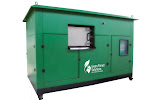
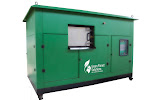
Category: organic waste composter

  • Seasonal Challenges in Organic Waste Composting: Managing Waste Through Changing Weather Conditions

    Seasonal Challenges in Organic Waste Composting: Managing Waste Through Changing Weather Conditions

    Seasonal Challenges in Organic Waste Composting

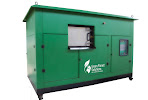
    Composting organic waste is one of the most sustainable ways to recycle organic materials, reduce waste sent to landfills, and enrich soil health. However, for composting systems to operate efficiently, certain conditions need to be met, particularly when it comes to weather. Seasonal changes bring unique challenges to composting processes, and these challenges can be particularly pronounced in regions with extreme temperature variations, like Kuwait. At Green Planet Solutions, Kuwait we understand the importance of managing these fluctuations effectively, which is why we offer state-of-the-art organic waste composters designed to handle seasonal changes and ensure optimal waste breakdown all year round.

    In this blog, we will explore the specific challenges of organic waste composter during different seasons and how an organic waste composter can help businesses, municipalities, and homeowners in Kuwait tackle these issues while maintaining efficiency and sustainability.

    The Seasonal Challenges of Composting Organic Waste

    Composting is a biological process that depends on microorganisms breaking down organic matter. These microorganisms, including bacteria, fungi, and worms, thrive under certain environmental conditions. Temperature, moisture, and airflow all play crucial roles in the speed and effectiveness of decomposition. When the weather changes, so do these factors, making it necessary to adjust your composting system.

    Here are some of the seasonal challenges that can impact the organic waste composting process:

     1. High Summer Temperatures in Kuwait

    – Challenge: One of the biggest obstacles for composting in hot climates like Kuwait is the high summer temperatures, which can soar to over 45°C (113°F) in July and August. High temperatures can cause compost piles to dry out, become too hot, or even lose essential microbial activity.

    – Solution: An organic waste composter designed for extreme heat can help regulate temperature fluctuations and prevent overheating. Ensuring that the compost pile is adequately aerated and moist is also essential for sustaining microbial life. A well-ventilated, enclosed system can protect against the harsh summer heat and maintain optimal conditions for decomposition.

    2. Excessive Heat: Dehydration of Organic Material

    – Challenge: High temperatures often lead to rapid evaporation, causing the moisture levels in compost piles to drop. Dehydration can slow down the microbial activity necessary for breaking down organic matter, leading to a slower decomposition process.

    – Solution: Using an organic waste composter that incorporates moisture retention features or automatic watering systems can help maintain the right moisture balance, ensuring that composting continues even during the hottest months. Additionally, regularly monitoring moisture levels and adjusting as necessary will help maintain ideal conditions for composting.

     3. Cold Winters in Kuwait

    – Challenge: While Kuwait has a desert climate, its winters can bring cooler temperatures, particularly in December and January, with nighttime temperatures dropping to around 10°C (50°F). Cold weather slows down the microbial activity necessary for decomposition, leading to longer composting times.

    – Solution: To manage composting during the colder months, Green Planet Solutions recommends investing in an insulated organic waste composter that helps maintain the temperature inside the composter. Insulation ensures that the compost stays warm enough for microbial activity to continue. Alternatively, placing composters in sheltered areas or using heating elements can boost the internal temperature and maintain a healthy environment for composting.

     4. Unpredictable Rainfall During the Winter

    – Challenge: While Kuwait experiences very little rainfall annually, the winter months can bring occasional rain, which can impact compost piles. Excess moisture can make composting efficiency by causing anaerobic conditions (lack of oxygen) and producing foul odors. Additionally, excessive moisture can wash away vital nutrients from the compost.

    – Solution: To tackle this challenge, organic waste composters designed with proper drainage systems are key. A composter that allows excess water to drain away will prevent waterlogging. Adding dry, carbon-rich materials like sawdust, straw, or dried leaves can help balance excess moisture and maintain aerobic conditions, ensuring that the composting process continues smoothly.

     5. Dust and Wind During the Transitional Seasons

    – Challenge: The transition between seasons, particularly from winter to spring, can bring dust storms and strong winds to Kuwait. These elements can disrupt composting systems by contaminating compost piles with debris or drying out the compost material too quickly.

    – Solution: Protecting your organic waste composter with a lid or covering is essential during dusty or windy periods. A closed, secure system will protect the compost from contamination and prevent the material from drying out. For larger-scale composting operations, an enclosed organic waste composter with built-in ventilation systems can mitigate the effects of dust and wind while maintaining the necessary airflow for aerobic decomposition.

     6. Changes in Organic Waste Composition

    – Challenge: Seasonal shifts also affect the types of organic waste produced. In Kuwait, this can mean a change from primarily plant-based waste in the summer (due to more gardens and greenery) to increased food scraps in the cooler months when people spend more time in homes and cook more often. Managing different types of organic waste, such as yard clippings, food waste, and agricultural residues, presents its own set of challenges.

    – Solution: A versatile organic waste composter that can handle a variety of organic materials will help you adapt to these seasonal changes. For instance, composters with adjustable compartments or multi-chamber designs allow you to separate different types of organic waste, promoting better aeration and faster decomposition. This flexibility helps to manage waste more effectively year-round.

     7. Windblown Material During the Spring

    – Challenge: In the spring, when winds are stronger, compost piles can be blown over or disturbed, leading to the loss of valuable organic material. Additionally, dust and particles can settle on top of the compost, causing uneven decomposition.

    – Solution: Ensuring your organic waste composter has secure, lidded or enclosed designs will help prevent wind-blown waste. Using composting bins with lockable lids or windproof barriers can prevent the disturbance of materials and keep the compost intact.

    How Green Planet Solutions Can Help You Overcome Seasonal Composting Challenges

    At Green Planet Solutions, we understand that the success of organic waste composting depends on more than just tossing waste into a pile. Effective composting requires the right balance of temperature, moisture, airflow, and material type. Our organic waste composters are specifically designed to handle the challenges posed by Kuwait’s extreme temperatures, unpredictable weather, and seasonal shifts.

    Key features of our organic waste composters include:

    – Insulation and Ventilation: Protects against both extreme heat and cold, maintaining a stable internal environment for microorganisms to thrive.

    – Moisture Management Systems: Automatic watering systems or built-in drainage help maintain optimal moisture levels.

    – Durable Construction: Robust, weather-resistant designs prevent disruption from rain, dust, and wind, ensuring consistent composting.

    – Flexible Compartments: Allows for the separation of different types of organic waste, ensuring faster and more efficient decomposition.

    Whether you’re managing waste at home, in a commercial kitchen, or on a large-scale agricultural operation, Green Planet Solutions provides tailored organic waste composting solutions that help you navigate the challenges of seasonal composting in Kuwait. Our products ensure that your composting process remains efficient, sustainable, and effective, no matter the season.

    Conclusion: Embrace Seasonal Composting Challenges with Green Planet Solutions

    The seasonal challenges of composting organic waste in Kuwait’s extreme climate can be daunting, but with the right tools and strategies, it’s possible to maintain a successful composting system throughout the year. Green Planet Solutions is committed to providing high-quality, efficient organic waste composters that help you overcome these challenges while promoting sustainability and reducing your environmental footprint.

    Ready to optimize your organic waste management through all seasons? Contact Green Planet Solutions today to learn more about our advanced composting solutions and how we can help you turn organic waste into a valuable resource, no matter what the weather brings.

  • Revolutionizing Waste Management: The Organic Waste Composting Machine by Green Planet Solutions Romania

    Revolutionizing Waste Management: The Organic Waste Composting Machine by Green Planet Solutions Romania

    The Organic Waste Composting Machine by Green Planet Solutions Romania

    In recent years, the global conversation around sustainability has intensified, and at the heart of this movement lies the imperative to manage waste more effectively. Green Planet Solutions Romania is at the forefront of this revolution, offering innovative solutions to tackle organic waste through advanced composting technology. In this blog post, we’ll delve into the benefits of organic waste composting machine, how they work, and why investing in such technology is essential for both businesses and the environment.

    Understanding Organic Waste

    Organic waste includes any biodegradable waste that comes from plant or animal sources. This can range from food scraps, yard trimmings, and agricultural residues to paper products. Globally, a significant portion of this waste ends up in landfills, where it decomposes anaerobically, producing methane—a greenhouse gas far more potent than carbon dioxide.

    The Environmental Impact of Organic Waste

    The mismanagement of organic waste contributes to various environmental issues, including:

    1. Greenhouse Gas Emissions: As organic waste decomposes in landfills, it releases methane, contributing to climate change.

    2. Soil Degradation: The lack of organic matter in soil leads to diminished soil health, affecting agricultural productivity.

    3. Water Pollution: Runoff from landfills can contaminate local waterways, impacting ecosystems and human health.

    The Solution: Organic Waste Composting Machines

    What is an Organic Waste Composting Machine?

    Organic waste composting machines are advanced systems designed to accelerate the decomposition of organic materials. These machines provide a controlled environment for the composting process, enhancing efficiency and reducing the time required to produce high-quality compost.

    How Does It Work?

    The composting process typically involves several key steps:

    1. Shredding: Organic waste is first shredded into smaller pieces to increase the surface area for microbial action.

    2. Aeration: The shredded material is then aerated to promote aerobic decomposition. This is crucial for reducing odors and methane emissions.

    3. Temperature Control: The machine regulates temperature to create optimal conditions for microbial activity. This helps in breaking down materials more rapidly.

    4. Moisture Management: Maintaining the right moisture levels is essential for composting. The machine monitors and adjusts moisture content as needed.

    5. Finished Compost: After a specific period, typically ranging from a few weeks to a couple of months, the organic waste is transformed into nutrient-rich compost that can be used to enrich soil.

    Benefits of Using Organic Waste Composting Machines

    1. Reduced Landfill Waste: By composting organic materials, businesses and households can significantly reduce the volume of waste sent to landfills, helping to mitigate the environmental impact.

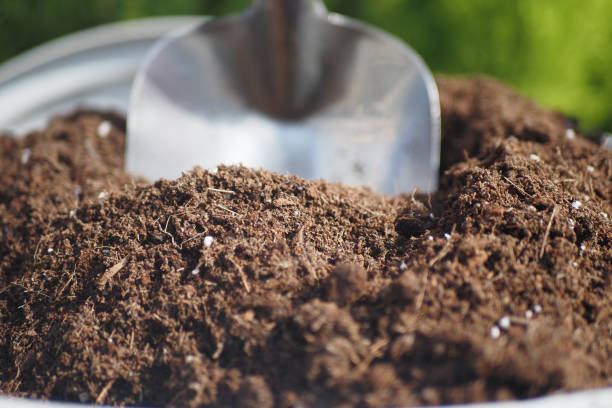
    2. High-Quality Compost Production: The compost produced is rich in nutrients and can be used to enhance soil quality, promote healthy plant growth, and support sustainable agriculture.

    3. Economic Savings: Reducing waste disposal costs and generating compost can lead to significant savings for businesses, especially those in the food service and agricultural sectors.

    4. Environmental Stewardship: Utilizing composting machines aligns with corporate social responsibility goals, showcasing a commitment to sustainability and environmental protection.

    5. Community Engagement: Organizations that implement composting practices can engage with the community, fostering awareness and education around sustainable waste management.

    The Role of Green Planet Solutions Romania

    At Green Planet Solutions Romania, we understand the unique challenges faced by businesses and communities in managing organic waste. Our composting machines are designed with the latest technology, ensuring maximum efficiency and ease of use. Here are some key features of our machines:

    – Compact Design: Suitable for both urban and rural settings, our machines can fit in limited spaces while still handling substantial amounts of organic waste.

    – User-Friendly Interface: Equipped with a simple control panel, our machines can be operated with minimal training, making them accessible to everyone.

    – Energy Efficiency: Our machines are designed to minimize energy consumption while maximizing output, aligning with our commitment to sustainability.

    – Customizable Solutions: We offer tailored composting solutions to meet the specific needs of businesses, whether they are large agricultural enterprises or small restaurants.

    Conclusion: The Future of Waste Management

    The transition to sustainable waste management practices is no longer a choice but a necessity. Investing in organic waste composting machines from Green Planet Solutions Romania empowers businesses and communities to take charge of their waste, transforming a potential liability into a valuable resource. By choosing to compost, you’re not just reducing waste; you’re contributing to a healthier planet.

    If you’re interested in learning more about our organic waste composting machines and how they can benefit your organization, contact us today. Join us in making a meaningful impact on our environment, one compost pile at a time!

  • Transforming Waste into Good: Revolutionary Organic Waste Composter Solutions for a Greener UAE

    Transforming Waste into Good: Revolutionary Organic Waste Composter Solutions for a Greener UAE

    Transforming Waste into Good: Revolutionary Organic Waste Composter Solutions for a Greener UAE

     Revolutionary organic waste composter solutions that convert waste into good. With the increasing concern over environmental sustainability, these composters are providing a creative way to reduce waste and enrich the soil. Incorporating the latest technology and scientific principles, these composters efficiently break down organic waste, such as food scraps and garden trimmings, into nutrient-rich compost that can be utilized for agriculture and landscaping. By diverting waste from landfills and reducing methane emissions, these composting solutions are contributing to a cleaner and healthier environment.

    Not only do these composters offer an eco-friendly option to traditional waste disposal methods, but they also empower communities and businesses to take charge of their waste management. By embracing this revolutionary technology, individuals and organizations can make a significant impact on their carbon footprint and foster a more sustainable future. Join the movement towards a greener UAE by exploring the transformative potential of organic waste composters. Together, we can convert waste into a valuable resource and create a more sustainable and environmentally conscious society.

    The Problem of Waste in the UAE

    The UAE faces a growing waste management crisis, with landfills overflowing and the environment suffering. As urbanization and population growth accelerate, the amount of waste generated constants to rise, posing significant challenges to sustainability. In particular, organic waste, which constitutes a large portion of municipal solid waste, needs innovative solutions to mitigate its impact on the environment.

    What is Organic Waste?

    Organic waste indicates to biodegradable materials derived from living organisms. This includes food scraps, garden waste, paper, and other materials that decompose naturally. In the UAE, the high rate of food consumption leads to substantial organic waste creation, much of which ends up in landfills, producing methane and other greenhouse gases that contribute to climate change.

    The Importance of Composting Organic Waste

    Composting is a natural procedure that converts organic waste into nutrient-rich soil amendments. By composting, we can significantly decrease the volume of waste sent to landfills, reduce greenhouse gas emissions, and promote soil health. Compost enriches the soil, improving its structure, moisture retention, and nutrient content, ultimately supporting sustainable agriculture and gardening practices.

    Benefits of Using Organic Waste Composters

    • Reduced Waste Volume: Composting diverts organic waste from landfills, decreasing overall waste output.
    • Environmental Impact: Less waste in landfills means fewer greenhouse gases emitted.
    • Nutrient-Rich Soil: Compost provides essential nutrients for plants, enhancing growth and productivity.
    • Cost Savings: Reducing waste disposal costs while providing free fertilizer can lead to financial savings for households and businesses alike.

    Revolutionary Organic Waste Composter Solutions in the UAE

    Green Planet Solutions is at the forefront of promoting organic waste composting in the UAE. We provide innovative composter designs tailored to local conditions, ensuring effective waste management. Our solutions focus on education and community building, helping residents and businesses understand the advantages of composting and how to implement it effectively.

    How to Choose the Right Organic Waste Composter for Your Needs

    When selecting an organic waste composter, consider the following factors:

    • Space: Assess the available space in your garden or home.
    • Type of Waste: Determine the types of organic waste you generate most frequently.
    • Maintenance: Evaluate how much time you can dedicate to managing the composting process.
    • Budget: Think about your budget for initial investment and ongoing maintenance.

    Tips for Effective Organic Waste Composting

    • Balance Brown and Materials: goal for a mix of nitrogen-rich (green) and carbon-rich (brown) materials.
    • Maintain Aeration: Regularly turn your compost to ensure proper aeration and speed up decomposition.
    • Monitor Moisture Levels: Keep your compost damp, but not soggy, for optimal microbial activity.
    • Be Patient: Composting takes time. Allow your compost to mature for several months for best results.

    Conclusion: Embracing a Greener Future through Organic Waste Composting

    As the UAE confronts its waste management challenges, organic waste composting presents a viable solution for individuals, communities, and businesses. By embracing composting, we can significantly reduce our environmental footprint, enrich our soils, and contribute to a more sustainable future. At Green Planet Solutions, we are dedicated to providing the resources and support necessary to empower our community towards a greener planet. Together, we can convert organic waste into valuable resources and pave the way for a sustainable future in the UAE.

    Not only do these composters offer an eco-friendly option to traditional waste disposal methods, but they also empower communities and businesses to take charge of their waste management. By embracing this revolutionary technology, individuals and organizations can make a significant impact on their carbon footprint and foster a more sustainable future. Join the movement towards a greener UAE by exploring the transformative potential of organic waste composters. Together, we can convert waste into a valuable resource and create a more sustainable and environmentally conscious society.

  • Organic Waste Converter Machines for Homes: An Essential Tool for Eco-Conscious Households

    Organic Waste Converter Machines for Homes: An Essential Tool for Eco-Conscious Households

    Organic Waste Converter Machines for Homes: An Essential Tool for Eco-Conscious Households

    As environmental concerns rise globally, more households are adopting sustainable practices to reduce their ecological footprint. Among these practices, waste management plays a critical role. One innovative solution gaining traction, especially in eco-conscious homes, is the organic waste converter machine. Designed to transform everyday kitchen waste into nutrient-rich compost, these machines offer a simple, effective way to tackle organic waste and promote greener living.

    In the UK, brands like Green Planet Solutions are leading the way by providing state-of-the-art organic waste converter machines that are both efficient and user-friendly. This blog will explore the benefits of these machines, why they’re essential for eco-friendly households, and how they support the UK’s push towards a sustainable future.

    Understanding Organic Waste Converter Machines

    An organic waste converter machine is a device that processes organic waste—such as fruit peels, vegetable scraps, and garden clippings—and turns it into compost. This compost can then be used to fertilize plants, gardens, or lawns, completing the waste cycle in an environmentally friendly manner.

    Unlike traditional composting, which can take weeks or months and requires outdoor space, these machines speed up the process, breaking down waste in just a few days. They are ideal for homes where space might be limited or for those looking for a faster, cleaner method of managing organic waste.

    Why Choose an Organic Waste Converter Machine for Your Home?

    1. Environmental Benefits

    The UK generates millions of tonnes of food waste every year. Most of this waste ends up in landfills, where it decomposes anaerobically, producing methane—a potent greenhouse gas contributing to climate change. By using an organic waste converter machine, you can significantly reduce your household’s contribution to landfills.

    These machines turn organic waste into compost, a valuable resource that can enrich the soil. This helps decrease the need for chemical fertilizers, which are harmful to the environment and water systems. The compost produced is 100% natural and can be used in home gardens, flower pots, or even local community spaces.

    2. Convenience and Speed

    Traditional composting can be a long, messy process, requiring outdoor space and careful attention to the balance of materials. For urban households or homes with limited outdoor space, this can be a challenge.

    An organic waste converter machine offers a faster and more convenient solution. Most machines can process waste in a matter of hours or days, turning food scraps into usable compost with little to no manual labor involved. These machines are compact and can easily fit into most kitchen spaces, making them ideal for modern homes in the UK where space is often at a premium.

    3. Odor and Pest Control

    One of the biggest concerns with traditional composting is the odor that decomposing food can produce. Additionally, improperly maintained compost piles can attract pests such as rodents and flies, making the process less appealing for many households.

    However, with an organic waste converter machine, odors and pests are not an issue. These machines are designed to be odor-free, using advanced technology to break down waste without the foul smells typically associated with decomposition. Many machines also feature airtight systems that prevent pests from being attracted to your food scraps.

    4. Cost Savings

    While investing in an organic waste converter machine may seem like a significant upfront cost, it can actually save you money in the long run. First, the compost generated by these machines reduces the need to purchase chemical fertilizers or soil enhancers. If you’re an avid gardener, this can lead to substantial savings.

    Additionally, by reducing your waste, you can potentially lower your household’s waste disposal costs. In the UK, some councils charge for garden waste collection, and reducing the amount of waste that needs to be collected can lead to lower expenses.

    5. Supporting Sustainability Goals in the UK

    The UK government has set ambitious targets to reduce waste and promote recycling, and households play a vital role in achieving these goals. By adopting an organic waste converter machine, you can contribute to these national objectives. The machine not only helps you manage waste sustainably but also aligns with broader environmental initiatives like reducing carbon emissions and promoting a circular economy.

    Green Planet Solutions, a leader in waste management products in the UK, offers a variety of organic waste converter machines that cater to different household needs. Whether you’re looking for a small, compact unit for apartment living or a larger machine for a family home, Green Planet Solutions has options that can help you reduce your ecological footprint.

    How to Use an Organic Waste Converter Machine at Home

    Using an organic waste converter machine is simple, and most machines come with clear instructions. Here’s a general overview of how these machines work:

    1. Collect Your Organic Waste: This includes fruit and vegetable scraps, coffee grounds, eggshells, and small garden clippings. Avoid placing items like bones, dairy, or oily foods into the machine unless it’s specified as safe by the manufacturer.
    2. Load the Machine: Place your collected waste into the machine. Most models have a simple loading mechanism that requires little effort.
    3. Activate the Machine: Depending on the model, you may need to press a button to start the process. The machine will then break down the organic material, often using heat and microorganisms to accelerate decomposition.
    4. Wait for the Process to Complete: Most machines will complete the conversion process within hours or days, depending on the amount of waste. Once finished, you’ll be left with nutrient-rich compost.
    5. Use the Compost: The compost produced can be added to your garden, potted plants, or even donated to community green spaces.

    Choosing the Right Organic Waste Converter Machine

    When selecting an organic waste converter machine for your home, consider factors like capacity, speed, and energy efficiency. Green Planet Solutions offers various models designed to fit the unique needs of UK households. Be sure to choose a machine that fits the size of your family and the amount of organic waste you typically generate.

    Conclusion

    An organic waste converter machine is more than just a household appliance—it’s a step towards a sustainable future. By turning organic waste into valuable compost, these machines help reduce landfill waste, support eco-friendly gardening, and promote a healthier environment. For eco-conscious households in the UK, investing in an organic waste converter machine from Green Planet Solutions is a smart and responsible choice.

    By integrating this technology into your home, you can contribute to a greener, cleaner planet while enjoying the convenience of efficient waste management.

  • How Organic Waste Composters are Transforming UAE’s Sustainability Efforts

    How Organic Waste Composters are Transforming UAE’s Sustainability Efforts

    How Organic Waste Composters are Transforming UAE’s Sustainability Efforts

    The UAE, renowned for its rapid urbanization and innovative solutions, is now leading the way in sustainability by embracing organic waste composting. With the growing need to manage food waste efficiently, organic waste composters and food waste composting machines have become game changers in waste management strategies. Let’s dive into how these cutting-edge machines are contributing to a greener, more sustainable future in the UAE.

    The Rise of Food Waste in the UAE: A Growing Concern

    As a country with a high consumption rate, the UAE faces a significant challenge in managing its food waste. Estimates suggest that millions of tons of food are wasted annually, especially during festivities and high-profile events. Most of this waste ends up in landfills, contributing to harmful greenhouse gas emissions and environmental degradation. The solution Organic waste composters and food waste composting machines.

    How Organic Waste Composters Work

    Organic waste composters are designed to convert food waste into nutrient-rich compost through natural decomposition. These machines use a combination of heat, moisture, and microorganisms to break down organic materials quickly and efficiently. Within 24 hours, what was once food waste can be turned into compost that can enrich the soil, improve crop yields, and reduce the need for chemical fertilizers.

    Benefits of Organic Waste Composting Machines in the UAE

    1. Reduced Landfill Waste: By diverting food waste from landfills, composting machines help reduce methane emissions and land-use requirements. This leads to cleaner air and less strain on landfill sites.
    2. Eco-friendly Fertilizer: Compost produced by these machines can be used in agriculture, landscaping, and community gardening. This reduces the reliance on chemical fertilizers and supports healthier, more sustainable farming practices.
    3. Cost Savings: For businesses, hotels, and large institutions in the UAE, managing food waste with composting machines can result in significant cost savings. Instead of paying for waste removal, businesses can repurpose the compost or sell it to agricultural sectors.

    Tailored Solutions for UAE’s Growing Cities

    Green Planet Solutions UAE offers a range of composting machines tailored to meet the diverse needs of cities, businesses, and households across the country. From compact models suitable for homes to large-scale industrial composters, we are helping the UAE meet its waste management goals with innovative, efficient technology.

    Why Choose Green Planet Solutions?

    Our organic waste composting machines are built with the latest technology and eco-friendly designs. They are easy to use, require minimal maintenance, and offer a long-term solution to food waste management. Whether you are a municipality, a restaurant chain, or a residential community, we have the right solution to help you turn food waste into a valuable resource.

    The Future of Waste Management in the UAE

    As the UAE continues to invest in sustainability, adopting organic waste composting machines will be a crucial step towards reducing food waste and building a circular economy. By turning waste into wealth, we can reduce the environmental impact and create a greener, more resilient nation.

    Conclusion:

    Conclusion:

    Green Planet Solutions UAE is at the forefront of the waste management revolution, offering innovative solutions like our Fully Automatic Composting Machine. This state-of-the-art machine is designed to convert food waste into nutrient-rich compost within just 24 hours, promoting a sustainable approach to waste disposal. With automatic features for easy operation, low power consumption, and minimal maintenance, it’s an ideal choice for businesses, communities, and households across the UAE. Embrace Sustainability with Green Planet Solutions’ Fully Automatic Composting Machine.

    By adopting organic waste composters and food waste composting machines, you can help reduce landfill waste, lower greenhouse gas emissions, and contribute to a circular economy. Transform waste into wealth with Green Planet Solutions and take a step towards a greener, more sustainable future for the UAE.

  • The Benefits of Using an Organic Waste Composter in UAE’s Desert Climate

    The Benefits of Using an Organic Waste Composter in UAE’s Desert Climate

    The Benefits of Using an Organic Waste Composter in UAE’s Desert Climate

    As the world grapples with increasing waste and environmental concerns, countries like the UAE are seeking sustainable solutions to address the problem. Organic waste composter is one of the key components of environmental sustainability, especially in areas like the UAE, where the desert climate creates unique challenges for traditional waste disposal methods.

    One of the most effective solutions for managing organic waste in the UAE is using organic waste composter. Composting reduces the amount of waste going to landfills and creates nutrient-rich compost that can be used in agriculture and landscaping. In this blog, we’ll explore how organic waste composters work efficiently in the UAE’s desert climate and how Green Planet Solutions UAE is leading the charge in sustainable waste management.

    Understanding the Desert Climate of UAE and Its Impact on Waste Management

    The UAE’s desert climate is characterized by:

    • Extremely high temperatures, especially during summer months.
    • Low humidity and minimal rainfall, leading to dry conditions.
    • Limited soil fertility, making agricultural practices more challenging.
    • Rapid urbanization, which generates a large amount of organic waste from households, hotels, restaurants, and industries.

    Traditional waste management methods like landfilling can be problematic in this environment. Organic waste, which includes food scraps, plant debris, and biodegradable materials, rots quickly under high temperatures, contributing to the release of harmful greenhouse gases like methane. Moreover, due to limited rainfall, the decomposition process slows down, making landfills less efficient in breaking down organic materials.

    This is where organic waste composters come into play, offering a sustainable alternative to waste disposal in the UAE’s unique climatic conditions.

    How Organic Waste Composters Work in UAE’s Desert Climate

    An organic waste composter is a machine that accelerates the natural process of breaking down organic waste into compost. While traditional composting can take months, an advanced organic waste composter can turn waste into nutrient-rich compost in as little as 24 hours. This is particularly advantageous in the UAE’s desert climate, where environmental conditions may hinder traditional composting.

    Here’s how composting machines work efficiently in such an environment:

    1. Temperature Management

    In the UAE, where temperatures can soar above 40°C (104°F), managing heat in waste treatment is crucial. Composting machines are designed to work in extreme climates, maintaining optimal internal temperatures for microbial activity. Microbes are responsible for breaking down organic material, and they thrive in warm conditions. However, the heat must be controlled to prevent the organic matter from drying out or decomposing too quickly.

    Green Planet Solutions offers composters that regulate heat internally, ensuring the composting process continues smoothly even in the hottest months. This internal temperature control prevents the waste from overheating, which could otherwise kill beneficial microbes.

    2. Water Retention and Humidity Control

    Humidity plays a critical role in the composting process. In the UAE’s dry, desert environment, maintaining moisture levels in the compost is a challenge. Without adequate moisture, organic waste will not decompose properly.

    Composting machines in the UAE are equipped with humidity control systems that monitor and retain moisture during the composting process. These systems ensure the compost retains the right balance of water, preventing it from becoming too dry, even in arid desert conditions.

    3. Aeration and Oxygenation

    Composting requires oxygen to support the aerobic bacteria that break down the waste. In the UAE’s arid climate, proper aeration can be difficult in traditional compost piles, as the compact, dry material can limit airflow.

    Modern composting machines, such as those offered by Green Planet Solutions, use automated aeration systems that mix the organic waste, ensuring oxygen is evenly distributed throughout the compost. This encourages faster decomposition and prevents the buildup of foul odors, which is common in poorly aerated compost piles.

    4. Speed and Efficiency

    One of the most significant advantages of using an organic waste composter in the UAE is the speed at which it turns waste into compost. The hot climate can accelerate decomposition but may also lead to spoilage and odor issues if the process is not well-regulated.

    Composting machines speed up the decomposition process by creating a controlled environment. With the right temperature, moisture, and aeration, these machines can turn organic waste into usable compost in just 24 to 48 hours, making them far more efficient than traditional methods. This rapid composting process is ideal for the UAE, where organic waste accumulates quickly, especially in urban areas with large populations.


    Benefits of Using Organic Waste Composters in UAE

    Now that we understand how composting machines work efficiently in the UAE’s climate, let’s explore the specific benefits of using an organic waste composter:

    1. Reduction of Landfill Waste

    By using organic waste composters, the UAE can significantly reduce the amount of waste sent to landfills. This not only helps in reducing the environmental impact of landfills but also frees up valuable land space. With limited space in the desert, diverting organic waste from landfills is crucial for sustainable urban development.

    2. Production of Nutrient-Rich Compost

    The UAE faces challenges in maintaining fertile soil for agriculture due to its dry, sandy conditions. The compost produced by organic waste composters can be used to enrich the soil, making it more suitable for landscaping and agriculture. This nutrient-rich compost helps retain moisture in the soil, making it an essential resource for greening urban areas, parks, and even deserts.

    3. Reduction of Greenhouse Gas Emissions

    When organic waste is sent to landfills, it decomposes anaerobically (without oxygen), producing methane, a potent greenhouse gas. By using composters, waste decomposes aerobically (with oxygen), reducing the emission of methane and other harmful gases. This contributes to cleaner air and helps combat climate change, a major concern in the UAE and globally.

    4. Cost Savings for Businesses and Municipalities

    Implementing composting solutions can lead to significant cost savings for both businesses and municipalities in the UAE. Restaurants, hotels, and large-scale food producers can reduce waste disposal costs by composting their organic waste on-site. Municipalities can reduce the burden on waste collection systems and landfills, leading to lower operational costs.

    5. Supporting UAE’s Sustainability Goals

    The UAE has made significant strides toward sustainability, with initiatives like UAE Vision 2021 aiming to reduce environmental impact and promote green practices. Organic waste composters are an essential tool in achieving these sustainability goals. waste from landfills and producing compost, businesses and communities can contribute to the country’s efforts to create a greener, more sustainable future.


    Why Choose Green Planet Solutions UAE for Your Organic Waste Composter?

    At Green Planet Solutions UAE, we specialize in providing state-of-the-art organic waste composters designed to thrive in the UAE’s desert climate. Our composters are built with cutting-edge technology to ensure optimal temperature control, humidity regulation, and aeration, making them perfect for businesses, municipalities, and communities seeking sustainable waste management solutions.

    With our organic waste composters, you can transform food scraps and organic waste into valuable compost in as little as 24 hours, all while reducing your environmental footprint.


    Conclusion

    In the UAE’s desert climate, managing organic waste efficiently can be a challenge. However, with the right tools, such as organic waste composters, this challenge can be turned into an opportunity. Not only do composters provide a sustainable way to manage waste, but they also offer numerous environmental and economic benefits.

    If you’re looking for an organic waste composter that is tailored to the unique conditions of the UAE, Green Planet Solutions UAE has the perfect solution for you. Invest in a cleaner, greener future today by choosing an organic waste composter that works with nature, not against it.

  • How an Organic Waste Converter Machine is Addressing Pune’s Waste Challenges

    How an Organic Waste Converter Machine is Addressing Pune’s Waste Challenges

    How an Organic Waste Converter Machine is Addressing Pune’s Waste Challenges

    Waste management is a major issue for Pune, an Indian city that is expanding quickly. The amount of rubbish produced in the city is growing at an alarming rate as the population continues to expand. Conventional garbage disposal techniques, such as burning and landfilling, are not sustainable and endanger human health and the environment. Here’s where cutting-edge technology like the organic waste converter comes into play, providing Pune with a workable and environmentally responsible answer to its garbage issues.

    The Waste Challenge in Pune

    Pune produces thousands of tonnes of garbage every day, much of it organic trash in the form of garden trimmings, leftover food, and agricultural waste. Sadly, a large portion of this organic waste gets disposed of in landfills, where it breaks down anaerobically and releases dangerous greenhouse gases like methane that worsen climate change.

    Ineffective waste management techniques can cause problems including air pollution, disease transmission, and contaminated groundwater in addition to environmental ones. Pune’s municipal officials are facing mounting pressure to implement more environmentally friendly waste management practices, especially when it comes to handling organic garbage.

    The Role of an Organic Waste Converter Machine

    Managing organic waste at the source can be accomplished very successfully with the help of an organic waste converter machine. These devices are made to quickly and environmentally sustainably transform organic waste into useful compost.

    Pune is addressing its waste management issues in the following ways thanks to an organic waste converter machine:

    Waste Volume Reduction: A major advantage of employing an organic waste converter is the considerable decrease in waste volume. These devices can lessen the amount of waste that needs to be carried to landfills, which will relieve pressure on the city’s waste management infrastructure by turning organic waste into compost.

    Compost Production: Compost is a valuable resource that may be utilized to enhance soil in landscaping and agricultural uses. It is created by organic waste converters. This encourages sustainable farming methods while also lowering the need for chemical fertilizers.

    Environmental Benefits: Organic waste converters assist in lowering the generation of methane, a strong greenhouse gas, by removing organic waste from landfills. This supports Pune’s initiatives to lessen climate change and enhance air quality.

    Case Studies: Successful Implementation in Pune

    With remarkable outcomes, several of Pune’s hotels, organizations, and residential complexes have already embraced organic waste converter machines. For instance, after installing an organic waste converter, a sizable residential community in the city reported a 70% decrease in their waste disposal expenses. They lessen their environmental impact even more by using the compost they generate in their community gardens.

    Another instance of success is a nearby hotel that effectively handled its kitchen trash by utilizing an organic waste converter. The hotel improved the property’s visual appeal and sustainability credentials by lowering its trash disposal expenses and using the compost generated to build a lush garden.

    The Future Potential for Pune’s Waste Management

    Adopting sustainable waste management techniques will be essential to maintaining Pune’s liveability and environmental health as the city grows. The city’s problems with organic waste can be solved in an eco-friendly, economical, and useful way with the help of organic waste converter machines. Pune can make great progress towards being a cleaner, greener, and more sustainable city by embracing this technology.

    Pune’s approach to managing its organic garbage is changing with the introduction of organic waste converter machines. These devices are essential in tackling the waste management issues facing the city since they decrease the amount of waste generated, generate useful compost, and improve the environment and public health. Pune is getting closer to reaching its sustainability targets and fostering a healthy living environment for its citizens as more companies, organizations, and residential communities use this technology. Green Planet Solution India is one of the best manufacturers of organic waste converter machines. For more information, you can visit our website.

  • The Ultimate Guide to Organic Waste Composting: How to Turn Scraps into Nutrient-Rich Soil

    The Ultimate Guide to Organic Waste Composting: How to Turn Scraps into Nutrient-Rich Soil

    The Ultimate Guide to Organic Waste Composting: How to Turn Scraps into Nutrient-Rich Soil

    Are you tired of throwing away your kitchen scraps and yard waste? Well, we have good news for you. In this ultimate guide to organic waste composting, we will show you how to turn those scraps into nutrient-rich soil that can be used to nourish your garden.

    Composting is not only an excellent way to reduce waste and help the environment, but it also provides you with a free source of high-quality fertilizer. By following our step-by-step instructions, you can create your compost pile right in your backyard.

    Whether you are a seasoned gardener looking to improve your soil or a beginner interested in sustainable living, this guide is for you. We will cover everything from choosing the right composting method to troubleshooting common issues. Plus, we’ll share some expert tips and tricks to maximize the efficiency of your composting process.

    Ready to transform your leftovers into nutrient-rich soil that will supercharge your plants? Let’s get started with the ultimate guide to organic waste composting.

    The importance of organic waste composting

    Composting is a crucial process that transforms organic waste, such as food scraps, yard trimmings, and paper products, into a nutrient-rich soil amendment. In a world where landfills are overflowing and our natural resources are under strain, composting offers a sustainable solution to reduce waste and create a valuable resource for our gardens and landscapes.

    By diverting organic waste from landfills, composting helps to decrease the amount of methane, a potent greenhouse gas, released into the atmosphere. Landfills are a significant contributor to global methane emissions, and by composting our food and yard waste, we can significantly reduce our carbon footprint and mitigate the effects of climate change.

    Moreover, composting is a powerful way to close the loop in our food system. Instead of throwing away the byproducts of our meals and gardening activities, we can transform them into a soil-enriching amendment that can be used to grow more food, creating a circular and sustainable cycle. This not only reduces waste but also helps to build healthy, fertile soil that is essential for sustainable agriculture and thriving ecosystems.

    Benefits of composting for the environment

    Composting offers many environmental benefits that extend far beyond the immediate impact of reducing waste. By embracing this sustainable practice, we can contribute to the overall health and well-being of our planet.

    One of the most significant advantages of composting is its ability to divert organic waste from landfills. Landfills are a major source of methane, a greenhouse gas that is significantly more potent than carbon dioxide. By keeping organic materials out of landfills and instead transforming them into nutrient-rich compost, we can reduce the release of methane and other harmful emissions into the atmosphere. This, in turn, helps to mitigate the effects of climate change and contributes to a healthier, more sustainable environment.

    Additionally, compost is a valuable soil amendment that can improve the quality and fertility of our soils. When applied to gardens, lawns, and landscapes, compost helps to increase water-holding capacity, improve soil structure, and provide essential nutrients for plant growth. This reduces the need for synthetic fertilizers, which can be harmful to the environment, and promotes the development of healthy, resilient ecosystems.

    Composting methods – traditional vs. vermiculture

    When it comes to organic waste composting, there are two primary methods to consider: traditional composting and vermiculture (or vermicomposting). Each approach has its unique advantages and considerations, so it’s important to understand the differences to choose the best option for your needs.

    Traditional composting involves the decomposition of organic materials through the natural processes of microbial activity. This method typically consists in creating a compost pile or bin, layering different types of organic waste, and monitoring the temperature, moisture, and aeration to create the ideal conditions for decomposition. Traditional composting can be a slower process, but it allows for a greater volume of organic waste to be processed and can produce a larger quantity of finished compost.

    Vermiculture, on the other hand, utilizes the power of earthworms to break down organic matter. In a vermiculture system, worms are introduced to a contained environment, such as a worm bin or vermicomposting tower, where they consume the organic waste and convert it into a nutrient-rich, soil-like substance known as vermicompost. Vermiculture is generally a faster process and can be more space-efficient, but it may have a lower capacity for handling larger volumes of organic waste.

    Choosing the right composting system for your needs

    When it comes to organic waste composting, there is no one-size-fits-all solution. The type of composting system you choose will depend on a variety of factors, including the amount of organic waste you generate, the available space in your yard or home, and your personal preferences.

    If you have a larger yard or access to a sizable outdoor area, a traditional compost pile or bin may be the most suitable option. These systems can accommodate a greater volume of organic waste and often require less hands-on maintenance. Traditional composting systems are also generally more cost-effective, making them a practical choice for homeowners or gardeners with ample space.

    On the other hand, if you have limited outdoor space or live in an urban environment, a vermiculture system may be the better choice. Worm bins and vermicomposting towers are compact and can be placed indoors or in small outdoor areas, making them ideal for apartment dwellers or those with limited yard space. Vermiculture systems also tend to be more efficient at processing food scraps and can produce high-quality compost in a shorter timeframe.

    Step-by-step guide to starting a compost pile

    Starting your compost pile is a straightforward process that can be tailored to your specific needs and available space. Whether you choose a traditional composting method or opt for a vermiculture system, the basic steps remain similar.

    1. Choose a suitable location: Select a spot in your yard or garden that is well-drained, partially shaded, and easily accessible. Avoid areas that are too sunny or too close to your home, as this can affect the composting process.
    2. Gather your materials: You’ll need a mix of “brown” and “green” materials to create a balanced compost. Brown materials include dry, carbon-rich items like leaves, shredded paper, or straw. Green materials are nitrogen-rich and include things like fruit and vegetable scraps, grass clippings, and coffee grounds.
    3. Layer your materials: Start by creating a base layer of twigs or straw to allow for airflow. Then, alternate layers of brown and green materials, making sure to keep the layers moist but not soaked.
    4. Maintain the right moisture level: Your compost pile should have the consistency of a damp sponge. If it’s too dry, add water; if it’s too wet, mix in more brown materials.
    5. Aerate the pile: Use a pitchfork or compost turner to regularly mix and turn the materials, ensuring even decomposition and proper airflow.
    6. Monitor and troubleshoot: Keep an eye on your compost pile, checking for signs of dryness, excess moisture, or unpleasant odors. Adjust the materials or moisture levels as needed to maintain optimal conditions.

    With these simple steps, you can create a thriving compost pile that will transform your organic waste into nutrient-rich soil for your garden.

    Maintaining and troubleshooting your compost pile

    Maintaining a healthy and productive compost pile requires some ongoing attention and care. By addressing common issues and making adjustments as needed, you can ensure that your composting process is efficient and effective.

    One of the key factors in maintaining a well-functioning compost pile is managing the moisture levels. The materials should be moist, but not waterlogged. If the pile becomes too dry, you can add water, either by spraying it directly or by mixing in wet materials like fruit and vegetable scraps. Conversely, if the pile is too wet, you can incorporate more brown, carbon-rich materials like shredded paper or dry leaves to absorb excess moisture.

    Another important aspect of compost maintenance is aeration. Regular turning or mixing of the materials helps to introduce oxygen and ensure even decomposition throughout the pile. If you notice the pile becoming compacted or matted, use a pitchfork or compost turner to loosen and aerate the materials.

    Common mistakes to avoid in organic waste composting

    While composting is a relatively straightforward process, there are a few common mistakes that can hinder the efficiency of your compost pile and lead to undesirable results. By being aware of these potential pitfalls, you can avoid them and ensure a successful composting experience.

    One of the most common mistakes is adding the wrong types of materials to the compost pile. Certain items, such as meat, dairy products, or pet waste, can attract pests, produce unpleasant odors, and potentially introduce harmful pathogens. It’s important to stick to a balanced diet of “brown” and “green” materials, as outlined in the step-by-step guide.

    Another common mistake is neglecting to maintain the proper moisture levels. If the compost pile becomes too dry, the decomposition process will slow down, and the materials may not break down effectively. Conversely, if the pile is too wet, it can become anaerobic, leading to foul odors and slower decomposition. Regularly checking the moisture levels and making adjustments as needed is crucial for successful composting.

    Tips for speeding up the composting process

    While composting is a natural process that takes time, there are several techniques you can employ to help speed up the decomposition of your organic waste. By optimizing the conditions and incorporating strategic methods, you can create nutrient-rich compost more efficiently.

    One effective way to accelerate the composting process is to shred or chop the materials before adding them to the pile. Smaller pieces have a greater surface area, which allows the microorganisms responsible for decomposition to work more effectively. You can use a lawnmower, a wood chipper, or even a simple pair of pruning shears to break down larger items like branches or cardboard.

    Another tip for faster composting is to maintain the ideal carbon-to-nitrogen (C:N) ratio in your compost pile. A balanced ratio of approximately 30:1 (carbon to nitrogen) is optimal for efficient decomposition. You can achieve this by carefully mixing “brown” (carbon-rich) and “green” (nitrogen-rich) materials, as mentioned in the step-by-step guide. Regularly turning or mixing the pile can also help maintain this balance and prevent the materials from becoming too compacted.

    Using compost in your garden or landscaping

    Once you’ve successfully created a batch of nutrient-rich compost, the fun part begins – incorporating it into your garden or landscaping to reap the benefits. Compost can be used in a variety of ways to improve soil quality, enhance plant growth, and promote overall ecosystem health.

    One of the most common applications of compost is as a soil amendment. By mixing compost into your garden beds, you can improve the soil’s structure, water-holding capacity, and nutrient content. This helps to create an optimal growing environment for your plants, supporting their overall health and vigor. Compost can also be used as a top dressing for lawns, helping to revitalize and nourish the grass.

    In addition to its use as a soil amendment, compost can also be incorporated into potting mixes or used as a topping for raised garden beds. The nutrient-dense properties of compost make it an excellent addition to any container-based planting or raised-bed gardening system, providing a steady supply of essential nutrients for your plants.

    Conclusion: Embracing sustainable practices through organic waste composting

    Organic waste composting is a powerful tool in the quest for a more sustainable future. By transforming our food scraps, yard trimmings, and other organic materials into nutrient-rich soil, we can close the loop on our waste management practices and contribute to the overall health of our environment.

    Through the simple act of composting, we can divert valuable resources from landfills, reduce greenhouse gas emissions, and create a valuable resource for our gardens and landscapes. Whether you choose a traditional composting method or opt for a vermiculture system, the benefits of this sustainable practice are undeniable.

    By embracing organic waste composting, we not only improve the quality of our soil and the resilience of our ecosystems, but we also empower ourselves to be active participants in the fight against climate change and environmental degradation. As we continue to face the challenges of a rapidly changing world, the importance of sustainable practices like composting will only grow, and each of us has the power to make a positive impact.

  • 10 Common Mistakes to Avoid in Aerobic Composting

    Aerobic composting is an environmentally beneficial method of turning organic waste into nutrient-rich compost. You may efficiently recycle food scraps, garden clippings, and other biodegradable materials using an organic waste composter. But to achieve optimal outcomes, it’s vital to steer clear of typical blunders that could impede the composting procedure. These are ten things to avoid doing:

    Ignoring the Importance of Oxygen

    Oxygen is necessary for the breakdown of organic compounds in aerobic composting. Anaerobic conditions can result in bad odours and sluggish decomposition. You can cause this condition by forgetting to turn your compost pile or by not allowing enough airflow.

    Overloading with One Type of Waste

    The key to composting is balance. A soggy mess might result from adding too much of one material—kitchen scraps, for example—without balancing it with dry, carbon-rich materials like cardboard or leaves. For best results, try a combination of greens, which are high in nitrogen, and browns, which are high in carbon.

    Considering the Moisture Levels

    Problems arise from either too much or too little moisture. Your compost should, as a general rule, be as damp as a sponge that has been wrung out. The decomposition process will slow down if it is very dry. It can compress and become anaerobic if it’s too wet.

    Adding Large Waste Items

    Larger organic waste particles require more time to decompose. Before adding materials to your organic waste composter, shred or chop tough vegetable peels, cardboard, and branches to expedite the composting process.

    Ignoring Temperature Control

    Heat is produced during aerobic composting because heat is necessary for material degradation. Your compost pile may not become hot enough to break down organic waste if it is too small or poorly insulated.

    Neglecting to Turn the Pile

    Proper aeration of your compost depends on turning it regularly. If this isn’t done, the pile may decompose unevenly, with some sections breaking down while others stay stationary.

    Miscellaneous Composting

    Not every organic material can be composted aerobically. Meat, dairy, and greasy foods should not be added to your organic waste composter since they can draw bugs and produce bad odours.

    Failure to monitor pH Levels

    The pH range of 6 to 8 is optimal for composting. The breakdown process may slow down if the pH becomes too high (too alkaline) or too low (too acidic). Check the pH of your compost frequently and make any required adjustments.

    Including Infestations and Sick Plants

    Weeds and unhealthy plants that you compost might transmit pathogens or undesirable seeds into your compost, which can subsequently spread to your garden. Before using these materials as compost, be sure they have completely broken down.

    Being Impatient

    It takes time for compost to form. While it may be tempting to utilise your compost before it is completely developed, doing so might result in the introduction of incomplete organic material into your soil, which can hinder plant growth and draw pests. The secret is to be patient.

    You may make high-quality compost that feeds your garden and benefits the environment by avoiding these typical blunders and operating your organic waste composter correctly. Keep in mind that composting is a natural process that needs caution, balance, and care. Your efforts will result in rich, nutritious compost for your plants if you take the proper technique.

    Green Planet Solutions UAE is a top manufacturer of organic waste composters. For more details, you can visit our website.

  • How to Compost Food Scraps With or Without a Yard

    Food scraps can be composted to produce nutrient-rich soil for your garden and to cut down on waste. There are composting alternatives available whether you live in an apartment or have a large yard. Whether you have access to an outside location or not, here’s how to compost food leftovers with an organic waste composter.

    1. Composting with a Yard

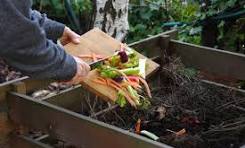
    Use a classic Compost Bin: A classic compost bin is an excellent alternative if you have a yard. Select a bin with good ventilation so that air may circulate within to quicken the decomposition process. Add garden trash such as leaves and grass clippings, as well as your leftover food scraps. To maintain uniform decomposition and keep the compost aerated, be careful to flip it frequently.

    Construct a Compost Pile:

    Constructing a compost pile is an additional choice for individuals who favour a more practical method. Arrange the food leftovers in a corner of your yard and cover them with cardboard and dried leaves, or any other brown materials. To aid in the breakdown process, turn the pile regularly.

    Employ an Organic garbage Composter:

    You can expedite the composting process by using an outdoor composter made for organic garbage. These little units are made especially to manage food scraps effectively, resulting in faster production of high-grade compost. They frequently have components like integrated aeration systems to guarantee ideal composting conditions.

    2. Composting Without a Yard

    Indoor Compost Bins:

    These are a useful option if you don’t have access to an outdoor area. These bins fit nicely in your utility room or kitchen and are made to manage food scraps. To keep your space tidy and smelling good, look for containers with airtight closures and odour-controlling capabilities.

    Countertop Composters:

    If you’re looking for a small, practical solution, think about a countertop composter. Food scraps can be collected in these charming, compact containers that you can keep on your kitchen counter and then move them to a larger composting system. A built-in grinder is included in certain versions to speed up the composting process.

    Use an Organic Waste Composter:

    An indoor organic waste composter can be a game-changer for people without a yard. These devices are made to swiftly and effectively process food leftovers into compost. Many types are small and made to neatly fit into cramped areas, which makes them perfect for those without gardens or apartments.

    Food waste can be composted, which is a sustainable activity that improves your garden and the environment. You can discover a solution that works for your living circumstances with a range of solutions available, such as conventional compost bins, indoor composters, and specialised organic waste composters. Composting is a practice that can be included in any living situation, whether you have a garden or not. It reduces waste and promotes a healthier environment.

    Contact Green Planet Solutions UK for more details on how an organic waste composter might complement your composting plan. To satisfy your demands and encourage your dedication to sustainable living, we provide a variety of composting options.