Category: Waste Management

  • Waste Management: A Simple Guide to a Cleaner Planet

    Waste Management: A Simple Guide to a Cleaner Planet

    Waste Management: A Simple Guide to a Cleaner Planet

    Waste is a part of everyday life, but how we handle it can make a big difference. Proper waste management helps keep our environment clean, reduces pollution, and conserves resources. Whether at home or in businesses, managing waste responsibly is key to a sustainable future.

    Why is Waste Management Important?

    1. Protects the Environment – Proper disposal of waste prevents land, air, and water pollution.
    2. Improves Public Health – Less waste means fewer diseases and a cleaner living space.
    3. Saves Resources – Recycling and composting help reduce the need for new materials.
    4. Reduces Costs – Businesses and households can save money by managing waste effectively.

    Types of Waste Management

    1. Reduce, Reuse, Recycle

    This is the best way to manage waste. Reduce what you throw away, reuse items when possible, and recycle materials like paper, plastic, and glass.

    2. Composting

    Organic waste like food scraps and garden waste can be turned into compost, which improves soil health.

    3. Waste-to-Energy

    Some waste can be burned to produce electricity, reducing landfill use.

    4. Proper Disposal

    Hazardous waste, like batteries and chemicals, should be disposed of safely to prevent harm to people and nature.

    How to Improve Waste Management at Home and Work

    • Use reusable bags, bottles, and containers.
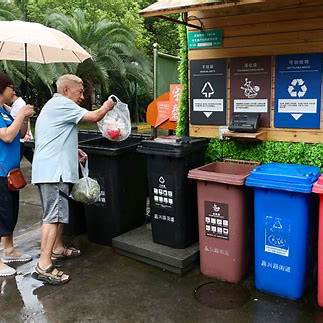
    • Sort waste properly – separate recyclables from regular waste.
    • Turn food waste into compost instead of discarding it.
    • Encourage waste reduction programs at work or in your community.
    • Donate items instead of discarding them.

    Final Thoughts

    Waste management is not just about disposing of trash – it’s about using resources wisely and keeping the planet healthy. Small steps like reducing plastic use, recycling, and composting can lead to big changes. Let’s work together for a cleaner and greener world!

  • What is the Largest Source of Waste in the US?

    What is the Largest Source of Waste in the US?

    What is the Largest Source of Waste in the US?

    Waste generation is a growing concern in the United States, with millions of tons of waste produced each year. Identifying the largest sources of waste is crucial for implementing effective waste management solutions. As a leading waste management company, Green Planet Solutions is committed to providing advanced waste management machines to tackle this global issue.

    Major Sources of Waste in the US

    1. Municipal Solid Waste (MSW)

    Municipal solid waste includes household waste such as food scraps, packaging materials, plastics, and paper. The US generates over 290 million tons of MSW annually, making it one of the largest waste contributors.

    2. Industrial Waste

    Manufacturing and industrial facilities produce vast amounts of waste, including metals, chemicals, and hazardous materials. Without proper waste management solutions, these waste materials can harm the environment.

    3. Food Waste

    The US discards nearly 40% of its food supply, making food waste a significant problem. Grocery stores, restaurants, and households contribute to this alarming waste issue, emphasizing the need for efficient waste management machines like composters.

    Construction and demolition activities generate debris such as concrete, wood, and metal. Recycling and reusing these materials can significantly reduce environmental impact.

    5. Electronic Waste (E-Waste)

    E-waste includes discarded electronics like smartphones, laptops, and televisions. Proper disposal and recycling using specialized waste management machines can help recover valuable materials and reduce landfill waste.

    How Green Planet Solutions is Addressing Waste Management

    As a trusted waste management company, Green Planet Solutions offers advanced waste management solutions worldwide. Our range of waste management machines, including balers, composters, and shredders, helps industries and municipalities reduce waste efficiently.

    Benefits of Using Green Planet Solutions’ Waste Management Machines:

    • Efficient Waste Reduction: Our machines help process and minimize waste effectively.
    • Sustainability Focus: We promote eco-friendly solutions for a cleaner planet.
    • Global Reach: While based in India, we provide waste management solutions worldwide.

    Conclusion

    Understanding the largest sources of waste in the US is the first step toward implementing effective solutions. With Green Planet Solutions’ innovative waste management machines, businesses and communities can contribute to a sustainable future. Contact us today to learn more about our waste management solutions and how we can help you reduce waste effectively.

  • Waste Crisis Alert – The Need for Smarter Waste Management

    Waste Crisis Alert – The Need for Smarter Waste Management

    Waste Crisis Alert: The Need for Smarter Waste Management

    Waste is piling up faster than ever. Landfills are overflowing, oceans are choking on plastic, and pollution is harming our health. It’s time to take action. If we don’t work on waste management now, the consequences will be severe. Green Planet Solutions is here to show you why change is urgent and how we can make a difference.

    The Growing Waste Crisis

    Every year, billions of tons of waste are generated worldwide. Unfortunately, much of this waste ends up in landfills, water bodies, and even the air we breathe. The problem is growing due to population growth, industrial expansion, and a throwaway culture. If we don’t act now, future generations will pay the price.

    Why Waste Management Matters

    Waste management is not just about cleaning up. It’s about reducing, reusing, and recycling materials to protect our environment. Here’s why we must act fast:

    • Reduces Pollution: Proper waste disposal prevents toxins from contaminating the air, soil, and water.
    • Saves Resources: Recycling materials like paper, plastic, and metal reduces the need for new raw materials.
    • Protects Wildlife: Animals suffer from plastic waste and toxic chemicals. Better waste management can save countless lives.
    • Combats Climate Change: Decomposing waste releases methane, a potent greenhouse gas. Managing waste properly can help reduce emissions.

    How Green Planet Solutions Can Help

    At Green Planet Solutions, we are committed to making waste management smarter, greener, and more efficient. As a leader in sustainable waste management, we provide innovative solutions tailored to meet the needs of businesses, industries, and households. Our goal is to minimize waste, promote recycling, and contribute to a cleaner, healthier environment.

    With growing concerns about environmental sustainability and increasing waste generation, adopting modern waste management techniques is more important than ever. At Green Planet Solutions, we offer state-of-the-art technologies that help organizations efficiently handle waste while reducing their carbon footprint.

    Our Specialized Waste Management Solutions

    We provide a wide range of eco-friendly solutions designed to simplify waste management while maximizing resource recovery. Our key offerings include:

    1. Recycling Machines – Turning Waste into Resources

    Recycling is essential for reducing landfill waste and conserving natural resources. Our advanced recycling machines are designed to process different types of waste materials, including plastic, metal, paper, and glass, converting them into reusable raw materials. These machines:

    • Help reduce environmental pollution by minimizing landfill waste.
    • Improve the efficiency of waste sorting and processing.
    • Support businesses in achieving their sustainability goals.

    By investing in recycling technology, industries and municipalities can create a circular economy where waste is not discarded but reused to create new products.

    2. Composting Systems – Sustainable Organic Waste Management

    Food and organic waste account for a significant portion of total waste generation. Our composting systems provide an effective way to manage biodegradable waste by transforming it into nutrient-rich compost. These systems:

    • Speed up the natural decomposition process.
    • Reduce methane emissions from landfills, helping combat climate change.
    • Provide nutrient-rich compost that can be used in agriculture, landscaping, and gardening.

    We offer a variety of composting solutions, from small-scale household composters to large commercial composting systems suitable for hotels, restaurants, and food processing industries.

    3. Baling Machines – Efficient Waste Volume Reduction

    Managing large volumes of waste can be challenging for businesses and industries. Our baling machines help in compressing recyclable materials such as cardboard, paper, plastics, and metals into compact bales. These machines:

    • Reduce waste volume, making transportation and storage more efficient.
    • Increase recycling rates by preparing waste for processing.
    • Improve workplace cleanliness and safety by organizing waste efficiently.

    With our high-performance baling machines, businesses can cut down on waste disposal costs and contribute to a cleaner environment.

    Why Choose Green Planet Solutions?

    At Green Planet Solutions, we are dedicated to delivering high-quality, innovative, and eco-friendly waste management solutions that meet the evolving needs of modern businesses and communities. Here’s why we stand out:

    • Expertise & Innovation: Our team of waste management experts continuously researches and develops cutting-edge solutions to improve efficiency and sustainability.
    • Custom Solutions: We offer tailored waste management strategies to suit different industries, including hospitality, healthcare, manufacturing, and municipal waste management.
    • Sustainability Commitment: Our solutions help businesses reduce their carbon footprint, minimize landfill waste, and promote a circular economy.
    • Reliable Support: We provide comprehensive customer support, from installation and training to maintenance and upgrades.

    Join the Green Revolution with Green Planet Solutions

    The future of waste management depends on adopting sustainable and innovative practices. By partnering with Green Planet Solutions, businesses and communities can take a step towards a cleaner, greener planet.

    Let’s work together to make waste management smarter and more sustainable. Contact us today to learn more about our waste management solutions!

    The Time to Act Is Now

    Ignoring waste management will only make the problem worse. The good news? Every small action counts. Whether at home or in business, we all have a role to play. Green Planet Solutions is committed to making waste management easy and effective. Let’s work together to create a cleaner, greener future.

    Are you ready to make a change? Contact Green Planet Solutions today!

  • 5 Waste Management Initiatives Taken by the Indian Government

    5 Waste Management Initiatives Taken by the Indian Government

    5 Waste Management Initiatives Taken by the Indian Government

    Introduction

    With a rapidly growing population and increasing urbanization, waste management has become a critical challenge for India. Improper waste disposal leads to environmental pollution, health hazards, and an overburdened landfill system. To tackle this issue, the Indian government has launched several initiatives to promote sustainable waste disposal, recycling, and efficient use of waste management machines.

    From the Swachh Bharat Mission to the Plastic Waste Management Rules, these programs focus on waste segregation, recycling, and adopting advanced technologies for processing waste. These efforts align with the goal of reducing landfill dependency and minimizing environmental impact. In this article, we will explore five major waste management initiatives taken by the Indian government, their objectives, and their impact.


    1. Swachh Bharat Mission (SBM) – A Nationwide Cleanliness Drive

    Overview

    Launched in 2014 by Prime Minister Narendra Modi, the Swachh Bharat Mission (SBM) is one of India’s most significant cleanliness initiatives. It aims to eliminate open defecation, improve urban and rural sanitation, and promote scientific waste management. The mission also focuses on waste segregation at the source and encourages the use of modern waste management machines for processing waste efficiently.

    Key Objectives:

    ✅ Promoting cleanliness and hygiene in urban and rural areas.
    ✅ Encouraging door-to-door waste collection and segregation.
    ✅ Setting up composting units and waste-to-energy plants.
    ✅ Reducing landfill dependency through recycling and sustainable disposal methods.

    Official Website:

    Swachh Bharat Mission


    2. Solid Waste Management Rules, 2016 – A Legal Framework for Waste Disposal

    Overview

    The Solid Waste Management (SWM) Rules, 2016, provide a structured approach to handling municipal solid waste across India. It emphasizes the role of individuals, municipalities, industries, and waste processors in ensuring responsible waste management.

    Key Objectives:

    ✅ Mandating waste segregation at the source (biodegradable, non-biodegradable, and hazardous waste).
    ✅ Encouraging composting, recycling, and efficient processing using waste management machines.
    ✅ Holding bulk waste generators (hotels, industries, offices) responsible for managing their waste.
    ✅ Ensuring scientific disposal of hazardous and electronic waste.

    Impact:

    The rules have made waste segregation mandatory in many cities, leading to better recycling rates and improved urban cleanliness. Several municipalities have adopted advanced waste management solutions to convert waste into energy or compost.

    Official Website:

    Ministry of Environment, Forest and Climate Change


    3. Plastic Waste Management Rules, 2016 (Amended in 2022) – Curbing Plastic Pollution

    Overview

    To address the growing problem of plastic pollution, the Indian government introduced the Plastic Waste Management Rules, 2016 (amended in 2022) to regulate plastic waste disposal and encourage recycling. The ban on single-use plastics is a key step towards reducing plastic waste in India.

    Key Objectives:

    Phasing out single-use plastics to reduce environmental pollution.
    ✅ Promoting Extended Producer Responsibility (EPR), which makes plastic manufacturers responsible for collecting and recycling plastic waste.
    ✅ Encouraging the use of waste management machines for plastic recycling.
    ✅ Strengthening the collection and disposal infrastructure for plastic waste.

    Impact:

    Several states and cities have implemented strict regulations on plastic waste, leading to increased recycling rates and a reduction in plastic litter. Many businesses have switched to biodegradable alternatives, promoting a greener planet.

    Official Website:

    Central Pollution Control Board (CPCB)


    4. Waste to Energy (WTE) Projects – Converting Waste into Resources

    Overview

    India has been actively promoting waste-to-energy (WTE) projects, which utilize waste management machines to convert solid waste into electricity, bio-CNG, or compost. Cities like Indore, Delhi, and Pune have successfully set up waste-to-energy plants that help reduce landfill waste and generate renewable energy.

    Key Objectives:

    Converting biodegradable waste into compost or bio-energy.
    ✅ Utilizing waste management machines to process non-recyclable waste into refuse-derived fuel (RDF).
    ✅ Reducing landfill waste by promoting alternative energy sources.
    ✅ Encouraging municipalities and industries to adopt waste-to-energy solutions.

    Impact:

    Several WTE plants in India now generate electricity and biofuel from waste, reducing landfill accumulation while promoting clean energy solutions.

    Official Website:

    Ministry of New and Renewable Energy


    5. GOBAR-Dhan Scheme – Promoting Biogas & Organic Waste Recycling

    Overview

    The GOBAR-Dhan (Galvanizing Organic Bio-Agro Resources Dhan) Scheme, launched in 2018, promotes the conversion of cattle dung and organic farm waste into biogas, bio-CNG, and organic compost. This initiative supports sustainable waste management in rural areas by utilizing waste management machines for efficient waste processing.

    Key Objectives:

    ✅ Converting organic waste into energy (biogas and bio-CNG).
    ✅ Reducing dependency on chemical fertilizers by promoting organic compost.
    ✅ Encouraging rural households and farms to adopt sustainable solutions.
    ✅ Creating rural employment opportunities in the bio-energy sector.

    Impact:

    The scheme has led to the installation of biogas plants across rural India, reducing methane emissions and promoting sustainable farming practices.

    Official Website:

    Department of Drinking Water & Sanitation


    Conclusion: Moving Towards a Sustainable Future

    The Indian government’s proactive initiatives are helping the country transition toward a greener, cleaner, and more sustainable future. Programs like the Swachh Bharat Mission, Solid Waste Management Rules, and Waste-to-Energy projects are making a significant impact by reducing landfill dependency and promoting waste recycling solutions.

    At Green Planet Solutions, we support India’s waste management goals by providing advanced waste management machines that help in efficient waste processing, recycling, and resource recovery. By embracing these government initiatives and adopting responsible waste disposal practices, individuals, businesses, and industries can contribute to a sustainable ecosystem.

    Looking for Efficient Waste Management Solutions?

    If you’re searching for innovative waste management machines for your business, industry, or municipality, Green Planet Solutions offers state-of-the-art equipment designed to optimize waste processing. Contact us today to explore how we can help you contribute to a cleaner and more sustainable India!

  • Can Waste Management Machines Provide a Solution?

    Can Waste Management Machines Provide a Solution?

    Bristol’s Waste Collection Proposal: Can Waste Management Machines Provide a Solution?

    Bristol, a city known for its environmental initiatives and progressive green policies, has recently sparked a lively debate with its proposal only to collect black bins once every four weeks. The Green-led council claims that the move will save the city money, help reverse the decline in recycling rates, and reduce the environmental impact of waste sent to waste-to-energy plants or dumpsites. While their goal is to reduce carbon emissions and push the city closer to its climate targets, the proposal has faced significant opposition, with critics fearing increased illegal dumping and challenges for larger households. But what if technology, particularly waste management machines, could solve both concerns?

    The Problem: Less Frequent Waste Collection and Its Concerns

    Bristol’s proposal has generated a mix of support and concern. On one hand, the city hopes that reducing the frequency of black bin collections can encourage more recycling and reduce waste disposal costs. However, the move has its critics, particularly those worried about the potential for more illegal dumping, especially in neighborhoods with limited space or larger families with higher waste needs.

    Food scraps, diapers, and other non-recyclable waste can be generated within four weeks of collection. This could not only overwhelm residents but also put pressure on public spaces as illegal dumping becomes a more convenient alternative. The concern is real, but the question is: can technology step in to make this transition smoother and more effective?

    How Waste Management Machines Can Help

    At Green Planet Solutions, we believe that innovation is key to overcoming the challenges of modern waste management. By incorporating waste management machines into both public and private waste systems, we can help address many of the issues raised by Bristol’s proposal. Here’s how technology can make a significant difference:

    1. Fully Automatic Composting Machines

    Food waste is one of the biggest contributors to black bin waste, and with longer collection intervals, it’s even more likely to pile up. Fully Automatic Composting Machines, which allow households and businesses to compost food waste on-site, turning it into valuable compost or biogas. With the right composting technology, residents can dispose of food waste more sustainably and reduce the amount of waste that needs to go into black bins. This would help ease concerns over food scraps accumulating during the extended wait between collections.

    2. Semi-Automatic Drum Composters

    For those who don’t have the space for large machines, Semi-Automatic Drum Composters offer a more compact, user-friendly solution. These machines allow residents to compost wet waste more easily and effectively, contributing to a cleaner, greener city. With regular composting at home, families can reduce the volume of waste generated, meaning less waste ends up in black bins waiting for the next collection.

    3. Garbage Chutes for Efficient Collection

    In areas where waste collection can be a challenge due to space constraints or a high density of residents, Garbage Chutes can streamline the disposal process. These systems allow waste to be dropped down a chute into a central collection point, making it easier to manage waste even during longer intervals between collections. Plus, they can help keep waste contained, reducing the likelihood of messy spills or overflow.

    4. Baling Machines for Recycling

    The city of Bristol hopes that reducing the frequency of black bin collections will encourage more recycling. Baling Machines are essential tools for compressing recyclables such as paper, cardboard, and plastics into compact bales, making it easier to store and transport these materials until the next collection. Households can store recyclables more efficiently, reducing the pressure on black bins and keeping streets cleaner.

    waste management machines Baling machine

    5. Wet Waste Shredders

    Wet waste, such as food scraps and organic matter, often makes up a large portion of black bin waste. Wet Waste Shredders can help households shred and process organic waste, allowing for better composting or disposal. By managing wet waste on-site, these machines can reduce the overall volume of waste going into black bins, further alleviating the need for frequent collections.

    6. Plastic Waste Shredders

    Plastics are a persistent problem in waste management, and with longer wait times between black bin collections, they’re likely to accumulate. Plastic Waste Shredders offer a way for households to process and break down plastic waste more efficiently. By reducing plastic waste into smaller, manageable pieces, these machines help residents recycle more effectively, preventing unnecessary overflow and reducing dumpsite waste.

    Can These Machines Solve the Problem?

    While it’s clear that waste management is becoming increasingly complex and costly, there’s a growing opportunity to use innovative technology to make systems more efficient. By integrating waste management machines into Bristol’s waste collection system, residents can manage their waste more effectively at home. With solutions like composting machines, shredders, and baling machines, households can reduce the amount of waste that ends up in the black bin, easing the pressure on longer collection cycles.

    Furthermore, if the council adopts smarter waste management technologies and improves recycling systems, the city could not only reduce waste but also encourage a cleaner, greener community. The key lies in balancing effective technology implementation with public participation and awareness.

    In the end, whether a four-week collection cycle is a viable solution will depend on how well the city invests in and supports these innovations. With the right waste management machines and community engagement, Bristol could set a powerful example for sustainable waste management that benefits both residents and the environment.

    At Green Planet Solutions, we’re committed to providing the tools and technologies that can help cities like Bristol manage waste in a smarter, more sustainable way.

    Are you ready to take the next step in transforming waste management in your community? Let’s make the change together!

    For more information on how our waste management machines can help your community, contact us today.

  • How Modern Machines Are Effective Waste Management Solutions

    How Modern Machines Are Effective Waste Management Solutions

    Effective Waste Management Solutions by Green Planet Solutions

    In today’s rapidly growing world, effective waste management solutions are more crucial than ever before. As cities continue to expand and populations increase, waste disposal remains a pressing challenge. However, modern machines are revolutionizing the way we handle and process waste, providing innovative and efficient solutions. These high-tech waste management systems utilize advanced technology to streamline the waste disposal process. From intelligent sorting and recycling machines to state-of-the-art waste-to-energy converters, these modern marvels are transforming the way we handle our waste. By optimizing efficiency and reducing environmental impact, these machines are paving the way for a cleaner and more sustainable future.

    With the ability to process a wide range of materials, these waste management solutions are versatile and adaptable. Moreover, they significantly reduce the reliance on landfill sites by maximizing recycling and generating clean energy. This not only helps to protect the environment but also offers economic benefits by creating opportunities for resource recovery and providing alternative energy sources. In this article, we will explore the various modern machines that are transforming waste disposal and discover how Green Planet Solutions is helping us move towards a greener and more sustainable future.

    Challenges in Traditional Waste Disposal Methods


    Traditional waste disposal methods, such as landfilling and open dumping, have long been associated with significant environmental and health hazards. Landfills contribute to soil and water contamination due to leachate seepage, while incineration emits harmful greenhouse gases. Furthermore, inefficient waste segregation leads to excessive landfill use, making waste management unsustainable in the long run. The lack of automation and outdated processing techniques also result in inefficient waste handling, increasing costs and environmental degradation.

    The Role of Technology in Waste Management solutions


    With the advent of cutting-edge technology, waste management has become more efficient and sustainable. Innovations in artificial intelligence, automation, and data analytics have revolutionized the sector, improving waste sorting, recycling, and energy conversion. Smart sensors, IoT-enabled waste bins, and AI-driven sorting systems enhance waste collection efficiency, reducing operational costs and environmental impact. These technologies not only streamline waste disposal but also contribute to resource conservation and pollution reduction.

    Modern Machines for Waste Disposal

    Modern waste management machines are transforming how we handle waste.

    Some of the most innovative machines include:

    • Waste Sorting Machines: These machines use AI and robotic arms to segregate recyclables, organic waste, and non-recyclables efficiently.
    • Baling Machines: Baling press machines compact waste materials like paper, plastic, and metal, making recycling and transportation more manageable.
    • Waste-to-Energy Converters: Advanced incinerators and anaerobic digesters convert waste into renewable energy sources like electricity and biogas.
    • Composting Machines: Organic waste composters accelerate the decomposition process, turning food and garden waste into nutrient-rich compost.
    • Garbage Chute Systems: These facilitate efficient waste collection in high-rise buildings, improving hygiene and waste segregation.

    Benefits of Using Modern Machines for Waste Disposal


    The adoption of modern waste management machines offers numerous benefits:

    • Enhanced Efficiency: Automated sorting and processing systems significantly reduce manual labor and operational costs.
    • Environmental Protection: Reducing landfill dependency minimizes soil and water contamination while decreasing greenhouse gas emissions.
    • Resource Recovery: Effective recycling ensures valuable materials are repurposed rather than wasted.
    • Economic Gains: Waste-to-energy systems generate electricity, reducing dependency on fossil fuels and lowering energy costs.
    • Improved Hygiene: Modern waste management reduces odor, pests, and health risks associated with traditional waste disposal methods.
    Effective waste management solutions

    Case Studies of Successful Waste Management Projects

    • Sweden’s Waste-to-Energy Success: Sweden has implemented waste-to-energy incinerators that convert 99% of household waste into heat and electricity, significantly reducing landfill use.
    • Singapore’s Smart Waste Bins: The city-state has introduced AI-powered waste bins that monitor waste levels and optimize collection schedules, reducing waste overflow and operational inefficiencies.
    • San Francisco’s Zero-Waste Initiative: The city has invested in high-tech waste sorting and composting machines, achieving an 80% recycling rate and aiming for zero waste by 2030.

    Implementation and Cost Considerations


    While modern waste management machines provide substantial benefits, their implementation requires careful planning. Factors such as initial investment, maintenance costs, and infrastructure compatibility must be considered. Government incentives and public-private partnerships can help offset costs and encourage the adoption of sustainable waste management solutions.

    Training and Safety Measures for Operating Waste Management Machines Ensuring the safety of workers operating waste management machines is crucial. Proper training in machine handling, maintenance, and emergency protocols is necessary to prevent accidents. Protective gear, automated safety mechanisms, and adherence to regulatory guidelines further enhance workplace safety.

    Future Trends in Waste Management Technology

    The future of waste management lies in continued technological advancements, including:

    • AI-Driven Waste Processing: More sophisticated AI and machine learning applications will improve waste sorting and recycling efficiency.
    • Blockchain for Waste Tracking: Blockchain technology can enhance transparency in waste disposal and recycling processes.
    • Biodegradable Waste Innovations: Research is focused on developing materials that decompose faster, reducing plastic waste accumulation.
    • Robotic Waste Collection: Autonomous waste collection vehicles and drones may soon play a significant role in urban waste management.

    Conclusion 

    Modern waste management solutions, powered by advanced machines and technology, are transforming the way we handle waste disposal. From intelligent sorting systems to waste-to-energy converters, these innovations are paving the way for a more sustainable and efficient future. By embracing these technologies, businesses, municipalities, and individuals can contribute to a cleaner environment, enhanced resource conservation, and a reduced carbon footprint. Green Planet Solutions is at the forefront of this transformation, offering innovative waste management solutions that ensure a greener tomorrow. The shift toward modern waste management is not just a necessity—it’s a responsibility for a more sustainable future.

    You can read – How Baling Machines Are Driving Sustainability in Chennai’s Waste Management

  • How Can Waste Management Machines Help Keep the Ganga Clean During Maha Kumbh?

    How Can Waste Management Machines Help Keep the Ganga Clean During Maha Kumbh?

    How Can Waste Management Machines Help Keep the Ganga Clean During Maha Kumbh?

    The Maha Kumbh Mela is one of the largest religious gatherings in the world, attracting millions of devotees to the Ganga River. While this is a deeply spiritual event, it also brings a significant environmental challenge. The sheer scale of waste generated especially pooja offerings like flowers, garlands, incense, and plastic waste, requires a focused and efficient waste management strategy to ensure the river remains clean and safe for ritual bathing. The authorities have already taken vital steps like daily water testing to monitor pollution levels and removal of pooja waste to protect the Ganga. However, with such a vast number of pilgrims, these measures alone may not be enough to maintain cleanliness. This is where waste management machines can make a real difference. Using the right technology to process and manage waste, we can significantly reduce human effort and increase efficiency.

    The Main Problem: Keeping the Ganga Clean

    The main concern during the Maha Kumbh is managing the massive amounts of waste generated, particularly organic pooja waste and non-biodegradable materials like plastic. Pooja offerings, often left in the river or on the banks, are difficult to clean manually and can lead to pollution and ecosystem disruption. Moreover, plastic waste such as bottles and wrappers contributes to the ongoing pollution of the sacred river.

    Water testing is one key measure being taken to ensure the Ganga remains ‘dip-safe’ for the millions of pilgrims who bathe in it. By monitoring factors like pollution levels, authorities can gauge whether the water quality is suitable for religious rituals. At the same time, the removal of pooja waste is crucial for minimizing the environmental impact of these spiritual activities.

    The volume of waste generated during the Kumbh is simply too large to rely solely on manual labor, making waste management machines a key part of the solution. These machines not only reduce human effort but also help ensure a more sustainable and eco-friendly approach to waste disposal.

    How Waste Management Machines Can Help

    • Efficient Pooja Waste Collection: With the mass accumulation of pooja offerings like flowers, incense, and garlands, waste management machines can play a crucial role in the timely collection and removal of waste from the riverbanks. Garbage collection machines or vacuum trucks can quickly pick up and transport the waste, reducing the time it sits in the environment and preventing it from being washed back into the river.
    • Processing Organic Waste: A large portion of the waste generated during the Kumbh is organic, including food scraps and pooja waste. Fully Automatic Composting Machines can be utilized to convert this biodegradable waste into compost, which can later be used for agricultural purposes. This not only helps keep the surroundings clean but also promotes sustainability by reducing the waste burden on landfills.
    • Managing Plastic and Non-Biodegradable Waste: Plastic waste, from bottles to wrappers, is a significant concern at the Kumbh. Plastic Waste Shredders and Baling Machines can be employed to break down and compact plastic waste, making it easier to recycle or dispose of. These machines ensure that non-biodegradable materials are handled properly, preventing them from contaminating the river or contributing to long-term environmental damage.
    • Processing Wet Waste Efficiently: Wet waste, such as food scraps and other organic matter, is generated in large quantities during the event. A Wet Waste Shredder can break down these materials into smaller pieces, facilitating quicker composting. This helps to reduce the risk of wet waste accumulating in public areas, keeping the environment cleaner throughout the festival.
    • Automatic Waste Segregation: To further enhance waste management efficiency, waste segregation machines can be used to sort recyclable materials from biodegradable waste. This ensures that different types of waste are properly processed, and recyclable items are diverted away from landfills, minimizing the overall environmental footprint of the event.
    Waste Management  in Kumbhmela

    Utilizing Technology for a Cleaner Kumbh

    By implementing these waste management machines, the authorities can significantly reduce the environmental impact of the Maha Kumbh. These machines not only speed up the waste collection and disposal process but also ensure that waste is managed in an eco-friendly manner, with minimal human effort involved. Technologies like bio-remediation systems or automatic trash cleaning systems could also be deployed along the river to process waste at the source, further reducing pollution levels and keeping the Ganga clean.

    Conclusion

    The challenges posed by waste management during the Maha Kumbh are undeniable, but with the right technologies in place, they can be addressed effectively. Waste management machines are essential in ensuring the Ganga’s cleanliness during this sacred event. From collecting and processing pooja waste to managing plastic and wet waste, these machines help streamline waste disposal and reduce environmental damage.

    At Green Planet Solutions, we believe in the power of innovation to help solve these complex waste management problems. By integrating our advanced waste management machines into the Kumbh’s waste strategy, we can ensure a cleaner, greener, and more sustainable future for the Ganga and its devotees.

    You must read –Winter Crop Residue and the Need for Baling Machine in Indian Agriculture

  • Waste Management Solutions in India: A Path Toward a Greener Future with Green Planet Solutions

    Waste Management Solutions in India: A Path Toward a Greener Future with Green Planet Solutions

    Waste Management Solutions in India

    Let us begin by stating that waste management is one of the key issues for a country like India which is urbanizing at an exponential rate. It is only fair to assume that the urban centers are struggling with waste management as the population increases and the trend nowadays is to consume more than before. At Green Planet Solutions we are proud to state that we are ready for this transformation as we offer waste management solutions that will enable businesses and cities alike to manage their waste in a more environmentally friendly manner and in the process comply with the law too. 

    The State of Waste Management in India

    One out of six people on earth is an Indian and the country is in the midst of an urban explosion which is simply unprecedented. The effective and legal guidelines to handle waste management in India are set by the Ministry of Environment, Forests and Climate Change which are then expected to be implemented by all the provinces to ensure a certain degree of cohesion as well as the potential for sustainable urban development. These are basic principles but they are also aimed at all individuals as well as industries to be able to manage their waste efficiently so that there is minimal damage to the environment. 

    Based on the statistics provided by the Ministry, India as of now produces more than 62 million tons of waste on a yearly basis and it is estimated that by 2030 as a result of increasing population density as well as changes in consumer behavior, the amount of waste generated will increase to around 165 million tons. Based on projections made, waste generation rates in urban centers will increase from the 1999 value of 0.2 kg daily to 0.7 kg per individual on a daily basis in the year 2025. This shows that the request for proper waste management solutions and systems will increase.

    Key Challenges in Waste Management in India

    While the nation is developing, waste management has become a certain problem in India – 

    • Population Growth: Most of the nation lives in an urban setting and that results in waste amounts that are overwhelming. Only 43 million tons were able to be treated out of the 62 million tons waste which is thrown out each year. This indicates that most of the waste is dump into river or ocean.
    • E-Waste: As technology continues to evolve, the use of electronics has increased and with this e waste has emerged into a global challenge, if these electronics are not disposed of properly than they pose a serious threat to mankind on long term.
    • Lack of Requirement: India lags behind when compared to other countries in waste management systems due to lack of proper sanitation staff’s and any adequate infrastructure. A low 21 million only operates in India, unlike China’s 700 million. This shows that a more emphasis needs to be made into more collection points and efficient collection techniques.
    • Waste Disposal: In today’s structural society, however, only few are able to recall that 30 percent of indian waste have passed through recycling, this results in materials that can still be recoverable such as aluminium and paper to be thrown into landfills. Mats, Paps and plastic are high chance of being lost and neglected and throw into land fills facilities.

    Waste Management Solutions: What’s the Way Forward?

    At Green Planet Solutions I think we all can agree that effective waste management is not exclusively the process of cleaning communities but the manner of ensuring that better societies are created. Here is how we as an entity are dealing with the waste management problems in the country:

    1. Waste Sorting at the Point of Origin – Source

    As far as effective waste management is concerned sorting is the first step. At Green Planet Solutions, we actively endorse the need to practice waste sorting at the point of origin which are residences, commercial sectors, and various industries. There is a need for certified waste management solutions – wherein different categories of waste are kept together so that plastic, paper or metal does not go to the landfill but to a recycling center. We provide people with tailored waste management plans which help them to implement better waste sorting at their units, and hence hopefully lead to increased recycling rates.

    2. Waste Collection & Transportation In General

    Collection and disposing off waste are the biggest problems in India. At Green Planet Solutions, our task is to provide the public with proper waste management and collection On the waste management aspect, we intend to limit the carbon footprint through our collection routes, collection vehicles, and optimization techniques. Ensuring that cleaning gets done at the right time and in an efficient manner.

    3. Addressing Recycling and Circular Economy Promotion

    We should be revived by the way that India lags so much behind other nations when it comes to recycling. Green Planet Solutions uses engagement with the industries to assist create a circular economy where businesses recycle their products and packaging. Under the broad umbrella of EPR we get into the nitty-gritty of business adopting responsibility of the product right from the branding and establishment of the product to the disposal of the said product. We furthermore guarantee that waste or unwanted materials are not merely disposed but rather are somehow recycled or used in other relevant ways so as to reduce wastage and conserve scarce resources.

    4. e-waste management 

    With the growth of e-waste, so too has irresponsible e-waste management become a major focus. Our e-waste management solutions ensure the safety and security of electronic e-waste and its proper disposal in accordance with the policies. We also work with certified e-waste recycling plants to recover various materials such as gold, silver and copper as well as plastics with the least amount of waste possible.

    5. Initiatives And Policy Advocacy Raising Awareness 

    As Green Planet Solutions, we have a notion that the waste crisis can be managed by the society only if they are well educated concerning certain matters. We partner with our employees to carry out workshops and campaigns aimed at educating communities and businesses on why waste should be sorted out, recycled and why its generation should be avoided in the first place. We also engage with decision makers on the matter to foster tough waste regulation that makes people change the way they manage waste and how it is disposed.

    Why Green Planet Solutions?

    Green Planet Solutions provides complete and effective waste management solutions to minimize agricultural, industrial and municipal waste in India. As experienced professionals, we provide:

    We believe that this comprehensive waste management solutions will allow India to move toward fulfilling its commitment to promote and use cleaner and greener strategies. Improved ways of waste management will be a boon and will take us a step closer to achieving our commitment and goals.

    Conclusion

    India has a lot of ways to Go green and waste management is one of the most vital areas. It is time to make a difference. Green Planet Solutions is here to work with you in making our world a cleaner place. By using our technological for waste management solutions, you will help in creating a greener world as well as fulfil the stringent requirements set forth by the regulatory bodies.

    Join us in delivering better waste management practices and improve the quality of life in our country, our planet and the future.

    Sustainable waste management can reduce the environmental damage you leave behind, start your journey towards a future that is better for nature by contacting Green Planet Solutions today.

  • The Role of Waste Management in Sustainable Year-End Celebrations in India

    The Role of Waste Management in Sustainable Year-End Celebrations in India

    The Role of Waste Management in Sustainable Year-End Celebrations in India

    As the year draws to a close, celebrations across India reach a fever pitch with festivals, gatherings, and year-end festivities. However, these joyous occasions often lead to an increase in waste generation, contributing to environmental challenges. The good news is that with proper waste management strategies, we can ensure that our celebrations are not only memorable but also sustainable. At Green Planet Solutions, we believe that sustainable waste management is crucial, especially during the year-end celebrations, to preserve the environment and reduce waste impact.

    The Growing Waste Challenge During Year-End Celebrations

    In India, year-end celebrations are a mix of festivals, parties, weddings, and family gatherings. These events often result in significant amounts of waste, including:

    • Plastic waste from decorations, disposable tableware, and gift packaging.
    • Food waste, especially in large gatherings or festivals where excess food is prepared.
    • Electronic waste, such as discarded batteries from decorations and new gadgets.
    • Paper waste from greeting cards, wrappers, and other seasonal packaging.

    As the festivities unfold, these wastes can accumulate rapidly, often ending up in landfills or causing pollution. Without effective waste management, this waste can negatively impact our cities and environment.

    How Waste Management Can Make Year-End Celebrations More Sustainable

    1. Waste Segregation at the Source

    One of the most effective strategies for waste management during year-end celebrations is to encourage waste segregation at the source. By setting up separate bins for recyclable items like paper, plastic, and glass, as well as compostable waste like food scraps, families and businesses can ensure that the waste produced is disposed of properly. At Green Planet Solutions, we provide waste management systems that promote easy segregation, helping individuals and organizations participate in sustainable practices.

    1. Eco-Friendly Decorations and Party Supplies

    Many year-end celebrations involve the use of single-use decorations and disposable party supplies that contribute to plastic pollution. By opting for eco-friendly decorations made from natural materials or reusable items, you can significantly reduce waste. Similarly, using durable dinnerware and cloth napkins instead of plastic plates, cups, and cutlery can minimize the environmental impact. Incorporating waste management practices like these during celebrations can have a lasting positive effect on the environment.

    1. Composting Organic Waste

    Food waste is a major contributor to overall waste during year-end events, and composting is a sustainable solution. Composting helps divert food scraps from landfills, turning organic waste into nutrient-rich soil. Encouraging guests and event organizers to separate food waste and organic materials for composting is a simple but effective waste management technique. Green Planet Solutions offers composting systems that can be easily integrated into large-scale celebrations or small family gatherings, making it easier to manage waste sustainably.

    1. Promoting Waste Reduction and Awareness

    Educating individuals, businesses, and communities about the importance of waste management during the holiday season is key to driving sustainable change. Awareness campaigns and public engagement can inspire people to make conscious decisions about waste generation and disposal. Green Planet Solutions supports such initiatives by offering workshops, training sessions, and educational content about responsible waste management practices. Encouraging people to reduce, reuse, and recycle helps minimize waste even before it is generated.

    1. Effective Disposal of E-Waste

    During the year-end festivities, many people purchase new gadgets, appliances, and decorations. This often leads to the disposal of older electronics, creating a rise in electronic waste (e-waste). Improper disposal of e-waste can have harmful effects on the environment. By establishing proper e-waste disposal channels and recycling centers, we can prevent this from becoming a major environmental issue. Green Planet Solutions provides e-waste management services, ensuring that old electronics are safely recycled and repurposed, reducing their environmental footprint.

    Sustainable Waste Management Practices for a Greener New Year

    By incorporating sustainable waste management practices into year-end celebrations, we can ensure that the festivities are not only joyous but also environmentally responsible. Here are a few additional steps to make your celebrations more eco-friendly:

    • Encourage Digital Invitations: Instead of printed invitations, opt for digital invites to save paper.
    • Donate Unused Gifts and Food: Instead of throwing away excess food or unused gifts, donate them to those in need.
    • Minimalist Packaging: Use reusable gift bags and wrapping made from natural materials like cloth or recycled paper.

    Conclusion

    At Green Planet Solutions, we are dedicated to promoting sustainable waste management practices throughout India. As we approach the year-end celebrations, it’s crucial to take proactive steps in reducing waste and minimizing our environmental impact. By integrating waste management into our holiday preparations, we not only contribute to a cleaner and greener environment but also set a positive example for future generations.

    Let’s celebrate responsibly this year-end—embracing sustainability with smart waste management solutions, reducing waste, and creating a cleaner future for all.

  • 10 Factors to Consider When Choosing Waste Management Machines for Your Facility

    10 Factors to Consider When Choosing Waste Management Machines for Your Facility

    10 Factors to Consider When Choosing Waste Management Machines for Your Facility

    In today’s world, effective waste management is not only a regulatory requirement but also an essential step towards sustainability. Whether you’re running a manufacturing plant, a commercial facility, or a large-scale industrial operation, choosing the right waste management machines can have a significant impact on your operational efficiency, cost savings, and environmental footprint. At Green Planet Solutions, we specialize in providing innovative and eco-friendly waste management equipment designed to optimize your facility’s waste processing. Here are the top 10 factors to consider when selecting waste management machines for your facility.

    1. Type of Waste to Be Managed

    The first and most crucial factor is understanding the type of waste your facility generates. Different waste management machines are designed to handle specific types of waste, such as organic, plastic, hazardous, or recyclable materials. For instance, compactors and balers are ideal for handling recyclables, while shredders are best for processing hazardous or hard-to-manage waste.

    Why It Matters:
    Choosing a machine that suits the specific type of waste your facility generates ensures better efficiency and reduces operational costs.

    What to Ask:

    • What kind of waste does my facility generate most frequently?
    • Are the waste management machines suitable for handling multiple types of waste?

    2. Machine Capacity and Throughput

    The capacity of the waste management machine refers to the amount of waste it can handle within a given timeframe. The right capacity depends on the scale of your facility’s operations and the volume of waste you produce.

    Why It Matters:
    A machine with too low of a capacity may slow down your operations, while one with too high a capacity could lead to unnecessary energy consumption and higher costs.

    What to Ask:

    • What is the processing capacity of the machine?
    • Can the machine handle peak waste volumes during high production periods?

    3. Energy Efficiency

    Energy consumption is a significant factor when it comes to choosing waste management machines. Machines that consume less energy while maintaining high efficiency help reduce operational costs and contribute to a greener, more sustainable facility.

    Why It Matters:
    Energy-efficient machines lower your overall energy bills and reduce your facility’s environmental impact.

    What to Ask:

    • How much energy does the machine consume during operation?
    • Are there energy-saving features or technologies integrated into the machine?

    4. Ease of Operation and Maintenance

    A waste management machine should be user-friendly and easy to operate, even for staff with minimal training. Additionally, it should be easy to maintain and service to prevent costly downtime and repairs.

    Why It Matters:
    Machines that are easy to operate and maintain reduce labor costs, training time, and long-term repair expenses.

    What to Ask:

    • How simple is it to operate the waste management machine?
    • What is the maintenance schedule, and how often will the machine require servicing?

    5. Durability and Build Quality

    Waste management machines are subjected to intense use and harsh conditions. The durability and build quality of the machine are crucial to ensure its longevity and minimize the risk of breakdowns.

    Why It Matters:
    Investing in a high-quality, durable machine reduces repair costs and ensures that your equipment performs reliably over time.

    What to Ask:

    • What materials are used to build the machine?
    • Is the machine designed to withstand high levels of wear and tear?

    6. Compliance with Environmental Regulations

    Compliance with local, national, and international waste management regulations is essential. Your waste management machines should be capable of handling waste in an environmentally responsible manner, ensuring compliance with laws regarding waste disposal and recycling.

    Why It Matters:
    Ensuring your waste management machines comply with environmental regulations helps avoid penalties and showcases your commitment to sustainability.

    What to Ask:

    • Is the machine certified for environmental standards?
    • Does the machine comply with local waste disposal regulations?

    7. Cost and Return on Investment (ROI)

    The initial cost of a waste management machine is an important consideration, but it’s equally vital to assess the long-term savings it can bring. A machine that may seem expensive upfront can offer excellent ROI by saving on labor, reducing waste disposal costs, and improving operational efficiency.

    Why It Matters:
    A machine with a higher upfront cost but lower operating and maintenance costs can provide better value over time.

    What to Ask:

    • What is the total cost of ownership, including installation, maintenance, and operating expenses?
    • What is the expected ROI from using the machine in terms of waste reduction and labor savings?

    8. Automation and Technology Integration

    With advances in technology, many waste management machines now offer automated features that can streamline operations and improve efficiency. These include sensors, automated sorting, and data reporting systems that help monitor performance.

    Why It Matters:
    Automation reduces the need for manual labor and improves overall system efficiency, ensuring that waste management processes are seamless and error-free.

    What to Ask:

    • Does the machine come with automated features or smart technologies?
    • Can the machine integrate with existing management systems in my facility?

    9. Space Requirements

    The size and design of the machine must be compatible with the available space in your facility. Waste management machines can vary significantly in size, and some may require additional infrastructure or space for installation and operation.

    Why It Matters:
    Choosing a machine that fits your facility’s layout ensures optimal space utilization and reduces the risk of congestion in your workspace.

    What to Ask:

    • What is the footprint of the waste management machine?
    • Does the machine require additional space for installation or operation?

    10. Vendor Reputation and Support

    When purchasing waste management machines, it’s essential to choose a reliable and experienced vendor. A reputable supplier like Green Planet Solutions offers not only high-quality machines but also excellent customer support, including installation, maintenance, and troubleshooting services.

    Why It Matters:
    A trustworthy vendor ensures that you get the most value from your purchase, with prompt support and guidance throughout the life of the machine.

    What to Ask:

    • Does the vendor offer post-sale support, including installation and maintenance services?
    • What is the vendor’s reputation for providing quality machines and customer service?

    Conclusion: Making the Right Choice with Green Planet Solutions

    Choosing the right waste management machines is crucial for the efficiency, sustainability, and profitability of your facility. At Green Planet Solutions, we are committed to providing advanced, energy-efficient, and durable waste management equipment that suits your business needs. By considering these 10 factors, you can make an informed decision that optimizes your waste processing operations and helps you stay compliant with environmental regulations.

    If you’re ready to invest in the right waste management machines for your facility, contact Green Planet Solutions today for expert guidance and top-of-the-line equipment.