Category: Waste Management

  • The Hidden Crisis: How India’s Informal Waste Sector Can Lead the Way to Sustainable Waste Management Solutions

    The Hidden Crisis: How India’s Informal Waste Sector Can Lead the Way to Sustainable Waste Management Solutions

    The Hidden Crisis: How India’s Informal Waste Sector Can Lead the Way to Sustainable Waste Management Solutions

    India, a country of over 1.4 billion people, is grappling with a significant challenge—waste management. As urbanization and industrialization continue to rise, so does the volume of waste generated across the country. In fact, India is one of the largest waste producers globally, with its cities and villages often overwhelmed by the mounting trash. However, amidst this crisis lies an unsung hero—the informal waste sector. This vast network of unregistered waste collectors, recyclers, and workers has been silently managing a considerable portion of the country’s waste for decades. Although largely unrecognized, this sector could play a pivotal role in solving India’s waste management crisis and driving sustainable solutions.

    At Green Planet Solution, we believe in harnessing all available resources for a cleaner, more sustainable future. In this blog, we will explore the role of the informal waste sector in India’s waste management system, its challenges, and how its integration into formal waste management systems could lead to groundbreaking solutions.

    What is the Informal Waste Sector?

    The informal waste sector in India is made up of waste pickers, rag pickers, scrap dealers, and small-scale recyclers who work outside formal waste management systems. These individuals often collect, segregate, and sell recyclable materials like paper, plastic, glass, and metal to larger recycling industries. They provide an essential service to the urban environment, often working in hazardous conditions with little protection or recognition.

    While they are responsible for recovering a significant amount of recyclable materials, these workers operate without proper support, resources, or safety nets. The sector operates in the shadows, often bypassing the formal waste management system due to a lack of infrastructure and systemic support. Despite this, the informal waste sector is critical to India’s waste management, processing about 60-90% of recyclables in many urban areas.

    The Scale of India’s Informal Waste Sector

    The scale of the informal waste sector in India is staggering. According to estimates, there are over 1.5 million waste pickers in India, many of whom work in metropolitan areas like Delhi, Mumbai, and Bangalore. These workers collect, sort, and sell materials that would otherwise end up in landfills. They act as the primary recyclers, contributing to waste diversion and reducing the pressure on India’s overwhelmed landfill systems.

    Despite the critical role they play, the informal waste sector faces numerous challenges, including:

    • Lack of recognition and support: Waste pickers and recyclers are often invisible in the formal economy and are frequently exposed to health hazards due to poor working conditions.
    • Poor access to safety equipment: Many informal workers operate without gloves, masks, or protective clothing, putting them at risk of injury or disease.
    • Limited resources for efficient operations: Informal recyclers often work with rudimentary tools and limited infrastructure, limiting their efficiency in sorting and processing materials.

    Why the Informal Waste Sector is Crucial for Sustainable Waste Management in India

    India’s waste management challenges are complex and multifaceted, requiring innovative and inclusive solutions. The informal waste sector, despite its many struggles, has a significant potential to contribute to a more sustainable waste management system in the country. Here’s how:

    1. Recycling Potential

    The informal waste sector is responsible for recovering a large portion of recyclable materials. Studies show that informal recyclers process more than 60% of recyclables in Indian cities, including plastics, metals, and paper, diverting them from landfills and incinerators. By reintroducing these materials into the supply chain, the informal sector helps reduce the need for virgin materials, conserving resources and reducing environmental impact.

    This recycling process, while imperfect, reduces the carbon footprint associated with waste disposal. For a country like India, where landfills are rapidly filling up, the recycling efforts of the informal sector could play a pivotal role in alleviating landfill overflow and reducing emissions from waste management.

    2. Waste Segregation and Collection Efficiency

    One of the key weaknesses in India’s waste management system is the lack of effective waste segregation at the source. Although waste segregation is required by law in many cities, it is poorly enforced, and many households do not separate waste properly. Informal waste pickers bridge this gap by manually segregating recyclable materials from mixed waste. They help ensure that a large portion of the waste is sorted and processed correctly, which can later be used as raw materials for industries.

    3. Cost-Effective Waste Management

    The informal sector is crucial in reducing the overall costs of waste management. The government and municipal corporations are often unable to manage waste on their own due to limited budgets, inefficiencies, and lack of infrastructure. Waste pickers and recyclers contribute to reducing the financial burden of waste management by providing a cheaper and more efficient waste collection and recycling system.

    4. Job Creation and Economic Opportunities

    The informal waste sector provides employment to millions of people, many of whom come from marginalized communities. These workers play a significant role in the local economy, generating income through waste collection, sorting, and recycling. By integrating the informal sector into formal waste management systems, India can create sustainable livelihoods for these workers while reducing poverty and inequality.

    5. Environmental Benefits

    The informal waste sector is already contributing to environmental conservation by reducing the volume of waste sent to landfills, decreasing pollution, and lowering greenhouse gas emissions. With proper support, resources, and training, these workers could significantly reduce the environmental impact of waste disposal in India, creating a cleaner and greener future.

    Incorporating the Informal Waste Sector into Formal Waste Management Frameworks

    For India’s waste management system to truly become sustainable, it is crucial that the informal sector is formally recognized and integrated into existing waste management infrastructure. Here are some steps that could help formalize and empower the informal sector:

    1. Policy Support and Legal Recognition

    The first step toward integrating the informal waste sector into formal systems is policy reform. The Indian government must create and implement laws that recognize waste pickers as part of the formal workforce. Providing waste pickers with proper identification, healthcare benefits, and social security would help improve their working conditions and incentivize them to continue contributing to the waste management ecosystem.

    2. Providing Training and Resources

    Many informal waste workers lack formal training in waste segregation, safety, and best recycling practices. Providing them with access to training programs and resources can improve their efficiency and safety. Green Planet Solution, for example, can partner with local governments and NGOs to provide workshops and resources that teach better waste management practices, including how to properly segregate and recycle materials.

    3. Collaboration with Recycling Industries

    By fostering partnerships between informal waste workers and recycling industries, India can streamline waste processing and improve recycling rates. Informal recyclers can supply materials to the formal recycling sector, helping reduce waste and generate revenue for both parties.

    4. Implementing Technology in Waste Collection and Sorting

    Technology is key to enhancing waste management practices. Digital platforms and apps can connect informal workers with formal waste management systems, track waste collection, and improve sorting accuracy. Innovations like AI-powered waste sorting systems and smart waste bins can complement the efforts of informal workers, leading to more efficient recycling processes.

    Conclusion: Empowering India’s Informal Waste Sector for a Sustainable Future

    India’s informal waste sector is not just a hidden crisis—it is a valuable asset in the fight for sustainable waste management solutions. By recognizing and empowering the millions of workers who make up this sector, India can unlock a powerful tool for tackling its growing waste problem. With proper policy support, resources, and integration into formal systems, the informal waste sector can lead the way to a cleaner, greener, and more sustainable India.

    At Green Planet Solution, we are committed to advancing sustainable waste management practices that involve every facet of society. We believe that with the right approach, the informal waste sector can play a transformative role in India’s waste management landscape. Let’s work together to turn waste into a valuable resource and create a sustainable future for all.

  • The Role of Extended Producer Responsibility (EPR) in Tackling Global Waste in India: A Green Planet Solution Perspective

    The Role of Extended Producer Responsibility (EPR) in Tackling Global Waste in India: A Green Planet Solution Perspective

    The Role of Extended Producer Responsibility (EPR) in Tackling Global Waste in India: A Green Planet Solution Perspective

    As the global waste crisis continues to grow, innovative waste management solutions are increasingly being seen as essential to preserving our environment. One such solution that has gained prominence is Extended Producer Responsibility (EPR). This concept places responsibility on manufacturers and producers for the entire lifecycle of their products, particularly when it comes to post-consumer waste. In India, where waste management challenges are ever-growing, EPR presents a promising framework for reducing environmental impact and improving recycling rates. At Green Planet Solution, we believe that EPR has the potential to transform waste management in India and contribute significantly to a circular economy.

    Understanding Extended Producer Responsibility (EPR)

    Extended Producer Responsibility (EPR) is a policy approach that mandates manufacturers and producers to bear the financial and/or physical responsibility for the waste generated by their products after they have been used by consumers. The goal is to incentivize manufacturers to design products with longer life cycles, ease of recycling, and minimal environmental impact. By doing so, EPR not only helps waste management more effectively but also encourages sustainability throughout the production process.

    In India, EPR is particularly relevant due to the enormous waste volumes generated by growing urbanization, consumerism, and the rapid pace of industrialization. For instance, plastic waste, electronic waste (e-waste), and packaging materials are some of the largest contributors to India’s waste crisis. The Indian government has recognized the importance of EPR and included it in the Plastic Waste Management Rules (2016) and E-Waste Management Rules (2016), both of which encourage producers to assume accountability for the retrieval and recycling of their products.

    The Need for EPR in India’s Waste Management Landscape: Driving Sustainable Waste Management Solutions

    India is home to one of the fastest-growing economies in the world, but this growth comes at a significant environmental cost. With more people consuming goods, the volume of waste generated is escalating at an alarming rate. Here are a few reasons why EPR is critical to improving waste management solutions in India:

    1. Reducing Landfill Waste

    India’s landfills are overflowing, with inadequate facilities for proper waste treatment and disposal. This results in serious environmental problems, including soil contamination, air pollution, and the spread of disease. EPR can help reduce landfill waste by encouraging manufacturers to design products that are easier to recycle and by establishing take-back programs that ensure used products are properly disposed of or recycled.

    2. Encouraging Product Design for Recycling

    Through EPR, manufacturers are incentivized to design products with a focus on recyclability and durability. For example, packaging materials can be made from recyclable plastics or biodegradable materials, and electronics can be designed in a way that allows for easier disassembly and recycling. This shift towards sustainable product design is one of the most effective ways to reduce waste at its source.

    3. Boosting Recycling Rates

    India’s recycling rates remain low, largely due to the lack of a structured waste management infrastructure and a culture of waste segregation. EPR can address this by creating a system where producers are responsible for the collection, recycling, and disposal of their products once they reach the end of their life cycle. This would not only increase recycling rates but also reduce the pressure on informal waste pickers, who often face unsafe working conditions.

    4. Encouraging Sustainable Consumer Behavior

    When producers are held responsible for waste disposal, they are more likely to develop systems that make it easier for consumers to return products for recycling. This could include convenient drop-off points or incentives like discounts on future purchases. By promoting these initiatives, EPR can help shift consumer behavior towards more sustainable practices, ultimately fostering a culture of recycling and waste reduction.

    Challenges in Implementing EPR in India

    While EPR presents a significant opportunity for waste management solutions in India, there are several challenges that need to be addressed for it to be effective:

    1. Lack of Infrastructure

    India’s waste management infrastructure is often underdeveloped, particularly in rural areas. Implementing EPR effectively requires a robust collection, sorting, and recycling system. The absence of such infrastructure could hamper efforts to track and manage waste at the producer level.

    2. Informal Sector Participation

    A large portion of India’s waste management workforce consists of informal waste pickers who operate outside formal waste systems. EPR needs to be designed in a way that integrates these informal workers into the formal recycling process, ensuring that they benefit from the economic opportunities created by recycling programs.

    3. Compliance and Enforcement

    Enforcing EPR regulations can be difficult, especially when manufacturers and producers are spread across the country. Ensuring that businesses comply with the rules and take responsibility for the waste they generate requires strong regulatory oversight and accountability measures.

    How Green Planet Solution Can Support EPR in India

    At Green Planet Solution, we are committed to providing comprehensive waste management solutions that support the implementation of EPR in India. 

    1. Developing EPR-Compliant Solutions

    We work closely with businesses to develop customized EPR-compliant waste management strategies. This includes setting up efficient collection and recycling systems, as well as creating product take-back programs that align with India’s regulatory framework. By collaborating with producers, we ensure that they are equipped to meet their EPR obligations.

    2. Facilitating Product Life Cycle Assessments

    Our team helps businesses assess the environmental impact of their products throughout their lifecycle. This includes evaluating their design, production methods, and end-of-life disposal options. By doing so, we provide recommendations for product improvements that align with EPR principles, ensuring that products are more sustainable and easier to recycle.

    3. Supporting Public Awareness Campaigns

    We believe that the success of EPR in India depends on public participation. As part of our waste management solutions, we run awareness campaigns to educate consumers and businesses about the importance of recycling and the role they play in the success of EPR systems. These campaigns help foster a culture of sustainability and encourage responsible consumption and disposal practices.

    4. Collaboration with Government and NGOs

    Green Planet Solution actively collaborates with government agencies and NGOs to help shape policies that support EPR in India. By being a part of the policy-making process, we ensure that the framework is practical, inclusive, and tailored to the specific needs of the Indian market.

    Conclusion

    Implementing Extended Producer Responsibility (EPR) is a key measure in enhancing waste management solutions in India. By holding producers accountable for the lifecycle of their products, EPR has the potential to reduce waste, promote sustainable design, and boost recycling rates. However, the success of EPR will depend on overcoming challenges such as inadequate infrastructure, informal sector involvement, and enforcement. At Green Planet Solution, we are committed to playing our part in this transformation by offering innovative, EPR-compliant waste management solutions that support India’s journey toward a sustainable, circular economy.

    By embracing EPR, India can not only tackle its waste management challenges but also pave the way for a greener, cleaner future.

  • The Plastic Plague: How Waste Management Systems in India Are Struggling to Keep Up

    The Plastic Plague: How Waste Management Systems in India Are Struggling to Keep Up

    The Plastic Plague: How Waste Management Systems in India Are Struggling to Keep Up

    India, a nation of over 1.4 billion people, is facing a growing crisis in waste management, with plastic waste being one of the most pressing environmental challenges. The rapid pace of urbanization, coupled with changing consumer habits, has led to a sharp increase in the consumption of single-use plastic products. While plastic offers undeniable convenience, its environmental impact is undeniable. At Green Planet Solutions, we recognize the urgency of addressing the plastic waste problem and believe that effective waste management is the key to turning the tide on India’s plastic plague.

    The Plastic Crisis: A Snapshot of India’s Growing Problem

    Plastic waste has reached alarming levels in India, contributing significantly to pollution across land, waterways, and oceans. India produces around 3.3 million tons of plastic waste every year, with a substantial portion of it being single-use plastic, such as bags, bottles, wrappers, and straws. Unfortunately, only a small fraction of this waste is recycled or reused, and much of it ends up in landfills, rivers, and oceans, creating long-term environmental damage.

    The situation is compounded by the widespread use of plastic in both urban and rural areas. In cities, plastic packaging from food, beverages, and e-commerce dominates the waste stream. Rural areas, too, face plastic waste challenges, although on a different scale, often due to improper disposal and a lack of waste management infrastructure.

    Challenges of Waste Management in India’s Struggle with Plastic

    India’s waste management systems are under extreme strain, and the proliferation of plastic waste is making the task even more daunting. Below are some of the key challenges hindering effective waste management:

    1. Lack of Infrastructure and Collection Systems

    One of the major challenges to efficient waste management in India is the inadequate infrastructure for waste segregation, collection, and disposal. In many parts of the country, especially in smaller towns and rural areas, there is no organized waste collection system in place. Plastic waste, which often cannot biodegrade, piles up in streets, drains, and open spaces. 

    Even in large cities, the waste management systems are often overwhelmed by the sheer volume of plastic waste generated daily. Waste segregation at the source is rarely practiced, making it difficult to sort recyclable plastics from general waste, which further complicates recycling efforts.

    2. Inefficient Recycling Systems

    Some urban centers have established plastic recycling programs, the systems in place are often fragmented and poorly equipped to handle the large volumes of plastic waste generated. According to a 2020 report, only about 60% of the plastic waste in India is gathered, and only 30% of it is recycled till. 

    Moreover, the recycling process is not standardized, and the quality of recycled plastic varies significantly. Many types of plastic, particularly those with mixed materials (like plastic-lined wrappers), cannot be easily recycled, leading to vast amounts of plastic ending up in landfills or incinerated.

    3. Public Awareness and Participation

    Despite numerous government initiatives aimed at reducing plastic waste, public awareness around the importance of waste segregation, recycling, and plastic reduction remains low. Many people still dispose of plastics haphazardly, contributing to the problem. Additionally, there is often little incentive for individuals and businesses to reduce plastic consumption or participate in recycling programs.

    The challenge of shifting consumer behavior is compounded by the fact that alternatives to plastic, such as eco-friendly packaging, are often more expensive and less accessible, making it harder to convince consumers to make a switch.

    4. Informal Waste Sector Dependence

    In India, much of the waste management, particularly in urban areas, is handled by informal waste pickers. These workers, who collect, segregate, and sell recyclable materials, play a crucial role in waste management but are often unrecognized and underpaid. While they contribute significantly to plastic recycling efforts, their work is unregulated and lacks safety standards, making it both inefficient and hazardous.

    Without proper integration into formal waste management systems, the informal sector’s potential to tackle the plastic problem is limited, and the process remains fragmented.

    How Green Planet Solutions is Addressing the Plastic Waste Crisis

    At Green Planet Solutions, we understand the severity of India’s plastic waste problem and the urgent need for a comprehensive approach to waste management. We believe that effective waste management systems can help mitigate the plastic plague and create a cleaner, greener future for India. Here’s how we’re contributing to solving the plastic waste challenge:

    1. Promoting Waste Segregation and Collection Systems

    One of the first steps in improving waste management is ensuring that waste is properly segregated at the source. At Green Planet Solutions, we help organizations and municipalities implement waste segregation programs that separate plastic waste from organic and other recyclables. By working with local authorities, building managers, and residential communities, we support efforts to educate the public on proper waste segregation and the importance of recycling.

    2. Advanced Recycling Solutions

    Green Planet Solutions offers innovative recycling technologies designed to improve the efficiency of plastic waste processing. We work with municipal bodies and waste management companies to upgrade recycling facilities, enabling them to handle more plastic waste and improve the quality of recycled plastic materials.

    We also support the use of technologies that can process difficult-to-recycle plastics, reducing the amount of plastic that ends up in landfills. Our focus is on creating a circular economy for plastics, where materials are continuously reused, reducing the demand for virgin plastic production and minimizing environmental harm.

    3. Integrating the Informal Waste Sector

    We recognize the important role played by the informal waste sector in India’s waste management ecosystem. Green Planet Solutions is working towards formalizing the waste picking sector, improving safety standards, and providing training to waste pickers. By integrating the informal sector into formal recycling systems, we can make plastic waste management more effective and equitable.

    4. Educating and Empowering Communities

    At Green Planet Solutions, we believe that public awareness and community involvement are crucial to solving the plastic waste crisis. Our outreach programs aim to educate citizens about the dangers of plastic pollution and promote sustainable alternatives to single-use plastic. We also partner with businesses to reduce plastic packaging and encourage the adoption of biodegradable or recyclable materials.

    5. Supporting Policy and Regulation

    We collaborate with policymakers and environmental organizations to advocate for stronger waste management regulations and plastic waste reduction laws. This includes supporting initiatives like extended producer responsibility (EPR), which holds manufacturers accountable for the entire lifecycle of their plastic products.

    The Path Forward: A Collaborative Approach to Waste Management

    India’s plastic waste problem is not one that can be solved by a single entity alone. It requires the collaboration of government bodies, businesses, citizens, and waste management companies. Green Planet Solutions is committed to working alongside all stakeholders to build sustainable waste management systems that can handle the increasing volume of plastic waste and create a cleaner, healthier environment for future generations.

    By implementing smarter waste management practices, increasing recycling rates, and raising awareness about the impact of plastic pollution, we can make a meaningful difference in addressing the plastic plague.

    Conclusion: Turning the Tide on India’s Plastic Crisis

    The plastic waste crisis in India is a complex issue, but it’s not insurmountable. With innovative waste management solutions, stronger infrastructure, and greater public awareness, we can tackle this problem head-on. At Green Planet Solutions, we are dedicated to helping India build a more sustainable and efficient waste management system that not only addresses the plastic plague but also sets the foundation for a cleaner, greener future.

    If you’re ready to be part of the solution and contribute to a sustainable waste management future, get in touch with Green Planet Solutions today. Let’s work together for a plastic-free India!

  • Are Waste Management Machines the Key to Achieving Zero-Waste Goals?

    Are Waste Management Machines the Key to Achieving Zero-Waste Goals?

    Are Waste Management Machines the Key to Achieving Zero-Waste Goals?

    In today’s world, sustainability is no longer just a buzzword; it’s an urgent need. One of the most ambitious environmental goals being set by businesses, municipalities, and even individuals is the achievement of zero-waste. The zero-waste movement seeks to eliminate the concept of waste entirely, promoting the reuse, recycling, and composting of materials in a way that significantly reduces landfill use and environmental impact. At Green Planet Solutions, we are committed to helping our clients and communities reach their environmental goals through innovative waste management machines.

    Waste management machines play a pivotal role in modern waste management strategies, particularly in the transition towards zero-waste practices. But are waste management machines really the key to achieving zero-waste goals? In this blog, we’ll explore how these technologies are making zero-waste initiatives a practical reality and how businesses and cities can leverage them to reduce their environmental footprint.

    The Role of Waste Management Machines in the Zero-Waste Movement

    Achieving a zero-waste lifestyle requires a fundamental shift in how we think about and handle waste. Traditional waste management systems often rely heavily on landfills and incineration, both of which contribute to pollution and resource depletion. Waste management machines — from sorting and compacting machines to waste-to-energy systems and composting equipment — offer a more sustainable solution.

    Here’s how these machines contribute to the goals of zero-waste

    1. Efficient Waste Sorting and Segregation

    One of the key pillars of zero-waste is waste segregation: the process of separating recyclables, compostables, and non-recyclables. Waste management machines like automated sorting systems use advanced technology (including optical and AI sensors) to efficiently separate materials based on their type. This improves the accuracy of recycling processes and reduces contamination in recycling streams.

    – Green Planet Solutions offers cutting-edge sorting technology that allows for higher recycling rates by quickly and accurately identifying different materials — from plastics and metals to paper and organic waste. These systems reduce human error and enhance the overall efficiency of waste processing, helping organizations divert more materials from landfills.

    By improving waste segregation, waste management machines ensure that the maximum amount of recyclable and compostable material is diverted from the waste stream, which is essential for a zero-waste strategy.

    2. Waste Reduction Through Compaction

    Another significant challenge on the path to zero-waste is the sheer volume of waste produced. Traditional waste collection systems often generate excessive volumes of material, which results in higher transportation costs and more space in landfills.

    Waste compaction machines offer a solution by reducing the volume of waste through compression. These machines compact general waste, recyclable materials, and even organic waste, significantly reducing the overall waste volume. 

    For example:

    – Green Planet Solutions’ compaction systems are designed to fit seamlessly into commercial and industrial settings, compacting waste on-site and reducing the number of pickups required. This not only reduces landfill space but also lowers carbon emissions related to waste transport, making it an important tool in a sustainable waste management strategy.

    By cutting down on the volume of waste, compaction systems make it easier to transport, recycle, and divert waste, thus contributing to zero-waste goals.

    3. Turning Waste into Energy: Waste-to-Energy Machines

    A true zero-waste approach aims to eliminate all forms of waste, including those that cannot be recycled or composted. For non-recyclable waste, waste-to-energy machines provide a sustainable alternative to landfill disposal. These machines convert organic waste or residual materials into energy, usually in the form of electricity or heat. 

    At Green Planet Solutions, we offer waste-to-energy machines that efficiently convert waste into renewable energy, reducing the need for fossil fuels and offering a cleaner energy alternative. This process not only reduces the volume of waste but also generates a valuable resource, closing the loop in a zero-waste system.

    By adopting waste-to-energy technologies, organizations can ensure that even waste that cannot be reused or recycled is put to good use, contributing to the overall goal of zero waste.

    4. On-Site Composting and Organic Waste Management

    Organic waste — including food scraps, yard waste, and agricultural by-products — is one of the most significant components of waste sent to landfills. Waste management machines that support on-site composting help businesses and municipalities divert organic waste from landfills, creating nutrient-rich compost for agricultural or landscaping purposes.

    – Green Planet Solutions provides specialized composting machines that turn organic waste into high-quality compost within a matter of days. These machines make it easy for businesses to manage organic waste sustainably, reducing the environmental burden associated with landfill use.

    Through the use of composting machines, organic waste is effectively transformed into a resource, further contributing to the zero-waste movement by minimizing the need for landfill space and reducing methane emissions from waste decomposition.

    5. Tracking and Monitoring Waste for Continuous Improvement

    A core principle of zero-waste management is continuous improvement — analyzing, tracking, and adjusting processes to increase waste diversion and reduce environmental impact. Waste management machines integrated with smart sensors and IoT capabilities enable organizations to track waste output in real-time. These data-driven insights allow for better decision-making and more accurate waste diversion strategies.

    Green Planet Solutions offers waste management machines with integrated tracking systems that allow businesses to monitor waste volumes, recycling rates, and more. By leveraging this data, organizations can identify areas for improvement and refine their waste management strategies, ensuring they’re always moving closer to their zero-waste goals.

    6. Promoting a Circular Economy

    One of the ultimate goals of the zero-waste movement is to support a circular economy, where materials are kept in use for as long as possible, and waste is minimized or eliminated. Waste management machines support this model by facilitating the recycling, repurposing, and reusing of materials.

    For example, machines that separate recyclable materials, compost organic waste, and transform waste into energy help ensure that materials and resources are cycled back into the economy, rather than being discarded. This promotes sustainability, reduces reliance on raw materials, and lowers overall environmental impact.

    At Green Planet Solutions our technology is designed with the circular economy in mind, helping organizations adopt a system where waste is minimized, and resources are reused, refurbished, or recycled.

    Conclusion: The Path to Zero-Waste with Green Planet Solutions

    Achieving zero-waste goals requires a multifaceted approach, combining education, behavior change, policy enforcement, and innovative technology. Waste management machines are undeniably a critical part of this puzzle, offering efficient, sustainable solutions that reduce waste volumes, improve recycling, and convert waste into valuable resources.

    At Green Planet Solutions, we are committed to providing cutting-edge waste management machines that support the transition to a zero-waste world. Our solutions are designed to make waste sorting, compaction, energy recovery, and composting easier and more efficient, helping organizations meet their sustainability goals while reducing their environmental footprint.

    If your business, municipality, or organization is ready to take the next step towards zero waste, contact Green Planet Solutions today. Our expert team can help you implement the right waste management machines and strategies to achieve your zero-waste goals and contribute to a greener, more sustainable future.

  • Top 5 Wet Waste Shredder Companies in Oman: Transforming Waste into Resourceful Solutions with Green Planet Solutions

    Top 5 Wet Waste Shredder Companies in Oman: Transforming Waste into Resourceful Solutions with Green Planet Solutions

    Top 5 Wet Waste Shredder Companies in Oman

    Efficient waste management is becoming a priority in Oman as the nation aligns itself with sustainable development goals. With rapid industrial growth and urbanization, wet waste—primarily organic waste from food, agriculture, and industries—poses unique challenges for proper disposal. Wet waste shredder offer a sustainable solution, converting waste into manageable pieces that can be composted or further processed for resource recovery. In this guide, we introduce some of the top waste shredder providers in Oman and highlight how Green Planet Solutions is leading the way with innovative technology.

    Why Wet Waste Shredding is Essential for Oman

    Wet waste, rich in organic material, can generate foul odors and methane emissions if not handled properly. As Oman takes steps toward sustainable waste management, using wet waste shredders helps break down bulky organic waste into smaller pieces, which speeds up decomposition, reduces landfill burden, and supports eco-friendly disposal practices like composting.

    Top 5 Waste Shredder Companies in Oman

    1. Green Planet Solutions
      Renowned for eco-friendly technology and reliability, Green Planet Solutions leads the market in Oman with state-of-the-art wet waste shredders. Designed to meet the diverse needs of municipalities, commercial kitchens, hotels, and industries, Green Planet Solutions’ shredders break down all types of organic waste, from kitchen scraps to agricultural waste. What sets Green Planet Solutions apart is its commitment to customization and technical support, ensuring efficient and sustainable waste processing for every customer. Key Features:
    2. EcoShred Oman
      A reliable player in Oman’s waste management sector, EcoShred provides high-quality shredders for both wet and dry waste. EcoShred’s machines are particularly popular for their compact design and efficiency, making them ideal for urban settings where space is limited. Key Features:
      • Energy-efficient technology for reduced operational costs
      • Compact design suitable for small to medium facilities
      • Durable, corrosion-resistant components ideal for wet waste
      • Comprehensive after-sales support and spare parts availability
    3. WasteMaster Solutions
      WasteMaster is recognized for its robust waste shredders that cater to Oman’s industrial and commercial sectors. Known for their heavy-duty shredders, WasteMaster Solutions provides wet waste shredders that can handle large volumes, making them ideal for agricultural and food production facilities.Key Features:
      • Heavy-duty design for industrial applications
      • User-friendly interface with customizable shred size
      • Equipped with anti-jamming technology for continuous operation
      • 24/7 technical support for uninterrupted performance
    4. Enviro Shred Tech
      A trusted name in the waste management industry, Enviro Shred Tech offers a range of shredders designed for organic and mixed waste. Their wet waste shredders are equipped with advanced automation and smart technology, making them an ideal choice for modern waste management needs in Oman.Key Features:
      • Smart automation for optimized shredding and reduced energy use
      • Adjustable shredding speed and efficiency settings
      • Built-in safety features and eco-friendly components
      • Easy integration with existing waste processing systems
    5. Oman Green Solutions (OGS)
      Oman Green Solutions specializes in providing small-scale, efficient shredders suited for hotels, restaurants, and municipal applications. Their wet waste shredders are compact, efficient, and easy to maintain, making them a favorite for businesses seeking to manage organic waste on-site. Key Features:
      • Compact design for small-space applications
      • Low energy consumption for cost-effective operations
      • High corrosion resistance for handling wet and acidic waste
      • Quick maintenance with on-site support services

    Green Planet Solutions: Pioneering Waste Management in Oman

    Green Planet Solutions has built a solid reputation in Oman for providing advanced wet waste shredding technology, tailored to meet the country’s unique waste management needs. Our wet waste shredders are designed with Oman’s climate and waste types in mind, ensuring efficient breakdown of organic materials. Whether for municipal waste processing, hospitality waste, or industrial waste management, Green Planet Solutions offers cutting-edge solutions to reduce waste volume, promote composting, and support Oman’s sustainability goals.

    Advantages of Choosing Green Planet Solutions

    1. High-Efficiency Shredding
      Our shredders are built to handle large volumes of waste, making them ideal for commercial and industrial use in Oman. Their high-efficiency blades reduce waste into fine particles, which speeds up composting and reduces landfill usage.
    2. Customizable Solutions
      Green Planet Solutions offers customizable shredders that meet the specific needs of our clients. Whether it’s for food waste from a restaurant or agricultural waste from a farm, we tailor our machines to optimize performance and cost-effectiveness.
    3. Eco-Friendly Technology
      Our shredders are designed with energy-saving technology, which not only reduces operational costs but also minimizes environmental impact. By converting organic waste into compostable material, our shredders contribute to a sustainable waste management system.
    4. End-to-End Support
      Green Planet Solutions provides complete technical support—from installation and maintenance to troubleshooting—ensuring smooth and uninterrupted operations for our clients. Our team of experts is always ready to assist with operational guidance and on-site support.
    5. Contributing to Oman’s Green Goals
      Oman has set ambitious sustainability goals, and Green Planet Solutions is proud to support these initiatives. Our wet waste shredders help businesses and municipalities in Oman manage organic waste efficiently, aligning with the country’s vision for a greener future.

    How Wet Waste Shredders Support Sustainability in Oman

    With Oman’s commitment to environmental preservation, effective wet waste shredding plays a vital role in reducing waste sent to landfills. By breaking down organic waste into smaller, compostable pieces, shredders make it easier to recycle nutrients back into the soil, contributing to healthier landscapes and agriculture.

    Additionally, shredders reduce methane emissions that occur when organic waste decomposes in landfills. By opting for wet waste shredding, Oman’s businesses and municipalities can actively contribute to reducing greenhouse gases, making a positive environmental impact.

    Key Industries Benefiting from Wet Waste Shredders in Oman

    1. Hospitality and Food Service: Restaurants, hotels, and cafes can reduce food waste volume and produce compost for landscaping.
    2. Agriculture: Farms benefit from shredding crop waste, which can be composted or used for soil enhancement.
    3. Municipalities: Cities can manage public waste collection more efficiently by pre-treating organic waste with shredders.
    4. Educational Institutions: Schools and universities can promote sustainability by managing cafeteria waste in an eco-friendly manner.

    Final Thoughts

    Oman’s journey toward sustainable waste management is gaining momentum, and efficient waste shredding is key to this transformation. Green Planet Solutions is honored to be at the forefront of Oman’s green initiatives, providing top-quality wet waste shredders that reduce waste volume, support composting, and drive resource recovery. With a range of eco-friendly shredders and end-to-end support, we are committed to helping Oman achieve a cleaner, greener future.

    Ready to embrace sustainable waste management? Contact Green Planet Solutions today to learn more about our wet waste shredders and find the perfect solution for your waste management needs in Oman.

  • A Sustainable Future: Waste Management Solutions in Qatar with Green Planet Solutions

    A Sustainable Future: Waste Management Solutions in Qatar with Green Planet Solutions

    A Sustainable Future: Waste Management Solutions in Qatar with Green Planet Solutions

    As Qatar moves towards a greener and more sustainable future, effective waste management has become a critical priority. From rapidly growing urban centers to expanding industries, managing waste efficiently is essential to minimize environmental impact and promote public health. Green Planet Solutions is proud to support Qatar in this mission by providing innovative, reliable waste management solutions tailored to the country’s unique needs.

    Why Waste Management Matters in Qatar

    With Qatar’s urbanization and economic development, waste production has significantly increased. The importance of proper waste management in Qatar lies not only in reducing the environmental footprint but also in conserving resources and enhancing public health. Without efficient waste handling, environmental pollution, greenhouse gas emissions, and health risks could impact Qatar’s thriving communities.

    Waste Management Challenges in Qatar

    1. Rapid Population Growth: As Qatar’s population continues to grow, so does its waste output. This creates a demand for scalable waste management solutions.
    2. Industrial Waste: Qatar’s industrial sector contributes to a substantial amount of waste, necessitating specialized treatment and disposal systems.
    3. Limited Landfill Space: With limited land area and rapid urban expansion, Qatar faces constraints in relying on landfills for waste disposal.
    4. Climate Considerations: Qatar’s arid climate can pose additional challenges in composting and waste decomposition, making efficient waste management machinery essential.

    Green Planet Solutions: A Leader in Sustainable Waste Management

    Green Planet Solutions offers an extensive range of waste management solutions designed to help Qatar tackle these challenges effectively. Our eco-friendly technologies and machinery are engineered to manage different types of waste—from organic and food waste to recyclable materials—supporting Qatar’s sustainability vision.

    Key Waste Management Solutions Offered by Green Planet Solutions

    1. Compost Machines
      Composting is a sustainable solution for managing organic waste. Our compost machines convert food waste and organic materials into nutrient-rich compost that can be used for landscaping, agriculture, and soil improvement. This helps Qatar recycle its organic waste, reducing landfill load and greenhouse gas emissions.
    2. Baling Machines
      For industries and organizations that produce large volumes of recyclable materials like cardboard, plastic, and metal, our baling machines are an ideal solution. These machines compact waste into manageable bales, making it easier for recycling facilities to handle and process.
    3. Garbage Chute Systems
      Green Planet Solutions provides advanced garbage chute systems for residential and commercial buildings. These systems streamline waste disposal, reduce labor, and improve sanitation in high-rise buildings, which are increasingly popular in Qatar’s urban landscape.
    4. Waste Compactors
      Our waste compactors help reduce waste volume efficiently. They’re perfect for industries, shopping malls, and institutions that generate significant waste daily. Compactors not only save space but also lower waste transportation costs, making them cost-effective and eco-friendly.

    Benefits of Choosing Green Planet Solutions for Waste Management in Qatar

    1. Eco-Friendly Technologies
      Our machines and systems are designed with the environment in mind, helping Qatar move towards a zero-waste future by minimizing waste sent to landfills.
    2. Cost Efficiency
      By reducing waste volume and promoting recycling, our solutions help reduce waste disposal costs, making them budget-friendly for businesses and municipalities alike.
    3. Customized Solutions
      We understand that waste management needs vary from one sector to another. Green Planet Solutions provides tailored solutions for industrial, commercial, and residential applications.
    4. Technical Expertise and Support
      With a team of experienced professionals, we offer complete technical support, from installation to maintenance, ensuring smooth operations and maximizing machine efficiency.

    How Green Planet Solutions Aligns with Qatar’s Sustainability Goals

    Qatar has committed to ambitious sustainability goals, including waste reduction, recycling, and environmental protection. By choosing Green Planet Solutions, Qatar can achieve:

    • Reduced Landfill Dependence: Efficient waste processing reduces reliance on landfills, saving valuable space and minimizing environmental impact.
    • Lower Carbon Footprint: Our waste management solutions are designed to decrease greenhouse gas emissions, supporting Qatar’s initiatives to combat climate change.
    • Enhanced Resource Efficiency: Our baling and composting solutions promote recycling and reuse, ensuring resources are conserved and waste is managed effectively.

    Waste Management for Different Sectors in Qatar

    1. Hospitality Industry
      With Qatar’s growing tourism sector, hotels and restaurants generate a significant amount of food waste. Compost machines are ideal for turning this waste into compost, promoting sustainable practices and reducing landfill burden.
    2. Educational Institutions
      Schools and universities can benefit from Green Planet Solutions’ waste management systems, especially composters, which can turn cafeteria waste into compost, reinforcing sustainable values among students.
    3. Healthcare Sector
      Medical facilities need specialized waste management to handle medical and general waste. Our compactors and baling machines help manage waste safely and efficiently.
    4. Residential Complexes
      Our garbage chute systems streamline waste disposal in high-rise buildings, making waste management convenient and sanitary for residents.

    Tips for Effective Waste Management in Qatar

    • Implement Waste Segregation: Separate organic waste from recyclable materials at the source. This makes the composting and recycling process smoother and more efficient.
    • Educate and Raise Awareness: Educate employees and residents about the benefits of sustainable waste management to encourage participation and cooperation.
    • Regular Maintenance: Ensure that machines and systems are regularly maintained for optimal performance and longevity.
    • Partner with Trusted Providers: Working with experienced providers like Green Planet Solutions ensures access to high-quality, reliable waste management equipment.

    Conclusion

    Green Planet Solutions is proud to support Qatar in its journey toward sustainable waste management. With a commitment to innovation, quality, and environmental responsibility, we provide the tools and expertise Qatar needs to manage waste efficiently and responsibly. As Qatar aims for a greener tomorrow, effective waste management is a vital step, and Green Planet Solutions is here to help every step of the way.

    Contact Green Planet Solutions Today
    Learn how we can assist your waste management goals with advanced compost machines, baling systems, and compactors. Transform waste into a resource and join the movement toward a sustainable Qatar. Reach out to Green Planet Solutions to explore our customized waste management solutions and take a step toward a greener future today!

  • Waste Management: A Sustainable Approach by Green Planet Solution

    Waste Management: A Sustainable Approach by Green Planet Solution

    Waste Management: A Sustainable Approach by Green Planet Solution

    In an era where environmental concerns are at the forefront of global discussions, effective waste management has become an essential priority. With our planet facing unprecedented challenges, from overflowing landfills to plastic pollution in our oceans, the need for innovative solutions has never been more pressing. At Green Planet Solution, we recognize that managing waste is not just about disposal; it’s about building a sustainable future for generations to come. This blog delves into the significance of waste management, our strategic approach, and how individuals can play a vital role in creating a greener planet.

    Understanding Waste Management

    Definition of Waste Management  

    Waste management encompasses the collection, transportation, processing, recycling, or disposal of waste materials. It aims to reduce the harmful effects of waste on human health and the environment while promoting resource conservation.

    Types of Waste  

    1. Municipal Waste: This includes everyday items discarded by households, such as food scraps, plastics, paper, and textiles. Proper management of municipal waste is crucial, as it constitutes a significant portion of what ends up in landfills.  

    2. Industrial Waste: Generated by manufacturing processes, industrial waste includes a variety of materials, such as chemicals, metals, and packaging materials. Effective management practices can minimize the environmental impact of industrial waste.  

    3. Hazardous Waste: This category includes dangerous materials that pose a risk to health or the environment, such as batteries, chemicals, and medical waste. Specialized handling and disposal methods are essential to mitigate these risks.

    Current Statistics  

    According to the World Bank, global waste generation is projected to reach 3.4 billion tons by 2050. Inadequate waste management systems contribute to severe environmental degradation and public health risks, emphasizing the urgent need for effective strategies.

    The Importance of Effective Waste Management

    A. Environmental Impact  

    Poor waste management leads to significant environmental issues, including air and water pollution, greenhouse gas emissions, and the depletion of natural resources. Landfills release methane, a potent greenhouse gas, while plastics contribute to ocean pollution, harming marine life. By implementing efficient waste management practices, we can reduce these harmful effects, conserve resources, and protect ecosystems.

    B. Economic Benefits  

    Investing in waste management can lead to substantial cost savings for communities and businesses. Properly managed waste reduces the need for landfill space, which can be costly to maintain. Additionally, recycling and composting initiatives can create jobs and stimulate local economies. The circular economy model, which focuses on reusing and recycling materials, can significantly boost economic growth while minimizing waste.

    C. Social Implications  

    Effective waste management enhances community health and well-being. Poor waste disposal practices can lead to the proliferation of pests and diseases, creating health risks for residents. Furthermore, a clean environment fosters community pride and encourages social cohesion. Communities with well-managed waste systems often experience lower crime rates and improved quality of life.

    Green Planet Solutions Approach to Waste Management

    A. Sustainable Practices  

    At Green Planet Solution, we prioritize sustainable waste management practices, including recycling and composting. Our comprehensive recycling programs aim to divert waste from landfills, encouraging residents to adopt responsible disposal methods. Composting organic waste not only reduces landfill contributions but also enriches soil, supporting local agriculture.

    B. Innovative Technologies 

    We harness cutting-edge technologies to enhance waste management efficiency. Our waste-to-energy solutions convert non-recyclable waste into renewable energy, reducing landfill dependency. Additionally, we utilize smart waste management systems that employ data analytics to optimize collection routes, minimizing fuel consumption and greenhouse gas emissions.

    C. Community Involvement and Education  

    Empowering communities through education is a cornerstone of our approach. Green Planet Solution offers workshops and outreach programs that educate residents on the importance of waste reduction and proper disposal methods. By fostering community engagement, we inspire individuals to take an active role in sustainability efforts.

    Challenges in Waste Management

    A. Common Barriers  

    Many communities face significant barriers to effective waste management. A lack of awareness about the importance of waste reduction and recycling often leads to high levels of waste generation. Additionally, inadequate infrastructure, such as insufficient recycling facilities and collection services, can hinder progress.

    B. Solutions Proposed by Green Planet Solution  

    To address these challenges, we advocate for policy changes and increased investment in waste management infrastructure. By partnering with local governments and organizations, we aim to improve waste management systems and promote public engagement. Our initiatives focus on raising awareness, providing resources, and encouraging collaboration among stakeholders.

    Case Studies and Success Stories

    A. Local Initiatives  

    One of our successful initiatives was the community recycling program implemented in India. Through targeted outreach and education, we increased recycling rates by 30% within one year. By providing residents with easy access to recycling bins and information on acceptable materials, we empowered them to make more sustainable choices.

    B. Impact Assessment  

    Our waste-to-energy project in India serves as another success story. By converting waste into renewable energy, we have significantly reduced landfill waste while providing clean energy to the local grid. This project not only demonstrates the feasibility of innovative waste management solutions but also highlights the potential for positive environmental and economic impacts.

    How Individuals Can Contribute

    A. Tips for Reducing Waste at Home  

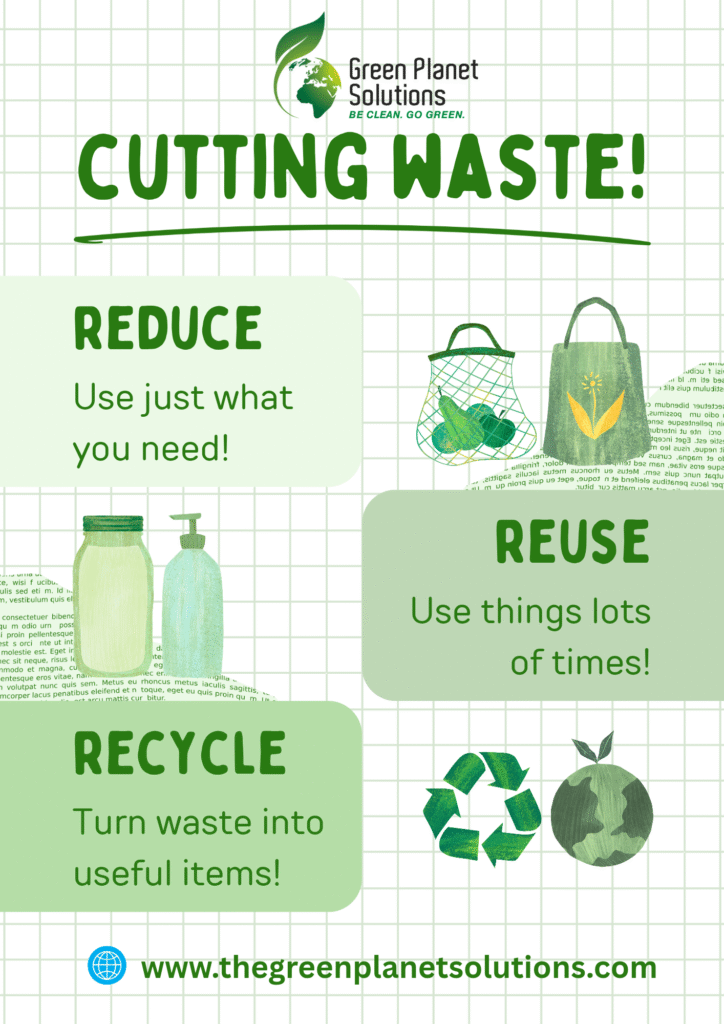
    1. Practice the 3Rs: Reduce, Reuse, Recycle. Minimize single-use items and opt for reusable products.  

    2. Compost Organic Waste: Start a compost bin for food scraps and yard waste to reduce landfill contributions and create nutrient-rich soil.  

    3. Choose Products with Minimal Packaging: Support brands that prioritize sustainable packaging to help decrease overall waste generation.

    B. Community Programs and Events  

    Get involved in local clean-up events and recycling drives. Participating in these activities fosters community spirit and raises awareness about waste management issues. You can also organize educational sessions in your neighborhood to share tips on reducing waste.

    C. Supporting Sustainable Brands

    By choosing eco-friendly products and services, individuals can support companies that prioritize sustainable practices. Look for certifications, such as Fair Trade or Organic, and consider local businesses that focus on sustainability.

    Future of Waste Management

    A. Trends in Waste Management

    The future of waste management lies in innovation. Emerging technologies, such as artificial intelligence (AI) and machine learning, are transforming waste management processes. Smart sorting technologies can improve recycling efficiency, while predictive analytics can optimize waste collection schedules based on data trends.

    B. Green Planet Solutions Vision

    At Green Planet Solution, we envision a future where waste is not simply discarded but treated as a valuable resource. Our commitment to sustainability drives us to continuously seek innovative solutions that benefit both the environment and local communities. We are dedicated to being at the forefront of the waste management revolution, advocating for policies and practices that foster a circular economy.

    Conclusion

    Effective waste management is vital for the health of our planet and communities. By adopting sustainable practices and supporting initiatives like those at Green Planet Solution, we can all contribute to creating a cleaner, greener future. It is essential to recognize that every action counts; whether it’s recycling at home, participating in community events, or advocating for change, each effort makes a difference. Join us in this mission for a sustainable planet—together, we can turn waste into opportunity!

  • Sustainable Waste Management in Sweden: Innovations by Green Planet Solutions

    Sustainable Waste Management in Sweden: Innovations by Green Planet Solutions

    Sustainable Waste Management in Sweden: Innovations by Green Planet Solutions

    Waste management is a critical aspect of modern society, especially in a country like Sweden, which has become a global leader in sustainability. At Green Planet Solutions Sweden, we are dedicated to promoting effective waste management in Sweden, helping to create a cleaner and greener environment for future generations. This blog explores the current state of waste management in Sweden, innovative practices, and our contributions to this vital field.

    Current State of Waste Management in Sweden

    Sweden has made remarkable strides in waste management, achieving an impressive recycling rate of over 99% for household waste. As one of the most environmentally conscious nations, Sweden generates approximately 4.4 million tons of waste annually, which includes household, industrial, and organic materials. The Swedish government has implemented strict regulations and policies that promote recycling, composting, and waste reduction, making waste management in Sweden a priority at all levels of society.

    A significant portion of the waste generated is organic, and Sweden has adopted a circular economy approach to tackle this challenge. By diverting organic waste from landfills, the country minimizes environmental impact and maximizes resource recovery. This proactive approach not only helps in reducing landfill use but also contributes to the production of renewable energy and compost.

    Sweden’s Waste Management Hierarchy

    Central to effective waste management in Sweden is the waste management hierarchy, which prioritizes waste prevention, followed by reuse, recycling, recovery, and disposal as a last resort. This framework ensures that materials are utilized efficiently and responsibly.

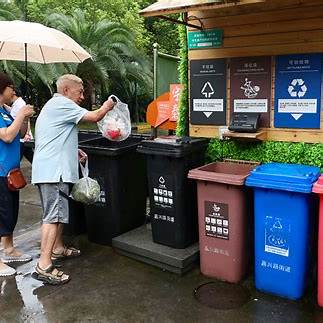
    In practice, Sweden excels in implementing this hierarchy. For instance, extensive recycling programs allow citizens to sort their waste effectively, with separate bins for paper, plastic, glass, and organic waste. This meticulous sorting system enhances recycling rates and supports the government’s goal of reducing waste sent to landfills. As a leader in waste management in Sweden, the country has set an example for others to follow.

    Innovative Waste Management Practices

    Sweden’s approach to waste management is marked by innovation and technology. Advanced waste sorting and recycling systems play a vital role in managing waste efficiently. Smart bins equipped with sensors help monitor waste levels and optimize collection routes, reducing fuel consumption and improving service delivery.

    Additionally, Sweden has invested heavily in waste-to-energy plants that convert non-recyclable waste into energy. These facilities not only provide electricity and heating but also significantly reduce the volume of waste sent to landfills. Case studies of successful waste management initiatives in Sweden, such as the city of Malmö’s comprehensive recycling program, showcase the effectiveness of these innovative practices.

    The Role of Organic Waste in Sweden’s Strategy

    Organic waste management is a cornerstone of sustainable waste management in Sweden. The country’s commitment to reducing landfill use has led to the widespread adoption of composting and organic waste converters. By processing organic materials, Sweden transforms waste into valuable resources, such as nutrient-rich compost and biogas.

    At Green Planet Solutions, we are proud to contribute to organic waste management in Sweden. Our solutions help communities and businesses implement efficient organic waste conversion systems, promoting sustainability and reducing environmental impact. By supporting the composting process and utilizing organic waste converters, we play a crucial role in the circular economy, helping to close the loop on waste management.

    Community Involvement and Education

    Public participation is essential to the success of waste management in Sweden. Community involvement and education campaigns are pivotal in encouraging sustainable practices among citizens. Various initiatives, such as local recycling competitions and educational workshops, promote awareness about the importance of proper waste management.

    Green Planet Solutions actively engages with local communities, providing resources and support to foster sustainable waste practices. By empowering individuals and businesses to take responsibility for their waste, we contribute to the overall success of waste management in Sweden.

    Future Challenges and Opportunities

    Despite Sweden’s successes in waste management, challenges remain. Issues such as contamination in recycling streams and fluctuating recycling rates require ongoing attention and innovative solutions. However, these challenges also present opportunities for improvement and innovation in waste management practices.

    Green Planet Solutions envisions a future where waste management in Sweden continues to evolve, incorporating cutting-edge technology and community engagement to further enhance sustainability. Our commitment to developing and implementing effective waste management solutions positions us as a key player in shaping the future of waste management in Sweden.

    Conclusion

    Sweden’s leadership in waste management serves as a model for other nations striving for sustainability. By prioritizing effective waste management practices and fostering community engagement, we can work together to create a cleaner and greener environment. At Green Planet Solutions Sweden, we are dedicated to driving innovation in waste management, helping to transform waste into valuable resources. We invite individuals and businesses to join us in this essential endeavor, contributing to a sustainable future for all.

  • Belgium’s Approach to Waste Management: Paving the Way for a Greener Tomorrow

    Belgium’s Approach to Waste Management: Paving the Way for a Greener Tomorrow

    In today’s eco-conscious world, Belgium stands out as a leader in waste management innovation. This European nation has made remarkable strides in sustainable practices, proving that a robust waste management system is key to environmental preservation. Through a combination of stringent policies, innovative recycling programs, and active community involvement, Belgium is setting a benchmark for other nations to follow.

    Understanding Belgium’s Waste Management Framework

    Belgium operates on a decentralized system for waste management, with each region—Flanders, Wallonia, and Brussels—handling its own policies. This allows each region to develop waste management strategies tailored to its specific needs while aligning with the country’s national sustainability goals. This regional autonomy has fostered flexibility and efficiency, leading to impressive results.

    Key Waste Management Practices in Belgium

    1. High Recycling Rates


    Belgium has achieved an impressive recycling rate, particularly for household waste. Thanks to effective sorting policies, over 80% of packaging waste is recycled, one of the highest rates in Europe. This is due to a rigorous system that encourages households and businesses to separate their waste by material—glass, plastics, paper, and organic waste—making recycling efficient and more manageable.

    2. Pay-As-You-Throw (PAYT) Policies


    To further reduce waste, Belgium employs a PAYT system that charges citizens based on the amount of waste they generate. This policy incentivizes households to reduce their waste footprint, fostering a culture of mindful consumption. With each bag of non-recyclable waste carrying a cost, citizens are motivated to recycle more and waste less.

    3. Eco-Friendly Incineration


    While reducing waste and promoting recycling are Belgium’s primary goals, the country has also invested in eco-friendly incineration technology for waste that cannot be recycled. Modern incinerators equipped with filtration systems convert non-recyclable waste into energy while minimizing harmful emissions, contributing to Belgium’s renewable energy targets.

    4. Circular Economy Initiatives


    Belgium’s commitment to a circular economy aims to close the loop on waste. Through initiatives that promote repair, reuse, and recycling, the country is shifting from a traditional linear economy to a sustainable circular model. Businesses and consumers alike are encouraged to extend the lifespan of products, ultimately reducing waste generation.

    The Role of Communities in Belgium’s Waste Management Success

    Belgium’s waste management success is not solely due to government policy; community involvement plays a crucial role. Public awareness campaigns, education in schools, and community events promote responsible waste disposal practices. Citizens are well-informed about waste separation and the environmental impact of their actions, creating a culture of responsibility and accountability.

    Key Takeaways for Other Nations

    Belgium’s waste management model offers valuable lessons:

    • Effective Recycling Programs: Investing in advanced recycling systems can lead to high waste diversion rates.
    • Incentivizing Responsible Disposal: PAYT policies can help to minimize waste at the household level.
    • Community Involvement: Educating and involving communities builds a foundation of environmental responsibility.

    Conclusion: Belgium’s Path to a Sustainable Future

    Belgium’s waste management system exemplifies how strategic policies and community involvement can drive significant environmental impact. As global waste continues to rise, Belgium’s model serves as a practical and inspiring example for other countries. With continued commitment to recycling, waste reduction, and eco-friendly technologies, Belgium is paving the way toward a greener, more sustainable future.

  • Germany’s Waste Management Success Story: A Model for a Sustainable Future

    Germany’s Waste Management Success Story: A Model for a Sustainable Future

    Germany stands out as a beacon of effective waste management, consistently achieving remarkable results that many countries aspire to emulate. As the world grapples with increasing waste generation and environmental degradation, sustainable waste management becomes critical. Germany’s comprehensive approach offers valuable insights and practices that can guide global efforts toward sustainability, making it a key player in the movement for a greener planet. At Green Planet Solutions, a leading waste management solutions company, we recognize the importance of these insights in promoting sustainable practices, especially through our innovative composting machines.

    Germany’s Waste Management Framework

    At the heart of Germany’s waste management success is a robust framework designed to promote sustainability. The country emphasizes four key principles: reduce, reuse, recycle, and energy recovery. This hierarchy minimizes waste while maximizing resource efficiency, aligning closely with the mission of Green Planet Solutions, which offers solutions like wet waste composting machines to facilitate effective waste management.

    Germany’s waste management is governed by strict laws and regulations, such as the Closed Substance Cycle and Waste Management Act (KrW-/AbfG). This legislation mandates waste separation at the source, encouraging citizens to actively participate in recycling efforts. The result is a system that effectively channels waste into appropriate pathways, significantly reducing landfill use.

    Key Initiatives and Waste Management Programs

    One of the cornerstones of Germany’s waste management strategy is the Green Dot packaging recycling system. This initiative incentivizes manufacturers to use recyclable materials, effectively increasing the volume of materials that are recycled. Such initiatives resonate with the values of Green Planet Solutions, as they promote responsible production and consumption.

    Additionally, concepts like the Waste Hierarchy and Closed-Loop Economy are integral to Germany’s approach. These frameworks prioritize waste prevention and resource efficiency, ensuring that materials are reused whenever possible. Biogas and composting initiatives further enhance the system by converting organic waste into renewable energy and nutrient-rich compost, effectively closing the loop on food waste—an area where our composting machines excel.

    Achievements and Statistics

    Germany’s efforts in waste management have yielded impressive statistics. The country boasts a recycling rate of over 66%, far surpassing the European Union’s target of 55%. Landfill waste has dramatically decreased, with only about 1% of waste going to landfills in recent years. Furthermore, Germany generates approximately 20% of its renewable energy from waste, showcasing the effectiveness of its energy recovery practices.

    When compared to global standards, Germany sets a benchmark, demonstrating that comprehensive policy frameworks and community engagement can lead to substantial environmental benefits. These achievements inspire the mission of Green Planet Solutions, which aims to replicate such successes through our innovative waste management technologies.

    Innovative Practices and Technologies

    Innovation plays a crucial role in Germany’s waste management success. The Deposit Refund System (Pfand) encourages consumers to return bottles and cans for a refund, significantly increasing recycling rates. This practice fosters a culture of recycling and reduces litter in public spaces, aligning with the vision of Green Planet Solutions for a cleaner environment.

    Germany is also at the forefront of Waste-to-Product solutions, where waste materials are transformed into new products, minimizing the need for virgin resources. Our baling machines and other composting solutions leverage technology to optimize waste processing, improve sorting efficiency, and enhance overall operational effectiveness, reducing costs and environmental impact.

    Challenges and Future Directions

    Despite its successes, Germany faces challenges in waste management. Contamination in recycling streams remains a significant issue, complicating the recycling process. Improving public education on proper waste sorting is essential for overcoming this hurdle.

    Moreover, expanding circular economy practices beyond current levels is crucial. Integrating new technologies, such as advanced sorting systems and AI-driven analytics, will further enhance efficiency and effectiveness in waste management—an objective that Green Planet Solutions actively supports through our innovative solutions.

    Lessons for a Greener Tomorrow

    Germany’s experience offers several lessons for fostering a greener future. Integrating waste management into national policies ensures that sustainability is prioritized across all sectors. Investment in infrastructure and education is essential to support community engagement and awareness.

    Embracing circular economy principles will not only reduce waste but also create economic opportunities and promote sustainable practices across industries. Germany’s model demonstrates that with the right framework, significant progress can be achieved in waste management, inspiring initiatives like those at Green Planet Solutions.

    Conclusion

    Germany’s waste management success is a testament to the power of comprehensive policies, innovative practices, and community involvement. As the world seeks sustainable solutions to environmental challenges, Germany’s model provides a roadmap for other nations to follow.

    The global adoption of sustainable waste management practices is not just beneficial but necessary for a greener future. By learning from Germany’s achievements, countries can take significant strides toward a more sustainable planet, ensuring that future generations inherit a cleaner, healthier environment. At Green Planet Solutions, we believe that we can contribute to building a sustainable future for all through our advanced composting machines and waste management solutions.