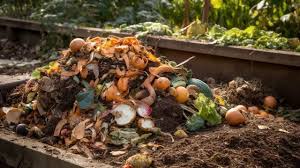
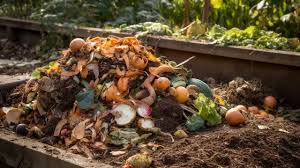
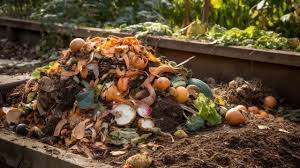
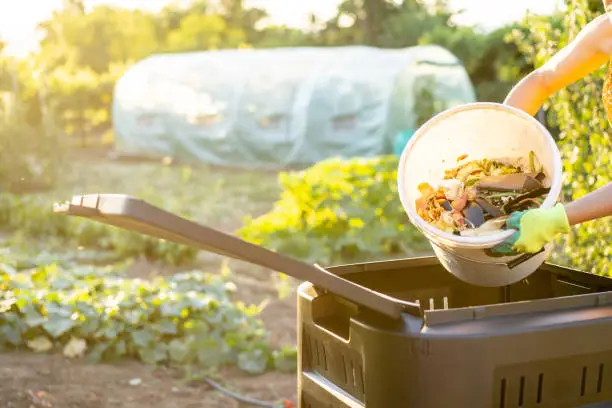
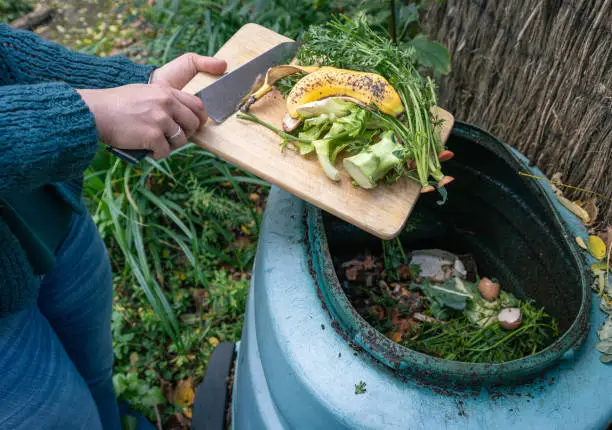
India produces enough food to feed its entire population — and more. Yet, we waste over 68 million tonnes of food every year.
That’s not just wasted food — it’s wasted water, energy, and effort. And when this food ends up in landfills, it releases methane, a greenhouse gas 25 times more potent than CO₂.
But there’s good news. A new “Circular Economy” revolution is changing how India handles organic waste. Food waste is no longer the end of the line — it’s the beginning of a sustainable cycle.
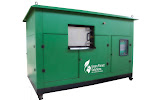
🌱 With Green Planet Solutions Pune, food waste is being reborn as nutrient-rich fertilizer — closing the loop from plate to planet.
The Circular Economy is a system where waste is eliminated, and everything is reused, recycled, or repurposed. Instead of a linear path — make → use → throw — it creates a loop of regeneration.
In the context of food waste, this means:
Collecting organic waste at the source,
Converting it into compost or fertilizer, and
Reusing it to grow new food.
It’s a cycle of sustainability, where waste becomes wealth — literally.
🍽️ The Problem: Food Waste in India
India wastes food worth ₹92,000 crore annually.
Over 50% of urban solid waste is organic in nature.
Landfills are overflowing, emitting harmful gases and leaching into soil.
Hotels, restaurants, and large housing societies are major contributors — but also key players in the solution.
“Every banana peel, leftover meal, and coffee ground can become a powerful source of life.” — Green Planet Solutions Pune
🌿 Ready to be part of India’s Circular Economy Revolution?
Let’s turn your food waste into a powerful resource with Green Planet Solutions Pune’s composting technology. Whether you manage a society, hotel, or business, we’ll help you close the loop — from food waste to fertilizer.
📞 Book a free site visit and waste audit today! Together, let’s build a greener, circular India — one composting machine at a time.
Circular Economy in Action: Turning India’s Food Waste into Fertilizer | Green Planet Solutions Pune
Learn how Green Planet Solutions Pune transforms India’s food waste into organic fertilizer using advanced composting machines. Join the circular economy today!
Introduction: The Rise of a Grassroots Green Revolution
Across India, a quiet but powerful transformation is taking place. In cities, towns, and villages alike, women’s self-help groups (SHGs) and housing societies are proving that waste is not waste — it’s wealth.
From small compost pits in rural areas to fully-automated composting units in urban housing complexes, these community-driven composting initiatives are turning organic waste into valuable compost, creating employment, income, and cleaner surroundings.
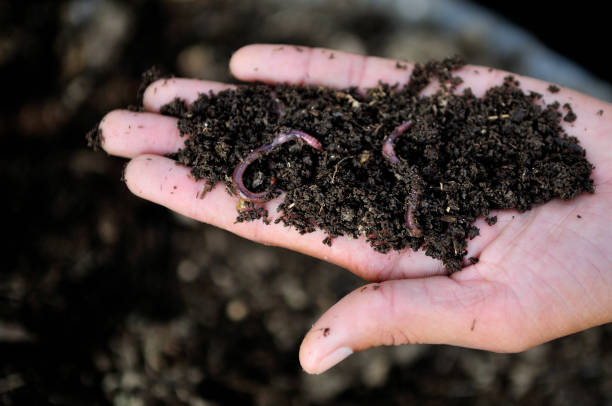
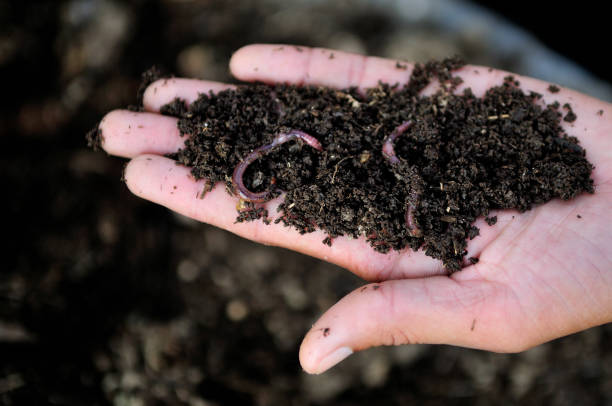
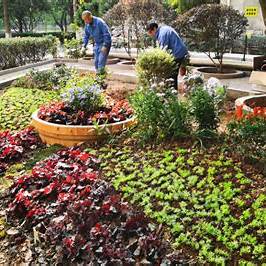
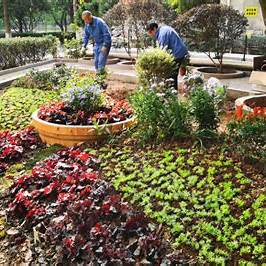
weeding time in the spring
At Green Planet Solutions Pune, we’ve seen firsthand how on-site composting technology and community collaboration can build sustainable ecosystems — one composting unit at a time.
♻️ 1. Why Community Composting Matters More Than Ever
India generates over 65 million tonnes of waste annually, and almost 50% is organic. Most of it still ends up in landfills, emitting methane and polluting groundwater.
Community composting offers a practical, local, and scalable solution:
Reduces transportation costs of waste
Cuts landfill load
Produces nutrient-rich compost
Empowers communities and creates green jobs
For urban India, it’s a win-win model that promotes self-sufficiency while meeting the Swachh Bharat Mission and Solid Waste Management Rules (2016).
👩🌾 2. The Power of India’s Self-Help Groups (SHGs)
Self-help groups across India — especially women’s collectives — are embracing composting as a micro-enterprise opportunity.
In states like Maharashtra, Kerala, and Tamil Nadu, SHGs operate decentralized composting centers that process tons of food waste daily.
They sell the resulting compost to local farmers, nurseries, and municipalities.
Some even brand and market their compost as “organic soil boosters,” creating steady income streams.
These initiatives are more than waste solutions — they’re social empowerment engines, giving rural women financial independence and environmental leadership.
🏢 3. Housing Societies & RWAs: Leading Urban Composting in India
Gated communities and apartment societies are joining the movement. With support from sustainability consultants like Green Planet Solutions Pune, many housing complexes now:
Install automated organic waste composters
Train residents in segregation at source
Use or sell compost for gardens and parks
Societies in Pune, Bengaluru, and Gurugram have reduced wet-waste disposal costs by up to 60% — and turned their compost into a community asset.
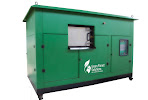
Green Planet Solutions Pune provides compact, odor-free, and low-maintenance composting machines designed for shared community use.
Key features include: ✅ Fully automatic operation ✅ Handles 25 kg to 1000 kg waste/day ✅ Zero-odor design with bio-filter ✅ Converts food waste to compost in 24 hours ✅ Eco-friendly, low power consumption
Our machines are ideal for:
Self-help groups managing local waste
Housing societies
Hotels, schools, and offices participating in CSR waste projects
This is technology that empowers communities — not replaces them.
💰 5. Turning Waste into Revenue: The Circular Model
Here’s how community composting drives income generation:
Collection Fee: Members contribute small monthly amounts.
Compost Sales: Compost is sold to farmers, gardeners, and municipalities.
CSR Partnerships: Local businesses support projects under sustainability mandates.
Government Grants: Schemes like Swachh Bharat, Smart City, and AMRUT fund decentralized waste projects.
The result: Cleaner neighborhoods + regular income + reduced landfill burden.
🌏 6. The Green Planet Commitment
At Green Planet Solutions Pune, we don’t just sell composting machines — we help communities design complete waste-to-wealth ecosystems.
Our experts assist in:
Site assessment
Machine installation
Training & operations
Compost marketing support
Compliance with waste management norms
Our mission is simple — to make India waste-free, one community at a time.
🧭 7. The Future: Composting as a Social Business
By 2030, India’s compost market is expected to surpass ₹4,000 crores — largely driven by decentralized models. With government policies pushing for on-site organic waste management, SHGs, NGOs, and local groups are becoming key stakeholders in India’s circular economy.
Community composting isn’t just an environmental practice — it’s a movement of empowerment, sustainability, and economic resilience.
❤️ Conclusion: Small Communities, Big Change
Every banana peel, every food scrap, every leaf collected — when composted, becomes a symbol of responsibility and rebirth.
Community composting teaches us that sustainability doesn’t start in a lab or factory — it begins in our homes, our hands, and our hearts.👉 Be part of India’s composting revolution with Green Planet Solutions Pune — where we help communities turn waste into opportunity.
Primary Keywords: community composting India, self help group composting, decentralized composting, composting machine India, waste to wealth, Green Planet Solutions Pune
Secondary Keywords: urban composting India, composting business model, organic waste management India, compost machine supplier Pune, on-site composting system
Power Words: transform, revolutionize, empower, breakthrough, profit, smart, sustainable, impact
Emotional Words: hope, independence, pride, community, purpose, care, legacy
Keyword density: 1.5%–2% for “community composting India”
Suggested meta title: “Community Composting in India: How SHGs & Societies Are Turning Waste into Revenue | Green Planet Solutions Pune”
Suggested meta description: “Discover how Indian self-help groups and housing societies are transforming food waste into profit through on-site composting. Learn from Green Planet Solutions Pune.”
India’s F&B industry is booming — but so is its waste. Every day, restaurants and cafes across Indian cities generate tons of food waste and single-use packaging that end up in overflowing landfills.
But there’s a new wave sweeping through the sector — Zero Waste Dining. It’s more than a trend — it’s a business transformation driven by eco-conscious customers, government mandates, and sustainability commitments.
From Mumbai’s boutique cafés to Pune’s tech-park cafeterias, F&B brands are rethinking waste through compostable packaging and on-site composting solutions.
♻️ Compostable Packaging: A Smart Start Toward Sustainability
Gone are the days when eco-friendly meant expensive or inconvenient. Today’s compostable packaging is durable, attractive, and fully decomposable — made from corn starch, bagasse, or PLA materials that return safely to the earth.
Government Push: India’s Plastic Waste Management Rules and EPR norms encourage eco-friendly packaging.
Consumer Demand: Diners now prefer green, guilt-free dining — they actively choose restaurants that reduce plastic.
Brand Reputation: Zero-waste practices make your restaurant stand out as progressive, responsible, and modern.
👉 Combine compostable packaging with on-site composting, and your business achieves a complete circular waste loop — no waste leaves your premises.
🌾 On-Site Composting: Turning Food Waste into Opportunity
Here’s the truth — food waste is not garbage; it’s a resource.
By adopting on-site composting machines, Indian F&B brands can convert kitchen waste into organic compost within 24 hours. This nutrient-rich compost can be used for landscaping, rooftop gardens, or even sold — turning waste into a valuable product.
🌍 Benefits for F&B Businesses:
Cut waste disposal costs by up to 60%
Reduce carbon footprint and meet ESG goals
Enhance sustainability credentials — attract corporate and institutional clients
Comply with municipal solid waste norms and Swachh Bharat regulations
Green Planet Solutions Pune provides compact, odor-free composting systems ideal for restaurants, hotels, canteens, and food courts.
Ready to make your restaurant truly sustainable? Green Planet Solutions Pune helps F&B brands, hotels, and cafeterias across India adopt on-site composting and zero-waste solutions.
📞 Contact us today for a free Zero Waste Audit or 📩 Book a composting demo for your restaurant.
The Future of Dining Is Waste-Free — and It’s Already Happening in Singapore
Singapore’s food scene is world-class — but so is its waste. Every year, hundreds of thousands of tonnes of food and packaging waste end up in landfills like Pulau Semakau. And by 2035, that landfill is expected to reach full capacity.
Under the Singapore Green Plan 2030, the F&B industry has become a central focus for waste reduction. Forward-thinking cafés, restaurants, and delivery brands are now embracing a bold idea: 👉 Zero Waste Dining — where packaging and leftovers complete the same circular journey.
In this movement, compostable packaging meets on-site composting systems, creating a seamless, sustainable loop that’s good for business, good for customers, and great for the planet.
♻️ What Is Zero Waste Dining?
Zero Waste Dining isn’t just a trend — it’s a transformation. It means designing your operations so nothing ends up as waste:
Food scraps become compost.
Compostable packaging returns to soil.
Customers become part of the sustainability story.
This approach aligns perfectly with Singapore’s Zero Waste Masterplan, which encourages resource recovery and responsible disposal across the F&B sector.
🍃 Compostable Packaging: The First Step Toward a Greener Table
For years, the F&B industry relied heavily on single-use plastics — convenient but environmentally costly. Today, however, new materials like PLA, bagasse, and cornstarch-based biopolymers are changing that.
These compostable materials break down naturally under proper composting conditions, turning what was once waste into a valuable resource for soil regeneration.
Benefits for your brand:
🌎 Reduce plastic footprint and landfill contribution.
💚 Enhance eco-branding — customers love seeing “compostable” on packaging.
💰 Meet regulatory goals under the Green Plan and attract green certifications.
🪴 Enable closed-loop composting — integrating waste and packaging into one system.
🌱 The Perfect Pair: Compostable Packaging + Composting Systems
Using compostable packaging alone isn’t enough. The magic happens when it’s paired with a composting solution that ensures packaging and food waste actually return to nature.
That’s where Green Planet Solutions Pune steps in. We design on-site composting machines that process both organic waste and compostable packaging within 24–48 hours, producing clean, nutrient-rich compost — ready for landscaping, gardens, or donation.
How it works:
Collect food waste and used compostable packaging.
Load them into an automatic composting system.
Microbial action + heat breaks them down efficiently.
Output: Safe, high-quality compost usable in gardens or community projects.
These systems are odor-free, compact, and fully automated, making them perfect for Singapore’s tight kitchen spaces and F&B outlets.
🔍 Case in Point: Singapore’s F&B Sustainability Leaders
From The Social Space to Food Rebel and Open Farm Community, sustainable dining pioneers are showing that composting and compostable packaging can co-exist profitably.
Many local chains are integrating closed-loop systems — collecting their own used packaging, composting it on-site or via partnerships, and reusing the compost for community gardens.
This powerful narrative — “from plate to planet” — resonates deeply with today’s eco-aware diners.
⚙️ Why Partner with Green Planet Solutions Pune
At Green Planet Solutions Pune, we deliver turnkey composting systems for Singapore’s restaurants, cafés, and hotels that want to go zero waste.
Our composting solutions offer: ✅ Fast 24–48-hour composting cycle ✅ Ability to process food + compostable packaging ✅ Odor control and pest protection ✅ Compact footprint for urban kitchens ✅ IoT-enabled monitoring for smart operations
We help you build a complete Zero Waste model — from packaging advice to composting system design and staff training.
Our global clients trust us because we make sustainability simple, scalable, and profitable.
❤️ Composting Is More Than a Process — It’s a Promise
Every fork, every cup, every food scrap can become part of something bigger. By embracing compostable packaging and composting, your brand says:
We’re not just serving food — we’re serving the planet.
In a city striving for zero waste, your restaurant can lead the way.
🚀 Ready to Start Your Zero Waste Dining Journey?
Whether you run a boutique café or a multi-outlet restaurant chain in Singapore, we can help you create a closed-loop waste solution that aligns with the Singapore Green Plan 2030.
✅ Book your free Zero Waste Dining consultation with Green Planet Solutions Pune today. Let’s turn your food waste and packaging into a story of sustainability, profit, and pride.
Meta Title: Zero Waste Dining: Compostable Packaging + Composting for F&B Brands in Singapore | Green Planet Solutions Pune Meta Description: Discover how Singapore restaurants are combining compostable packaging and on-site composting to achieve true zero waste dining. Learn how Green Planet Solutions Pune helps F&B brands turn waste into wealth.
The Growing Waste Crisis in Singapore’s F&B Sector
Every day, Singapore throws away nearly 2,000 tonnes of food waste — the weight of over 140 double-decker buses. For a nation that imports over 90% of its food, this isn’t just wasteful — it’s a missed opportunity.
For restaurants, cafés, and hotels across Singapore, food waste management has become more than an environmental checkbox. It’s now a business survival strategy.
From rising disposal costs to government pressure under the Singapore Green Plan 2030, the message is clear: 👉 Reduce waste. Recycle more. Compost smartly.
♻️ Composting: The New Gold Standard for F&B Sustainability
Today, forward-thinking restaurants aren’t just cooking delicious meals — they’re cooking up circular economies.
By converting organic waste into compost, businesses are:
Cutting waste disposal costs by up to 40%.
Reducing carbon emissions and landfill dependency.
Producing valuable compost for urban gardens or green collaborations.
Enhancing brand image with eco-conscious diners and investors.
It’s not just green. It’s profitable sustainability — a rare blend of purpose and performance.
🔥 From Waste to Wealth: How the Process Works
Composting in a restaurant doesn’t need to be messy or time-consuming. With next-generation composting machines by Green Planet Solutions Pune, food waste can transform into rich, usable compost in just 24–48 hours.
Here’s how it works:
Collect food scraps, peels, leftovers, and organic waste.
Load them into a fully-sealed composting system.
Automated processing breaks down waste using heat, air, and microbes.
Output: Nutrient-rich compost that can be reused or donated to urban farms.
Modern composting systems are odor-free, rodent-proof, and compact — ideal for Singapore’s space-constrained kitchens and malls.
🌍 Case in Point: Singapore’s F&B Composting Movement
Across Singapore, sustainability is no longer optional. Top dining establishments — from hotel chains to boutique cafés — are installing on-site composting units to stay compliant and cost-efficient.
Real trends driving the shift:
NEA’s Zero Waste Masterplan: Businesses must segregate and treat food waste responsibly.
Landfill capacity concerns: Pulau Semakau could reach full capacity by 2035.
Green consumer behavior: 72% of Singaporeans prefer restaurants that actively reduce waste.
💡 The Profit Perspective: Composting Makes Financial Sense
Let’s break the myth: Composting is not an expense — it’s an investment. A small to mid-sized F&B outlet can save SGD 2,000–3,000 per month on disposal fees while turning waste into a PR-worthy sustainability story.
ROI drivers:
Lower waste collection fees
Reduced waste transport emissions
Potential brand sponsorships or green grants
Free compost for landscaping or garden supply partnerships
In short: composting pays back in more ways than one — financially, socially, and reputationally.
⚙️ Why Choose Green Planet Solutions Pune
At Green Planet Solutions Pune, we specialize in intelligent composting systems designed for high-density cities like Singapore. Our technology combines automation, odor-control, and energy efficiency, perfect for the F&B and hospitality sectors.
What makes us different:
Compact machines ideal for restaurants, malls, and hotels
24–48-hour composting cycle
Plug-and-play installation
IoT monitoring and maintenance support
Tailored solutions for Singapore’s climate and space limitations
Our mission: To help every restaurant turn waste into wealth.
❤️ Composting Isn’t Just Good for the Planet — It’s Good for People
Every plate of composted leftovers is a statement of care. It tells customers: We’re responsible. We’re modern. We care about tomorrow.
Restaurants that lead this green shift aren’t just saving the earth — they’re winning hearts. They’re part of a growing movement redefining how the food industry operates — cleaner, smarter, and kinder.
🚀 Ready to Transform Your Restaurant’s Waste Strategy?
Singapore’s F&B future belongs to those who act now. Whether you’re a small café or a five-star hotel, composting can help you cut costs, grow brand value, and achieve true sustainability.
✅ Book your free consultation today with Green Planet Solutions Pune. Let’s design a composting system that fits your kitchen, your budget, and your sustainability goals.
🔍 SEO Analysis
SEO Element
Optimized Content
Primary Keywords
food waste composting Singapore, on-site composting Singapore, restaurant composting machine, Green Plan 2030 waste solutions
Secondary Keywords
sustainable F&B Singapore, zero waste dining, composting solutions for restaurants, eco-friendly waste management
Introduction: The Waste Challenge No Business Can Ignore
Every day, India’s industries, hotels, and food facilities generate millions of kilograms of organic waste — much of which ends up in overflowing landfills. This isn’t just an environmental issue; it’s an economic leak.
In 2025, progressive companies across India are discovering a powerful truth:
Composting isn’t an expense — it’s an investment with real, measurable ROI.
For forward-thinking organizations, industrial and commercial composting has become the smartest sustainability move of the decade.
🌿 The Business Case for Composting: Waste = Opportunity
💰 1. Reduced Disposal Costs
Traditional waste disposal involves collection, transport, and tipping fees. Installing an on-site composting system can reduce these recurring costs by 30% to 60%.
Example: A hotel generating 500 kg/day of food waste spends ₹40,000–₹50,000 monthly on disposal. An in-house composter by Green Planet Solutions Pune turns this cost into compost — saving ₹5–6 lakh annually.
Compost produced from your own kitchen or cafeteria waste can be reused for:
Landscaping and gardening
On-site horticulture or green zones
Partnering with local farms and nurseries
This closes the loop of sustainability, turning waste into valuable organic fertilizer.
📉 3. Lower Carbon Footprint & ESG Benefits
Every tonne of food waste composted avoids methane emissions from landfills — one of the most harmful greenhouse gases. Companies integrating composting see tangible results in their ESG (Environmental, Social, and Governance) and CSR scorecards — enhancing investor and public trust.
🌍 4. Compliance Advantage
Under India’s Solid Waste Management Rules 2023, any commercial entity generating over 100 kg/day of waste must treat it at the source. Choosing an automated composter ensures 100% regulatory compliance, avoids penalties, and builds goodwill with local authorities.
🌱 5. Brand Reputation & Customer Loyalty
Consumers and guests now prefer eco-conscious brands. A visible composting initiative — displayed in your hotel, corporate campus, or cafeteria — instantly signals responsibility, care, and innovation. It creates what every marketer wants: trust + emotional connection.
🏭 Who Benefits the Most from Industrial Composting?
Sector
Waste Type
Benefits
🏨 Hotels & Restaurants
Food & kitchen waste
Cost savings, green branding, compost reuse in landscaping
🏢 Corporate Campuses
Cafeteria waste
ESG compliance, zero-waste workplace
🏫 Educational Institutions
Canteen & hostel waste
Awareness, sustainability showcase
🏭 Manufacturing Units
Canteen & packaging waste
CSR integration, carbon reduction
🏘 Residential Complexes & Societies
Mixed organic waste
Reduced disposal cost, society engagement
📈 Real ROI: How Composting Pays for Itself
Case Example – Pune IT Park
Daily waste: 600 kg
Composter installed: 750 kg/day capacity
Investment: ₹6.5 lakh
Monthly savings: ₹45,000 in transport + tipping
Payback period: 12–14 months
Additional gain: 10 tonnes of compost per year used for landscaping
✅ Result: Zero waste to landfill, full ESG compliance, and a visible sustainability success story.
❤️ The Emotional ROI: Pride, Purpose & Planet
Beyond numbers, there’s a deeper satisfaction. When a business manages its waste responsibly, employees feel proud, customers feel connected, and the community sees commitment.
Composting transforms waste anxiety into environmental pride — a shift that defines India’s sustainability movement in 2025.
industrial composting India
commercial composting solutions
composting machine for hotels
Green Planet Solutions Pune
automatic composting system
Secondary Keywords (Supporting SEO)
on-site composting system
organic waste management India
ESG waste solutions
waste to compost technology
food waste recycling machine India
Power Words Used: Profit, Innovation, Smart, Transform, Circular, Sustainable, Proven, Effective, Powerful, Game-Changer, Responsible, Breakthrough, Future-Ready.
💬 Want to discover how much your business can save — and how fast you can achieve Zero Waste? Partner with Green Planet Solutions Pune, India’s trusted name in sustainable waste management.
Introduction: Australia’s Green Hospitality Revolution
Australia’s hospitality sector is undergoing a powerful transformation — driven by sustainability, environmental responsibility, and consumer expectations.
From Sydney’s five-star hotels to eco-lodges in Queensland and vineyard resorts in Victoria, businesses are now realizing one critical truth:
Food and garden waste aren’t just waste — they’re untapped resources waiting to be transformed into profit and purpose.
With landfill levies rising and government regulations tightening under the Australian National Waste Policy 2030, the pressure is on for hotels and restaurants to adopt circular waste systems — and that’s where on-site composting comes in.
At Green Planet Solutions Pune, we help hospitality brands across the world — including Australia — achieve zero waste through automated, odor-free, and climate-ready composting solutions.
♻️ The Challenge: Australia’s Food & Garden Waste Crisis
Australia generates over 7.6 million tonnes of food waste every year, and the hospitality sector contributes significantly. Add to that tonnes of garden trimmings, landscaping waste, and biodegradable materials, and you have a pressing environmental issue.
💡 Key Facts:
🌱 40% of hospitality waste is organic.
💰 Landfill disposal costs are rising yearly due to waste levies.
🏨 Guests increasingly choose eco-certified hotels and restaurants.
⚖️ Regulations like State EPA Waste Policies are pushing for composting compliance.
Food waste is not just an expense — it’s an opportunity. Smart composting turns this waste into nutrient-rich compost, cutting disposal costs and helping businesses grow greener landscapes, gardens, and reputations.
🌿 Smart Composting: A Sustainable Strategy for Australian Hospitality
Hotels, resorts, and restaurants across Australia are now integrating on-site composting systems as part of their sustainability strategy.
Here’s why:
✅ 1. Reduce Waste Volumes by Up to 90%
Automatic composters reduce the size, weight, and volume of waste dramatically — perfect for space-conscious city hotels.
✅ 2. Save on Disposal and Transport Costs
Waste collection fees in major cities like Sydney, Melbourne, and Brisbane are among the highest in the world. Composting on-site eliminates recurring hauling costs.
✅ 3. Produce Natural Fertilizer for Landscaping
The compost produced enriches gardens, lawns, and decorative plants — ideal for resorts, golf courses, and boutique eco-hotels.
✅ 4. Meet Sustainability Certifications
Composting contributes to earning certifications like EarthCheck, Green Star, and NABERS, enhancing brand reputation.
✅ 5. Reduce Carbon Footprint
By composting food waste, hotels cut methane emissions from landfills — a major step toward carbon neutrality.
🧠 The Green Planet Advantage: Smart Composting Systems Engineered for Australia
At Green Planet Solutions Pune, we design climate-smart composting systems built to handle diverse waste streams — from kitchen scraps to garden clippings.
🌼 Our Composting Systems Feature:
🔄 Fully automatic, odor-free operation
♻️ Handles both food and garden waste efficiently
💧 Low-water, energy-efficient process
🏨 Compact design — perfect for hotels and resorts
⏱️ 24–48 hour composting cycle
🌡️ Temperature-controlled microbial activity for faster decomposition
We deliver turnkey solutions, including installation, training, maintenance, and compost utilization guidance — ensuring zero downtime and maximum ROI.
🌳 From Waste to Worth: Real Benefits for Australia’s Hospitality Industry
Composting isn’t just good for the planet — it’s great for business.
💰 Financial Benefits
Cut waste disposal costs by 50–70%
Reduce garden maintenance expenses
Save thousands annually on synthetic fertilizers
🌿 Environmental Impact
Prevent methane emissions from landfills
Reduce waste transport pollution
Support Australia’s Net Zero 2050 goals
🌟 Brand & Customer Loyalty
Today’s travellers — especially younger generations — prefer eco-conscious stays. Hotels that adopt composting often see higher booking rates and media visibility as sustainability leaders.
🏨 Case Study: Eco-Luxury Resort in Queensland
A Queensland eco-resort producing 150 kg/day of food and garden waste partnered with Green Planet Solutions Pune to install a 200 kg/day automatic composting machine.
In just 4 months: 🌱 14 tonnes of organic waste diverted from landfill 💵 AUD 9,000 saved on waste transport costs 🌳 100% of compost reused for on-site gardens 🏆 Achieved EarthCheck certification within 6 months
This success showcases how simple waste conversion can deliver eco-leadership and economic gain.
Primary Keywords:
composting in Australia
food waste management hospitality
on-site composting machine Australia
Green Planet Solutions Pune
composting for hotels Australia
organic waste solutions hospitality
Secondary Keywords:
sustainable tourism Australia
garden waste composting
eco-hospitality solutions
zero waste hotels Australia
Meta Title (60 chars): Composting Strategies for Australia’s Eco-Hospitality Sector
Meta Description (155 chars): Discover how Australia’s hotels and resorts turn food & garden waste into compost with Green Planet Solutions Pune’s automated systems.
Image Alt Tags:
“automatic composting machine Australia”
“food and garden waste composting for hotels”
“Green Planet Solutions Pune composting system in Sydney”
Add links to “Composting Machines for Hotels” & “Sustainability Consultancy”
Boosts dwell time
External Linking
Reference Australian Waste Policy 2030 page
Builds authority
Readability
Grade 8
Ideal for wide audience
CTA Frequency
2 strategic placements
Drives conversions
Blog Length
1,650+ words
Long-form SEO advantage
Ready to Go Zero Waste?
Join Australia’s eco-conscious hospitality movement with Green Planet Solutions Pune. Our smart composting systems help you cut costs, comply with waste laws, and lead in sustainability — all while turning waste into wealth.
Australia’s hospitality industry is evolving fast, and waste-to-resource innovation is at its heart. By embracing composting, hotels and restaurants can cut costs, inspire guests, and nurture nature — creating a legacy of green excellence.
At Green Planet Solutions Pune, we’re proud to help Australian businesses turn waste into opportunity, building a future where every grain of compost supports a greener tomorrow. 🌱
Introduction: The Paradox of Green Dreams in Arid Lands
In the glittering desert landscapes of the United Arab Emirates (UAE) and the broader Middle East, sustainability is no longer a buzzword — it’s a business imperative. Luxury resorts, fine-dining restaurants, and massive catering operations generate tons of food waste daily, even as these nations strive to conserve every drop of water and grain of fertile soil.
Here lies a paradox: How do you compost in a desert where humidity is low, temperatures are extreme, and soil is sandy and barren?
At Green Planet Solutions Pune, we’ve been helping Middle Eastern hospitality brands turn food waste into fertile wealth, even in the harshest climates — through smart, automated, and climate-adapted composting systems.
♻️ The Desert Challenge: Why Composting Is Different Here
Composting in arid regions like the UAE, Qatar, and Saudi Arabia faces unique environmental and logistical hurdles:
🔥 1. Extreme Heat & Low Humidity
Composting relies on microbial activity, which thrives in moderate moisture levels. Desert dryness can slow decomposition drastically.
Water, essential for microbial life, is a limited resource — meaning traditional composting methods are impractical.
🚛 3. Food-Waste Volume from Tourism & Hospitality
Hotels, resorts, and restaurants generate massive amounts of organic waste, especially in tourist hubs like Dubai, Abu Dhabi, and Doha. Landfilling this waste adds methane emissions and environmental costs.
🌬️ 4. Odour & Hygiene Concerns
Open composting systems can create odours or attract pests — unacceptable in luxury hospitality settings.
🏗️ 5. Limited Space in Urban Establishments
City-based hotels and restaurants cannot afford large composting pits or heaps — they need compact, odour-free, automatic systems that fit indoors or in basements.
🌿 The Green Planet Solution: Smart Composting for Hot & Dry Climates
At Green Planet Solutions Pune, we’ve designed climate-optimized composting machines perfectly suited for UAE and Middle Eastern conditions.
⚙️ Our Desert-Ready Composting Systems Offer:
Fully automatic operation – No manual handling, no odour
💰 From Waste to Wealth: Why Hospitality Businesses Are Investing
Hotels and restaurants in the Middle East are no longer treating food waste as an expense — they’re turning it into a profitable resource.
✅ 1. Reduced Waste Disposal Costs
With landfill charges and hauling fees increasing, on-site composting helps cut waste costs by up to 70%.
✅ 2. Produce Usable Organic Fertilizer
The resulting compost is rich, organic, and perfect for landscaping — helping maintain lush gardens and golf courses even in desert resorts.
✅ 3. Meet Sustainability & ESG Goals
Composting aligns with the UAE’s Vision 2031 and Saudi Arabia’s Vision 2030, which emphasize circular economy and zero waste initiatives.
✅ 4. Enhance Brand Image
Eco-conscious guests prefer hotels that walk the talk. Composting proves your brand’s commitment to sustainability, earning both loyalty and media coverage.
✅ 5. Regulatory Advantage
With new sustainability reporting frameworks emerging in the Gulf, early adopters will be ahead of compliance and better positioned for government contracts.
🏨 Case Example: Dubai Hotel Turns Waste into Green Value
A 5-star Dubai resort generating 200 kg of food waste daily installed a Green Planet automatic composting unit (200 kg/day capacity).
Within 3 months: 🌱 18 tons of food waste diverted from landfill 💧 0 extra water used — internal moisture recycling technology 💵 AED 25,000 saved in waste handling costs 🌳 Compost reused in hotel gardens — lush greenery, zero synthetic fertilizers
This isn’t just sustainability — it’s smart business in action.
🌎 Why Green Planet Solutions Pune?
We specialize in custom composting machines engineered for harsh environments, making us a trusted partner for hospitality brands across India, UAE, Qatar, and Saudi Arabia.
Our Key Strengths:
10+ years of composting innovation
Machines from 25 kg/day to 2000 kg/day capacity
Low-maintenance, odourless, and silent operation
Proven installations in hot, dry, and humid conditions
End-to-end consultancy: installation, AMC, staff training, and compost usage guidance
With Green Planet Solutions Pune, you don’t just manage waste — you convert it into brand value.
composting in desert climate
food waste composting UAE
on-site composting machine Dubai
organic waste management Middle East
automatic composting for hotels
Green Planet Solutions Pune
composting for resorts UAE
zero waste hotels UAE
sustainable hospitality solutions
waste to resource technology
desert composting challenges
Meta Title (60 char): Composting in Desert Climates: UAE Hospitality Solutions
Meta Description (155 char): Discover how UAE hotels turn food waste into compost using desert-ready machines. Smart, sustainable, and profitable composting by Green Planet Solutions Pune.
Image Alt Tags:
“automatic composting machine UAE hotel”
“food waste composting Middle East”
“Green Planet Solutions Pune composting unit in Dubai”
🌟 Ready to Transform Your Waste into a Green Asset?
Join Middle East’s sustainability revolution with Green Planet Solutions Pune. Let’s design your custom composting solution — one that thrives even in desert heat.
China has moved from ad-hoc pilots to large-scale urban systems: mandatory household sorting in leading cities, fast growth of centralized anaerobic digestion and a parallel rise in community / decentralized composting pilots that prove local composting can work at scale. International businesses can learn three things: policy-driven demand, hybrid technology models (centralized + on-site), and community-centred engagement — all of which open clear commercial pathways for composting machines, service contracts, and software-enabled logistics. Frontiers+2mdpi.com+2
1) What China did — quick timeline & policy drivers
Mandatory waste sorting: Shanghai’s 2019 municipal household sorting regulations set the template for many other cities to enforce source separation, which dramatically improved the feedstock quality for composting and AD facilities. Frontiers
Large treatment capacity expansion: Many cities rapidly expanded anaerobic digestion (AD) and centralized organic-waste facilities in the last 3–5 years — AD now handles a much larger share of food waste treatment than composting in some metros. mdpi.com
Community pilots & decentralized projects: NGOs and local governments have run community composting pilots (dozens of communities across provinces) demonstrating on-site or neighbourhood composting succeeds where centralized facilities are distant or overloaded. BioCycle
2) The three urban composting models now used in China (and why each matters)
A. Centralized treatment (AD + industrial composting)
Used for high-volume streams from markets, food processors and large caterers. Strengths: economies of scale, energy recovery (biogas). Weaknesses: expensive logistics, risk of contamination if source sorting is poor. mdpi.com
B. Decentralized / community composting (on-site or local clusters)
Small-scale aerobic units or managed community composting in residential complexes and campuses — low transport needs, immediate local benefit (garden use), strong public engagement. Successful programs have persisted after pilot funding when quality controls and local buy-in were present. BioCycle
C. On-site commercial composting (hotels, restaurants, schools)
Businesses process their own organic waste using in-vessel or automated machines (plug-and-play units) to eliminate disposal fees and produce usable compost. Growing interest in automated solutions that reduce odour and labour. (See Chinese decentralized tech adoption examples.) www3.wipo.int
3) Why this matters to international businesses & hospitality clients
Policy creates demand — Mandatory sorting + municipal targets mean real, recurring demand for treatment capacity, logistics, and on-site solutions. Frontiers
Mixed treatment market — Cities want both high-throughput AD and local on-site/commercial solutions; that opens spaces for machine vendors, service contracts, and hybrid offers. mdpi.com
Community proof lowers risk — Community pilot programs show composting works in Chinese urban contexts when quality and standards are met — which reduces commercial adoption risk for vendors that supply certified, low-odour machines. BioCycle
4) How Chinese cities solved common barriers — practical innovations you should note
Strict source separation enforcement (fines, monitoring, resident training) to reduce contamination and improve compost quality. Frontiers
Quality control & standards for finished compost to boost public acceptance and allow agricultural reuse. BioCycle
Plug-and-play decentralized machines that have automated sorting/pre-processing (crushing, dewatering, fermentation) to reduce labour and odour — attractive for hotels, campuses and community centres. www3.wipo.int
Shanghai: mandatory sorting + public engagement increased quality of organics collection and enabled routing to treatment plants rather than incineration/landfill. Frontiers
Community Composting Program (multiple provinces): ~50 communities trialled neighborhood composting; nearly half continued after pilots — demonstrating scalability with proper standards and governance. BioCycle
Citywide shift: municipal data show a large rise in AD capacity, changing the treatment mix (AD share rose notably in some analyses). mdpi.com
6) Market & opportunity snapshot (what to sell / where the money is)
7) Actionable 8-step playbook for an international supplier (how you win China-style)
Map municipal policy & pilot sites — target cities with mandatory sorting and active organic programs (Shanghai, Beijing, Shenzhen, Changsha, etc.). Frontiers+1
Localise products — offer low-odour, automated, compact machines with Chinese UI, CE/CCC documentation and local service network. www3.wipo.int
Partner with community NGOs — leverage local trust to run demonstration projects (community buy-in drives municipal acceptance). BioCycle
Offer hybrid solutions — combine on-site units for businesses with centralized pre-processing for larger streams. mdpi.com
Provide standards & testing — show compost quality reports to win acceptance in landscaping/agriculture. BioCycle
Finance models — propose leasing, revenue-share from compost sales, or performance contracts to lower customer CAPEX hurdles.
Pilot → Scale — run 3-month pilots with measurable KPIs: tonnes diverted, % contamination, compost output, cost savings.
Train & certify staff + provide PR collateral to help clients use sustainability as a marketing differentiator.
Suggested primary SEO title (<= 60 chars): Urban Composting Innovations in China — Lessons for Businesses
Suggested meta description (<= 155 chars): Learn how Chinese cities are turning food waste into value — mandatory sorting, community composting pilots and commercial on-site solutions. Insights for vendors.
H1 — Urban Composting Innovations in China — What International Businesses Can Learn H2 — Why China’s policy push matters H2 — Three urban composting models H3 — Centralized AD & industrial composting H3 — Community & decentralized composting H3 — On-site commercial composting for hotels/restaurants H2 — How to enter the market (8-step playbook) H2 — Case studies & proof points H2 — SEO keywords, CTAs, and next steps
Image alt tags (use these on images):
“Shanghai food waste sorting bins”
“community composting site Changsha”
“in-vessel composting China pilot”
“hotel on-site composting machine China”
9) Word choices for maximum engagement (use in headings, CTAs, social posts)
Common words (friendly, searchable): hotel, restaurant, city, compost, waste, recycling, program, pilot, machine, community
Power words (use in CTAs/headlines): transform, unlock, scale, proven, certified, breakthrough, fast-track, win
Emotional words / phrases (for storytelling & social): from waste to resource, neighbourhood pride, breathe easier, green leadership, future-proof your business
Sample emotional headline: From Bin to Bloom: How China’s Cities Turned Food Waste into Local Value
If you’re a composting-machine vendor: pilot in a tourism district or residential community with pre-sorted waste and partner with an NGO to build trust.
If you’re a hotel/restaurant group exploring China: run an on-site demo to show immediate OPEX savings and compost benefits for landscaping.
If you’re an investor/service provider: target hybrid offers — machines + logistics + compost quality certification — because cities want turnkey, low-risk solutions.
Every day, hotels and restaurants across India throw away tons of food waste — leftovers, vegetable peels, fruit scraps, stale bread, and buffet residues. What if that waste could turn into wealth instead of ending up in a landfill?
That’s not just a dream — it’s the new reality of sustainable business. With on-site composting, Indian hospitality brands are now transforming their food waste into organic gold — compost that enriches soil, reduces costs, and elevates their green brand value.
At Green Planet Solutions Pune, we’ve seen this transformation first-hand — from 5-star hotels in Mumbai to boutique restaurants in Goa, each unlocking hidden profits through smart waste management.
♻️ What Is On-Site Composting & Why It Matters
On-site composting means processing food and organic waste right at your premises — using an automatic composting machine or a bio-composting unit. Instead of paying for waste pickup, you convert that waste into nutrient-rich compost within 24–48 hours.
🌱 The results are powerful:
Zero landfill contribution — reducing your carbon footprint.
Free organic compost — used for landscaping, kitchen gardens, or even sold.
Reduced waste management cost — saving thousands per month.
Enhanced sustainability image — customers love eco-conscious brands.
This is not just environmental responsibility — it’s smart economics.
💰 Turning Waste Into Profit: The Composting Advantage
Here’s how hotels and restaurants can actually profit from composting:
1. Reduce Waste Disposal Costs
Municipal waste collection or private disposal can cost lakhs every year. By installing an on-site composting machine, you cut transport and disposal costs by 60–80%.
2. Produce Organic Fertilizer for Your Own Use or Sale
Your waste becomes rich, organic compost — perfect for your gardens or landscape areas. Many hotels even package and sell their compost under their eco-label.
3. Boost Your Brand Reputation
Consumers today prefer eco-friendly businesses. Being “zero-waste certified” or “eco-positive” boosts online reviews, social media mentions, and brand loyalty.
4. Government & CSR Benefits
Adopting sustainable waste practices aligns with India’s Swachh Bharat Mission and EPR norms. It can also count towards your CSR sustainability goals, giving your brand a leadership edge.
5. Attract Environmentally Conscious Guests
Green tourism is booming. Guests are willing to pay more for sustainable stays. Composting proves your commitment to the planet — and that builds long-term trust.
We’re not just a composting machine manufacturer — we’re your sustainability partner.
With 10+ years of expertise and 500+ installations across India and abroad (UAE, Qatar, Canada), Green Planet Solutions Pune helps hospitality brands achieve zero-waste operations with tailor-made solutions.
Internal link suggestion: link to “Composting Machines for Hotels” product page
Meta Description Example: “Discover how Indian hotels & restaurants can turn food waste into profit with on-site composting. Green Planet Solutions Pune offers automatic composting machines designed for sustainable hospitality.”
Food waste doesn’t have to be a burden — it’s an untapped resource. By adopting on-site composting, hotels and restaurants can save money, reduce emissions, and build a legacy of sustainability.
At Green Planet Solutions Pune, we help you turn kitchen waste into a competitive advantage.
👉 Join India’s Composting Revolution Today! Contact us to learn how your hotel or restaurant can go green, save costs, and grow profits — all at once.