Tag: Organic Waste Composter

  • Why Organic Waste Is the Next Environmental Crisis in Sweden—And How Composting Machines Can Help  

    Why Organic Waste Is the Next Environmental Crisis in Sweden

    Sweden is widely regarded as an example of environmental stewardship, from its pioneering waste-to-energy systems to its ambitious goal of achieving a zero-waste society. However, despite these achievements, the country faces an emerging ecological crisis that could undo much of its progress: the growing problem of organic waste. Organic waste Composting machines, which include food scraps, garden clippings, and other biodegradable materials, are a significant part of Sweden’s waste stream. And while much of it is recycled through composting or biogas production, a shocking amount still ends up in landfills or incineration facilities. This not only exacerbates Sweden’s carbon footprint but also wastes valuable resources that could otherwise be turned into nutrient-rich compost or renewable energy.

    At Green Planet Solutions Sweden, we believe the solution lies in expanding the adoption of organic waste composting machines, which can help both businesses and households manage their organic waste more effectively while supporting the nation’s broader sustainability goals. In this post, we will explore why organic waste is becoming the next environmental crisis in Sweden and how composting machines can be the key to solving it.

    The Growing Organic Waste Problem in Sweden

    Organic waste accounts for a large portion of Sweden’s municipal waste. While Sweden is excellent at recycling its paper, plastic, and glass, organic waste remains an underutilized resource. According to statistics, approximately 1.3 million tonnes of food waste are discarded in Sweden each year, much of which could be composted or repurposed for biogas production. Instead, this waste ends up in landfill sites or is incinerated, creating harmful emissions such as methane, a potent greenhouse gas.

    In landfills, organic waste decomposes anaerobically (without oxygen), producing methane gas which significantly contributes to climate change. When organic waste is incinerated, the process releases carbon dioxide (CO₂), further escalating Sweden’s carbon emissions. Additionally, valuable nutrients in the waste—such as nitrogen, phosphorus, and potassium—are lost in both scenarios, when in fact, these could be used to enrich the soil and improve agricultural productivity.

    As Sweden continues to strive for climate neutrality by 2045, organic waste presents a critical issue that must be tackled. Without a clear and scalable solution for organic waste disposal, Sweden risks undermining its environmental progress.

    Why Composting Is the Solution

    Composting is the natural process of breaking down organic waste through microbial activity to create nutrient-rich humus, also known as compost. Composting returns valuable nutrients to the soil, enriches the ecosystem, and reduces the need for chemical fertilizers. Unlike landfill and incineration, composting doesn’t release harmful gases like methane or CO₂ into the atmosphere.

    In Sweden, where urbanization is high and waste management systems are under constant pressure, organic waste composting machines are emerging as a practical and efficient solution. These machines can help cities, businesses, and households handle organic waste locally, reducing the need for transportation and large-scale waste management infrastructure.

    By composting organic waste at the source, Sweden can reduce methane emissions, improve soil quality, and contribute to a circular economy—one that makes full use of resources and reduces waste.

    How Organic Waste Composting Machines Work

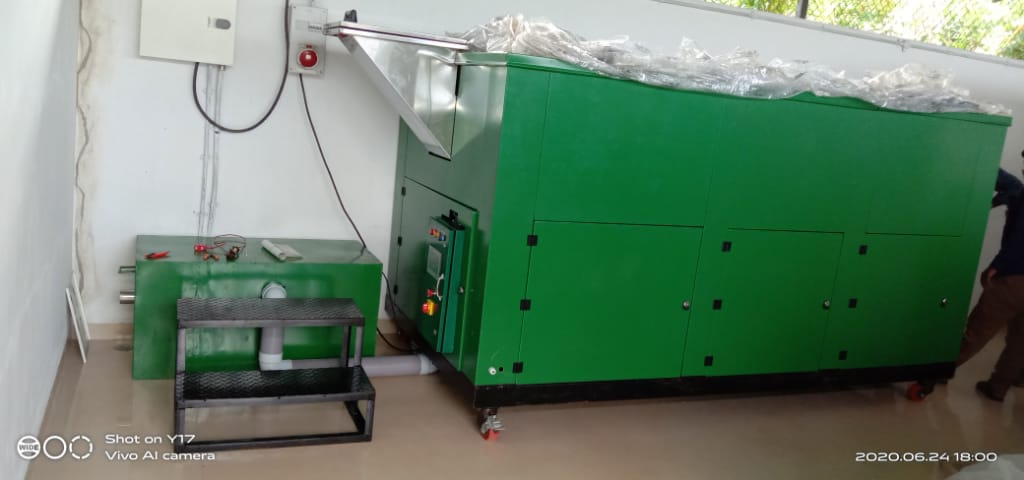
    At Green Planet Solutions Sweden, we specialize in providing state-of-the-art organic waste composting machines designed for a range of settings—from households to large-scale commercial operations. These machines are equipped with cutting-edge technology to accelerate the composting process, turning organic waste into rich, usable compost in a matter of weeks.

    Features of Organic Waste Composting Machines:

    1. Efficient Decomposition: The machines use controlled temperature, humidity, and airflow to speed up the decomposition process, turning organic matter into high-quality compost faster than traditional composting methods.

    2. Odor Control: One of the main concerns with organic waste is the smell. Composting machines are designed to minimize odors through advanced filtration systems and airtight processing chambers, making them ideal for both indoor and outdoor use.

    3. Energy-Efficient: Many modern composting machines are energy-efficient, using minimal electricity and relying on natural microbial processes to break down the waste, making them environmentally friendly.

    4. Space-Saving Design: With Sweden’s increasing urban population, space is at a premium. Organic waste composting machines are compact and designed to fit seamlessly into both residential and commercial spaces, including apartments, restaurants, and offices.

    5. Eco-Friendly: By diverting organic waste from landfills and incinerators, these machines help reduce Sweden’s carbon footprint and contribute to cleaner, healthier communities.

    The Benefits of Organic Waste Composting Machines for Sweden

    Adopting organic waste composting machines can provide a wide range of benefits, both environmental and economic, for Sweden. Here are a few key advantages:

    1. Reduced Greenhouse Gas Emissions

    Composting organic waste eliminates the harmful methane emissions produced by landfills. It also reduces the carbon dioxide generated by incineration. By diverting organic waste into composting machines, Sweden can significantly cut its greenhouse gas emissions, helping to meet its ambitious climate goals.

    2. Completing the Cycle in Waste Management

    Sweden is committed to the circular economy—a system where resources are reused and recycled. Composting organic waste closes the loop by turning food scraps and yard waste into valuable soil amendments that can be used to grow more food, reducing the need for synthetic fertilizers and promoting local agriculture.

    3. Soil Enrichment

    The compost produced by these machines can be used to enrich agricultural soils, improving their fertility and water retention properties. This is especially important as Sweden faces increasing challenges related to soil degradation and the impacts of climate change on agriculture.

    4. Cost Savings for Municipalities and Businesses

    Municipalities and businesses that adopt composting machines can reduce waste management costs. By composting organic waste locally, transportation costs are lowered, and landfill usage is minimized. For businesses like restaurants and food manufacturers, composting machines offer an affordable and eco-friendly solution to manage organic waste on-site.

    5. Encouraging Sustainable Practices

    By promoting composting at the individual and community levels, Sweden can encourage more sustainable living practices. Households can divert food scraps and garden waste from the trash bin and create valuable compost for their own gardens, reducing waste while fostering a deeper connection with the natural world.

    Green Planet Solutions: Empowering Sweden with Sustainable Composting

    At Green Planet Solutions Sweden, we are proud to provide cutting-edge organic waste composting machines designed to address Sweden’s organic waste crisis head-on. Whether you’re a business, municipality, or homeowner, our range of composting solutions can help you manage organic waste sustainably while contributing to Sweden’s long-term environmental goals.

    Our composting machines are designed to be both user-friendly and highly efficient, making it easier than ever to turn organic waste into a valuable resource. By choosing Green Planet Solutions, you’re not just tackling waste—you’re contributing to a cleaner, greener future for Sweden.

    Conclusion

    As Sweden continues to lead the way in environmental sustainability, organic waste has emerged as one of the most pressing challenges facing the nation. But with the right solutions—such as organic waste composting machines—Sweden has the opportunity to turn this problem into a powerful opportunity. By adopting these innovative technologies, we can reduce emissions, enrich our soils, and close the loop on waste, ultimately helping Sweden maintain its position as a global leader in sustainability.

    At Green Planet Solutions Sweden, we’re committed to providing the tools and solutions to help Sweden embrace the circular economy and tackle the growing organic waste crisis. Together, we can create a more sustainable future for our country—and the planet.

    Ready to take action against the organic waste crisis? Contact us today to learn more about our organic waste composting machines and how they can help your business or home reduce waste, save money, and protect the environment.

  • Why Every Recycling Facility Needs a Baling Machine: The Benefits and Advantages

    Why Every Recycling Facility Needs a Baling Machine: The Benefits and Advantages

    Why Every Recycling Facility Needs a Baling Machine: The Benefits and Advantages

     In today’s world, where recycling has become an essential part of waste management, every recycling facility faces the challenge of handling large volumes of materials efficiently. One key piece of equipment that plays a pivotal role in optimizing operations is the baling machine. Whether you’re dealing with plastics, paper, cardboard, textiles, or even metals, a baling machine can significantly improve your recycling processes. At Green Planet Solutions, we understand how critical it is for recycling facilities to maximize efficiency and reduce costs. That’s why we’re here to explain why every recycling facility should invest in a baling machine, and how it can streamline operations, improve profitability, and contribute to a more sustainable future.

    What is a Baling Machine?

    Before diving into the benefits, let’s first define what a baling machine is. A baling machine is designed to compress recyclable materials into compact, easy-to-handle bales. These bales simplify storage, transportation, and resale to recycling centers or end-users. Baling machines are essential for any recycling facility looking to improve its efficiency, space utilization, and the quality of its processed materials.

    There are several types of baling machines, including vertical balers, horizontal balers, and automated systems, each designed to meet specific needs depending on the material being processed and the scale of the operation.

    Why Every Recycling Facility Needs a Baling Machine

    Recycling facilities often face the challenge of managing large volumes of materials, which can take up significant space and require considerable manpower to process. A baling machine simplifies and optimizes this process in multiple ways. Here are the key benefits and advantages of integrating a baling machine into your recycling operations.

    1. Space Efficiency and Storage Optimization

    One of the most significant challenges recycling facilities face is the sheer amount of space required to store raw recyclable materials. Loose materials like cardboard, paper, and plastic tend to take up large amounts of space and can be difficult to manage. A baling machine solves this problem by compressing these materials into tightly bound bales that are easy to stack and store. 

    Bales take up far less space than loose material, allowing recycling facilities to store more material in a smaller area. This increases the storage capacity of the facility and reduces the need for additional warehouse space. The compact size of the bales also allows for more efficient use of transport vehicles, as they can be packed more densely, reducing the number of trips needed to transport recyclables.

    2. Improved Transportation Efficiency

    Transporting raw recyclables to processing plants or end-users can be costly and inefficient if materials are not compacted. A machine compresses recyclables into uniform bundles, making them easier and more cost-effective to transport. The consistent size and shape of bales optimize truck loading, which reduces shipping costs and minimizes the environmental impact of transportation. 

    Whether your facility is sending paper, cardboard, or plastic to downstream recyclers, baling machines ensure that materials are compact, uniform, and ready for efficient transport.

    3. Enhanced Safety and Reduced Handling Costs

    Handling large volumes of loose recyclables can be physically demanding and hazardous. Workers in recycling facilities often face the risk of injury from sharp objects, heavy lifting, or disorganized piles of material. A baling machine minimizes manual labor and improves safety by automating the process of compressing and bundling materials.

    With a baler, workers can spend less time handling raw materials and focus on more value-added tasks. The risk of injury is significantly reduced, and the need for additional labor is minimized. This leads to a safer, more efficient work environment and a reduction in labor costs.

    4. Increased Recycling Revenue and Value

    By compressing recyclable materials into tightly packed bales, a machine enhances the quality and marketability of the recyclables. Bales are easier to store, transport, and sell, which can help recycling facilities generate higher revenues. 

    For instance, recyclers can sell baled cardboard, paper, and plastics to manufacturers at a premium rate because the bales are easier to handle and have higher resale value. In some cases, buyers will prefer purchasing bales over loose materials, as bales reduce the need for additional sorting and processing at the receiving facility.

    Additionally, balers ensure that the quality of the material is preserved by compressing it into uniform shapes, reducing contamination and maintaining the integrity of the recyclables. This increases the overall efficiency of the recycling process and ensures that your materials are appealing to buyers in the recycling market.

    5. Increased Operational Efficiency and Productivity

    A baling machine significantly increases the overall efficiency of a recycling facility. By automating the process of compressing materials, it reduces the time and effort needed to manually handle and sort waste. This means recycling facilities can process more materials in less time, boosting productivity and throughput.

    With an automated baler, you can process a large volume of recyclables at a consistent rate, minimizing downtime and improving your overall facility output. Whether you’re running a small facility or a large-scale recycling plant, a baling machine ensures that operations run smoothly and efficiently, helping you meet targets and keep costs down.

    6. Environmental Impact: Supporting Sustainability Goals

    Recycling isn’t just about turning waste into usable materials—it’s also about sustainability. A baling machine supports a circular economy by ensuring that recyclable materials are properly processed, stored, and transported to the right places for reuse. By reducing the volume of waste going to landfills, baling machines help minimize the environmental footprint of recycling facilities.

    Furthermore, the use of machines can also reduce the carbon footprint of your operations by optimizing space and transport efficiency. The reduction in transport emissions, coupled with improved resource utilization, makes baling machines an integral part of an environmentally-friendly recycling operation.

    7. Versatility and Multi-material Processing

    Modern machines are versatile and can be used to compress a wide range of recyclable materials, including cardboard, paper, plastics, metals, and textiles. Some machines are designed for high-volume processing, while others are compact and suitable for smaller-scale operations. With the ability to handle multiple types of materials, a baling machine allows recycling facilities to streamline their operations and process different materials using a single machine.

    At Green Planet Solutions, we offer a range of baling machines tailored to different material types and processing volumes, ensuring that your recycling facility is equipped to handle the unique demands of your operation.

    Conclusion: The Future of Recycling Operations with Baling Machines

    As the world moves toward more sustainable waste management practices, baling machine have become indispensable tools for recycling facilities. By improving storage, transportation, and processing efficiency, balers help optimize the recycling process, reduce operational costs, and contribute to a more sustainable circular economy.

    At Green Planet Solutions, we’re committed to helping recycling facilities achieve operational excellence and environmental sustainability. Our high-quality baling machines are designed to meet the diverse needs of the recycling industry, offering unparalleled efficiency, safety, and value.

    If you’re ready to improve the performance and profitability of your recycling facility, contact Green Planet Solutions today to explore our range of baling machines. Let’s work together to turn waste into valuable resources, one bale at a time.

  • Are Waste Management Machines the Key to Achieving Zero-Waste Goals?

    Are Waste Management Machines the Key to Achieving Zero-Waste Goals?

    Are Waste Management Machines the Key to Achieving Zero-Waste Goals?

    In today’s world, sustainability is no longer just a buzzword; it’s an urgent need. One of the most ambitious environmental goals being set by businesses, municipalities, and even individuals is the achievement of zero-waste. The zero-waste movement seeks to eliminate the concept of waste entirely, promoting the reuse, recycling, and composting of materials in a way that significantly reduces landfill use and environmental impact. At Green Planet Solutions, we are committed to helping our clients and communities reach their environmental goals through innovative waste management machines.

    Waste management machines play a pivotal role in modern waste management strategies, particularly in the transition towards zero-waste practices. But are waste management machines really the key to achieving zero-waste goals? In this blog, we’ll explore how these technologies are making zero-waste initiatives a practical reality and how businesses and cities can leverage them to reduce their environmental footprint.

    The Role of Waste Management Machines in the Zero-Waste Movement

    Achieving a zero-waste lifestyle requires a fundamental shift in how we think about and handle waste. Traditional waste management systems often rely heavily on landfills and incineration, both of which contribute to pollution and resource depletion. Waste management machines — from sorting and compacting machines to waste-to-energy systems and composting equipment — offer a more sustainable solution.

    Here’s how these machines contribute to the goals of zero-waste

    1. Efficient Waste Sorting and Segregation

    One of the key pillars of zero-waste is waste segregation: the process of separating recyclables, compostables, and non-recyclables. Waste management machines like automated sorting systems use advanced technology (including optical and AI sensors) to efficiently separate materials based on their type. This improves the accuracy of recycling processes and reduces contamination in recycling streams.

    – Green Planet Solutions offers cutting-edge sorting technology that allows for higher recycling rates by quickly and accurately identifying different materials — from plastics and metals to paper and organic waste. These systems reduce human error and enhance the overall efficiency of waste processing, helping organizations divert more materials from landfills.

    By improving waste segregation, waste management machines ensure that the maximum amount of recyclable and compostable material is diverted from the waste stream, which is essential for a zero-waste strategy.

    2. Waste Reduction Through Compaction

    Another significant challenge on the path to zero-waste is the sheer volume of waste produced. Traditional waste collection systems often generate excessive volumes of material, which results in higher transportation costs and more space in landfills.

    Waste compaction machines offer a solution by reducing the volume of waste through compression. These machines compact general waste, recyclable materials, and even organic waste, significantly reducing the overall waste volume. 

    For example:

    – Green Planet Solutions’ compaction systems are designed to fit seamlessly into commercial and industrial settings, compacting waste on-site and reducing the number of pickups required. This not only reduces landfill space but also lowers carbon emissions related to waste transport, making it an important tool in a sustainable waste management strategy.

    By cutting down on the volume of waste, compaction systems make it easier to transport, recycle, and divert waste, thus contributing to zero-waste goals.

    3. Turning Waste into Energy: Waste-to-Energy Machines

    A true zero-waste approach aims to eliminate all forms of waste, including those that cannot be recycled or composted. For non-recyclable waste, waste-to-energy machines provide a sustainable alternative to landfill disposal. These machines convert organic waste or residual materials into energy, usually in the form of electricity or heat. 

    At Green Planet Solutions, we offer waste-to-energy machines that efficiently convert waste into renewable energy, reducing the need for fossil fuels and offering a cleaner energy alternative. This process not only reduces the volume of waste but also generates a valuable resource, closing the loop in a zero-waste system.

    By adopting waste-to-energy technologies, organizations can ensure that even waste that cannot be reused or recycled is put to good use, contributing to the overall goal of zero waste.

    4. On-Site Composting and Organic Waste Management

    Organic waste — including food scraps, yard waste, and agricultural by-products — is one of the most significant components of waste sent to landfills. Waste management machines that support on-site composting help businesses and municipalities divert organic waste from landfills, creating nutrient-rich compost for agricultural or landscaping purposes.

    – Green Planet Solutions provides specialized composting machines that turn organic waste into high-quality compost within a matter of days. These machines make it easy for businesses to manage organic waste sustainably, reducing the environmental burden associated with landfill use.

    Through the use of composting machines, organic waste is effectively transformed into a resource, further contributing to the zero-waste movement by minimizing the need for landfill space and reducing methane emissions from waste decomposition.

    5. Tracking and Monitoring Waste for Continuous Improvement

    A core principle of zero-waste management is continuous improvement — analyzing, tracking, and adjusting processes to increase waste diversion and reduce environmental impact. Waste management machines integrated with smart sensors and IoT capabilities enable organizations to track waste output in real-time. These data-driven insights allow for better decision-making and more accurate waste diversion strategies.

    Green Planet Solutions offers waste management machines with integrated tracking systems that allow businesses to monitor waste volumes, recycling rates, and more. By leveraging this data, organizations can identify areas for improvement and refine their waste management strategies, ensuring they’re always moving closer to their zero-waste goals.

    6. Promoting a Circular Economy

    One of the ultimate goals of the zero-waste movement is to support a circular economy, where materials are kept in use for as long as possible, and waste is minimized or eliminated. Waste management machines support this model by facilitating the recycling, repurposing, and reusing of materials.

    For example, machines that separate recyclable materials, compost organic waste, and transform waste into energy help ensure that materials and resources are cycled back into the economy, rather than being discarded. This promotes sustainability, reduces reliance on raw materials, and lowers overall environmental impact.

    At Green Planet Solutions our technology is designed with the circular economy in mind, helping organizations adopt a system where waste is minimized, and resources are reused, refurbished, or recycled.

    Conclusion: The Path to Zero-Waste with Green Planet Solutions

    Achieving zero-waste goals requires a multifaceted approach, combining education, behavior change, policy enforcement, and innovative technology. Waste management machines are undeniably a critical part of this puzzle, offering efficient, sustainable solutions that reduce waste volumes, improve recycling, and convert waste into valuable resources.

    At Green Planet Solutions, we are committed to providing cutting-edge waste management machines that support the transition to a zero-waste world. Our solutions are designed to make waste sorting, compaction, energy recovery, and composting easier and more efficient, helping organizations meet their sustainability goals while reducing their environmental footprint.

    If your business, municipality, or organization is ready to take the next step towards zero waste, contact Green Planet Solutions today. Our expert team can help you implement the right waste management machines and strategies to achieve your zero-waste goals and contribute to a greener, more sustainable future.

  • Top 10 Foods You Didn’t Know You Could Compost: Unlocking the Power of a Food Waste Composter  

    Top 10 Foods You Didn’t Know You Could Compost: Unlocking the Power of a Food Waste Composter  

    Unlocking the Power of a Food Waste Composter  

    When we think about composting food waste, we often imagine common scraps like banana peels, apple cores, and coffee grounds. But did you know that there are many other food items you can compost that are often overlooked? At Green Planet Solutions Italy, we believe in empowering individuals to make sustainable choices, and one of the most effective ways to reduce your carbon footprint is by utilizing a food waste composter to turn your scraps into rich, nutrient-dense soil.

    In this blog, we’ll explore 10 surprising foods that you can compost, helping you get the most out of your food waste and contribute to a healthier planet. Whether you’re a seasoned composter or just getting started, these tips will expand your composting knowledge and encourage you to recycle more of your food waste.

    1. Citrus Peels (Oranges, Lemons, Limes)

    Many people shy away from composting citrus peels because they believe they’re too acidic. While it’s true that citrus peels have a lower pH, when composted in moderation, they actually provide great nutrients for your compost pile. They help balance the nitrogen-to-carbon ratio, especially in compost piles with too much “green” material (e.g., fruit scraps and grass clippings). Just chop them into smaller pieces to speed up the decomposition process.

    Pro Tip: Avoid composting excessive amounts of citrus peels, as too much acid can sometimes harm the composting microbes. A handful at a time is perfect!

    2. Pineapple Tops and Cores

    We all love the juicy sweetness of pineapple, but what happens to the tough crown and core? Instead of throwing them away, compost them! Pineapple tops and cores are rich in nutrients like potassium, calcium, and magnesium, which will benefit your garden’s soil. Cut them into smaller chunks to speed up the composting process.

    Why Compost?: Pineapple skins are high in antioxidants, which help support healthy soil microbes. Plus, the fibers decompose well and can help aerate your compost pile.

    3. Potato Skins and Peelings

    Many people discard potato peels when making mashed potatoes or fries, but they’re perfect for composting! Potato peels are high in starch and nitrogen, which are great for your compost pile. As long as they’re free of oils, salts, and seasonings (like from fried potatoes), you can toss them into your food waste composter.

    Pro Tip: Chop up large potato peels into smaller pieces to help them break down faster.

    4. Avocado Pits and Peels

    While avocado pits may seem too tough to compost, they can actually be broken down over time, especially in the right composting system. They contain a variety of minerals and nutrients that will enrich your compost. Just be sure to cut them up or crush them before adding them to your compost to accelerate the breakdown.

    Why Compost?: Avocado peels and pits are rich in magnesium, iron, and other minerals that are beneficial for plant growth.

    5. Onion Skins and Vegetable Scraps

    While some people avoid composting onion skins because they’re tough and fibrous, they are in fact compostable. Onion peels contain high amounts of sulfur, which are beneficial for your soil’s health. You can also add other vegetable scraps such as carrot ends, beet greens, and celery stubs to your food waste composter.

    Why Compost?: Onion skins and vegetable scraps decompose into rich, fertile soil that enhances the overall health of your garden, making your plants more resilient to pests and disease.

    6. Nutshells (Not Salted or Roasted)

    Did you know that nutshells are compostable? Whether it’s walnuts, almonds, or peanuts, nutshells are a great source of carbon for your compost pile. They provide structure and help with aeration, which is essential for healthy composting.

    Important Note: Make sure the nutshells are unsalted and unroasted. Salted or roasted nuts may introduce unwanted chemicals into your compost.

    7. Bread Crumbs and Stale Bread

    Have some old bread lying around? Instead of tossing it in the trash, add it to your compost pile! Bread, whether fresh or stale, is made of organic material that breaks down quickly in a food waste composter. Crushed-up bread crumbs or small pieces of stale bread are perfect for adding to your compost bin.

    Why Compost?: Bread is mostly carbon, which is needed to balance out the “greens” (nitrogen-rich materials) in your compost pile.

    8. Tea Bags (Non-Synthetic)

    Tea bags can be composted—if they’re made from natural fibers like paper or cotton. The contents of the tea bag (tea leaves) break down easily and add nitrogen to your compost pile, while the bag itself provides carbon. Be sure to remove any staples or synthetic components (some tea bags are made with plastic) before tossing them in.

    Pro Tip: Avoid using tea bags with synthetic materials, as they will not break down naturally and may contaminate your compost. Opt for biodegradable bags instead.

    9. Corn Cobs and Husks

    After enjoying some fresh corn on the cob, don’t throw out the husks and cobs! These parts of the corn are great additions to your food waste composter. The cobs, in particular, are rich in carbon, while the husks provide a good balance of nitrogen. Break them into smaller items for faster decomposition.

    Why Compost?: Corn cobs decompose slowly, but once broken down, they enrich the soil with organic matter that improves water retention and soil structure.

    10. Mushroom Stems and Coffee Grounds

    Mushroom stems, often discarded while preparing meals, are compostable and rich in potassium, phosphorus, and trace minerals. You can also add coffee grounds to your food waste composter. While many people already know coffee grounds are compostable, it’s important to remember that they’re full of nitrogen, making them perfect for balancing the carbon-rich materials like leaves or paper products.

    Why Compost?: Mushroom stems and coffee grounds help provide essential nutrients to your compost, turning your food waste into rich, dark, fertile soil. They’re a great addition for any composting enthusiast looking to enrich their garden.

    Conclusion: Maximizing the Power of Your Food Waste Composter

    By composting these lesser-known food scraps, you’re not only reducing your household waste but also turning organic matter into valuable compost that can nourish your plants and improve the environment. Using a food waste composter at home is one of the simplest, most effective ways to contribute to a greener, more sustainable planet.

    At Green Planet Solutions Italy, we’re passionate about making sustainable living easy and accessible. Whether you’re composting your vegetable scraps, pineapple cores, or leftover bread, every little bit helps reduce landfill waste and create a positive environmental impact.

    Ready to start composting? Explore our range of food waste composters that are designed to fit your space and composting needs, making it easier than ever to transform food waste into garden gold.

    Start Composting Today, and Join the Green Revolution with Green Planet Solutions Italy!

  • How Organic Waste Composting Machines Help Austria’s Hospitality Industry Go Green

    How Organic Waste Composting Machines Help Austria’s Hospitality Industry Go Green

    How Organic Waste Composting Machines Help Austria’s Hospitality Industry Go Green

    As the world embraces sustainability, the hospitality industry stands at the forefront of environmental change. In Austria, where sustainability and eco-consciousness are deeply woven into the culture, the hospitality industry is increasingly adopting green practices to reduce its environmental footprint. One of the most effective tools in this transformation is the organic waste composting machines — a revolutionary solution for managing food waste and turning it into a valuable resource.

    At Green Planet Solutions Austria, we specialize in providing cutting-edge organic waste composting machines that help hospitality businesses reduce their waste and contribute to a circular economy and greener environment. In this blog, we explore how these machines are helping Austria’s hospitality sector go green, reduce costs, and enhance its sustainability efforts.

    Addressing the Food Waste Challenge in the Hospitality Industry

    Food waste is one of the largest contributors to waste in the hospitality industry. Restaurants, hotels, and catering services generate large amounts of organic waste daily, much of which is in landfills. Food waste accounts for approximately one-third of all food produced globally, contributing to significant environmental damage, including methane emissions, soil depletion, and increased waste disposal costs.

    In Austria, where sustainable practices are encouraged by both the government and environmentally conscious consumers, the need for a solution to manage food waste is critical. An organic waste composting machine offers an efficient and eco-friendly solution for the hospitality sector by converting organic waste—including food scraps, peelings, and leftovers—into nutrient-rich compost. This compost can be used for landscaping, gardening, or even sold to local farms, closing the loop on food waste.

    At Green Planet Solutions Austria, we provide advanced organic waste composting machines that efficiently handle organic waste generated by hotels, restaurants, and catering businesses, transforming it into valuable compost in a matter of days. Let’s explore how these machines help the hospitality industry go green.

    Reducing Landfill Waste and Lowering Environmental Impact

    One of the most immediate benefits of adopting an organic waste composting machine in the hospitality industry is the significant reduction in landfill waste. By composting organic materials on-site, businesses can divert food waste from landfills, where it would otherwise contribute to methane emissions — a potent greenhouse gas.

    With Austria’s stringent waste regulations and its ambitious climate goals, reducing waste sent to landfills is crucial. By investing in an organic waste composting machine, hospitality businesses in Austria can align with these goals while cutting down on waste management fees and improving their waste diversion rates. Composting also helps reduce the need for chemical fertilizers, contributing to a more sustainable agricultural system.

    For example, a hotel that produces significant amounts of food waste can use a composting machine to process this waste into nutrient-rich compost for their garden or landscaping. This process not only helps reduce the environmental footprint but also demonstrates the hotel’s commitment to sustainability, which is an increasingly important factor for today’s eco-conscious guests.

    Cost Savings through Waste Reduction

    One of the primary reasons hospitality businesses in Austria are adopting organic waste composting machines is the potential for cost savings. Traditionally, organic waste is disposed of through expensive waste removal services, which charge based on the volume or weight of waste being collected.

    By installing an organic waste composting machine, hospitality businesses can significantly reduce their reliance on waste disposal services. Instead of paying for regular pickups of food waste, the organic waste can be processed on-site, turning what was once a cost into a resource. The compost produced can be used for landscaping, reducing the need to purchase commercial fertilizers, or even sold to local farmers or gardeners.

    Hotels and restaurants that produce large amounts of organic waste, such as food scraps from kitchens, banquet halls, and dining areas, can cut waste disposal costs and become more financially efficient. This is especially beneficial for businesses aiming to improve their bottom line while also committing to sustainability.

    Enhancing the Brand Image and Attracting Eco-Conscious Guests

    In Austria, where environmental sustainability is highly valued, hospitality businesses that make a visible commitment to sustainability often attract eco-conscious travelers. Guests are increasingly seeking accommodations and dining options that prioritize green practices and environmental responsibility. By adopting an organic waste composting machine, businesses in the hospitality industry can highlight their commitment to sustainability and improve their public image.

    For example, a hotel that promotes its use of an organic waste composting machine marketing campaigns can emphasize how it reduces food waste, conserves natural resources, and contributes to a greener environment. This kind of transparency and effort to reduce the carbon footprint resonates with today’s conscious travelers who prefer to stay at businesses that share their environmental values.

    Moreover, the hospitality industry in Austria can gain recognition through certifications such as the Green Key or EcoLabel, which require businesses to meet specific sustainability criteria. Composting organic waste is a great way to fulfill some of these requirements and show that the business is actively taking steps to reduce its environmental impact.

    Supporting a Circular Economy

    Austria is a leader in the circular economy movement, where resources are reused, and waste is minimized. The adoption of organic waste composting machines in the hospitality sector directly supports this model. Instead of sending organic waste to landfills, which leads to resource loss, composting allows businesses to recycle nutrients back into the system.

    The organic waste composting machine helps complete the nutrient cycle by turning food waste into compost, which can be used for local gardening or farming. This practice not only reduces waste but also contributes to the sustainable production of food and healthy soils.

    For example, the compost produced by the machine can be used in hotel or restaurant gardens to grow herbs, vegetables, and flowers, enhancing the green spaces on the premises. Hotels and restaurants can even collaborate with local farms to provide compost for agricultural use, creating a symbiotic relationship that benefits both the environment and the local community.

    Streamlining Operations with On-Site Waste Processing

    An organic waste composting machine streamlines waste management operations by allowing businesses to process their food waste directly on-site. This eliminates the need for additional handling, transportation, and processing by external waste management companies.

    The composting process is typically odor-free, fast, and efficient, and modern machines require minimal maintenance. By implementing such a system, hotels and restaurants can simplify their waste management processes, reduce manual labor, and improve overall operational efficiency. 

    Additionally, composting machines are designed to be user-friendly, with automatic features that allow business owners to monitor waste processing through intuitive controls. This ease of use is particularly beneficial for busy hospitality settings, where time and labor are often in short supply.

    Conclusion: Going Green with Organic Waste Composting Machines

    The hospitality industry in Austria is embracing sustainability, and organic waste composting machines are at the heart of this green revolution. By reducing food waste, lowering disposal costs, supporting a circular economy, and improving brand image, these machines offer a wide range of benefits for hotels, restaurants, and other hospitality businesses.

    At Green Planet Solutions Austria, we specialize in providing high-quality organic waste composting machines designed to meet the specific needs of the hospitality industry. Our solutions help businesses not only reduce their waste and environmental footprint but also contribute to a more sustainable, eco-friendly future for Austria.

    If your hospitality business is ready to take the next step toward sustainability, contact Green Planet Solutions Austria today and learn how our organic waste composting machines can help your business go green while saving money and boosting your eco-friendly credentials.

  • Wet Waste Shredders in Agriculture: A Game Changer for Sustainable Farming | Green Planet Solutions

    Wet Waste Shredders in Agriculture: A Game Changer for Sustainable Farming | Green Planet Solutions

    Wet Waste Shredders in Agriculture: A Game Changer for Sustainable Farming | Green Planet Solutions

    As the world continues to face the mounting challenges of food waste, soil degradation, and the urgent need for sustainable farming practices, innovations in agricultural waste management are becoming more critical. One such innovation is the wet waste shredder, a powerful tool that is transforming the way organic waste is managed on farms. At Green Planet SolutionsWe are proud to advocate for the integration of wet waste shredders in agriculture, where they not only help reduce waste but also enhance sustainability and soil health.

    In this blog, we will explore how wet waste shredders are revolutionizing the agricultural sector and why they are considered a game changer for sustainable farming practices.

    Understanding Wet Waste and Its Impact on Agriculture

    Wet waste refers to organic materials that contain high levels of moisture, typically including food scraps, agricultural residues, and yard waste. These materials are often discarded as waste in many conventional farming operations. However, when managed correctly, wet waste can be transformed into a valuable resource.

    In agriculture, wet waste can come from different sources:

    – Crop residues: leftover plant material from harvested crops like leaves, stems, and roots.

    – Animal waste: manure and bedding materials from livestock.

    – Food waste: waste generated from processing or surplus food from farm operations.

    When improperly managed, this wet waste is often sent to landfills, where it decomposes and releases harmful methane gas into the atmosphere. However, the right technology—like a wet waste shredder—can change the game by turning this waste into a resource that enriches the farm ecosystem.

    The Role of Wet Waste Shredder in Sustainable Farming

    A wet waste shredder is a specialized machine designed to break down wet, organic waste into smaller, more manageable pieces. This process is essential for several key applications in agriculture, making it easier to repurpose organic waste into sustainable farming practices. Let’s break down how these shredders are transforming agriculture:

     1. Improving Composting Efficiency

    One of the most significant benefits of using a wet waste shredder on farms is its ability to enhance the composting process. Shredding organic material accelerates decomposition by increasing the surface area of the waste, allowing microorganisms to break down the material more quickly and efficiently. 

    For farmers, this means that they can produce high-quality compost faster, which can be used to Enrich soil with vital nutrients, Improve soil structure and water retention.

    Composting is a cornerstone of sustainable farming, reducing the need for chemical fertilizers and improving the overall health of the farm’s soil ecosystem.

     2. Reducing Waste and Promoting Circular Agriculture

    Circular agriculture emphasizes the importance of turning waste into valuable inputs. Rather than discarding agricultural by-products or food waste, these materials can be shredded and used to feed back into the farm’s nutrient cycle. 

    By using a wet waste shredder, farmers can:

    – Shred crop residues and turn them into mulch or compost

    – Transform animal waste into nutrient-dense organic fertilizers

    – Utilize food scraps from farm operations to make high-quality compost

    This process supports the farm’s sustainability goals by reducing reliance on synthetic inputs and minimizing waste.

     3. Enhancing Biogas Production

    In addition to composting, shredded wet waste can be used to generate renewable energy through anaerobic digestion, a process where microorganisms break down organic matter to produce biogas. The wet waste shredder plays a crucial role here by ensuring that the organic waste is broken down into smaller particles, which enhances the efficiency of biogas production.

    For farms looking to reduce their carbon footprint and create an alternative source of energy, the integration of wet waste shredders with biogas systems offers several advantages:

    – Reduced reliance on fossil fuels by generating energy from organic waste

    – Lower greenhouse gas emissions from decomposing organic matter in landfills

    – Energy independence, where farms can generate their own power for heating, electricity, or even powering farm equipment

     4. Enhancing Soil Fertility and Crop Yields

    The use of wet waste shredders allows farmers to return a higher quality of organic material to the soil. Shredded crop residues and manure are often easier to incorporate into the soil than whole, unshredded waste. This leads to better nutrient cycling, where essential nutrients like nitrogen, phosphorus, and potassium are returned to the soil in a form that is more readily available to crops.

    By improving the fertility of the soil, farmers can:

    – Increase crop yields without the need for chemical fertilizers

    – Reduce soil erosion by improving soil structure and water retention

     5. Reducing Environmental Pollution

    Organic waste, when left untreated, often ends up in landfills, where it contributes to harmful environmental impacts like methane emissions and leachate contamination. By using a wet waste shredder, farmers can manage waste more effectively, turning it into compost, mulch, or biogas, all of which contribute positively to the farm’s ecosystem.

    Key environmental benefits include:

    – Reducing greenhouse gas emissions: By preventing organic waste from decomposing in landfills and converting it into useful products, methane emissions are significantly reduced.

    – Lowering the risk of water contamination from leachate (toxic runoff from waste).

    – Sustaining local ecosystems by using organic waste to improve soil health and reduce the need for synthetic inputs.

    Why Green Planet Solutions Advocates for Wet Waste Shredder in Agriculture

    At Green Planet Solutions, we are committed to promoting technologies that help farmers adopt more sustainable and eco-friendly practices. Wet waste shredders are at the heart of these solutions because they:

    – Enhance resource efficiency: By turning organic waste into valuable compost, biogas, or fertilizer, wet waste shredders support a more sustainable and circular agricultural system.

    – Contribute to soil health: Shredded organic waste improves soil structure and fertility, promoting long-term agricultural productivity without relying on harmful chemicals.

    – Help farmers save costs: By reducing the need for expensive chemical fertilizers and providing a renewable energy source, wet waste shredders help farmers cut operational costs while boosting sustainability.

    – Promote waste reduction: By converting farm waste into valuable by-products, wet waste shredders help farmers reduce their carbon footprint and minimize their environmental impact.

    Conclusion: Wet Waste Shredders—A Game Changer for Sustainable Farming

    Incorporating wet waste shredder into agricultural practices is more than just a smart waste management solution—it’s a game changer for sustainable farming. By reducing waste, improving composting processes, enhancing soil fertility, and supporting renewable energy initiatives, wet waste shredders offer farmers the tools they need to embrace circular agriculture and build a more sustainable future.

    At Green Planet Solutions, we believe that the adoption of wet waste shredders is crucial for fostering a more resilient and eco-friendly farming system. As we continue to push for innovation in agriculture, wet waste shredders stand as a beacon of what’s possible when technology and sustainability align.

    If you’re ready to take your farming practices to the next level with wet waste shredders, reach out to Green Planet Solutions today. Let us help you turn organic waste into a resource that benefits your farm, your community, and the planet.

  • Seasonal Challenges in Organic Waste Composting: Managing Waste Through Changing Weather Conditions

    Seasonal Challenges in Organic Waste Composting: Managing Waste Through Changing Weather Conditions

    Seasonal Challenges in Organic Waste Composting

    Composting organic waste is one of the most sustainable ways to recycle organic materials, reduce waste sent to landfills, and enrich soil health. However, for composting systems to operate efficiently, certain conditions need to be met, particularly when it comes to weather. Seasonal changes bring unique challenges to composting processes, and these challenges can be particularly pronounced in regions with extreme temperature variations, like Kuwait. At Green Planet Solutions, Kuwait we understand the importance of managing these fluctuations effectively, which is why we offer state-of-the-art organic waste composters designed to handle seasonal changes and ensure optimal waste breakdown all year round.

    In this blog, we will explore the specific challenges of organic waste composter during different seasons and how an organic waste composter can help businesses, municipalities, and homeowners in Kuwait tackle these issues while maintaining efficiency and sustainability.

    The Seasonal Challenges of Composting Organic Waste

    Composting is a biological process that depends on microorganisms breaking down organic matter. These microorganisms, including bacteria, fungi, and worms, thrive under certain environmental conditions. Temperature, moisture, and airflow all play crucial roles in the speed and effectiveness of decomposition. When the weather changes, so do these factors, making it necessary to adjust your composting system.

    Here are some of the seasonal challenges that can impact the organic waste composting process:

     1. High Summer Temperatures in Kuwait

    – Challenge: One of the biggest obstacles for composting in hot climates like Kuwait is the high summer temperatures, which can soar to over 45°C (113°F) in July and August. High temperatures can cause compost piles to dry out, become too hot, or even lose essential microbial activity.

    – Solution: An organic waste composter designed for extreme heat can help regulate temperature fluctuations and prevent overheating. Ensuring that the compost pile is adequately aerated and moist is also essential for sustaining microbial life. A well-ventilated, enclosed system can protect against the harsh summer heat and maintain optimal conditions for decomposition.

    2. Excessive Heat: Dehydration of Organic Material

    – Challenge: High temperatures often lead to rapid evaporation, causing the moisture levels in compost piles to drop. Dehydration can slow down the microbial activity necessary for breaking down organic matter, leading to a slower decomposition process.

    – Solution: Using an organic waste composter that incorporates moisture retention features or automatic watering systems can help maintain the right moisture balance, ensuring that composting continues even during the hottest months. Additionally, regularly monitoring moisture levels and adjusting as necessary will help maintain ideal conditions for composting.

     3. Cold Winters in Kuwait

    – Challenge: While Kuwait has a desert climate, its winters can bring cooler temperatures, particularly in December and January, with nighttime temperatures dropping to around 10°C (50°F). Cold weather slows down the microbial activity necessary for decomposition, leading to longer composting times.

    – Solution: To manage composting during the colder months, Green Planet Solutions recommends investing in an insulated organic waste composter that helps maintain the temperature inside the composter. Insulation ensures that the compost stays warm enough for microbial activity to continue. Alternatively, placing composters in sheltered areas or using heating elements can boost the internal temperature and maintain a healthy environment for composting.

     4. Unpredictable Rainfall During the Winter

    – Challenge: While Kuwait experiences very little rainfall annually, the winter months can bring occasional rain, which can impact compost piles. Excess moisture can make composting efficiency by causing anaerobic conditions (lack of oxygen) and producing foul odors. Additionally, excessive moisture can wash away vital nutrients from the compost.

    – Solution: To tackle this challenge, organic waste composters designed with proper drainage systems are key. A composter that allows excess water to drain away will prevent waterlogging. Adding dry, carbon-rich materials like sawdust, straw, or dried leaves can help balance excess moisture and maintain aerobic conditions, ensuring that the composting process continues smoothly.

     5. Dust and Wind During the Transitional Seasons

    – Challenge: The transition between seasons, particularly from winter to spring, can bring dust storms and strong winds to Kuwait. These elements can disrupt composting systems by contaminating compost piles with debris or drying out the compost material too quickly.

    – Solution: Protecting your organic waste composter with a lid or covering is essential during dusty or windy periods. A closed, secure system will protect the compost from contamination and prevent the material from drying out. For larger-scale composting operations, an enclosed organic waste composter with built-in ventilation systems can mitigate the effects of dust and wind while maintaining the necessary airflow for aerobic decomposition.

     6. Changes in Organic Waste Composition

    – Challenge: Seasonal shifts also affect the types of organic waste produced. In Kuwait, this can mean a change from primarily plant-based waste in the summer (due to more gardens and greenery) to increased food scraps in the cooler months when people spend more time in homes and cook more often. Managing different types of organic waste, such as yard clippings, food waste, and agricultural residues, presents its own set of challenges.

    – Solution: A versatile organic waste composter that can handle a variety of organic materials will help you adapt to these seasonal changes. For instance, composters with adjustable compartments or multi-chamber designs allow you to separate different types of organic waste, promoting better aeration and faster decomposition. This flexibility helps to manage waste more effectively year-round.

     7. Windblown Material During the Spring

    – Challenge: In the spring, when winds are stronger, compost piles can be blown over or disturbed, leading to the loss of valuable organic material. Additionally, dust and particles can settle on top of the compost, causing uneven decomposition.

    – Solution: Ensuring your organic waste composter has secure, lidded or enclosed designs will help prevent wind-blown waste. Using composting bins with lockable lids or windproof barriers can prevent the disturbance of materials and keep the compost intact.

    How Green Planet Solutions Can Help You Overcome Seasonal Composting Challenges

    At Green Planet Solutions, we understand that the success of organic waste composting depends on more than just tossing waste into a pile. Effective composting requires the right balance of temperature, moisture, airflow, and material type. Our organic waste composters are specifically designed to handle the challenges posed by Kuwait’s extreme temperatures, unpredictable weather, and seasonal shifts.

    Key features of our organic waste composters include:

    – Insulation and Ventilation: Protects against both extreme heat and cold, maintaining a stable internal environment for microorganisms to thrive.

    – Moisture Management Systems: Automatic watering systems or built-in drainage help maintain optimal moisture levels.

    – Durable Construction: Robust, weather-resistant designs prevent disruption from rain, dust, and wind, ensuring consistent composting.

    – Flexible Compartments: Allows for the separation of different types of organic waste, ensuring faster and more efficient decomposition.

    Whether you’re managing waste at home, in a commercial kitchen, or on a large-scale agricultural operation, Green Planet Solutions provides tailored organic waste composting solutions that help you navigate the challenges of seasonal composting in Kuwait. Our products ensure that your composting process remains efficient, sustainable, and effective, no matter the season.

    Conclusion: Embrace Seasonal Composting Challenges with Green Planet Solutions

    The seasonal challenges of composting organic waste in Kuwait’s extreme climate can be daunting, but with the right tools and strategies, it’s possible to maintain a successful composting system throughout the year. Green Planet Solutions is committed to providing high-quality, efficient organic waste composters that help you overcome these challenges while promoting sustainability and reducing your environmental footprint.

    Ready to optimize your organic waste management through all seasons? Contact Green Planet Solutions today to learn more about our advanced composting solutions and how we can help you turn organic waste into a valuable resource, no matter what the weather brings.

  • Drum Composter: A Game-Changer in Efficient Organic Waste Management

    Drum Composter: A Game-Changer in Efficient Organic Waste Management

    Drum Composter: A Game-Changer in Efficient Organic Waste Management

    In today’s world, the alarming rate at which organic waste accumulates in landfills has become a pressing environmental concern. With the global population projected to reach 9.7 billion by 2050, the sheer volume of waste generated is putting immense pressure on our planet’s resources. In the United States alone, nearly 30% of municipal solid waste consists of organic materials, such as food scraps, yard trimmings, and other biodegradable waste. Unfortunately, when sent to landfills, these organic materials decompose in the absence of oxygen, producing methane, a potent greenhouse gas that accelerates climate change. Moreover, valuable nutrients that could have been returned to the soil through composting are lost, perpetuating a cycle of waste and inefficiency. To combat this issue, innovative solutions are necessary. This is where green planet solution’s drum composter comes in – a game-changing technology that offers a simple, efficient, and environmentally friendly way to manage organic waste. By harnessing the power of drum composting by green planet solutions, individuals, businesses, and communities can significantly reduce their environmental footprint, promote sustainability, and contribute to a circular economy.

    What is drum composting?

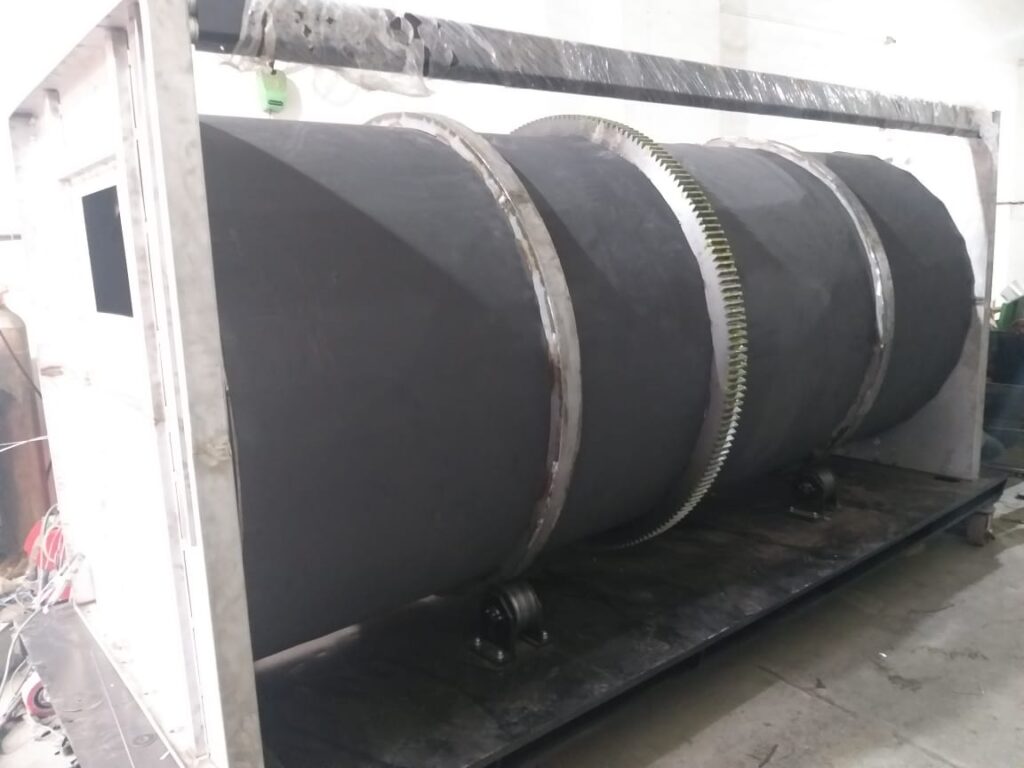
    Drum composting is a revolutionary, aerobic composting method that utilizes a rotating drum to break down organic waste efficiently and effectively. This innovative technology accelerates the natural decomposition process, converting organic materials into a nutrient-rich compost in a fraction of the time required by traditional composting methods. A drum composter typically consists of a cylindrical or oval-shaped container, often made of durable materials such as galvanized steel or high-density plastic, with a rotating mechanism that ensures optimal aeration and mixing of the waste materials. The drum’s design allows for precise control over temperature, moisture, and oxygen levels, creating an ideal environment for microbial activity to thrive. As the drum rotates, organic waste is systematically broken down by microorganisms, eliminating pathogens, weed seeds, and pests, while preserving valuable nutrients. The result is a homogeneous, earthy-smelling compost that is teeming with beneficial microorganisms, perfect for enriching soil, promoting plant growth, and supporting sustainable agriculture practices.

    Choosing the right drum composter

    Choosing the right drum composter requires careful consideration of several key factors to ensure efficient and effective composting. First, consider the capacity of the composter, which should align with the volume of organic waste you generate. Residential users may opt for smaller units (1-10 cubic feet), while commercial operations require larger capacity composters (10-100 cubic feet). Next, evaluate the material and durability of the composter, with options ranging from rust-resistant steel to durable plastics. Ease of use is also crucial, with features like automatic rotation, adjustable aeration, and accessible loading/unloading mechanisms simplifying the composting process.

    Additional considerations include:

    – Ventilation and moisture control systems to maintain optimal composting conditions

    – Pest and odor control features to minimize unwanted attractants

    – Space constraints and portability requirements for urban or compact settings

    – Energy efficiency and power requirements for automated models

    – Budget and cost-benefit analysis for initial investment and long-term savings

    – Certifications and compliance with local regulations and standards

    By carefully evaluating these factors and considering your specific needs, you can select the ideal drum composter to efficiently manage your organic waste, reduce your environmental footprint, and produce high-quality compost for sustainable agriculture and landscaping practices.

    How drum composter works

    Drum composting is a meticulously designed process that harnesses the power of microorganisms to break down organic waste into nutrient-rich compost. The process unfolds within a rotating drum, where oxygen, moisture, and heat converge to create an ideal environment for decomposition. Here’s a step-by-step overview:

    Step 1: Loading

    Organic waste, such as food scraps, yard trimmings, or agricultural residues, is loaded into the drum composter.

    Step 2: Rotation

    The drum is rotated, either manually or mechanically, to ensure optimal aeration and mixing of the waste materials.

    Step 3: Aeration

    As the drum rotates, oxygen is introduced, supporting aerobic decomposition and minimizing odors.

    Step 4: Moisture Control

    Moisture levels are maintained through controlled addition of water or wastewater, ensuring optimal conditions for microbial activity.

    Step 5: Temperature Regulation

    The composting process generates heat, with temperatures reaching 130°F – 140°F (54°C – 60°C). This heat kills pathogens and weed seeds.

    Step 6: Microbial Activity

    Microorganisms, containing fungi and bacteria, break down organic matter into smaller compounds.

    Step 7: Decomposition

    The combination of oxygen, moisture, and heat accelerates decomposition, transforming organic waste into compost.

    Step 8: Maturation

    The compost is allowed to mature, ensuring complete breakdown of organic matter and elimination of pathogens.

    Step 9: Harvesting

    The finished compost is removed from the drum, sifted, and prepared for use as a nutrient-rich soil amendment.

    Applications of drum composters

    Drum composters have diverse applications across various industries and settings, offering an efficient and sustainable solution for managing organic waste. In residential settings, drum composters enable homeowners to effortlessly compost food scraps, yard trimmings, and other organic materials, producing nutrient-rich fertilizer for gardens and houseplants. Commercial establishments, such as restaurants, cafes, and hotels, can utilize drum composter to reduce food waste disposal costs and create valuable compost for landscaping. Agricultural businesses can adopt drum composting to recycle organic waste, enhance soil fertility, and promote sustainable farming practices. Municipalities and waste management authorities can integrate drum composters into community composting programs, diverting organic waste from landfills and creating jobs.

    Additional applications include:

    – Landscaping and gardening: Drum composters provide a consistent supply of nutrient-rich compost for soil amendments.

    – Urban agriculture: Community gardens and rooftop farms benefit from efficient organic waste management.

    – Food waste management: Grocery stores, schools, and institutions reduce waste disposal costs.

    – Environmental education: Drum composters serve as hands-on teaching tools for sustainability workshops.

    – Research and development: Universities and institutions utilize drum composters for composting research.

    By implementing drum composters, individuals, businesses, and communities can:

    – Reduce greenhouse gas emissions

    – Conserve water and energy

    – Promote sustainable practices

    – Support local food systems

    – Create valuable compost products

    Drum composting supports the circular economy

    Drum composting is a pivotal component of the circular economy, a regenerative system that aims to redefine waste as a valuable resource. By harnessing the potential of organic waste, drum composting closes nutrient loops, reduces waste disposal costs, and fosters sustainable development. This innovative approach:

    – Diverts organic waste from landfills, minimizing greenhouse gas emissions and leachate generation.

    – Converts waste into nutrient-rich compost, replenishing soil fertility and promoting ecosystem services.

    – Supports local food systems by providing organic amendments for agriculture and gardening.

    – Conserves water and energy by reducing the need for synthetic fertilizers and pesticides.

    – Encourages waste reduction and recycling, aligning with the principles of circular economy.

    Through drum composting, individuals, businesses, and communities can:

    – Reduce waste management costs

    – Generate revenue from compost sales

    – Create jobs and stimulate local economies

    – Enhance soil health and biodiversity

    – Mitigate climate change

    By embracing drum composting, we can transition from a linear “take, make, dispose” economy to a circular “reduce, reuse, recycle” paradigm, where waste becomes a valuable resource.

    How Green Planet Solutions helps

    At Green Planet Solutions, we offer a comprehensive suite of innovative drum composting technologies and expert services designed to empower individuals, businesses, and communities to adopt sustainable waste management practices. Our cutting-edge solutions help residents reduce household waste sent to landfills by up to 70%, create nutrient-rich compost for gardening, minimize odors and pests, and conserve water and energy. Businesses benefit from decreased waste disposal costs, revenue generation from compost sales, enhanced brand reputation through sustainable practices, and reduced environmental impact. Communities can implement community-scale composting programs, divert organic waste from landfills, create jobs and stimulate local economies, and foster sustainable development. Moreover, our solutions contribute to environmental stewardship by reducing greenhouse gas emissions, mitigating climate change, conserving water and energy, promoting soil health and biodiversity, and supporting ecosystem services.

    Our expertise encompasses:

    – Customized drum composting solutions for residential, commercial, and industrial applications

    – Expert consultation and training for optimal composting practices

    – Collaborative partnerships with stakeholders to promote sustainable development

    – Continuous research and development to enhance composting efficiency and effectiveness

    By partnering with Green Planet Solutions, individuals, businesses, and communities can:

    – Enhance their environmental sustainability

    – Reduce waste management costs

    – Generate revenue from compost sales

    – Create jobs and stimulate local economies

    – Contribute to a waste-free, regenerative, and resilient future

    Through our commitment to innovation, sustainability, and customer satisfaction, Green Planet Solutions is revolutionizing the way organic waste is managed, one community at a time.

    Conclusion

    In conclusion, drum composting emerges as a transformative solution for efficient organic waste management, bridging the gap between waste reduction and sustainable development. At Green Planet Solutions, we recognize the potential of drum composter to revolutionize the way we manage organic waste. Our cutting-edge drum composting technology harnesses the power of microorganisms to break down organic waste, unlocking a myriad of benefits, including rapid decomposition, high-quality compost production, minimal odors and pests, and optimal nutrient retention. As a cornerstone of circular economy principles, drum composting diverts organic waste from landfills, reduces greenhouse gas emissions, and supports local food systems. By partnering with Green Planet Solutions, individuals, businesses, and communities can contribute to a waste-free, regenerative, and resilient world, where organic waste is valued as a precious resource.

  • Revolutionizing Waste Management: The Organic Waste Composting Machine by Green Planet Solutions Romania

    Revolutionizing Waste Management: The Organic Waste Composting Machine by Green Planet Solutions Romania

    The Organic Waste Composting Machine by Green Planet Solutions Romania

    In recent years, the global conversation around sustainability has intensified, and at the heart of this movement lies the imperative to manage waste more effectively. Green Planet Solutions Romania is at the forefront of this revolution, offering innovative solutions to tackle organic waste through advanced composting technology. In this blog post, we’ll delve into the benefits of organic waste composting machine, how they work, and why investing in such technology is essential for both businesses and the environment.

    Understanding Organic Waste

    Organic waste includes any biodegradable waste that comes from plant or animal sources. This can range from food scraps, yard trimmings, and agricultural residues to paper products. Globally, a significant portion of this waste ends up in landfills, where it decomposes anaerobically, producing methane—a greenhouse gas far more potent than carbon dioxide.

    The Environmental Impact of Organic Waste

    The mismanagement of organic waste contributes to various environmental issues, including:

    1. Greenhouse Gas Emissions: As organic waste decomposes in landfills, it releases methane, contributing to climate change.

    2. Soil Degradation: The lack of organic matter in soil leads to diminished soil health, affecting agricultural productivity.

    3. Water Pollution: Runoff from landfills can contaminate local waterways, impacting ecosystems and human health.

    The Solution: Organic Waste Composting Machines

    What is an Organic Waste Composting Machine?

    Organic waste composting machines are advanced systems designed to accelerate the decomposition of organic materials. These machines provide a controlled environment for the composting process, enhancing efficiency and reducing the time required to produce high-quality compost.

    How Does It Work?

    The composting process typically involves several key steps:

    1. Shredding: Organic waste is first shredded into smaller pieces to increase the surface area for microbial action.

    2. Aeration: The shredded material is then aerated to promote aerobic decomposition. This is crucial for reducing odors and methane emissions.

    3. Temperature Control: The machine regulates temperature to create optimal conditions for microbial activity. This helps in breaking down materials more rapidly.

    4. Moisture Management: Maintaining the right moisture levels is essential for composting. The machine monitors and adjusts moisture content as needed.

    5. Finished Compost: After a specific period, typically ranging from a few weeks to a couple of months, the organic waste is transformed into nutrient-rich compost that can be used to enrich soil.

    Benefits of Using Organic Waste Composting Machines

    1. Reduced Landfill Waste: By composting organic materials, businesses and households can significantly reduce the volume of waste sent to landfills, helping to mitigate the environmental impact.

    2. High-Quality Compost Production: The compost produced is rich in nutrients and can be used to enhance soil quality, promote healthy plant growth, and support sustainable agriculture.

    3. Economic Savings: Reducing waste disposal costs and generating compost can lead to significant savings for businesses, especially those in the food service and agricultural sectors.

    4. Environmental Stewardship: Utilizing composting machines aligns with corporate social responsibility goals, showcasing a commitment to sustainability and environmental protection.

    5. Community Engagement: Organizations that implement composting practices can engage with the community, fostering awareness and education around sustainable waste management.

    The Role of Green Planet Solutions Romania

    At Green Planet Solutions Romania, we understand the unique challenges faced by businesses and communities in managing organic waste. Our composting machines are designed with the latest technology, ensuring maximum efficiency and ease of use. Here are some key features of our machines:

    – Compact Design: Suitable for both urban and rural settings, our machines can fit in limited spaces while still handling substantial amounts of organic waste.

    – User-Friendly Interface: Equipped with a simple control panel, our machines can be operated with minimal training, making them accessible to everyone.

    – Energy Efficiency: Our machines are designed to minimize energy consumption while maximizing output, aligning with our commitment to sustainability.

    – Customizable Solutions: We offer tailored composting solutions to meet the specific needs of businesses, whether they are large agricultural enterprises or small restaurants.

    Conclusion: The Future of Waste Management

    The transition to sustainable waste management practices is no longer a choice but a necessity. Investing in organic waste composting machines from Green Planet Solutions Romania empowers businesses and communities to take charge of their waste, transforming a potential liability into a valuable resource. By choosing to compost, you’re not just reducing waste; you’re contributing to a healthier planet.

    If you’re interested in learning more about our organic waste composting machines and how they can benefit your organization, contact us today. Join us in making a meaningful impact on our environment, one compost pile at a time!

  • Unveiling the UK’s Fully Automatic Kitchen Composter by Green Planet Solutions

    Unveiling the UK’s Fully Automatic Kitchen Composter by Green Planet Solutions

    The Importance of Sustainability in Today’s World

    Sustainability is no longer just a trend—it’s a global necessity. As the planet faces environmental challenges like climate change, waste buildup, and resource depletion, the need for sustainable solutions becomes ever more pressing. Green Planet Solutions is at the forefront of this movement in the UK, providing innovative products like the fully automatic kitchen composter that empower individuals to reduce their environmental footprint and contribute to a healthier planet.


    The Problem of Food Waste and Its Impact on the Environment

    Food waste is a significant environmental issue, contributing to nearly 8-10% of global greenhouse gas emissions. In the UK alone, millions of tons of food are wasted annually, much of which ends up in landfills, producing harmful methane gas. Managing food waste responsibly can make a substantial difference, and Green Planet Solutions’ kitchen composter offers a practical, at-home solution to tackle this problem.


    The Features and Benefits of the UK’s Fully Automatic Kitchen Composter

    Green Planet Solutions’ fully automatic kitchen composter brings eco-friendly waste management to your kitchen with advanced features:

    • Effortless Composting: Transform food scraps into nutrient-rich compost within hours.
    • Odor-Free Technology: Advanced filters ensure that composting doesn’t compromise indoor air quality.
    • Compact and Stylish Design: Designed to blend with modern kitchens, it’s ideal for apartments and urban homes.
    • Nutrient-Dense Output: The resulting compost is rich in nutrients, perfect for enhancing plant health in gardens or potted plants.

    How the Fully Automatic Kitchen Composter Works

    The fully automatic kitchen composter utilizes high-speed aerobic decomposition technology that accelerates the composting process. Simply add your food scraps, and the composter takes over—breaking down organic material into compost in just hours. This ease of use makes it perfect for those new to composting or anyone looking for a low-maintenance solution.


    Comparison with Other Composting Methods

    Traditional composting methods, such as outdoor compost piles and worm bins, require more time, space, and hands-on management. By contrast, the fully automatic kitchen composter is:

    • Faster: Delivers compost in hours, not months.
    • More Convenient: Fits right in the kitchen, eliminating the need for outdoor space.
    • Odor-Free: Equipped with filters to keep your home smelling fresh.
    • All-Weather Solution: Unlike outdoor methods, this composter works indoors year-round, regardless of weather conditions.

    The Cost and Affordability of the Fully Automatic Kitchen Composter

    While traditional composting methods may be cost-free, they require time and commitment that many may find challenging. Green Planet Solutions’ fully automatic kitchen composter offers a convenient, time-saving alternative that, while priced for premium performance, is competitively affordable. Many customers find the initial investment worthwhile for the convenience, environmental impact, and compost quality.


    Where to Buy the Fully Automatic Kitchen Composter and Other Green Planet Solutions Products

    Green Planet Solutions’ products, including the fully automatic kitchen composter, are available on the company’s official website and select eco-friendly retailers across the UK. Their knowledgeable customer service team is available to help with any questions about the product or the purchasing process.

    1. Organic Waste Converter

    This Converter is ideal for handling organic waste by converting it into nutrient-rich compost within hours. The organic waste converter processes organic materials efficiently, turning them into compost that can be used as soil enhancers. This machine is especially beneficial for large operations like farms, municipalities, and community centers, contributing significantly to the circular economy.

    2. Baling Machine

    • Baling machines compact recyclable materials like paper, cardboard, plastics, and metals into dense bales, which reduces the space needed for waste storage and simplifies transport for recycling. Green Planet Solutions offers different baling machine sizes and models to suit small businesses as well as large-scale industrial needs, enhancing recycling efficiency and reducing carbon footprints.

      3. Garbage Chute System
    • Designed for multi-story buildings, garbage chutes streamline waste disposal for residents and staff, directing waste efficiently to a collection point. These chutes are hygienic, reduce waste handling costs, and come with odor control and fire safety features, ensuring compliance with safety standards.

      4.Compost Drums
    • Compost drums offer a rotating composting solution, making it easy to aerate organic waste for efficient decomposition. These drums are an excellent option for educational institutions, community centers, or agricultural sites focused on waste reduction and soil health.

      Green Planet Solutions provides customizations and support services for all their products, ensuring that clients receive the right equipment for their waste management requirements. Their commitment to sustainability helps businesses and communities across various sectors reduce waste, conserve resources, and promote greener practices for a cleaner, healthier planet.

    Conclusion:

    By choosing Green Planet Solutions’ fully automatic kitchen composter, you’re not only making a positive impact on the environment but also taking a step toward a more sustainable lifestyle. This innovative solution helps divert food waste from landfills, reduces greenhouse gas emissions, and provides nutrient-rich compost for plants. Embrace the future of sustainability, and make Green Planet Solutions a part of your green journey today.

    Ready to make a positive impact on the environment? Explore Green Planet Solutions’ innovative waste management products today and transform your waste into sustainable solutions. Contact us now to find the perfect eco-friendly solution for your business!