Tag: wet waste shredder

  • How a Wet Waste Shredder Reduces the Volume of Organic Trash

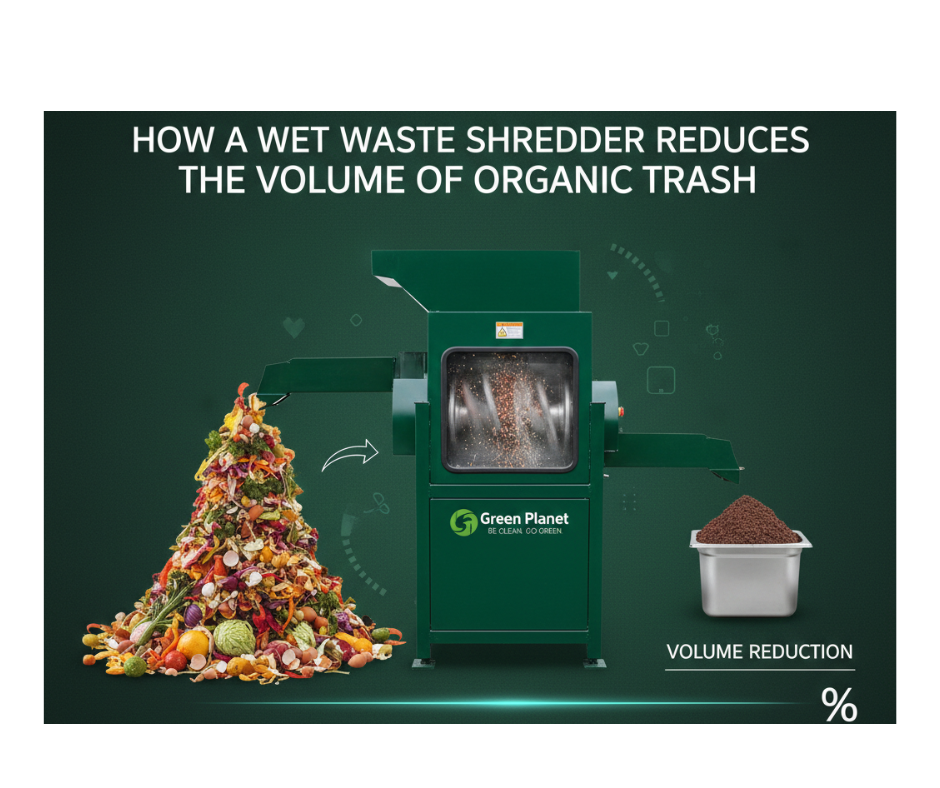
    How a Wet Waste Shredder Reduces the Volume of Organic Trash

    Table Of Contents

    1. Introduction
    2. Why a Wet Waste Shredder is a Space-Saving Superpower
    • 1. Massive Volume Reduction (Shrinking the Pile)
    • 2. No More “Air Gaps” in the Composter
    • 3. Faster Drying and Less Messy Leaks
    • 4. Better Mixing with “Brown” Material
    • 5. Easier and Faster Transport
    1. Frequently Asked Questions (FAQs)
    2. Conclusion

    Introduction

    Have you ever noticed how much space a few whole watermelons or a pile of cabbage leaves occupies in a waste bin? It appears to be a massive mountain of garbage! The major portion of what we dispose of in our kitchens is actually nothing but a bulky, water-filled “wet waste.” To dispose of this effectively, especially in large residential complexes such as Asiana Malhar, the first and most important thing we require is a wet waste shredder. By employing a wet waste shredder, we can convert this massive mountain of garbage into a tiny molehill, making it easier to dispose of and convert into compost.

    Why a Wet Waste Shredder is a Space-Saving Superpower

    1. Massive Volume Reduction (Shrinking the Pile)

    Raw organic waste is very “fluffy” and full of air pockets because of the irregular shapes of food scraps. When you run it through a wet waste shredder, it chops everything into tiny, uniform bits. This process can reduce the physical volume of your trash by up to 70% to 80%. What used to fill ten big bins might now only fill two or three! This makes storage much easier for society staff.

    2. No More “Air Gaps” in the Composter

    When you throw whole fruit peels or large vegetable chunks into a composting machine, they create big gaps of empty space. This means the machine fills up too quickly with “air” instead of actual waste. Shredded waste sits closely together like sand. This allows you to fit much more waste into your Fully Automatic Composting Machine, saving your society from needing to buy extra, expensive equipment.

    3. Faster Drying and Less Messy Leaks

    Wet waste is heavy because it contains lots of water. Large pieces of waste hold water inside. Shredding opens up large pieces of waste, which helps water come out and be evenly distributed. This makes it easy to carry and helps the composting microbes get to work immediately because they can easily access “food” in the waste.

    4. Better Mixing with “Brown” Material

    To make high-quality compost, you must have a mix of “Green” waste (food) and “Brown” waste (such as dry leaves or sawdust). If the food bits are too large, they will not mix well with the dry leaves. Small shredded bits will mix well with the dry leaves, ensuring that none of the waste lacks oxygen to break it down. This will not create a swampy, stinky mess.

    5. Easier and Faster Transport

    If your society has to move waste from the collection point to the composting area, volume matters. Moving ten bulky, dripping bags is a hard, long job. Moving three concentrated, shredded bags is much faster and cleaner for the cleaning staff. This efficiency saves your team hours of work every week.

    Frequently Asked Questions (FAQs)

    Q: Does shredding make the waste smell worse?

    No, it’s quite the opposite! Odors occur when trash is left in large, compacted masses with little air. Since shredding allows more air to come into contact with the trash, it prevents the “rotten” smell from occurring.

    Q: Can children use the shredder?

    No. Although it is a very useful tool, it has sharp and very powerful blades. Only trained adults or members of society should use it while wearing the appropriate safety equipment.

    Q: How long does the shredding process take?

    Most commercial shredders available at Green Planet Solutions can shred an entire building’s worth of trash in as little as 15 to 30 minutes.

    Conclusion

    Waste management is no less than a puzzle—it’s much simpler when the pieces are smaller! The wet waste shredder is the magic solution for any society that aims to reach the “Zero Waste” target. It helps save a huge amount of space, prevents the generation of foul smells, and prepares the waste for the next step of composting. By using a wet waste shredder, we are taking a huge step towards a cleaner, greener, and sustainable India.
  • How waste wet shredder is the first step to faster composting

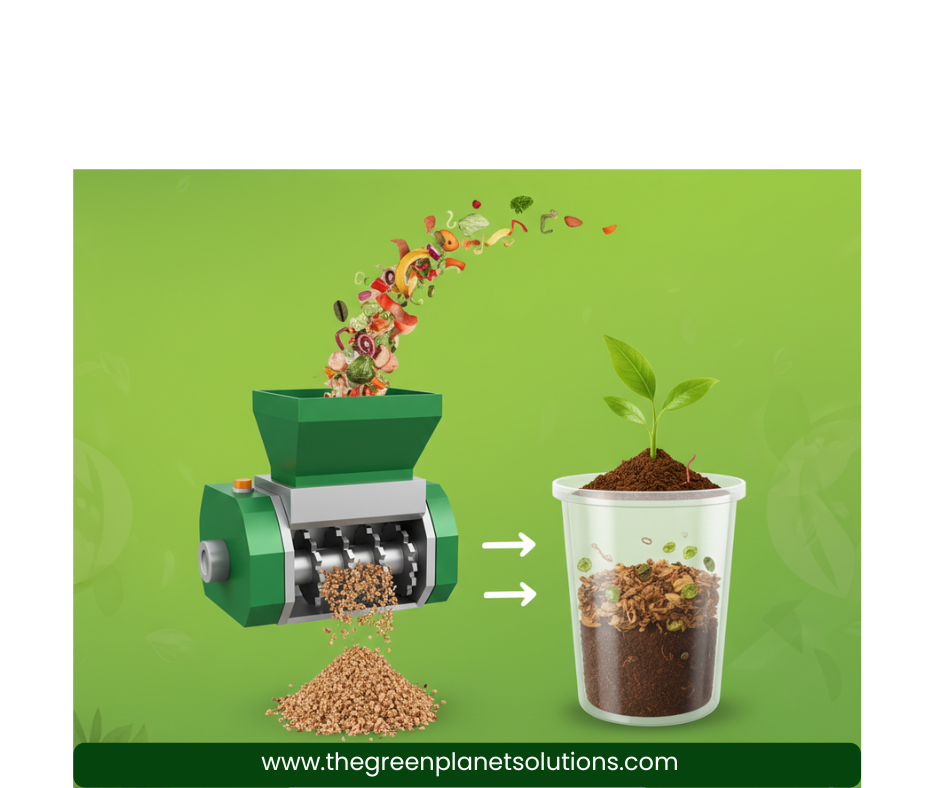
    How waste wet shredder is the first step to faster composting

    Table Of Contents:

    1. Introduction
    2. How a Wet Waste Shredder Speeds Everything Up
    • 1. More Surface Area for Microbes
    • 2. Perfect Moisture Balance
    • 3. Better Air Circulation
    • 4. Saves Massive Amounts of Space
    • 5. No More “Identify the Trash” Game
    1. Frequently Asked Questions (FAQs)
    2. Conclusion

    Introduction:

    Have you ever tried taking an entire apple at once? It is almost not possible! You would need to munch on it piece by piece in order for your stomach to be able to process it well, right? Composting is exactly the same! If you put large pieces of food waste into a composter, it would take years to decompose! This is why a wet waste shredder is the best place to start on your journey to becoming green!

    When you shred the waste into very small pieces, you are basically “chewing” the food for the microbe bugs that help you compost. This one step alone will cause your composting to work twice as fast.

    How a Wet Waste Shredder Speeds Everything Up

    1. More Surface Area for Microbes

    Microbes dig from the outside in. A whole watermelon skin contains very little area that can be attacked by microbes. However, if you put it in a wet waste shredder, you will end up with thousands of edges that will allow millions of microbes to dig simultaneously.

    2. Perfect Moisture Balance

    “As Wet As a Wet Paper Bag”

         Wet waste, such as fruit peels or vegetables, is very wet. If it is left to sit in a large heap, the wetness is retained in a squishy mess. Shredding allows some of that moisture to be distributed evenly to keep the heap from smelling like a swamp.

    3. Better Air Circulation

    Compost must “breathe.” Large flat leaves or cabbage pieces may mat down, excluding oxygen. Shredded waste allows a small amount of air to be trapped, which secures oxygen exposure to all parts of the bin.

    4. Saves Massive Amounts of Space

    Raw organic waste is very bulky and takes up a lot of room in your society’s waste area. Shredding can reduce the volume of your trash by up to 70%. This means you can fit much more waste into a smaller composting machine.

    5. No More “Identify the Trash” Game

    Have you ever opened your compost pile and found that a whole banana peel from three weeks ago was still visible? By shredding, you know that everything is breaking down at the same rate. There won’t be any random leftovers inside your fertilizer either.

    Frequently Asked Questions (FAQs)

    Q: Is it noisy to use? 

    Most shredders today are built to be quite quiet enough for use in residential societies. It sounds like a heavy-duty kitchen blender.

    Q: Can it shred bones and coconut shells? 

    Though it is a powerful shredder for wet waste, its intended use is for “soft” organic waste such as peels, trim, and garden waste. Large bones, for instance, should not be shredded and should instead be removed.

    Q: How long does it take to shred the day’s waste?

    To shred all the green waste collected in a day in a small society, it would take only around 15 to 20 minutes.

    Conclusion

    If you want to turn garbage to gold overnight, you obviously need the right equipment. A wet waste shredder is essentially a turbocharger for your compost heap. It makes life easier for the microbes, prevents the air from getting stale, and helps you save a lot of space. This is the best first move the planet and personal pockets can afford to make to become richer than ever before.

  • Top 5 Problems in Handling Wet Waste: Insights and Solutions

    Top 5 Problems in Handling Wet Waste: Insights and Solutions

    Top 5 Problems in Handling Wet Waste: Insights and Solutions

    Effective waste management is a growing concern worldwide, and wet waste is one of the most challenging types to handle. Often consisting of food scraps, garden waste, and organic residues, wet waste requires specific methods for disposal to prevent environmental and health hazards. In this blog, we’ll explore the top problems in managing wet waste and how innovative solutions like a wet waste shredder can make a difference.

    1. Excessive Volume of Waste & Solution : Wet Waste Shredder

    The Problem: Wet waste tends to be bulky, taking up significant space in landfills and increasing transportation costs.
    The Solution: A wet waste shredder reduces the size of waste materials, making them more compact. This not only saves storage space but also minimizes the number of trips needed for waste transport, reducing costs and carbon emissions.

    2. Odor and Hygiene Issues

    The Problem: Accumulated wet waste decomposes quickly, leading to unpleasant odors and attracting pests such as flies, rodents, and cockroaches.
    The Solution: By shredding wet waste into smaller particles, decomposition becomes faster and more controlled, reducing foul smells and preventing pest infestations.

    3. Difficulty in Recycling and Composting

    The Problem: Large and unprocessed wet waste is harder to compost or recycle effectively, leading to more waste being sent to landfills.
    The Solution: A wet waste shredder breaks down organic materials into smaller, uniform pieces, making them ideal for composting or bio-digestion. This promotes sustainable recycling practices and reduces landfill dependency.

    4. Environmental Pollution

    The Problem: Improper handling of wet waste results in the release of harmful methane gas during decomposition, contributing to greenhouse gas emissions.
    The Solution: Using a shredder to preprocess wet waste ensures faster and more efficient composting, significantly reducing methane emissions and supporting eco-friendly waste management practices.

    5. High Disposal Costs

    The Problem: Managing wet waste involves significant expenses for collection, transportation, and landfill tipping fees.
    The Solution: By investing in a wet waste shredder, organizations and municipalities can reduce the volume of waste, making disposal processes more cost-effective. Additionally, shredded waste can be converted into compost or energy, turning costs into revenue opportunities.

    Why Choose Greenplanet Solutions for Wet Waste Management?

    At Greenplanet Solutions, we specialize in cutting-edge waste management tools, including high-performance wet waste shredders. Our shredders are designed to address the challenges of wet waste handling by enhancing efficiency, promoting sustainability, and reducing costs.

    Transform your waste management practices with Greenplanet Solutions and contribute to a cleaner, greener future. Contact us today to learn more about our innovative waste shredding solutions!

  • The Challenge of Separating Dry, Wet, and E-Waste in Urban Areas: How Green Planet Solutions Tackles the Problem with Waste Shredders

    The Challenge of Separating Dry, Wet, and E-Waste in Urban Areas: How Green Planet Solutions Tackles the Problem with Waste Shredders

    The Challenge of Separating Dry, Wet, and E-Waste in Urban Areas: How Green Planet Solutions Tackles the Problem with Waste Shredders

    With the rapid growth of urban populations, waste management has become a pressing issue for cities worldwide. Every day, urban centers produce tons of dry, wet, and electronic waste, each of which requires specialized handling, disposal, or recycling. One of the biggest challenges municipalities face is the efficient separation of these waste types, a task essential for both environmental and public health. However, Green Planet Solutions offers an innovative answer to this challenge with their advanced waste shredder, helping cities effectively separate, process, and manage waste more sustainably.

    Understanding the Waste Problem in Urban Areas

    In densely populated urban areas, waste production is vast and varied. Typically, municipal waste falls into three major categories:

    1. Dry Waste: This includes paper, cardboard, glass, plastics, and metals. Dry waste can be recycled if properly sorted but becomes problematic when mixed with other types of waste.
    2. Wet Waste: Primarily composed of organic matter, wet waste includes food scraps, garden clippings, and other biodegradable materials. This waste decomposes and can be composted to create nutrient-rich soil, but contamination with other materials makes processing difficult.
    3. E-Waste: Electronic waste, including discarded phones, batteries, computers, and other electronic devices, contains hazardous components like lead and mercury. Mismanagement of e-waste can lead to serious environmental and health hazards.

    Urban waste collection systems often struggle to separate these waste types effectively. When dry, wet, and e-waste mix, recyclability decreases, and the risk of hazardous contamination rises. This lack of separation is a costly problem, both in terms of financial outlay for processing and the potential harm to public health and the environment.

    The Challenges of Manual Separation

    Manual separation of waste is time-consuming, labor-intensive, and often inadequate for handling the high volumes produced in urban areas. Additionally, exposure to mixed waste poses health risks for sanitation workers, especially when handling e-waste materials that contain hazardous chemicals. To tackle this problem, there is a growing need for technological intervention that can automate and streamline the waste separation process.

    Green Planet Solutions’ Approach to Waste Separation: Waste Shredders

    Green Planet Solutions is at the forefront of waste management innovation, and its waste shredders are designed to address the specific challenges of waste separation in urban settings. Here’s how these shredders help solve the problem of managing dry, wet, and e-waste effectively:

    1. Efficient Shredding for Enhanced Sorting
      Green Planet’s waste shredders are equipped with high-capacity blades that can process mixed waste with ease. By breaking down large, mixed waste into smaller, manageable pieces, shredders make it easier to sort materials. After shredding, waste can be separated more effectively using various sorting technologies, whether manually or through automated processes, facilitating the recycling of dry waste and composting of wet waste.
    2. Reducing Contamination in Waste Streams
      By processing waste through shredders, Green Planet ensures that dry, wet, and e-waste are properly reduced in size and made easier to identify and sort. This prevents contamination, particularly with wet waste, which can soil recyclables and make e-waste more hazardous to handle. Shredded waste also helps in streamlining downstream processes, as material recovery facilities can operate more effectively with pre-shredded waste.
    3. Safe Handling of Hazardous E-Waste
      E-waste presents unique challenges due to its hazardous components. Green Planet’s waste shredders are built with specialized technology to handle electronic waste safely, minimizing the risk of exposure to harmful chemicals during processing. Their shredders contain containment features that capture harmful particles and prevent their release into the environment, creating a safer waste management process for workers and the surrounding community.
    4. Accelerating Composting for Organic Waste
      Shredding wet, organic waste accelerates the composting process by increasing the surface area of organic matter, allowing it to break down more quickly. This reduces the volume of wet waste in urban areas and produces compost more efficiently, which can be used in urban green spaces or agricultural land. By promoting composting, Green Planet’s shredders help cities minimize landfill waste and produce valuable resources from organic waste.
    5. Compact, Scalable Solutions for Urban Areas
      Green Planet’s shredders are designed to be both compact and scalable, meaning they can be installed in various urban settings, from small community facilities to large-scale municipal waste processing plants. This scalability allows city planners and waste management teams to tailor the technology to their needs, making Green Planet’s solutions shredders a flexible solution for urban waste challenges.

    Environmental and Economic Benefits of Shredding Waste

    The benefits of using waste shredder extend beyond immediate waste separation. When dry, wet, and e-waste are processed separately, cities can achieve higher recycling rates, reduced landfill dependency, and better protection of public health. Additionally, separating waste through shredding allows for resource recovery, turning waste into valuable materials such as compost and recyclable metals, which in turn contributes to a circular economy.

    By reducing the volume of waste through shredding, municipalities also save on transportation costs. Fewer trips to landfills mean lower emissions and reduced fuel consumption, which aligns with climate action goals.

    Green Planet Solutions: Pioneering Sustainable Waste Management

    Green Planet Solutions is committed to promoting sustainable waste management practices through innovative technology. Their waste shredders are designed to empower cities, businesses, and communities to manage waste more effectively and sustainably. By investing in advanced waste processing technologies, Green Planet not only addresses the challenges of waste separation but also plays a pivotal role in helping cities achieve their environmental goals.

    Conclusion

    As urban areas continue to grow, the volume of waste produced will only increase. Tackling the separation of dry, wet, and e-waste is crucial for effective waste management, environmental protection, and public health. With Green Planet Solutions’ waste shredders, cities have access to cutting-edge technology that can streamline waste processing, reduce contamination, and enhance resource recovery.

    For municipalities, businesses, and communities looking to adopt sustainable waste management practices, Green Planet Solutions offers reliable, efficient waste shredder that make separating and processing waste simpler and more effective than ever. By investing in these technologies, urban areas can take a significant step toward a cleaner, greener future.

  • Top 5 Industries That Benefit from Wet Waste Shredders

    Top 5 Industries That Benefit from Wet Waste Shredders

    Wet Waste Shredders

    Managing waste efficiently is a big responsibility for many industries, especially when it comes to dealing with wet waste. Wet waste includes materials like food scraps, plant debris, and other organic waste that can be difficult to handle. A wet waste shredder can make the process easier by reducing the volume of waste, helping businesses save money and protect the environment. In this blog, we’ll look at five key industries that can benefit from using wet waste shredders, with a special focus on Green Planet Solutions in the USA, a leader in providing waste management solutions.

    1. Food Processing Industry

    The food processing industry generates large amounts of wet waste, including discarded fruits, vegetables, and other organic materials. Managing this waste can be challenging, but a wet waste shredder helps break it down into smaller pieces, making it easier to compost or recycle. This not only reduces waste disposal costs but also minimizes the environmental impact of food waste.

    Why Food Processors Need Wet Waste Shredders:

    • Reduces the size of waste, making transportation and disposal easier.
    • Helps convert waste into compost for agricultural use.
    • Saves money by reducing landfill and disposal fees.

    2. Agriculture

    In the agriculture industry, managing organic waste like crop residues, green waste, and other biodegradable materials is crucial for maintaining clean and sustainable farming practices. Wet waste shredders help farmers process these materials efficiently, turning them into valuable compost that can be reused to enrich the soil.

    How Wet Waste Shredders Benefit Agriculture:

    • Turns organic waste into compost for better soil quality.
    • Reduces the need for chemical fertilizers by using compost.
    • Helps maintain sustainable farming practices by reducing waste.

    3. Hospitality Industry (Hotels and Restaurants)

    The hospitality industry, which includes hotels, restaurants, and catering businesses, produces large amounts of food waste daily. Wet waste shredders are essential tools for these businesses to manage waste effectively, reduce odor, and prevent pests. By shredding the waste, hospitality businesses can lower their environmental footprint and improve their sustainability practices.

    Key Benefits for the Hospitality Industry:

    • Reduces food waste volume, lowering disposal costs.
    • Helps manage odors and pests by properly handling waste.
    • Supports eco-friendly practices by turning waste into compost.

    4. Municipal Services

    Municipal services, such as city waste management departments, handle the collection and disposal of waste from households, parks, and public spaces. Wet waste, especially from food and garden waste, can create problems if not managed properly. Wet waste shredders are used by municipalities to process this waste efficiently, reducing landfill waste and promoting recycling.

    Why Municipalities Need Wet Waste Shredders:

    • Helps reduce the volume of waste sent to landfills.
    • Improves the efficiency of waste collection and recycling.
    • Supports city-wide composting initiatives.

    5. Retail and Supermarkets

    Supermarkets and large retailers that sell fresh produce often have unsellable, expired, or spoiled food. This wet waste can be challenging to manage, but shredders can reduce the volume and prepare it for composting or disposal. Using a wet waste shredder helps these businesses minimize their waste disposal costs and support sustainable practices.

    How Wet Waste Shredders Help Retailers:

    • Reduces the cost of managing expired and spoiled food.
    • Makes waste easier to compost or recycle.
    • Improves sustainability by lowering the amount of food waste sent to landfills.

    Green Planet Solutions: Leading the Way in Waste Management

    When it comes to providing top-tier wet waste shredders in the USA, Green Planet Solutions is a brand you can trust. They offer a wide range of high-quality machines that are designed to handle organic waste efficiently. From food processing plants to municipal services, Green Planet Solutions delivers tailored solutions to meet the waste management needs of various industries.

    Why Choose Green Planet Solutions?

    • Innovative, energy-efficient shredders for different industries.
    • Commitment to environmental sustainability.
    • Expert support and maintenance to keep your shredding system running smoothly.

    Conclusion

    Wet waste shredders are valuable tools for many industries, from food processing and agriculture to hospitality and municipal services. They help businesses and organizations manage waste more efficiently, reduce costs, and support environmental sustainability. If you’re in need of a reliable solution for your wet waste management, Green Planet Solutions in the USA offers the perfect machines to handle the job.

    By investing in a wet waste shredder, businesses can not only manage their waste more effectively but also contribute to a greener, more sustainable future.

  • How Wet Waste Shredders Reduce Environmental Impact and Improve Waste Management Systems

    How Wet Waste Shredders Reduce Environmental Impact and Improve Waste Management Systems


    How Wet Waste Shredders Reduce Environmental Impact and Improve Waste Management Systems

    As the global population continues to grow, waste management has become a critical concern, especially in urban areas. Wet waste, primarily consisting of organic matter like food scraps and agricultural byproducts, can be a major contributor to environmental pollution when not properly managed. This is where wet waste shredders play a crucial role. Companies like Green Planet Solutions are revolutionizing waste management systems by offering efficient shredding technology that reduces environmental impact and promotes sustainability.

    What is a Wet Waste Shredder?

    A wet waste shredder is a machine designed to break down organic waste into smaller, more manageable pieces. This process not only makes waste easier to transport and process but also enhances its ability to decompose or be converted into useful resources like compost or biofuel.

    Environmental Benefits of Wet Waste Shredders

    1. Reduction of Landfill Waste
      One of the primary environmental benefits of wet waste shredders is the reduction of organic waste sent to landfills. Organic waste in landfills generates methane, a potent greenhouse gas contributing to climate change. By shredding and diverting wet waste for composting or energy production, shredders significantly lower methane emissions.
    2. Efficient Composting
      Shredding wet waste accelerates the composting process. Smaller waste particles decompose more quickly, producing high-quality compost in less time. This compost can then be used to enrich soil, supporting sustainable agriculture and reducing the need for chemical fertilizers.
    3. Reduction in Transportation Emissions
      Wet waste is often bulky and heavy, making transportation to treatment facilities costly and resource-intensive. Shredders reduce the volume of wet waste, minimizing transportation requirements and lowering fuel consumption, which results in fewer emissions.
    4. Conversion to Renewable Energy
      Wet waste, once shredded, can be used in anaerobic digestion processes to produce biogas, a renewable energy source. This conversion not only reduces reliance on fossil fuels but also diverts organic waste from landfills, creating a cleaner energy alternative.

    Improving Waste Management Systems

    1. Streamlining Waste Collection
      Shredded wet waste is easier to handle and store, simplifying the collection and processing stages. Wet waste shredders can be integrated into municipal or industrial waste management systems to optimize efficiency and reduce operational costs.
    2. Versatile Applications
      Wet waste shredders are adaptable to various sectors, including agriculture, food processing, and hospitality. By integrating these machines, industries can reduce their waste footprint while contributing to a more sustainable waste management system.
    3. Promoting a Circular Economy
      By converting organic waste into valuable resources, wet waste shredders support a circular economy model. This approach reduces waste generation, reuses resources, and promotes environmental sustainability.

    Conclusion

    Wet waste shredders, like those offered by Green Planet Solutions, are essential tools in reducing the environmental impact of organic waste while improving overall waste management systems. Through efficient shredding, these machines minimize landfill contributions, reduce harmful emissions, and create opportunities for resource recovery. As the world moves towards more sustainable practices, wet waste shredders will continue to play a pivotal role in transforming waste into valuable resources.