Category: Compost Machines

  • 🌱 Why Biogas is Important for the Future

    🌱 Why Biogas is Important for the Future

    In today’s world, where environmental challenges and energy demands are increasing rapidly, finding sustainable solutions has become more important than ever. One such powerful and eco-friendly solution is biogas. Biogas is not just an alternative energy source—it is a step toward a cleaner, greener, and more sustainable future.


    🌍 What is Biogas?

    Biogas is a renewable energy source produced by the breakdown of organic waste such as food waste, agricultural residue, animal manure, and sewage in the absence of oxygen. This process is called anaerobic digestion. The gas produced mainly consists of methane and carbon dioxide, which can be used as fuel.


    ⚡ Reduces Dependence on Fossil Fuels

    One of the biggest advantages of biogas is that it reduces reliance on fossil fuels like coal, petrol, and natural gas. Fossil fuels are limited and contribute heavily to pollution and climate change.

    Biogas, on the other hand, is renewable and can be produced continuously from organic waste. This makes it a sustainable energy solution for the future.


    🌿 Environment-Friendly Solution

    Biogas plays a major role in reducing environmental pollution. Organic waste, when dumped in landfills, releases harmful gases like methane into the atmosphere, contributing to global warming.

    By converting this waste into biogas, we not only reduce pollution but also utilize waste effectively. It is a perfect example of waste-to-energy technology.


    💰 Cost-Effective Energy Source

    Biogas is highly cost-effective in the long run. Once a biogas plant is installed, the raw material (organic waste) is often freely available. This reduces energy costs significantly for households, farms, and industries.

    It also reduces expenses on LPG, electricity, and waste management.


    🚜 Supports Agriculture Using Biogas

    Biogas production also generates a by-product known as bio-slurry, which is an excellent organic fertilizer.

    This fertilizer improves soil health, increases crop yield, and reduces the need for chemical fertilizers. It supports sustainable farming practices and helps farmers save money.


    🏭 Promotes Waste Management

    India and many other countries face serious waste management problems. Biogas plants provide a practical solution by converting organic waste into useful energy.

    From households to large industries and municipalities, biogas systems help manage waste efficiently and reduce landfill burden.


    🌏 Helps in Fighting Climate Change

    Biogas significantly reduces greenhouse gas emissions. Instead of methane escaping into the atmosphere from waste, it is captured and used as fuel.

    This helps in lowering carbon footprints and contributes to global efforts in combating climate change.


    🔮 The Future of Biogas

    With increasing awareness about sustainability and government support for renewable energy, biogas has a strong future ahead.

    From small household plants to large industrial setups, biogas can play a major role in transforming the energy sector. Smart cities, rural areas, and industries can all benefit from this clean energy source.


    ✅ Conclusion

    Biogas is more than just an energy source—it is a complete solution for waste management, environmental protection, and sustainable development.

    As the world moves toward greener alternatives, adopting biogas technology is not just an option but a necessity for a better future.
  • Waste to Energy: Step-by-Step Biogas Production Process

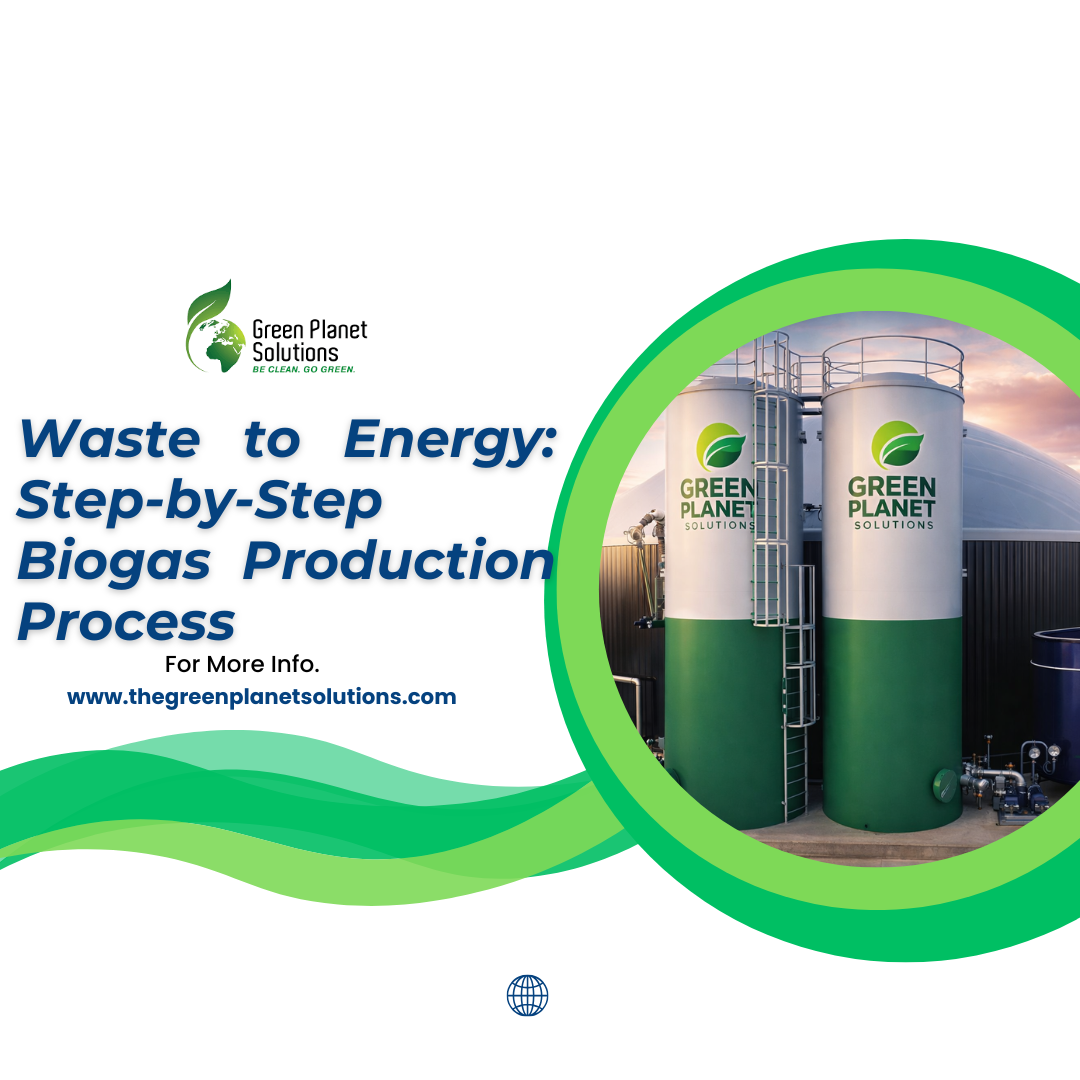
    Waste to Energy: Step-by-Step Biogas Production Process

    🔍 Turning Organic Waste into Renewable Energy

    Biogas production is an innovative and eco-friendly method of converting organic waste into useful energy. With increasing waste generation and energy demand, this process offers a sustainable solution for industries, hotels, and large-scale facilities. It not only helps in waste management but also reduces dependence on conventional fuels.


    ♻️ Understanding Biogas and Its Importance

    Biogas is a renewable fuel generated through the breakdown of organic materials such as food waste, agricultural residues, and animal manure in the absence of oxygen. This process produces methane-rich gas that can be used for cooking, electricity generation, and heating, making it a valuable energy source.


    ⚙️ Collection and Preparation of Organic Waste

    The first step in production involves collecting biodegradable waste from various sources like hotels, canteens, and industries. This waste is then cleaned to remove non-degradable materials and processed by crushing or mixing with water to form a uniform slurry. Proper preparation ensures higher efficiency and smooth functioning of the plant.


    🔄 Anaerobic Digestion Process

    Once the slurry is prepared, it is fed into an airtight container called a digester. Inside the digester, microorganisms break down the organic matter in the absence of oxygen through multiple stages, ultimately producing methane gas. This biological process is the core of biogas production and typically takes a few weeks depending on the system.


    🔥 Biogas Generation and Collection

    During digestion, biogas is released and collected in the upper part of the digester. This gas, rich in methane, can be stored and used as a clean energy source. It can replace traditional fuels like LPG, helping businesses reduce operational costs and environmental impact.


    🌿 Production of Organic Fertilizer

    After gas extraction, the remaining slurry is discharged from the system. This by-product is rich in nutrients and can be used as organic fertilizer for agricultural purposes. It adds additional value by supporting sustainable farming practices.


    🚀 Utilization and Benefits of Biogas

    Biogas systems offer multiple advantages, including waste reduction, energy generation, and environmental protection. Businesses that generate large amounts of organic waste can significantly reduce disposal costs while contributing to a cleaner and greener future.


    🌍 Conclusion

    The step-by-step process of biogas production highlights how waste can be transformed into a valuable resource. By adopting this technology, industries and communities can achieve sustainable waste management while generating renewable energy, making it a smart and future-ready solution.

  • Why Choose Green Planet Solutions for Biogas Plants?

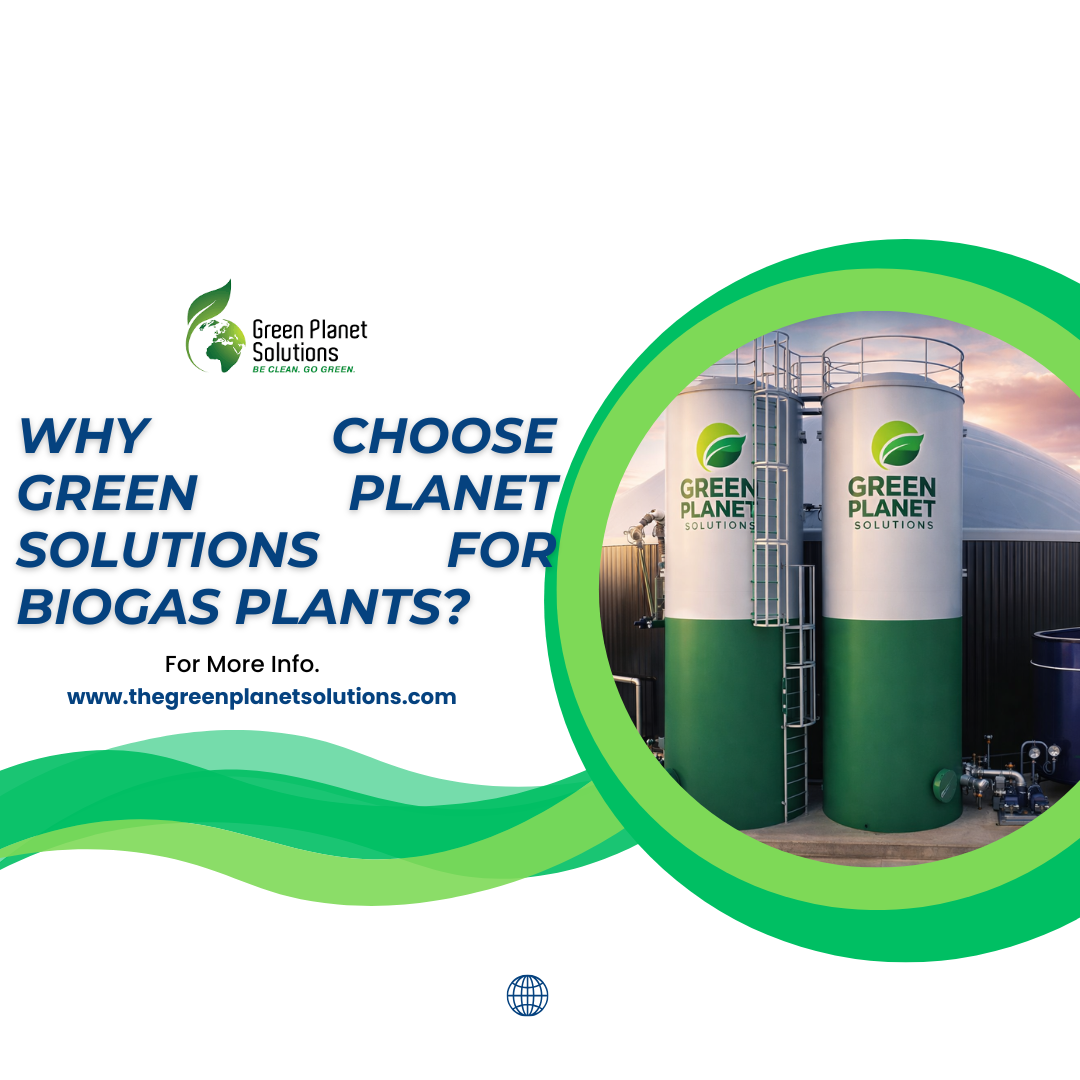
    Why Choose Green Planet Solutions for Biogas Plants?

    In today’s world, managing organic waste efficiently has become a critical challenge for businesses, industries, and institutions. At the same time, rising fuel costs have increased the demand for sustainable and cost-effective energy solutions. Green Planet Solutions addresses both these problems by offering advanced biogas plant systems that convert organic waste into valuable energy, helping organizations reduce costs while promoting environmental sustainability.

    Green Planet Solutions stands out because of its expertise in handling large-scale waste management projects, especially for capacities above 500 kg per day. The company provides complete end-to-end solutions, including site analysis, customized system design, installation, and ongoing support. Each biogas plant is carefully designed according to the client’s requirements, ensuring maximum efficiency and long-term performance for industries such as hotels, commercial kitchens, hostels, food processing units, and temples.

    One of the biggest advantages of choosing Green Planet Solutions is the significant cost savings it offers. By converting organic waste into biogas, businesses can reduce their dependency on LPG and other conventional fuels. This not only lowers operational expenses but also creates an additional value stream through the production of organic fertilizer as a by-product, making the system both economically and environmentally beneficial.

    The company focuses on using advanced technology and high-quality materials to ensure durability and minimal maintenance. With a dedicated support team, clients receive continuous assistance to ensure smooth operation and optimal output from the plant. This reliability and professional approach make Green Planet Solutions a trusted partner for organizations looking for efficient waste management solutions.

    In addition to economic benefits, choosing Green Planet Solutions also helps organizations contribute to a greener future. Biogas plants reduce landfill waste, lower carbon emissions, and support sustainability initiatives. By adopting such solutions, businesses not only comply with environmental regulations but also strengthen their brand image as responsible and eco-friendly organizations.

    Choosing Green Planet Solutions means transforming waste into an opportunity. With a strong commitment to innovation, quality, and sustainability, the company provides a smart and reliable way to manage organic waste while generating clean energy, making it an ideal choice for modern businesses.

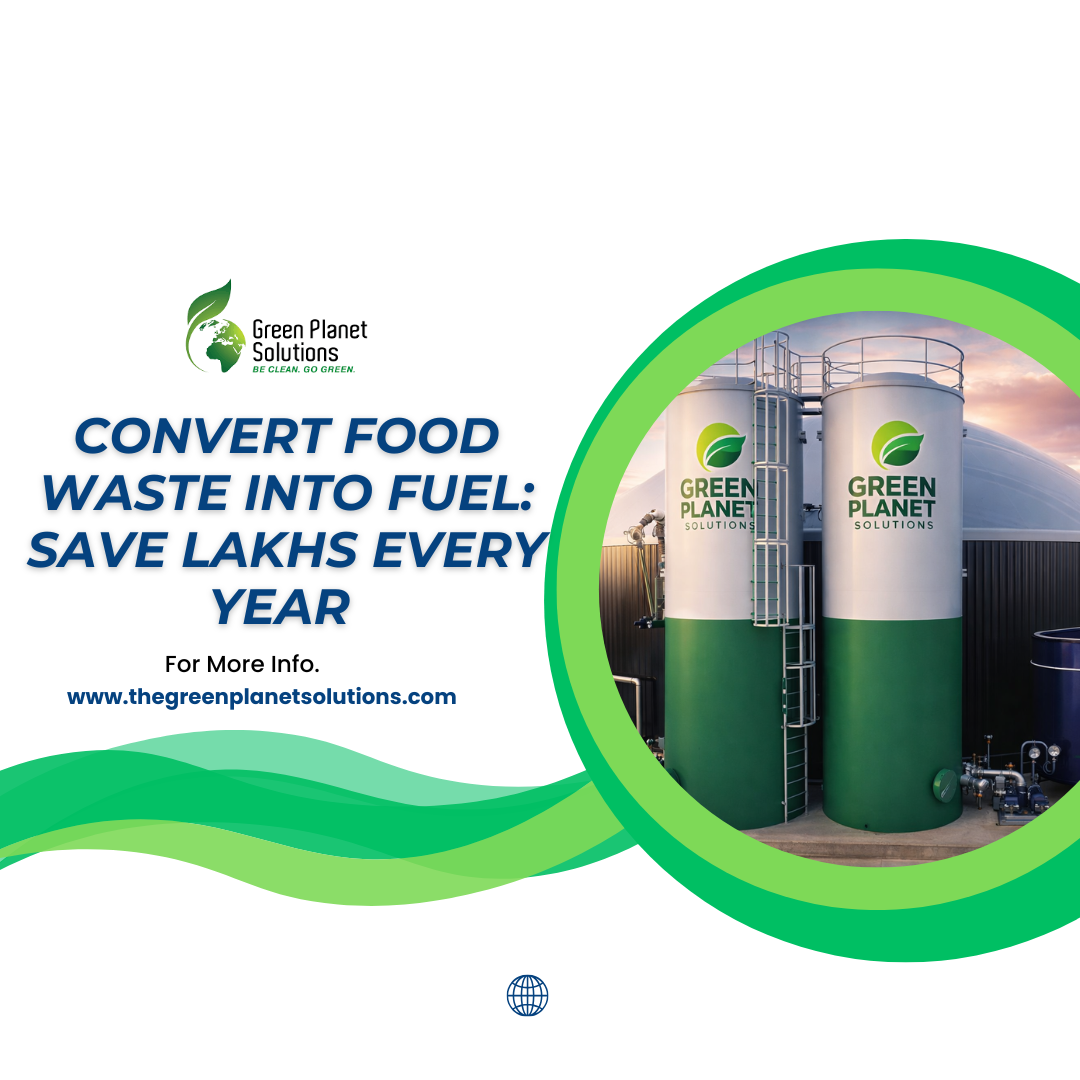
  • Convert Food Waste into Fuel: Save Lakhs Every Year

    Convert Food Waste into Fuel: Save Lakhs Every Year

    Turn Daily Waste into a Profitable Energy Source

    In today’s commercial world, businesses like hotels, restaurants, hostels, and food processing units generate a large amount of food waste every day. Most of this waste is either dumped or sent for disposal, leading to increased costs and environmental damage. However, with the help of commercial biogas technology, this waste can be converted into a valuable energy source. Instead of treating waste as a burden, businesses can now Fuel transform it into an opportunity for savings and sustainability.


    How Biogas Plants Transform Waste into Fuel

    A commercial biogas plant uses an anaerobic digestion process where organic waste is broken down in the absence of oxygen. This process produces biogas, which can be used as a direct replacement for LPG in cooking or heating. The system is simple, efficient, and operates continuously as long as waste is supplied. This means businesses can generate their own fuel daily, reducing dependency on external energy sources.


    Reduce Fuel Costs and Increase Savings

    One of the biggest advantages of installing a biogas plant is the reduction in fuel expenses. Businesses that rely heavily on LPG or other fuels can significantly cut down their monthly costs. Over time, these savings add up, allowing companies to recover their investment and start generating profit. Many businesses report saving lakhs annually after switching to biogas systems.


    Eliminate Waste Disposal Expenses Of Fuel

    Food waste disposal is a hidden cost that many businesses overlook. From collection to transportation, it requires both time and money. A biogas plant eliminates this problem by processing waste on-site. This not only reduces operational costs but also ensures compliance with waste management regulations, making the business more efficient and responsible.


    Generate Additional Income from Organic Fertilizer

    Along with biogas, the plant produces a nutrient-rich slurry that can be used as organic fertilizer. Businesses can use it for landscaping or agriculture, or even sell it as an additional revenue stream. This creates a circular system where waste is converted into both energy and valuable by-products.


    Government Support and Faster ROI

    The Indian government is actively promoting waste-to-energy solutions through subsidies and schemes. Businesses investing in biogas plants can benefit from financial support, reducing the initial setup cost. This leads to a faster return on investment and makes the technology more accessible for small and medium enterprises.


    Build a Sustainable and Responsible Brand

    Adopting biogas technology not only improves financial performance but also strengthens a company’s brand image. Customers today prefer businesses that care about the environment. By reducing carbon emissions and promoting sustainability, companies can enhance their reputation and align with ESG goals.


    Conclusion: A Smart Investment for the Future

    Converting food waste into fuel is no longer just an environmental initiative—it is a strategic business decision. With reduced costs, additional income opportunities, and long-term sustainability benefits, commercial biogas plants offer a complete solution. Businesses that take this step today are not only saving lakhs every year but also leading the way toward a greener and more profitable future.

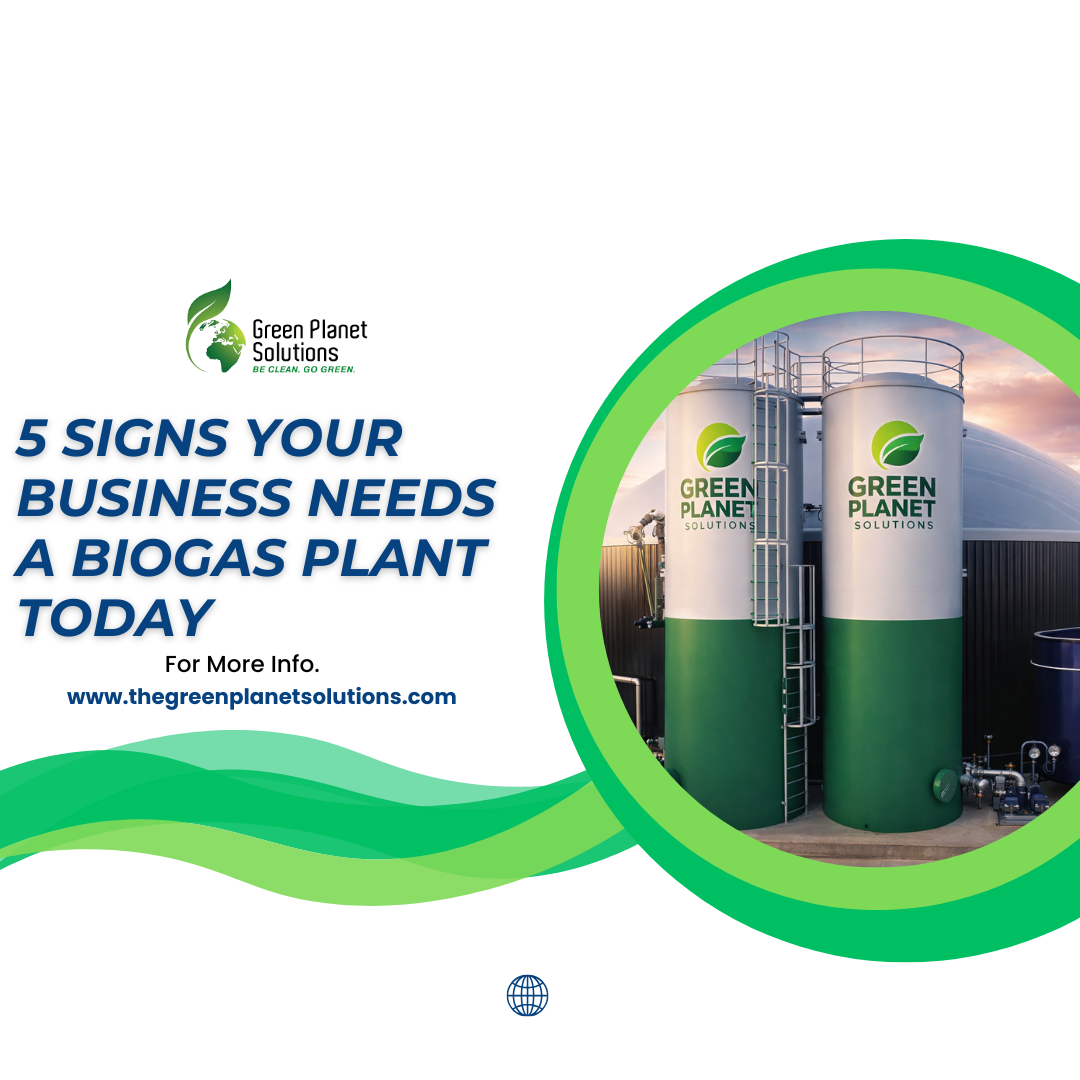
  • 🌱 5 Signs Your Business Needs a Biogas Plant Today

    🌱 5 Signs Your Business Needs a Biogas Plant Today

    ♻️ Turn Waste Into Opportunity, Not Expense Using biogas plant

    In today’s business environment, managing waste and reducing operational costs are major challenges. Many businesses generate large amounts of organic waste daily but fail to utilize it effectively. A commercial biogas plant offers a smart solution by converting waste into energy and fertilizer. If you’re unsure whether your business needs one, here are five clear signs to consider.


    🚨 1. Your Business Generates Large Amounts of Organic Waste

    If your business produces food waste, kitchen waste, or agricultural residue regularly, you are handling a valuable resource. Instead of spending money on disposal, a biogas plant helps convert this waste into useful energy and organic fertilizer, turning a problem into profit.


    💸 2. High Fuel Costs Are Increasing Your Expenses Using biogas plant

    Businesses like hotels, restaurants, and canteens often spend heavily on LPG or other fuels. With rising fuel prices, operational costs continue to grow. A biogas plant can significantly reduce these expenses by providing a consistent and renewable fuel source generated from your own waste.


    🌍 3. You Want to Build a Sustainable Brand Image

    Sustainability is becoming a key factor for customers when choosing businesses. Companies that adopt eco-friendly practices stand out in the market. Installing a biogas plant helps reduce carbon emissions, supports zero-waste goals, and strengthens your brand’s image as an environmentally responsible business.


    🏢 4. You Are Facing Waste Management Issues

    Improper waste management can lead to bad odor, hygiene issues, and complaints from nearby areas. It can also attract penalties from authorities. A modern biogas plant provides a clean, odor-free, and efficient solution to manage waste directly at the source.


    📈 5. You Want Long-Term Cost Savings and ROI Using biogas plant

    A plant is a one-time investment that delivers long-term benefits. It reduces waste disposal costs, lowers fuel expenses, and produces organic fertilizer that can be reused or sold. Most businesses recover their investment within a few years, making it a financially smart decision.


    🔥 Conclusion

    If your business is dealing with high waste generation, rising fuel costs, or sustainability challenges, a biogas plant is the right solution. It not only helps in saving money but also contributes to a cleaner environment and stronger brand positioning. Adopting biogas today means investing in a smarter and more sustainable future.

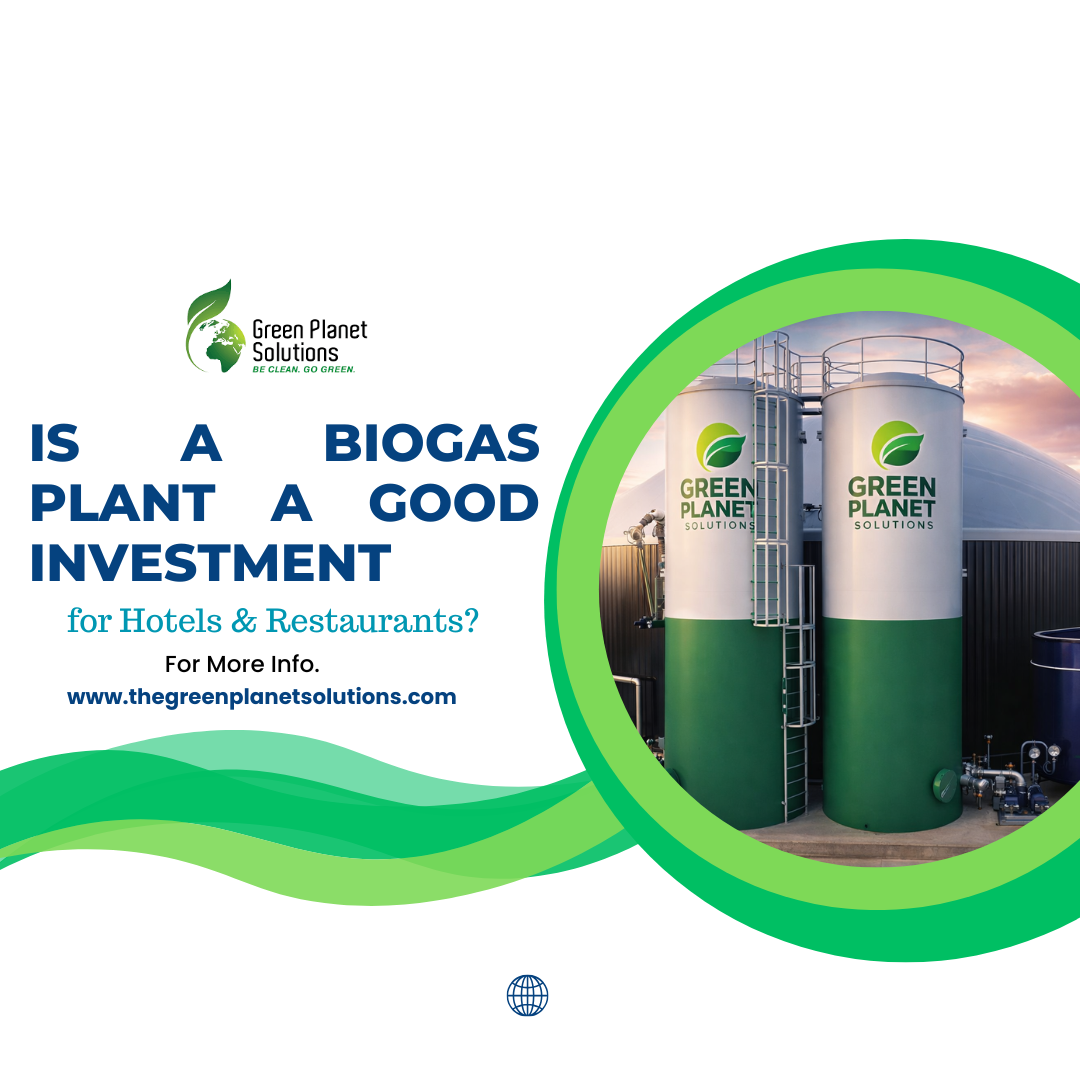
  • 🌱 Is a Biogas Plant a Good Investment for Hotels & Restaurants?

    🌱 Is a Biogas Plant a Good Investment for Hotels & Restaurants?

    💡 Turning Food Waste into Profit & Sustainability

    Hotels and restaurants generate a significant amount of food waste every day, which often leads to high disposal costs and environmental concerns. In today’s competitive and eco-conscious market, businesses are actively searching for solutions that not only reduce expenses but also improve sustainability. A commercial biogas plant offers exactly that—by converting organic waste into useful energy. But is it truly a smart investment? Let’s explore.


    💰 Reduce Operational Costs & Increase Savings Using biogas plant

    One of the biggest advantages of installing a biogas plant is the reduction in daily operational costs. Hotels and restaurants spend heavily on waste disposal and LPG cylinders. With a biogas system, organic waste is converted into fuel, significantly reducing dependency on LPG and eliminating disposal expenses. Over time, this leads to substantial monthly savings, making it a financially smart decision.


    🔄 Convert Waste into a Valuable Energy Resource Using biogas plant

    Instead of treating food waste as a burden, a biogas plant transforms it into a valuable asset. The gas produced can be used for cooking, ensuring a consistent and cost-effective energy source. This is especially beneficial for commercial kitchens that operate on a large scale, helping them become more self-reliant and efficient.


    🌍 Build a Strong Sustainable Brand Image

    Today’s customers prefer brands that care about the environment. By installing a biogas plant, hotels and restaurants can position themselves as eco-friendly businesses. It reduces carbon emissions, supports sustainable practices, and enhances brand reputation. This not only attracts environmentally conscious customers but also strengthens trust and loyalty.


    📈 Strong Return on Investment (ROI)

    Although the initial setup cost of a biogas plant may seem high, the long-term returns make it worthwhile. Most commercial biogas plants offer a return on investment within 1.5 to 3 years. After that, the savings continue for years, making it a long-term asset rather than just an expense.


    🏛️ Stay Compliant with Waste Management Regulations

    With increasing government regulations around waste management, businesses need to adopt responsible practices. A biogas plant helps hotels and restaurants comply with these rules, avoid penalties, and even benefit from available subsidies or incentives. It ensures that the business stays future-ready and aligned with sustainability goals.


    ⚙️ Easy to Operate & Maintain biogas plant

    Modern plants are designed to be user-friendly and efficient. They require minimal manual effort and can be operated with basic training. With proper maintenance and support, the system runs smoothly and reliably, making it a practical solution for busy commercial kitchens.


    🚀 Final Thought: A Smart Investment for the Future

    A biogas plant is not just a waste management solution—it’s a strategic investment. It helps hotels and restaurants reduce costs, generate energy, and build a sustainable brand image. In a world moving towards greener solutions, adopting biogas technology is not just beneficial—it’s essential.

    👉 Turn your waste into energy, and your expenses into savings.

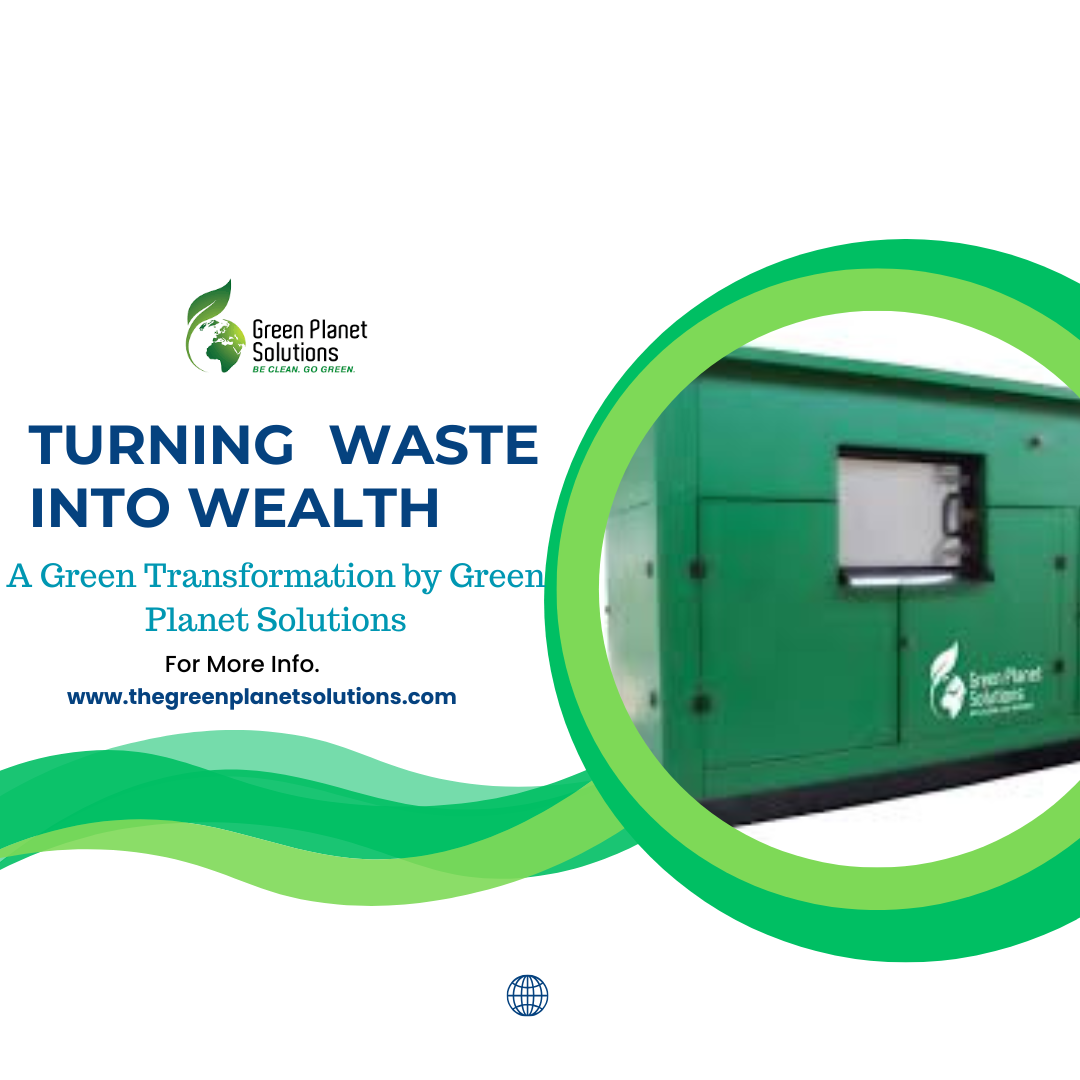
  • Turning Waste into Wealth: A Green Transformation by Green Planet Solutions

    Turning Waste into Wealth: A Green Transformation by Green Planet Solutions


    Introduction

    Waste management has become a major challenge for urban societies and businesses in India. Increasing population, daily waste generation, and limited disposal systems have created serious environmental and hygiene issues. This success story highlights how Green Planet Solutions transformed a waste problem into a sustainable and profitable solution.


    The Problem: Rising Waste Crisis

    A residential society was facing continuous issues due to unmanaged wet waste.

    Key Challenges:

    • Daily generation of 150–200 kg wet waste
    • Overflowing garbage bins
    • Foul smell and pest infestation
    • High dependency on municipal collection
    • Increasing complaints from residents

    Despite regular waste collection, the situation kept getting worse, affecting both hygiene and living standards.


    The Need for a Sustainable Solution by Green Planet Solutions

    The society realized that traditional waste disposal methods were not enough.

    They needed a solution that could:

    • Manage waste at the source
    • Reduce environmental impact
    • Comply with government regulations
    • Lower long-term costs
    • Provide a permanent and scalable system

    This is when Green Planet Solutions stepped in with a smart and efficient approach.


    The Solution: Composting Machine Installation by Green Planet Solutions

    After analyzing the waste generation pattern, Green Planet Solutions recommended installing an Organic Waste Converter (composting machine).

    Implementation Details: Green Planet Solutions

    • Fully automatic composting machine
    • Capacity of 200 kg per day
    • Installed within society premises
    • Easy to operate with minimal manpower

    Working Process:

    1. Daily collection of wet waste
    2. Feeding waste into the machine
    3. Processing using heat and microorganisms
    4. Conversion into semi-compost within 24 hours
    5. Final compost ready in a few days

    The Transformation: Waste to Value

    Within a short period, the society experienced a remarkable transformation.

    Key Outcomes:

    • 90% reduction in waste sent to landfill
    • Elimination of foul smell and pests
    • Cleaner and more hygienic environment
    • Reduced waste management costs
    • Production of organic compost

    Use of Compost:

    • Gardening and landscaping
    • Sale for additional income
    • Promoting sustainable living within the community

    Measurable Impact

    The results were not just visible but also measurable.

    Before vs After:

    • Waste problem: High → Controlled
    • Odour: Severe → Eliminated
    • Costs: Increasing → Reduced
    • Environmental impact: Negative → Positive

    Why Green Planet Solutions Stands Out

    Green Planet Solutions provided more than just a product—they delivered a complete waste management system.

    Their Approach Included:

    • Detailed site analysis
    • Customized solution design
    • Professional installation
    • Training and support
    • Regular maintenance guidance

    This ensured smooth implementation and long-term success.


    Conclusion: Turning Waste into Opportunity

    This success story proves that waste is not a problem—it is an opportunity when managed correctly. By adopting composting technology, societies and businesses can reduce costs, improve hygiene, and contribute to a greener environment.

    Final Takeaway:

    • Waste can be reduced at the source
    • Sustainable solutions are cost-effective
    • Composting is the future of waste management
  • How STP Helps Solve Urban Water Crisis in India

    How STP Helps Solve Urban Water Crisis in India

    India is facing a serious urban water crisis. Rapid urbanization, population growth, and excessive dependence on groundwater have created a situation where cities struggle to meet daily water demands. In many areas, people rely heavily on water tankers, leading to rising costs and uncertainty. This is where Sewage Treatment Plants (STPs) play a crucial role in transforming the future of water management.


    Understanding the Urban Water Crisis

    Urban cities generate massive amounts of wastewater every day, but unfortunately, a large portion of it goes untreated. At the same time, fresh water sources are depleting. This imbalance is one of the biggest reasons behind water scarcity in India. Instead of letting wastewater go to waste, treating and reusing it can significantly reduce the pressure on natural resources.


    How STP Provides a Sustainable Solution

    1. Water Recycling & Reuse

    STPs treat wastewater and make it reusable for purposes like gardening, flushing, and cleaning. This reduces the need for fresh water and helps conserve valuable resources.

    2. Reduces Dependency on Tankers

    Residential societies and commercial buildings that install STPs can reuse treated water internally, minimizing their reliance on expensive water tankers.

    3. Protects Groundwater Resources

    By reusing treated water, STPs reduce the excessive extraction of groundwater, helping maintain ecological balance.

    4. Supports Smart City Development

    Modern urban planning focuses on sustainability. STPs play a key role in building smart and eco-friendly cities by ensuring efficient water management.

    5. Environmental Protection

    Untreated sewage can harm rivers and ecosystems. STPs prevent pollution by treating wastewater before releasing or reusing it.


    Why STP is the Future of Urban Water Crisis

    With increasing water scarcity, governments and environmental bodies are encouraging the installation of sewage treatment systems in residential and commercial spaces. In many cities, it is becoming mandatory for large societies to have an STP installed. This shift highlights how essential wastewater treatment is for a sustainable future.


    How Green Planet Solution Can Help

    At Green Planet Solution, we understand the growing challenges of water scarcity in urban areas. Our advanced and cost-effective Sewage Treatment Plant solutions are designed to help residential societies, commercial properties, and industries efficiently manage wastewater.

    We focus on:

    • Customized STP solutions based on your needs
    • Advanced technology for maximum efficiency
    • Cost-saving and eco-friendly systems
    • Reliable support and maintenance services

    By choosing Green Planet Solution, you are not just installing an STP—you are contributing to a sustainable and water-secure future.


    Conclusion

    The urban water crisis in India is a growing concern, but solutions like STPs offer a practical and sustainable way forward. By treating and reusing wastewater, we can reduce dependency on fresh water, cut costs, and protect the environment. Investing in an STP today is not just a smart decision—it is a necessary step toward securing tomorrow’s water needs.

  • Facing Water Shortage? How STP Can Be Your Long-Term Solution

    Facing Water Shortage? How STP Can Be Your Long-Term Solution

    Introduction

    Water Shortage has become one of the biggest challenges in urban areas today. With increasing population, rapid urbanization, and unpredictable climate conditions, the demand for water is rising while the supply is shrinking. Residential societies and commercial buildings are heavily dependent on tankers and municipal water, which is not only expensive but also unreliable. To overcome this challenge, adopting sustainable solutions like Sewage Treatment Plants (STPs) is becoming essential.


    The Problem of Water Shortage

    Many cities are facing severe water shortages due to declining groundwater levels and irregular rainfall. People often struggle with limited water supply, leading to inconvenience in daily life. Additionally, the rising cost of tanker water puts financial pressure on housing societies. If this continues, water scarcity will become even more critical in the coming years.


    What is an STP?

    A Sewage Treatment Plant (STP) is a system designed to treat wastewater generated from households and buildings. It collects water from bathrooms, kitchens, and toilets, treats it using advanced processes, and makes it reusable for non-drinking purposes. This helps in reducing water wastage and promotes efficient water management.


    How STP Acts as a Long-Term Solution

    STPs provide a sustainable way to tackle water shortages by recycling wastewater and reducing dependency on external water sources. Treated water can be reused for activities like gardening, toilet flushing, and cleaning. This significantly reduces the demand for fresh water and ensures a continuous water supply within the society.


    Cost and Environmental Benefits

    Installing an STP not only saves water but also reduces expenses in the long run. Societies can cut down tanker costs and lower their monthly water bills. Moreover, STPs help in reducing environmental pollution by treating sewage before it is released, contributing to a cleaner and greener environment.


    Future Importance of STPs

    With growing awareness and stricter government regulations, STPs are becoming a necessity rather than an option. Builders and developers are now focusing on sustainable infrastructure, and having an STP increases the value and credibility of a property. It ensures long-term water security and aligns with eco-friendly living practices.


    Conclusion

    Water shortage is a serious issue, but it can be effectively managed with the right approach. A Sewage Treatment Plant offers a practical and long-term solution by converting wastewater into a reusable resource. Investing in an STP today not only solves current water problems but also secures a sustainable future for the next generation.

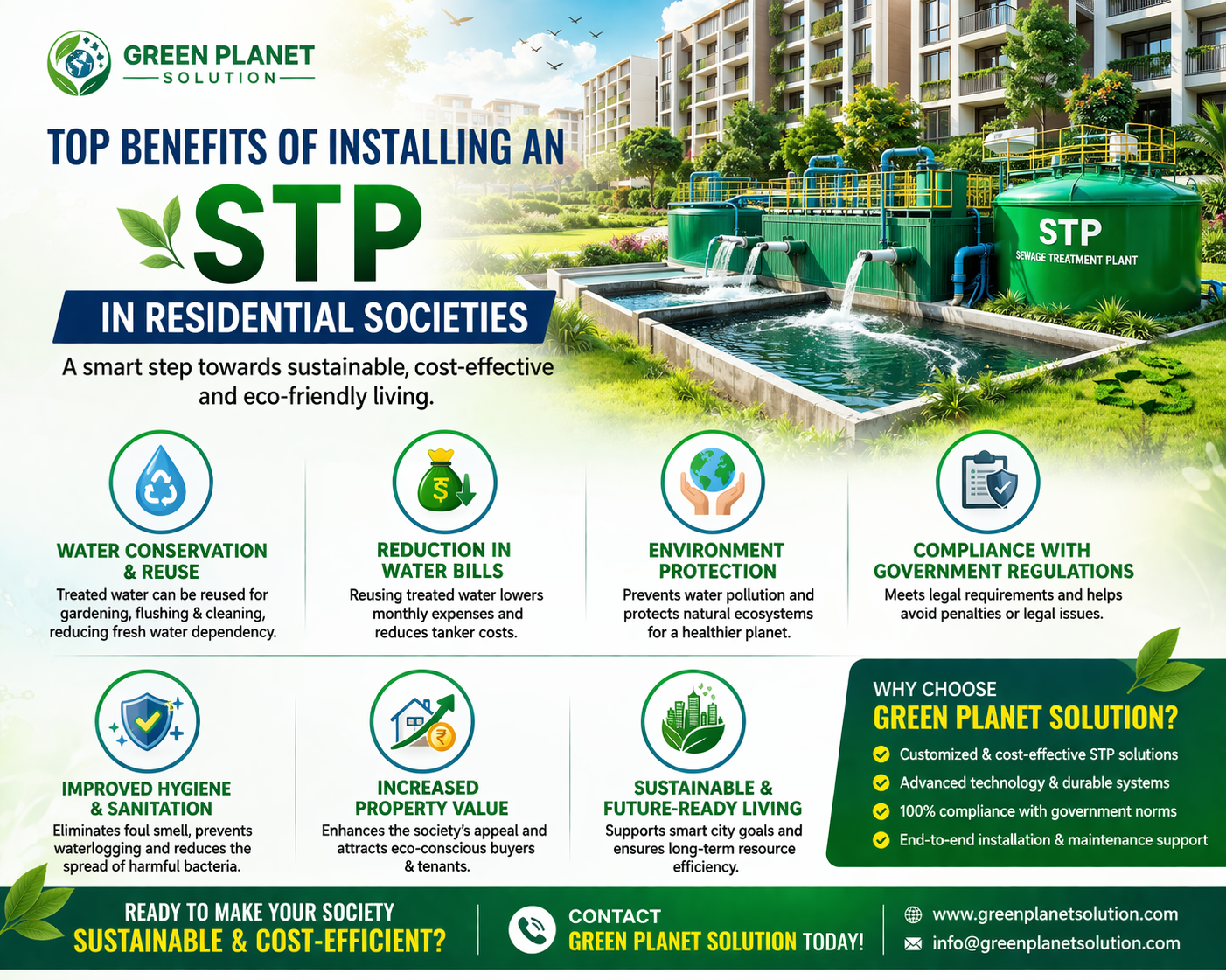
  • 🌱 Top benefits of installing a Sewage Treatment Plant in societies

    🌱 Top benefits of installing a Sewage Treatment Plant in societies

    Water is life. And yet millions of litres of it go down the drain every single day in residential societies across India. Sewage Treatment Plants are changing that story. If your housing society hasn’t installed one yet here’s why it should be at the top of your agenda with Sewage Treatment Plants.

    A Sewage Treatment Plant treats wastewater so it can be safely reused. For gardening, flushing and more. Reducing dependence on freshwater sources with Sewage Treatment Plants.

    1. 💧 Water savings

    Treated water from a Sewage Treatment Plant can be reused for landscaping, car washing toilet flushing and even fire-fighting systems. A typical residential society can recycle up to 60–70% of its water consumption with Sewage Treatment Plants drastically reducing its freshwater demand and monthly utility bills.

    2. 📋 Compliance with government regulations

    In India the Central Pollution Control Board and state bodies mandate Sewage Treatment Plants for housing societies above a size. Installing one keeps your society compliant avoids penalties and positions it as a responsible community with Sewage Treatment Plants.

    3. 🌿 Reduced pollution

    Untreated sewage discharged into rivers, lakes or the ground contaminates drinking water sources and harms local ecosystems. A Sewage Treatment Plant ensures that wastewater is treated before release significantly reducing soil and water pollution in your neighbourhood with Sewage Treatment Plants.

    4. 💰 Long-term cost savings for residents

    Though the initial investment may seem high Sewage Treatment Plants pay for themselves over time. Lower municipal water bills, reduced dependence on water tankers and potential income from selling treated water to industries all contribute to significant long-term savings for every resident with Sewage Treatment Plants.

    5. 🏡 Better hygiene and a society

    Proper sewage treatment eliminates foul odours reduces the risk of disease outbreaks and keeps common areas clean. A society with a Sewage Treatment Plant is a place to live. A fact that directly impacts resident satisfaction and property values with Sewage Treatment Plants.

    6. 📈 Increased property value

    Modern homebuyers and investors are increasingly eco-conscious. A society equipped with a Sewage Treatment Plant signals infrastructure management. And that translates into higher resale and rental values for every flat in the complex with Sewage Treatment Plants.

    7. ♻️ Supporting a circular water economy

    India faces a water scarcity challenge. By treating and reusing wastewater locally residential societies become participants in building a circular water economy. Reducing the burden on municipal water supply systems and contributing to a more sustainable future for all with Sewage Treatment Plants.

    🌍

    Green Planet Solution

    Your partner in infrastructure

    At Green Planet Solution we help residential societies, corporates and institutions design, install and maintain high-performance Sewage Treatment Plants tailored to their specific needs. From assessment and regulatory compliance to after-sales support. We take care of it all so you can focus on building a greener community with Sewage Treatment Plants.

    Ready to make your society more sustainable, with Sewage Treatment Plants? Lets talk.