Category: Compost Machines

  • Innovative Recycling Technologies Changing the Industry

    In an age where sustainability is no longer a choice but a necessity, the recycling industry is undergoing a remarkable transformation. Driven by cutting-edge technologies, companies, governments, and innovators are rethinking how we handle waste—from plastics and electronics to construction debris and food scraps. These innovative recycling technologies are not only making the process more efficient but also more sustainable, helping to close the loop in the circular economy.


    ♻️ 1. AI & Robotics in Waste Sorting

    Traditional recycling requires manual sorting of materials, which is labor-intensive and often inaccurate. Enter AI-powered robots and smart conveyor belts. These machines use computer vision and machine learning algorithms to identify and sort materials with incredible precision—sorting plastics by polymer type or detecting contaminated items.

    Example: AMP Robotics has developed a system that can sort over 80 items per minute, significantly improving speed and accuracy in recycling facilities.


    ⚡ 2. Chemical Recycling

    Chemical recycling breaks down plastic waste into its basic chemical components, which can then be reused to create new, high-quality plastics. Unlike mechanical recycling, which degrades material quality over time, chemical recycling closes the loop without compromising performance.

    Impact: This can revolutionize how we recycle difficult plastics like multi-layer packaging or mixed materials.


    🌡️ 3. Pyrolysis & Gasification

    These thermal technologies convert waste—especially plastics and organic matter—into usable fuels or energy. Pyrolysis involves heating waste in the absence of oxygen, while gasification uses a controlled amount of oxygen to convert waste into syngas, a clean energy source.

    Green Benefit: Reduces landfill use and creates an alternative energy source.


    🧪 4. Enzyme-Based Recycling

    Researchers have developed plastic-eating enzymes that break down PET (polyethylene terephthalate) into its original monomers. These can then be reassembled into new plastic with virgin-like quality.

    Real World Innovation: Companies like Carbios in France are already working to scale this technology for commercial use.


    🔄 5. Blockchain for Waste Tracking

    Transparency is a major challenge in recycling. Blockchain technology can be used to track waste from the point of origin to the final recycling destination, ensuring compliance and reducing fraud in carbon offsetting and recycling credits.

    Corporate Use: Businesses can use this data to demonstrate environmental responsibility and earn sustainability certifications.


    🏗️ 6. 3D Printing with Recycled Materials

    3D printing, once seen as a tool for hobbyists, is now leveraging recycled plastics, glass, and even metal waste to create everything from furniture to building materials.

    Fun Fact: Some companies are using ocean plastic waste to 3D print sustainable consumer products like eyewear and shoes.


    At Green Planet Solutions, we’re passionate about promoting sustainable practices and advancing innovative recycling solutions. Whether you’re a business, policymaker, student, or environmental enthusiast—you can be a catalyst for change.

    👉 Here’s how you can get involved:

    • Support legislation and initiatives promoting advanced recycling technologies.
    • Partner with companies investing in sustainable tech.
    • Educate your community about next-gen recycling.
    • Follow and share innovations to inspire others.

    Together, we can close the loop and build a cleaner, greener planet.How AI is transforming recycling

    Top recycling technologies in 2025

    What is chemical recycling and how does it work?

    Benefits of smart waste sorting

    New technology for recycling hard-to-recycle plastics

    How enzyme-based recycling breaks down plastic

    Using blockchain to trace recyclable waste

    Examples of innovative recycling companies

    Future tech for sustainable waste solutions

    Green tech innovations changing the world


    🔗 Connect with Green Planet Solutions

    Follow us to stay updated on sustainable tech, zero-waste hacks, and real-world impact stories:


    Ready to join the green tech movement?
    💬 Share your thoughts below or tag us with #GreenPlanetInnovates

  • How Improper Waste Management Contributes to Climate Change

    By Green Planet Solutions, Pune

    🌱 Introduction

    At Green Planet Solutions Pune, we are committed to building a sustainable future one waste-free day at a time. While the spotlight often falls on fossil fuels, deforestation, and industrial emissions in climate discussions, there’s a hidden contributor we cannot ignore: improper waste management. The way we handle waste has a direct impact on greenhouse gas emissions and, ultimately, our planet’s future.


    🔥 Landfills & Methane: The Invisible Danger

    When biodegradable waste like food and garden scraps are dumped in landfills, they decompose without oxygen. This anaerobic breakdown releases methane (CH₄) — a greenhouse gas over 25 times more potent than CO₂ over 100 years.


    🔥 Open Burning: The Silent Killer

    In many parts of India and around the world, trash is still openly burned. This releases:

    • Black carbon (soot) – 1,500x more heat-trapping than CO₂
    • Toxic pollutants – such as dioxins and furans
    • Particulate matter – harmful to lungs and the climate

    ♻️ Plastic Waste: A Slow-Burning Crisis

    Plastics, when dumped or burned, contribute to climate change in multiple ways:

    • Burning plastic = toxic CO₂ + POPs
    • Breaking down under sunlight = release of methane and ethylene
    • Lost recycling opportunity = more emissions from virgin plastic production

    ♻️ The Missed Opportunity in Recycling

    Recyclable waste like paper, plastic, and metals are often mixed and dumped, losing their energy-saving potential:

    • Recycling aluminum saves 95% of the energy required to make it from raw materials
    • Recycling plastic saves 66% energy

    🌳 Ecosystem Disruption and Forest Dumping

    Illegal dumping in forests or rivers destroys natural carbon sinks and contributes to deforestation — robbing us of tools that absorb CO₂.


    🚛 Transportation Emissions

    Waste that is not segregated at source requires more collection, sorting, and longer transportation—burning more fuel and releasing more greenhouse gases.


    ✅ What Can We Do?

    👨‍👩‍👧 For Individuals:

    • Practice waste segregation at home
    • Compost your kitchen waste
    • Reduce single-use plastic
    • Choose reusable and eco-friendly products

    🏙️ For Communities:

    • Create decentralized composting projects
    • Educate and involve children and youth
    • Support green vendors and startups

    🏛️ For Policymakers:

    • Ban open burning of waste
    • Invest in waste-to-energy and composting infrastructure
    • Enforce Extended Producer Responsibility (EPR) for packaging

    🌿 Conclusion: Climate Starts at the Bin

    Improper waste management is a climate change accelerator. At Green Planet Solutions Pune, we believe a cleaner environment starts with informed action. Every piece of plastic recycled, every kilo of food waste composted, and every citizen educated brings us closer to a cooler, greener planet.


    📢 Call to Action

    Join the movement today!

    ✅ Start composting at home
    ✅ Book a recycling consultation with us
    ✅ Host a workshop in your society or school

    🌐 Visit us at: www.greenplanetsolutionspune.com
    📧 Email us: contact@greenplanetsolutionspune.com
    📞 Call us: +91-XXXX-XXX-XXX


    📲 Follow Us on Social Media

    Stay updated with tips, videos, and events from Green Planet Solutions:

    • 🌐 Facebook https://www.facebook.com/p/Green-Planet-Solutions-100063535827041/
    • 📸 Instagram https://www.instagram.com/greenplanetolutions2013
    • How waste management affects climate change
    • Impact of improper waste disposal on global warming
    • Methane emissions from landfills
    • Climate change and plastic pollution
    • Open burning and greenhouse gas emissions
    • Waste-to-energy vs landfilling
    • Waste segregation and climate impact
    • Role of recycling in climate action
    • Composting to reduce climate change
    • Sustainable waste management in Pune

  • The Economics of Waste: How Efficient Management Saves Money

    In today’s economy, waste isn’t just an environmental concern — it’s a business cost. While many organizations focus on energy and labor efficiencies, waste management is often an overlooked area where significant savings can be made. Whether you’re a small business, a manufacturer, or a municipality, understanding the economics of waste can lead to both cost reductions and new revenue opportunities.

    In this blog, we’ll explore how efficient waste management can save money and even boost your bottom line.


    💸 1. Lower Disposal and Hauling Costs

    When you reduce the amount of waste you generate, you reduce the volume and frequency of waste pickups, which can cut your disposal bills dramatically.

    Example:

    • A restaurant that separates food waste for composting may reduce general waste volume by 30–50%, resulting in fewer trash pickups and lower fees.

    Tip: Conduct a waste audit to identify what you’re throwing away and how much of it is recyclable or compostable.

    The bulldozer will clean the waste dump. Waste processing plant. Business for sorting and processing of waste. Technological process.

    ♻️ 2. Revenue from Recyclables

    Many materials you currently pay to dispose of—like cardboard, metals, or even electronics—may actually be valuable recyclables.

    Example:

    • Businesses that bale and sell their cardboard to local recyclers can turn waste into a revenue stream instead of a cost.

    Tip: Partner with a certified recycling facility or broker to get fair market value for your recyclables.


    🏭 3. Increased Operational Efficiency

    Inefficient waste processes—such as overflowing bins, redundant hauling, or mixed waste streams—can lead to higher labor, storage, and cleaning costs.

    Example:

    • A manufacturing facility that organizes waste at the source reduces cleanup time and improves workflow.

    Tip: Implement clearly labeled bins at waste generation points to reduce sorting costs and contamination.

    Tipping recycling into a storage shed from a refuse collection lorry. Taken with a slowish shutter speed so some of the recycling has motion blur.

    🏛️ 4. Avoiding Fines and Compliance Costs

    Improper waste disposal—especially of hazardous materials, e-waste, or food scraps—can result in regulatory fines and legal consequences.

    Example:

    • Non-compliance with local landfill bans (like those on electronic waste or organics) can lead to fines up to thousands of dollars per incident.

    Tip: Stay informed about local waste disposal regulations and train staff regularly.


    📊 5. Reduced Purchasing Costs (Through Waste Prevention)

    The most cost-effective waste is the waste you never create. Reducing packaging, avoiding over-ordering, and repurposing materials all cut costs at the purchasing level.

    Example:

    • Offices that shift to digital documents reduce not only paper waste but also costs for ink, storage, and shredding.

    Tip: Track your purchasing data to identify overused items that generate excess waste.


    🌍 6. Enhanced Brand Image and Competitive Advantage

    Consumers and B2B clients alike prefer brands that demonstrate environmental responsibility. Efficient waste management can give you an edge in marketing, CSR (corporate social responsibility) reporting, and bid proposals.

    Example:

    • A business with zero-waste certification can attract eco-conscious customers and even secure government contracts.

    Tip: Publicize your waste reduction achievements on your website, social media, and product packaging.


    🔧 7. Waste-to-Energy Opportunities

    In some sectors, especially agriculture and food production, waste can become a resource — powering biogas plants or thermal energy systems.

    Example:

    • A dairy farm that turns manure into biogas can cut energy costs while also reducing methane emissions.

    Tip: Explore partnerships with local energy recovery facilities if your waste stream contains organic or combustible material.


    📈 Conclusion: Waste Less, Save More

    Efficient waste management isn’t just about being green — it’s about being smart. With the right strategies in place, businesses and organizations can cut costs, unlock new income sources, and improve overall efficiency. Whether you’re just starting your sustainability journey or optimizing an existing program, smart waste practices are good for your wallet — and the planet.


    Want Help Cutting Waste Costs?

    At Green Planet Solutions, we help businesses, schools, and municipalities implement smarter waste strategies that save money and reduce environmental impact. Contact us today for a free waste audit or customized waste reduction plan.

    Follow us on Below channels :

    https://www.thegreenplanetsolutions.com

    https://www.indiamart.com/greenplanetsolution/about-us.html

    https://in.linkedin.com/company/green-planet-solutions

    https://www.facebook.com/p/Green-Planet-Solutions-100063535827041

    https://www.instagram.com/greenplanetsolutionscomp

  • Composting 101: Turning Kitchen Waste into Garden Gold

    Composting

    In a world that’s increasingly conscious of sustainability, composting is one of the simplest and most impactful ways to reduce waste and nourish the planet. If you’ve ever wondered what to do with those vegetable peels, coffee grounds, and eggshells, composting is your answer.

    In this guide, we’ll break down everything you need to know to get started with composting—whether you have a backyard, a balcony, or just a kitchen corner.

    Why Compost?

    1. Reduce Landfill Waste
    Food scraps and yard waste make up about 30% of what we throw away. Composting keeps this material out of landfills where it would otherwise produce harmful methane gas.

    2. Enrich Your Soil
    Compost adds valuable nutrients and microorganisms to the soil, helping plants grow healthier and more resilient.

    3. Save Money
    Cut down on garbage disposal costs and reduce the need for chemical fertilizers.

    4. Fight Climate Change
    By diverting organic waste from landfills and returning nutrients to the earth, you’re contributing to a more sustainable ecosystem.

    What Can You Compost?

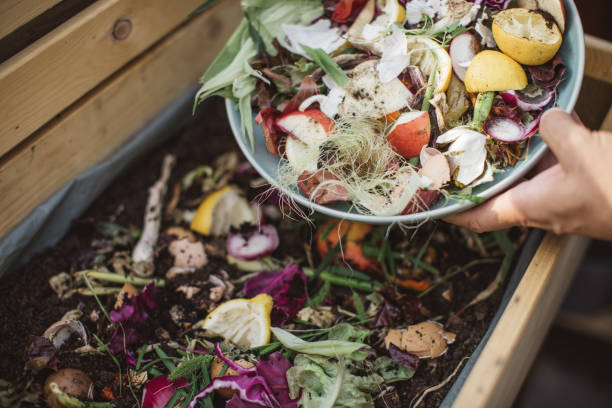
    Fruit & vegetable scraps

    Coffee grounds and filters

    Tea bags (check for plastic)

    Fresh grass clippings

    Houseplant trimmings

    Browns (Carbon-rich materials)

    Dry leaves

    Shredded newspaper or cardboard

    Paper towels and napkins

    Sawdust (from untreated wood)

    Egg cartons

    What NOT to Compost

    • Meat, bones, and dairy products
    • Oily or greasy foods
    • Pet waste
    • Diseased plants
    • Synthetic materials (plastic, metal, glass)

    How to Start Composting

    Option 1: Backyard Compost Bin

    1. Choose a spot with good drainage and partial sunlight.
    2. Build or buy a compost bin (you can use wood, plastic, or wire).
    3. Layer your materials: Start with a mix of browns and greens.
    4. Turn the pile regularly to aerate and speed up decomposition.
    5. Water as needed—your pile should be moist like a wrung-out sponge.

    Option 2: Indoor Composting

    For small spaces, consider:

    • Countertop compost bins (collect scraps to transfer outside)
    • Bokashi bins (ferments waste anaerobically)
    • Worm bins (vermicomposting using red wiggler worms)

    🔄 Composting Tips for Success

    • Keep a balance: Aim for about 2 parts browns to 1 part greens.
    • Chop larger items: Speeds up the breakdown process.
    • Avoid strong smells: A smelly pile may be too wet or nitrogen-heavy.
    • Use a kitchen caddy: Store daily scraps before adding them to the main pile.

    🧑‍🌾 When is Compost Ready?

    Finished compost is:

    • Dark brown or black
    • Crumbly and soil-like
    • Earthy-smelling
    • Free of recognizable food or yard waste

    Depending on your method and conditions, compost can take anywhere from 2 months to 12 months to fully mature.


    🌻 Using Your Compost

    Once your compost is ready, use it to:

    • Enrich garden beds and potting soil
    • Top-dress lawns and trees
    • Mix into plant containers
    • Start a new garden with healthier soil

    🌍 Final Thoughts

    Composting isn’t just for gardeners—it’s for everyone. By turning kitchen scraps into a powerful resource, you reduce waste, enrich the soil, and take a big step toward a greener future. Whether you start small or go all in, your contribution matters.


    Ready to start composting?
    Contact us – www.thegreeenpanetsolutions.com /https://www.instagram.com/greenplanetsolutionscomp/ for composting bins, local workshops, or pickup services. Let’s work together to turn waste into worth!

  • The 5 R’s of Waste Management: A Practical Guide to Sustainable Living

    In our fast-paced world, waste generation has become a pressing issue. However, by embracing the 5 R’s of Waste Management, we can significantly reduce our environmental footprint. These principles—Refuse, Reduce, Reuse, Repurpose, and Recycle—offer a structured approach to managing waste and promoting sustainability.

    Refuse: Say No to Unnecessary Waste

    The first step in waste management is to refuse items that contribute to waste. This proactive approach prevents waste before it starts.

    Examples:

    • Opt for Digital Receipts: Choose electronic receipts over paper ones to reduce paper waste.
    • Avoid Single-Use Plastics: Say no to plastic straws, cutlery, and bags by carrying reusable alternatives.
    • Reject Excess Packaging: Select products with minimal or recyclable packaging to decrease packaging waste.

    By refusing unnecessary items, we can significantly decrease the amount of waste generated.

    Reduce: Minimize Consumption and Waste

    Reducing involves cutting down on the amount of waste we produce by being mindful of our consumption patterns.

    Tips:

    • Buy in Bulk: Purchasing items in bulk reduces packaging waste and often saves money.
    • Choose Quality Over Quantity: Invest in durable products that have a longer lifespan, reducing the need for replacements.
    • Be Energy-Efficient: Turn off lights and unplug devices when not in use to conserve energy.

    Implementing these strategies helps in reducing both waste and resource consumption.

    Reuse: Give Items a Second Life

    Reusing means finding new ways to use items instead of discarding them.

    Ideas:

    • Repurpose Containers: Use glass jars as storage for spices or small items.
    • Donate Unused Items: Give away clothes, books, or furniture that you no longer need.
    • Repair Instead of Replace: Fix broken items rather than buying new ones.

    Repurpose: Transform Waste into Useful Items

    Repurposing involves creatively turning waste materials into new, functional items.

    Creative Projects:

    • Old T-Shirts into Rags: Cut up worn-out t-shirts to use as cleaning cloths.
    • Wine Bottles as Candle Holders: Transform empty wine bottles into decorative candle holders.
    • Pallets into Furniture: Use wooden pallets to create tables, shelves, or garden planters.

    Recycle: Process Waste into New Products

    Recycling is the process of converting waste materials into new products, conserving resources and reducing pollution.

    Recycling Tips:

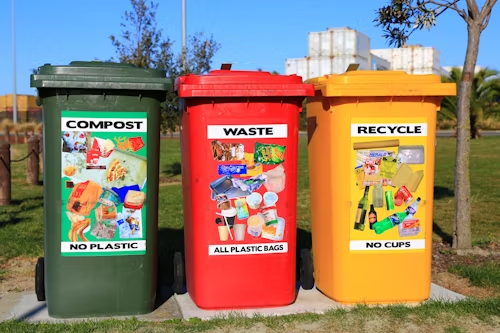
    • Separate Waste Properly: Sort recyclables like paper, plastic, and glass to ensure they are processed correctly.
    • Clean Containers: Rinse food containers before recycling to prevent contamination.
    • Check Local Guidelines: Follow your local recycling program’s rules to ensure effective recycling

    Why the 5 R’s Matter

    Adopting the 5 R’s approach leads to:

    • Resource Conservation: Reduces the need for raw materials and energy.
    • Pollution Reduction: Minimizes waste and lowers emissions.
    • Economic Savings: Saves money through reduced consumption and waste management costs.
    • Community Engagement: Encourages collective action towards a sustainable future.

    Final Thoughts

    Implementing the 5 R’s—Refuse, Reduce, Reuse, Repurpose, and Recycle—is a powerful way to contribute to environmental sustainability. By making conscious choices in our daily lives, we can collectively make a significant impact.

  • How International Policies Are Shaping the Future of Waste

    In a world where global waste generation is projected to reach 3.4 billion tons by 2050 (according to the World Bank), waste is no longer just a local issue—it’s a global crisis. From marine pollution to hazardous e-waste exports, the need for cohesive international policies has never been more urgent. But how exactly are international agreements and frameworks influencing the way countries manage, reduce, and regulate waste?

    In this blog, we explore the major international policies shaping waste management globally and their real-world impact.

    Why International Waste Policies Matter

    Waste crosses borders—whether it’s plastic waste washing up on foreign shores, illegal waste dumping, or e-waste exported to developing nations. Coordinated international action helps to:

    • Prevent environmental dumping in poorer countries.
    • Promote fair and sustainable practices across the supply chain.
    • Encourage innovation in recycling and waste processing technologies.
    • Hold multinational corporations accountable.

    Key International Agreements and Their Impact

    Purpose: To control the transboundary movement of hazardous wastes and their disposal.

    Impact:

    • Prohibits the export of hazardous waste from developed to less developed countries without consent.
    • In 2019, it was amended to include plastic waste, forcing countries to rethink global plastic exports.
    • Encouraged transparency in global waste trade and accountability among exporters.

    The Stockholm Convention (2001)

    Purpose: Eliminate or restrict the production and use of persistent organic pollutants (POPs).

    Impact:

    • Targets waste like industrial chemicals, pesticides, and flame retardants that remain toxic in the environment.
    • Encourages nations to properly treat or phase out toxic materials, directly affecting e-waste management and incineration practices.

    European Union Waste Framework Directive

    urpose: Create a circular economy by promoting waste prevention, reuse, and recycling.

    Impact:

    • Legally binds EU member states to recycling targets and landfill reduction.
    • Promotes extended producer responsibility (EPR), holding manufacturers accountable for post-consumer waste.
    • Influences non-EU nations that trade with the EU to adopt better standards.

    UN Sustainable Development Goals (SDGs) – Goal 12

    Target: Ensure sustainable consumption and production patterns, including efficient waste management.

    Impact:

    • Pushes countries to reduce waste generation via prevention, reduction, recycling, and reuse.
    • Encourages global data sharing and public-private partnerships for innovative waste solutions.

    The Global Plastic Treaty (In Progress)

    Led by: United Nations Environment Programme (UNEP)

    Purpose: Develop a legally binding treaty to end plastic pollution by 2040.

    Potential Impact:

    • Could introduce global caps on plastic production.
    • May require countries to invest in sustainable packaging and circular design.
    • Could heavily influence corporate supply chains and international trade norms.

    The Role of Trade & Industry

    Many international waste-related policies also influence:

    • Waste trade restrictions, especially in light of China’s 2018 “National Sword” policy, which banned foreign waste imports.
    • Green technology transfer between developed and developing countries.
    • Regulations around electronic waste (e-waste), which accounts for over 50 million tons globally each year.

    Challenges & Future Outlook

    Key Challenges:

    • Lack of enforcement in many regions.
    • Economic incentives for illegal dumping or recycling shortcuts.
    • Disparity in waste infrastructure between developed and developing countries.

    What’s Next?

    • Stronger public-private partnerships across borders.
    • Unified standards for plastic labeling, sorting, and recycling.
    • Greater accountability for multinational corporations via supply chain regulations.
    • Use of digital technologies (e.g., blockchain, AI) to track and optimize waste flows globally.

    Final Thoughts

    Waste is no longer a “local” problem—it’s a global systems issue. International policies like the Basel Convention, EU directives, and emerging UN treaties are paving the way for a smarter, cleaner, and fairer approach to waste.

    But these efforts will only succeed if backed by strong enforcement, industry cooperation, and citizen engagement.

  • The Impact of Composting Machines on Reducing Landfill Waste and Methane Emissions

    The Impact of Composting Machines on Reducing Landfill Waste and Methane Emissions

    The Impact of Composting Machines on Reducing Landfill Waste

    In today’s world of growing environmental concerns, managing waste effectively is not just an option—it’s a necessity. Every year, millions of tonnes of organic waste end up in landfills, producing harmful greenhouse gases such as methane. Fortunately, solutions are evolving, and one of the most impactful innovations is the Composting Machines. Companies like Green Planet Solutions are leading the way by offering sustainable waste management solutions like the organic waste composter and organic waste converter machine.

    In this blog, we explore how composting machines play a vital role in reducing landfill waste and methane emissions, and why they are becoming indispensable in industries, communities, and households worldwide.


    Why Landfill Waste is a Growing Problem

    The global waste crisis is spiraling out of control, with organic waste, such as food scraps, garden waste, and other biodegradable materials, comprising over 50% of total landfill content in many regions. When this waste is dumped in landfills, it decomposes anaerobically (without oxygen), producing methane, a greenhouse gas that is 25 times more potent than carbon dioxide over 100 years.

    Methane emissions from landfills are a significant contributor to climate change and pose health risks to nearby communities. Moreover, landfills are reaching capacity, prompting a desperate need for alternative waste management strategies.


    How Composting Machines Make a Difference

    1. Reduction in Landfill Dependency

    A food waste composting machine can divert up to 90% of organic waste away from landfills. Whether it’s used in a residential complex, hotel, school, or restaurant, composting organic waste on-site ensures that biodegradable material is processed at the source. This minimizes the need for waste transportation and reduces the burden on municipal landfills.

    2. Methane Emissions Control

    By turning organic waste into compost aerobically (with oxygen), organic waste converter machines eliminate the anaerobic conditions that produce methane. The result? A drastic cut in greenhouse gas emissions. Composting machines provide a clean, efficient, and eco-friendly way to handle organic waste while protecting the environment.

    3. Nutrient-Rich Compost Output

    Besides reducing methane, these machines create high-quality compost, often called “black gold” by farmers and gardeners. This compost can be reused to enrich soil, improving crop yields and reducing reliance on chemical fertilizers. It’s a win-win for both the planet and agricultural productivity.


    Green Planet Solutions: Driving the Composting Revolution

    At Green Planet Solutions, we specialize in providing modern, robust, and easy-to-use Composting Machines for a wide range of industries. Our goal is to offer sustainable waste management alternatives that are environmentally responsible and economically viable.

    Our Solutions Include:

    • Organic Waste Composter: Ideal for communities, schools, and office parks, this machine efficiently processes organic matter into compost within 24-48 hours.
    • Organic Waste Converter Machine: Designed for medium to large-scale operations like hotels, restaurants, and municipal bodies, this solution handles high volumes of waste while maintaining operational ease.
    • Food Waste Composting Machine: Specially engineered to handle diverse types of kitchen and food waste, this machine is perfect for restaurants, canteens, and catering services.

    Each product is developed with user-friendliness in mind—automated processes, minimal maintenance, and reliable performance make our composters a preferred choice worldwide.


    Applications Across Industries

    Composting Machines are being adopted by a wide array of sectors due to their efficiency and eco-friendly operation:

    • Hospitality: Hotels and resorts use food waste composting machines to manage leftover food and reduce their carbon footprint.
    • Educational Institutions: Schools and colleges integrate composting into sustainability curricula, educating students and reducing waste.
    • Municipalities: Local governments deploy large-scale organic waste converter machines to manage city waste and produce compost for public gardens.
    • Agriculture: Farmers benefit from nutrient-rich compost, improving soil health and crop productivity naturally.

    Environmental and Economic Benefits

    ✔️ Lower Carbon Footprint

    By reducing methane emissions, composting machines directly contribute to climate change mitigation.

    ✔️ Cost Savings

    Organizations save on waste disposal costs, fertilizer purchases, and carbon tax liabilities by generating compost in-house.

    ✔️ Compliance and Green Certifications

    Using composters helps businesses meet regulatory requirements and achieve sustainability certifications like LEED or ISO 14001.

    ✔️ Community Engagement

    Composting fosters a culture of sustainability and responsibility, encouraging communities to actively participate in waste segregation and eco-friendly practices.


    The Future of Waste Management is Composting

    The global shift toward sustainability is no longer optional—it’s a necessity. As landfills overflow and climate concerns rise, organic waste composters, composting machines, and organic waste converter machines represent practical solutions that serve both environmental and economic goals.

    At Green Planet Solutions, we believe that waste is not just trash—it’s a resource. Our advanced range of food waste composting machines is helping businesses and communities across the world turn waste into wealth while significantly reducing their environmental impact.


    Ready to Go Green?

    If you’re looking for a reliable way to manage your food and organic waste, join the composting movement with Green Planet Solutions. Whether you’re a small business or a large facility, we have the right composting machine to meet your needs.

    🌱 Contact us today to learn how we can help you reduce landfill waste, lower methane emissions, and take a big step towards a greener future.

  • Fully Automatic Composting Machine in India

    Fully Automatic Composting Machine in India

    Fully Automatic Composting Machine in India

    In recent years, the need for sustainable waste management practices has grown significantly in India. With increasing urbanization, population growth, and the mounting pressure on landfills, businesses and municipalities alike are looking for eco-friendly solutions to manage organic waste efficiently. One standout innovation is the Fully Automatic Composting Machine, a modern, hassle-free way to convert organic waste into nutrient-rich compost.

    At the forefront of this green revolution is Green Planet Solutions, a trusted name in sustainable waste management. Known for providing reliable, efficient, and advanced composting solutions, Green Planet Solutions offers state-of-the-art Fully Automatic Composting Machines tailored for Indian conditions.


    What is a Fully Automatic Composting Machine?

    A Fully Automatic Composting Machine is an advanced, self-operating system designed to process organic waste—like food scraps, garden waste, and kitchen leftovers—into compost without the need for constant human intervention. These machines are equipped with automatic sensors, shredders, heaters, and mixing systems that accelerate the natural composting process, reducing the time and effort involved in traditional composting.

    Unlike semi-automatic models, fully automatic machines handle every step—from loading and processing to compost output—automatically. This makes them ideal for use in:

    • Restaurants and hotels
    • Residential societies
    • Commercial buildings
    • Industrial canteens
    • Educational institutions
    • Municipal corporations

    Why Choose Green Planet Solutions?

    Green Planet Solutions is a leading provider of waste management machinery in India. With years of expertise in sustainable technology, the company specializes in organic waste composters, waste management systems, and recycling equipment. Their Fully Automatic Composting Machine models are designed to meet the highest quality standards and cater to both small-scale and large-scale needs.

    Key Features of Green Planet’s Fully Automatic Composting Machines

    • One-Touch Operation – Easy-to-use interface with automatic control panels
    • Rapid Processing – Converts organic waste into compost within 24 hours
    • Odour-Free – Built-in air filters and deodorizers prevent foul smells
    • Energy Efficient – Low power consumption with eco-friendly operations
    • Compact Design – Space-saving models available for urban settings
    • Durable Build – Made with corrosion-resistant stainless steel
    • Automatic Moisture Control – Maintains ideal composting conditions
    • Shredder Integration – For efficient size reduction of waste
    • Compost Collection Tray – Easy removal and storage of finished compost

    Benefits of Installing a Fully Automatic Composting Machine

    Investing in a Fully Automatic Organic Waste Converter from Green Planet Solutions brings numerous advantages:

    1. Eco-Friendly Waste Management

    It helps in reducing landfill waste, methane emissions, and groundwater contamination, promoting a cleaner and greener environment.

    2. Saves Time and Labor

    With no need for manual segregation or constant monitoring, users can focus on other tasks while the machine does the work.

    3. Produces High-Quality Compost

    The compost produced is rich in nutrients and can be used in gardens, farms, or sold as organic fertilizer.

    4. Compliance with Waste Management Rules

    In India, the Solid Waste Management Rules (2016) require bulk waste generators to manage their organic waste. Installing a composting machine ensures regulatory compliance.

    5. Reduces Waste Disposal Costs

    By reducing the volume of waste to be disposed of externally, it helps businesses save money in the long run.


    Applications Across Sectors

    Green Planet’s Fully Automatic Composting Machines in India are versatile and widely used across various sectors:

    • Hotels and Resorts – Handle food waste effectively and maintain hygiene
    • Corporate Offices – Manage pantry waste without hassle
    • Schools and Colleges – Promote eco-consciousness and sustainability education
    • Hospitals – Process biodegradable waste safely and efficiently
    • Gated Communities – Enable residents to participate in green living
    • Local Municipalities – Help cities manage household organic waste on a large scale

    Why India Needs Fully Automatic Composting Machine

    India generates over 150,000 tonnes of solid waste per day, out of which 50-60% is organic waste. A large portion of this waste ends up in landfills due to lack of proper segregation and treatment.

    Installing Fully Automatic Composting Machines in India can transform how we deal with food and garden waste. By decentralizing waste processing and encouraging composting at the source, we not only reduce environmental pollution but also contribute to a circular economy.


    Green Planet’s Commitment to Sustainability

    Green Planet Solutions is more than just a machine supplier—they are sustainability partners. The brand offers:

    • Installation and commissioning
    • On-site training
    • After-sales service and maintenance
    • Custom machine sizes and capacities based on user needs

    They also help businesses and institutions understand how to integrate composting into their day-to-day waste management strategy.


    Conclusion

    If you’re looking to take a sustainable step towards effective waste management, a Fully Automatic Composting Machine by Green Planet Solutions is your answer. With its advanced technology, eco-friendly operations, and user-friendly interface, it is the perfect solution for homes, businesses, and public institutions across India.

    Let’s move towards a zero-waste future—one compost bin at a time.

  • Waste Management in UAE: 5 Strategies for a Zero-Waste Future

    Waste Management in UAE: 5 Strategies for a Zero-Waste Future

    Waste Management in UAE: 5 Strategies for a Zero-Waste Future

    As the UAE moves towards a sustainable and circular economy, waste management has become a national priority. From advanced technologies to community-driven initiatives, the journey to a zero-waste future is powered by smart strategies and innovative tools like waste management machines and compost machines. Here are five effective strategies that are shaping the future of waste in the UAE:


    1. Embracing Smart Waste Management Machines

    The integration of waste management machines in municipalities and industries is helping streamline the segregation, collection, and processing of waste. These machines are equipped with sensors and AI to optimize routes, reduce operational costs, and enhance recycling rates. Brands like Green Planet Solutions are providing high-performance equipment that supports the UAE’s mission to reduce landfill dependency.


    2. Promoting On-Site Composting with Compost Machines

    Food waste is one of the largest contributors to landfills in the UAE. Installing compost machines in residential complexes, hotels, and commercial kitchens can significantly reduce organic waste. These machines convert food scraps into nutrient-rich compost in just 24–48 hours, promoting sustainable agriculture and reducing greenhouse gas emissions.


    3. Strengthening Recycling Infrastructure

    The UAE is investing heavily in recycling plants and material recovery facilities. From plastic and paper to metals and e-waste, a robust recycling system supported by automated baling and sorting machines ensures maximum material recovery. Businesses are also encouraged to separate waste at the source, making recycling more efficient.


    4. Implementing Public Awareness Campaigns

    A zero-waste future requires public participation. Government and private entities are collaborating to run awareness programs on waste reduction, proper segregation, and eco-friendly habits. Schools, offices, and communities are now adopting the “reduce, reuse, recycle” mindset.


    5. Encouraging Businesses to Go Green

    Corporate responsibility plays a major role in waste management. More businesses are switching to eco-conscious packaging, minimizing single-use plastics, and investing in sustainable technologies. Green Planet Solutions is at the forefront, offering industries reliable solutions like waste management machines and compost machines tailored for UAE’s environmental needs.


    Conclusion

    The UAE is setting a benchmark in sustainable living by adopting cutting-edge strategies in waste management. With support from technology providers like Green Planet Solutions, and the active involvement of the community and industries, a zero-waste future is not just a dream—it’s within reach.

  • How Restaurants & Hotels in India Can Reduce Food Waste with Wet Waste Shredders

    How Restaurants & Hotels in India Can Reduce Food Waste with Wet Waste Shredders

    Wet Waste Shredders: An Innovative Solution for Food Waste Management

    Wet waste shredders are emerging as a revolutionary solution to combat food waste effectively. These machines efficiently process organic waste, reducing its volume and preparing it for composting or bio-digestion. By integrating a waste shredder into their operations, restaurants and hotels can manage food waste efficiently, minimize landfill contributions, and comply with sustainability regulations.

    Impact of Food Waste on Restaurants and Hotels in India

    Food waste is a significant issue in India’s hospitality sector, with restaurants and hotels discarding large quantities of uneaten food daily. According to reports, nearly 40% of food produced in India goes to waste, contributing to environmental degradation and financial losses. Improper waste disposal leads to foul odors, pest infestations, and increased operational costs for businesses. Additionally, regulatory bodies are tightening waste management policies, urging establishments to adopt sustainable solutions.

    Why Do Hotels & Restaurants Need a Wet Waste Shredder?

    1. Reduces Waste Volume

    A wet waste shredder cuts down food waste size, reducing its overall volume by up to 70%. This means less space required for storage and transportation.

    2. Enhances Composting & Biogas Production

    Shredded food waste decomposes faster, making it ideal for composting or biogas generation, turning waste into a valuable resource.

    3. Compliance with Government Regulations

    India is tightening waste disposal laws. The Solid Waste Management Rules, 2016 mandate proper organic waste processing. Using a waste shredder helps businesses comply with these regulations.

    4. Reduces Waste Disposal Costs

    Less food waste means fewer trips for waste collection and lower disposal costs, improving a business’s bottom line.

    5. Minimizes Environmental Impact

    By shredding wet waste, restaurants and hotels can prevent methane emissions from decomposing food in landfills, contributing to a cleaner environment.

    How Wet Waste Shredders Work and Their Features

    A wet waste shredder breaks down food scraps, vegetable peels, and other organic waste into smaller particles. These processed materials can then be composted or used in biogas production.

    Key Features of a Wet Waste Shredder:
    ✔ High-speed cutting blades for efficient waste reduction
    ✔ Low power consumption for cost-effective operation
    ✔ Compact and durable design suitable for commercial kitchens
    ✔ Automatic waste segregation for hassle-free processing

    Implementing Wet Waste Shredders in Indian Restaurants and Hotels

    To integrate a waste shredder, businesses should:

    • Assess their daily food waste generation and select a suitable model.
    • Train staff on proper waste segregation and shredder operation.
    • Partner with composting units or biogas plants for sustainable waste disposal.

    Environmental Benefits of Reducing Food Waste in India

    By using wet waste shredders, hotels and restaurants contribute to:
    Reduced landfill waste, lowering methane emissions
    Sustainable food waste recycling, supporting composting initiatives
    Cleaner urban environments, minimizing garbage accumulation

    Challenges and Solutions for Implementing Wet Waste Shredders

    Challenges:

    • High initial investment
    • Lack of awareness among restaurant owners
    • Resistance to changing waste management practices

    Solutions:
    ✔ Government incentives and subsidies for sustainable waste solutions
    ✔ Awareness programs and training for staff
    ✔ Highlighting long-term cost savings and environmental benefits

    Conclusion: Embracing Sustainable Practices in the Indian Hospitality Industry

    As the demand for sustainable dining experiences grows, restaurants and hotels in India must take proactive steps in food waste management. Investing in a wet-waste shredder from Green Planet Solutions can help businesses minimize waste, save costs, and contribute to a greener future. By adopting this eco-friendly technology, India’s hospitality sector can set a new standard for responsible waste disposal, ensuring a cleaner and more sustainable tomorrow.

    For more details on wet waste shredders and how they can transform your business, contact Green Planet Solutions today!