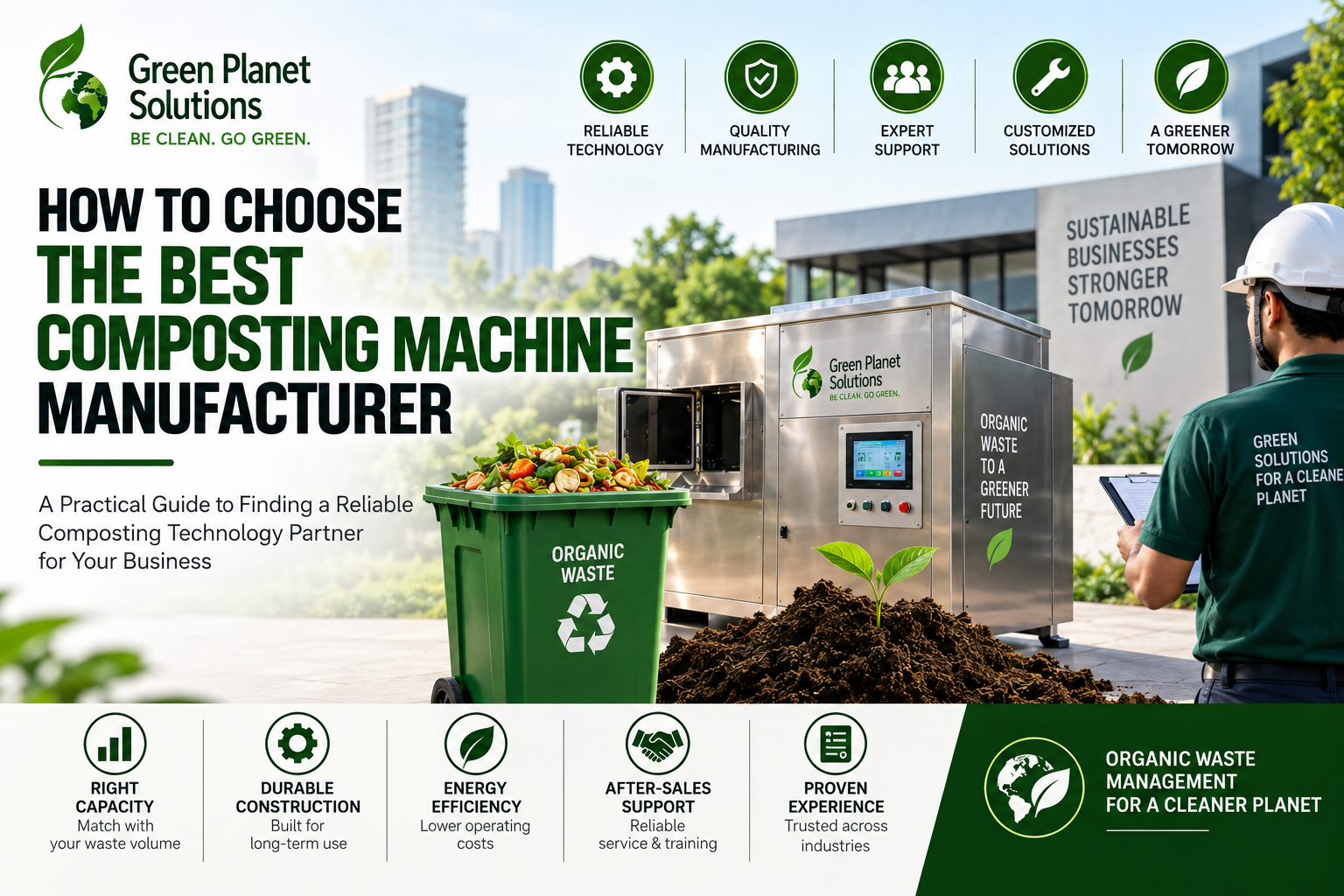
How Advanced Composting Technology Is Helping Businesses Reduce Food Waste and Move Toward a More Sustainable Future
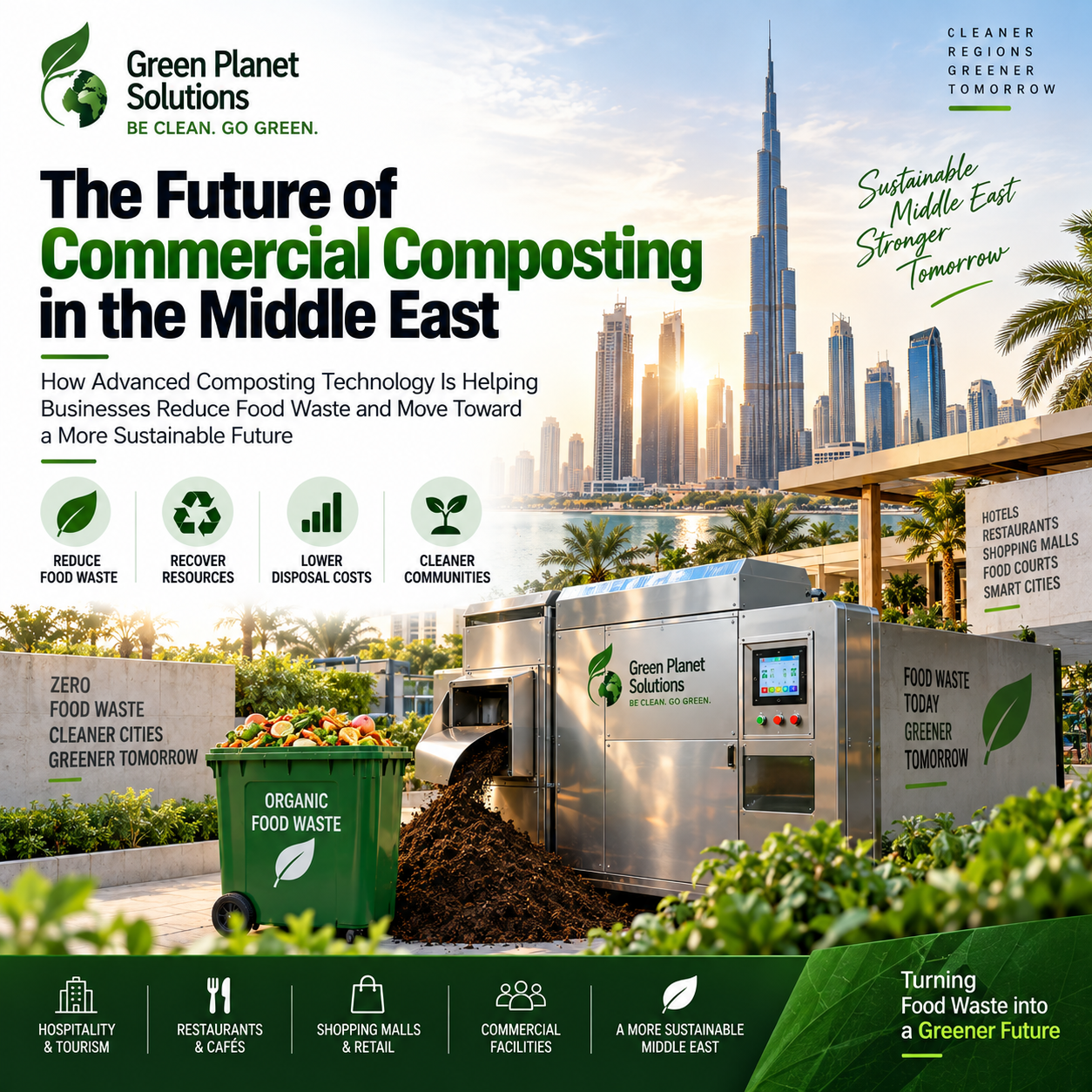
The Middle East is experiencing rapid growth in cities, hospitality, tourism, food services, shopping malls, and commercial developments. Along with this growth comes a major challenge: managing increasing amounts of organic and food waste. Hotels, restaurants, food courts, supermarkets, residential communities, and large commercial facilities generate organic waste every day. Traditionally, much of this waste has been collected and transported for disposal. However, businesses are now looking for smarter ways to manage organic waste closer to where it is generated.
This is where commercial composting machines are becoming an increasingly important part of modern waste management.
Why Commercial Composting Is Becoming Important
Food waste is different from many other types of waste because it can quickly decompose and create odors, attract pests, and require frequent collection.
For businesses generating large quantities of organic waste, relying only on external waste collection can create ongoing transportation, handling, and disposal requirements.
Commercial composting provides an alternative approach by allowing suitable organic waste to be processed on-site or close to the point of generation.
This can help businesses reduce the amount of organic waste requiring external disposal while supporting more sustainable waste management practices.
The Growing Food Waste Challenge in the Middle East
The Middle East has a strong hospitality, tourism, food-service, and retail sector. Restaurants, hotels, resorts, catering businesses, and food courts can generate significant quantities of food waste every day.
Managing this waste efficiently is becoming increasingly important as businesses focus on:
- Waste reduction
- Resource recovery
- Cleaner operations
- Environmental responsibility
- Operational efficiency
- Sustainability goals
As awareness increases, commercial composting can become an important part of the solution.
How Commercial Composting Machines Work
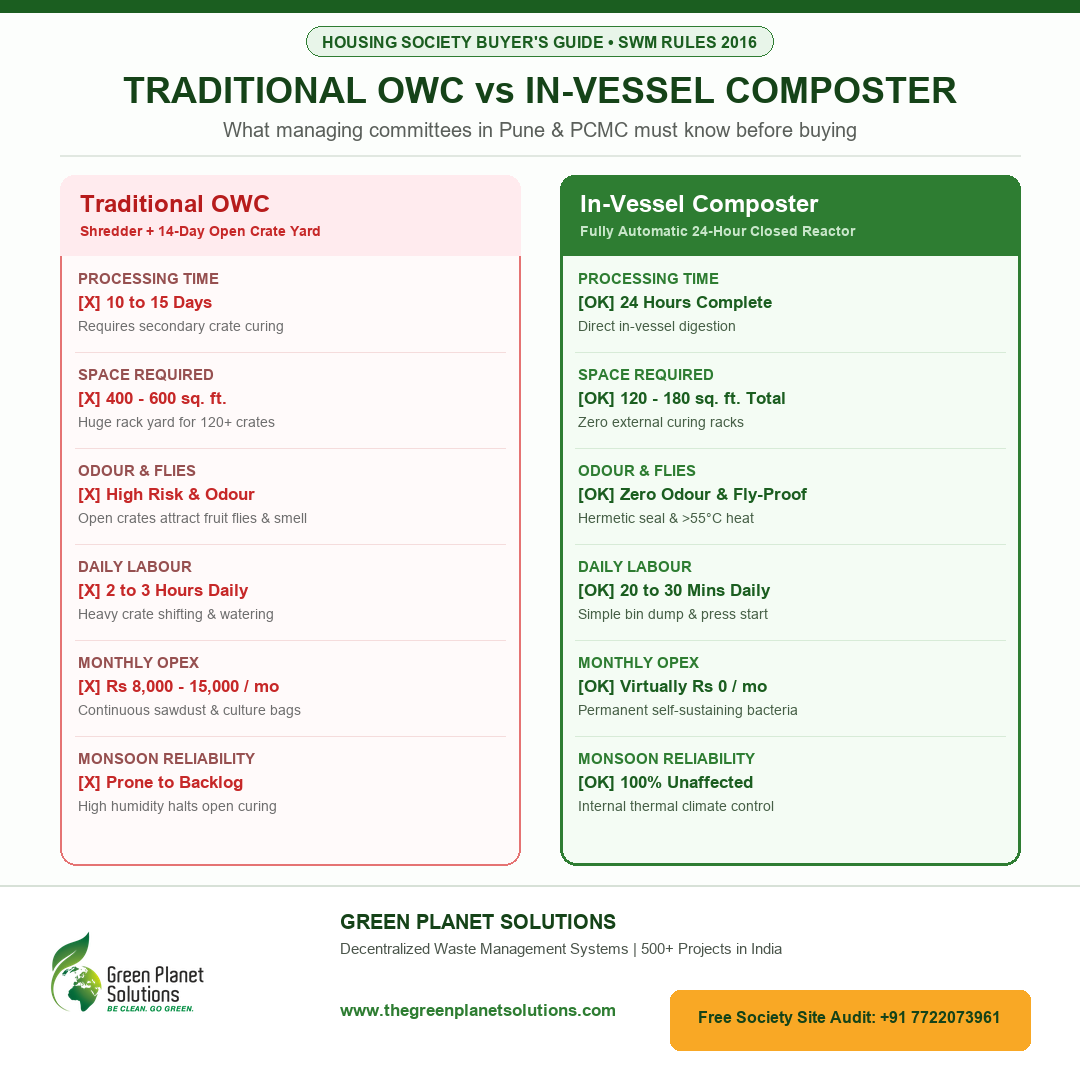
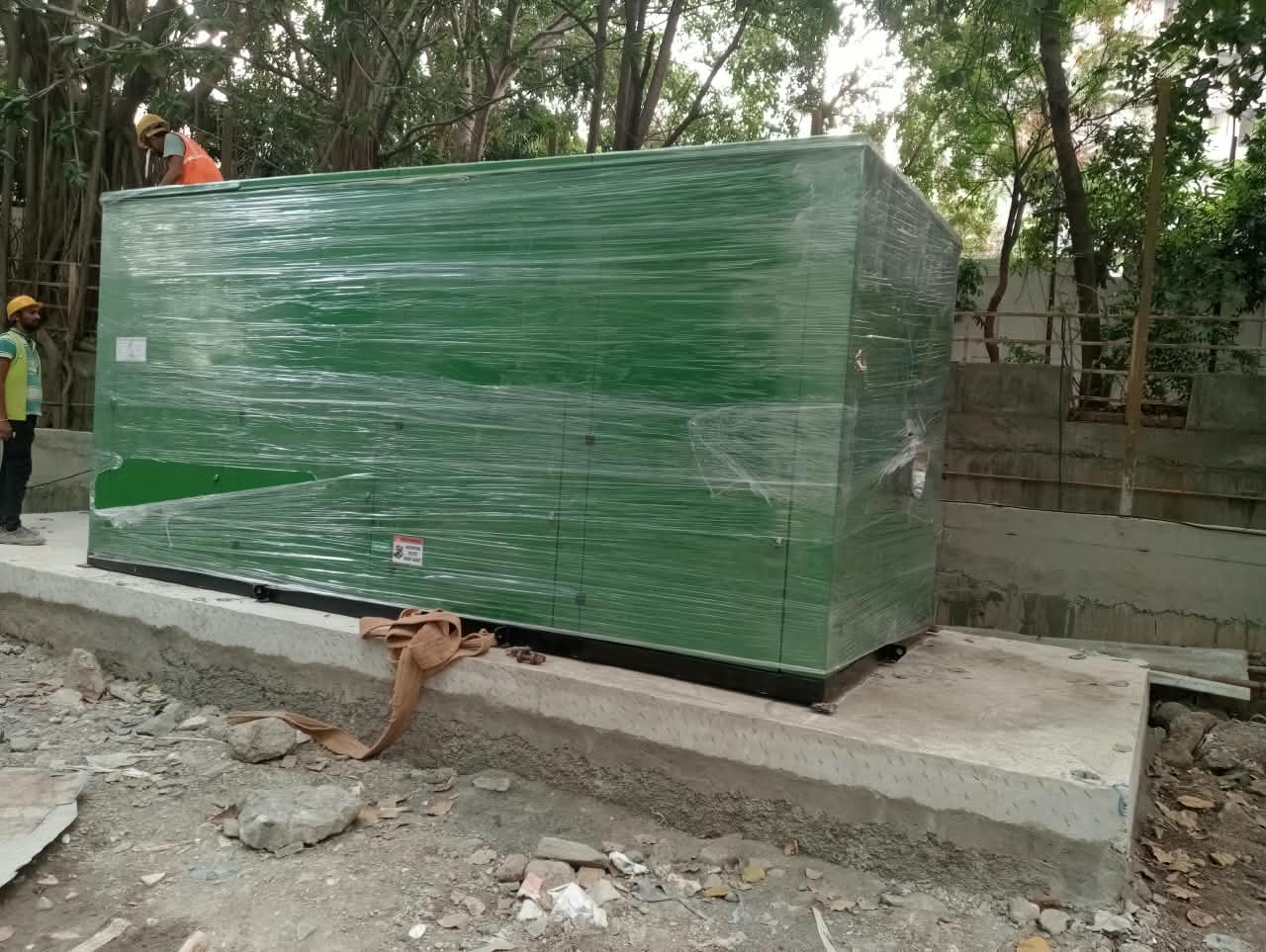
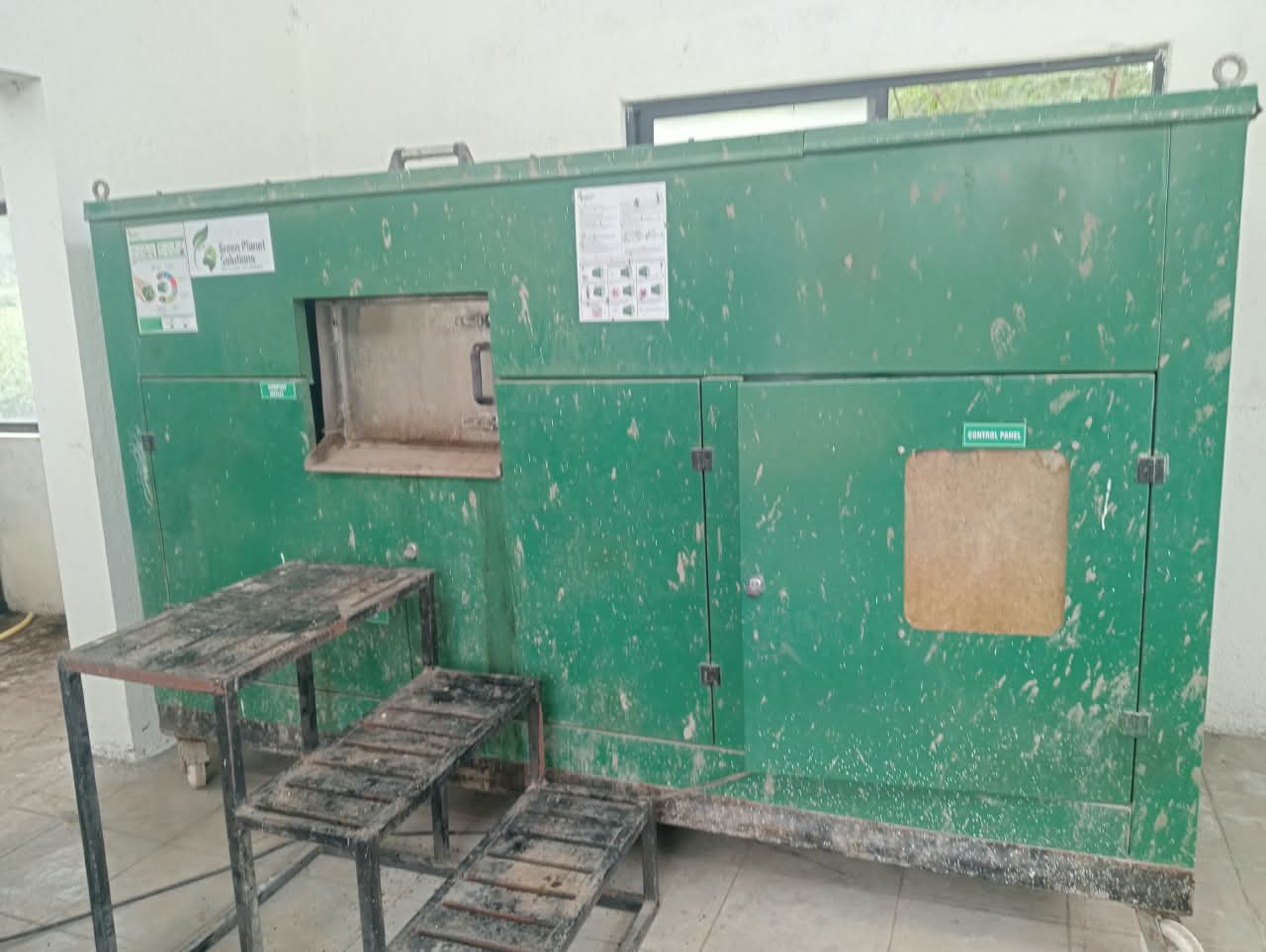
A commercial composting machine provides a controlled environment for processing suitable organic waste.
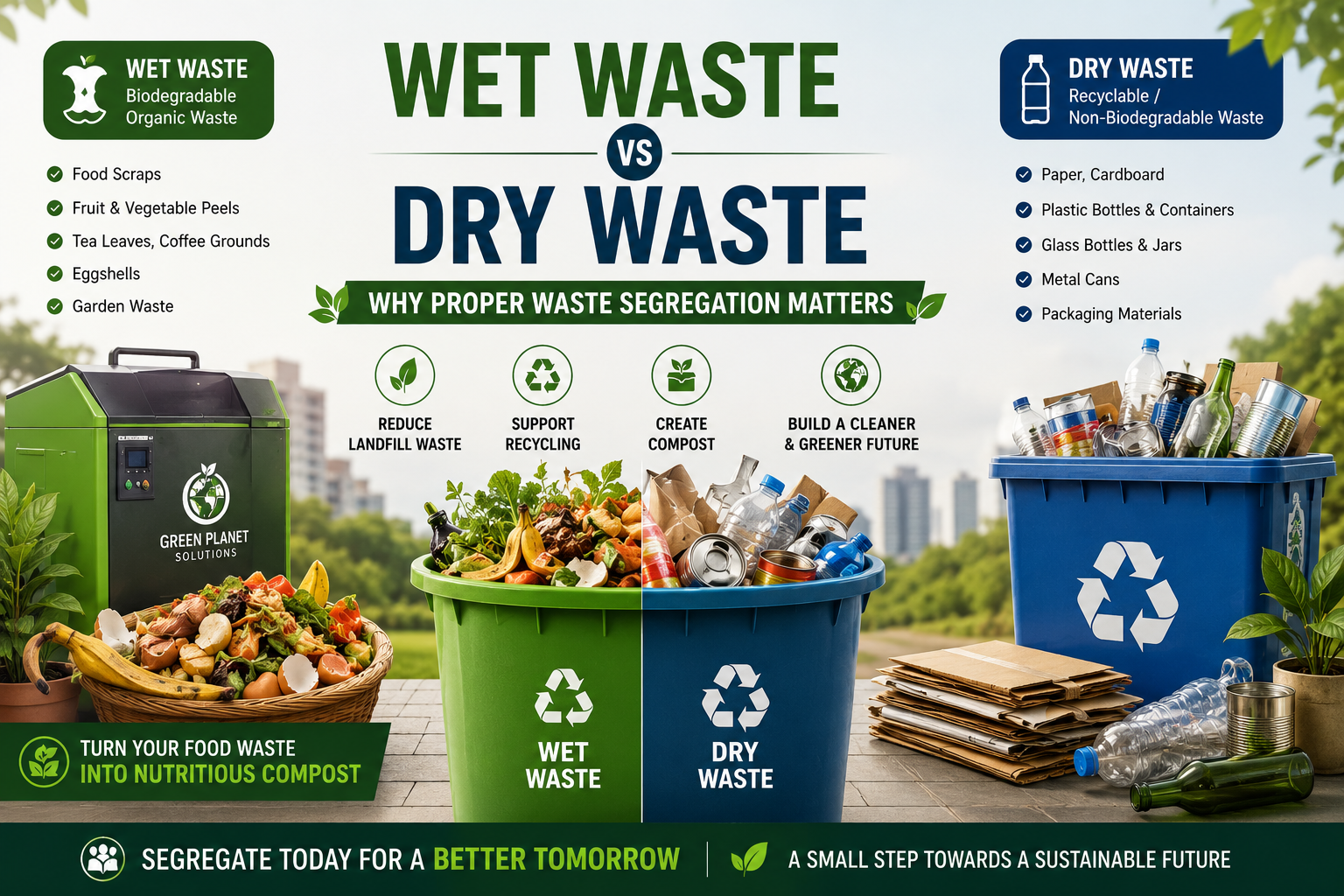
The basic process generally begins with waste segregation. Food scraps and other suitable biodegradable materials are separated from plastic, metal, glass, and other contaminants.
The organic waste is then loaded into the machine. Depending on the system, processes such as shredding, mixing, aeration, heating, and moisture management may be used to support decomposition.
Automated controls can help maintain suitable operating conditions throughout the processing cycle.
The resulting material may require additional curing or maturation before being considered finished compost, depending on the technology and process used.
Automation Will Shape the Future
One of the biggest developments in commercial composting is the increasing use of automation.
Modern systems can automate several operational functions, reducing the amount of manual work required from facility staff.
Features may include:
- Automatic mixing
- Temperature monitoring
- Automated heating
- Aeration control
- Programmable processing cycles
- Touchscreen controls
- Safety alerts
- Process monitoring
For busy hotels, restaurants, malls, and commercial facilities, automation can make organic waste management easier to integrate into daily operations.
On-Site Composting Can Reduce Waste Transportation
Transporting food waste from a facility to an external disposal location requires collection vehicles, fuel, labor, and logistics.
When suitable organic waste is processed on-site, businesses can potentially reduce the volume of waste that needs to leave their premises.
This can simplify waste handling and support a more decentralized approach to organic waste management.
For large facilities generating organic waste every day, this approach can become particularly valuable.
Hospitality Will Be a Major Opportunity
Hotels and resorts are among the industries that can benefit significantly from commercial composting.
Food preparation, restaurants, buffets, banquets, and catering operations can generate substantial amounts of organic waste.
A properly designed on-site composting system can help hospitality businesses manage suitable food waste more efficiently while supporting their sustainability initiatives.
It can also provide a visible environmental initiative that aligns with the growing interest in sustainable tourism.
Restaurants and Food Courts Are Also Moving Toward Better Solutions
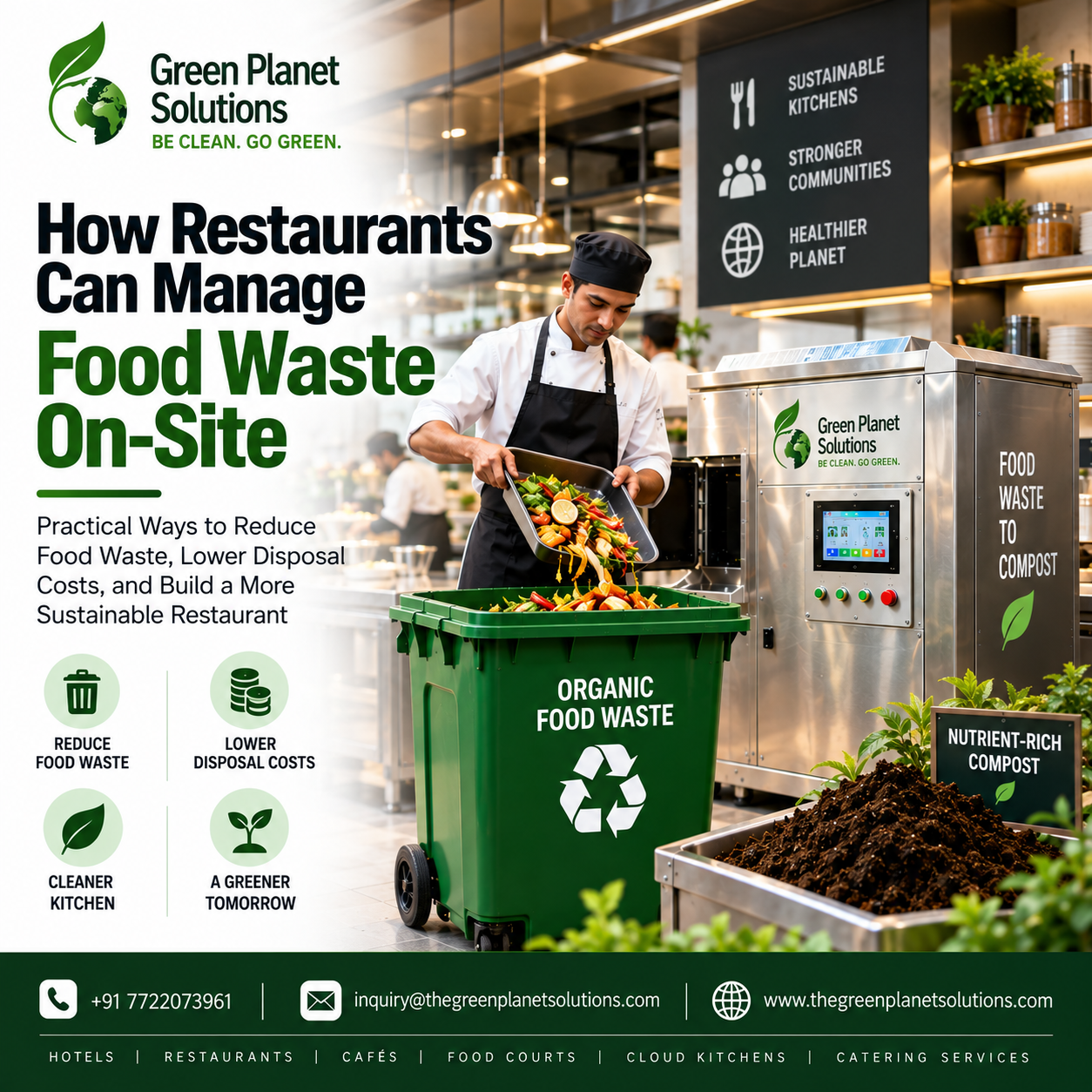
Restaurants and food courts generate food waste continuously throughout the day.
Instead of storing organic waste for long periods before collection, businesses can explore on-site processing solutions that are appropriate for their waste volume and facility requirements.
A well-planned system can combine:
Waste Segregation → Organic Waste Collection → Composting → Curing/Maturation → Resource Recovery
This creates a more structured approach to managing food waste.
Smart Waste Management Will Become More Connected
The future of commercial composting will likely involve greater integration with smart waste management systems.
Businesses can increasingly use data to understand:
- How much organic waste they generate
- When waste generation is highest
- How efficiently equipment is operating
- Maintenance requirements
- Processing performance
- Waste reduction progress
This information can help facility managers make better operational decisions and measure the results of their sustainability initiatives.
Composting and the Circular Economy
Commercial composting supports the idea of a circular economy, where materials are kept in use rather than immediately discarded.
Instead of treating food waste as something that simply needs to be removed, businesses can process suitable organic material and return nutrients to the soil through appropriate compost use.
This creates a simple but meaningful cycle:
Food → Organic Waste → Composting → Compost → Soil → New Growth
The approach helps shift the mindset from “waste disposal” to “resource recovery.”
Sustainability Will Influence Business Decisions
Environmental responsibility is becoming increasingly important for businesses operating in the Middle East.
Companies are looking at ways to reduce waste, conserve resources, improve operational efficiency, and demonstrate their sustainability commitments.
Commercial composting can contribute to these efforts by providing a practical method for managing organic waste.
For organizations with large food-waste volumes, it can become part of a broader sustainability strategy alongside recycling, wastewater treatment, energy efficiency, and responsible resource management.
What the Future of Commercial Composting Could Look Like
The next generation of commercial composting is likely to focus on several key areas.
More Automation
Machines will increasingly reduce manual intervention and simplify daily operations.
Greater Efficiency
Improved equipment design can help businesses optimize energy, space, and operating requirements.
More On-Site Processing
Businesses may increasingly process organic waste closer to where it is generated.
Better Monitoring
Digital controls and monitoring can provide greater visibility into equipment performance.
Resource Recovery
The focus will move beyond waste reduction toward recovering useful resources from organic waste.
Circular Waste Management
Businesses will increasingly connect food waste management with broader circular economy initiatives.
Choosing the Right Composting Solution
There is no single composting machine suitable for every business.
Before selecting a system, organizations should consider:
- Daily organic waste quantity
- Type of organic waste
- Peak waste generation
- Available installation space
- Processing requirements
- Energy consumption
- Automation level
- Maintenance requirements
- Output handling
- After-sales service
Choosing the right capacity and technology is essential for achieving reliable long-term performance.
Why Green Planet Solutions?
Green Planet Solutions provides commercial composting solutions for businesses looking to improve their organic waste management.
Our solutions are suitable for applications such as hotels, restaurants, shopping malls, food courts, residential communities, institutions, and commercial facilities.
We focus on practical waste-processing solutions designed around the customer’s waste volume, space, operational requirements, and sustainability objectives.
From machine selection and installation to technical support and maintenance, Green Planet Solutions aims to help businesses move toward smarter and more responsible organic waste management.
Need a composting system for your hotel, restaurant, mall, or food court? Share your daily organic-waste quantity, available installation space, and location with Green Planet Solutions at +91 7722073961 or inquiry@thegreenplanetsolutions.com.
Conclusion
The future of commercial composting in the Middle East is closely connected with the region’s growing focus on sustainability, resource recovery, smart technology, and circular economy practices.
As hotels, restaurants, malls, and other businesses generate increasing quantities of organic waste, on-site composting can provide a practical way to manage suitable food waste closer to its source.
Commercial composting is not simply about reducing the amount of waste going to disposal. It is about changing the way businesses think about organic waste and turning a daily challenge into an opportunity for resource recovery and sustainability.
From Food Waste to a Greener Future
With the right technology, responsible segregation, and effective waste management practices, businesses across the Middle East can take meaningful steps toward a cleaner, smarter, and more sustainable future.