Table of Contents
- Introduction
- What is an Automatic Composting Machine?
- Types of Organic Waste Used for Composting
- Step-by-Step Process of Composting in a Machine
- Benefits of Using an Automatic Composting Machine
- Applications of Composting Machines
- Frequently Asked Questions (FAQ)
- Conclusion
Introduction
Every day, homes, restaurants, hotels, and residential societies generate a large amount of organic waste. Most of this waste includes food scraps, vegetable peels, fruit waste, and other biodegradable materials. Unfortunately, a significant portion of this waste ends up in landfills, where it produces harmful gases and contributes to environmental pollution.
Many organizations today are searching for smart and sustainable waste management solutions that can reduce landfill waste while also creating something useful from organic waste.
This is where automatic composting machines play an important role.
These machines are designed to convert organic waste into nutrient-rich compost within a short period of time. Instead of sending food waste to dumping grounds, composting machines help transform it into natural fertilizer that can be used for gardening, landscaping, and agriculture.
In this article, we will explore how automatic composting machines work, the step-by-step composting process, and why they are becoming an essential solution for modern waste management.
What is an Automatic Composting Machine?
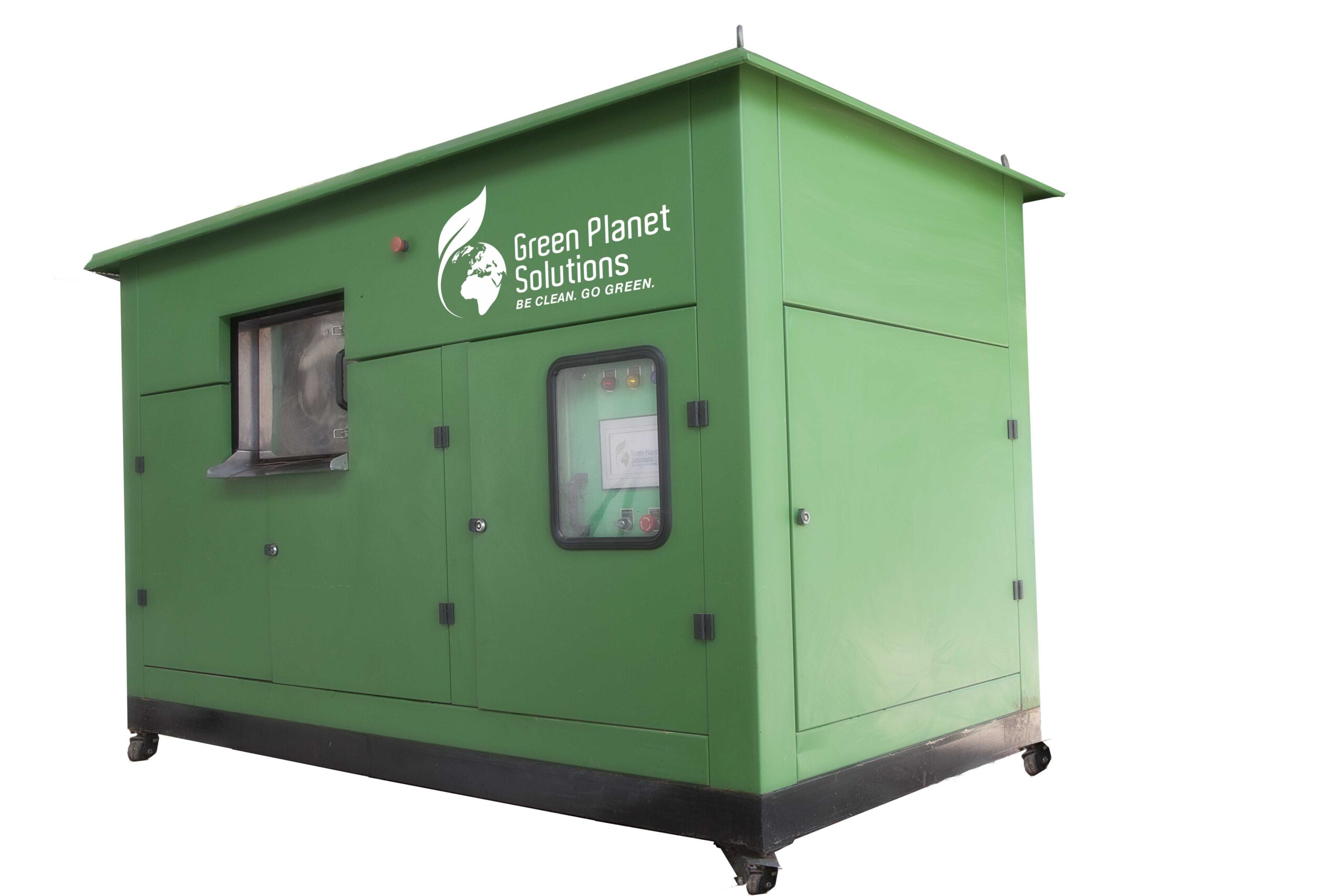
An automatic composting machine is a modern waste management system that converts organic waste into compost through controlled biological processes. These machines create the ideal conditions for microorganisms to break down biodegradable waste efficiently.
Unlike traditional composting methods that may take several months, automatic composting machines can produce compost in 24 hours to a few days, depending on the technology used.
The system usually includes:
- Waste input chamber
- Mixing mechanism
- Heating or drying system
- Aeration system
- Microbial culture for decomposition
By combining these processes, the machine accelerates the natural composting process and produces stable compost in a much shorter time.
Types of Organic Waste Used for Composting
Automatic composting machines can process many types of biodegradable waste commonly generated in daily life.
Some examples include:
- Fruit and vegetable waste
- Food leftovers
- Garden waste
- Coffee grounds and tea waste
- Agricultural organic waste
However, materials such as plastic, metal, glass, and chemicals should not be added to composting machines, as they are non-biodegradable and may damage the system.
Step-by-Step Process of Composting in a Machine
Automatic composting machines follow a controlled process that helps microorganisms break down organic waste quickly and efficiently.
Waste Collection and Feeding
Organic waste from kitchens, restaurants, or residential societies is collected and fed into the composting machine.
Shredding and Mixing
The waste is mixed or shredded to reduce particle size. This increases the surface area and helps microorganisms break down the material faster.
Microbial Decomposition
Special composting microbes are added to the waste. These microorganisms start decomposing organic matter by feeding on it.
Aeration Process
Oxygen is supplied through an aeration system. This helps aerobic bacteria grow and accelerates the decomposition process.
Moisture and Temperature Control
The machine maintains proper moisture and temperature levels to create an ideal environment for composting microbes.
Compost Formation
Over time, the organic waste gradually breaks down into nutrient-rich compost.
Compost Output
The final product is dry, odor-free compost that can be used as natural fertilizer for plants, gardens, and landscaping.
Benefits of Using an Automatic Composting Machine
Automatic composting machines provide several advantages for waste management and environmental sustainability.
Reduces Landfill Waste
Organic waste is treated at the source instead of being sent to landfills.
Faster Compost Production
Compost is produced much faster compared to traditional composting methods.
Eco-Friendly Waste Management
The system helps reduce greenhouse gas emissions from decomposing waste.
Produces Useful Compost
The compost produced can be used for gardening, landscaping, and agriculture.
Improves Waste Management Efficiency
Organizations can manage organic waste more effectively and maintain cleaner surroundings.
Applications of Composting Machines
Automatic composting machines are widely used in various sectors where large quantities of organic waste are generated.
These include:
- Residential societies
- Hotels and restaurants
- Corporate offices
- Educational institutions
- Hospitals
- Food processing units
- Municipal waste management projects
Many cities and organizations are now adopting composting machines as part of their sustainable waste management practices.
Frequently Asked Questions (FAQ)
How long does a composting machine take to produce compost?
Most automatic composting machines can convert organic waste into compost within 24 hours to a few days, depending on the technology used.
Can composting machines handle food waste?
Yes, composting machines are specifically designed to process food waste such as vegetable scraps, fruit peels, and leftover food.
Is the compost safe for plants?
Yes, the compost produced by these machines is nutrient-rich and safe for gardening and landscaping.
Do composting machines produce bad odors?
Modern composting machines are designed with odor control systems, which minimize unpleasant smells during the composting process.
Where are composting machines commonly used?
They are commonly used in residential societies, hotels, restaurants, institutions, and commercial establishments.
Conclusion
Organic waste management is becoming an important part of sustainable development in modern cities. Instead of sending biodegradable waste to landfills, technologies like automatic composting machines provide an efficient way to convert waste into valuable resources.
By transforming food waste and organic materials into nutrient-rich compost, these machines help reduce environmental pollution while promoting sustainable waste management practices.
For residential communities, commercial establishments, and institutions looking to manage organic waste responsibly, automatic composting machines offer a practical and eco-friendly solution for the future.
Leave a Reply