Blog

  • Why Waste Management is Important for a Sustainable Future

    Why Waste Management is Important for a Sustainable Future

    Table of Contents

    1. Introduction
    2. The Growing Waste Problem in Modern Cities
    3. Environmental Impact of Poor Waste Management
    4. Role of Composting in Sustainable Waste Management
    5. How Businesses Benefit from Proper Waste Management
    6. Green Planet Solution’s Contribution to Sustainable Waste Management
    7. The Future of Waste Management
    8. Frequently Asked Questions
    9. Conclusion

    Introduction

    Waste management has become one of the most critical environmental issues in the modern world. As cities grow and consumption patterns increase, the amount of waste generated every day has reached alarming levels. From households to restaurants, hotels, industries, and commercial establishments, waste is produced continuously. If this waste is not properly managed, it can create serious environmental, social, and health problems.

    Proper waste management ensures that waste is collected, processed, and treated in a way that minimizes harm to the environment. Instead of simply dumping waste in landfills, modern waste management focuses on reducing waste generation, recycling materials, and converting organic waste into useful resources.

    This is where companies like Green Planet Solution play a vital role. By providing advanced waste management technologies such as composting machines, Green Planet Solution helps organization convert organic waste into compost while reducing landfill dependency and environmental pollution.


    The Growing Waste Problem in Modern Cities

    Rapid urbanization and industrial growth have significantly increased waste production across cities. Restaurants, hotels, housing societies, and corporate cafeterias generate large amounts of organic waste daily. Unfortunately, a large portion of this waste ends up in landfills where it decomposes and releases harmful gases.

    Food waste is one of the biggest contributors to municipal waste. When organic waste decomposes in landfills, it releases methane gas, which is a major greenhouse gas responsible for climate change. The accumulation of waste also leads to foul odors, pest infestations, and sanitation issues.

    To address this growing problem, businesses and institutions are increasingly adopting sustainable waste management practices. Companies such as Green Planet Solution are supporting this transition by offering innovative composting technologies that allow organizations to process organic waste directly at their premises.


    Environmental Impact of Poor Waste Management

    Improper waste disposal has a significant impact on the environment. When waste is dumped without proper treatment, it contaminates soil and groundwater. Toxic chemicals from waste materials can seep into water sources, affecting ecosystems and human health.

    Air pollution is another major concern. Decomposing organic waste produces methane gas, which contributes to global warming. In some areas, waste burning is still practiced, releasing harmful pollutants that affect air quality and public health.

    Effective waste management helps reduce these environmental threats. By implementing recycling systems, composting solutions, and proper waste treatment methods, communities can significantly reduce pollution and conserve natural resources.

    Organizations such as Green Planet Solution are actively contributing to this effort by providing eco-friendly waste management technologies that help businesses manage their waste responsibly.


    Role of Composting in Sustainable Waste Management

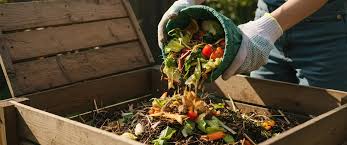
    Composting plays a crucial role in sustainable waste management, especially when it comes to organic waste. It is a natural process in which microorganisms break down biodegradable materials such as food scraps, vegetable peels, and garden waste to produce nutrient-rich compost.

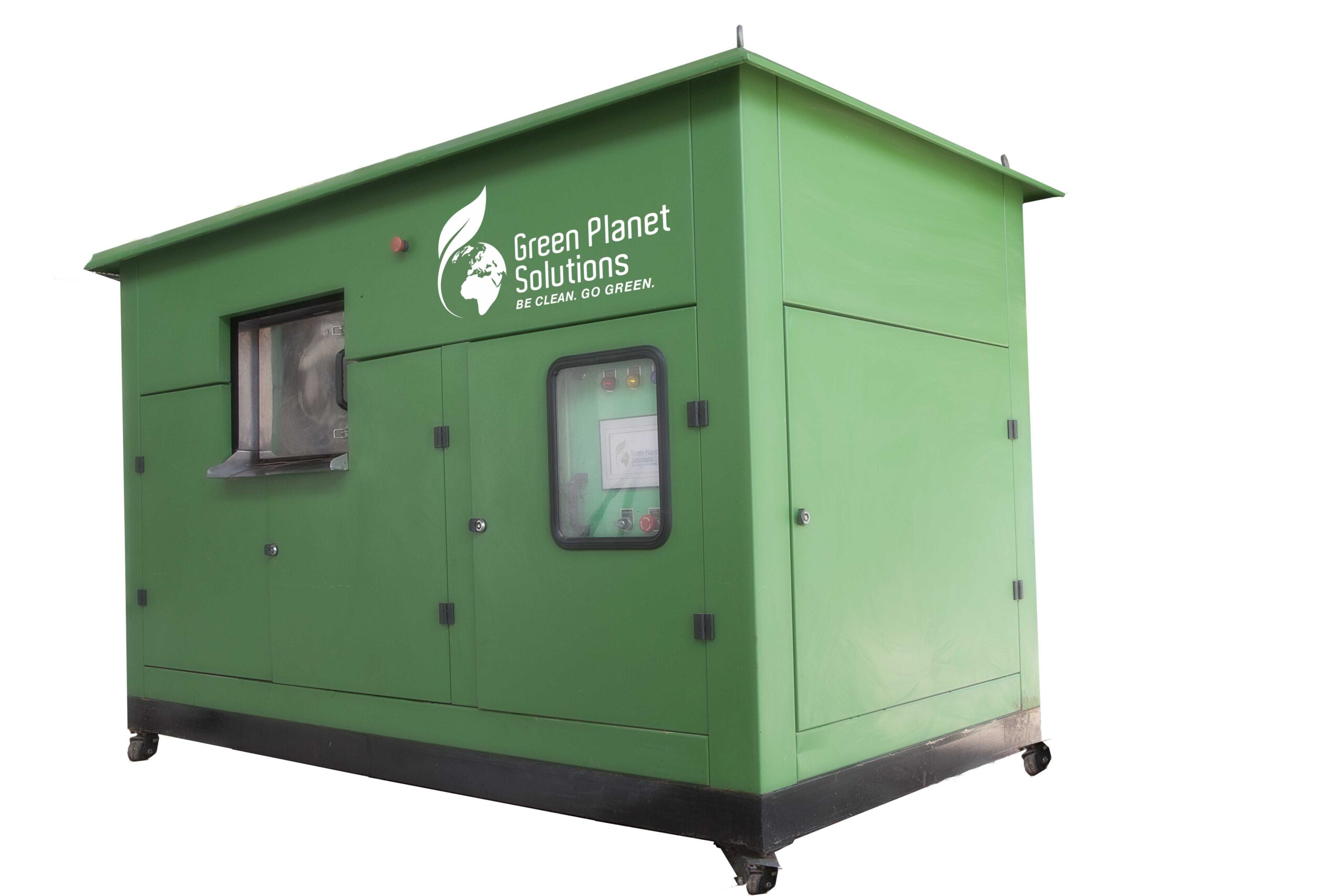
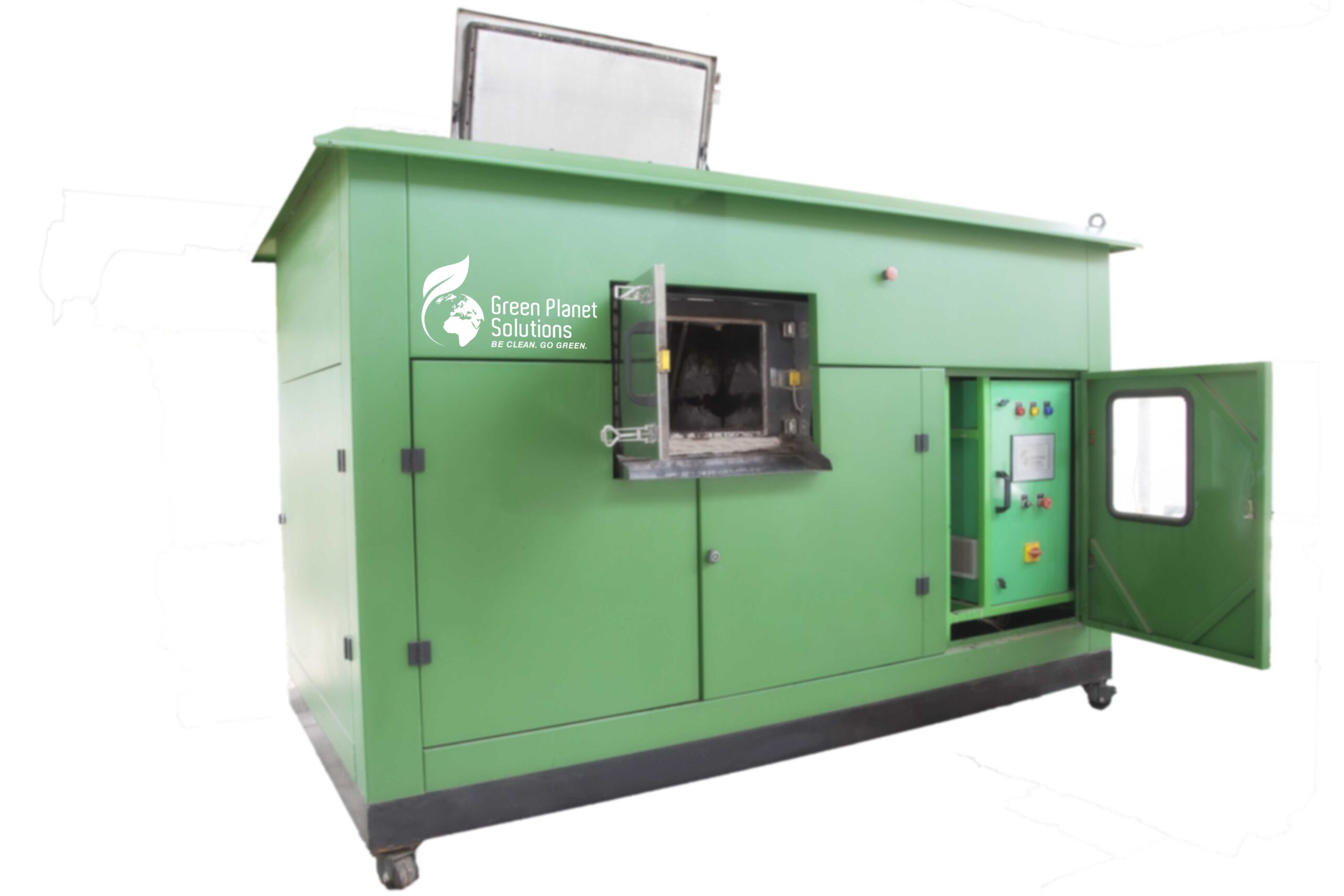
    Modern composting machines have made this process faster and more efficient. These machines can convert food waste into compost within a short period of time while maintaining hygiene and reducing odors.

    Green Planet Solution provides advanced composting machines designed to handle organic waste generated by restaurants, hotels, housing societies, and institutions. By using these machines, organizations can significantly reduce their waste disposal costs while producing valuable compost that can be used for gardening and landscaping.


    How Businesses Benefit from Proper Waste Management

    Businesses generate significant quantities of waste every day, particularly in the hospitality and food service industries. Implementing effective waste management practices can help these organizations reduce environmental impact while also gaining economic benefits.

    By adopting composting technologies, businesses can manage organic waste directly at their premises instead of relying entirely on municipal waste systems. This reduces waste transportation costs and helps companies comply with environmental regulations.

    Moreover, organizations that invest in sustainable practices enhance their brand reputation. Customers today are increasingly aware of environmental issues and prefer businesses that demonstrate responsibility toward sustainability.

    Green Planet Solution supports businesses in achieving these goals by providing reliable composting machines and waste management solutions that simplify organic waste processing.


    Green Planet Solution’s Contribution to Sustainable Waste Management

    Green Planet Solution is committed to promoting eco-friendly waste management practices across various industries. The company offers advanced composting machines designed to efficiently convert food waste into compost.

    These machines are widely used in restaurants, hotels, housing societies, corporate offices, hospitals, and educational institutions. By enabling on-site composting, Green Planet Solution helps organizations reduce landfill waste and adopt environmentally responsible practices.

    The company’s mission is to encourage sustainable waste management and create awareness about the importance of responsible waste disposal. Through innovative technology and environmentally friendly solutions, Green Planet Solution is helping businesses move toward a greener and more sustainable future.


    The Future of Waste Management

    The future of waste management lies in sustainable and technology-driven solutions. Governments, businesses, and communities are increasingly focusing on reducing waste generation and promoting recycling and composting.

    Technological advancements are making waste management more efficient and accessible. Composting machines, recycling systems, and waste segregation technologies are transforming the way waste is handled.

    Companies like Green Planet Solution are at the forefront of this transformation by providing innovative solutions that make waste management easier and more sustainable for organizations.


    Frequently Asked Questions

    What is waste management?

    Waste management refers to the process of collecting, treating, recycling, and disposing of waste materials in a safe and environmentally responsible manner.

    Why is waste management important?

    Waste management is important because it reduces pollution, protects natural resources, and helps maintain a clean and healthy environment.

    How does composting help manage food waste?

    Composting converts organic waste into nutrient-rich compost that can be used as a natural fertilizer. This reduces landfill waste and supports sustainable agriculture.

    Who can use composting machines?

    Composting machines are suitable for restaurants, hotels, housing societies, corporate cafeterias, hospitals, and institutions that generate organic waste.

    How does Green Planet Solution help with waste management?

    Green Planet Solution provides advanced composting machines that help organizations convert organic waste into compost efficiently while promoting sustainable waste management practices.


    Conclusion

    Waste management is essential for maintaining a clean environment and ensuring sustainable development. As waste generation continues to increase, it becomes crucial for businesses and communities to adopt responsible waste management practices.

    By implementing composting solutions and sustainable waste management systems, organizations can reduce landfill waste, lower environmental pollution, and contribute to a greener planet.

    Companies like Green Planet Solution are playing an important role in this transition by offering innovative technologies that make organic waste management easier and more efficient.

    Adopting sustainable waste management today will not only protect the environment but also create a healthier and more sustainable future for generations to come.
  • Commercial Restaurant Leftover Disposal System: A Smart Solution for Food Waste Management

    Commercial Restaurant Leftover Disposal System: A Smart Solution for Food Waste Management

    Table of Contents

    1. Introduction
    2. The Growing Problem of Restaurant Food Waste
    3. Why Restaurants Need a Leftover Disposal System
    4. Types of Commercial Food Waste Disposal Solutions
    5. Key Factors to Consider Before Installing a System
    6. Benefits of Installing a Food Waste Disposal System
    7. Sustainable Waste Management for Restaurants
    8. Frequently Asked Questions (FAQs)
    9. Conclusion

    Introduction

    Restaurants and commercial kitchens generate a significant amount of food waste every day. From vegetable peels and leftover meals to expired ingredients, managing organic waste efficiently has become a major challenge for the hospitality industry.

    Traditional waste disposal methods often lead to unpleasant odors, pest issues, landfill overflow, and environmental pollution. As sustainability becomes a priority for businesses and governments, restaurants are now looking for modern and eco-friendly waste management solutions.

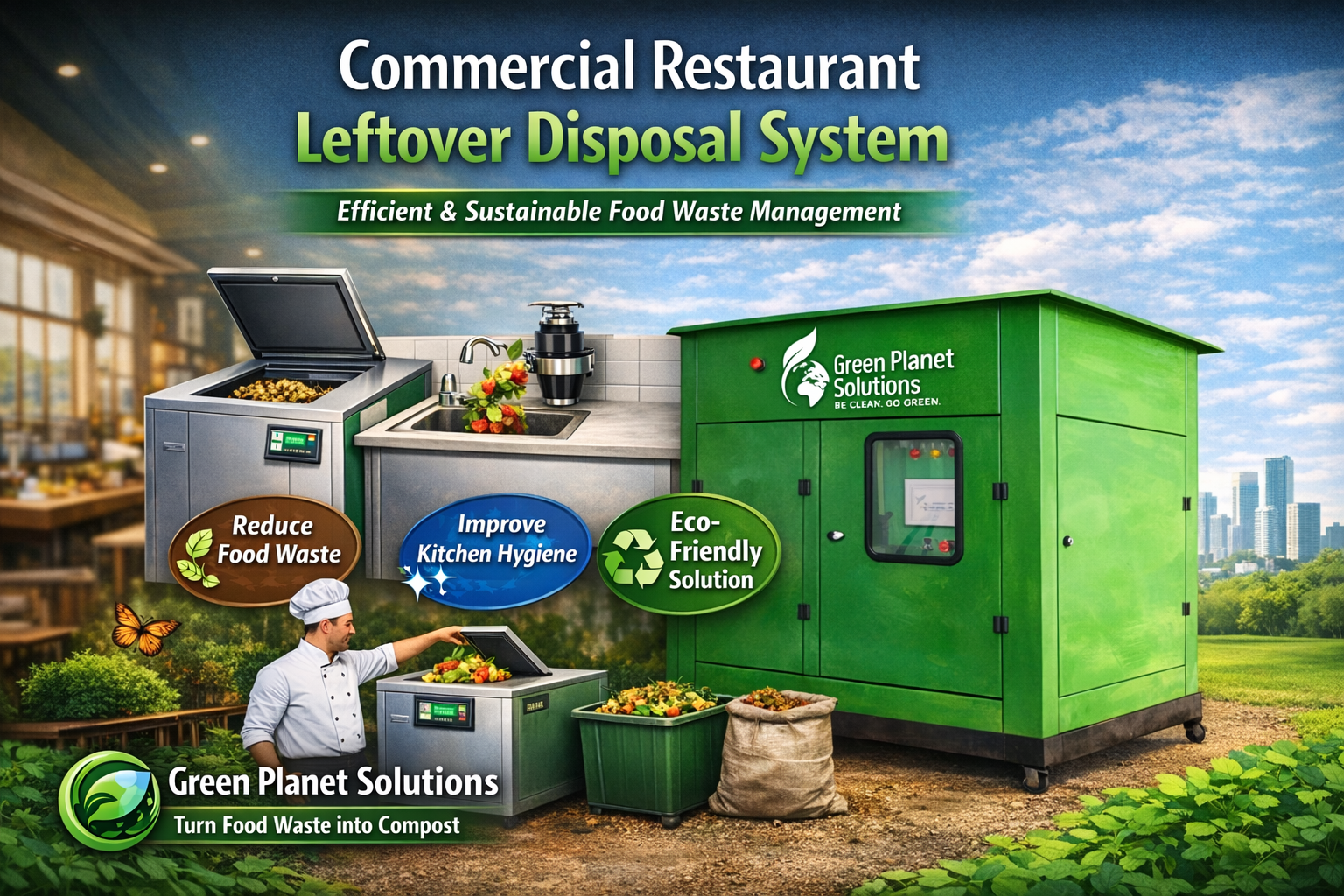
    A Commercial Restaurant Leftover Disposal System helps restaurants handle food waste efficiently by converting organic waste into compost or reducing its volume significantly. This not only keeps kitchens clean but also supports sustainable waste management practices.


    The Growing Problem of Restaurant Food Waste

    Food waste is one of the biggest challenges in the hospitality sector. Restaurants, hotels, cafeterias, and food courts generate large volumes of organic waste daily.

    Without proper waste management systems, food waste can create several operational and environmental issues such as:

    • Strong and unpleasant odors
    • Attraction of pests and insects
    • Increased waste collection costs
    • Environmental pollution
    • Landfill overload

    Implementing a commercial food waste disposal system allows restaurants to manage waste responsibly while improving operational efficiency.


    Why Restaurants Need a Leftover Disposal System

    Modern restaurants must focus on hygiene, sustainability, and efficient waste management. A food waste disposal system helps restaurants achieve these goals.

    Key Reasons Restaurants Should Install a Disposal System

    Improved Kitchen Hygiene

    Food waste left in bins can quickly create an unhygienic environment. Disposal systems help maintain a clean and organized kitchen.

    Reduced Waste Volume

    These systems significantly reduce the volume of food waste, making disposal easier and more efficient.

    Environmental Responsibility

    Restaurants that adopt sustainable waste management practices contribute to reducing landfill waste and protecting the environment.

    Better Operational Efficiency

    Automated systems simplify the waste handling process and reduce manual labor in commercial kitchens.


    Types of Commercial Food Waste Disposal Solutions

    Different types of disposal systems are available depending on the size and needs of the restaurant.

    Food Waste Composting Machines

    These machines convert organic waste into compost through controlled biological processes. Many modern composting machines can process waste quickly and efficiently.


    Organic Waste Converters

    Organic waste converters use advanced microbial technology to decompose food waste and produce compost suitable for gardening or landscaping.


    Food Waste Grinding Systems

    These systems grind food waste into smaller particles that can be disposed of through proper waste management channels.


    Automated Food Waste Processing Systems

    Fully automated systems allow restaurants to manage food waste with minimal manual effort while maintaining high levels of hygiene.


    Key Factors to Consider Before Installing a Disposal System

    Choosing the right waste disposal system depends on several important factors.

    Daily Food Waste Volume

    Restaurants should evaluate how much food waste they generate daily before selecting a system.


    Available Installation Space

    Some systems require dedicated installation space in or near the kitchen area.


    Automation and Technology

    Advanced automated machines provide better efficiency and require less manual handling.


    Long-Term Sustainability Goals

    Restaurants that prioritize sustainability should choose solutions that help reduce landfill waste and support eco-friendly operations.


    Benefits of Installing a Food Waste Disposal System

    Investing in a commercial food waste disposal system provides multiple benefits for restaurants and hospitality businesses.

    Cleaner Kitchen Environment

    Efficient waste disposal helps maintain hygiene and reduces unpleasant odors in the kitchen.


    Reduced Waste Handling Effort

    Automated systems simplify waste management and reduce the workload for kitchen staff.


    Environmentally Responsible Waste Management

    Food waste can be converted into compost instead of being sent to landfills.


    Positive Brand Image

    Customers increasingly prefer restaurants that adopt sustainable and environmentally responsible practices.


    Sustainable Waste Management for Restaurants

    Sustainability is becoming a key focus in the hospitality industry. Businesses that adopt eco-friendly solutions not only help the environment but also strengthen their brand reputation.

    Companies like Green Planet Solutions are working toward promoting sustainable waste management by offering advanced technologies that help businesses convert organic waste into useful compost.

    Their mission focuses on helping restaurants, hotels, and commercial kitchens adopt clean, efficient, and environmentally responsible food waste management systems.

    By implementing such solutions, restaurants can play a vital role in creating a greener and more sustainable future.


    Frequently Asked Questions (FAQs)

    What is a commercial restaurant leftover disposal system?

    It is a waste management system designed to process and manage food waste generated in restaurants and commercial kitchens.


    Why is food waste management important for restaurants?

    Proper waste management improves hygiene, reduces environmental impact, and helps businesses follow sustainable practices.


    Can food waste be converted into compost?

    Yes, modern composting systems can convert food waste into compost through biological processes.


    Are food waste disposal systems suitable for small restaurants?

    Yes, different systems are available for both small and large commercial kitchens depending on their waste generation.


    Conclusion

    Food waste management is becoming increasingly important for restaurants and commercial kitchens. Efficient waste disposal systems help businesses maintain hygiene, reduce environmental impact, and support sustainable operations.

    By adopting modern food waste disposal technologies, restaurants can transform waste into a valuable resource while contributing to environmental protection.

    Solutions offered by companies like Green Planet Solutions are helping businesses move toward a smarter and more sustainable way of managing organic waste.

  • Why Food Waste Composting is the Future of Sustainable Waste Management

    Why Food Waste Composting is the Future of Sustainable Waste Management

    Table of Contents

    1. Introduction
    2. The Growing Problem of Food Waste
    3. What is Food Waste Composting?
    4. Why Composting is Better Than Landfills
    5. Environmental Benefits of Food Waste Composting
    6. Economic and Social Benefits
    7. Role of Composting Machines in Modern Waste Management
    8. The Future of Sustainable Waste Management
    9. Conclusion
    10. Frequently Asked Questions (FAQs)

    Introduction

    Every day, large amounts of food are wasted in homes, restaurants, hotels, and industries. Vegetable peels, leftover food, expired products, and kitchen waste are often thrown away without thinking about what happens next.

    Most of this waste ends up in landfills, where it decomposes and releases harmful greenhouse gases such as methane. These gases contribute significantly to climate change and environmental pollution.

    However, there is a better and more sustainable solution — food waste composting. Instead of treating food waste as garbage, composting converts it into valuable organic fertilizer that improves soil health and supports sustainable agriculture.

    As environmental awareness grows around the world, food waste composting is becoming one of the most important solutions for sustainable waste management.


    The Growing Problem of Food Waste

    Food waste has become a major global issue. Tons of edible and biodegradable waste are discarded every day from households, restaurants, food processing industries, and supermarkets.

    Common sources of food waste include:

    • Kitchen leftovers
    • Fruit and vegetable peels
    • Expired food items
    • Restaurant food waste
    • Agricultural waste

    When food waste is dumped in landfills, it creates multiple environmental problems:

    • Release of methane gas
    • Bad odor and pollution
    • Attraction of pests and insects
    • Increase in landfill waste volume

    Managing food waste efficiently has therefore become an urgent need for cities, businesses, and communities.


    What is Food Waste Composting?

    Food waste composting is the process of converting organic waste into nutrient-rich compost through natural biological decomposition.

    During this process, microorganisms break down organic materials such as food scraps and plant waste. Over time, the waste transforms into compost — a natural fertilizer that enriches soil and supports plant growth.

    Instead of letting waste rot in landfills, composting allows us to recycle organic waste into something useful and environmentally friendly.

    Composting can be done in different ways:

    • Traditional compost pits
    • Community composting systems
    • Automatic composting machines

    Modern composting machines have made this process faster, cleaner, and more efficient.


    Why Composting is Better Than Landfills

    Sending food waste to landfills is not a sustainable solution. Landfills are already overloaded with waste, and organic materials decompose there in harmful ways.

    Composting offers a much better alternative.

    Landfills

    • Produce methane gas
    • Require large land areas
    • Cause environmental pollution
    • Waste valuable organic resources

    Composting

    • Reduces landfill waste
    • Converts waste into useful compost
    • Supports sustainable agriculture
    • Improves soil health

    By composting food waste, we shift from a “throw-away culture” to a circular waste management system where waste becomes a valuable resource.


    Environmental Benefits of Food Waste Composting

    One of the biggest advantages of food waste composting is its positive impact on the environment.

    Reduces Greenhouse Gas Emissions

    Composting prevents organic waste from producing methane in landfills, helping reduce climate change.

    Improves Soil Health

    Compost adds essential nutrients to soil and improves its structure, fertility, and water retention.

    Reduces Chemical Fertilizer Use

    Natural compost reduces dependency on chemical fertilizers, which can harm soil and water systems.

    Supports Sustainable Agriculture

    Farmers can use compost to grow healthier crops and maintain long-term soil productivity.


    Economic and Social Benefits

    Food waste composting also offers several economic and community benefits.

    Lower Waste Disposal Costs

    Businesses such as restaurants, hotels, and food industries can reduce waste transportation and landfill costs.

    Resource Recovery

    Organic waste becomes a useful product instead of being discarded.

    Job Creation

    Composting facilities and waste management systems create employment opportunities.

    Community Awareness

    Composting encourages people to become more responsible about waste management and environmental protection.


    Role of Composting Machines in Modern Waste Management

    Traditional composting methods can take several months and require large spaces. In urban areas where space is limited, automatic composting machines have become a practical solution.

    These machines are designed to process organic waste quickly and efficiently.

    Key features of modern composting machines include:

    • Faster composting process
    • Odor control systems
    • Automatic mixing and aeration
    • Compact design suitable for urban spaces

    Many residential societies, hotels, corporate offices, and institutions are now adopting composting machines to manage food waste directly at the source.

    This approach not only reduces waste transportation but also supports decentralized waste management systems.


    The Future of Sustainable Waste Management

    As cities continue to grow, managing waste responsibly will become even more important. Governments, businesses, and communities are now focusing on sustainable waste management solutions.

    Food waste composting will play a major role in this transformation because it:

    • Reduces landfill dependency
    • Converts waste into valuable resources
    • Supports environmental sustainability
    • Encourages circular economy practices

    With the increasing adoption of composting technologies and awareness programs, food waste composting is expected to become a standard practice in homes, businesses, and institutions.


    Conclusion

    Food waste is not just garbage — it is a valuable resource that can be transformed into nutrient-rich compost. By adopting food waste composting practices, we can significantly reduce landfill waste, lower greenhouse gas emissions, and support sustainable agriculture.

    With modern solutions such as automatic composting machines, managing organic waste has become easier and more efficient than ever before.

    Food waste composting is not just a waste management method — it is a step toward a cleaner, greener, and more sustainable future.

  • How Automatic Composting Machines Convert Organic Waste into Compost

    How Automatic Composting Machines Convert Organic Waste into Compost

    Table of Contents

    1. Introduction
    2. What is an Automatic Composting Machine?
    3. Types of Organic Waste Used for Composting
    4. Step-by-Step Process of Composting in a Machine
    5. Benefits of Using an Automatic Composting Machine
    6. Applications of Composting Machines
    7. Frequently Asked Questions (FAQ)
    8. Conclusion

    Introduction

    Every day, homes, restaurants, hotels, and residential societies generate a large amount of organic waste. Most of this waste includes food scraps, vegetable peels, fruit waste, and other biodegradable materials. Unfortunately, a significant portion of this waste ends up in landfills, where it produces harmful gases and contributes to environmental pollution.

    Many organizations today are searching for smart and sustainable waste management solutions that can reduce landfill waste while also creating something useful from organic waste.

    This is where automatic composting machines play an important role.

    These machines are designed to convert organic waste into nutrient-rich compost within a short period of time. Instead of sending food waste to dumping grounds, composting machines help transform it into natural fertilizer that can be used for gardening, landscaping, and agriculture.

    In this article, we will explore how automatic composting machines work, the step-by-step composting process, and why they are becoming an essential solution for modern waste management.


    What is an Automatic Composting Machine?

    An automatic composting machine is a modern waste management system that converts organic waste into compost through controlled biological processes. These machines create the ideal conditions for microorganisms to break down biodegradable waste efficiently.

    Unlike traditional composting methods that may take several months, automatic composting machines can produce compost in 24 hours to a few days, depending on the technology used.

    The system usually includes:

    • Waste input chamber
    • Mixing mechanism
    • Heating or drying system
    • Aeration system
    • Microbial culture for decomposition

    By combining these processes, the machine accelerates the natural composting process and produces stable compost in a much shorter time.


    Types of Organic Waste Used for Composting

    Automatic composting machines can process many types of biodegradable waste commonly generated in daily life.

    Some examples include:

    • Fruit and vegetable waste
    • Food leftovers
    • Garden waste
    • Coffee grounds and tea waste
    • Agricultural organic waste

    However, materials such as plastic, metal, glass, and chemicals should not be added to composting machines, as they are non-biodegradable and may damage the system.


    Step-by-Step Process of Composting in a Machine

    Automatic composting machines follow a controlled process that helps microorganisms break down organic waste quickly and efficiently.

    Waste Collection and Feeding

    Organic waste from kitchens, restaurants, or residential societies is collected and fed into the composting machine.

    Shredding and Mixing

    The waste is mixed or shredded to reduce particle size. This increases the surface area and helps microorganisms break down the material faster.

    Microbial Decomposition

    Special composting microbes are added to the waste. These microorganisms start decomposing organic matter by feeding on it.

    Aeration Process

    Oxygen is supplied through an aeration system. This helps aerobic bacteria grow and accelerates the decomposition process.

    Moisture and Temperature Control

    The machine maintains proper moisture and temperature levels to create an ideal environment for composting microbes.

    Compost Formation

    Over time, the organic waste gradually breaks down into nutrient-rich compost.

    Compost Output

    The final product is dry, odor-free compost that can be used as natural fertilizer for plants, gardens, and landscaping.


    Benefits of Using an Automatic Composting Machine

    Automatic composting machines provide several advantages for waste management and environmental sustainability.

    Reduces Landfill Waste

    Organic waste is treated at the source instead of being sent to landfills.

    Faster Compost Production

    Compost is produced much faster compared to traditional composting methods.

    Eco-Friendly Waste Management

    The system helps reduce greenhouse gas emissions from decomposing waste.

    Produces Useful Compost

    The compost produced can be used for gardening, landscaping, and agriculture.

    Improves Waste Management Efficiency

    Organizations can manage organic waste more effectively and maintain cleaner surroundings.


    Applications of Composting Machines

    Automatic composting machines are widely used in various sectors where large quantities of organic waste are generated.

    These include:

    • Residential societies
    • Hotels and restaurants
    • Corporate offices
    • Educational institutions
    • Hospitals
    • Food processing units
    • Municipal waste management projects

    Many cities and organizations are now adopting composting machines as part of their sustainable waste management practices.


    Frequently Asked Questions (FAQ)

    How long does a composting machine take to produce compost?

    Most automatic composting machines can convert organic waste into compost within 24 hours to a few days, depending on the technology used.

    Can composting machines handle food waste?

    Yes, composting machines are specifically designed to process food waste such as vegetable scraps, fruit peels, and leftover food.

    Is the compost safe for plants?

    Yes, the compost produced by these machines is nutrient-rich and safe for gardening and landscaping.

    Do composting machines produce bad odors?

    Modern composting machines are designed with odor control systems, which minimize unpleasant smells during the composting process.

    Where are composting machines commonly used?

    They are commonly used in residential societies, hotels, restaurants, institutions, and commercial establishments.


    Conclusion

    Organic waste management is becoming an important part of sustainable development in modern cities. Instead of sending biodegradable waste to landfills, technologies like automatic composting machines provide an efficient way to convert waste into valuable resources.

    By transforming food waste and organic materials into nutrient-rich compost, these machines help reduce environmental pollution while promoting sustainable waste management practices.

    For residential communities, commercial establishments, and institutions looking to manage organic waste responsibly, automatic composting machines offer a practical and eco-friendly solution for the future.

  • Why Choose Green Planet Solutions for Composting Machines?

    Why Choose Green Planet Solutions for Composting Machines?

    Table of Contents

    1. Introduction Green Planet Solutions
    2. Importance of Organic Waste Management
    3. About Green Planet Solutions
    4. Features of Green Planet Composting Machines
    5. Benefits of Using Composting Machines
    6. Applications of Composting Machines
    7. Environmental Impact
    8. Installation and Support
    9. Cost Benefits of Composting Machines
    10. Frequently Asked Questions
    11. Conclusion

    Introduction

    In today’s rapidly growing urban environment, managing organic waste has become a major challenge. Large quantities of food waste, kitchen waste, and biodegradable materials are generated daily from residential societies, hotels, restaurants, hospitals, and industries. If this waste is not managed properly, it ends up in landfills, creating pollution and environmental problems.

    Composting machines provide an innovative and sustainable solution to convert organic waste into nutrient-rich compost. Green Planet Solutions offers advanced composting machines designed to help organizations manage waste efficiently while contributing to environmental sustainability.


    Importance of Organic Waste Management

    Organic waste makes up a large percentage of the total waste produced in cities. Improper disposal of this waste leads to several environmental issues such as:

    • Landfill overflow
    • Methane gas emissions
    • Soil and water pollution
    • Unpleasant odors in urban areas

    By converting organic waste into compost, organizations can reduce waste volume and create valuable fertilizer for gardening and agriculture.


    About Green Planet Solutions

    Green Planet Solutions is known for providing innovative waste management technologies that help businesses and institutions handle organic waste effectively. Their composting machines are designed using advanced technology to ensure efficient waste conversion while maintaining hygiene and environmental safety.

    The company focuses on creating eco-friendly solutions that support sustainable waste management practices. Their machines are suitable for various sectors including residential societies, hotels, hospitals, educational institutions, and industrial facilities.


    Features of Green Planet Composting Machines

    Green Planet composting machines are built with modern technology and durable materials to ensure efficient performance. Some of the key features include:

    Fully Automatic Operation

    The machines are designed with automatic systems that control mixing, heating, and aeration processes to accelerate composting.

    Fast Waste Conversion

    Organic waste can be converted into compost within 24–48 hours, depending on the machine capacity and type of waste.

    Odor Control Technology

    Advanced odor control systems help prevent unpleasant smells during the composting process, making the machines suitable for urban environments.

    Energy Efficient Design

    The machines are designed to consume minimal electricity while maintaining high operational efficiency.

    Durable Industrial Construction

    High-quality materials and robust design ensure long-term durability even in demanding operational environments.


    Benefits of Using Composting Machines

    Using composting machines offers several advantages for organizations and communities.

    Reduction of Waste Volume

    Composting machines significantly reduce the volume of organic waste that needs to be transported to landfills.

    Production of Organic Fertilizer

    The compost produced can be used for gardening, landscaping, and organic farming.

    Cost Savings

    Organizations can reduce waste transportation and disposal costs by processing waste on-site.

    Environmental Protection

    By reducing landfill waste, composting machines help lower greenhouse gas emissions and protect natural resources.


    Applications of Composting Machines

    Composting machines are widely used across multiple sectors. Some common applications include:

    • Residential housing societies
    • Hotels and restaurants
    • Hospitals and healthcare facilities
    • Corporate offices
    • Educational institutions
    • Municipal waste management systems

    These machines help organizations implement efficient waste management systems while promoting sustainability.


    Environmental Impact

    Adopting composting technology contributes significantly to environmental protection. By converting organic waste into compost, organizations can reduce landfill waste and support soil health.

    This process also helps decrease methane emissions generated from decomposing waste in landfills, thereby reducing the overall carbon footprint.


    Installation and Support

    Green Planet Solutions provides complete support for composting machine installation and operation. Their team assists clients with:

    • Machine installation
    • Training for operators
    • Maintenance services
    • Technical support

    This ensures smooth operation and long-term performance of the equipment.


    Cost Benefits of Composting Machines

    Investing in composting machines offers long-term financial benefits. Instead of paying high costs for waste transportation and disposal, organizations can process waste on-site and convert it into valuable compost.

    This approach not only reduces operational expenses but also creates opportunities for sustainable waste management.


    Frequently Asked Questions

    What is a composting machine?

    A composting machine converts organic waste such as food scraps and biodegradable materials into compost through controlled biological processes.

    How long does composting take?

    Most fully automatic composting machines convert waste into compost within 24–48 hours.

    What types of waste can be processed?

    Food waste, vegetable waste, fruit waste, and other biodegradable materials can be processed.

    Who can use composting machines?

    Residential societies, hotels, hospitals, educational institutions, and industries can use composting machines.

    Is the compost produced useful?

    Yes, the compost is rich in nutrients and can be used as organic fertilizer for plants and crops.


    Conclusion

    Efficient waste management is essential for maintaining a clean and sustainable environment. Composting machines provide a practical solution for managing organic waste and converting it into valuable compost.

    With advanced technology, durable machines, and reliable customer support, Green Planet Solutions stands out as a trusted provider of composting machines. By adopting composting technology, organizations can reduce waste, save costs, and contribute to environmental sustainability.

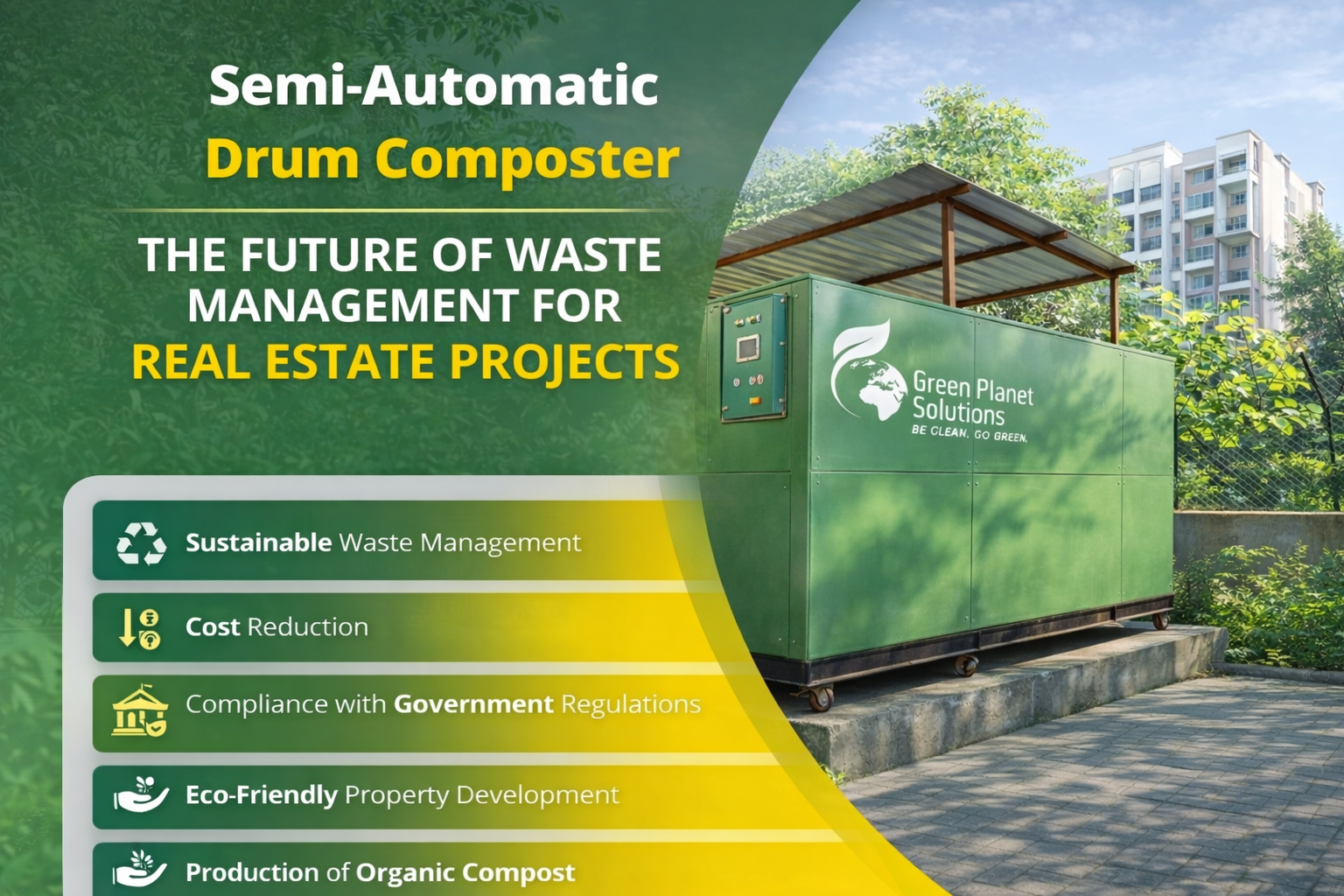
  • Semi-Automatic Drum Composter: The Future of Waste Management for Real Estate Projects

    Semi-Automatic Drum Composter: The Future of Waste Management for Real Estate Projects

    Table of Contents

    1. Introduction
    2. Waste Management Challenges in Real Estate Projects
    3. What is a Semi-Automatic Drum Composter?
    4. How a Semi-Automatic Drum Composter Works
    5. Benefits of Semi-Automatic Drum Composters
    6. Applications in Real Estate Developments
    7. Why Real Estate Developers Are Adopting Composting Solutions
    8. Frequently Asked Questions (FAQs)
    9. Conclusion

    Introduction

    Rapid urban development and population growth have significantly increased the amount of waste generated in residential and commercial spaces. Real estate projects such as residential societies, apartment complexes, townships, and commercial buildings produce large volumes of organic waste every day.

    Traditional waste disposal methods such as landfill dumping and municipal collection systems are becoming inefficient and environmentally harmful. This has created a need for modern and sustainable waste management solutions.

    A Semi-Automatic Drum Composter is an innovative technology designed to convert organic waste into useful compost directly at the source. By installing composting machines within residential or commercial properties, developers can reduce waste disposal costs while promoting sustainable waste management practices.


    Waste Management Challenges in Real Estate Projects

    Modern real estate developments generate waste from multiple sources including:

    • Kitchen waste from households
    • Food waste from restaurants and food courts
    • Garden and landscaping waste
    • Organic waste from commercial establishments

    Managing this waste is becoming a serious challenge due to several factors:

    Increasing Waste Disposal Costs

    Transporting waste to municipal dumping sites requires significant operational costs for societies and property managers.

    Environmental Pollution

    Landfills release harmful greenhouse gases and contribute to soil and water pollution.

    Government Waste Management Regulations

    Many local authorities now require societies and commercial establishments to segregate and process organic waste at the source.

    Lack of Efficient Waste Processing Systems

    Without proper systems, large volumes of organic waste remain unmanaged and create sanitation issues.

    To solve these challenges, developers and societies are now adopting Semi-Automatic Drum Composters for efficient organic waste management.


    What is a Semi-Automatic Drum Composter?

    A Semi-Automatic Drum Composter is a waste processing machine designed to convert biodegradable waste into nutrient-rich compost.

    The system uses a rotating drum mechanism that accelerates the natural decomposition process of organic waste.

    Organic waste such as:

    • Food scraps
    • Vegetable waste
    • Fruit peels
    • Garden waste
    • Biodegradable materials

    is processed inside the drum where controlled aeration and microbial activity convert it into compost.

    The final product is high-quality organic compost that can be used for landscaping, gardening, and maintaining green spaces.


    How a Semi-Automatic Drum Composter Works

    The composting process in a drum composter follows a simple and efficient system:

    Waste Collection

    Organic waste is collected from residential units, kitchens, restaurants, or commercial spaces.

    Waste Segregation

    Biodegradable waste is separated from non-biodegradable materials such as plastic and metal.

    Feeding into the Drum

    The segregated waste is fed into the drum composter along with microbial culture or composting agents.

    Drum Rotation and Aeration

    The drum rotates periodically to mix the waste and provide oxygen for microbial decomposition.

    Compost Formation

    Within a short period, the waste breaks down into nutrient-rich compost that can be reused.

    This process significantly reduces the volume of waste and eliminates the need for landfill disposal.


    Benefits of Semi-Automatic Drum Composters

    Sustainable Waste Management

    Drum composters help reduce the amount of organic waste sent to landfills and promote environmentally responsible waste processing.

    Cost Reduction

    By processing waste within the premises, societies and commercial buildings can reduce waste transportation and disposal costs.

    Compliance with Government Regulations

    Many municipalities require on-site organic waste processing. Installing a composting machine helps developers comply with waste management rules.

    Eco-Friendly Property Development

    Real estate projects that incorporate green technologies such as composting systems enhance their environmental value and reputation.

    Production of Organic Compost

    The compost produced can be used in gardens, parks, and landscaping areas within the property.


    Applications in Real Estate Developments

    Semi-Automatic Drum Composters are ideal for multiple types of developments including:

    • Residential housing societies
    • Apartment complexes
    • Large gated communities
    • Commercial office complexes
    • Hotels and resorts
    • Shopping malls and food courts
    • Corporate campuses

    These systems are available in different capacities to handle varying volumes of organic waste.


    Why Real Estate Developers Are Adopting Composting Solutions

    Today’s developers are focusing on sustainable infrastructure and environmentally responsible projects.

    Installing composting systems helps developers:

    • Improve environmental sustainability
    • Reduce operational waste management costs
    • Meet government compliance requirements
    • Increase property value and market appeal
    • Promote green building practices

    Buyers and investors are also increasingly interested in properties that support sustainable living and eco-friendly infrastructure.


    Frequently Asked Questions (FAQs)

    What is a Semi-Automatic Drum Composter?

    A Semi-Automatic Drum Composter is a waste processing machine that converts organic waste into compost using a rotating drum system.

    How long does composting take in a drum composter?

    Typically, compost is produced within 10–15 days, depending on the waste type and operating conditions.

    What types of waste can be processed?

    The machine can process:

    • Food waste
    • Vegetable and fruit waste
    • Garden waste
    • Organic biodegradable waste

    Who should install a drum composter?

    Drum composters are ideal for:

    • Residential societies
    • Commercial complexes
    • Hotels and restaurants
    • Corporate campuses
    • Real estate developments

    What are the advantages of composting machines?

    They reduce waste disposal costs, support sustainable waste management, and produce useful organic compost.


    Conclusion

    Organic waste management is becoming an essential part of modern urban development. Real estate projects generate large volumes of biodegradable waste every day, and relying solely on traditional waste disposal systems is no longer sustainable.

    A Semi-Automatic Drum Composter provides an efficient and eco-friendly solution for processing organic waste directly at the source. By converting waste into nutrient-rich compost, these machines help reduce landfill dependency, lower waste management costs, and promote environmental sustainability.

    For real estate developers, societies, and commercial establishments, adopting composting technology is a smart step toward building greener and more responsible communities.

    Implementing Semi-Automatic Drum Composters not only improves waste management efficiency but also contributes to a cleaner environment and sustainable urban development.


  • Features to Look for Before Buying a Composting Machine

    Features to Look for Before Buying a Composting Machine

    Features to Look for Before Buying a Composting Machine

    Table of Contents

    1. Introduction
    2. Why Businesses Need a Composting Machine
    3. Key Features to Look for Before Buying a Composting Machine
    4. Capacity and Waste Handling Ability
    5. Odor Control Technology
    6. Energy Efficiency and Automation
    7. Maintenance and Durability
    8. Frequently Asked Questions (FAQ)
    9. Conclusion

    Introduction

    With the increasing amount of organic waste generated every day, businesses and residential communities are looking for sustainable waste management solutions. A Composting Machine is one of the most effective technologies that converts organic waste into nutrient-rich compost.

    From restaurants and hotels to housing societies and commercial buildings, installing a Composting Machine helps manage waste efficiently while reducing environmental impact. However, choosing the right Composting Machine requires understanding its features, performance, and efficiency.

    Before investing in a Composting Machine, it is important to evaluate the key features that ensure smooth operation, cost efficiency, and long-term sustainability.


    Why Businesses Need a Composting Machine

    A Composting Machine helps businesses convert food waste, garden waste, and organic materials into compost. Instead of sending waste to landfills, the Composting Machine processes it on-site and produces valuable fertilizer that can be used in landscaping or agriculture.

    Benefits include:

    • Reduces landfill waste
    • Improves environmental sustainability
    • Helps organizations follow waste management regulations
    • Produces organic compost for gardening
    • Reduces waste transportation costs

    Because of these advantages, many organizations are investing in a modern Composting Machine to manage organic waste effectively.


    Key Features to Look for Before Buying a Composting Machine

    Choosing the right Composting Machine requires careful evaluation of several technical and operational features. These features ensure that the machine operates efficiently and meets your waste management needs.

    Below are the most important factors to consider before purchasing a Composting Machine.


    1. Capacity and Waste Handling Ability

    One of the first things to consider is the capacity of the Composting Machine. Different machines are designed to process different volumes of organic waste.

    For example:

    Waste GenerationRecommended Composting Machine Capacity
    Small restaurants25–50 kg per day
    Housing societies100–300 kg per day
    Hotels & institutions300–1000 kg per day
    Municipal projects1000 kg+ per day

    Selecting the correct Composting Machine capacity ensures efficient waste processing without overloading the system.


    2. Odor Control Technology

    One common concern about organic waste processing is odor. A high-quality Composting Machine includes advanced odor control systems such as:

    • Bio filters
    • Activated carbon filters
    • Air circulation systems

    These technologies ensure that the Composting Machine operates without producing unpleasant smells, making it suitable for residential areas and commercial buildings.


    3. Fast Composting Cycle

    Modern Composting Machine technology significantly reduces the time required for decomposition. Traditional composting methods may take weeks or months, but an automated Composting Machine can convert organic waste into compost within 24 to 48 hours.

    This fast processing capability makes a Composting Machine ideal for businesses that generate daily organic waste.


    4. Energy Efficiency and Automation

    Another important feature of a Composting Machine is energy efficiency. Many modern machines are designed to consume minimal electricity while delivering high performance.

    Advanced Composting Machine models also include automation features such as:

    • Automatic mixing
    • Temperature control
    • Moisture regulation
    • Smart sensors for monitoring

    Automation reduces manual work and ensures consistent composting results.


    5. Durable Build and Low Maintenance

    A reliable Composting Machine should be built using durable materials such as stainless steel. This ensures long-term performance and resistance to corrosion.

    Low maintenance is another important factor. A good Composting Machine should:

    • Require minimal servicing
    • Have easy cleaning mechanisms
    • Provide long operational life

    This helps businesses reduce operational costs while maintaining efficient waste processing.


    Frequently Asked Questions (FAQ)

    1. What is a Composting Machine?

    A Composting Machine is a waste management device that converts organic waste such as food scraps and garden waste into compost through controlled biological decomposition.


    2. Who should use a Composting Machine?

    A Composting Machine is suitable for apartments, hotels, restaurants, corporate offices, hospitals, and municipalities that generate large amounts of organic waste.


    3. How long does a Composting Machine take to produce compost?

    Most modern Composting Machine models convert organic waste into compost within 24 to 48 hours, depending on the waste type and machine capacity.


    4. Is a Composting Machine environmentally friendly?

    Yes, a Composting Machine helps reduce landfill waste, lowers greenhouse gas emissions, and produces natural compost that improves soil health.


    Conclusion

    Organic waste management has become a critical challenge for cities, businesses, and residential communities. Investing in the right Composting Machine helps transform waste into valuable compost while reducing environmental impact.

    When choosing a Composting Machine, it is important to consider factors such as capacity, odor control, energy efficiency, automation, and durability. A well-designed Composting Machine not only improves waste management efficiency but also supports sustainable environmental practices.

    As more organizations adopt eco-friendly solutions, installing a Composting Machine is becoming an essential step toward responsible and sustainable waste management.

  • What is a Baling Machine and How Does It Work?

    What is a Baling Machine and How Does It Work?

    Table of Contents

    1. Introduction
    2. What is a Baling Machine?
    3. How Does a Baling Machine Work?
    4. Types of Baling Machines
    5. Benefits of Using a Baling Machine
    6. Why Choose a Baling Machine for Your Business
    7. Frequently Asked Questions (FAQs)
    8. Conclusion

    Introduction

    A baling machine is an essential piece of equipment used in modern waste management and recycling industries. Businesses that generate large amounts of cardboard, plastic, paper, and packaging waste rely on a baling machine to compress these materials into compact bundles called bales. This process helps reduce waste volume, save storage space, and improve recycling efficiency. Today, industries such as warehouses, manufacturing units, retail stores, and recycling facilities are increasingly adopting industrial baling machines to manage waste more efficiently and support sustainable environmental practices.


    What is a Baling Machine?

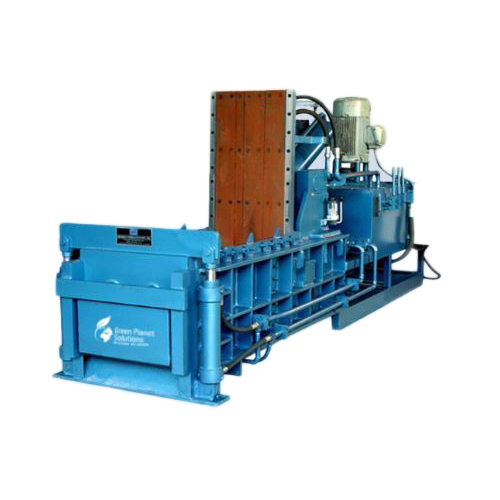
    A baling machine, also known as a baler, is an industrial device used to compress recyclable materials into tightly packed bundles called bales.

    These bales are easier to handle compared to loose waste materials. The machine uses hydraulic pressure to compress items like:

    • Cardboard boxes
    • Plastic packaging
    • Paper waste
    • Aluminum cans
    • Textile waste

    Baling machines are widely used in industries such as:

    • Warehouses and logistics centers
    • Retail stores and supermarkets
    • Manufacturing units
    • Recycling facilities
    • Shopping malls

    By converting loose waste into dense bales, businesses can manage their recyclable materials more efficiently.


    How Does a Baling Machine Work?

    The working process of a baling machine is simple but highly effective.

    1. Waste Loading

    Recyclable materials such as cardboard or plastic are placed inside the baler chamber.

    2. Hydraulic Compression

    The machine uses a hydraulic ram system that applies strong pressure to compress the waste materials.

    3. Bale Formation

    Once the waste reaches the desired density, it is tied using metal wires or straps to maintain its compact shape.

    4. Bale Ejection

    The compressed bale is removed from the machine and stored for transportation or recycling.

    This process can reduce the volume of waste materials by 70–90%, making storage and transportation much easier.


    Types of Baling Machines

    Vertical Baling Machine

    Vertical balers are compact machines designed for small to medium businesses. They are commonly used in retail stores, warehouses, and supermarkets.

    Horizontal Baling Machine

    Horizontal balers are designed for industries that produce large volumes of waste. These machines allow continuous feeding of materials.

    Automatic Baling Machine

    Automatic balers are advanced machines that require minimal manual operation. They are commonly used in large recycling plants and manufacturing industries.


    Benefits of Using a Baling Machine

    1. Reduces Waste Volume

    Baling machines significantly reduce the volume of waste materials, making storage easier.

    2. Saves Storage Space

    Compressed bales require much less storage space compared to loose materials.

    3. Reduces Waste Transportation Costs

    Because waste is compressed into compact bundles, fewer waste pickups are required.

    4. Improves Workplace Safety

    Loose waste materials can create clutter and hazards. Baling machines help maintain a cleaner work environment.

    5. Supports Recycling and Sustainability

    Baled materials are easier to transport to recycling facilities, supporting environmentally responsible waste management.


    Why Choose a Baling Machine for Your Business

    Businesses today are looking for solutions that improve efficiency while supporting sustainability goals.

    A baling machine provides multiple advantages:

    • Improves waste management efficiency
    • Reduces operational costs
    • Supports environmental compliance
    • Helps businesses monetize recyclable materials
    • Creates a cleaner and more organized workplace

    For industries generating large volumes of recyclable waste, investing in a baler machine is a smart operational decision.


    Frequently Asked Questions (FAQs)

    What materials can a baling machine compress?

    A baling machine can compress cardboard, plastic, paper, aluminum cans, textiles, and other recyclable materials.

    How much waste volume can a baler reduce?

    Most baling machines can reduce waste volume by 70–90%.

    Which industries commonly use baling machines?

    Industries such as warehouses, manufacturing plants, retail stores, recycling facilities, and logistics companies use balers.

    Are baling machines environmentally friendly?

    Yes. They support recycling by compressing recyclable materials into manageable bundles for processing.

    What is the difference between vertical and horizontal balers?

    Vertical balers are smaller and suitable for moderate waste volumes, while horizontal balers are designed for large-scale industrial use.


    Conclusion

    Efficient waste management is becoming a critical priority for modern businesses. As industries generate increasing amounts of recyclable materials, solutions like baling machines are helping organizations manage waste more effectively.

    By compressing waste into compact bales, these machines reduce storage space, lower transportation costs, and support sustainable recycling practices.

    For businesses looking to improve operational efficiency while contributing to environmental sustainability, investing in a baling machine is a smart and future-ready solution.


  • Why Real Estate Developers Must Rethink Waste Management in 2026

    Why Real Estate Developers Must Rethink Waste Management in 2026

    Introduction

    India’s real estate sector is evolving rapidly. Smart homes, luxury amenities, and green landscapes are becoming standard expectations. However, one critical aspect often overlooked during project planning is structured waste management.

    With tightening environmental regulations and growing ESG pressure, developers must now integrate sustainable waste solutions from the design stage itself.

    Installing a composting machine for builders is no longer an optional sustainability feature — it is becoming a strategic infrastructure requirement.


    1️⃣ Regulatory Pressure: Bulk Waste Generator Compliance

    Under India’s Solid Waste Management Rules, large residential complexes, commercial towers, IT parks, and mixed-use developments are categorized as bulk waste generators.

    This means developers must ensure:

    • Segregation of wet and dry waste
    • On-site organic waste processing
    • Reduced landfill dependency

    Failure to plan waste infrastructure during construction can result in compliance issues post-handover.

    Proactive developers integrate composting systems before occupancy to avoid operational complications later.


    2️⃣ Composting Machines as a Competitive Advantage

    Modern buyers prefer environmentally responsible projects.

    Projects equipped with organic waste management systems can be positioned as:

    • Zero-waste residential communities
    • Green-certified infrastructure
    • ESG-compliant developments

    In premium real estate markets, sustainability enhances project value and brand positioning.


    3️⃣ ESG & Investor Expectations

    Environmental, Social, and Governance (ESG) reporting is influencing real estate financing and partnerships.

    Developers are increasingly evaluated on:

    • Carbon footprint
    • Waste diversion efficiency
    • Sustainable construction practices

    Installing automated composting machines strengthens ESG compliance and enhances corporate credibility.


    4️⃣ Operational Stability After Handover

    When projects are handed over to housing societies or facility management teams, waste mismanagement often becomes a challenge.

    Without in-house processing:

    • Garbage accumulates
    • Municipal penalties increase
    • Resident dissatisfaction rises

    By integrating a composting machine during the construction phase, developers ensure smoother long-term operations.


    5️⃣ Technology Has Advanced

    Traditional compost pits were labor-intensive and odor-prone.

    Modern automated composting systems are:

    ✔ Fully automatic
    ✔ Odor-controlled
    ✔ Compact and space-efficient
    ✔ Suitable for basements or service areas
    ✔ Minimal maintenance

    Leading manufacturers like Green Planet Solutions provide scalable organic waste management solutions designed for residential and commercial projects across India and global markets.


    6️⃣ Future-Proofing Real Estate Projects

    Environmental regulations are tightening every year.

    Projects without structured waste management infrastructure may face:

    • Regulatory scrutiny
    • Approval delays
    • Negative brand perception
    • Increased operational costs

    Forward-thinking builders integrate sustainable infrastructure at the planning stage rather than retrofitting later.


    7️⃣ From Compliance Cost to Value Creation

    Many developers initially view composting machines as an added expense.

    In reality, they provide:

    • Regulatory compliance
    • Enhanced market positioning
    • ESG alignment
    • Reduced operational risk
    • Improved long-term project sustainability

    The return on investment is both strategic and reputational.


    Where Composting Machines Fit in Real Estate Projects

    Ideal installations include:

    • High-rise residential complexes
    • Gated communities
    • Commercial office buildings
    • Hotels and resorts
    • Hospitals
    • Institutional campuses
    • Mixed-use townships

    Food waste from residential kitchens, cafeterias, and commercial food courts can be converted into nutrient-rich compost within 24–48 hours.


    Conclusion

    The future of real estate in India is sustainable, compliant, and environmentally responsible.

    Developers who integrate composting machines into their infrastructure demonstrate leadership in smart urban development.

    Waste management is no longer a backend operation — it is a core component of future-ready construction

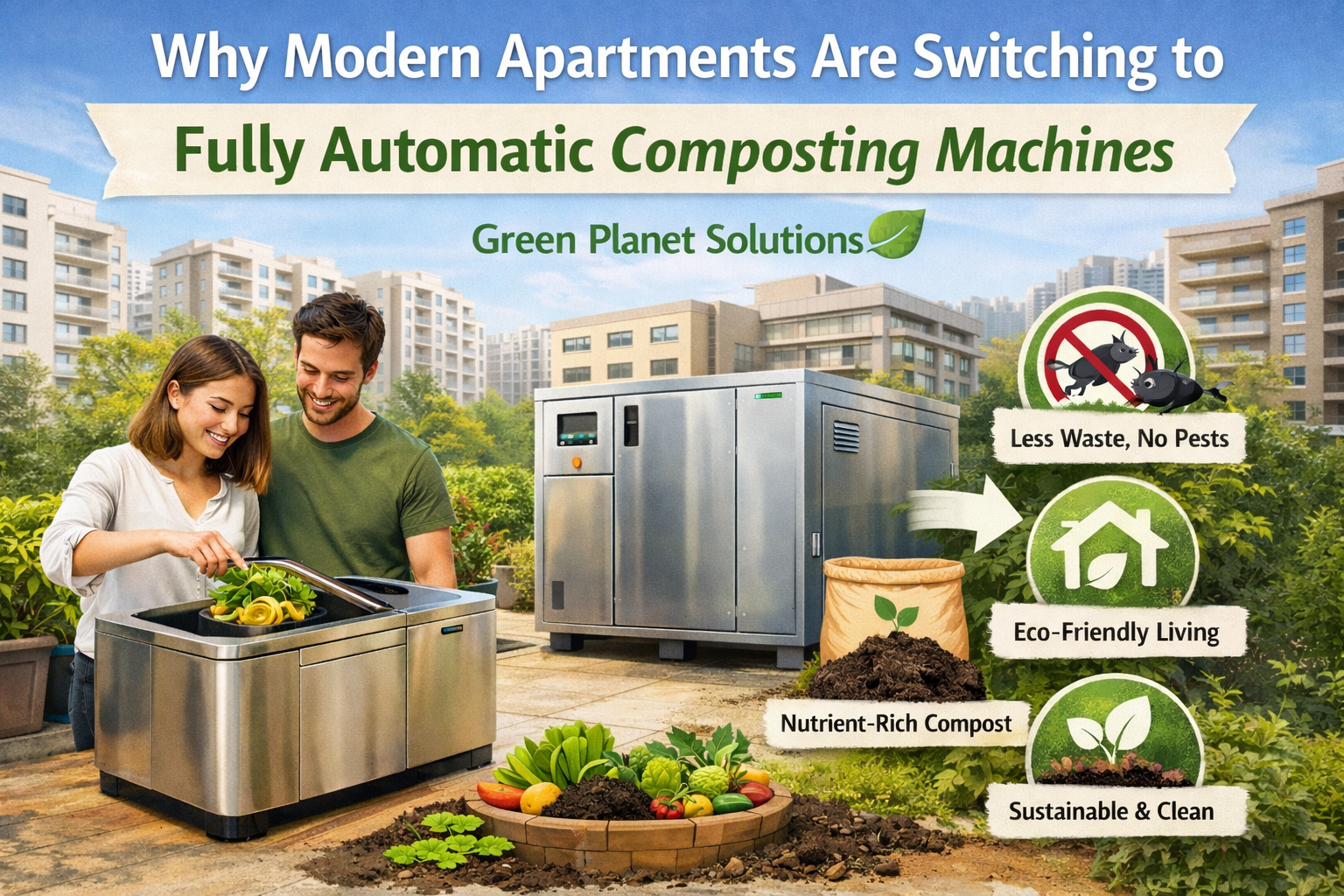
  • Why Modern Apartment are Switching to Fully Automatic Composting Machine

    Why Modern Apartment are Switching to Fully Automatic Composting Machine

    Table Of Contents

    1. Introduction
    2. Solving the “Big Trash” Problem
    3. Saving Money on Maintenance
    4. Free Fertilizer for the Society Garden
    5. Following Government Rules
    6. Frequently Asked Questions (FAQs)
    7. Conclusion

    Introduction

    The concept of building a sustainable community is the latest trend in modern living. If you reside in a large building, you are aware of the amount of waste that is collected on a daily basis. A large portion of this waste is simply leftover food from kitchens. This is why many residential societies are now setting up a Fully Automatic Composting Machine to deal with their organic waste at the source itself. This not only keeps the area clean, but it also helps to keep the environment clean by not allowing trash to reach the landfills. This is why residing in a “Green Building” has become a source of pride for many residents.

    Solving the “Big Trash” Problem

    In a building with 100 or 200 apartments, the quantity of wet waste is massive. Normally, this waste is dumped in large containers, reeks of stench, and is home to flies. But in a society where the Fully Automatic Composting Machine is used, all this food waste will vanish in 24 hours. What you will be left with is a small heap of dry, earthy-smelling compost.

    Saving Money on Maintenance By Using Fully Automatic Composting Machine

    Did you know that many cities now charge extra money to pick up unsegregated waste? In addition, the cost of garbage trucks is increasing every year. By processing waste on-site, the apartment complex saves a lot of money on waste disposal. Eventually, the machine will pay for itself.

    Free Fertilizer for the Society Garden

    In most modern apartments, the gardens, lawns, and potted plants are always beautiful. However, in most cases, the society has to purchase costly chemical fertilizers to maintain their greenness. With the Fully Automatic Composting Machine, you will obtain high-quality organic fertilizer for free! This will make the plants healthier and the soil much stronger.

    Following Government Rules

    Governments are becoming very strict about waste. In many places, it is now mandatory for “Bulk Waste Generators” (like big apartments) to treat their own wet waste. Therefore, installing an automatic system keeps the society safe from heavy fines and legal trouble.

    Frequently Asked Questions (FAQs)

    Q: Is the machine noisy? 

    No,these machines are built to work very quietly. Most residents won’t even notice it is running, even if they walk right past it.

    Q: Does it require a lot of electricity? 

    Modern machines are designed to be energy-efficient. They use smart sensors to only heat up when necessary, which keeps the electricity bill low.

    Q: What happens if someone puts plastic in by mistake? 

    While you should only put food waste in, the machine is sturdy. However, to get the best compost, residents should be taught to separate plastic and metal before dumping their kitchen bins.

    Conclusion

    In conclusion, the best thing that can happen to a modern housing society is to upgrade to a Fully Automatic Composting Machine. This will solve the odor problem, cut down on trash expenses, and give free food to the garden. But most importantly, it will teach the next generation that we can take care of our planet right from our homes. In short, it will convert a big problem into a beautiful solution that the whole building can be proud of.