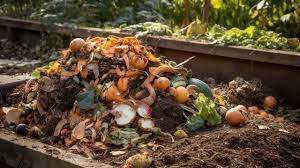
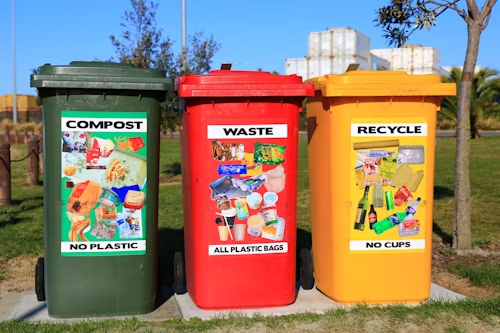
Tag: composting

  • Conserving Natural Resources: How The Recycling Machine Support Sustainable Waste Management in the UAE

    Conserving Natural Resources: How The Recycling Machine Support Sustainable Waste Management in the UAE

    Conserving Natural Resources: How The Recycling Machine Support Sustainable Waste Management in the UAE

    Economic development and social progress are reinforced in the United Arab Emirates but the obstacle that is driven by this growth is the mitigation of waste management. Due to the increasing population and vast industrial expansion, the UAE has been put under pressure to change its current systems to more sustainable waste management ones. In that regard, the UAE authorities managed to establish an active legal framework geared towards waste minimization, recycling, and resource conservation. Geo Robotic, an advanced robotic waste sorting, energy recovery plants and automated recycling company assists with these initiatives through a revolutionary creation of such technology driving ease of recycling across the country. This blog will examine the significance of the recycling machine in the UAE’s waste management system, evaluate the ways in which these machines help in saving natural resources, and discuss the recycling policies of the country that propel the adoption of various forms of recycling technologies.

    The Importance of The Recycling Machine in the UAE

    The waste generation rates in UAE have been skyrocketing. This is a great concern because the population and economic activities revolve around natural resources which will diminish in the course of time if not used sustainably. Given the industrial growth in key cities, such as Abu Dhabi and Dubai, the rate and quantity of waste generation increases with the growth of urban areas. Therefore, the complex problem of waste management needs to be tackled in the UAE, along with the need to uphold sustainable practices. 

    In order to counteract the environmental damage of landfilling and incineration of resources including plastics, metals, paper, and glass, recycling may be one of the options available for UAE. One major aspect of recycling includes the recycling machine. These machines are designed to handle a wide range of materials such as plastics, metals, paper, and glass making it easier to break down such materials into reusable resources. 

    The Recycling machine enables residents of UAE in order to practice effective waste management and the main purpose of conserving such machines is that it allows for the preservation of natural resources and minimizing dependency on raw materials while working towards the wider objective of environmental sustainability. Green Planet Solutions focuses on state-of-the-art recycling in order to assist businesses and municipalities in managing their waste streams more effectively. The use of the recycling machine guarantees that materials are recycled into new, useful products turning wastes into potential energy and preserving the natural beauty of the country.

    The UAE’s Waste Management Regulatory Landscape

    In order to reduce the impact of waste on the environment and the consumption of natural resources, the government of the UAE has implemented several policies and measures designed for the achievement of sustainable practices of waste management. A crucial piece of legislation involving the management of waste is Federal Resolution No. (12) Of 2018 concerning Integrated Waste Management. It defines the requirements used in the waste management hierarchy and addresses the means of disposal that are the least harmful to the environment.

    Notably, one of the major objectives of these regulations is the reduction of the amount of waste going to landfills and the promotion of the circular economy concept. Efforts have been made along this line to ensure that the recycling machine is used as an effective means of processing disposed materials as the UAE has a goal of achieving set sustainability goals. The UAE has sufficiently provided for sustainability by investing in a waste-to-energy program and modern recycling technologies that enable the transformation of wastes to energy among other resources.

    Aside from that, waste management is under the purview of local government authorities. As an example, Dubai has created an Integrated Waste Management Master Plan that seeks to cut the waste bound for landfills to nothing in twenty years. Part of this initiative is the construction of the largest waste-to-energy plant in the Middle East to convert solid waste into usable energy. This part of the strategy is beneficial in the midst of removing the overall waste footprint, contributing to the goal of the UAE Land and Marine Waste Management Strategy, which seeks to reduce the use of landfills by 75% by the year 2021.

    How The Recycling Machine Contribute to Natural Resource Conservation

    The UAE has a desire to conserve its natural assets while also striving towards progress and so it becomes critical to make recycling efforts through conservation machines which not only minimises the use of raw material but also limits the destructive role that resource extraction put on the environment. Thus both struggles go hand in hand efficiently. 

    Natural resources play an important part in the lives of every human being, hence to ensure that the manufacturing of metals, plastic and paper doesn’t destroy nature while also allowing society to thrive, recycling becomes important. As bauxite mining has catastrophic effects on nature aluminium recycling conserves around seventy five percent of one tone of mined bauxite. Meanwhile, the exhaustion of fossil fuels through petroleum plastic synthesis would drastically be reduced through effective recycling measures set in place.

    The government of the UAE has turned towards more rational approaches while also being focused on the encouraging of greater use of recycling measures throughout the industry. Funding business recycling bins makes sense as it can leads towards greater reduction in wastage but also encourages further marketing as the focus moves towards expansion. Green Planet Solutions and other companies similarly provide methods to businesses, which allows them to use resources more effectively, this allows their natural capabilities to expand. Henceforth the UAE aspire for a future where they can expand through a circular economy.

    Supporting the UAE’s Waste-to-Energy and Sustainability Goals

    Apart from the recycling, the UAE has also put a lot of resources into waste-to-energy technologies. This approach is very unique as it entails the usage of non-recyclable waste in producing energy thereby alleviating the waste in landfills while at the same time attending to the energy demand of the country. The waste-to-energy plants for instance in Dubai and Abu Dhabi enable the conversion of waste types into useful materials and thus advancing the renewable energy targets of the UAE.

    As much as waste to energy programs are directed towards the non-recyclable waste, there still are recycling machines that have a key role to play to the industry as they ensure that all the potential recyclable materials are adequately processed back into the supply base. The integration of the recycling machine with waste to energy facilities demonstrates the UAE’s comprehensive and holistic waste management approach that aims at protecting the environment and saving the natural resources.

    The UAE’s waste-to-energy and sustainability initiatives are greatly aided by the efforts of Green Planet Solutions who provide advanced recycling machines to businesses and municipalities aimed at ensuring high recycling rates and the reuse of important materials. This integration of recycling and production of energy makes the UAE be on the right path towards achieve the desired sustainability goals

    Green Planet Solutions: Leading the Way in Waste Management Innovation

    Green Planet Solutions is a leader among the pioneers of the waste management industry by helping businesses and corporations from the UAE to minimize their ecological impact and natural resource usage. Green Planet Solutions provides such recycling technologies which facilitate waste management, increase the level of recycling and assist organizations in reaching the sustainable development goals of the UAE. 

    Being aware of the UAE’s law stipulations and its ascribed sustainability objectives, Green Planet Solutions is able to deliver solutions tailored to the peculiarities of each client. Investing in latest recycling machines allow the organizations to cut down on payment to waste management companies, protect mother earth resources and partake in the larger objective of sustainable development of UAE.

    Conclusion

    The waste management regulation in the country portrays a strong commitment towards sustainable means of living in the UAE that promotes the use of recycling machines. These machines are essential in preserving resources, reducing the use of landfills in the country, and enhancing the circular economy. Placing the recycling machine as an integral part of the waste management systems, businesses and municipalities in the UAE can reduce their burden on the environment while fulfilling the country’s sustainable vision. 

    Green Planet Solutions are at the forefront in the adoption of advanced technologies that assist the United Arab Emirates in its goal of creating an efficient use of resources that is sustainable .As the use of recycling machines continues to increase, the UAE appears to be on course in ensuring that it is among the nations that adopt sustainable means of waste management the most.

  • Composting and Royalties in the US: How the BLM Rule Affects Waste Management Practices

    Composting and Royalties in the US: How the BLM Rule Affects Waste Management Practices

    Composting and Royalties in the US: How the BLM Rule Affects Waste Management Practices

    Waste management in the U.S. has been an important issue for environmental health and economic savings. One big topic right now is how to manage organic waste, like food scraps and farm waste, and how this relates to regulations. As the country seeks sustainable methods, composting has become an important way to cut down dumpsite waste and enhance soil quality. The Compost machine is essential in this phase, helping to manage organic waste and convert it into useful compost. Yet, a recent rule from the U.S. Department of the Interior (DOI) also affects the waste management field, including composting, by focusing on saving resources and preventing waste.

    Green Planet Solutions, a top waste management firm, knows how important it is to incorporate efficient waste management into business and local government practices. Their use of the compost machine shows their dedication to sustainability and caring for the environment. Still, recent regulations like the Waste Prevention Rule could greatly affect companies such as Green Planet Solutions as they adapt to the changing waste management environment.

    In this blog, we will discuss how the new Waste Prevention Rule, issued in April 2024 by the DOI, influences waste management practices, including composting, and its possible effects on industries that depend on compost machines.

    The Importance of Composting and the Role of the Compost Machine in Waste Management

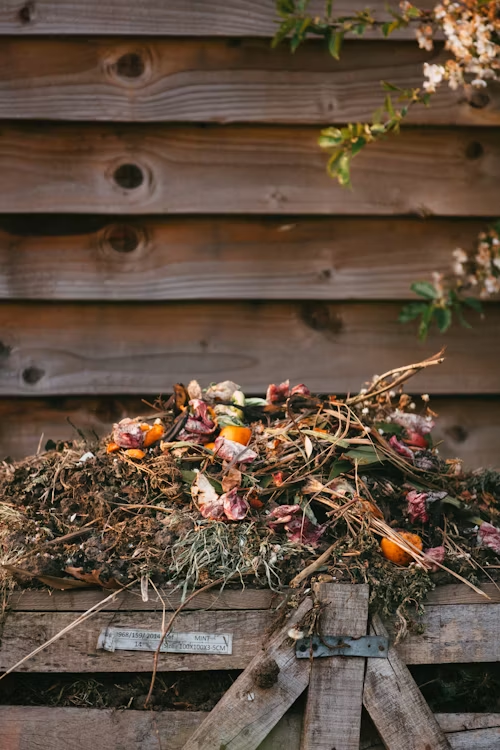
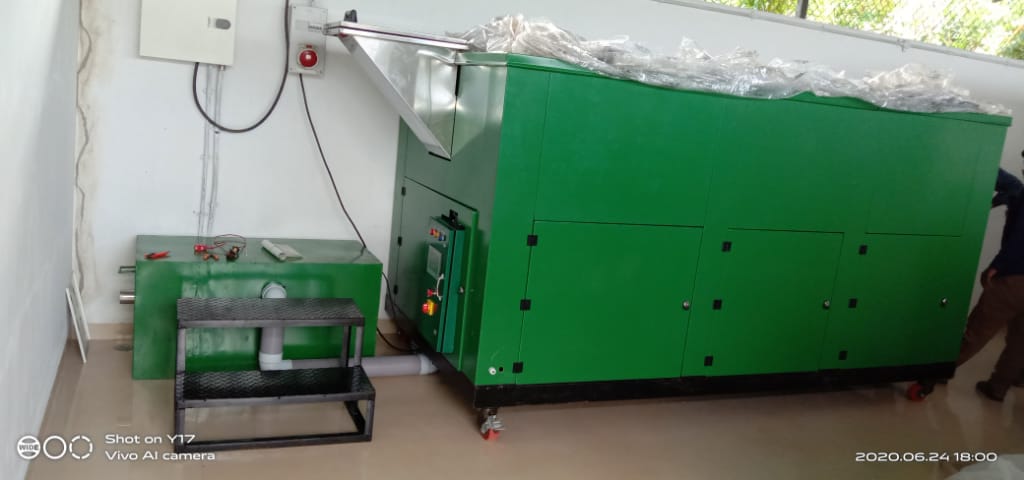
    Composting or organic recycling is a natural way of recycling organic matter such as scraps from food, yard trimmings, and agricultural waste into rich soil. This practice reduces the amount of waste that is deposited into landfills, which in turn protects the environment from dangerous greenhouse gases and encourages environmentally friendly farming. Developing and implementing a green strategy for companies and municipalities goes hand in hand with improving organic waste management. So the first step should be the purchasing of a compost machine. The Compost machine helps to quickly process large amounts of waste into compost through controlled aeration. Only this way, when aerobic conditions make sure all the organic waste is decomposed, the masses of waste can be composted in such a short amount of time. Composting has also gained popularity as an important practice due to increased awareness of environmental conditions. For instance, Green Planet Solutions compost machines assisted the company in handling organic waste, at the same time they contributed to the decrease in the impact of climate change and waste management in general. At the same time, however, the regulatory framework in the area of waste management is also changing in the direction of the wider environmental agenda — to lower waste generation in all areas of the economy including oil and gas.

    The Bureau of Land Management (BLM) and the New Waste Prevention Rule

    On 12 April 2024, the US Department of the Interior (DOI) published the final rule on ‘Waste Prevention, Production Subject to Royalties and Resource Conservation’ which is expected to deal with excessive gas flaring during oil and gas activities on the federal and tribal lands. This regulation is one of those rules that has profound effects on how resources are managed, and waste is controlled at the national level in countries where it is implemented since its effective date is June 2024.

    The primary purpose of the Waste Prevention Rule is hull retention for the oil and gas sector. The purpose of this is to deal with venting, flaring, and leaking which are considered waste of natural gas. There is a new provision that management or operators should make appropriate efforts towards minimizing the gas wasted during capturing processes which includes the filing of a Waste Minimization Plan (WMP) after filing an Application of Permit to Drill(APD). Otherwise, they are liable to pay royalty on undisposed gas and the scheduled gas is expected to be unbroken by certain events; then, the return is free of royalties.

    So, while the rule has a direct effect on the oil and gas sector, the other consequences of the rule cut across a host of other industries that deal with waste management. Specifically, the rule sets a baseline standard for waste prevention at the federal level and thus promotes the development and adoption of better practices for inter-municipal cooperation within the boundaries of composting. Green Planet Solutions, in line with its sustainable initiatives, promotes companies to take up the use of the compost machine as one of the means of enhancing organic waste diversion from landfills and sustainability enhancement.

    How the BLM Rule Impacts Composting and Waste Management Practices

    The BLM’s Waste Prevention Rule is meant to regulate the oil and gas industry. However, it establishes the principle of waste reduction in all sectors of the economy. The regulation revolves around a specific approach to waste minimization — be it natural gas capture or other waste minimization practices and strategies, which, in return, creates a chain of how waste can be managed in other states.

    For industries dealing with organic waste processing like those using compost machines, the BLM rule seems to provide them with the license to expand their operational scope. Towns, business entities and even farms can start practicing composting as a way to lessen their waste output. As a result, they might be compelled to look for compost machines so that they can effectively process organic wastes. It is prudent for companies like Green Planet Solutions that target environmentally sustainable waste management to consider such innovations as part of their waste management target and comprehensive solutions to the communities keen on waste and pollution control.

    Green Planet Solutions is a good example of companies that puts more emphasize on composting as a way of managing waste and therefore, due to their dispossession of dependency on dumping yards and ransacking the environment, they can masterfully comply with the provisions of the Waste Prevention Rule. Moreover, they might also enjoy improved efficiency and economic returns for endorsing sustainable measures as they strive for a healthier environmentally-focused planet.

    Royalties and Financial Incentives for Sustainable Waste Management

    One of the most interesting things about the Waste Prevention Rule is its treatment of royalty payments made in respect to wasted natural gas. Though this rule addresses the petroleum and gas sector exclusively, there are profits that businesses engaged in composting activities can learn from them.

    According to the Waste Prevention Rule, operators owe royalties on gas that is “waivable,” while gas that is “in all events lost” does not warrant the imposition of royalties. A parallel argument could be made concerning organic waste: for businesses and municipalities that make use of compost machines as part of their waste management plans, it minimizes the amount of waste disposed in landfills while maximizing the potential of converting organic materials into compost for sale.

    While composting technologies may not have the same burden of royalties as the oil and gas industry, stakeholders in sustainable waste management like Green Planet Solutions may qualify for other support or even economies. The growing interest of the government towards the enhancement of the environment might provide opportunities for funding or tax cuts targeted at the reduction of the use of dump sites and other environmentally-friendly strategies including composting. 

    Measuring Success and the Future of Composting with the Compost Machine

    Since it’s aimed at minimizing gas flaring, the Waste Prevention Rule can be relevant to other areas such as composting. By utilizing composting machines and engaging in waste minimization strategies, industries can also play their part in contributing to the national effort of minimizing harm to the environment. New rules make it clear that accountability is a serious issue and that operators within the oil and gas industry are obligated to record their gas flaring and this same idea of measuring loss can be implemented in the case of composting as well. 

    There is no doubt that composting will remain an important aspect of waste management in the years to come. These changes will inevitably bring more and more companies into the industry, as the demand for companies such as the BLM increases, thus, creating new possibilities for implementation of sustainable technologies, such as composting machines. Green Planet Solutions has demonstrated an effective strategy in the area of environmental protection with the provision of composting services that help reduce the flow of waste to landfills and assist in shifting from a linear to a circular economy

    Conclusion

    The DOI’s Waste Prevention Rule is indeed a step forward in addressing waste generation and conserving resources across different sectors. The petroleum and gas industry is indeed at the center of this policy but the tenets it espouses cut across all facets of waste management which includes composting. Companies such as Green Planet Solutions can prevent dumpsite waste, save money, and aid the green target by taking up the compost machine and other sustainable waste practices. Moreover, they may be eligible for grant funding and meet the national standards stipulated by regulatory bodies such as the BLM which promotes a green and economical way of waste management in the US.

  • The EPA’s Plastic Pollution Strategy: Why Baling Machines Are Essential

    The EPA’s Plastic Pollution Strategy: Why Baling Machines Are Essential

    Why Baling Machines Are Essential for Plastic Recycling

    Introduction


    The fight against plastic pollution is an urgent global concern, and the Environmental Protection Agency (EPA) understands the gravity of the situation. In their latest strategy, the EPA has recognized the essential role of baling machines in combating plastic waste. With the alarming rate at which plastic is polluting our oceans and harming marine life, baling machines offer an effective solution to manage and recycle plastic waste.

    Why is a baling machine so crucial in the EPA’s plastic pollution strategy? Simply put, baling machines help compress and bundle plastic waste into manageable sizes, making it easier to transport and process for recycling. By reducing the volume of plastic waste, baling machines optimize storage space, minimize transportation costs, and streamline recycling efforts. Incorporating efficient baling machines into waste management systems can significantly contribute to reducing plastic pollution. As businesses and communities embrace these machines, they empower themselves to actively participate in sustainable waste management practices and contribute to a cleaner and healthier planet.

    The Impact of Plastic Pollution on the Environment


    Plastic pollution poses a severe threat to ecosystems, marine life, and human health. Over 8 million tons of plastic enter the oceans annually, where they harm marine species, disrupt food chains, and degrade into microplastics that contaminate water sources. Landfills overflowing with plastic waste contribute to environmental degradation, leaching harmful chemicals into the soil and air. The long lifespan of plastics, often exceeding hundreds of years, exacerbates these issues, making sustainable solutions like baling machines critical.

    The EPA’s Plastic Pollution Strategy


    The EPA has implemented a comprehensive strategy to tackle plastic pollution, emphasizing reduction, recycling, and innovation. This strategy encourages the adoption of advanced technologies like baling machines to improve waste management. By prioritizing efficient handling and recycling of plastic waste, the EPA aims to reduce the environmental impact of plastics while promoting sustainable practices within industries and communities.

    The Role of Baling Machine in Waste Management

    The baling machine is an indispensable tool in modern recycling facilities. These machines compact waste materials into dense bales, simplifying storage, transportation, and recycling. Specifically, when it comes to plastic waste, The baling machine offers a practical solution to manage large volumes of plastic, which can otherwise be difficult to handle and process. With the rise in plastic consumption and the increasing emphasis on plastic recycling, the demand for efficient baling solutions has grown significantly.

    We recognize the importance of advanced baling technology in supporting the circular economy model outlined in the EPA’s strategy. As the EPA pushes for innovations in material design and waste management improvements, the baling machine helps to achieve these goals by making recycling more efficient and reducing the amount of plastic that ends up in landfills or, worse, in our oceans.

    Benefits of Using a Baling Machine for Plastic Recycling


    Baling machines offer numerous advantages for managing plastic waste effectively:

    • Space Optimization: By compressing plastic waste into compact bales, these machines significantly reduce the space required for storage.
    • Cost Savings: Lower transportation costs due to compact bales and reduced trips to recycling facilities.
    • Efficiency: Streamlines the recycling process, ensuring faster and more organized waste handling.
    • Environmental Impact: Facilitates recycling efforts, reducing the amount of plastic waste sent to landfills or incinerators.

    Types of Baling Machines for Plastic Recycling


    Different types of baling machines cater to various recycling needs:

    • Vertical Balers: Suitable for small-scale operations, they are compact and cost-effective.
    • Horizontal Balers: Ideal for high-volume recycling, offering faster and more efficient baling.
    • Automatic Balers: Fully automated systems designed for large-scale operations, ensuring minimal human intervention and maximum productivity.
    • Specialty Balers: Designed to handle specific types of plastics or other materials, offering tailored solutions for unique requirements.

    Cost Analysis: Investing in a Baling Machine vs. Traditional Waste Management Methods


    While the upfront cost of a baling machine may seem significant, the long-term savings and benefits outweigh the initial investment. Traditional waste management methods often incur higher transportation and storage costs due to the bulky nature of uncompressed plastic waste. Baling machines streamline the process, leading to reduced expenses, improved efficiency, and higher returns on recycled materials. Businesses investing in baling machines also enhance their sustainability profile, which can attract eco-conscious customers.

    Challenges and Potential Solutions in Implementing Baling Machines for Plastic Recycling


    Adopting baling machines in waste management systems can present challenges such as:

    • High Initial Costs: Solutions include seeking government subsidies, grants, or financing options to offset costs.
    • Lack of Awareness: Educational campaigns and training programs can help industries and communities understand the benefits of baling machines.
    • Maintenance Requirements: Regular servicing and reliable technical support ensure the longevity and efficiency of the machines.

    Conclusion: The Importance of Baling Machines in the EPA’s Plastic Pollution Strategy


    The EPA’s recognition of baling machines as a crucial component in their plastic pollution strategy underscores the need for innovative solutions in waste management. By investing in baling machines, businesses and communities can significantly reduce plastic waste, optimize recycling efforts, and contribute to a sustainable future. Together, these efforts can help combat the growing plastic pollution crisis, ensuring a cleaner and healthier planet for future generations.

    Join the fight against plastic pollution today—invest in baling machines to revolutionize your waste management practices and contribute to a cleaner, greener future!

    Also, read about:- What Are The Effects Of Food Waste on Climate Change?

  • Greening the GCC: The Power of Organic Waste Composter in Sustainable Waste Management

    Greening the GCC: The Power of Organic Waste Composter in Sustainable Waste Management

    The Power of Organic Waste Composter in Sustainable Waste Management

    In recent years, the GCC (Gulf Cooperation Council) countries have made significant strides toward improving waste management practices, driven by urgent environmental concerns and rapid urbanization. Bahrain, Kuwait, Oman, Qatar, Saudi Arabia, and the United Arab Emirates form the Gulf Cooperation Council (GCC). The GCC’s joint efforts to adopt cutting-edge recycling technology and composters for organic waste demonstrate its dedication to a more sustainable future while tackling the increasing waste issues brought on by industrialization and urbanization.  With the increasing volume of waste, the demand for innovative and sustainable solutions has become more critical than ever. One of the most effective methods gaining momentum in this region is using the organic waste composter. This simple yet impactful technology offers a sustainable solution to reduce waste while benefiting the environment.
    Green Planet Solutions offers innovative waste management solutions across the Gulf countries, introducing organic waste composters to help achieve zero waste goals. By converting organic waste into valuable compost, we promote sustainable practices and waste-to-energy solutions, contributing to a cleaner, greener future.

    The Growing Waste Problem in the GCC

    The GCC countries, especially the UAE, have long faced challenges regarding waste management. The region has one of the world’s highest per capita waste generation rates, with some areas producing as much as 2.5kg of waste per person per day. Rapid urbanization and long-standing societal issues regarding wastefulness have exacerbated this growing problem. Currently, a significant portion of this waste—around 77%—ends up in landfills, posing environmental and economic challenges.

    As governments across the GCC step up their efforts to tackle this issue, they have started to pass ambitious legislation and mandate changes to reduce landfill waste. For example, the UAE’s recent federal legislation mandates a 75% recycling rate for municipal solid waste (MSW) by 2021, with the long-term goal of achieving “zero waste to landfill” by the end of 2020. These mandates are driving the region toward more sustainable waste management practices, and one of the most promising solutions is the organic waste composter.

    The Role of Organic Waste Composters in Waste Management

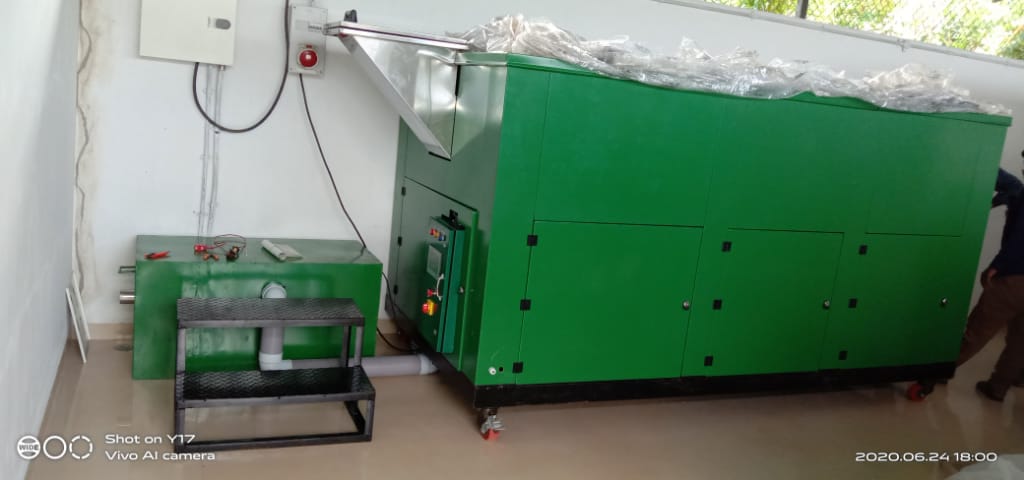
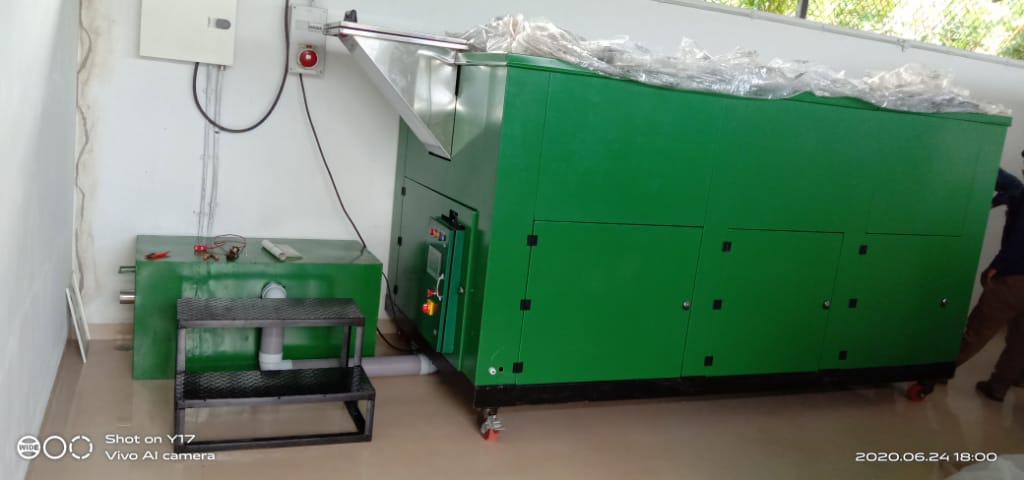
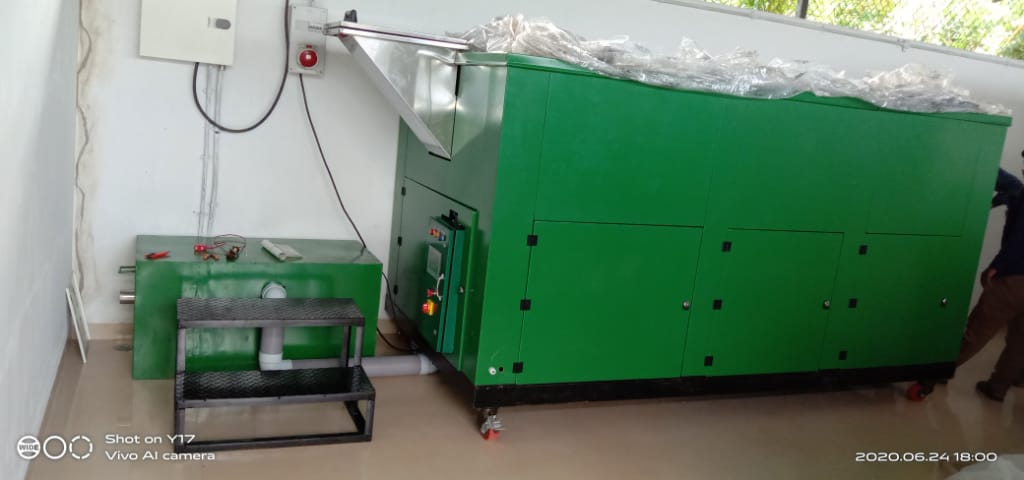
    An organic waste composter is a device that allows organic waste, such as food scraps, garden waste, and agricultural residues, to be converted into valuable compost. This process significantly reduces the volume of waste that would otherwise end up in landfills, contributing to a cleaner and more sustainable environment. Composting also has the added benefit of creating nutrient-rich soil that can be used in gardening and farming, closing the loop on waste and benefiting the economy.

    The integration of organic waste composters into waste management strategies is a key component of the GCC’s efforts to meet their ambitious recycling targets. By turning organic waste into compost, these systems not only reduce landfill waste but also promote a circular economy, where resources are reused and regenerated, rather than discarded.

    Organic Waste Composter in UAE

    Government Mandates and Waste Management Innovations

    In response to the growing waste problem, GCC governments are implementing a range of initiatives aimed at reducing waste and promoting sustainable practices. In the UAE, the government’s integrated waste management plan includes several strategies, such as Scandinavian-style home recycling systems, composting, and the construction of the largest waste-to-energy plant in the Middle East. These efforts are supported by investments in cleantech innovations, such as organic waste composters, which align perfectly with the region’s sustainability goals.

    Governments are not only focusing on large-scale waste management systems but are also encouraging individuals and businesses to adopt green solutions like organic waste composters. These efforts are helping to raise awareness about the importance of reducing waste, recycling, and adopting sustainable practices in everyday life.

    The Future of Waste Management in the GCC

    As the GCC countries work toward achieving their waste diversion targets, the role of technologies like organic waste composters will only become more critical. These systems offer a cost-effective and environmentally friendly way to manage organic waste, and they can be implemented at both the household and industrial levels. With the support of government mandates and increased investment in cleantech, the region is well-positioned to embrace a future where waste is reduced, recycled, and composted, rather than being sent to landfills.

    By using organic waste composters, individuals and businesses in the GCC can play an essential role in supporting the region’s sustainability goals. These systems offer a simple yet powerful solution to help combat the growing waste problem, reduce environmental impact, and create a more sustainable future for generations to come.

    Green Planet Solutions: Your Partner in Sustainable Waste Management

    At Green Planet Solutions, we are committed to providing innovative and eco-friendly waste management solutions that align with the GCC’s sustainability goals. Our organic waste composters are designed to help businesses and households reduce waste, recycle organic materials, and contribute to a cleaner, greener planet. We believe that adopting sustainable practices is not just a necessity—it’s an opportunity to make a positive impact on the environment and the economy.

    With the GCC governments mandating stricter waste management laws and pushing for more sustainable practices, now is the time to invest in solutions like the organic waste composter. At Green Planet Solutions, we are proud to be part of the green revolution, helping the region move toward a zero-waste future.

    By embracing green technologies such as the organic waste composter, we can ensure that waste management becomes a sustainable, effective, and integral part of life in the GCC. Let us help you take the next step in creating a cleaner, more sustainable world for future generations.
    Contact Green Planet Solutions today to learn how our organic waste composters can help you achieve zero waste and sustainable waste management!

  • How to Protect Your Baling Machine from the UK’s Icy Conditions: A Winter Maintenance Checklist

    How to Protect Your Baling Machine from the UK’s Icy Conditions: A Winter Maintenance Checklist

    How to Protect Your Baling Machine from the UK’s Icy Conditions

    Winter in the UK brings a unique set of challenges for farmers and agricultural operations, especially when it comes to machinery like baling machines. With freezing temperatures, snow, and frequent rain, your baling equipment is exposed to harsh conditions that can affect its performance, reliability, and lifespan. Proper winter maintenance is essential to keep your baling machine running smoothly throughout the colder months. In this blog, Green Planet Solutions provides a comprehensive checklist to ensure your baling machine is fully winterized and ready to tackle the UK’s icy conditions.

    Why Winter Maintenance for Your Baling Machine Is Crucial

    During winter, the risks to your baling equipment are heightened due to several factors:

    • Freezing temperatures can cause oil and lubricants to thicken, affecting machine mobility.
    • Moisture and dampness can lead to rust and corrosion on metal parts.
    • Heavy rainfall and snow may cause clogged components or damage to electrical systems.
    • Reduced daylight hours mean you’re likely to be working in colder, harsher conditions, which can lead to faster wear and tear on machinery.

    Proper winter maintenance ensures that your baling machine is operating efficiently, minimizing downtime and costly repairs, and keeping your farm operations running smoothly even in the most challenging conditions.

    Green Planet Solutions’ Winter Maintenance Checklist for Your Baling Machine

    Here’s a step-by-step guide to protecting your baling machine during the UK’s icy conditions:

    1. Clean the Baling Machine Thoroughly

    Before the cold weather sets in, it’s essential to thoroughly clean your baling machine. Remove any leftover debris, hay, or straw that can cause clogs, as well as dirt or mud that might contribute to rusting.

    • Tip: Use a pressure washer to clean the machine but avoid spraying sensitive areas such as electrical components. Make sure all components are thoroughly dry before storing the machine.

    2. Check and Replace Fluids

    Cold temperatures can cause fluids like oil, hydraulic fluid, and grease to become thick and less effective, which can make the machine harder to operate.

    • Engine Oil: Replace with winter-grade oil that remains fluid in low temperatures.
    • Hydraulic Fluid: Ensure the hydraulic fluid is suitable for cold weather use to avoid it becoming too viscous.
    • Grease: Check that grease points are well-lubricated to avoid wear on moving parts.
    • Tip: Always refer to the manufacturer’s recommendations for the specific types of fluids suited to winter use in your baling machine.

    3. Inspect the Belts and Cables

    The cold and damp weather can cause rubber belts and cables to harden, crack, or break more easily. Check for any signs of wear or damage, and replace parts as needed.

    • Tip: Check tension levels of belts and cables to ensure they’re operating at optimal performance.

    4. Check for Rust and Corrosion

    The UK winter brings moisture, which is a significant contributor to rust and corrosion. Check all metal parts of your baling machine for signs of wear. If rust or corrosion is found, it can be treated with anti-corrosion spray or replaced altogether.

    • Tip: Applying a protective coating to vulnerable areas can prevent rust from forming. Consider using a high-quality rust-proofing solution to safeguard key parts.

    5. Ensure Proper Battery Maintenance

    Cold temperatures are hard on batteries, which can cause them to lose charge more quickly or fail altogether. Check the condition of your baling machine’s battery, clean the terminals, and ensure it’s charged.

    • Tip: If you’re expecting a particularly cold winter, consider investing in a battery heater or charger to ensure your battery remains in good condition.

    6. Inspect the Tires and Tracks

    Frozen ground, snow, and ice can create additional strain on your baling machine’s tires or tracks. Inspect these parts for any wear and ensure they have adequate tread for winter operations. If you’re storing the machine outside, consider using tire covers to prevent damage from freezing temperatures.

    • Tip: If you operate a track-based baling machine, make sure the tracks are properly tensioned to avoid issues with slippage and wear.

    7. Protect Electrical Components from Moisture

    Winter rain and snow can easily damage electrical systems in your baling machine. Ensure all electrical connections are tightly sealed and protected from moisture. Inspect wiring for any signs of wear or fraying.

    • Tip: Use electrical connectors that are designed for wet conditions and apply water-resistant tape to exposed areas.

    8. Check and Replace the Air Filter

    Cold weather can cause air filters to become clogged with dirt or debris, which can affect the efficiency of your baling machine. Make sure the air filter is clean and free of any blockages.

    • Tip: Replace the air filter if it shows signs of wear or is difficult to clean.

    9. Test Safety Features

    In winter, you may be working in less-than-ideal conditions, so it’s essential to ensure all safety features on your baling machine are functioning properly.

    • Tip: Test safety features such as emergency stops, lights, and visibility mirrors to ensure they are operational.

    10. Prepare Your Baling Machine for Storage

    If you’re not using your baling machine during the coldest months, make sure it’s properly stored to protect it from the elements. Cover it with a waterproof tarp and place it in a dry, well-ventilated area. If that’s not possible, ensure it’s well-insulated and shielded from wind and rain.

    • Tip: Always check for potential leaks in the storage area, as these can lead to moisture accumulation and cause rust.

    Conclusion

    Maintaining your baling machine during the UK’s icy and unpredictable winter months is essential to ensure your equipment stays in peak condition and operates efficiently throughout the season. By following Green Planet Solutions’ winter maintenance checklist, you can safeguard your baling machine from the harsh conditions that come with the UK’s winter weather, reducing the risk of costly repairs and ensuring your farm operations continue without disruption.

    At Green Planet Solutions, we provide comprehensive support for farmers and agricultural businesses. Whether you need maintenance tips, replacement parts, or advice on eco-friendly farming practices, our team is here to help.

    Stay prepared this winter with Green Planet Solutions – your partner in sustainable, reliable agricultural machinery care.

    Key Takeaways:

    • Regular winter maintenance helps protect your baling machine from cold weather damage.
    • Use the winter maintenance checklist to maintain your equipment’s efficiency.
    • Invest in high-quality, weather-resistant materials to extend the life of your machinery.

    Do you have any specific winter maintenance questions about your baling machine? Reach out to Green Planet Solutions for personalized advice and support.

  • 5 Tips for Efficient Winter Waste Disposal with Waste Management Machine in Romania

    5 Tips for Efficient Winter Waste Disposal with Waste Management Machine in Romania

    5 Tips for Efficient Winter Waste Disposal with Waste Management Machine in Romania

    As winter approaches, waste disposal becomes more challenging due to colder temperatures, heavy snowfall, and the increase in waste during the holiday season. In Romania, managing waste effectively during the winter months requires efficient systems in place. Green Planet Solutions is committed to providing innovative solutions to make waste management easier and more sustainable. Here are five essential tips for efficient winter waste disposal using a waste management machine.

    1. Ensure Your Waste Management Machine is Winter-Ready

    Winter in Romania can bring freezing temperatures, snowstorms, and icy conditions, which can affect the performance of waste management machines. To avoid breakdowns and ensure smooth operations, it’s essential to winterize your equipment. This includes checking the oil levels, inspecting hydraulics, and ensuring that the machine’s moving parts are lubricated to prevent freezing. Green Planet Solutions offers maintenance services to help keep your waste management machines in top condition throughout the winter.

    2. Choose the Right Waste Management Machine for the Job

    Not all waste management machines are designed to handle winter conditions. For areas in Romania that experience heavy snow or icy roads, consider investing in waste management machines that are specifically designed for cold weather. Look for equipment that can handle high volumes of waste without clogging or freezing. Green Planet Solutions offers a variety of models tailored to meet the specific needs of Romanian municipalities and businesses during the winter season.

    3. Use Heated Waste Containers to Prevent Clogs

    One common issue in winter waste disposal is that waste can freeze in containers, making it difficult to empty or transport. To prevent this, consider using heated waste containers or adding insulation to your waste bins. This will help keep waste from freezing and reduce the likelihood of clogs in your waste management machine. Additionally, ensure that your waste containers are positioned in areas that are not prone to heavy snowfall or freezing, making it easier for waste management machines to access them.

    4. Regularly Maintain and Empty Waste Containers

    During winter, waste can accumulate more quickly due to holiday events, colder temperatures leading to longer periods of waste buildup, and the disposal of winter-related items like packaging, food scraps, and holiday decorations. Ensure that your waste management machine is regularly emptied to avoid overflows. Regular pickups help reduce the risk of waste freezing in containers and creating more significant disposal issues down the line. Green Planet Solutions provides scheduled maintenance services, ensuring that your waste management needs are always met, even during the busiest winter months.

    5. Utilize Recycling and Waste Segregation Systems

    Winter waste disposal in Romania can often increase due to discarded holiday packaging, food waste, and other seasonal items. To reduce landfill waste, consider using waste management machines that support recycling and waste segregation. Encouraging local communities and businesses to segregate waste not only makes the disposal process more efficient but also promotes sustainability during the winter season. Green Planet Solutions offers smart waste management systems that help you separate recyclable materials, reducing environmental impact and contributing to a cleaner Romania.

    Conclusion

    Efficient winter waste disposal is crucial for keeping your environment clean and safe, especially in colder regions like Romania. By using the right waste management machine, winterizing your equipment, and adopting proactive waste segregation systems, you can maintain an effective waste disposal system throughout the harsh winter months. At Green Planet Solutions, we are committed to providing the tools and support you need to tackle winter waste disposal with ease and efficiency. Reach out to us for expert advice and waste management solutions tailored to your needs.

    You also read about – Romania’s Hidden Cleanliness Secret: The Untold Benefits of Garbage Chutes in High-Rise Buildings

  • The Surprising Benefits of Using an Organic Waste Composter in Winter

    The Surprising Benefits of Using an Organic Waste Composter in Winter

    The Surprising Benefits of Using an Organic Waste Composter in Winter

    When most people think of composting, they picture spring and summer—sunny days, flourishing gardens, and plenty of organic waste. However, winter—and specifically December—offers unique benefits for using an organic waste composter. Despite the cold temperatures and shorter days, December is the perfect time to begin or continue composting. Whether you’re a seasoned composter or just getting started, here are the surprising advantages of using an organic waste composter during the winter months, and why December is the ideal time to dive into composting with Green Planet Solutions.

    1. Composting in Winter Helps You Manage Holiday Waste Efficiently

    The holiday season in December typically leads to an increase in kitchen scraps—peels, leftovers, and even organic waste from holiday meals. An organic waste composter allows you to manage these waste items sustainably instead of sending them to the landfill. By composting food scraps, wrapping materials like cardboard, and even Christmas tree trimmings, you reduce waste and create nutrient-rich compost for your garden in the months ahead.

    • Green Planet Tip: Add a balanced mix of “greens” (kitchen scraps, coffee grounds) and “browns” (leaves, cardboard) to your organic waste composter to ensure the best decomposition process.

    2. Slower Decomposition = Less Odor

    One of the challenges many people face with composting during warmer months is the potential for unpleasant odors as waste breaks down quickly. Winter composting naturally slows down the decomposition process, which can be an advantage in keeping odors under control. In December, the cool temperatures prevent the pile from overheating, leading to less moisture and fewer smells, making it an ideal time for people who are sensitive to compost odors.

    • Green Planet Tip: If you’re worried about odors, place your organic waste composter in a sheltered, well-ventilated area to help air circulate.

    3. Less Pests and Critters

    Warm weather often invites pests like flies, rodents, and other critters into compost piles, especially when composting food scraps. Winter composting significantly reduces pest activity, as cold temperatures make it less likely for flies and rodents to thrive. This makes December an ideal time for those who struggle with pests during the warmer months. With fewer bugs around, you can compost with greater peace of mind.

    • Green Planet Tip: Make sure your organic waste composter has a secure lid or mesh cover to keep larger animals out and ensure that your composting remains hygienic.

    4. A New Year’s Resolution for Sustainability

    Many people set New Year’s resolutions focused on sustainability, reducing waste, or leading a greener lifestyle. Starting or committing to using an organic waste composter in December aligns perfectly with these goals. Not only will you begin the year by reducing your carbon footprint, but you’ll also be setting yourself up for a year of eco-friendly habits.

    • Green Planet Tip: If you’re new to composting, start with small batches and gradually increase the amount as you become more familiar with the process.

    5. Composting in Winter Helps Retain Nutrients for Spring Gardening

    While composting slows down in the winter, it still works at a reduced pace. By starting or continuing to compost in December, you give your organic waste composter more time to break down, ensuring that by the time spring rolls around, you’ll have nutrient-rich, ready-to-use compost. This compost will be perfect for your garden, flowerbeds, or lawn, setting you up for a productive growing season.

    • Green Planet Tip: Use a compost thermometer to check that your pile is staying warm enough to encourage decomposition, even in colder months. Aim for a temperature of 120°F to 150°F for best results.

    6. The Environmental Impact of Winter Composting

    Composting year-round, including during the winter, plays a critical role in reducing landfill waste. Organic waste makes up a significant portion of landfill mass, and when it decomposes anaerobically (without oxygen) in a landfill, it releases harmful methane—a potent greenhouse gas. By using an organic waste composter, you’re helping to reduce methane emissions and contribute to a more sustainable planet, even when it’s cold outside.

    • Green Planet Tip: Consider setting up a composting bin or vermicomposting system if outdoor composting isn’t feasible due to extreme cold or limited space.

    7. Energy and Time Efficiency

    Winter offers an unexpected advantage: you’re likely to be spending more time indoors, which gives you the opportunity to focus on your composting. You can use this time to manage your pile, monitor temperature levels, and make adjustments as needed. Plus, because the composting process is slower in the cold months, you don’t need to worry about managing large volumes of waste as often.

    • Green Planet Tip: Keep an eye on moisture levels and stir your compost pile less frequently in the winter. Inactive piles during winter months can be more forgiving with fewer maintenance needs.

    8. Winter Composting Supports Local Ecosystems

    In colder climates, organic waste composters contribute to maintaining local ecosystems by providing much-needed nutrients to the soil in the spring. Starting in December, when snow and ice cover the ground, your compost will be ready to enrich the soil once the thawing begins. By adding compost to your garden or flower beds in the spring, you help local plants, trees, and wildlife thrive, fostering biodiversity.

    • Green Planet Tip: If you’re gardening in the winter, you can still use compost in raised beds or plan for composting as soon as the weather warms up.

    Conclusion: Why December is the Perfect Time to Start Using an Organic Waste Composter

    Using an organic waste composter in winter, especially in December, comes with a host of surprising benefits—from controlling odors and pests to creating rich compost for spring gardening. It’s also a great way to kickstart your commitment to sustainability and waste reduction during the holidays and beyond.

    At Green Planet Solutions, we believe that composting shouldn’t be limited to the warmer months. Our organic waste composters are designed for year-round use, providing a simple and effective way to manage waste and support a healthier planet.

    Key Takeaways:

    • December offers a perfect opportunity to start composting, with fewer pests, less odor, and manageable waste from holiday meals.
    • Winter composting helps create nutrient-rich compost for the spring, enhancing your garden’s health.
    • Using an organic waste composter year-round reduces your environmental impact and supports sustainability goals.

    Ready to start composting this winter? Green Planet Solutions can help you find the perfect organic waste composter for your needs—no matter the season!

    You Must Read – The Problem of Food Waste and Its Impact on the Environment

  • 9 Ways to Keep Your Compost Machine Efficient During Winter’s Chill | Green Planet Solutions

    9 Ways to Keep Your Compost Machine Efficient During Winter’s Chill | Green Planet Solutions

    9 Ways to Keep Your Compost Machine Efficient During Winter’s Chill | Green Planet Solutions

    Winter in India can present unique challenges for gardeners and farmers looking to maintain a steady composting process. With temperatures dropping, microbial activity slows down, making it harder to break down organic waste. However, with a few smart adjustments, your compost machine can continue to work efficiently even during the chilly months. Here are 9 practical ways to keep your compost machine running smoothly in winter and ensure rich, nutrient-dense compost all season long.

    1. Ensure Proper Insulation for Heat Retention

    In colder months, keeping your compost pile warm is crucial for speeding up the decomposition process. Many compost machines come with built-in insulation, but if yours doesn’t, you can add extra layers of protection. Wrapping the machine in old blankets or insulating it with straw or cardboard will help trap heat, promoting better microbial activity and faster composting.

    2. Choose the Right Location

    If you’re using an outdoor compost machine, placement matters even more in winter. Position the machine in a sunny spot where it can absorb maximum heat from the sun during the day. This helps retain the heat necessary for decomposition. In India, where the winter sun can still be strong in many regions, this simple trick can make a big difference.

    3. Increase Carbon-Rich Materials

    During the winter months, the moisture levels in compost piles tend to rise due to the cold weather. This can make your compost too wet, slowing down the process. To balance the moisture content, ensure you add enough carbon-rich materials like dried leaves, sawdust, or straw. These materials help absorb excess moisture and keep the composting process moving.

    4. Maintain the Right Moisture Levels

    Even though it’s winter, moisture is still crucial for effective composting. However, in colder weather, the material can become too wet or too dry. Monitor the moisture content regularly by squeezing a handful of compost. It should be moist, but not soggy. If it’s too dry, add some water; if it’s too wet, mix in more dry, carbon-rich materials like leaves or shredded paper.

    5. Turn Your Pile Regularly

    Decomposition in winter can slow down, but turning the compost regularly ensures proper aeration and prevents the pile from becoming compacted. Many compost machines come with mechanisms to turn the compost for you, but if yours doesn’t, manually turn the pile at least once a week. This will maintain airflow and encourage the microbes to continue their work.

    6. Use a Heated Composting System

    For those looking for a more high-tech solution, some compost machines are designed with built-in heating systems. These machines maintain a stable temperature inside the compost, speeding up the decomposition process even in colder weather. Although this solution may be a bit pricier, it ensures that composting continues without interruption during winter.

    7. Add Warm Organic Matter

    During the winter, adding warm organic materials can give your compost a helpful boost. Leftover kitchen scraps like coffee grounds, vegetable peels, and tea leaves retain some warmth, which can help heat up the compost pile. You can also keep some organic waste inside before adding it to the machine to ensure it’s warmer and speeds up the process.

    8. Monitor and Adjust Airflow

    Airflow is essential to keep the microbes alive and active, particularly during the winter. A lack of oxygen in the compost pile can cause it to stagnate. Many compost machines are equipped with ventilation holes, but if you’re composting in an outdoor bin or pile, ensure the materials aren’t packed too tightly. Aerating your pile by turning it regularly will maintain a steady flow of oxygen, which is key for the microbes to thrive.

    9. Compost in Smaller Batches

    In winter, it may be harder to compost large amounts of material at once. To ensure better heat retention and faster decomposition, try composting in smaller batches. This allows the pile to maintain a higher temperature for quicker breakdown. Compost machines are typically designed to handle small to medium-sized batches, making them a perfect fit for this approach during the colder months.

    Conclusion

    Winter in India can be a challenging time for composting, but with the right approach, your compost machine can continue to produce nutrient-rich compost throughout the chilly season. By keeping the pile warm, adjusting the moisture, turning the compost regularly, and using the right materials, you can keep the decomposition process going strong despite the cold. Remember, patience is key in winter composting, but with these 9 tips, your compost machine will help you achieve great results even during the coldest months.

    At Green Planet Solutions, we’re committed to helping you get the most out of your composting efforts year-round. Whether you’re using a mechanical compost machine or a manual setup, these winter tips will ensure that you stay on track for sustainable, eco-friendly gardening in India. Happy composting! 

  • 5 Key Challenges in Installing a Garbage Chute in Oman’s Urban Developments

    5 Key Challenges in Installing a Garbage Chute in Oman’s Urban Developments

    5 Key Challenges in Installing a Garbage Chute in Oman’s Urban Developments

    In Oman’s rapidly growing urban landscapes, managing waste efficiently has become a critical challenge. With the increase in population and urbanization, the demand for smarter waste disposal solutions is greater than ever. One such solution gaining traction is the installation of a garbage chute. However, integrating a garbage chute into modern urban developments comes with its own set of challenges. Here are five key obstacles that developers and architects face when considering the installation of a garbage chute in Oman’s urban developments.

    1. Adapting to Oman’s Unique Climate and Weather Conditions

    Oman is known for its extreme temperatures, especially in summer, where the mercury often rises above 40°C (104°F). The heat and humidity can cause wear and tear on the components of a garbage chute, especially if it is not designed to withstand such conditions. The installation of durable, heat-resistant materials is essential to ensure the longevity and functionality of the garbage chute. Developers must also account for potential rusting and corrosion due to humidity, particularly in coastal regions like Muscat.

    Green Planet Solutions focuses on offering materials that can withstand Oman’s climate, ensuring that garbage chutes function seamlessly even in harsh weather conditions.

    2. Space Constraints in Urban Areas

    Urban developments in Oman are often characterized by limited space, especially in high-rise buildings or densely populated areas. A garbage chute needs adequate space for installation, from the vertical shaft to the disposal area. Finding the right balance between efficient waste management and maximizing usable living space is a significant challenge for developers. This challenge is compounded by the need to maintain aesthetics, which is especially crucial in luxury and commercial buildings.

    At Green Planet Solutions, we offer compact and customizable garbage chute systems that cater to space limitations without compromising on performance or design.

    3. Ensuring Hygienic and Odor-Free Systems

    In a hot and humid environment like Oman, maintaining hygiene in a garbage chute system can be difficult. Without proper ventilation and maintenance, these systems can become breeding grounds for bacteria, pests, and foul odors. Developers must ensure that garbage chutes are installed with proper airflow, self-cleaning features, and easy access for maintenance. A poorly maintained garbage chute can quickly become a health hazard, posing risks to the residents and the environment.

    Green Planet Solutions emphasizes hygienic garbage chute systems with integrated sanitation features, ensuring they remain odor-free and pest-resistant while minimizing the need for frequent cleaning.

    4. Compliance with Local Regulations and Building Codes

    Oman’s building codes and regulations play a vital role in the installation of a garbage chute. These codes govern various aspects, including the materials used, the positioning of the garbage chute, and the disposal methods. Navigating these regulations and ensuring that the garbage chute is compliant can be complex, especially as the legal landscape around waste management evolves.

    Green Planet Solutions keeps track of Oman’s evolving regulations, ensuring that our garbage chutes are fully compliant with local standards, making the installation process smoother for developers and property owners.

    5. Cost Considerations and Return on Investment

    The installation of a garbage chute is an investment that requires careful consideration of upfront costs and long-term benefits. In Oman’s competitive construction market, developers must weigh the costs of installation against the potential return on investment (ROI). While a garbage chute can improve efficiency, reduce labor costs, and enhance the living experience for residents, it requires an upfront investment in design, materials, and installation. Additionally, regular maintenance and upgrades can add to the total cost.

    At Green Planet Solutions, we provide cost-effective garbage chute options that maximize ROI by minimizing maintenance and repair costs over time. Our efficient systems are designed to improve waste management while providing long-term savings for urban developers.

    Conclusion

    The installation of a garbage chute in Oman’s urban developments can be a transformative solution for waste management. However, overcoming challenges such as climate conditions, space constraints, hygiene, regulatory compliance, and cost considerations is essential for its successful integration. At Green Planet Solutions, we understand these challenges and offer innovative, durable, and cost-effective garbage chute systems designed specifically for Oman’s unique environment. By addressing these key challenges, we help developers create cleaner, more efficient urban spaces while promoting sustainability and modern waste management practices.

  • 3 Steps to Ensure Your Garbage Chute in Qatar Remains Odor-Free and Hygienic

    3 Steps to Ensure Your Garbage Chute in Qatar Remains Odor-Free and Hygienic

    3 Steps to Ensure Your Garbage Chute in Qatar Remains Odor-Free and Hygienic

    In Qatar’s rapidly growing urban landscape, the demand for efficient waste management systems is on the rise. One of the most practical solutions for high-rise buildings and commercial complexes is the installation of a garbage chute. While these systems are incredibly efficient, ensuring that your garbage chute remains hygienic and odor-free requires proactive maintenance and design considerations. The hot, humid climate of Qatar poses specific challenges, but with the right approach, maintaining a clean and odorless garbage chute is entirely possible. Here are three essential steps to ensure your garbage chute stays hygienic and odor-free, creating a healthier and more pleasant environment for everyone.

    1. Implement Regular Cleaning and Sanitizing Protocols

    The first step to keeping your garbage chute in Qatar free from odors and bacteria is to ensure regular cleaning and sanitizing. The intense heat and humidity can make waste disposal areas breeding grounds for bacteria, mold, and unpleasant smells. To combat this, it’s crucial to establish a cleaning schedule, focusing on the following areas:

    • Interior of the chute: Regularly clean the interior of the garbage chute to prevent the buildup of organic waste that can cause foul odors.
    • Chute shaft and vents: These areas must be cleaned to prevent blockages and ensure proper airflow, which helps in controlling odors.
    • Disposal area: Ensure that the collection area or bin where the waste accumulates is cleaned regularly to avoid contamination and unpleasant smells.

    At Green Planet Solutions, we recommend installing a self-cleaning system within your garbage chute to automate the process, ensuring thorough and consistent sanitation. This feature is designed to work seamlessly with Qatar’s unique climate, ensuring optimal hygiene year-round.

    2. Utilize Advanced Ventilation and Odor-Control Systems

    In Qatar’s hot climate, the lack of proper ventilation can quickly lead to the development of bad odors in your garbage chute. Without an efficient airflow system, moisture and heat can create the perfect environment for waste decomposition and the spread of unpleasant smells. To address this, ensure that your garbage chute is equipped with advanced ventilation and odor-control technologies.

    • Airflow management: Install a well-designed ventilation system that helps circulate air and prevents the buildup of moisture inside the garbage chute.
    • Odor-neutralizing systems: Consider integrating odor-neutralizing technologies, such as UV lights or air purifiers, which help eliminate bad smells before they spread throughout the building.

    At Green Planet Solutions, we specialize in providing garbage chute systems that come with built-in ventilation and air purification features, ensuring that odors are minimized, even in the warmest months.

    3. Choose High-Quality, Non-Porous Materials for Your Garbage Chute

    The materials used to construct your garbage chute can have a significant impact on its hygiene and odor control. Using low-quality materials may result in porous surfaces that absorb odors and become difficult to clean. To keep your garbage chute in Qatar hygienic and free from unpleasant smells, choose high-quality, non-porous materials that are easy to clean and maintain.

    • Stainless steel: Opt for high-grade stainless steel, which is non-porous, durable, and resistant to corrosion. This material is particularly effective in Qatar’s humid conditions and will prevent waste buildup and odor retention.
    • Seamless design: Ensure that the garbage chute is designed without visible seams or joints, which can trap dirt and waste. A seamless design makes it much easier to keep the chute clean and hygienic.

    Green Planet Solutions offers cutting-edge garbage chute systems made with premium materials that are both durable and easy to clean. Our solutions are specifically engineered to withstand Qatar’s climate while maintaining hygiene and preventing odors.

    Conclusion

    In Qatar’s unique environment, ensuring that your garbage chute remains hygienic and odor-free is vital for both the health and comfort of building residents. By following these three essential steps—regular cleaning, installing effective ventilation systems, and choosing high-quality materials—you can maintain a clean, odorless, and efficient garbage chute.

    At Green Planet Solutions, we specialize in providing advanced garbage chute systems that address the specific challenges of Qatar’s climate. Our solutions are designed to not only improve waste management but also ensure long-term hygiene and comfort for urban developments. Let us help you create a cleaner, healthier environment with our state-of-the-art garbage chute systems tailored to your needs.