Tag: composting

  • 8 Mistakes to Avoid When Using a Food Waste Composting Machine at Home

    8 Mistakes to Avoid When Using a Food Waste Composting Machine at Home

    8 Mistakes to Avoid When Using a Food Waste Composting Machine at Home

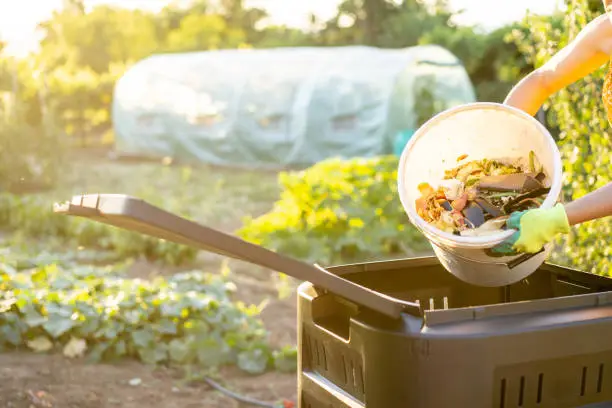
    As sustainability becomes a top priority in households across the globe, many people are turning to innovative solutions like a food waste composting machine to help reduce their environmental footprint. At Green Planet Solutions, we are committed to offering cutting-edge composting technology that makes managing food waste more efficient and eco-friendly. However, while these machines are incredibly effective, there are common mistakes that homeowners often make, which can hinder their composting efforts.

    In this blog, we’ll explore 8 key mistakes to avoid when using a food waste composting machine at home, ensuring you get the best results for your composting process.

    1. Ignoring Proper Sorting of Food Waste

    One of the biggest mistakes people make when using a food waste composting machine is not properly sorting the waste before adding it to the machine. Not every food waste item can be composted. Items like dairy, meats, oils, and processed foods can create odors, attract pests, and disrupt the composting process.

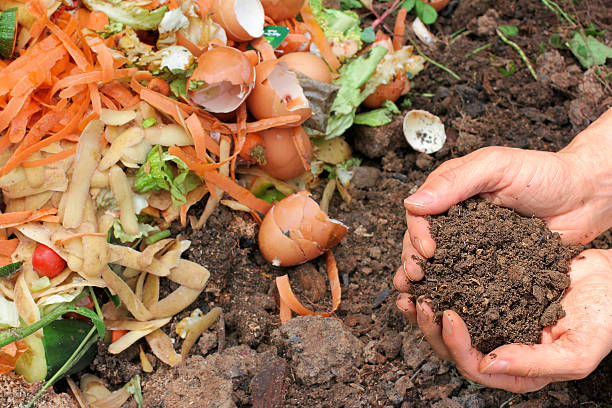
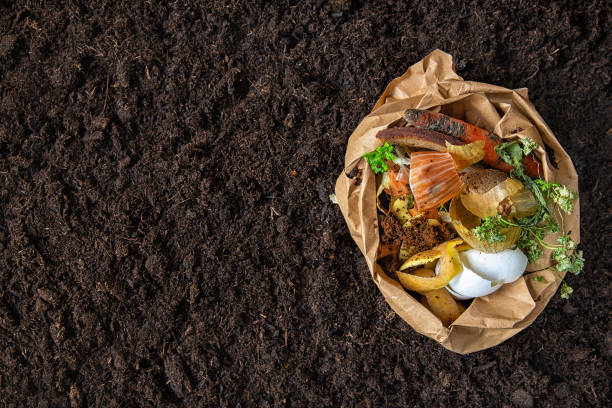
    To ensure efficient composting, it’s essential to only add organic waste such as fruit and vegetable scraps, coffee grounds, eggshells, and certain grains. Sorting waste properly is key to achieving high-quality compost and preventing issues like bad smells or mold buildup.

    2. Overloading the Food Waste Composting Machine

    A food waste composting machine works best when it’s loaded with an appropriate amount of waste. Overloading the machine can result in slow composting, clumping, and poor airflow, which can prevent the waste from breaking down effectively.

    It’s important to follow the manufacturer’s guidelines regarding load limits. By adding waste in manageable amounts and giving the machine time to process it, you ensure a more efficient and effective composting cycle.

    3. Neglecting to Maintain the Right Moisture Level

    Moisture plays a vital role in the composting process. A common mistake is not maintaining the right moisture level in the food waste composting machine. If the waste lacks moisture, decomposition will be delayed. On the other hand, too much moisture can lead to a slimy, smelly mess.

    To keep things balanced, you should aim for a consistency similar to a damp sponge. You can add water if the mixture is too dry or dry materials like shredded newspaper or cardboard if it becomes too wet. Regularly check the moisture levels to ensure an optimal composting environment.

    4. Failing to Aerate the Compost

    Aeration is essential for the decomposition of organic materials. A food waste composting machine requires airflow to maintain the right conditions for microbes to break down the waste efficiently. Without proper aeration, your compost may become compacted and stagnant, leading to unpleasant odors and slower decomposition.

    Ensure your machine has sufficient ventilation and use any aeration features the unit provides, such as rotating drums or stirring mechanisms, to encourage airflow. Aerating the compost regularly will speed up the process and keep odors at bay.

    5. Not Monitoring the Temperature

    Temperature is a crucial factor in the composting process. If the waste inside a food waste composting machine is too cold, the microbial activity that breaks down the material will be slow. If it gets too hot, it can kill beneficial microorganisms that aid in decomposition.

    Many composting machines come with built-in temperature controls or indicators. Keeping the temperature in the ideal range (usually between 120°F and 160°F or 50°C to 70°C) will help the composting process move along smoothly. You can monitor the temperature using a thermometer if your machine doesn’t have one built-in.

    6. Using Non-Biodegradable Waste

    Another mistake often made is adding non-biodegradable items to the food waste composting machine. Items like plastic, metals, and synthetic materials cannot break down in the composting process and will cause clogs or damage to your machine.

    Always double-check the materials you add to ensure they are biodegradable and organic. This will not only help the machine function better but will also result in high-quality compost that can be safely used for gardening or landscaping.

    7. Lack of Regular Cleaning and Maintenance

    A food waste composting machine requires regular cleaning and maintenance to function optimally. Neglecting to clean the machine after each composting cycle can lead to a buildup of residue, which can hinder the performance of the machine over time.

    Make sure to adhere to the manufacturer’s guidelines for cleaning and upkeep.. Regularly remove any built-up organic matter, sanitize the internal components, and check for any potential blockages. This will extend the life of your machine and ensure it runs efficiently.

    8. Not Using the Compost Properly

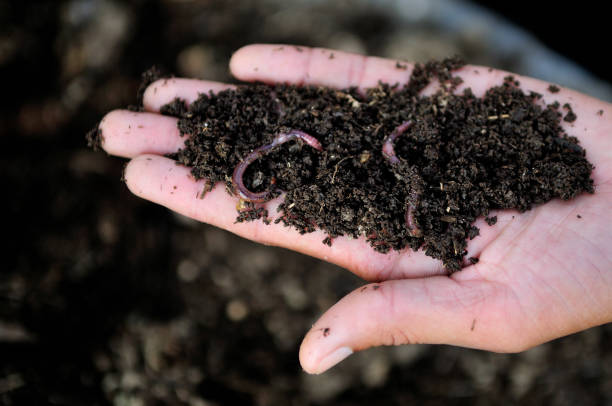
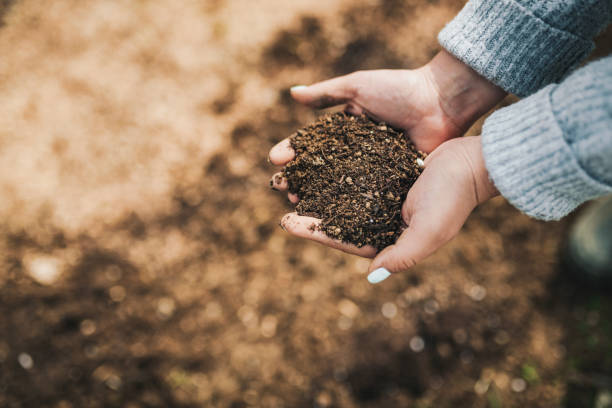
    Even after successfully composting your food waste, a common mistake is not using the finished compost properly. The end product of a food waste composting machine is nutrient-rich, dark, and crumbly compost that can greatly benefit your garden or plants. However, many people either discard the compost or fail to apply it correctly.

    Use your compost as a natural fertilizer for your garden, potted plants, or lawn. You can also add it to your vegetable or flower beds to enrich the soil and promote healthy plant growth. Applying compost in the right amounts will help replenish the soil’s nutrients and reduce the need for chemical fertilizers.

    Conclusion: Maximize the Benefits of Your Food Waste Composting Machine

    Using a food waste composting machine at home can be an incredibly effective way to reduce food waste and contribute to a more sustainable lifestyle. However, by avoiding these common mistakes, you’ll ensure that your machine works at its best, producing high-quality compost and benefiting both your household and the environment.

    At Green Planet Solutions, we are dedicated to providing state-of-the-art composting machines and support to help you make the most out of your composting efforts. By properly maintaining your food waste composting machine, monitoring its operation, and using the compost effectively, you’ll be able to close the loop on food waste and make a meaningful contribution to sustainability in your home.

    Let’s work together to create a cleaner, greener world—one compost cycle at a time!

  • 5 Tips for Maintaining Your Organic Waste Composter in India’s Diverse Climate

    5 Tips for Maintaining Your Organic Waste Composter in India’s Diverse Climate

    5 Tips for Maintaining Your Organic Waste Composter in India’s Diverse Climate

    Maintaining an organic waste composter in India can be a rewarding experience that contributes to a cleaner environment and sustainable living. However, India’s diverse climate—ranging from tropical heat to cold, dry winters—requires specific care and attention when managing an organic waste composter. At Green Planet Solutions, we understand the challenges and solutions necessary for successful composting in varying environmental conditions.

    In this blog, we share five essential tips for maintaining your organic waste composter to ensure optimal performance, no matter the climate in which you live. Whether you’re in the humid coastal regions, the dry northern plains, or the cooler hill stations, these tips will help you manage your organic waste effectively and reduce landfill pressure.

    1. Monitor Temperature and Moisture Levels Regularly

    India’s weather conditions can cause fluctuations in temperature and moisture, which directly affect the decomposition process in an organic waste composter. If your composter becomes too hot in tropical or arid climates, the composting process may accelerate too quickly, while cold weather can slow it down significantly.

    What to Do:

    • In warmer regions, ensure your organic waste composter is placed in a shaded area to prevent overheating. You can also add moisture regularly to keep the pile damp but not soggy.
    • In colder climates, insulate your composter using hay or straw to retain heat, and increase the pile size to maintain internal warmth.
    • Keep the moisture levels balanced—too dry and decomposition slows down; too wet and it becomes smelly and anaerobic.

    Why It Matters:
    Temperature and moisture balance are essential for maintaining the right conditions for microorganisms to break down organic matter effectively, no matter the climate.

    2. Ensure Proper Aeration and Turning of Waste

    Proper airflow is crucial to speed up the composting process. In humid regions, such as coastal areas, the composting material can become compacted, which prevents oxygen from reaching the microbes that help break down organic waste. In drier regions, aeration helps avoid the buildup of dry, crumbly material.

    What to Do:

    • Turn the compost regularly to allow air to circulate and prevent the compost from becoming too dense or smelly.During warm weather, it’s best to turn the compost every 1-2 weeks.
    • For areas with high humidity, make sure your organic waste composter has proper ventilation or holes to allow airflow. Use a composting bin with adjustable air vents if necessary.
    • In drier climates, adding coarse materials like small twigs or straw can help create pockets of air within the compost.

    Why It Matters:
    Aeration promotes aerobic decomposition, which is faster and more odor-free than anaerobic decomposition. It also prevents the compost from becoming stagnant or overly wet.

    3. Manage Waste Type and Size for Effective Breakdown

    The types of organic waste you add to your organic waste composter play a significant role in how efficiently your compost breaks down. India’s varied climate means that the availability of certain types of waste may vary throughout the year, but consistency in the types and sizes of waste you add is essential.

    What to Do:

    • Chop or shred larger waste materials, such as vegetable peels, fruit skins, and yard waste, before adding them to the composter. Finer particles break down faster and more uniformly.
    • Balance green (nitrogen-rich) and brown (carbon-rich) materials. Green waste includes kitchen scraps, grass, and vegetable peelings, while brown materials include dry leaves, straw, and cardboard. A good ratio of 2:1 (green to brown) is ideal.
    • Be mindful of seasonal waste. During monsoons, you may have an abundance of wet waste, while in winter, dry leaves and plant trimmings might be more prevalent. Adjust your composting inputs accordingly.

    Why It Matters:
    A balanced mix of materials with proper size ensures efficient decomposition and minimizes the risk of attracting pests or creating unpleasant odors.

    4. Protect the Composter During the Monsoon and Winter Seasons

    Monsoon and winter in India can introduce challenges for composting, particularly excess moisture during the rainy season or colder temperatures in northern regions. These seasonal variations can disrupt the composting process if the organic waste composter is not properly protected.

    What to Do:

    • During monsoons, elevate your organic waste composter slightly off the ground to prevent water from flooding it. You can use bricks or a wooden platform to ensure proper drainage.
    • For outdoor composters, consider covering the compost with a waterproof tarp to prevent excess rainwater from soaking into the pile.
    • In winter, ensure your composter is insulated to maintain heat. You can use straw bales or blankets to wrap the composter, protecting it from the chill.
    • For both seasons, consider moving the organic waste composter to a sheltered or covered location, such as a balcony or patio, where it is shielded from direct weather elements.

    Why It Matters:
    Protecting your composter from the elements ensures that the composting process remains consistent and efficient, regardless of seasonal challenges.

    5. Regularly Check for Pests and Odor Control

    Climate conditions in India, especially in hot and humid regions, can make your organic waste composter a haven for pests if not properly maintained. Similarly, during the monsoon, excess moisture can lead to foul smells and unwanted visitors.

    What to Do:

    • Ensure that the compost is properly aerated and balanced with enough carbon-rich materials like dry leaves or straw to minimize odors.
    • Avoid adding meat, dairy, or oily food to your composter, as these can attract pests and rodents.
    • If you notice an odor or pests, try adjusting the moisture level (add dry leaves or cardboard if it’s too wet), or turn the compost more frequently to improve aeration.
    • Consider using natural pest deterrents, such as neem leaves or garlic, to keep pests at bay.

    Why It Matters:
    Proper maintenance reduces the likelihood of pest infestations and foul smells, ensuring that your composting process is clean and efficient.

    Conclusion: Sustainable Composting for All Climates

    Composting is an essential practice for reducing waste and enriching the soil. By following these maintenance tips for your organic waste composter, you can ensure that it functions optimally, regardless of India’s diverse climate. At Green Planet Solutions, we are dedicated to helping you achieve sustainable waste management practices with high-quality composting solutions.

    Ready to start composting? Contact Green Planet Solutions today for more information about our range of organic waste composter products designed for every climate in India!

  • 11 Reasons Why Swiss Garbage Chute Is a Model for Sustainable Urban Living

    11 Reasons Why Swiss Garbage Chute Is a Model for Sustainable Urban Living

    11 Reasons Why Swiss Garbage Chute Is a Model for Sustainable Urban Living

    In an era where sustainability is at the forefront of urban planning, Switzerland has emerged as a leader in innovative waste management solutions. One of the unsung heroes of this revolution is the garbage chute, an ingenious system that plays a crucial role in making Swiss cities more eco-friendly, efficient, and sustainable. At Green Planet Solutions, we believe that understanding how Switzerland uses the garbage chute can provide valuable lessons for cities around the world. Here are 11 reasons why the Swiss garbage chute is a model for sustainable urban living:

    1. Minimized Carbon Footprint

    A key element of sustainability is reducing carbon emissions, and Switzerland’s garbage chute system helps achieve this. By centralizing waste disposal, it reduces the need for multiple trips to dumpsters or landfills, cutting down on vehicle emissions and fuel consumption.

    2. Encourages Waste Segregation

    Swiss garbage chute systems often come equipped with separate bins for recyclables, organic waste, and general waste. This design encourages residents to properly sort their waste before disposal, contributing to higher recycling rates and reducing landfill waste.

    3. Efficient Space Utilization

    In crowded urban areas, space is a valuable resource. The garbage chute efficiently utilizes vertical space, allowing for centralized waste disposal without taking up valuable ground-level area. This contributes to the overall compact and efficient design of Swiss urban environments.

    4. Reduces Waste Handling

    Physically handling waste can result in contamination and reduced efficiency. With a garbage chute, waste is disposed of directly from individual floors, reducing the need for human intervention and minimizing contact with hazardous materials, improving hygiene in public spaces.

    5. Promotes Urban Cleanliness

    With a garbage chute, waste is disposed of quickly and hygienically, reducing the chances of litter building up in public areas. This helps keep Swiss cities cleaner, improving the overall quality of life for residents and visitors alike.

    6. Supports Waste-to-Energy Systems

    In many Swiss municipalities, waste is not just discarded but converted into energy through waste-to-energy plants. The garbage chute plays a pivotal role in feeding this system, providing a constant, organized stream of waste that can be transformed into electricity or heat.

    7. Prevents Waste Overflow

    The garbage chute helps to manage waste by ensuring that it is disposed of in a timely and organized manner. This prevents overfilled trash bins and overflowing waste, which is a common issue in cities without efficient disposal systems.

    8. Enhances Community Involvement

    By installing a garbage chute in residential buildings, Swiss cities encourage residents to be more conscious of waste disposal practices. The ease and efficiency of using a chute motivate people to engage more with waste management and adopt greener habits.

    9. Cost-Effective Solution for Waste Management

    Maintaining traditional waste collection systems can be costly, especially in high-density areas. The garbage chute reduces the need for frequent waste collection trucks, lowering overall operational costs and allowing municipalities to reinvest those savings into further sustainable initiatives.

    10. Improved Health and Safety

    Waste in public areas can attract pests and spread diseases. By using a garbage chute, waste is contained within the building and swiftly disposed of, reducing exposure to unsanitary conditions and improving public health and safety.

    11. Scalability and Adaptability

    Swiss cities have successfully integrated the garbage chute into buildings of all sizes, from high-rise apartments to community complexes. This adaptability ensures that the system can grow with urban populations, continuing to meet the needs of residents as cities expand sustainably.

    Conclusion: The Future of Urban Sustainability

    As urban populations continue to rise, sustainable waste management systems like the garbage chute will be essential to building cleaner, greener cities. Switzerland’s innovative approach to waste disposal is a shining example of how modern technology can be applied to everyday solutions, creating more sustainable urban environments. At Green Planet Solutions, we believe that embracing such systems will be pivotal in helping other cities around the world adopt more efficient, environmentally friendly practices in the years to come.

    By learning from Switzerland’s commitment to sustainability and waste management, we can help pave the way toward a cleaner, more eco-conscious future for all.

    You can Also Read about- Transforming Waste into Resources: The Role of Organic Waste Converters 

  • Scrap Baling Machine vs. Manual Recycling: 6 Reasons Why Dutch Manufacturers Prefer Automation 

    Scrap Baling Machine vs. Manual Recycling: 6 Reasons Why Dutch Manufacturers Prefer Automation 

    6 Reasons Why Dutch Manufacturers Prefer Automation 

    In the fast-paced world of recycling, efficiency, sustainability, and cost-effectiveness are key drivers for success. For manufacturers in the Netherlands, these goals are pushing them towards innovative solutions that maximize output while minimizing labor and environmental impact. One such solution that has gained immense popularity in recent years is the scrap baling machine. But how does it compare to manual recycling methods, and why are Dutch manufacturers increasingly opting for automation?

    At Green Planet Solutions, we’ve seen firsthand how the right technology can transform recycling processes. In this blog, we will explore the six key reasons why a scrap baling machine is becoming the preferred choice over manual recycling for manufacturers in the Netherlands.

    1. Increased Efficiency and Speed

    Manual recycling is a time-consuming process. Sorting, compacting, and bundling materials by hand can take hours or even days, depending on the volume. On the other hand, a scrap baling machine operates at a far faster pace. With automated controls and powerful hydraulic systems, the machine can compress scrap materials into uniform bales within minutes, allowing manufacturers to process large volumes in a fraction of the time.

    For Dutch manufacturers, this increased efficiency translates to higher throughput and shorter turnaround times, enabling them to meet strict deadlines and keep up with growing demand in industries like automotive, electronics, and construction.

    2. Consistency and Quality Control

    One of the biggest challenges with manual recycling is ensuring consistency in the size and weight of the bales. Workers may tire, leading to uneven baling and potential errors in the sorting process. A scrap baling machine, however, produces consistent, uniform bales every time. This consistency is crucial for transporting, storing, and selling scrap materials to recycling plants and manufacturers. With automation, Dutch companies can ensure the quality of their output, which can have a direct impact on the profitability of their recycling operations.

    3. Reduced Labor Costs

    Manual recycling requires a significant amount of labor. Workers must be trained, supervised, and paid for long hours of physically demanding tasks. By switching to a scrap baling machine, manufacturers can automate much of the process, reducing the need for human labor in the recycling facility. This not only cuts down on wages but also minimizes the risk of workplace injuries, contributing to a safer working environment.

    For Dutch manufacturers, who operate in one of Europe’s most competitive markets, reducing labor costs is a key strategy to stay ahead. Automation enables companies to reallocate human resources to higher-value tasks, such as overseeing machinery or focusing on other areas of production.

    4. Space-Saving and Organization

    Manual recycling typically results in piles of uncompressed scrap materials that take up valuable space in a facility. These piles can become disorganized and difficult to manage, leading to inefficiencies in sorting and storing. A scrap baling machine solves this problem by compacting materials into tightly compressed bales that occupy far less space.

    Dutch manufacturers benefit from a more organized, streamlined recycling process where bales are neatly stored, labeled, and ready for shipment. This space-saving advantage is particularly important for companies that operate in busy industrial zones with limited storage options.

    5. Environmental Benefits

    Sustainability is a top priority in the Netherlands, and the country is known for its ambitious environmental goals. Manual recycling often leads to higher emissions due to the transportation of large amounts of scrap material to sorting areas and recycling facilities. A scrap baling machine, however, helps reduce transportation costs by compacting materials into smaller, more manageable bales.

    In addition, the use of a scrap baling machine promotes the circular economy by ensuring that more scrap materials are efficiently recycled and reused. This aligns with the Netherlands’ commitment to reducing waste and achieving a circular, low-carbon economy.

    6. Enhanced Profitability

    Lastly, one of the most compelling reasons for Dutch manufacturers to invest in a scrap baling machine is its potential to improve profitability. By automating the recycling process, companies can reduce costs, improve material handling, and increase operational efficiency. This allows them to take on more contracts, process larger volumes of scrap, and generate greater revenue from selling bales to downstream recyclers or manufacturers.

    Moreover, the faster and more consistent output from a scrap baling machine makes it easier to scale operations, further enhancing profitability. As the Dutch market continues to demand more sustainable and efficient recycling practices, manufacturers equipped with automation will be well-positioned to meet these demands and increase their bottom line.

    Conclusion: Why Dutch Manufacturers Choose Automation

    As we’ve seen, a scrap baling machine offers a wealth of advantages over manual recycling, especially for manufacturers in the Netherlands. From improved efficiency and consistency to cost savings and environmental benefits, automation is revolutionizing the way recycling is done in the country. At Green Planet Solutions, we believe in the power of technology to drive positive change in waste management, and we are proud to offer advanced scrap baling machines that help Dutch manufacturers stay competitive and sustainable.

    If you are looking to take your recycling operations to the next level, a scrap baling machine is the perfect investment. By making the switch to automation, you can reduce labor costs, increase throughput, and contribute to a greener future for the Netherlands.

    For more information on how our scrap baling machine solutions can transform your recycling processes, get in touch with Green Planet Solutions today!

    You also read about- Revolutionizing Waste Management with the Organic Waste Composter

  • Romania’s Hidden Cleanliness Secret: The Untold Benefits of Garbage Chutes in High-Rise Buildings

    Romania’s Hidden Cleanliness Secret: The Untold Benefits of Garbage Chutes in High-Rise Buildings

    Romania’s Hidden Cleanliness Secret: The Untold Benefits of Garbage Chutes in High-Rise Buildings

    In the sprawling urban landscape of Romania, cities like Bucharest, Cluj-Napoca, and Timisoara are undergoing rapid development, with towering high-rise buildings becoming the norm. As Romania’s cities continue to grow, managing waste in densely populated spaces presents a challenge. Yet, there’s one innovative solution that often goes unnoticed but plays a crucial role in keeping these urban areas clean and efficient: the garbage chutes. For residents in high-rise buildings, this seemingly simple structure has a profound impact on cleanliness, hygiene, and convenience, yet its benefits are often underappreciated.

    In this blog, we’ll explore how garbage chutes are a hidden cleanliness secret in Romania and how they contribute to better waste management in high-rise buildings, while also highlighting the role Green Planet Solution plays in promoting sustainable and efficient waste management practices.

    What is a Garbage Chute and How Does It Work?

    A garbage chute is a vertical passageway installed in residential or commercial buildings that allows residents to dispose of their waste by simply dropping it into a large container or waste room located at the building’s base. The chute is typically constructed from durable materials like steel or plastic and is designed to prevent unpleasant odors from escaping, as well as minimize contamination.

    In Romania’s high-rise buildings, garbage chutes are becoming increasingly common. They offer an easy, efficient, and sanitary way for residents to dispose of their daily waste without leaving their apartments or navigating stairwells to the building’s ground level.

    1. Promoting Cleanliness and Hygiene

    One of the most immediate benefits of garbage chutes in Romania’s high-rise buildings is their contribution to cleanliness. In densely populated urban centers, maintaining clean streets and public spaces can be a significant challenge, especially when waste is not managed properly. Garbage chutes prevent litter from accumulating in hallways or stairwells, which could otherwise contribute to unsightly messes, foul odors, and the spread of bacteria.

    By providing an enclosed, dedicated space for waste disposal, garbage chutes help keep living areas and common spaces free of garbage. This is particularly beneficial in Romania’s growing high-rise apartment complexes, where multiple families or tenants share the same building.

    Moreover, the garbage chute system minimizes the likelihood of waste being left in public spaces or left outside the building, which could attract pests or become an eyesore. In the context of Romania’s urban growth, garbage chutes help maintain a sense of cleanliness and order in an otherwise chaotic environment.

    2. Convenience and Time-Saving

    For residents of high-rise buildings, convenience is key. Traditional waste disposal methods often require individuals to carry trash bags down multiple flights of stairs or wait for an elevator, which can be time-consuming and cumbersome. Garbage chutes eliminate this hassle by allowing residents to drop their waste directly into the chute, which then falls to the bottom of the building where it can be sorted and collected by maintenance staff.

    This time-saving aspect of garbage chutes is especially important in Romania’s bustling cities, where busy professionals and families are constantly on the move. Rather than wasting time hauling bags of garbage to designated bins or managing waste in other, less efficient ways, garbage chutes provide an effortless solution for quick disposal.

    Furthermore, for elderly residents or individuals with mobility challenges, using a garbage chute is far more accessible than navigating stairs or walking long distances to find a trash collection point.

    3. Reducing Odors and Pest Problems

    In high-rise buildings, one of the most common problems associated with waste management is the buildup of unpleasant odors, which can permeate living spaces if waste is not handled correctly. Garbage chutes play a key role in controlling this issue by ensuring that waste is promptly disposed of in an enclosed, odor-resistant container, keeping foul smells contained and away from residents’ homes.

    Additionally, waste that is left out in hallways or public areas can attract pests such as rats, cockroaches, and flies. The enclosed nature of the garbage chute system minimizes the risk of pest infestations in high-rise buildings. In Romania, where large urban areas are seeing increased population density, this is particularly important for maintaining public health and safety.

    4. Enhanced Waste Management Efficiency

    In many Romanian cities, waste management can be a logistical nightmare, especially in older, denser parts of towns and cities. The introduction of garbage chutes simplifies the process, providing a direct and efficient method of waste collection. With the chute system in place, waste management companies or building maintenance staff can collect and dispose of waste more efficiently, without delays or confusion caused by waste left scattered around the building.

    Moreover, Green Planet Solution advocates for more sustainable waste management practices in Romania, emphasizing the importance of integrating technology and smart solutions in waste disposal. Modern garbage chutes can even be equipped with sensors that alert building managers when the containers are full, optimizing waste collection schedules and reducing unnecessary trips to remove trash.

    5. Improved Aesthetic Appeal of High-Rise Buildings

    High-rise buildings are not just functional spaces; they are also a reflection of modern design and architectural aesthetics. The inclusion of garbage chutes contributes to a clean and sleek look by eliminating the need for external waste bins or clutter around entrances. This improves the building’s overall appearance and can even increase its value, as prospective tenants and owners tend to favor buildings with more sophisticated waste management systems.

    By using garbage chutes, developers and property managers are able to create more attractive, practical, and modern buildings that appeal to a wider audience in Romania’s competitive real estate market.

    6. Supporting Sustainable Practices

    Sustainability is a growing concern in Romania, as the country strives to improve waste management and reduce its environmental footprint. Garbage chutes play a crucial role in this effort, as they can facilitate more organized and efficient waste sorting. With separate chutes for recyclables, compost, and general waste, high-rise buildings can encourage responsible disposal and recycling habits among residents.

    Green Planet Solution supports these sustainable practices by advocating for smart waste sorting systems within garbage chutes. In the near future, more buildings in Romania could feature advanced garbage chute designs that make recycling and sorting waste easier and more accessible for residents, ultimately contributing to a cleaner environment.

    Conclusion: The Hidden Benefits of Garbage Chutes in Romania

    As Romania continues to urbanize and evolve, the role of garbage chutes in high-rise buildings will only become more prominent. Their benefits—ranging from cleanliness and convenience to pest control and sustainability—make them an indispensable feature for modern buildings in Romania. With the support of Green Planet Solution, the implementation of such waste management systems can be taken to the next level, enhancing efficiency and encouraging more sustainable practices in Romanian cities.

    Garbage chutes are more than just a hidden convenience; they are a solution to some of the most pressing waste management challenges faced by urban areas. As Romania continues to grow and modernize, these chutes will undoubtedly remain one of the best-kept secrets in maintaining clean, functional, and sustainable high-rise buildings across the country.

    Let’s continue to embrace smarter, cleaner solutions for Romania’s future—and Green Planet Solution is here to help lead the way.

  • Smart Baling Press Machine: The Role of IoT in Waste Management Innovation in France

    Smart Baling Press Machine: The Role of IoT in Waste Management Innovation in France

    The Role of IoT in Waste Management Innovation in France

    As the world continues to grapple with the challenges of waste management, innovative technologies are emerging to reshape how we handle and process waste. In France, a country known for its progressive stance on sustainability and waste reduction, smart baling press machines are taking the spotlight. By integrating the Internet of Things (IoT) with traditional baling press machines, waste management is being streamlined, making it more efficient, cost-effective, and environmentally friendly.

    In this blog, we’ll explore the role of IoT-enabled baling press machines in revolutionizing waste management in France and how Green Planet Solution is helping pave the way for a cleaner, greener future.

    What is a Baling Press Machine?

    A baling press machine helps compress waste materials like paper, plastics, metal, and fabrics into uniform bales, which are more compact and easier to move, store, and recycle. Traditionally, baling press machines have been a staple in industries like recycling, agriculture, and waste management for reducing the volume of waste.

    However, in an era of digital transformation, even these machines are evolving. The integration of IoT technology into baling press machines has unlocked a whole new realm of possibilities for waste management, especially in countries like France, which are leading the charge in environmental innovation.

    IoT: The Game-Changer for Waste Management

    The Internet of Things (IoT) is a system of interconnected physical devices that are equipped with sensors, software, and other technologies to share data and communicate with other devices over the internet. For waste management, IoT-enabled machines like smart baling press machines are a breakthrough innovation. These machines can now communicate in real-time with monitoring systems, providing valuable data to operators and managers.

    In France, cities and industries are increasingly adopting smart waste management solutions to tackle the growing volumes of waste in urban areas. IoT integration in baling press machines is one such solution that is gaining momentum.

    How Smart Baling Press Machines Are Changing the Game

    Real-Time Monitoring and Efficiency


    With IoT, baling press machines can be remotely monitored, giving operators up-to-the-minute data on their performance. Sensors track critical metrics like pressure, bale weight, and machine temperature. This data can be sent to a central system where operators can make adjustments, ensuring optimal operation at all times.

    This kind of real-time monitoring allows for greater efficiency in waste processing. By continuously assessing the condition of the baling press, operators can reduce downtime, prevent malfunctions, and ensure that the machine operates at maximum capacity.

    Predictive Maintenance and Reduced Downtime

    One of the biggest advantages of integrating IoT with baling press machines is predictive maintenance. IoT sensors can detect issues before they lead to machine failure. For example, if a particular component is beginning to show signs of wear, the system can alert maintenance teams, who can schedule repairs during non-peak hours. This prevents unexpected breakdowns and helps extend the lifespan of the machine.

    In France, where efficiency is critical in waste management, minimizing downtime is essential to keeping recycling facilities and waste centers running smoothly. The use of smart baling press machines equipped with IoT sensors significantly reduces operational interruptions, leading to better resource management.

    Data-Driven Decision Making


    IoT-enabled baling press machines generate a vast amount of data that can be used to improve waste management strategies. In France, this data can be analyzed to optimize the entire waste processing workflow. By reviewing trends such as peak operation times, waste types, and processing efficiency, waste management facilities can better allocate resources and plan for future needs.

    For instance, data gathered from the baling press machine could reveal that certain types of waste are processed more efficiently during specific hours. With this information, waste management facilities can adjust their schedules and workforce allocation to ensure they are operating at peak efficiency.

    Improved Recycling Rates


    Smart baling press machines help improve the quality and consistency of bales. By ensuring that each bale is compressed to the right density and weight, recycling centers can streamline their sorting and processing operations. The result is more recyclable material being processed in a more efficient manner.

    In France, where the government has set ambitious recycling targets, optimizing recycling facilities is critical. IoT-connected baling press machines contribute directly to these goals by ensuring that recyclables are processed efficiently, reducing contamination, and improving overall recycling rates.

    Environmental Impact Reduction


    One of the biggest concerns in waste management is minimizing the environmental footprint of waste processing. IoT-connected baling press machines help in this area by optimizing energy usage and material handling. By providing insights into energy consumption, these machines can be adjusted to ensure they are operating as efficiently as possible, reducing unnecessary energy waste.

    Additionally, IoT integration allows for better waste segregation and recycling, leading to a lower volume of landfill waste and a reduced need for incineration. This directly supports France’s sustainability initiatives and aligns with the country’s national goals of reducing carbon emissions and promoting circular economy practices.

      France: A Leader in Waste Management Innovation

      France has long been a forerunner in adopting progressive waste management policies. The country’s “Circular Economy Roadmap” (Feuille de route économie circulaire) aims to reduce waste, promote recycling, and transition toward a more sustainable future. Smart waste management systems, including IoT-enabled baling press machines, are key to achieving these ambitious goals.

      Local governments and private waste management companies in France are increasingly turning to technology to meet their waste reduction targets. The integration of IoT into baling press machines aligns perfectly with this trend, providing a practical and efficient solution for managing waste more effectively.

      Green Planet Solution: Pioneering IoT Integration in Baling Press Machine

      Green Planet Solution is proud to be an integral part of this groundbreaking change in waste management. Our IoT-enabled baling press machines are designed to meet the highest standards of efficiency, sustainability, and operational excellence. Whether you are managing a small recycling center or a large waste processing facility, our machines help you optimize operations, reduce costs, and improve your environmental impact.

      By adopting Green Planet Solutions smart baling press machines, businesses in France and beyond can embrace the future of waste management. Our solutions provide real-time insights into the performance of your equipment, enabling you to make informed decisions that drive efficiency, reduce waste, and support sustainability goals.

      Conclusion: The Future of Waste Management in France

      The integration of IoT technology with baling press machines represents a giant leap forward in waste management innovation in France. From real-time monitoring and predictive maintenance to improved recycling rates and reduced environmental impact, IoT-enabled machines are transforming how we manage waste.

      At Green Planet Solution, we are committed to helping businesses and municipalities leverage these cutting-edge technologies to build a sustainable future. As France continues to lead the way in waste management and sustainability, the role of smart baling press machines will only become more significant in shaping a cleaner, greener world.

      If you’re looking to upgrade your waste management system with a baling press machine that combines advanced technology, sustainability, and efficiency, Green Planet Solution is here to help. Let’s work together to drive innovation in waste management.

      You can read also – The Organic Waste Composting Machine by Green Planet Solutions

    1. The Environmental Benefits of Using Organic Waste Converter in Spanish Households: A Green Planet Solutions Guide

      The Environmental Benefits of Using Organic Waste Converter in Spanish Households: A Green Planet Solutions Guide

      The Environmental Benefits of Using Organic Waste Converter in Spanish

      In recent years, Spain has made remarkable strides toward sustainability, driven by an increasing awareness of environmental issues and a growing commitment to reducing waste. One of the most significant contributions to this movement comes from utilizing an organic waste converter. These innovative devices are transforming how Spanish households manage their waste, turning kitchen scraps and yard waste into valuable compost or biogas. At Green Planet Solutions, we believe that adopting organic waste converters can offer a range of environmental benefits, all while promoting a greener, more sustainable lifestyle.

      What is an Organic Waste Converter?

      An organic waste converter is a machine designed to break down organic materials, such as food scraps, garden waste, and other biodegradable substances, into usable resources like compost or biogas. These converters work by speeding up the natural decomposition process, turning what would otherwise be waste into a nutrient-rich substance that can enhance soil quality or even generate renewable energy.

      How Organic Waste Converter Helps Spanish Households Go Green

      1. Reducing Landfill Waste

      One of the most pressing environmental issues Spain faces is the rising volume of waste being sent to landfills. According to the Spanish Ministry for the Ecological Transition and the Demographic Challenge, over 5 million tons of organic waste end up in landfills every year, contributing to pollution, habitat destruction, and climate change.

      By adopting an organic waste converter in their homes, Spanish households can significantly reduce the amount of organic waste sent to landfills. As organic waste breaks down in a landfill, it produces methane, a powerful greenhouse gas. An organic waste converter eliminates this risk by accelerating decomposition in a controlled environment, thereby preventing methane emissions and decreasing the overall carbon footprint.

      2. Creating Compost for Healthier Soil

      In Spain, gardening and agriculture are an integral part of life. By using an organic waste converter, households can create their own nutrient-rich compost, which can be used to enrich the soil in gardens and urban green spaces. Composting at home reduces the need for synthetic fertilizers, which are often harmful to the environment and can contaminate water supplies.

      With compost made from their own organic waste, Spanish families can grow healthier plants, vegetables, and flowers, all while closing the loop on waste production. This not only benefits local ecosystems but also helps conserve water and supports biodiversity in urban and rural settings.

      3. Decreasing Greenhouse Gas Emissions

      The environmental impact of organic waste is not just confined to landfills. Traditional waste management systems often burn organic waste, which releases carbon dioxide and other pollutants into the atmosphere. Using an organic waste converter at home ensures that organic waste is turned into beneficial products like compost or biogas, rather than being incinerated.

      Furthermore, organic waste conversion can help reduce the need for industrial composting or waste-to-energy facilities, which often produce significant emissions. By decentralizing waste management and empowering individuals to take action, Spanish households can significantly reduce their collective greenhouse gas emissions.

      4. Reducing the Need for Transporting Waste

      Waste collection is a major logistical and environmental challenge in cities and towns across Spain. Transporting waste from homes to centralized disposal facilities uses fossil fuels, contributing to air pollution and traffic congestion. By using organic waste converters, households can minimize the amount of organic waste they need to transport, easing the burden on municipal waste systems and reducing the carbon footprint associated with waste disposal.

      5. Promoting a Circular Economy

      Spain has been increasingly embracing the concept of a circular economy, where resources are reused, recycled, and kept in circulation for as long as possible. Organic waste converters play a vital role in this movement by turning what would be waste into valuable, reusable resources. By composting their food scraps and garden waste at home, Spanish families help create a closed-loop system where organic matter is continually recycled, reducing reliance on external resources and lowering environmental impact.

      At Green Planet Solutions, we support this sustainable model by encouraging households to embrace composting and other waste diversion practices. When organic waste is handled efficiently and sustainably, it can become a resource that keeps on giving, contributing to healthier ecosystems and reducing the need for raw materials.

      6. Supporting Local Food Production and Sustainability

      Organic waste converters can be particularly beneficial for households that participate in urban gardening or have small-scale home farms. By converting organic waste into compost, these homes can reduce their reliance on chemical fertilizers, improving soil health and encouraging local food production. In Spain’s cities, where urban farming is growing in popularity, organic waste converters contribute to a sustainable, localized food system.

      Composting at home not only improves soil fertility but also supports the production of local, organic produce, reducing the carbon footprint associated with transporting food long distances. This holistic approach to food production and waste management has the potential to revolutionize urban sustainability in Spain.

      The Green Planet Solutions Commitment to Sustainability

      At Green Planet Solutions, we believe in the power of everyday actions to create a sustainable future. By promoting the use of organic waste converters in Spanish households, we’re encouraging individuals and families to take ownership of their waste, reduce their environmental impact, and contribute to a greener planet.

      We offer a range of high-quality, easy-to-use organic waste converters that cater to households of all sizes and needs. Our products are designed to make the process of composting or biogas production as simple and effective as possible, helping Spanish families live more sustainably without sacrificing convenience.

      Conclusion: A Cleaner, Greener Future for Spain

      The environmental benefits of using organic waste converters in Spanish households are undeniable. From reducing landfill waste and greenhouse gas emissions to supporting local food production and promoting a circular economy, these devices are transforming how Spaniards manage their waste.

      By making the switch to an organic waste converter, Spanish families can contribute to a more sustainable and eco-friendly future. At Green Planet Solutions, we’re proud to be part of this journey, helping households reduce their environmental impact one compost bin at a time. Together, we can create a cleaner, greener, and more sustainable Spain for generations to come.

      For more information visit:- https://www.thegreenplanetsolutions.com/spain/

    2. How Belgium’s Seasonal Weather Affects Organic Waste Composting: Tips for Each Season

      How Belgium’s Seasonal Weather Affects Organic Waste Composting: Tips for Each Season

      How Belgium’s Seasonal Weather Affects Organic Waste Composting: Tips for Each Season

      At Green Planet Solutions, we understand that the key to effective organic waste management lies in the ability to adapt to changing environments. For those using an organic waste composter in Belgium, the country’s varying seasons can significantly impact the composting process. Belgium’s unpredictable weather—from chilly winters to warm summers—requires thoughtful planning to ensure your compost is breaking down efficiently year-round. Here, we break down how each season affects composting and share valuable tips for optimizing your organic waste composter through the changing months.

      Winter: Slow Down, But Stay Active

      Belgium’s winter temperatures can dip well below freezing, which may seem like a setback for those using an organic waste composter. In colder months, microbial activity within the compost pile slows down, meaning the decomposition process will take longer. However, this doesn’t mean you should abandon your compost altogether.

      Tips for Winter Composting:

      • Insulate Your Organic Waste Composter: In colder temperatures, it’s crucial to keep your compost pile warm enough to encourage microbial activity. Consider adding insulation to your composter, such as straw bales around the outside or a composting blanket, to retain heat.
      • Add Nitrogen-Rich Materials: Organic waste with high nitrogen content (like food scraps) can help maintain heat in the compost pile. Add kitchen waste like fruit peels and vegetable scraps, but avoid too many wet materials that could freeze and slow decomposition.
      • Turn Regularly: While the compost pile may not be as active in winter, it’s still important to turn it periodically. This will allow air to circulate and help keep the pile from freezing solid.

      Spring: A Season of Renewal and Acceleration

      Spring in Belgium brings milder temperatures and an increase in moisture, which is ideal for boosting composting activity. As the soil begins to warm and thaw, microbial organisms become more active, speeding up the breakdown of organic materials. This is a time when your organic waste composter can truly start to shine.

      Tips for Spring Composting:

      • Balance Greens and Browns: Spring is the perfect time to introduce a balanced mixture of nitrogen-rich “greens” (like fresh grass clippings) and carbon-rich “browns” (such as dry leaves or straw). This balance promotes faster decomposition and ensures a healthy compost pile.
      • Monitor Moisture Levels: Spring rains can make your compost pile too wet, so it’s essential to maintain proper moisture levels. If the pile gets too soggy, mix in some dry materials like shredded paper or dry leaves to absorb excess moisture and maintain proper airflow.
      • Start Using Your Finished Compost: Spring is the ideal time to begin incorporating finished compost into your garden. Your organic waste composter will yield nutrient-rich humus that can help prepare the soil for planting.

      Summer: High Heat and Potential Dryness

      Summer in Belgium can bring hot and dry conditions, which, while great for outdoor activities, can be challenging for your compost pile. High heat can cause the compost to dry out, and the decomposition process may slow without enough moisture. However, with a little attention, you can keep your organic waste composter working efficiently.

      Tips for Summer Composting:

      • Water Regularly: During hot, dry spells, your compost pile needs extra water to stay moist. Ensure that it stays damp—not too dry or too wet. To test it, take a handful of compost and press it; it should have the moisture of a damp sponge.
      • Shade Your Organic Waste Composter: If your composter is placed in direct sunlight, the intense heat may cause the pile to dry out quickly. Moving the composter to a shaded area or covering it with a cloth can help maintain moisture and prevent overheating.
      • Turn More Frequently: The higher temperatures will accelerate decomposition, but they also cause the pile to compact. Turning the compost frequently during the summer will ensure air circulation and even decomposition.

      Autumn: The Harvest Season for Your Organic Waste Composter

      Autumn in Belgium is a time of cooler temperatures and falling leaves, making it an ideal season for composting. The cooler air combined with an abundance of organic waste from harvested crops and fallen leaves creates the perfect environment for your organic waste composter to thrive. Autumn also sets the stage for preparing your garden for the winter months.

      Tips for Autumn Composting:

      • Add Lots of Browns: As the trees shed their leaves, gather them up to add to your compost pile. These carbon-rich materials are perfect for balancing out the nitrogen-rich kitchen scraps you’ve accumulated during the summer.
      • Aerate Regularly: The cool, damp weather can create a compacted compost pile if it’s not turned regularly. Aerating the compost in autumn will help maintain airflow and speed up decomposition as temperatures begin to drop.
      • Prepare for Winter: Autumn is the time to get your organic waste composter ready for the colder months. Add a final layer of mulch or insulation around the pile, and ensure that your composting materials are well-balanced to avoid any issues during winter’s slowdown.

      Year-Round Tips for Successful Composting in Belgium

      Regardless of the season, there are a few best practices that can help you make the most of your organic waste composter year-round:

      • Maintain the Right Balance of Materials: The key to successful composting is balancing nitrogen-rich “greens” and carbon-rich “browns.” Always keep an eye on the ratio to ensure efficient decomposition.
      • Monitor Temperature: Whether it’s hot summer or cold winter, it’s important to monitor your compost temperature. A healthy compost pile should stay between 40-60°C. If it gets too hot, it may dry out; if it’s too cold, microbial activity slows down.
      • Proper Aeration: Make sure your organic waste composter has good airflow, which is essential for aerobic decomposition. Regular turning helps keep the oxygen levels balanced, ensuring your compost pile doesn’t become anaerobic.

      Conclusion

      Each season in Belgium presents unique challenges and opportunities for organic waste composting, but with the right knowledge and strategies, you can optimize your organic waste composter to work effectively throughout the year. Whether you’re managing the slower decomposition of winter or taking advantage of the thriving microbial activity in spring and autumn, Green Planet Solutions is here to help you succeed in turning your organic waste into valuable compost. By adapting to the seasons and following these simple tips, you’ll be on your way to reducing waste, enhancing your soil, and contributing to a greener, more sustainable Belgium.

      Contact Us On- email id -inquiry@greenplanetsoluion.net

      Mobile no– 7722073961

      You must also read about – How Compost Machines Offer an Effective Solution for Sustainable Waste Management

    3. Transforming Food Waste into Fertilizer: The Magic of Industrial-Scale Compost Machine

      Transforming Food Waste into Fertilizer: The Magic of Industrial-Scale Compost Machine

      Transforming Food Waste into Fertilizer: The Magic of Industrial-Scale Compost Machine

      In a world where food waste has reached staggering levels, industries are increasingly searching for ways to turn this growing problem into a sustainable solution. Enter industrial-scale compost machine—an innovative technology that holds the power to transform large amounts of food waste into nutrient-rich fertilizer. At Green Planet Solution, we believe in harnessing the power of these cutting-edge systems to tackle waste management challenges, reduce carbon footprints, and promote environmental sustainability.

      In this blog, we’ll explore how industrial-scale compost machines are revolutionizing food waste disposal, why they’re a game-changer for businesses, and the profound environmental impact they offer.

      The Scale of the Food Waste Problem

      Food waste is one of the most pressing environmental challenges of our time. According to the Food and Agriculture Organization (FAO), approximately 1.3 billion tons of food is wasted every year, which accounts for nearly a third of global food production. In India alone, the waste from food industries, restaurants, and households is immense.

      At the same time, most of this food waste ends up in landfills, where it decomposes anaerobically (without oxygen), releasing harmful greenhouse gasses like methane. This only exacerbates global warming and pollution. In the face of such environmental issues, there’s an urgent need for solutions that can effectively manage and recycle food waste. This is where industrial-scale compost machines come in.

      What is an Industrial-Scale Compost Machine?

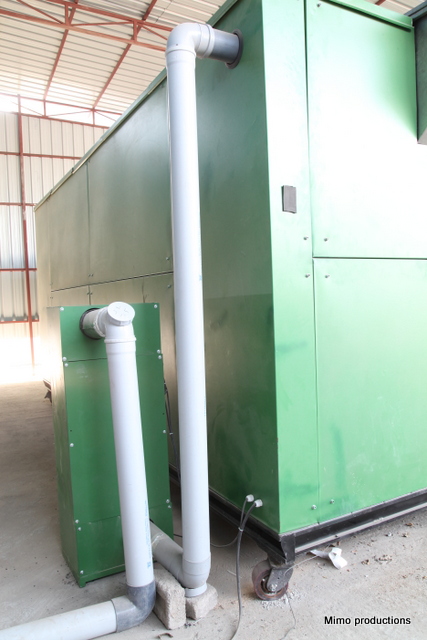
      An industrial-scale compost machine is a large, high-efficiency device designed to process significant volumes of organic waste, including food scraps, agricultural waste, and other biodegradable materials. Unlike traditional composting methods, which are time-consuming and require a lot of manual labor, these machines speed up the decomposition process, turning food waste into compost in a fraction of the time.

      These machines can handle anywhere from hundreds to thousands of kilograms of food waste per day, making them ideal for businesses like hotels, restaurants, food processing plants, and agricultural facilities. The compost produced is rich in nutrients and can be used as a fertilizer for plants, crops, and landscaping.

      How Do Industrial-Scale Compost Machines Work?

      The magic of industrial composting machines lies in their advanced technology and efficiency. Here’s a breakdown of how these machines turn food waste into valuable fertilizer:

      1. Collection and Segregation

      The first step involves collecting food waste from various sources. Industrial-scale compost machines are designed to handle pre-sorted or mixed waste. Some systems require initial segregation, while others can process food waste along with other organic materials. For optimal results, waste should be free of non-organic contaminants like plastic.

      2. Aerobic Decomposition

      Once the food waste enters the compost machine, the aerobic decomposition process begins. These machines use controlled aeration (introducing oxygen) to create an optimal environment for microbes and bacteria to break down the organic matter. Aerobic decomposition is faster and more efficient than anaerobic decomposition (which happens in landfills), as it produces fewer harmful gasses like methane.

      3. High-Temperature Composting

      Industrial compost machines often work at elevated temperatures—typically between 50°C and 70°C. The heat accelerates the breakdown of food waste and kills pathogens, ensuring that the compost is safe to use. The system may also include sensors and automated controls to maintain optimal temperature and moisture levels, creating a balanced environment for the decomposition process.

      4. Monitoring and Automation

      Most modern compost machine are equipped with sensors and automated systems that monitor the moisture, temperature, and airflow inside the machine. This ensures that the decomposition process is consistent, efficient, and odor-free. Some compost machines even have remote monitoring capabilities, allowing operators to track the composting progress from a smartphone or computer.

      5. Final Product: Nutrient-Rich Compost

      After several weeks, the food waste is fully transformed into dark, crumbly, nutrient-dense compost. This compost is rich in organic matter, which can be used as a natural fertilizer for gardening, landscaping, and agriculture. It not only improves soil quality but also reduces the need for synthetic fertilizers, which can harm the environment.

      The Environmental and Economic Benefits of Industrial-Scale Compost Machine

      The adoption of industrial-scale compost machines is rapidly gaining momentum as businesses recognize the many environmental and economic benefits they offer. Here are some of the key advantages:

      1. Reducing Landfill Waste

      By diverting food waste from landfills, compost machines play a crucial role in reducing the volume of waste that ends up in overcrowded landfills. This helps alleviate the growing pressure on landfills and prevents the production of methane, a potent greenhouse gas. Reducing landfill waste is a critical step in mitigating climate change.

      2. Lowering Greenhouse Gas Emissions

      As mentioned earlier, food waste decomposes in landfills anaerobically, generating methane gas. Composting, however, is an aerobic process that releases significantly lower amounts of methane and carbon dioxide. By using industrial compost machines, businesses can significantly cut their carbon emissions and reduce their environmental footprint.

      3. Sustainable Fertilizer Production

      The compost produced by these machines is a rich, organic fertilizer that can improve soil quality, reduce the need for chemical fertilizers, and support sustainable agricultural practices. This closed-loop system promotes a healthier ecosystem, supports local food production, and fosters more sustainable farming practices.

      4. Cost Savings for Businesses

      For businesses in the food industry—such as restaurants, hotels, or food processing plants—industrial compost machines offer significant cost savings. Instead of paying for waste disposal services, businesses can compost their own waste on-site. Furthermore, by producing their own compost, they can reduce their reliance on external suppliers of synthetic fertilizers, lowering operational costs in the long term.

      5. Meeting Sustainability Goals

      More and more businesses are setting sustainability goals to reduce their environmental impact. Installing industrial-scale compost machines is a clear and effective way to meet these goals. It demonstrates corporate responsibility, boosts brand image, and aligns with consumer expectations for eco-conscious practices.

      Why Green Planet Solution Advocates for Industrial-Scale Compost Machine

      At Green Planet Solution, we are committed to providing innovative, sustainable solutions that help businesses and communities manage waste effectively. We understand that food waste is one of the most significant environmental challenges of our time, and we believe that compost machines can be a vital part of the solution.

      Our state-of-the-art compost machines are designed to help industries, municipalities, and even large households turn food scraps into valuable compost, reducing waste while contributing to a circular economy. With our machines, companies can reduce their carbon footprint, produce high-quality compost for agricultural use, and save on waste management costs.

      We offer customized composting solutions to suit your needs, whether you’re managing a large food processing facility or simply looking for an efficient way to handle organic waste at a community level.

      The Future of Composting: A Sustainable Solution

      As global food production continues to rise, so does the volume of food waste. Industrial-scale compost machine provide an effective, environmentally friendly way to tackle this issue. By converting food waste into valuable fertilizer, these machines play a key role in sustainable waste management and environmental conservation.

      At Green Planet Solution, we are excited to be part of this transformative movement. By integrating compost machines into waste management systems, we are not just reducing waste—we are creating a circular economy where organic waste becomes a resource, supporting healthier soils and a more sustainable future for all.

      If you’re ready to take the next step in sustainability, we invite you to explore the power of industrial-scale compost machines. Together, we can turn food waste into a powerful tool for a greener, more sustainable world.

    4. The Hidden Crisis: How India’s Informal Waste Sector Can Lead the Way to Sustainable Waste Management Solutions

      The Hidden Crisis: How India’s Informal Waste Sector Can Lead the Way to Sustainable Waste Management Solutions

      The Hidden Crisis: How India’s Informal Waste Sector Can Lead the Way to Sustainable Waste Management Solutions

      India, a country of over 1.4 billion people, is grappling with a significant challenge—waste management. As urbanization and industrialization continue to rise, so does the volume of waste generated across the country. In fact, India is one of the largest waste producers globally, with its cities and villages often overwhelmed by the mounting trash. However, amidst this crisis lies an unsung hero—the informal waste sector. This vast network of unregistered waste collectors, recyclers, and workers has been silently managing a considerable portion of the country’s waste for decades. Although largely unrecognized, this sector could play a pivotal role in solving India’s waste management crisis and driving sustainable solutions.

      At Green Planet Solution, we believe in harnessing all available resources for a cleaner, more sustainable future. In this blog, we will explore the role of the informal waste sector in India’s waste management system, its challenges, and how its integration into formal waste management systems could lead to groundbreaking solutions.

      What is the Informal Waste Sector?

      The informal waste sector in India is made up of waste pickers, rag pickers, scrap dealers, and small-scale recyclers who work outside formal waste management systems. These individuals often collect, segregate, and sell recyclable materials like paper, plastic, glass, and metal to larger recycling industries. They provide an essential service to the urban environment, often working in hazardous conditions with little protection or recognition.

      While they are responsible for recovering a significant amount of recyclable materials, these workers operate without proper support, resources, or safety nets. The sector operates in the shadows, often bypassing the formal waste management system due to a lack of infrastructure and systemic support. Despite this, the informal waste sector is critical to India’s waste management, processing about 60-90% of recyclables in many urban areas.

      The Scale of India’s Informal Waste Sector

      The scale of the informal waste sector in India is staggering. According to estimates, there are over 1.5 million waste pickers in India, many of whom work in metropolitan areas like Delhi, Mumbai, and Bangalore. These workers collect, sort, and sell materials that would otherwise end up in landfills. They act as the primary recyclers, contributing to waste diversion and reducing the pressure on India’s overwhelmed landfill systems.

      Despite the critical role they play, the informal waste sector faces numerous challenges, including:

      • Lack of recognition and support: Waste pickers and recyclers are often invisible in the formal economy and are frequently exposed to health hazards due to poor working conditions.
      • Poor access to safety equipment: Many informal workers operate without gloves, masks, or protective clothing, putting them at risk of injury or disease.
      • Limited resources for efficient operations: Informal recyclers often work with rudimentary tools and limited infrastructure, limiting their efficiency in sorting and processing materials.

      Why the Informal Waste Sector is Crucial for Sustainable Waste Management in India

      India’s waste management challenges are complex and multifaceted, requiring innovative and inclusive solutions. The informal waste sector, despite its many struggles, has a significant potential to contribute to a more sustainable waste management system in the country. Here’s how:

      1. Recycling Potential

      The informal waste sector is responsible for recovering a large portion of recyclable materials. Studies show that informal recyclers process more than 60% of recyclables in Indian cities, including plastics, metals, and paper, diverting them from landfills and incinerators. By reintroducing these materials into the supply chain, the informal sector helps reduce the need for virgin materials, conserving resources and reducing environmental impact.

      This recycling process, while imperfect, reduces the carbon footprint associated with waste disposal. For a country like India, where landfills are rapidly filling up, the recycling efforts of the informal sector could play a pivotal role in alleviating landfill overflow and reducing emissions from waste management.

      2. Waste Segregation and Collection Efficiency

      One of the key weaknesses in India’s waste management system is the lack of effective waste segregation at the source. Although waste segregation is required by law in many cities, it is poorly enforced, and many households do not separate waste properly. Informal waste pickers bridge this gap by manually segregating recyclable materials from mixed waste. They help ensure that a large portion of the waste is sorted and processed correctly, which can later be used as raw materials for industries.

      3. Cost-Effective Waste Management

      The informal sector is crucial in reducing the overall costs of waste management. The government and municipal corporations are often unable to manage waste on their own due to limited budgets, inefficiencies, and lack of infrastructure. Waste pickers and recyclers contribute to reducing the financial burden of waste management by providing a cheaper and more efficient waste collection and recycling system.

      4. Job Creation and Economic Opportunities

      The informal waste sector provides employment to millions of people, many of whom come from marginalized communities. These workers play a significant role in the local economy, generating income through waste collection, sorting, and recycling. By integrating the informal sector into formal waste management systems, India can create sustainable livelihoods for these workers while reducing poverty and inequality.

      5. Environmental Benefits

      The informal waste sector is already contributing to environmental conservation by reducing the volume of waste sent to landfills, decreasing pollution, and lowering greenhouse gas emissions. With proper support, resources, and training, these workers could significantly reduce the environmental impact of waste disposal in India, creating a cleaner and greener future.

      Incorporating the Informal Waste Sector into Formal Waste Management Frameworks

      For India’s waste management system to truly become sustainable, it is crucial that the informal sector is formally recognized and integrated into existing waste management infrastructure. Here are some steps that could help formalize and empower the informal sector:

      1. Policy Support and Legal Recognition

      The first step toward integrating the informal waste sector into formal systems is policy reform. The Indian government must create and implement laws that recognize waste pickers as part of the formal workforce. Providing waste pickers with proper identification, healthcare benefits, and social security would help improve their working conditions and incentivize them to continue contributing to the waste management ecosystem.

      2. Providing Training and Resources

      Many informal waste workers lack formal training in waste segregation, safety, and best recycling practices. Providing them with access to training programs and resources can improve their efficiency and safety. Green Planet Solution, for example, can partner with local governments and NGOs to provide workshops and resources that teach better waste management practices, including how to properly segregate and recycle materials.

      3. Collaboration with Recycling Industries

      By fostering partnerships between informal waste workers and recycling industries, India can streamline waste processing and improve recycling rates. Informal recyclers can supply materials to the formal recycling sector, helping reduce waste and generate revenue for both parties.

      4. Implementing Technology in Waste Collection and Sorting

      Technology is key to enhancing waste management practices. Digital platforms and apps can connect informal workers with formal waste management systems, track waste collection, and improve sorting accuracy. Innovations like AI-powered waste sorting systems and smart waste bins can complement the efforts of informal workers, leading to more efficient recycling processes.

      Conclusion: Empowering India’s Informal Waste Sector for a Sustainable Future

      India’s informal waste sector is not just a hidden crisis—it is a valuable asset in the fight for sustainable waste management solutions. By recognizing and empowering the millions of workers who make up this sector, India can unlock a powerful tool for tackling its growing waste problem. With proper policy support, resources, and integration into formal systems, the informal waste sector can lead the way to a cleaner, greener, and more sustainable India.

      At Green Planet Solution, we are committed to advancing sustainable waste management practices that involve every facet of society. We believe that with the right approach, the informal waste sector can play a transformative role in India’s waste management landscape. Let’s work together to turn waste into a valuable resource and create a sustainable future for all.