Tag: Food Waste Composting

  • What Can We Compost in an Organic Waste Composter?

    What Can We Compost in an Organic Waste Composter?

    What Can We Compost in an Organic Waste Composter?

    Introduction

    Composting is an eco-friendly way to recycle organic waste into nutrient-rich compost that benefits soil health. With the increasing need for sustainable waste management, organic waste composters have become essential for homes, businesses, and industries. At Green Planet Solutions, we provide advanced organic waste converter machines that simplify composting and contribute to a cleaner environment. But what exactly can you compost in an organic waste composter? Let’s explore.

    What is an Organic Waste Composter?

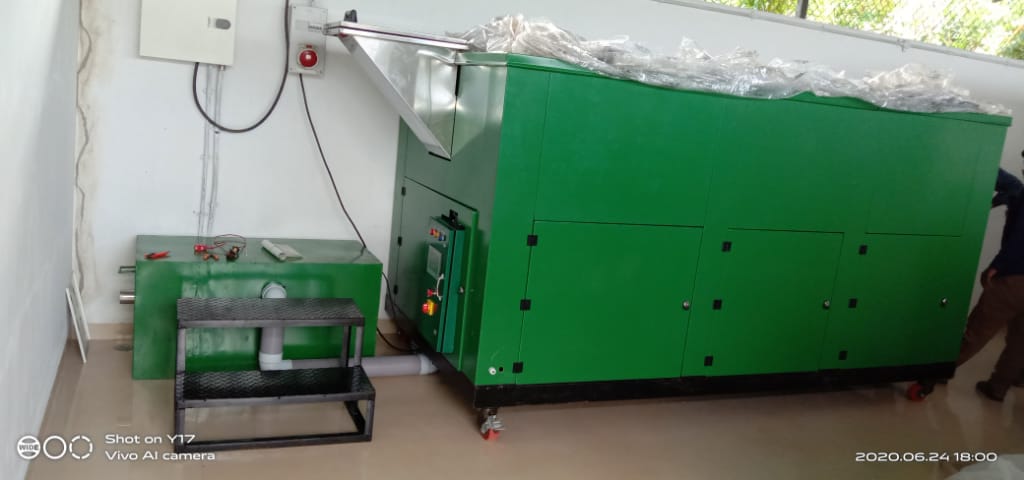
    An organic waste composter is a machine designed to break down organic waste into compost through microbial activity. It accelerates the decomposition process, turning waste into valuable compost in a short time. Green Planet Solutions’ composting machines are efficient, odor-free, and suitable for residential, commercial, and industrial applications.

    Types of Waste You Can Compost

    1. Food Waste

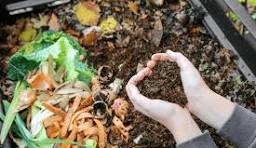
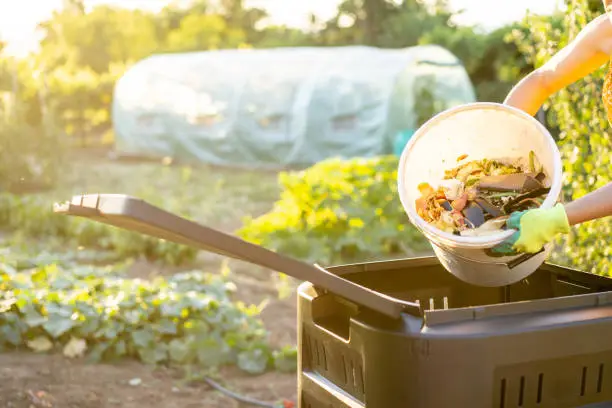
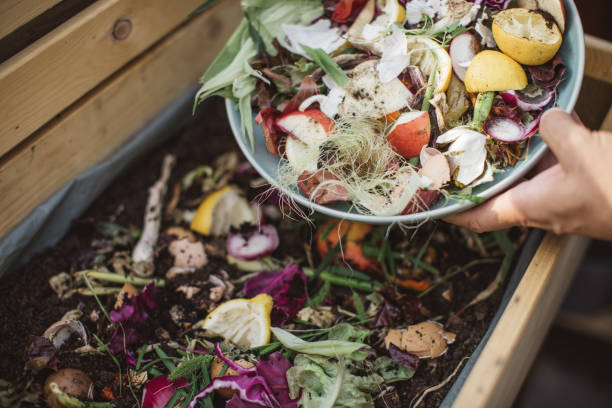
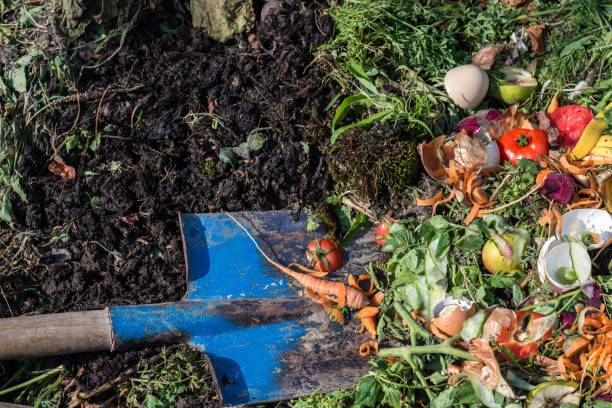
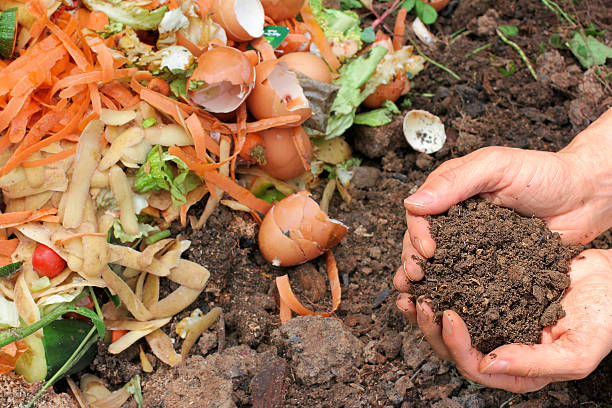
    One of the most common materials composted in an organic waste composter is food waste. This includes:

    • Vegetable and fruit peels (banana, orange, apple, potato, etc.)
    • Leftover food scraps (rice, bread, pasta, etc.)
    • Coffee grounds and tea leaves
    • Eggshells (rich in calcium, great for composting)
    • Spoiled or expired food items (without plastic packaging)

    2. Garden Waste

    Composting garden waste helps reduce landfill waste and improves soil fertility. Some compostable garden waste includes:

    • Grass clippings
    • Leaves and twigs
    • Flower and plant trimmings
    • Small branches (shredded)

    3. Biodegradable Paper and Cardboard

    Certain paper products are compostable and break down naturally, such as:

    • Shredded newspaper and cardboard
    • Paper napkins and tissues (unbleached, no chemicals)
    • Paper food containers (without plastic lining)

    4. Dairy and Bakery Products (Limited Use)

    While dairy and bakery items can be composted, they should be added in limited quantities to prevent odors and pests. This includes:

    • Cheese and yogurt (small amounts)
    • Bread, cookies, and crackers

    5. Agricultural Waste

    Farms and agricultural businesses benefit from composting items such as:

    • Crop residues
    • Fruit and vegetable farm waste
    • Husks and shells from nuts and grains

    What NOT to Compost?

    While an organic waste converter machine is designed to handle a variety of waste, some items should not be composted, including:

    • Plastic, glass, and metal (non-biodegradable materials)
    • Synthetic fabrics and chemicals (toxic to composting microbes)
    • Oily and greasy food waste (can slow down composting process)
    • Meat and fish waste (can cause odor and attract pests)
    • Pet waste (may contain harmful bacteria)

    Why Use a Food Waste Composting Machine?

    A food waste composting machine like the ones offered by Green Planet Solutions is designed to make composting easy and efficient. Some benefits include:

    • Faster composting (converts waste into compost in a few hours or days)
    • Odor-free operation (advanced technology minimizes smell)
    • Reduces landfill waste (minimizing environmental impact)
    • Produces high-quality compost (improves soil health and plant growth)
    • Cost-effective waste management solution

    Green Planet Solutions – Leading Provider of Composting Machines

    At Green Planet Solutions, we specialize in manufacturing and supplying high-quality organic waste composting machines and organic waste converter machines that are ideal for:

    • Households (for home composting)
    • Restaurants and hotels (to manage food waste efficiently)
    • Hospitals and institutions (reducing environmental impact)
    • Corporate offices (sustainable waste disposal)
    • Municipal corporations (large-scale waste management)

    Conclusion

    An organic waste composter is an excellent investment for sustainable waste management. By composting the right materials, you contribute to environmental conservation and reduce landfill waste. Whether you are a homeowner, business owner, or waste management professional, Green Planet Solutions offers the best composting machines to meet your needs.

    Ready to start composting? Contact Green Planet Solutions today to find the right composting solution for you!

  • What is the Largest Source of Waste in the US?

    What is the Largest Source of Waste in the US?

    What is the Largest Source of Waste in the US?

    Waste generation is a growing concern in the United States, with millions of tons of waste produced each year. Identifying the largest sources of waste is crucial for implementing effective waste management solutions. As a leading waste management company, Green Planet Solutions is committed to providing advanced waste management machines to tackle this global issue.

    Major Sources of Waste in the US

    1. Municipal Solid Waste (MSW)

    Municipal solid waste includes household waste such as food scraps, packaging materials, plastics, and paper. The US generates over 290 million tons of MSW annually, making it one of the largest waste contributors.

    2. Industrial Waste

    Manufacturing and industrial facilities produce vast amounts of waste, including metals, chemicals, and hazardous materials. Without proper waste management solutions, these waste materials can harm the environment.

    3. Food Waste

    The US discards nearly 40% of its food supply, making food waste a significant problem. Grocery stores, restaurants, and households contribute to this alarming waste issue, emphasizing the need for efficient waste management machines like composters.

    Construction and demolition activities generate debris such as concrete, wood, and metal. Recycling and reusing these materials can significantly reduce environmental impact.

    5. Electronic Waste (E-Waste)

    E-waste includes discarded electronics like smartphones, laptops, and televisions. Proper disposal and recycling using specialized waste management machines can help recover valuable materials and reduce landfill waste.

    How Green Planet Solutions is Addressing Waste Management

    As a trusted waste management company, Green Planet Solutions offers advanced waste management solutions worldwide. Our range of waste management machines, including balers, composters, and shredders, helps industries and municipalities reduce waste efficiently.

    Benefits of Using Green Planet Solutions’ Waste Management Machines:

    • Efficient Waste Reduction: Our machines help process and minimize waste effectively.
    • Sustainability Focus: We promote eco-friendly solutions for a cleaner planet.
    • Global Reach: While based in India, we provide waste management solutions worldwide.

    Conclusion

    Understanding the largest sources of waste in the US is the first step toward implementing effective solutions. With Green Planet Solutions’ innovative waste management machines, businesses and communities can contribute to a sustainable future. Contact us today to learn more about our waste management solutions and how we can help you reduce waste effectively.

  • Waste Crisis Alert – The Need for Smarter Waste Management

    Waste Crisis Alert – The Need for Smarter Waste Management

    Waste Crisis Alert: The Need for Smarter Waste Management

    Waste is piling up faster than ever. Landfills are overflowing, oceans are choking on plastic, and pollution is harming our health. It’s time to take action. If we don’t work on waste management now, the consequences will be severe. Green Planet Solutions is here to show you why change is urgent and how we can make a difference.

    The Growing Waste Crisis

    Every year, billions of tons of waste are generated worldwide. Unfortunately, much of this waste ends up in landfills, water bodies, and even the air we breathe. The problem is growing due to population growth, industrial expansion, and a throwaway culture. If we don’t act now, future generations will pay the price.

    Why Waste Management Matters

    Waste management is not just about cleaning up. It’s about reducing, reusing, and recycling materials to protect our environment. Here’s why we must act fast:

    • Reduces Pollution: Proper waste disposal prevents toxins from contaminating the air, soil, and water.
    • Saves Resources: Recycling materials like paper, plastic, and metal reduces the need for new raw materials.
    • Protects Wildlife: Animals suffer from plastic waste and toxic chemicals. Better waste management can save countless lives.
    • Combats Climate Change: Decomposing waste releases methane, a potent greenhouse gas. Managing waste properly can help reduce emissions.

    How Green Planet Solutions Can Help

    At Green Planet Solutions, we are committed to making waste management smarter, greener, and more efficient. As a leader in sustainable waste management, we provide innovative solutions tailored to meet the needs of businesses, industries, and households. Our goal is to minimize waste, promote recycling, and contribute to a cleaner, healthier environment.

    With growing concerns about environmental sustainability and increasing waste generation, adopting modern waste management techniques is more important than ever. At Green Planet Solutions, we offer state-of-the-art technologies that help organizations efficiently handle waste while reducing their carbon footprint.

    Our Specialized Waste Management Solutions

    We provide a wide range of eco-friendly solutions designed to simplify waste management while maximizing resource recovery. Our key offerings include:

    1. Recycling Machines – Turning Waste into Resources

    Recycling is essential for reducing landfill waste and conserving natural resources. Our advanced recycling machines are designed to process different types of waste materials, including plastic, metal, paper, and glass, converting them into reusable raw materials. These machines:

    • Help reduce environmental pollution by minimizing landfill waste.
    • Improve the efficiency of waste sorting and processing.
    • Support businesses in achieving their sustainability goals.

    By investing in recycling technology, industries and municipalities can create a circular economy where waste is not discarded but reused to create new products.

    2. Composting Systems – Sustainable Organic Waste Management

    Food and organic waste account for a significant portion of total waste generation. Our composting systems provide an effective way to manage biodegradable waste by transforming it into nutrient-rich compost. These systems:

    • Speed up the natural decomposition process.
    • Reduce methane emissions from landfills, helping combat climate change.
    • Provide nutrient-rich compost that can be used in agriculture, landscaping, and gardening.

    We offer a variety of composting solutions, from small-scale household composters to large commercial composting systems suitable for hotels, restaurants, and food processing industries.

    3. Baling Machines – Efficient Waste Volume Reduction

    Managing large volumes of waste can be challenging for businesses and industries. Our baling machines help in compressing recyclable materials such as cardboard, paper, plastics, and metals into compact bales. These machines:

    • Reduce waste volume, making transportation and storage more efficient.
    • Increase recycling rates by preparing waste for processing.
    • Improve workplace cleanliness and safety by organizing waste efficiently.

    With our high-performance baling machines, businesses can cut down on waste disposal costs and contribute to a cleaner environment.

    Why Choose Green Planet Solutions?

    At Green Planet Solutions, we are dedicated to delivering high-quality, innovative, and eco-friendly waste management solutions that meet the evolving needs of modern businesses and communities. Here’s why we stand out:

    • Expertise & Innovation: Our team of waste management experts continuously researches and develops cutting-edge solutions to improve efficiency and sustainability.
    • Custom Solutions: We offer tailored waste management strategies to suit different industries, including hospitality, healthcare, manufacturing, and municipal waste management.
    • Sustainability Commitment: Our solutions help businesses reduce their carbon footprint, minimize landfill waste, and promote a circular economy.
    • Reliable Support: We provide comprehensive customer support, from installation and training to maintenance and upgrades.

    Join the Green Revolution with Green Planet Solutions

    The future of waste management depends on adopting sustainable and innovative practices. By partnering with Green Planet Solutions, businesses and communities can take a step towards a cleaner, greener planet.

    Let’s work together to make waste management smarter and more sustainable. Contact us today to learn more about our waste management solutions!

    The Time to Act Is Now

    Ignoring waste management will only make the problem worse. The good news? Every small action counts. Whether at home or in business, we all have a role to play. Green Planet Solutions is committed to making waste management easy and effective. Let’s work together to create a cleaner, greener future.

    Are you ready to make a change? Contact Green Planet Solutions today!

  • Can Waste Management Machines Provide a Solution?

    Can Waste Management Machines Provide a Solution?

    Bristol’s Waste Collection Proposal: Can Waste Management Machines Provide a Solution?

    Bristol, a city known for its environmental initiatives and progressive green policies, has recently sparked a lively debate with its proposal only to collect black bins once every four weeks. The Green-led council claims that the move will save the city money, help reverse the decline in recycling rates, and reduce the environmental impact of waste sent to waste-to-energy plants or dumpsites. While their goal is to reduce carbon emissions and push the city closer to its climate targets, the proposal has faced significant opposition, with critics fearing increased illegal dumping and challenges for larger households. But what if technology, particularly waste management machines, could solve both concerns?

    The Problem: Less Frequent Waste Collection and Its Concerns

    Bristol’s proposal has generated a mix of support and concern. On one hand, the city hopes that reducing the frequency of black bin collections can encourage more recycling and reduce waste disposal costs. However, the move has its critics, particularly those worried about the potential for more illegal dumping, especially in neighborhoods with limited space or larger families with higher waste needs.

    Food scraps, diapers, and other non-recyclable waste can be generated within four weeks of collection. This could not only overwhelm residents but also put pressure on public spaces as illegal dumping becomes a more convenient alternative. The concern is real, but the question is: can technology step in to make this transition smoother and more effective?

    How Waste Management Machines Can Help

    At Green Planet Solutions, we believe that innovation is key to overcoming the challenges of modern waste management. By incorporating waste management machines into both public and private waste systems, we can help address many of the issues raised by Bristol’s proposal. Here’s how technology can make a significant difference:

    1. Fully Automatic Composting Machines

    Food waste is one of the biggest contributors to black bin waste, and with longer collection intervals, it’s even more likely to pile up. Fully Automatic Composting Machines, which allow households and businesses to compost food waste on-site, turning it into valuable compost or biogas. With the right composting technology, residents can dispose of food waste more sustainably and reduce the amount of waste that needs to go into black bins. This would help ease concerns over food scraps accumulating during the extended wait between collections.

    2. Semi-Automatic Drum Composters

    For those who don’t have the space for large machines, Semi-Automatic Drum Composters offer a more compact, user-friendly solution. These machines allow residents to compost wet waste more easily and effectively, contributing to a cleaner, greener city. With regular composting at home, families can reduce the volume of waste generated, meaning less waste ends up in black bins waiting for the next collection.

    3. Garbage Chutes for Efficient Collection

    In areas where waste collection can be a challenge due to space constraints or a high density of residents, Garbage Chutes can streamline the disposal process. These systems allow waste to be dropped down a chute into a central collection point, making it easier to manage waste even during longer intervals between collections. Plus, they can help keep waste contained, reducing the likelihood of messy spills or overflow.

    4. Baling Machines for Recycling

    The city of Bristol hopes that reducing the frequency of black bin collections will encourage more recycling. Baling Machines are essential tools for compressing recyclables such as paper, cardboard, and plastics into compact bales, making it easier to store and transport these materials until the next collection. Households can store recyclables more efficiently, reducing the pressure on black bins and keeping streets cleaner.

    waste management machines Baling machine

    5. Wet Waste Shredders

    Wet waste, such as food scraps and organic matter, often makes up a large portion of black bin waste. Wet Waste Shredders can help households shred and process organic waste, allowing for better composting or disposal. By managing wet waste on-site, these machines can reduce the overall volume of waste going into black bins, further alleviating the need for frequent collections.

    6. Plastic Waste Shredders

    Plastics are a persistent problem in waste management, and with longer wait times between black bin collections, they’re likely to accumulate. Plastic Waste Shredders offer a way for households to process and break down plastic waste more efficiently. By reducing plastic waste into smaller, manageable pieces, these machines help residents recycle more effectively, preventing unnecessary overflow and reducing dumpsite waste.

    Can These Machines Solve the Problem?

    While it’s clear that waste management is becoming increasingly complex and costly, there’s a growing opportunity to use innovative technology to make systems more efficient. By integrating waste management machines into Bristol’s waste collection system, residents can manage their waste more effectively at home. With solutions like composting machines, shredders, and baling machines, households can reduce the amount of waste that ends up in the black bin, easing the pressure on longer collection cycles.

    Furthermore, if the council adopts smarter waste management technologies and improves recycling systems, the city could not only reduce waste but also encourage a cleaner, greener community. The key lies in balancing effective technology implementation with public participation and awareness.

    In the end, whether a four-week collection cycle is a viable solution will depend on how well the city invests in and supports these innovations. With the right waste management machines and community engagement, Bristol could set a powerful example for sustainable waste management that benefits both residents and the environment.

    At Green Planet Solutions, we’re committed to providing the tools and technologies that can help cities like Bristol manage waste in a smarter, more sustainable way.

    Are you ready to take the next step in transforming waste management in your community? Let’s make the change together!

    For more information on how our waste management machines can help your community, contact us today.

  • The Importance of Kitchen Waste Management

    The Importance of Kitchen Waste Management

    The Importance of Kitchen Waste Management


    Introduction

    Every day, households worldwide produce significant amounts of kitchen waste, ranging from uneaten food and spoiled ingredients to vegetable peels and packaging. Unfortunately, much of this waste ends up in landfills, where it contributes to environmental issues like greenhouse gas emissions, soil contamination, and resource wastage. However, with growing awareness about sustainability, kitchen waste management is gaining recognition as a critical tool to combat these challenges. By adopting effective waste management practices, we can transform this so-called “trash” into valuable resources, reducing our carbon footprint and creating a healthier planet.

    In this detailed guide, we’ll explore the environmental impacts of kitchen waste, the benefits of managing it effectively, and actionable strategies to reduce, reuse, recycle, and repurpose. Let’s dive in and discover how simple changes can lead to profound benefits for both the environment and our daily lives.


    The Impact of Kitchen Waste on the Environment

    Kitchen waste is a major contributor to global environmental issues. Here are some key impacts:

    1. Greenhouse Gas Emissions
      Organic kitchen waste decomposes in landfills without sufficient oxygen, producing methane, a potent greenhouse gas that significantly contributes to global warming.
    2. Landfill Overflows
      Kitchen waste contributes to the rapid filling of landfills, causing a shortage of space and increasing the demand for new landfill sites, which disrupts natural ecosystems.
    3. Resource Wastage
      Every piece of wasted food represents wasted water, energy, and labor that went into its production, processing, and transportation.
    4. Soil and Water Contamination
      Decomposing waste in landfills can produce leachate, a toxic liquid that contaminates surrounding soil and water bodies.

    Benefits of Proper Kitchen Waste Management

    1. Environmental Preservation
      Reducing the amount of kitchen waste sent to landfills lowers greenhouse gas emissions and minimizes environmental pollution.
    2. Cost Savings
      Proper management reduces the need for frequent garbage collection and enables households to save money by reusing leftovers and repurposing waste.
    3. Soil Enrichment
      Composting kitchen waste produces nutrient-rich soil that can be used to enhance gardening and farming productivity.
    4. Waste Reduction
      Efficient kitchen waste management reduces overall household waste, promoting a cleaner and more sustainable living environment.

    Types of Kitchen Waste and Their Disposal Methods

    Kitchen waste can be categorized into three main types:

    1. Organic Waste
      • Examples: Vegetable peels, fruit scraps, coffee grounds, and spoiled food.
      • Disposal: Composting or feeding to livestock (if appropriate).
    2. Inorganic Waste
      • Examples: Plastic wrappers, glass jars, and aluminum cans.
      • Disposal: Recycling or repurposing.
    3. Hazardous Waste
      • Examples: Cleaning chemicals, expired medicines, and batteries.
      • Disposal: Special hazardous waste collection centers.

    Composting as a Sustainable Kitchen Waste Management Solution

    Composting is one of the most effective ways to manage organic kitchen waste. Here’s how you can do it:

    1. Set Up a Compost Bin
      Choose a compost bin or create a pile in your backyard.
    2. Add Kitchen Scraps
      Include fruit and vegetable scraps, coffee grounds, eggshells, and garden waste. Avoid meat, dairy, or oily foods, as they can attract pests.
    3. Maintain the Balance
      Ensure a proper balance of “greens” (wet waste) and “browns” (dry waste like cardboard or dry leaves) for effective decomposition.
    4. Harvest Compost
      After a few months, the organic material will break down into nutrient-rich compost, perfect for gardening.

    Recycling Options for Kitchen Waste

    Recycling non-organic kitchen waste is equally important. Consider these methods:

    1. Plastic, Glass, and Metal
      • Sort and clean items before placing them in the appropriate recycling bins.
      • Repurpose jars and containers for storage.
    2. Paper and Cardboard
      • Recycle or compost clean paper and cardboard.
      • Use as a base layer in compost piles or for creative DIY projects.

    Reducing Kitchen Waste Through Mindful Shopping and Meal Planning

    1. Plan Meals Ahead
      • Create a weekly meal plan and shopping list to avoid over-purchasing.
      • Use leftovers creatively to reduce waste.
    2. Buy in Bulk
      • Purchase non-perishable items in bulk to minimize packaging waste.
    3. Store Food Properly
      • Use airtight containers and refrigeration to extend the shelf life of perishable items.

    Innovative Ideas for Repurposing Kitchen Waste

    1. Citrus Peels
      • Use as natural cleaners or to freshen up your garbage disposal.
    2. Vegetable Scraps
      • Boil to create homemade vegetable stock.
    3. Eggshells
      • Crush and use as a natural fertilizer for plants.
    4. Coffee Grounds
      • Use as a deodorizer or mix into soil for gardening.

    kitchen waste management

    Kitchen Waste Management Tips for Households

    1. Segregate Waste
      • Keep separate bins for organic, recyclable, and general waste.
    2. Invest in Tools
      • Consider compost bins, recycling organizers, or compactors to streamline waste management.
    3. Educate Family Members
      • Teach everyone in the household about proper waste disposal methods.

    Conclusion: Taking Responsibility for Our Kitchen Waste

    Kitchen waste management is more than a responsibility—it’s a step towards a sustainable and eco-friendly future. By composting, recycling, and adopting mindful consumption habits, we can reduce our environmental impact and make the most of our resources.

    Start small and be consistent, and you’ll see how simple changes in your daily routine can lead to significant benefits for the planet and your household. Together, we can turn kitchen waste from an environmental burden into an invaluable resource for a healthier, greener future.

    You can also read –Efficient Waste Disposal with Garbage Chutes

  • 5 Tips for Efficient Winter Waste Disposal with Waste Management Machine in Romania

    5 Tips for Efficient Winter Waste Disposal with Waste Management Machine in Romania

    5 Tips for Efficient Winter Waste Disposal with Waste Management Machine in Romania

    As winter approaches, waste disposal becomes more challenging due to colder temperatures, heavy snowfall, and the increase in waste during the holiday season. In Romania, managing waste effectively during the winter months requires efficient systems in place. Green Planet Solutions is committed to providing innovative solutions to make waste management easier and more sustainable. Here are five essential tips for efficient winter waste disposal using a waste management machine.

    1. Ensure Your Waste Management Machine is Winter-Ready

    Winter in Romania can bring freezing temperatures, snowstorms, and icy conditions, which can affect the performance of waste management machines. To avoid breakdowns and ensure smooth operations, it’s essential to winterize your equipment. This includes checking the oil levels, inspecting hydraulics, and ensuring that the machine’s moving parts are lubricated to prevent freezing. Green Planet Solutions offers maintenance services to help keep your waste management machines in top condition throughout the winter.

    2. Choose the Right Waste Management Machine for the Job

    Not all waste management machines are designed to handle winter conditions. For areas in Romania that experience heavy snow or icy roads, consider investing in waste management machines that are specifically designed for cold weather. Look for equipment that can handle high volumes of waste without clogging or freezing. Green Planet Solutions offers a variety of models tailored to meet the specific needs of Romanian municipalities and businesses during the winter season.

    3. Use Heated Waste Containers to Prevent Clogs

    One common issue in winter waste disposal is that waste can freeze in containers, making it difficult to empty or transport. To prevent this, consider using heated waste containers or adding insulation to your waste bins. This will help keep waste from freezing and reduce the likelihood of clogs in your waste management machine. Additionally, ensure that your waste containers are positioned in areas that are not prone to heavy snowfall or freezing, making it easier for waste management machines to access them.

    4. Regularly Maintain and Empty Waste Containers

    During winter, waste can accumulate more quickly due to holiday events, colder temperatures leading to longer periods of waste buildup, and the disposal of winter-related items like packaging, food scraps, and holiday decorations. Ensure that your waste management machine is regularly emptied to avoid overflows. Regular pickups help reduce the risk of waste freezing in containers and creating more significant disposal issues down the line. Green Planet Solutions provides scheduled maintenance services, ensuring that your waste management needs are always met, even during the busiest winter months.

    5. Utilize Recycling and Waste Segregation Systems

    Winter waste disposal in Romania can often increase due to discarded holiday packaging, food waste, and other seasonal items. To reduce landfill waste, consider using waste management machines that support recycling and waste segregation. Encouraging local communities and businesses to segregate waste not only makes the disposal process more efficient but also promotes sustainability during the winter season. Green Planet Solutions offers smart waste management systems that help you separate recyclable materials, reducing environmental impact and contributing to a cleaner Romania.

    Conclusion

    Efficient winter waste disposal is crucial for keeping your environment clean and safe, especially in colder regions like Romania. By using the right waste management machine, winterizing your equipment, and adopting proactive waste segregation systems, you can maintain an effective waste disposal system throughout the harsh winter months. At Green Planet Solutions, we are committed to providing the tools and support you need to tackle winter waste disposal with ease and efficiency. Reach out to us for expert advice and waste management solutions tailored to your needs.

    You also read about – Romania’s Hidden Cleanliness Secret: The Untold Benefits of Garbage Chutes in High-Rise Buildings

  • The Surprising Benefits of Using an Organic Waste Composter in Winter

    The Surprising Benefits of Using an Organic Waste Composter in Winter

    The Surprising Benefits of Using an Organic Waste Composter in Winter

    When most people think of composting, they picture spring and summer—sunny days, flourishing gardens, and plenty of organic waste. However, winter—and specifically December—offers unique benefits for using an organic waste composter. Despite the cold temperatures and shorter days, December is the perfect time to begin or continue composting. Whether you’re a seasoned composter or just getting started, here are the surprising advantages of using an organic waste composter during the winter months, and why December is the ideal time to dive into composting with Green Planet Solutions.

    1. Composting in Winter Helps You Manage Holiday Waste Efficiently

    The holiday season in December typically leads to an increase in kitchen scraps—peels, leftovers, and even organic waste from holiday meals. An organic waste composter allows you to manage these waste items sustainably instead of sending them to the landfill. By composting food scraps, wrapping materials like cardboard, and even Christmas tree trimmings, you reduce waste and create nutrient-rich compost for your garden in the months ahead.

    • Green Planet Tip: Add a balanced mix of “greens” (kitchen scraps, coffee grounds) and “browns” (leaves, cardboard) to your organic waste composter to ensure the best decomposition process.

    2. Slower Decomposition = Less Odor

    One of the challenges many people face with composting during warmer months is the potential for unpleasant odors as waste breaks down quickly. Winter composting naturally slows down the decomposition process, which can be an advantage in keeping odors under control. In December, the cool temperatures prevent the pile from overheating, leading to less moisture and fewer smells, making it an ideal time for people who are sensitive to compost odors.

    • Green Planet Tip: If you’re worried about odors, place your organic waste composter in a sheltered, well-ventilated area to help air circulate.

    3. Less Pests and Critters

    Warm weather often invites pests like flies, rodents, and other critters into compost piles, especially when composting food scraps. Winter composting significantly reduces pest activity, as cold temperatures make it less likely for flies and rodents to thrive. This makes December an ideal time for those who struggle with pests during the warmer months. With fewer bugs around, you can compost with greater peace of mind.

    • Green Planet Tip: Make sure your organic waste composter has a secure lid or mesh cover to keep larger animals out and ensure that your composting remains hygienic.

    4. A New Year’s Resolution for Sustainability

    Many people set New Year’s resolutions focused on sustainability, reducing waste, or leading a greener lifestyle. Starting or committing to using an organic waste composter in December aligns perfectly with these goals. Not only will you begin the year by reducing your carbon footprint, but you’ll also be setting yourself up for a year of eco-friendly habits.

    • Green Planet Tip: If you’re new to composting, start with small batches and gradually increase the amount as you become more familiar with the process.

    5. Composting in Winter Helps Retain Nutrients for Spring Gardening

    While composting slows down in the winter, it still works at a reduced pace. By starting or continuing to compost in December, you give your organic waste composter more time to break down, ensuring that by the time spring rolls around, you’ll have nutrient-rich, ready-to-use compost. This compost will be perfect for your garden, flowerbeds, or lawn, setting you up for a productive growing season.

    • Green Planet Tip: Use a compost thermometer to check that your pile is staying warm enough to encourage decomposition, even in colder months. Aim for a temperature of 120°F to 150°F for best results.

    6. The Environmental Impact of Winter Composting

    Composting year-round, including during the winter, plays a critical role in reducing landfill waste. Organic waste makes up a significant portion of landfill mass, and when it decomposes anaerobically (without oxygen) in a landfill, it releases harmful methane—a potent greenhouse gas. By using an organic waste composter, you’re helping to reduce methane emissions and contribute to a more sustainable planet, even when it’s cold outside.

    • Green Planet Tip: Consider setting up a composting bin or vermicomposting system if outdoor composting isn’t feasible due to extreme cold or limited space.

    7. Energy and Time Efficiency

    Winter offers an unexpected advantage: you’re likely to be spending more time indoors, which gives you the opportunity to focus on your composting. You can use this time to manage your pile, monitor temperature levels, and make adjustments as needed. Plus, because the composting process is slower in the cold months, you don’t need to worry about managing large volumes of waste as often.

    • Green Planet Tip: Keep an eye on moisture levels and stir your compost pile less frequently in the winter. Inactive piles during winter months can be more forgiving with fewer maintenance needs.

    8. Winter Composting Supports Local Ecosystems

    In colder climates, organic waste composters contribute to maintaining local ecosystems by providing much-needed nutrients to the soil in the spring. Starting in December, when snow and ice cover the ground, your compost will be ready to enrich the soil once the thawing begins. By adding compost to your garden or flower beds in the spring, you help local plants, trees, and wildlife thrive, fostering biodiversity.

    • Green Planet Tip: If you’re gardening in the winter, you can still use compost in raised beds or plan for composting as soon as the weather warms up.

    Conclusion: Why December is the Perfect Time to Start Using an Organic Waste Composter

    Using an organic waste composter in winter, especially in December, comes with a host of surprising benefits—from controlling odors and pests to creating rich compost for spring gardening. It’s also a great way to kickstart your commitment to sustainability and waste reduction during the holidays and beyond.

    At Green Planet Solutions, we believe that composting shouldn’t be limited to the warmer months. Our organic waste composters are designed for year-round use, providing a simple and effective way to manage waste and support a healthier planet.

    Key Takeaways:

    • December offers a perfect opportunity to start composting, with fewer pests, less odor, and manageable waste from holiday meals.
    • Winter composting helps create nutrient-rich compost for the spring, enhancing your garden’s health.
    • Using an organic waste composter year-round reduces your environmental impact and supports sustainability goals.

    Ready to start composting this winter? Green Planet Solutions can help you find the perfect organic waste composter for your needs—no matter the season!

    You Must Read – The Problem of Food Waste and Its Impact on the Environment

  • How a Garbage Chute System Can Enhance Hygiene and Sanitation in Buildings

    How a Garbage Chute System Can Enhance Hygiene and Sanitation in Buildings

    How a Garbage Chute System Can Enhance Hygiene and Sanitation in Buildings


    Maintaining hygiene and sanitation is essential in modern urban settings, particularly in high-rise residential and commercial buildings.. A garbage chute system plays a pivotal role in improving waste management practices, creating cleaner and healthier spaces for occupants. Here’s how this system enhances hygiene and sanitation:

    1. Minimizes Waste Handling

    A garbage chute system allows residents or staff to dispose of waste directly from their floors, eliminating the need to carry trash through hallways, elevators, or staircases. This reduces physical contact with waste, minimizing the risk of germs spreading throughout the building.

    2. Prevents Litter and Spills

    Transporting garbage manually often leads to litter or accidental spills in common areas. With a well-maintained chute system, waste is securely transported to a central collection point, keeping corridors and shared spaces clean and odor-free.

    3. Reduces Pest Infestations

    Improper waste disposal can attract pests such as rodents and insects. A sealed garbage chute system ensures that waste is quickly and securely contained, reducing the likelihood of infestations that compromise hygiene.

    4. Improves Air Quality

    Garbage chute are often equipped with features like odor control technology and airtight doors, preventing foul smells from circulating in the building. Cleaner air means a healthier environment for all occupants.

    5. Promotes Efficient Waste Disposal

    By centralizing waste collection, a garbage chute system streamlines the disposal process. Regular maintenance ensures waste is promptly removed, preventing the buildup of unsanitary conditions.

    6. Garbage Chute System Encourages Recycling

    Modern garbage chute often come with multiple compartments for different types of waste, such as recyclables, organic waste, and general trash. This not only promotes better waste segregation but also enhances overall sanitation practices.

    Why Choose Greenplanet Solutions for Your Garbage Chute System?

    At Greenplanet Solutions, we specialize in advanced garbage chute systems designed to meet the hygiene and waste management needs of modern buildings. Our systems are easy to maintain, environmentally friendly, and customizable to fit your property’s unique requirements.

    Investing in a garbage chute system is not just about convenience; it’s about creating a safer, cleaner, and healthier environment for everyone. Contact Greenplanet Solutions today to learn more about our innovative waste management solutions.

  • The Environmental Benefits of Using Organic Waste Converter in Spanish Households: A Green Planet Solutions Guide

    The Environmental Benefits of Using Organic Waste Converter in Spanish Households: A Green Planet Solutions Guide

    The Environmental Benefits of Using Organic Waste Converter in Spanish

    In recent years, Spain has made remarkable strides toward sustainability, driven by an increasing awareness of environmental issues and a growing commitment to reducing waste. One of the most significant contributions to this movement comes from utilizing an organic waste converter. These innovative devices are transforming how Spanish households manage their waste, turning kitchen scraps and yard waste into valuable compost or biogas. At Green Planet Solutions, we believe that adopting organic waste converters can offer a range of environmental benefits, all while promoting a greener, more sustainable lifestyle.

    What is an Organic Waste Converter?

    An organic waste converter is a machine designed to break down organic materials, such as food scraps, garden waste, and other biodegradable substances, into usable resources like compost or biogas. These converters work by speeding up the natural decomposition process, turning what would otherwise be waste into a nutrient-rich substance that can enhance soil quality or even generate renewable energy.

    How Organic Waste Converter Helps Spanish Households Go Green

    1. Reducing Landfill Waste

    One of the most pressing environmental issues Spain faces is the rising volume of waste being sent to landfills. According to the Spanish Ministry for the Ecological Transition and the Demographic Challenge, over 5 million tons of organic waste end up in landfills every year, contributing to pollution, habitat destruction, and climate change.

    By adopting an organic waste converter in their homes, Spanish households can significantly reduce the amount of organic waste sent to landfills. As organic waste breaks down in a landfill, it produces methane, a powerful greenhouse gas. An organic waste converter eliminates this risk by accelerating decomposition in a controlled environment, thereby preventing methane emissions and decreasing the overall carbon footprint.

    2. Creating Compost for Healthier Soil

    In Spain, gardening and agriculture are an integral part of life. By using an organic waste converter, households can create their own nutrient-rich compost, which can be used to enrich the soil in gardens and urban green spaces. Composting at home reduces the need for synthetic fertilizers, which are often harmful to the environment and can contaminate water supplies.

    With compost made from their own organic waste, Spanish families can grow healthier plants, vegetables, and flowers, all while closing the loop on waste production. This not only benefits local ecosystems but also helps conserve water and supports biodiversity in urban and rural settings.

    3. Decreasing Greenhouse Gas Emissions

    The environmental impact of organic waste is not just confined to landfills. Traditional waste management systems often burn organic waste, which releases carbon dioxide and other pollutants into the atmosphere. Using an organic waste converter at home ensures that organic waste is turned into beneficial products like compost or biogas, rather than being incinerated.

    Furthermore, organic waste conversion can help reduce the need for industrial composting or waste-to-energy facilities, which often produce significant emissions. By decentralizing waste management and empowering individuals to take action, Spanish households can significantly reduce their collective greenhouse gas emissions.

    4. Reducing the Need for Transporting Waste

    Waste collection is a major logistical and environmental challenge in cities and towns across Spain. Transporting waste from homes to centralized disposal facilities uses fossil fuels, contributing to air pollution and traffic congestion. By using organic waste converters, households can minimize the amount of organic waste they need to transport, easing the burden on municipal waste systems and reducing the carbon footprint associated with waste disposal.

    5. Promoting a Circular Economy

    Spain has been increasingly embracing the concept of a circular economy, where resources are reused, recycled, and kept in circulation for as long as possible. Organic waste converters play a vital role in this movement by turning what would be waste into valuable, reusable resources. By composting their food scraps and garden waste at home, Spanish families help create a closed-loop system where organic matter is continually recycled, reducing reliance on external resources and lowering environmental impact.

    At Green Planet Solutions, we support this sustainable model by encouraging households to embrace composting and other waste diversion practices. When organic waste is handled efficiently and sustainably, it can become a resource that keeps on giving, contributing to healthier ecosystems and reducing the need for raw materials.

    6. Supporting Local Food Production and Sustainability

    Organic waste converters can be particularly beneficial for households that participate in urban gardening or have small-scale home farms. By converting organic waste into compost, these homes can reduce their reliance on chemical fertilizers, improving soil health and encouraging local food production. In Spain’s cities, where urban farming is growing in popularity, organic waste converters contribute to a sustainable, localized food system.

    Composting at home not only improves soil fertility but also supports the production of local, organic produce, reducing the carbon footprint associated with transporting food long distances. This holistic approach to food production and waste management has the potential to revolutionize urban sustainability in Spain.

    The Green Planet Solutions Commitment to Sustainability

    At Green Planet Solutions, we believe in the power of everyday actions to create a sustainable future. By promoting the use of organic waste converters in Spanish households, we’re encouraging individuals and families to take ownership of their waste, reduce their environmental impact, and contribute to a greener planet.

    We offer a range of high-quality, easy-to-use organic waste converters that cater to households of all sizes and needs. Our products are designed to make the process of composting or biogas production as simple and effective as possible, helping Spanish families live more sustainably without sacrificing convenience.

    Conclusion: A Cleaner, Greener Future for Spain

    The environmental benefits of using organic waste converters in Spanish households are undeniable. From reducing landfill waste and greenhouse gas emissions to supporting local food production and promoting a circular economy, these devices are transforming how Spaniards manage their waste.

    By making the switch to an organic waste converter, Spanish families can contribute to a more sustainable and eco-friendly future. At Green Planet Solutions, we’re proud to be part of this journey, helping households reduce their environmental impact one compost bin at a time. Together, we can create a cleaner, greener, and more sustainable Spain for generations to come.

    For more information visit:- https://www.thegreenplanetsolutions.com/spain/

  • The Rise of Smart Kitchen Composters in the UK: How Technology is Changing Food Waste Management

    The Rise of Smart Kitchen Composters in the UK: How Technology is Changing Food Waste Management

    The Rise of Smart Kitchen Composters in the UK

    As the world becomes more conscious of environmental impact, the UK is taking charge of innovative solutions to reduce waste and promote sustainability. Among these solutions, smart kitchen composters are rapidly gaining popularity, transforming how households manage their food waste. These compact, efficient, and high-tech devices are changing the way we think about organic waste in our kitchens. Brands like Green Planet Solution are at the forefront of this revolution, offering advanced kitchen composters that blend convenience with sustainability.

    In this blog, we’ll explore the rise of smart kitchen composters in the UK, how they work, and the profound impact they’re having on food waste management.

    The Growing Need for Food Waste Management in the UK

    The UK is one of the largest producers of food waste in Europe, with millions of tons of food discarded every year. A large portion of this waste comes from households, where food scraps are thrown away without being properly recycled or composted. Traditional composting methods are effective but often require space, manual labor, and considerable time. For busy urban dwellers, this can be a deterrent.

    However, the emergence of smart kitchen composters has changed the game. These innovative machines are designed to simplify the composting process, allowing people to dispose of food waste efficiently while turning it into nutrient-rich compost in a fraction of the time. The need for smart, space-efficient, and user-friendly composting solutions has never been greater, and Green Planet Solution is answering that call with cutting-edge technology.

    What Makes a Smart Kitchen Composter Different?

    Traditional kitchen composters require a fair amount of effort and space to make composting a viable option at home. However, the new generation of smart kitchen composters offers numerous advantages that make them ideal for modern UK households.

    1. Automated Waste Processing

    One of the key features of a smart kitchen composter is automation. These devices do most of the work for you. Once food scraps are placed inside, the composter uses advanced sensors, heating elements, and aeration systems to break down organic waste quickly and efficiently. With Green Planet Solution’s smart kitchen composter models, you can compost your food waste with minimal effort and in record time—often in as little as 24 hours.

    This automation ensures that users don’t need to worry about turning the compost or manually aerating the material. The system is entirely hands-off, making it an ideal solution for busy families, professionals, and city dwellers.

    2. Fast and Efficient Processing

    Unlike traditional composters which can take weeks or even months to break down food scraps, smart kitchen composters are designed for speed. Using advanced technologies, these machines break down organic matter in a matter of hours. Green Planet Solution’s kitchen composter, for example, uses temperature regulation and mechanical agitation to accelerate the decomposition process, converting food waste into compost in less than 24 hours.

    This rapid breakdown is especially beneficial for the UK, where urban living often comes with limited space and time for traditional composting. The ability to create compost quickly means that users can efficiently recycle their kitchen scraps without waiting for long periods.

    3. Odour Control Technology

    Another common issue with traditional composting is the unpleasant smell that can arise from decomposing food waste. However, modern smart kitchen composters are equipped with built-in odor control mechanisms, ensuring that your kitchen remains fresh and free from unwanted scents. Green Planet Solution’s advanced air filtration systems and sealed compartments prevent odor leakage, making composting an entirely pleasant experience.

    The Role of Smart Kitchen Composters in Sustainable Living

    The adoption of kitchen composters is an essential step toward reducing the environmental impact of food waste. In the UK, the average household generates a significant amount of organic waste, which ends up in landfills. When food waste is disposed of in landfills, it decomposes to release methane, a powerful greenhouse gas that accelerates global warming. By diverting food scraps from landfills, smart kitchen composters help to mitigate these environmental effects.

    Additionally, the compost produced by these machines is a valuable resource. It can be used to fertilize gardens, enrich soil, and reduce the need for chemical fertilizers. In a country like the UK, where urban gardening and sustainable agriculture are gaining popularity, having access to homemade, nutrient-rich compost is a highly desirable feature for environmentally-conscious individuals.

    The Road Ahead for Food Waste Management in the UK

    As technology continues to advance, the role of smart kitchen composters in food waste management is only expected to grow. The UK government has set ambitious goals for reducing food waste and increasing recycling rates in the coming years. The introduction of more efficient and user-friendly composting options will help residents and businesses meet these targets.

    Brands like Green Planet Solution are leading the way in making composting more accessible and practical for every household. With further innovations in smart technology, the next generation of kitchen composters will likely become even more compact, energy-efficient, and integrated with other smart home systems.

    Imagine a future where your kitchen composter is part of your home automation system, notifying you when it’s full or when the compost is ready to use. You could even track your composting progress on your phone, making waste management even more seamless and convenient.

    Why Choose Green Planet Solution’s Kitchen Composters?

    Green Planet Solution is committed to providing the most innovative and sustainable composting solutions on the market. Our smart kitchen composters combine cutting-edge technology with user-friendly features, ensuring a simple, fast, and eco-friendly way to handle kitchen waste.

    Key Features of Green Planet Solution’s Kitchen Composter:

    • Smart Automation: Fully automated systems for hassle-free operation.
    • Rapid Composting: Converts food waste into nutrient-rich compost in 24 hours.
    • Odor-free Operation: Built-in filters and sealed compartments eliminate unpleasant smells.
    • Compact Design: Ideal for urban homes with limited space.
    • Eco-Friendly: Reduces food waste in landfills and produces compost that enriches the soil.
    • Energy-Efficient: Low energy consumption for environmentally conscious users.

    By investing in a Green Planet Solution kitchen composter, you’re not only choosing a smarter way to deal with food waste, but you’re also making a significant contribution to a more sustainable future for the UK.

    Conclusion: The Future of Kitchen Composting in the UK

    The rise of smart kitchen composters in the UK marks a significant shift in how we handle food waste. Thanks to innovative technology, we now have the tools to make composting easier, faster, and more efficient. Brands like Green Planet Solution are revolutionizing food waste management, making it easier for UK residents to contribute to a greener, more sustainable world.

    By adopting a kitchen composter, households can play a vital role in reducing waste, lowering carbon footprints, and creating valuable compost for gardening or agriculture. As more people in the UK embrace this technology, we can look forward to cleaner kitchens, greener cities, and a more sustainable future.

    As a leader in waste management, Green Planet Solutions UK provides advanced kitchen composters in the UK designed to meet diverse industry needs. Whether you aim to minimize waste or embrace sustainability, Green Planet Solutions offers the perfect composting solutions to help your business succeed.

    You Must read about –Smart Waste Management for a Greener Future