Tag: Food Waste Composting

  • The Science Behind Food Waste Composting Machines: How Do They Work?

    The Science Behind Food Waste Composting Machines

    Introduction

    In a world where people are becoming more conscious of their environmental impact, the significance of sustainable waste management techniques cannot be emphasized. Composting machines for food waste have become a ground-breaking way to manage organic waste effectively. Green Planet Solutions USA delivers state-of-the-art technology to enhance environmental sustainability and soil health while effectively reducing waste. The science of the food waste composting machine is explored in this blog, and it is explained how garbage can be turned into useful compost.

    Understanding the Food Waste Composting Machine

    An apparatus that turns organic waste into nutrient-rich compost more quickly is called a food waste composting machine. These devices efficiently break down food leftovers and other organic materials by combining mechanical, biological, and chemical processes. A closer examination of the mechanisms enabling this change can be found here:

    1.  Mechanical Processing

    The food waste composting machine shreds the organic material into smaller bits as part of the mechanical processing phase of the composting process. This gives the waste more surface area, which facilitates the breakdown of the waste by microorganisms. Additionally, some machines thoroughly mix the trash, guaranteeing that air and moisture are distributed equally, all of which are essential to the composting process.

    2. Biological Decomposition

    The biological breakdown process is the main component of the food waste composting equipment. This is the result of microorganisms feeding on the organic debris, mostly bacteria and fungi. Through enzymatic processes, these bacteria convert complex organic compounds into simpler components. The ideal conditions—temperature, moisture, and aeration—that the machine offers help to the process.

    3. Chemical Reactions

    Several chemical processes occur during the composting process, turning the organic waste into humus, the finished product. Important alterations in chemistry include:

    Carbon to Nitrogen Ratio: Effective composting requires a precise carbon to nitrogen (C/N) ratio. By digesting various organic materials, the machine aids in the preservation of this equilibrium.

    pH Levels: To maintain a pH environment that is favorable to microbial activity, the machine continuously measures and modifies pH levels.

    Moisture Content: The compost is kept at the right moisture content to avoid drying it out or making it overly wet, both of which can impede the decomposition process.

    4. Heat Generation

    The temperature within the food waste composting machine rises due to the heat produced by microorganisms during their breakdown of organic matter. Pathogen eradication and composting process acceleration depend on this heat. Temperature control systems are a feature of modern composting machines, guaranteeing that the compost reaches and stays at the proper temperature for efficient decomposition.

    Benefits of Using Food Waste Composting Machine

    1. Environmental Impact

    These devices drastically cut the quantity of garbage dumped in landfills, which lowers greenhouse gas emissions by turning food waste into compost. In addition to enriching the soil, composting encourages sustainable agriculture by lowering the demand for chemical fertilizers.

    2.  Economic Advantages

    By employing food waste composting equipment, homes and businesses can reduce their waste disposal expenses. The compost that is created can be utilized as an affordable substitute for commercial fertilizers in gardens, landscapes, and agricultural fields.

    3. Convenience and Efficiency

    Composting devices for food waste nowadays are built to be efficient and simple to operate. They work well in both home and commercial settings since they require little maintenance and can treat big volumes of garbage quickly.

    Conclusion

    The science behind the food waste composting machine is a blend of mechanical innovation and natural biological processes, working together to turn waste into a valuable resource. At Green Planet Solutions USA, we believe in harnessing this technology to promote a more sustainable and eco-friendly future. By understanding how these machines work, we can better appreciate their role in waste management and their potential to make a positive environmental impact.

    Investing in a food waste composting machine is not just a step towards reducing waste—it’s a commitment to a greener, more sustainable planet. Join us in embracing this innovative solution and take a significant step towards environmental stewardship.

  • What Are The Effects Of Food Waste on Climate Change?

    What Are The Effects Of Food Waste on Climate Change?

    Food waste is a major problem that affects the entire world and contributes to climate change and environmental deterioration. Reducing food waste is more important than ever as the globe struggles with the effects of climate change. Using food waste composting machines is one practical way to lessen the damaging effects of food waste on the environment. This blog post from Green Planet Solutions examines the connection between food waste and climate change and how composting machines might help.

    How do food waste composting machines work?

    The purpose of food waste composting machines is to effectively turn organic waste and food scraps into nutrient-rich compost. By creating the ideal environment for microorganisms to break down the trash, these machines speed up the decomposition process and drastically reduce the amount of waste that ends up in landfills. The environmental impact of food waste is reduced, and a circular economy is contributed to by producing useful compost that can be used to improve soil and encourage healthy plant growth. It also aids in the sustainable management of garbage.

    The Impact of Food Waste on Climate Change

    Food waste has a profound effect on climate change through several key mechanisms:

    1. Greenhouse gas emissions

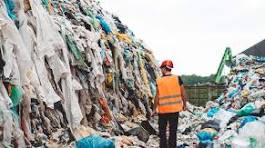
    Food waste decomposes anaerobically (without oxygen) in landfills after it is disposed of, releasing methane, a powerful greenhouse gas that traps heat in the atmosphere about 25 times better than carbon dioxide. Landfill methane emissions play a major role in climate change and global warming.

    2. Resource wastage

    The production of food that is eventually wasted uses a tremendous amount of land, energy, and water resources. This causes greenhouse gas emissions from the agricultural processes involved in food production, harvesting, and transportation in addition to resource depletion.

    3. Degradation of Land

    Due to the large amount of food waste, there is a need for increased food production, which results in changes to land usage and deforestation. By releasing carbon that has been held in soil and forests, these activities exacerbate climate change.

    The Role of Food Waste Composting Machines

    Using a food waste composting machine is an effective way to mitigate the environmental impact of food waste. Here’s how it can help:

    1. Reducing Landfill waste

    By turning food waste into useful compost, food waste composting devices keep food waste out of landfills. As a result, there are less waste materials dumped in landfills, which lowers methane emissions.

    2. Creating nutrient-rich compost

    Food waste can be composted to create nutrient-rich compost that is useful for improving soil. This compost makes the soil healthier, retains more water better, and lessens the need for chemical fertilizers—many of which need a lot of energy to develop and administer.

    3. Reducing Carbon Emissions

    A food waste composting machine can help both homes and businesses cut back on their carbon footprint. A sustainable waste management technique that promotes the circular economy and reduces greenhouse gas emissions is composting.

    Conclusion

    Food waste has a significant and wide-ranging impact on climate change, yet it is not unavoidable. We can lessen the negative environmental effects of food waste and help combat climate change by implementing sustainable practices, such as the use of food waste composting machines. Green Planet Solutions is dedicated to supporting environmentally friendly solutions and initiatives aimed at building a more sustainable future.

    Are you prepared to combat food waste’s effects on the environment and climate change? To find out more about our food waste composting machines and how they can assist you in managing food waste sustainably, get in touch with Green Planet Solutions right now.

  • Impact of Food Waste Composting on Soil Health and Crop Yields

    Impact of Food Waste Composting on Soil Health and Crop Yields

    Impact of Food Waste Composting on Soil Health and Crop Yields

    The need for creative waste management solutions has grown along with concerns about sustainability and environmental preservation. A solution that has received a lot of attention is the use of food waste composting machines. These devices not only contribute to a decrease in the quantity of garbage dumped in landfills, but they also create compost that is rich in nutrients and can enhance agricultural yields and soil health.

    We will examine the effects of composting food waste on crop yields and soil health in this blog, emphasising the advantages of implementing composting into agricultural practices.

    The Role of Food Waste Composting Machines

    Food waste composting machines turn organic waste into useful compost through a regulated breakdown process. These devices have characteristics like moisture management, aeration systems, and temperature control that quicken the composting process.

    Households, companies, and agricultural operations can effectively manage their organic waste and create high-quality, environmentally friendly compost by employing a food waste composting machine.

    1. Enhancing Soil Health

    Food waste compost is a great source of important nutrients like potassium, phosphate, and nitrogen. These nutrients are essential to the development and growth of plants. When applied, compost improves soil nutrient content, providing plants with a consistent supply of essential nutrients for growth.

    2. Better Soil Structure

     By raising the amount of organic matter in the soil, compost contributes to better soil structure. Better root penetration, increased water retention, and improved soil aeration result from this. Plant health depends on a healthy soil structure because it makes it easier for roots to obtain nutrients and water.

    3. Microbial Activity

    Beneficial bacteria are introduced into the soil by compost. These microbes are essential for decomposing organic debris, liberating nutrients, and preventing infections that are transmitted through the soil. Sustainable agriculture depends on a healthy soil ecology, which is facilitated by increased microbial activity.

    Boosting Crop Fields

    Enhanced Development of Plants:

    The compost generated by food waste composting machines is rich in nutrients, giving plants the necessary building blocks for healthy growth. Higher crop yields are the outcome of healthier plants with improved nutritional availability.

    Stress Resistance:

    By enhancing the soil’s capacity to hold moisture, compost helps to minimise the frequency of irrigation. This is especially helpful when there is a drought or a lack of water. Compost-amended soil gives plants greater resilience against environmental challenges, which translates into more reliable yields.

    Suppression of Pests and Diseases:

    The microorganisms found in compost contribute to the suppression of soil-borne illnesses and pests. As a result, fewer chemical pesticides are required, which benefits crops and the environment. Higher yields from healthier plants are more likely to occur, which raises agricultural production.

    Why choose Green Planet Solutions in France?

    One of the top businesses in the environmental solutions sector is GREEN PLANET SOLUTION. Since our establishment in 2013, we have provided sustainable, innovative and cost-effective solutions for waste problems in various sectors like real estate, commercial establishments, industries, government etc. Our company produces a variety of composting machines that turn organic waste into compost, including the Fully Automatic Composting Machine and the Automatic Continuous Composting Machine. We have over 10+ years of experience.

    Using food waste composting machines offers a useful and efficient way to handle organic waste, with several advantages for crop yields and soil health. Compost made from food waste greatly increases agricultural output by enhancing soil structure, adding necessary nutrients, and encouraging beneficial microbial activity. Modern food waste composting equipment is only one of the sustainable and cutting-edge waste management solutions that Green Planet Solutions is dedicated to providing.

    Join us in promoting agricultural production and environmental sustainability through efficient waste management techniques. Invest in a food waste composting machine as part of your waste management plan to witness the remarkable changes in your crop yields and soil health. Join Green Planet Solutions in embracing sustainability and helping to create a better, greener world.

  • Food Waste Composting in Urban Areas: Challenges and Solutions

    Food Waste Composting in Urban Areas: Challenges and Solutions

    Managing food waste has become a critical concern as metropolitan areas grow. Finding sustainable alternatives to traditional garbage disposal techniques is crucial since they contribute to landfill overflow and environmental degradation. Using food waste composters, which can turn organic waste into useful compost, is one of the best choices. However, there are particular difficulties with putting food waste composting into practice in metropolitan areas. We examine these issues in this blog and offer workable ways to encourage food waste composting in urban areas.

    Challenges of Food Waste Composting in Urban Areas

    1. Limited Room

    Space constraints make Composting systems challenging to set up in urban areas. Usually, the only outside spaces are balconies and tiny patios, which might not be enough for conventional composting techniques.

    2. Insufficient Knowledge and Skills

    Many city dwellers don’t know how to compost properly or what its advantages are. This ignorance may result in inappropriate methods for composting, which may attract pests, produce compost that is ineffective, and cause odours.

    3. Pest and Odour Management

    Inadequate compost management can lead to disagreeable smells and draw pests like flies and rats. In heavily crowded urban regions where neighbours are near to one another, this can be a serious hazard.

    4. Transportation and Collection

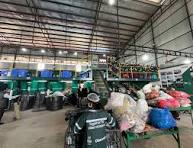
    It might be logistically difficult to collect and transport food waste from apartment buildings and high-rise complexes to a central composting plant. Appropriate infrastructure and resident and building management cooperation are typically needed for this.


    Solutions to Promote Food Waste Composting in Urban Areas

    1. Compact and indoor composters

    In response to spatial limitations, producers have created indoor and compact food waste composters that are suitable for tiny outdoor spaces or kitchens. For people living in cities, these composters might be a useful solution because of their effective design for managing household trash.

    2. Initiatives for Community Education

    It is essential to inform and educate the public about the advantages and practices of composting. Composting can be promoted through workshops, teaching materials, and campaigns by municipalities and environmental organisations.

    3. Technologies for Odour and Pest Management

    Food waste composters nowadays are outfitted with cutting-edge technology to control pests and odours. To prevent these problems, sealed containers, odour filters, and frequent aeration make composting more practical in urban settings.

    4. Facilities for Centralised Composting

    Communities can set up central composting sites where locals can dispose of their leftover food scraps. To make composting programmes more practical for urban people, this strategy might be paired with ongoing pickup services.

    Why choose Green Planet Solutions in Italy?

    One of the top businesses in the environmental solutions sector is GREEN PLANET SOLUTIONS. Since our establishment in 2013, we have provided sustainable, innovative and cost-effective solutions for waste problems in various sectors like real estate, commercial establishments, industries, government etc. Our company produces a variety of composting machines that turn organic waste into compost, including the Fully Automatic Composting Machine and the Automatic Continuous Composting Machine. We have over 10+ years of experience.

    Composting food waste is an environmentally responsible and long-lasting solution to the problems associated with managing trash in cities. We can make composting a feasible choice for city dwellers by tackling the unique challenges encountered in urban environments, such as space constraints, lack of awareness, odour control, collection logistics, and regulatory restrictions. Green Planet Solutions is dedicated to helping urban composting projects and offering cutting-edge food waste composters. By working together, we can make our cities more sustainable and greener places to live.

  • Food Waste Composting Tips for Beginners

    Food Waste Composting Tips for Beginners

    Food Waste Composting Tips for Beginners

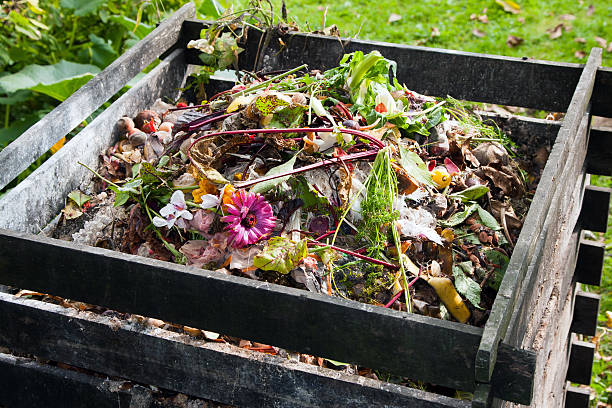
    If you’ve never composted before, you’re about to start a journey that will improve your garden and make the earth a healthier place. Food waste composting is a great way to lessen your environmental impact and add essential nutrients to your soil. We’ll cover all the necessary information in this blog for newcomers to start utilizing a food waste composter and get the most out of their composting endeavours.

    Why Food waste composting ?

    Let’s examine the significance of composting food waste before moving on to the advice:

    Cuts Down on Landfill Garage: Food scraps make up a large amount of home garbage. By keeping this trash out of landfills, composting lowers methane emissions.

    Enhances Soil: Organic waste is converted into nutrient-rich compost by composting, which enhances soil quality and encourages plant development.

    Saves Money: Making your compost helps you use less store-bought soil conditioners and fertilisers.

    How to Begin Using Your Food Waste Collection

    1. Select the Appropriate Composter

    Several kinds of composters are available, such as tumblers, worm bins (vermicomposters), and compost bins. Choose the one that best fits your composting objectives, space, and money. A simple compost tumbler or container is usually the easiest for novices to use.

    2. Know what to compost

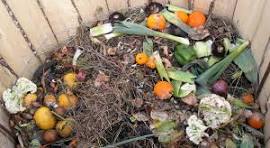
    Green Materials: These include coffee grounds, tea bags, fresh grass clippings, and leftover fruits and vegetables. They are also high in nitrogen.

    Brown Materials: These include wood chips, cardboard, paper, and dried leaves. They have a high carbon content. A healthy ratio of green to brown materials is necessary for composting to be successful.

    3. Avoid these items

    Meat, dairy, oils, and cooked food should not be composted since they attract vermin and release odours. Furthermore, do not compost chemically treated wood or sick plants.

    4. Start with a base layer

    Add a layer of coarse debris, such as straw or small branches, to the top of your compost pile. This facilitates drainage and aeration.

    Food Waste Composting 2

    5. Layer Your Compost

    Change the materials in layers, using green and brown. This equilibrium speeds up decomposition and aids in maintaining the proper amount of moisture.

    6. Maintain Moisture Levels

    Should be as damp as a sponge that has been wrung out. While too little moisture might impede the composting process, too much can result in a sticky, stinking pile. If it’s too dry, add more water; if it’s too wet, add more browns.

    7. Turn Your Compost

    Using a pitchfork or compost turner to turn your compost regularly will assist speed up the decomposition process and prevent odours. Turn your pile at least once every couple of weeks.

    Monitor the Temperature

    Compost decomposes more quickly on a hot pile (135–160°F). Add more green materials and turn the pile to add more oxygen if it isn’t heating up.

    Have patience

    The natural process of composting requires patience. Composting times can range from a few months to a year, depending on several conditions. When it begins to resemble black, crumbly soil and smell earthy, you’ll know it’s ready.

    Use your compost

    When your compost is ready, apply it as a top dressing to your grass or to improve the soil in potted plants and gardens. It’s an excellent method of replenishing nutrients within your ecosystem.

    Troubleshooting Typical Problems

    Bad Odours: Usually the result of inadequate aeration or an excessive amount of green stuff. To enhance ventilation, add additional browns and turn the pile.

    Pests: To keep pests away, don’t add dairy, meat, or oils. Make sure your Food Waste Composting is lidded and firmly in place.

    Slow Decomposition: Insufficient aeration, moisture, or nitrogen may be the cause. Turn the pile more often, add more green stuff, or both.

    Conclusion

    Starting with a Food Waste Composting Tips for Beginners is a rewarding step towards sustainable living. You can create rich, nutrient-dense compost that is good for the environment and your garden by using these easy-to-follow instructions. Keep in mind that every pile is different and that composting is a learning process. You may become an expert composter and help create a greener world with time and effort. We at Green Planet Solutions are dedicated to encouraging environmentally responsible behaviour. For more details contact us.