Practical Ways to Reduce Food Waste, Lower Disposal Costs, and Build a More Sustainable Restaurant
Restaurants generate food waste every day—from vegetable peels and fruit scraps to leftover food, preparation waste, and other biodegradable materials. When this waste is mixed with general waste and sent to landfills, it can increase disposal requirements and contribute to environmental problems.
For restaurants, cafés, commercial kitchens, and food courts, on-site food waste management offers a more practical and sustainable approach. By separating organic waste at the source and using appropriate processing methods such as commercial composting, restaurants can reduce the amount of waste leaving their premises and make better use of organic resources.
Why Food Waste Management Matters for Restaurants
Food waste is one of the most common waste streams in the food-service industry. A busy restaurant can generate organic waste throughout the day from food preparation, cooking, serving, and cleaning activities.
If this waste is not managed properly, it can result in:
- Unpleasant odors
- Pest problems
- Overflowing waste bins
- Higher waste transportation requirements
- Increased disposal costs
- Poor hygiene around waste storage areas
A structured food waste management system can help restaurants maintain cleaner operations while supporting their sustainability goals.
1. Start with Waste Segregation
The first step toward effective on-site food waste management is segregation at the source.
Organic waste should be separated from plastic, glass, metal, packaging, and other non-biodegradable materials.
Separate collection bins can be placed in convenient locations such as:
- Kitchen preparation areas
- Dishwashing areas
- Food preparation stations
- Staff cafeterias
- Restaurant back-of-house areas
Proper segregation makes subsequent processing much easier and helps prevent contamination.
2. Measure How Much Food Waste You Generate
Before investing in a waste-processing solution, restaurants should understand how much organic waste they generate.
Record the approximate quantity of food waste produced each day over a representative period. This can help identify busy and slow periods and provide a better basis for selecting the appropriate equipment.
Understanding your waste volume also helps avoid choosing a machine that is too small or unnecessarily large for your operation.
3. Reduce Food Waste at the Source
Technology is useful, but waste reduction should come first.
Restaurants can reduce food waste by improving:
- Inventory management
- Portion control
- Food storage
- Menu planning
- Purchasing practices
- Kitchen preparation processes
Reducing unnecessary food waste can lower costs while making the restaurant’s overall waste management system more efficient.
4. Use Commercial Composting Machines
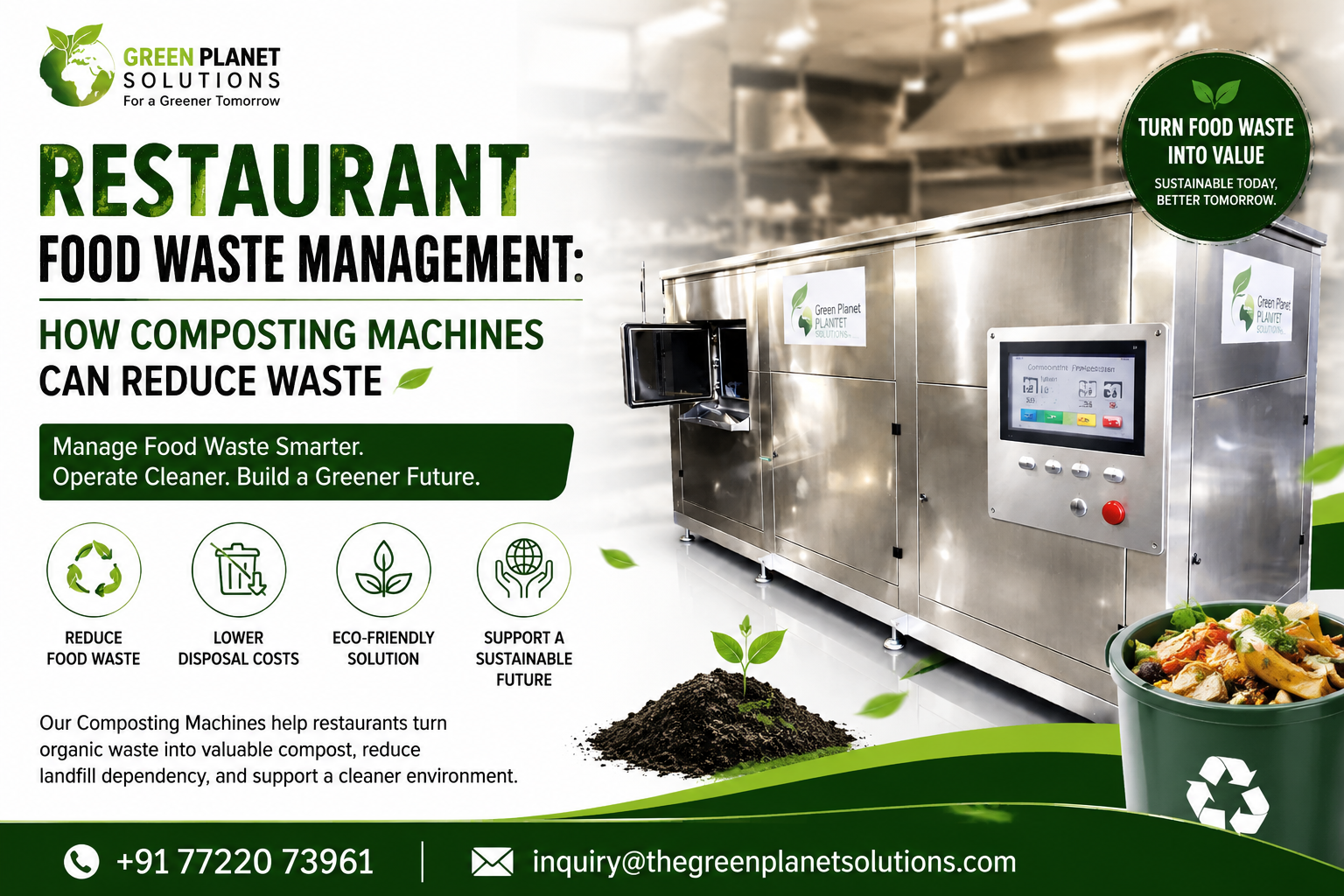
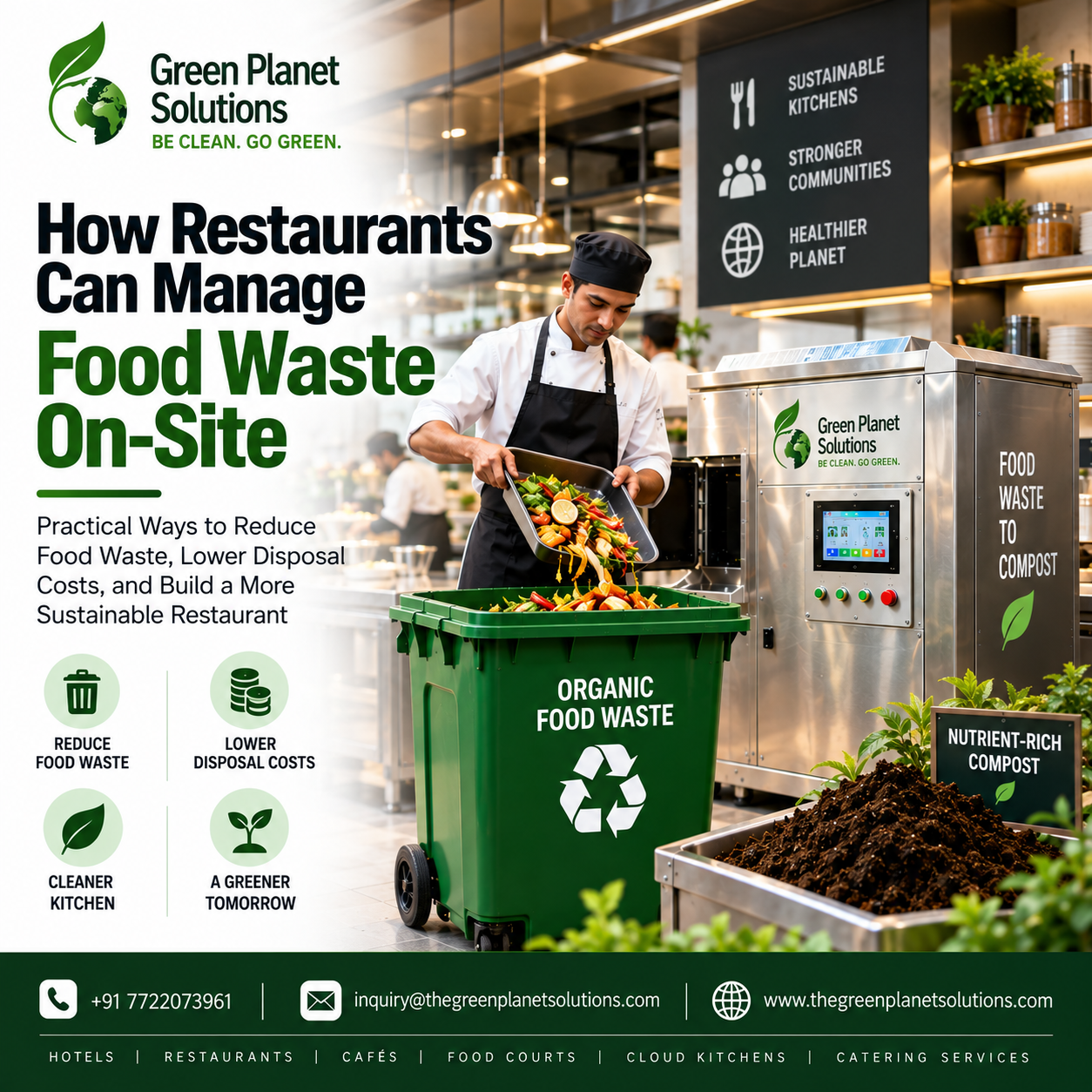
For restaurants generating significant quantities of organic waste, a commercial composting machine can provide an on-site processing solution.
Suitable organic waste can be collected and loaded into the machine, where controlled processing helps accelerate decomposition.
Depending on the technology and operating process, the system can manage factors such as temperature, moisture, aeration, and mixing to support the composting process.
This allows restaurants to process suitable organic waste closer to where it is generated rather than relying entirely on off-site disposal.
5. Choose the Right Composting Machine Capacity
Every restaurant has different waste-generation patterns.
A small café may need a compact system, while a large restaurant, hotel kitchen, or food court may require a higher-capacity commercial machine.
When selecting equipment, consider:
Daily waste volume + peak waste generation + type of organic waste + available space + operating requirements
Choosing the right capacity helps ensure that the machine can handle the restaurant’s waste without unnecessary overloading.
6. Manage Odor and Hygiene Properly
Food waste can develop unpleasant odors when stored for long periods.
On-site processing can help reduce the time organic waste remains in conventional storage, but proper operating practices remain important.
Restaurants should maintain:
- Clean waste bins
- Regular waste collection
- Proper segregation
- Appropriate machine loading
- Good ventilation
- Routine machine cleaning
A clean and organized waste-handling area supports better hygiene and a more pleasant working environment.
7. Train Kitchen and Cleaning Staff
Even the best waste management technology will not work effectively without proper staff participation.
Employees should understand:
- What belongs in the organic waste bin
- What materials must be removed
- Where waste should be deposited
- How the composting system operates
- Basic safety and cleaning procedures
Simple training can significantly improve waste segregation and reduce contamination.
8. Monitor the Composting Process
Modern composting machines can automate many parts of the process, but operators should still monitor the equipment regularly.
Depending on the system, operators may need to check:
- Temperature
- Moisture
- Airflow
- Machine operation
- Processing cycle
- Output condition
- Odor
Following the manufacturer’s operating and maintenance recommendations helps maintain consistent performance.
9. Make Use of the Organic Output
The purpose of composting is not simply to reduce waste volume—it is also to recover value from organic material.
Depending on the machine and process, the output may require additional curing, maturation, or screening before use.
Appropriately processed compost can potentially be used for applications such as:
- Landscaping
- Gardening
- Soil improvement
- Green spaces
The final use should depend on the quality of the output and applicable local requirements.
10. Track Your Waste Management Results
Restaurants can improve their sustainability program by tracking waste-related data over time.
Useful information can include:
- Daily organic waste quantity
- Waste sent for external disposal
- Composting machine utilization
- Processing output
- Maintenance activities
- Disposal-related expenses
Tracking these figures can help management understand the effectiveness of the waste management system and identify opportunities for improvement.
Benefits of On-Site Food Waste Management
A well-planned on-site food waste management system can provide several benefits for restaurants.
Reduced Waste Disposal
Processing suitable organic waste on-site can reduce the amount of biodegradable waste requiring external disposal.
Better Hygiene
Faster handling of food waste can help maintain cleaner waste storage areas.
Lower Transportation Requirements
Reducing the amount of organic waste leaving the premises can reduce dependence on waste transportation.
Resource Recovery
Organic waste can be processed into a useful compost-related output rather than being treated solely as waste.
Stronger Sustainability Image
Visible waste reduction initiatives can demonstrate a restaurant’s commitment to responsible environmental practices.
Who Can Benefit from On-Site Composting?
On-site organic waste processing can be considered by:
- Restaurants
- Cafés
- Hotels
- Resorts
- Food Courts
- Shopping Malls
- Cloud Kitchens
- Catering Companies
- Corporate Canteens
- Institutional Kitchens
- Residential Communities
The appropriate solution depends on the volume and characteristics of the organic waste generated.
Why Choose Green Planet Solutions?
Green Planet Solutions provides commercial composting solutions for organizations looking to manage organic waste more efficiently.
Our composting machines are designed for applications where businesses generate regular quantities of food and biodegradable waste. We help customers evaluate their waste volume, operational requirements, available space, and suitable machine capacity.
From machine selection and installation to technical support and maintenance, Green Planet Solutions aims to provide practical solutions for sustainable organic waste management.
To assess a composting machine for your restaurant or commercial kitchen, share your daily food-waste quantity, available space, and location with Green Planet Solutions at +91 7722073961 or inquiry@thegreenplanetsolutions.com.
Conclusion
Restaurants have an opportunity to make food waste management more efficient by taking action at the source. Segregation, waste reduction, staff training, proper storage, and on-site composting can work together to create a more sustainable waste management system.
For restaurants generating significant organic waste, a commercial composting machine can provide a practical way to process suitable food waste closer to where it is generated.
The goal is simple: less waste sent away, better resource recovery, and a cleaner approach to restaurant operations.
Turn Restaurant Food Waste into a Sustainable Resource
With the right composting technology and responsible waste management practices, restaurants can reduce their environmental impact and take a meaningful step toward a cleaner, greener, and more sustainable future.