Table of Contents
- Introduction
- What is a Baling Machine?
- How Does a Baling Machine Work?
- Types of Baling Machines
- Benefits of Using a Baling Machine
- Why Choose a Baling Machine for Your Business
- Frequently Asked Questions (FAQs)
- Conclusion
Introduction
A baling machine is an essential piece of equipment used in modern waste management and recycling industries. Businesses that generate large amounts of cardboard, plastic, paper, and packaging waste rely on a baling machine to compress these materials into compact bundles called bales. This process helps reduce waste volume, save storage space, and improve recycling efficiency. Today, industries such as warehouses, manufacturing units, retail stores, and recycling facilities are increasingly adopting industrial baling machines to manage waste more efficiently and support sustainable environmental practices.
What is a Baling Machine?
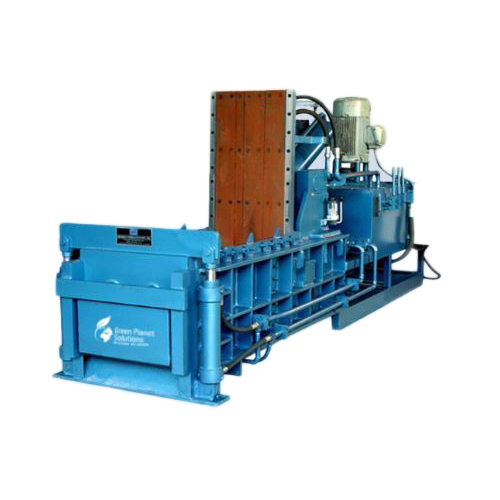
A baling machine, also known as a baler, is an industrial device used to compress recyclable materials into tightly packed bundles called bales.
These bales are easier to handle compared to loose waste materials. The machine uses hydraulic pressure to compress items like:
- Cardboard boxes
- Plastic packaging
- Paper waste
- Aluminum cans
- Textile waste
Baling machines are widely used in industries such as:
- Warehouses and logistics centers
- Retail stores and supermarkets
- Manufacturing units
- Recycling facilities
- Shopping malls
By converting loose waste into dense bales, businesses can manage their recyclable materials more efficiently.
How Does a Baling Machine Work?
The working process of a baling machine is simple but highly effective.
1. Waste Loading
Recyclable materials such as cardboard or plastic are placed inside the baler chamber.
2. Hydraulic Compression
The machine uses a hydraulic ram system that applies strong pressure to compress the waste materials.
3. Bale Formation
Once the waste reaches the desired density, it is tied using metal wires or straps to maintain its compact shape.
4. Bale Ejection
The compressed bale is removed from the machine and stored for transportation or recycling.
This process can reduce the volume of waste materials by 70–90%, making storage and transportation much easier.
Types of Baling Machines
Vertical Baling Machine
Vertical balers are compact machines designed for small to medium businesses. They are commonly used in retail stores, warehouses, and supermarkets.
Horizontal Baling Machine
Horizontal balers are designed for industries that produce large volumes of waste. These machines allow continuous feeding of materials.
Automatic Baling Machine
Automatic balers are advanced machines that require minimal manual operation. They are commonly used in large recycling plants and manufacturing industries.
Benefits of Using a Baling Machine
1. Reduces Waste Volume
Baling machines significantly reduce the volume of waste materials, making storage easier.
2. Saves Storage Space
Compressed bales require much less storage space compared to loose materials.
3. Reduces Waste Transportation Costs
Because waste is compressed into compact bundles, fewer waste pickups are required.
4. Improves Workplace Safety
Loose waste materials can create clutter and hazards. Baling machines help maintain a cleaner work environment.
5. Supports Recycling and Sustainability
Baled materials are easier to transport to recycling facilities, supporting environmentally responsible waste management.
Why Choose a Baling Machine for Your Business
Businesses today are looking for solutions that improve efficiency while supporting sustainability goals.
A baling machine provides multiple advantages:
- Improves waste management efficiency
- Reduces operational costs
- Supports environmental compliance
- Helps businesses monetize recyclable materials
- Creates a cleaner and more organized workplace
For industries generating large volumes of recyclable waste, investing in a baler machine is a smart operational decision.
Frequently Asked Questions (FAQs)
What materials can a baling machine compress?
A baling machine can compress cardboard, plastic, paper, aluminum cans, textiles, and other recyclable materials.
How much waste volume can a baler reduce?
Most baling machines can reduce waste volume by 70–90%.
Which industries commonly use baling machines?
Industries such as warehouses, manufacturing plants, retail stores, recycling facilities, and logistics companies use balers.
Are baling machines environmentally friendly?
Yes. They support recycling by compressing recyclable materials into manageable bundles for processing.
What is the difference between vertical and horizontal balers?
Vertical balers are smaller and suitable for moderate waste volumes, while horizontal balers are designed for large-scale industrial use.
Conclusion
Efficient waste management is becoming a critical priority for modern businesses. As industries generate increasing amounts of recyclable materials, solutions like baling machines are helping organizations manage waste more effectively.
By compressing waste into compact bales, these machines reduce storage space, lower transportation costs, and support sustainable recycling practices.
For businesses looking to improve operational efficiency while contributing to environmental sustainability, investing in a baling machine is a smart and future-ready solution.
Leave a Reply