Introduction
India’s real estate sector is evolving rapidly. Smart homes, luxury amenities, and green landscapes are becoming standard expectations. However, one critical aspect often overlooked during project planning is structured waste management.
With tightening environmental regulations and growing ESG pressure, developers must now integrate sustainable waste solutions from the design stage itself.
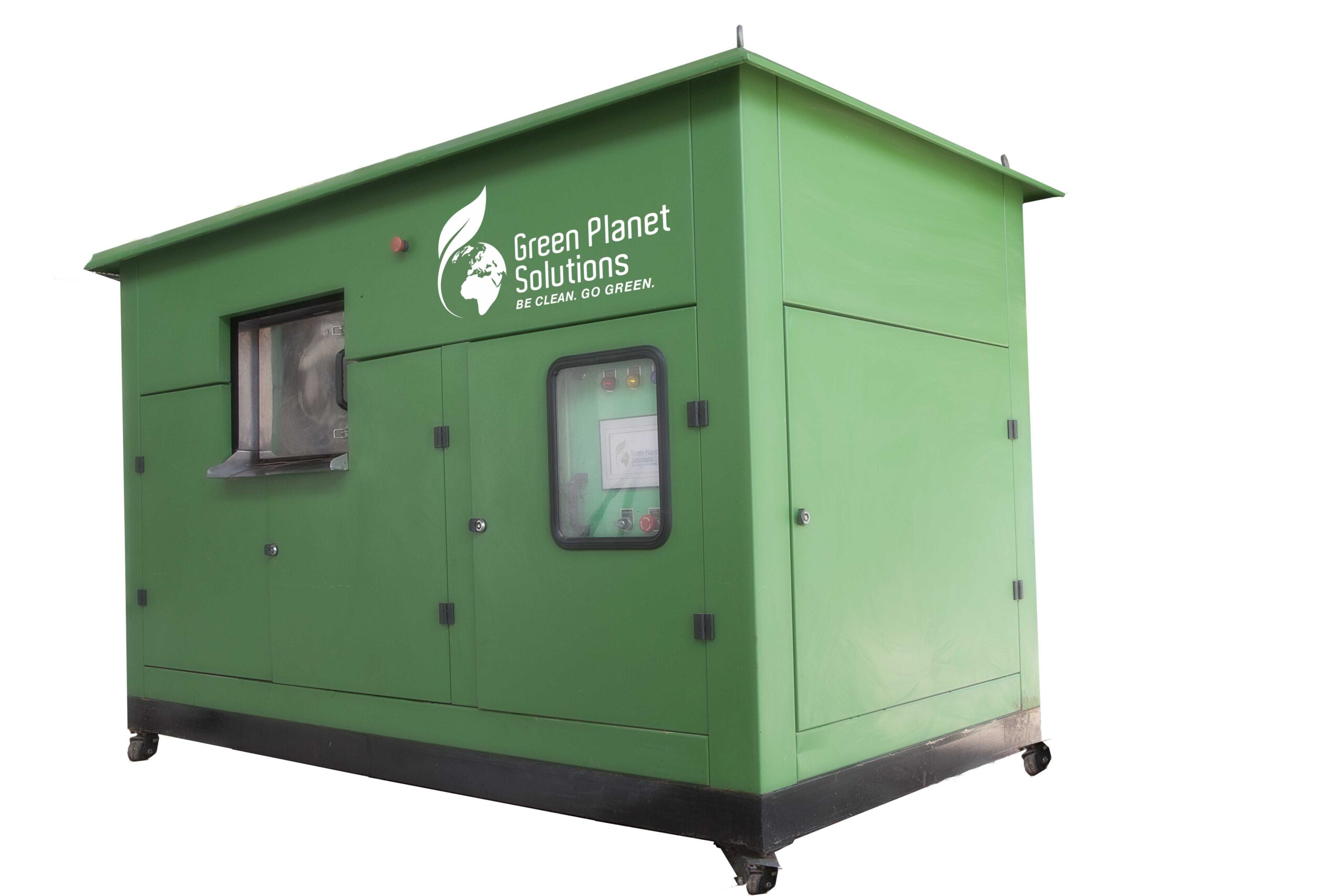
Installing a composting machine for builders is no longer an optional sustainability feature — it is becoming a strategic infrastructure requirement.
1️⃣ Regulatory Pressure: Bulk Waste Generator Compliance
Under India’s Solid Waste Management Rules, large residential complexes, commercial towers, IT parks, and mixed-use developments are categorized as bulk waste generators.
This means developers must ensure:
- Segregation of wet and dry waste
- On-site organic waste processing
- Reduced landfill dependency
Failure to plan waste infrastructure during construction can result in compliance issues post-handover.
Proactive developers integrate composting systems before occupancy to avoid operational complications later.
2️⃣ Composting Machines as a Competitive Advantage
Modern buyers prefer environmentally responsible projects.
Projects equipped with organic waste management systems can be positioned as:
- Zero-waste residential communities
- Green-certified infrastructure
- ESG-compliant developments
In premium real estate markets, sustainability enhances project value and brand positioning.
3️⃣ ESG & Investor Expectations
Environmental, Social, and Governance (ESG) reporting is influencing real estate financing and partnerships.
Developers are increasingly evaluated on:
- Carbon footprint
- Waste diversion efficiency
- Sustainable construction practices
Installing automated composting machines strengthens ESG compliance and enhances corporate credibility.
4️⃣ Operational Stability After Handover
When projects are handed over to housing societies or facility management teams, waste mismanagement often becomes a challenge.
Without in-house processing:
- Garbage accumulates
- Municipal penalties increase
- Resident dissatisfaction rises
By integrating a composting machine during the construction phase, developers ensure smoother long-term operations.
5️⃣ Technology Has Advanced
Traditional compost pits were labor-intensive and odor-prone.
Modern automated composting systems are:
✔ Fully automatic
✔ Odor-controlled
✔ Compact and space-efficient
✔ Suitable for basements or service areas
✔ Minimal maintenance
Leading manufacturers like Green Planet Solutions provide scalable organic waste management solutions designed for residential and commercial projects across India and global markets.
6️⃣ Future-Proofing Real Estate Projects
Environmental regulations are tightening every year.
Projects without structured waste management infrastructure may face:
- Regulatory scrutiny
- Approval delays
- Negative brand perception
- Increased operational costs
Forward-thinking builders integrate sustainable infrastructure at the planning stage rather than retrofitting later.
7️⃣ From Compliance Cost to Value Creation
Many developers initially view composting machines as an added expense.
In reality, they provide:
- Regulatory compliance
- Enhanced market positioning
- ESG alignment
- Reduced operational risk
- Improved long-term project sustainability
The return on investment is both strategic and reputational.
Where Composting Machines Fit in Real Estate Projects
Ideal installations include:
- High-rise residential complexes
- Gated communities
- Commercial office buildings
- Hotels and resorts
- Hospitals
- Institutional campuses
- Mixed-use townships
Food waste from residential kitchens, cafeterias, and commercial food courts can be converted into nutrient-rich compost within 24–48 hours.
Conclusion
The future of real estate in India is sustainable, compliant, and environmentally responsible.
Developers who integrate composting machines into their infrastructure demonstrate leadership in smart urban development.
Waste management is no longer a backend operation — it is a core component of future-ready construction
Leave a Reply