Category: India

  • Housing Society Composter Purchase Checklist: 8 Questions Before You Approve a Proposal

    Housing Society Composter Purchase Checklist: 8 Questions Before You Approve a Proposal

    For a housing society committee, choosing a composting machine is not simply a purchase decision. The proposal has to fit the waste actually generated, the place where it will operate, the people who will run it, and the society’s plan for the processed output. A quotation that looks complete on paper may still leave important operating questions unanswered.

    This checklist is designed for committee members, facility managers, and maintenance teams comparing proposals for an on-site organic-waste composter. It complements our wet-waste management plan for housing societies, which covers the wider day-to-day system. Use this article when the society is ready to compare options and approve a practical proposal.

    Start with one clear design brief

    Ask every vendor to respond to the same written brief. This prevents the committee from comparing one proposal based on resident count, another based on average waste, and another based only on machine capacity. A good brief should state the measured wet-waste range, likely peak days, current segregation quality, available area, utilities, collection route, and the person or team expected to operate the system.

    Count of flats is useful background information, but it is not enough to define a machine. Occupancy, food habits, common kitchens, events, and garden waste can change the daily waste stream. A short site audit gives a much better basis for comparison.

    1. What daily input has the proposal assumed?

    Request that the proposal clearly states the assumed daily wet-waste input and whether that figure is an average, a peak, or a design allowance. The committee should be able to trace the number back to a recent measurement exercise rather than an estimate made only from flat count.

    • How many days of records were used?
    • Were buffet-style events, festivals, or weekends considered where relevant?
    • Is garden waste included, excluded, or handled through a separate route?
    • What happens if incoming wet waste is temporarily higher than the assumed quantity?

    2. What material is suitable for the proposed process?

    A committee should not assume that every item placed in a green bin is suitable for every processing route. Ask the vendor to state the expected input material, items that should be kept out, and the handling method for contamination. This makes resident communication and housekeeping training much easier after installation.

    The national solid-waste framework emphasises segregation at source and the useful processing of segregated material. Local-body requirements can differ, so the society should confirm its own applicable collection, storage, and processing requirements before implementation. The Ministry of Environment, Forest and Climate Change rules and regulations page is a useful starting reference.

    3. Does capacity cover normal and peak operating days?

    Capacity should be discussed as part of an operating routine, not as an isolated number on a brochure. Clarify the proposed loading frequency, any temporary holding arrangement, and how the system is expected to cope with a higher-than-usual day. The committee should also understand whether the stated capacity refers to incoming material, a processing stage, or another measure used by the supplier.

    A clear written explanation lets the society compare proposals fairly and avoids an unrealistic expectation that a machine can compensate for mixed waste, missed operating days, or an unsuitable site layout.

    4. Is the proposed location genuinely workable?

    Before approving a proposal, walk the route from collection points to the proposed machine area. Confirm the floor, covered area, access, electrical supply, water, drainage, ventilation, cleaning arrangements, and distance from sensitive areas. Also consider how staff will move containers safely during rain or a maintenance interruption.

    The right location is a place that can be cleaned, supervised, and used daily. It is not simply the largest unused corner of the property.

    5. Who will operate, inspect, and clean the system?

    Every proposal should identify the daily workflow. The committee can own oversight, while a named facility or housekeeping supervisor owns collection checks, loading, cleaning, and issue escalation. Ask for the training scope, the daily checklist, and the practical records required for handover or committee changes.

    Clarifying ownership before purchase is more useful than discovering later that no one has been assigned to inspect input quality or manage the output.

    6. What happens to the processed output?

    Ask how the proposal describes the output, its handling, and the space or process needed after the main machine step. The society should decide whether the output will be used in landscaping where appropriate, managed through an agreed route, or handled in another site-specific way. Avoid promising a particular result unless it is supported by the selected process, operating conditions, and applicable local requirements.

    7. What is included in commissioning and support?

    Compare the scope, not just the headline price. A useful proposal explains delivery, installation prerequisites, training, initial operating support, documentation, routine maintenance expectations, escalation contacts, and exclusions. Put the accepted scope in writing so that the committee, managing agency, and vendor are working from the same understanding.

    8. Can the committee compare every proposal on one page?

    Create a simple comparison sheet with the same columns for every option: assumed daily input, peak-day approach, input exclusions, footprint, utilities, collection route, operating roles, training, output plan, support scope, and commercial terms. Mark unclear assumptions for follow-up instead of treating them as included.

    This one-page review turns the discussion from “Which machine is cheapest?” into “Which proposal is workable for our society every day?”

    Plan a practical next step

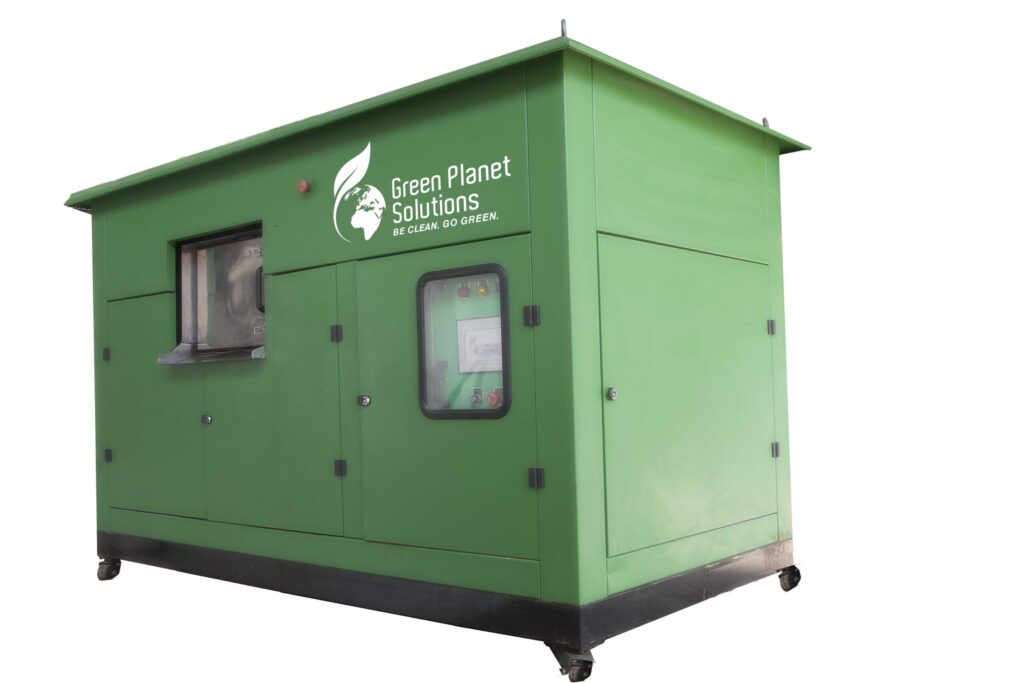
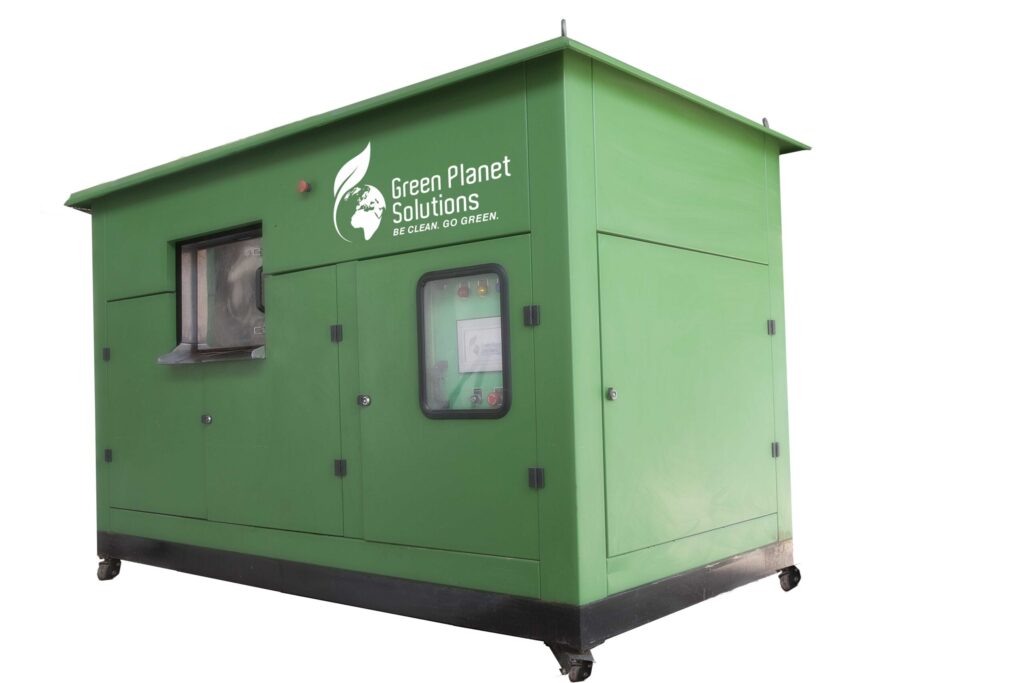
    Green Planet Solutions can discuss your society’s approximate wet-waste quantity, available space, location, and operating model to help identify a suitable next step. You can also review our fully automatic composting machine solution before a project discussion.

    Planning a housing-society waste-management project?
    Open the enquiry form for a practical assessment.
    Or call +91 7722073961 or email inquiry@thegreenplanetsolutions.com.

    This article is general planning guidance. Confirm local requirements and site-specific technical details before selecting or implementing a waste-management system.
  • Wet-Waste Management Plan for Housing Societies in India

    Wet-Waste Management Plan for Housing Societies in India

    Housing societies can make wet-waste handling more reliable when they treat it as an everyday operating process, rather than only an equipment purchase. A workable plan starts with knowing how much material is generated, where it is collected, who is responsible at each step, and what will happen to the processed material.

    This guide gives a practical structure for resident welfare associations, committee members, facility managers, and housekeeping teams. The exact system should be selected only after a site assessment, because quantity, available space, local collection arrangements, staffing, and local rules differ from one property to another.

    1. Estimate the daily wet-waste quantity

    Begin with a short measurement exercise. For seven representative days, ask the housekeeping team to separately record food scraps, fruit and vegetable waste, garden waste, and contaminated mixed waste from common areas. Record the approximate weight or number of containers, along with unusual events such as functions, holidays, or low occupancy.

    The objective is not a perfect laboratory measurement. It is to establish a realistic daily range and identify peak days. This information helps the society compare processing options and plan storage and collection capacity.

    Useful information to record includes:

    • number of occupied flats and approximate residents;
    • wet-waste quantity by day;
    • garden-waste quantity, if handled separately;
    • collection timings and collection-point location;
    • current municipal collection arrangement; and
    • available covered space, power, drainage, and staff availability.

    2. Make segregation simple for residents and staff

    Wet-waste processing works best when the input is reasonably clean. The society should make the expected household behaviour easy to understand: keep food waste separate from dry recyclables, sanitary waste, e-waste, glass, and hazardous items.

    Use clear bin labels with examples rather than only technical terms. Place the same instructions at lift lobbies, collection points, and in resident communication groups. Housekeeping staff should have a short, consistent procedure for what to do when a bag is mixed or contains unsuitable material.

    A short message, repeated consistently, is more useful than a detailed one-time circular.

    3. Design the collection point before selecting equipment

    A collection point should support safe, clean daily work. Confirm where waste will be brought, whether the area is covered, how containers will be cleaned, and how staff will move material without crossing inconvenient routes or creating odour issues near homes.

    Before commissioning any system, inspect:

    • access route from towers and common areas;
    • floor surface, water supply, drainage, and electrical connection where relevant;
    • ventilation and housekeeping arrangements;
    • distance from sensitive locations such as entrances, play areas, and windows; and
    • how the society will store material temporarily during maintenance or peak days.

    The best location is not necessarily the largest unused corner. It is a space that can be operated, cleaned, supervised, and accessed every day.

    4. Assign operating roles clearly

    Many projects slow down because the equipment is delivered but daily ownership is unclear. Write down who is responsible for collection, inspection of input material, loading, cleaning, record keeping, compost handling, and escalation when a problem occurs.

    For a typical society, the committee or facility manager can own oversight, while a named housekeeping supervisor owns the day-to-day checklist. The maintenance team should know whom to contact if power, drainage, or mechanical support is needed. The vendor or solution provider should be contacted through the agreed support route for issues that require specialist assistance.

    Keep a simple daily log. It can record approximate incoming quantity, contamination observed, operating time, output handling, and any issue requiring follow-up. The record is valuable during handover, committee changes, and performance reviews.

    5. Compare processing routes using site facts

    The right route depends on the actual site. Some societies may use an on-site organic-waste composter; others may use decentralised composting, authorised collection, or a combination with separate handling of garden waste. The choice should account for the expected quantity, space, staffing, budget, desired output, and the downstream use or removal of processed material.

    Do not select capacity using only the number of flats. Occupancy, food habits, events, common kitchens, and garden waste can change daily volumes. Use the measured daily range and allow for realistic operation and maintenance rather than assuming ideal input quality.

    For a starting point, review the Best Organic Waste Composter in India guide and the fully automatic composting machine solution page. A site discussion can then match the option to your actual operational requirements.

    6. Prepare a commissioning checklist

    Before the system begins regular operation, confirm that the society has:

    • a named owner for daily operation and another for backup;
    • resident and staff segregation instructions;
    • containers, cleaning materials, and personal protective equipment appropriate to the task;
    • a collection schedule and a covered temporary-holding arrangement;
    • an operating and maintenance checklist;
    • a plan for compost or processed output; and
    • a support and escalation contact path.

    Start with a supervised first week. Review the incoming material daily and solve contamination or collection problems early. A gradual, visible start usually produces better resident cooperation than silently launching a process and correcting it later.

    Common mistakes to avoid

    The most common issues are mixed waste at source, an inconvenient collection point, no named operator, unrealistic capacity assumptions, and no plan for the output. Another avoidable problem is treating resident communication as complete after one announcement. New residents, staff turnover, and changing habits mean the message needs occasional reinforcement.

    Request a practical site assessment

    Green Planet Solutions can discuss a suitable next step using your resident count, approximate daily wet-waste quantity, available space, city, and preferred operating model. Call +91 7722073961 or email inquiry@thegreenplanetsolutions.com. For a structured enquiry, use the existing project-enquiry route.

    This article is practical operational guidance. Confirm applicable local requirements and site-specific technical details before implementing a waste-management system.
  • Why Modern Apartment are Switching to Fully Automatic Composting Machine

    Why Modern Apartment are Switching to Fully Automatic Composting Machine

    Table Of Contents

    1. Introduction
    2. Solving the “Big Trash” Problem
    3. Saving Money on Maintenance
    4. Free Fertilizer for the Society Garden
    5. Following Government Rules
    6. Frequently Asked Questions (FAQs)
    7. Conclusion

    Introduction

    The concept of building a sustainable community is the latest trend in modern living. If you reside in a large building, you are aware of the amount of waste that is collected on a daily basis. A large portion of this waste is simply leftover food from kitchens. This is why many residential societies are now setting up a Fully Automatic Composting Machine to deal with their organic waste at the source itself. This not only keeps the area clean, but it also helps to keep the environment clean by not allowing trash to reach the landfills. This is why residing in a “Green Building” has become a source of pride for many residents.

    Solving the “Big Trash” Problem

    In a building with 100 or 200 apartments, the quantity of wet waste is massive. Normally, this waste is dumped in large containers, reeks of stench, and is home to flies. But in a society where the Fully Automatic Composting Machine is used, all this food waste will vanish in 24 hours. What you will be left with is a small heap of dry, earthy-smelling compost.

    Saving Money on Maintenance By Using Fully Automatic Composting Machine

    Did you know that many cities now charge extra money to pick up unsegregated waste? In addition, the cost of garbage trucks is increasing every year. By processing waste on-site, the apartment complex saves a lot of money on waste disposal. Eventually, the machine will pay for itself.

    Free Fertilizer for the Society Garden

    In most modern apartments, the gardens, lawns, and potted plants are always beautiful. However, in most cases, the society has to purchase costly chemical fertilizers to maintain their greenness. With the Fully Automatic Composting Machine, you will obtain high-quality organic fertilizer for free! This will make the plants healthier and the soil much stronger.

    Following Government Rules

    Governments are becoming very strict about waste. In many places, it is now mandatory for “Bulk Waste Generators” (like big apartments) to treat their own wet waste. Therefore, installing an automatic system keeps the society safe from heavy fines and legal trouble.

    Frequently Asked Questions (FAQs)

    Q: Is the machine noisy? 

    No,these machines are built to work very quietly. Most residents won’t even notice it is running, even if they walk right past it.

    Q: Does it require a lot of electricity? 

    Modern machines are designed to be energy-efficient. They use smart sensors to only heat up when necessary, which keeps the electricity bill low.

    Q: What happens if someone puts plastic in by mistake? 

    While you should only put food waste in, the machine is sturdy. However, to get the best compost, residents should be taught to separate plastic and metal before dumping their kitchen bins.

    Conclusion

    In conclusion, the best thing that can happen to a modern housing society is to upgrade to a Fully Automatic Composting Machine. This will solve the odor problem, cut down on trash expenses, and give free food to the garden. But most importantly, it will teach the next generation that we can take care of our planet right from our homes. In short, it will convert a big problem into a beautiful solution that the whole building can be proud of.

  • Best STP and Composting Solutions in Saudi Arabia

    Best STP and Composting Solutions in Saudi Arabia

    Table Of Content

    1. Introduction
    2. Why Waste Management Matters in Saudi Arabia
    3. Smart Sewage Treatment Plants (STP)
    4. Fully Automatic Composting Machine: The Best for Food Waste
    5. Why this is the best choice for you:
    6. Best Food Waste Composter Price UAE: Regional Insights
    7. Frequently Asked Questions (FAQs)
    8. Conclusion

    Introduction

    Living sustainably is becoming a high priority in the Kingdom of Saudi Arabia. As part of the Vision 2030 initiative, the Kingdom is doing its best to minimize waste and preserve the beautiful environment. If you are a businessman or a community leader, looking for a high-quality Fully Automatic Composting Machine and a good STP Plant Manufacturer is a great way to save the planet and cut costs.

    Why Waste Management Matters in Saudi Arabia

    Saudi Arabia is expanding at a very rapid pace, which means that there are more people and more trash. At the moment, the country is producing 15 million tons of municipal waste each year. To solve this problem, the government has set a target of recycling 82% of all waste by the year 2035. With the help of advanced technology, we can convert trash into resources rather than letting it fill a landfill.

    Smart Sewage Treatment Plants (STP)

    In a dry country like Saudi Arabia, water is more precious than gold. An STP plant takes “dirty” water from toilets and sinks and cleans it so it can be used again for gardening or cooling systems.

    A top STP Plant Manufacturer provides systems like:

    • MBBR (Moving Bed Biofilm Reactor): Very compact and great for hotels.
    • SBR (Sequential Batch Reactor): Efficient for large housing complexes.
    • Packaged STPs: These are “plug-and-play” units that are easy to install in small areas.

    Fully Automatic Composting Machine: The Best for Food Waste

    Rather than disposing of leftover food, you can utilize a Fully Automatic Composting Machine. These machines are like “smart stomachs” that digest leftover food and produce fertilizer in just 24 hours.

    Why this is the best choice for you:

    No Bad Smells: These machines come equipped with filters that ensure the air remains fresh.

    Space Saver: They are compact enough to be placed in a parking lot or a basement.

    Cost Savings: You won’t have to pay high garbage truck fees anymore.

    Easy to Use: You simply have to put the food inside and press a button. The machine does the rest!

    Best Food Waste Composter Price UAE: Regional Insights

    Many people in the Middle East look for the Best Food Waste Composter Price UAE to compare with Saudi prices. Generally, prices change based on how many kilograms of waste the machine can handle daily.

    • Small (50kg): Perfect for cafes or small offices.
    • Medium (200kg-500kg): Ideal for schools and residential buildings.
    • Large (1000kg+): Best for big malls and industrial factories.

    Frequently Asked Questions (FAQs)

    1. How long does it take to get my money back? Most businesses see their investment pay for itself in less than 2 years because they save so much on waste bills.

    2. Can these machines handle Saudi heat? Yes! High-quality machines are made from stainless steel designed to work perfectly in hot weather.

    3. What can I do with the compost? You can use it to grow beautiful gardens around your building or even sell it as organic fertilizer.

    Conclusion

    To wrap things up, choosing a Fully Automatic Composting Machine and working with a professional STP Plant Manufacturer is a win-win. You help keep the Kingdom clean while also saving money on water and waste disposal. It is a simple step that makes a huge difference for our future.

  • The ROI of a Fully Automatic Composting Machine

    The ROI of a Fully Automatic Composting Machine

    Table Of Contents

    1. Introduction
    2. Why Waste Costs You Money
    3. Best Food Waste Composter Price UAE: What Affects the Cost?
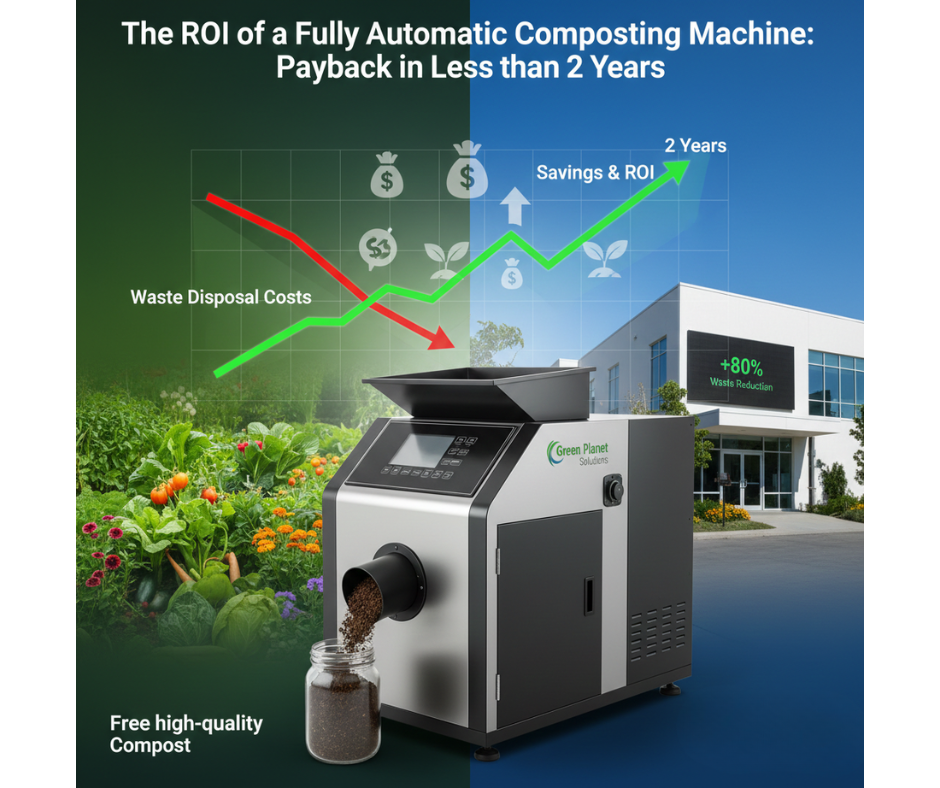
    4. The Math: How You Get Your Money Back in 2 Years
    5. Frequently Asked Questions (FAQs)
    6. Conclusion

    Introduction

    When we consider saving the planet, we consider that it has to cost us a lot. But in reality, purchasing a Fully Automatic Composting Machine is one of the best financial decisions that a business or a large community can make. Rather than viewing our waste as a “trash problem,” this technology enables us to view it as a resource. In other words, this machine will take your leftover food and turn it into high-quality fertilizer in only 24 hours. And the best part? It pays for itself incredibly quickly.

    Why Waste Costs You Money

    Each time a truck comes to collect your trash, you pay a fee. Moreover, as the landfills are filled up, these costs rise. If you are operating a hotel, a school, or a housing complex, you are probably paying thousands of dollars each year just to get rid of your trash. By utilizing an on-site composter, you will no longer be paying someone else to take your trash. Rather, you will retain the trash and turn it into something that you can actually use or sell.

    Best Food Waste Composter Price UAE: What Affects the Cost?

    If you are searching for the Best Food Waste Composter Price UAE, you should know that the “price” is more than just the amount you pay. You have to consider the value it provides in the long run. The following are the factors that affect the price and your savings:

    Machine Capacity: The bigger the machine, the more waste it can process, which translates to bigger savings every day.

    Energy Efficiency: The latest machines consume very little energy, which keeps your electricity bills low.

    Durability: A good machine from Green Planet Solutions will last for many years, which means that your investment is safe.

    Labor Savings: Since the machine is fully automatic, you won’t need to hire more staff to handle the compost.

    The Math: How You Get Your Money Back in 2 Years

    Let’s break down the savings in a simple manner. Most companies pay for two things: waste collection fees and fertilizer for their gardens.

    Cutting Collection Fees: If you cut your trash output by 80%, you’ll save money on waste collection fees right away.

    Making Free Fertilizer: Buying high-quality fertilizer at a garden shop can be expensive. Now, you are making it for free.

    Government Benefits: Governments provide tax benefits or bonuses to companies that adopt eco-friendly practices.

    When you combine all these savings, the total savings will be about the price of the Fully Automatic Composting Machine in 18 to 24 months. After that, all the savings go into your pocket!

    Frequently Asked Questions (FAQs)

    1. Is it difficult to use?

    Not at all! You just have to put the waste inside, and the machine will take care of the rest. It’s as simple as using a microwave.

    2. Does it smell?

    No. These machines have special filters to ensure that there are no unpleasant smells in your building or garden.

    3. What can I put inside?

    You can put fruit peels, vegetable peels, bread, and most leftover food. However, you should not put large bones or plastic inside.

    Conclusion

    In conclusion, making a green choice is also a great financial choice. A Fully Automatic Composting Machine is not only a machine; it is a tool that helps the Earth while saving you money. By turning “trash” into “treasure,” you can achieve a full return on your investment in less than two years. Consequently, you get to enjoy a cleaner environment and a thicker wallet at the same time. It is a win-win for everyone!

  • Best Organic Waste Composting Machine Saudi Arabia

    Best Organic Waste Composting Machine Saudi Arabia

    Table Of Contents:

    1. Introduction
    2. Why Saudi Arabia is Leading the Way in Composting
    3. Best Food Waste Composter Price UAE: Regional Cost Insights
    4. Frequently Asked Questions (FAQs)
    5. Conclusion

    Introduction

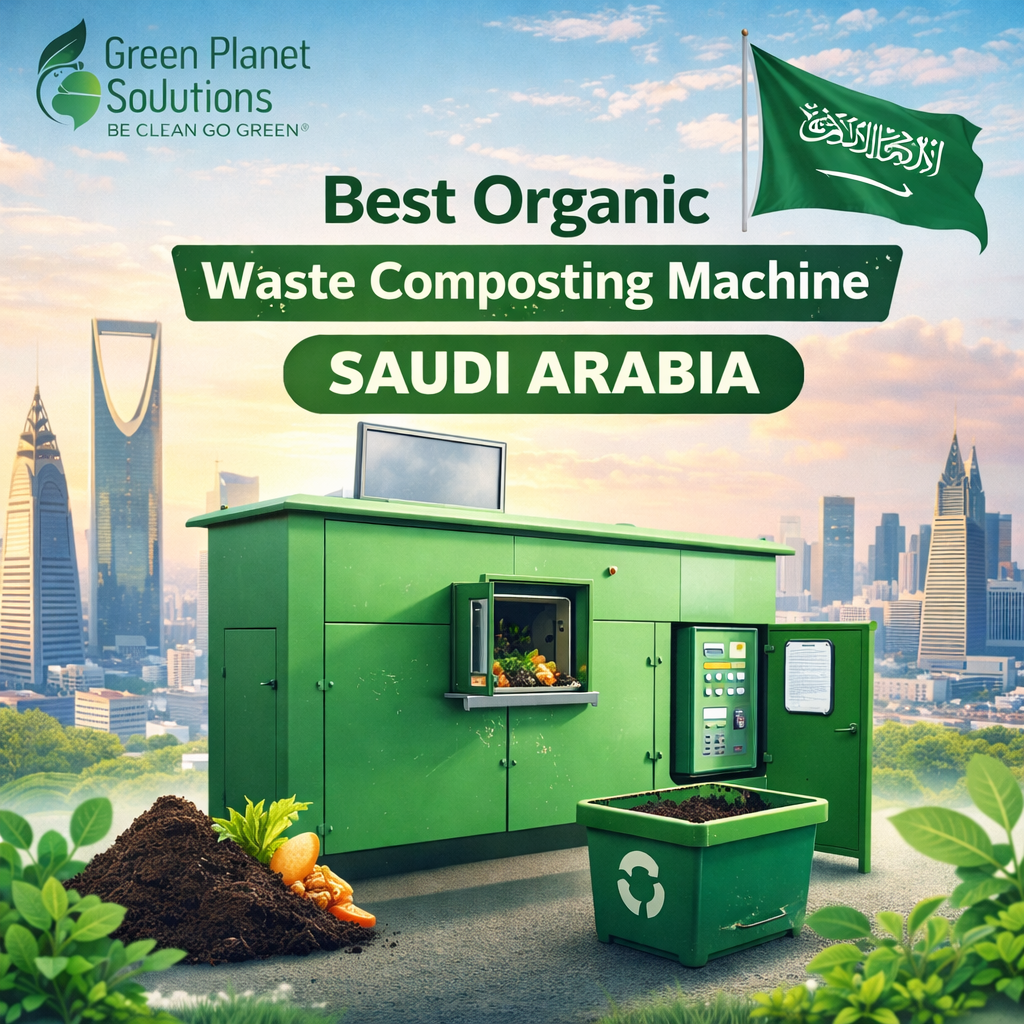
    Saudi Arabia is currently undergoing a massive change, thanks to Vision 2030, and sustainability and environmental protection is one of the major domains that are being focused on. With the development of Riyadh and Jeddah, the disposal of food waste has become one of the most important priorities for hotels, hospitals, and residential complexes. If you are looking to purchase an organic waste composting machine to get rid of your waste, then you are doing your bit for a cleaner Saudi Arabia. These smart machines will turn your leftover food into quality fertilizer within 24 hours.

    Why Saudi Arabia is Leading the Way in Composting

    In reality, the Kingdom has very ambitious targets to redirect 94% of waste not to go to landfills by 2035. Since food waste constitutes such a massive amount of what we dispose of, it is only sensible that a business turns to an organic waste composting machine.

    Aligns with Vision 2030:

    Align your business with the Kingdom’s sustainability vision.

    Prevents Methane Gas: 

    • Preventing food from decomposing in landfills keeps our air clean and healthy.
    • Compost helps retain water in the soil, which is vital in the Saudi environment.

    Industrial-Strength Construction: 

    Our machines are made of top-quality stainless steel to function optimally in high-temperature settings.

    Best Food Waste Composter Price UAE: Regional Cost Insights

    While you are looking for solutions in Saudi Arabia, you might also be curious about the Best Food Waste Composter Price UAE, as these markets are very similar. Generally, the price depends on the size of the machine and how much waste it can eat every day.

    1. Small Models (50kg – 100kg): These are great for small canteens or cafes. Furthermore, they are very energy-efficient.
    2. Medium Models (200kg – 500kg): Most housing societies choose this range because it offers a great balance of power and price.
    3. Large Industrial Models (1000kg+): For 5-star hotels and large factories, these heavy-duty machines offer the best long-term value by cutting waste bills significantly.

    Frequently Asked Questions (FAQs)

    Q: Does the machine require a lot of maintenance?

    No, these fully automatic machines are “plug and play” machines. Usually, all you need is a simple check-up from time to time to keep them in good working condition.

    Q: Can it process Saudi coffee grounds and dates?

    Yes! The machine is ideal for all organic materials, such as fruit peels, vegetable scraps, coffee grounds, and leftovers.

    Q: Is there any smell?

    Not at all. Good composters use special filters and heat to ensure that the process is completely odorless and hygienic.

    Conclusion

    To conclude everything, it is the responsibility of all people living in the Kingdom to take care of our environment. By investing in an organic waste composting machine, you are turning a problem into a solution for our soil and plants.

    • Pick a size depending on your daily waste production.
    • Invest today to save on waste collection fees tomorrow.
    • Join the movement towards a Zero-Waste Saudi Arabia.

    In simple words, this machine is like a stomach that eats your food scraps and gives vitamins to the earth. It is a clean, smart, and modern way to ensure our planet stays healthy for a very long time!

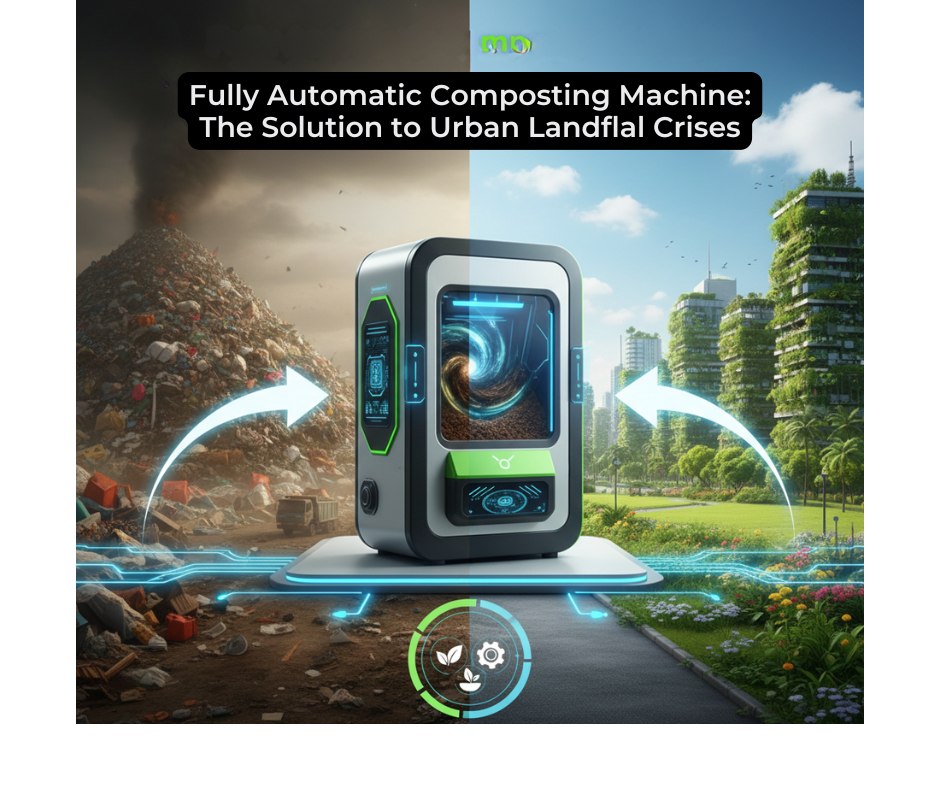
  • Fully Automatic Composting Machine: The Solution to Urban Landfill Crises

    Fully Automatic Composting Machine: The Solution to Urban Landfill Crises

    Table Of Contents

    1. Introduction
    2. The Problem: Why Our Cities are Struggling
    3. The Solution: How a Fully Automatic Composting Machine Works
    4. Why Every Society Needs to Switch to Smart Composting
    5. Frequently Asked Questions (FAQs)
    6. Conclusion

    Introduction

    Ever walk past a huge mountain of trash that seemed to have no end and wonder what happens to all this trash. In our increasingly urbanized city, these ‘trash mountains’ are growing larger by the day. Unfortunately, these are even affecting our air and water. But now there is a brilliant new technique through which we can stop this problem before its even begun. With the help of a Fully Automatic Composting Machine, our cities as well as business organizations can transform their trash into gold for nature within 24 hours. No longer do we need to worry about moving truck-loads of our trash to the landfill; we can now start creating something beautiful for nature.

    The Problem: Why Our Cities are Struggling

    As of now, most cities mix all their waste collectively and get rid of it by dumping it into pits outside the city. In addition, when food waste rots in landfills, it decays without oxygen and releases bad gases, which makes the planet warm. In another sense, since landfills are running out of space to dispose of waste, there is a huge crisis for cities. So what we need is a solution to immediately dispose of waste without a bad smell.

    The Solution: How a Fully Automatic Composting Machine Works

    It is like a big, advanced stomach that “digests” the food waste extremely fast. Here is why it is the perfect machine for the city of the future:

    Fast Transformation: This machine can transform waste into organic manure in just 24 hours, while traditional pits take months to perform the transformation.

    Massive Volume Reduction: It has the power to condense a tremendous volume of food scraps by as much as 80% to 90%, resulting in just a tiny amount of fertilizer.

    Simple to Use: As it is completely automatic, all you have to do is just feed the waste material and press the button. The mixer, heater, and dryer work on their own.

    No Bad Odors: Because of the advanced filter systems used in these machines, there is no bad odor associated with their use, making them ideal for apartments and school environments.

    Eco-Friendly Results: The end result of this procedure is “black gold,” which is a compost for plants, allowing them to grow strong without the need for chemical fertilizers.

    Why Every Society Needs to Switch to Smart Composting

    In addition to helping the planet, using a Fully Automatic Composting Machine saves a lot of money. For instance, when you process waste on-site, you no longer need to pay for heavy trucks to haul it away. Consequently, housing societies become self-sufficient and set a great example for the next generation of eco-warriors.

    Frequently Asked Questions (FAQs)

    Q: May we feed plastic and/or glass into the composting machine? 

    No, the machine could eat those items. However, it likes organic items such as fruit peels, vegetable peels, and cooked meals.

    Q: Is it very loud when it’s running? 

    Not at all! These machines are designed to run quietly so they don’t disturb the people living nearby.

    Q: What do we do with the compost afterward? 

    You can use it in the society garden, give it away to the people for their plants on the balcony, or sell it to the local farmers.

    Conclusion

    To sum it up, we can stop making full mountains of trash in our cities by using a Fully Automatic Composting Machine. Take control of our waste and let it turn into something that is going to help the Earth. It’s smart, easy, and clean ways to live a zero-waste life. Finally, when technology will be there to protect nature, everyone will win!

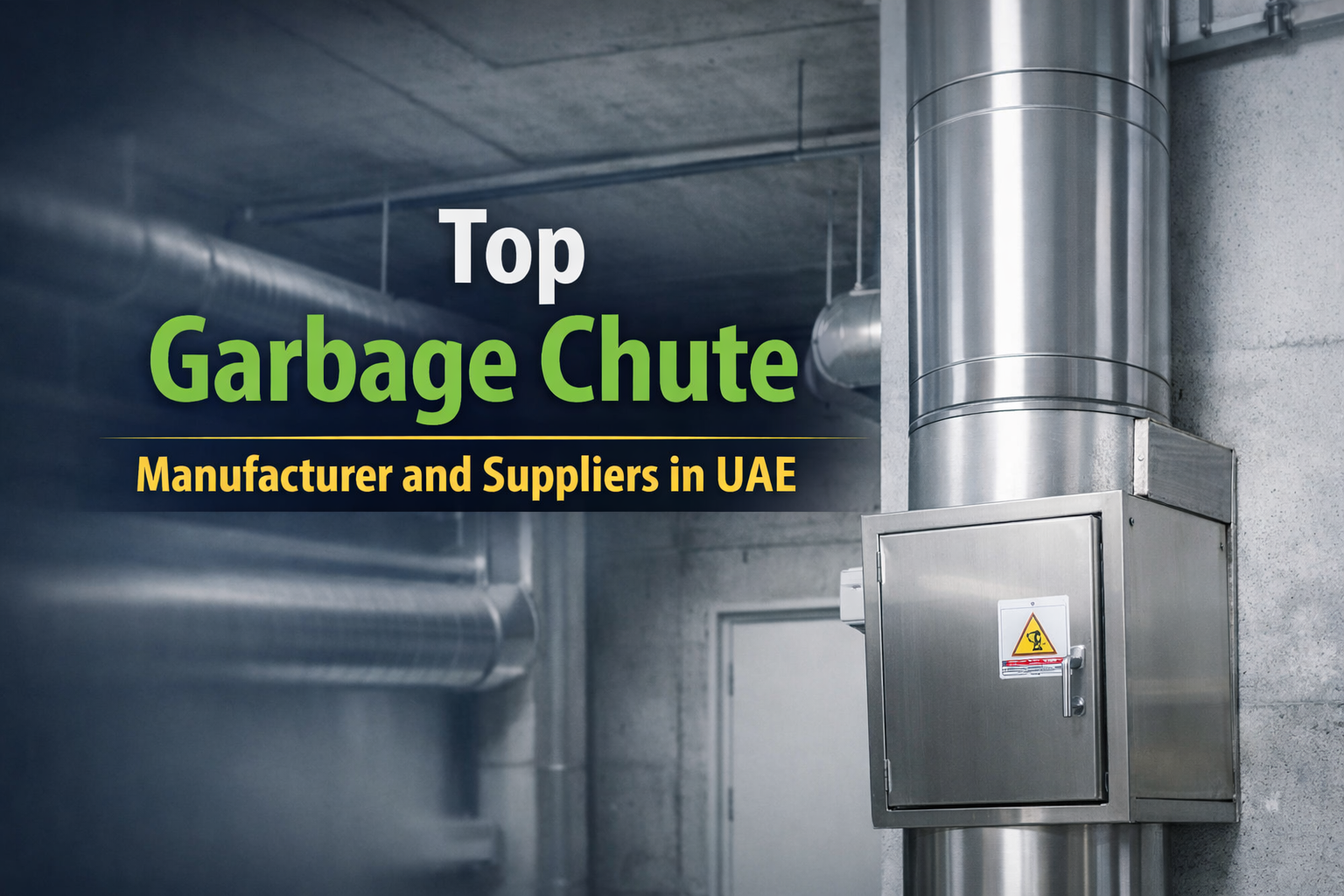
  • Top Garbage Chute Manufacturer And Suppliers in UAE

    Top Garbage Chute Manufacturer And Suppliers in UAE

    Table Of Content

    1. Introduction
    2. What is a Garbage Chute?
    3. Why Garbage Chute Systems Are Important in UAE
    4. Growing Demand for Waste Management Solutions in UAE (Data Insight)
    5. Top Garbage Chute Manufacturers in UAE
    6. Features of a High-Quality Garbage Chute System
    7. Benefits of Installing Garbage Chutes
    8. Applications of Garbage Chute Systems
    9. Why Choose Green Planet Solutions?
    10. Frequently Asked Questions (FAQs)
    11. Conclusion

    Introduction

    In modern buildings, managing waste properly is very important. A garbage chute makes waste disposal easy, clean, and fast. That is why many high-rise buildings now prefer working with trusted garbage chute manufacturers in UAE for safe and efficient systems.

    Moreover, these chutes help keep buildings hygienic and reduce manual waste handling. Therefore, choosing the right supplier is a smart decision for long-term cleanliness.

    What is a Garbage Chute?

    A garbage chute is a vertical pipe system installed in multi-floor buildings. It allows residents or staff to throw waste directly into a collection area, usually located on the ground floor.

    So, instead of carrying garbage down every day, people can dispose of waste easily from each floor.

    Why Garbage Chute Systems Are Important in UAE

    UAE cities like Dubai and Abu Dhabi have many tall residential and commercial buildings. Waste management becomes challenging in such places.

    That is why garbage chutes are widely used because they:

    • Save time and effort
    • Improve building cleanliness
    • Reduce bad odors in common areas
    • Support organized waste collection

    Additionally, they help maintain a healthier environment for everyone.

    Growing Demand for Waste Management Solutions in UAE (Data Insight)

    Here are some key facts:

    • UAE generates millions of tons of municipal waste every year
    • High-rise buildings contribute a major share of daily waste
    • Smart waste disposal systems like garbage chutes are becoming essential in modern infrastructure

    Therefore, the demand for garbage chute systems is rising rapidly across the country.

    Top Garbage Chute Manufacturers in UAE

    When it comes to reliable waste disposal systems, Green Planet Solutions is among the top providers in the UAE.

    They offer advanced garbage chute systems designed for:

    • Residential towers
    • Hotels and resorts
    • Hospitals
    • Commercial complexes
    • Industrial facilities

    Moreover, their solutions meet safety and hygiene standards required in the UAE.

    Features of a High-Quality Garbage Chute System

    Before choosing a supplier, it is important to check these features:

    • Strong stainless-steel body
    • Fire safety compliance
    • Odor and noise control
    • Easy cleaning and maintenance
    • Smooth waste flow design
    • Long-lasting durability

    Thus, investing in quality ensures better performance for years.

    Benefits of Installing Garbage Chutes

    A garbage chute system provides many advantages:

    • Cleaner waste disposal process
    • Less labor required for garbage collection
    • Better hygiene in common areas
    • Convenience for residents and staff
    • Improved building value

    As a result, garbage chutes are now considered a must-have in modern buildings.

    Applications of Garbage Chute Systems

    Garbage chutes are commonly used in:

    • Apartment buildings
    • Shopping malls
    • Airports
    • Hotels
    • Hospitals
    • Office towers

    Therefore, they are suitable for any place that produces daily waste.

    Why Choose Green Planet Solutions?

    Green Planet Solutions is one of the trusted garbage chute manufacturers in UAE because they provide:

    • Custom-built chute systems
    • Expert installation support
    • High-quality materials
    • Affordable maintenance services
    • Eco-friendly waste management solutions

    Hence, they are a preferred supplier for many building projects across the UAE.

    Frequently Asked Questions (FAQs)

    Q1. What is the primary function or purpose of a garbage chute?

    A garbage chute assists individuals with easy disposal of garbage from different floors without carrying it down.

    Q2: Are garbage chutes safe to use?

    Modern trash chutes, however, are equipped with fire protection and odor control systems for safe operation.

    Q3. Which buildings need garbage chutes the most?

    High-rise apartments, hotels, hospitals, commercial buildings, etc., benefit the most.

    Q4. How do garbage chute systems remain clean?

    They are designed for easy maintenance and can be cleaned regularly using special wash systems.

    Q5. Why choose Green Planet Solutions in UAE?

    Because of their ability to supply hardy, hygienic, and custom-made garbage chute systems together with expert service.

    Conclusion

    A garbage chute is one of the easiest solutions for keeping a building clean and organized. It saves time, ensures better hygiene, and makes waste disposal easy for all.

    This is the reason why selecting reliable garbage chute manufacturers in UAE such as Green Planet Solutions is very important. With the right system, garbage disposal would be both safe, seamless, and environmentally friendly.

    So, if you are looking for the best garbage chute solution in UAE, Green Planet Solutions is the right partner.

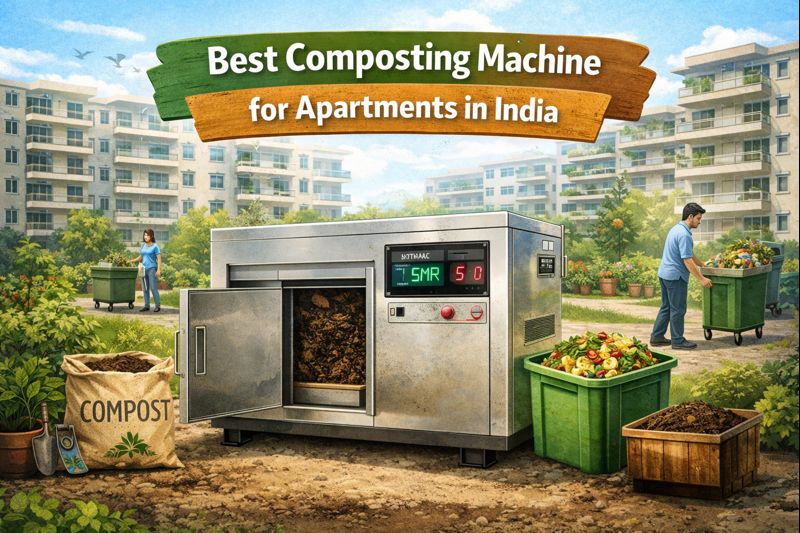
  • Best Composting Machine for Apartments in India

    Best Composting Machine for Apartments in India

    Table Of Contents:

    1. Introduction
    2. Why Apartments in India Need a Composting Machine
    3. What Is a Composting Machine for Apartments?
    4. Types of Composting Machines Used in Apartments
    5. Best Composting Machine for Apartments in India – Key Factors to Consider
    6. Benefits of Using a Composting Machine in Apartments
    7. How Much Does a Composting Machine Cost in India?
    8. Why Fully Automatic Composting Machines Are Popular in Apartments
    9. FAQs
    10. Conclusion
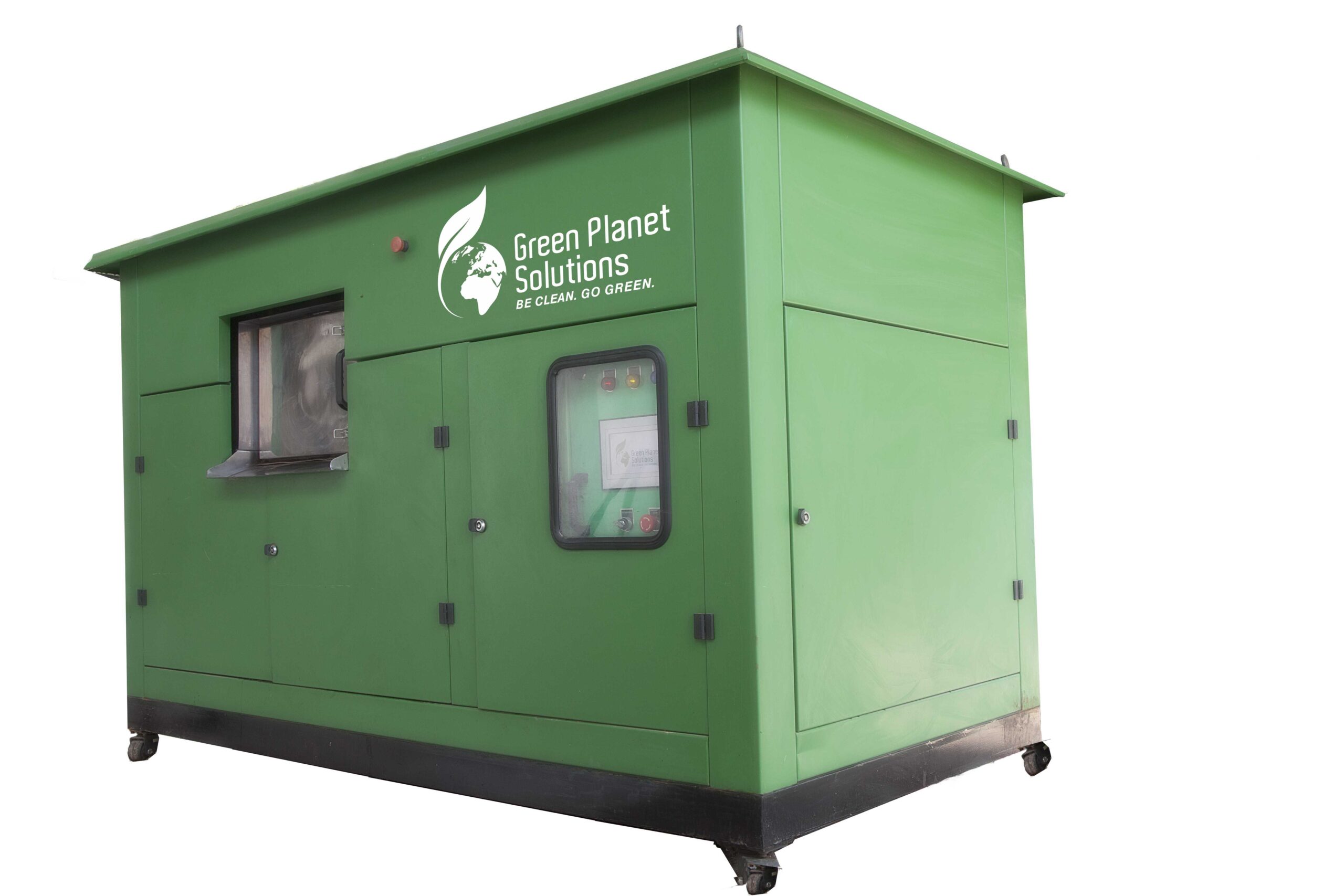
    Green planet solution's composting machine

    Introduction

    Using a composting machine for apartments is one of the best ways to solve this problem. Modern solutions like a Fully automatic composting machine help convert food waste into useful manure right inside the society premises. This not only reduces garbage but also supports a clean and green environment.

    With growing cities and apartment living, managing daily kitchen waste has become a big challenge. Most apartment societies in India generate large amounts of wet waste every day, which often ends up in landfills.

    In this blog, we will explain how to choose the best composting machine for apartments in India in a very simple and easy way.

    Why Apartments in India Need a Composting Machine

    • Apartments generate 50–60% organic waste
    • Government bodies encourage on-site waste processing
    • Reduces dependency on waste collectors
    • Saves money on garbage handling
    • Produces natural compost for gardens

    A good composting machine makes waste management easy and hygienic for apartment residents.

    What Is a Composting Machine for Apartments?

    A composting machine for apartments is a system designed to process daily food waste like:

    • Vegetable peels
    • Leftover food
    • Fruit waste
    • Garden waste

    It converts waste into compost using natural processes like heat, aeration, and mixing.

    Types of Composting Machines Used in Apartments

    1. Fully Automatic composting machine for apartments

    A Fully automatic composting machine works with minimum human effort.

    Features:

    • Automatic mixing and heating
    • Faster composting (24–48 hours)
    • Odor control system
    • Compact design

    Best For:

    • Large apartment societies
    • High daily waste generation
    • Low manpower availability

    2. Semi Automatic Composting Systems for apartments

    These systems require some manual operation.

    Features:

    • Lower cost
    • Manual mixing
    • Low electricity usage

    Best For:

    • Small apartments
    • Limited budgets

    Best Composting Machine for Apartments in India – Key Factors to Consider

    1. Daily Waste Quantity

    Choose a composting machine based on how much waste your apartment generates daily.

    2. Available Space

    Some machines are compact, while others need open areas.

    3. Electricity Consumption

    A Fully automatic composting machine requires power, so energy efficiency matters.

    4. Budget

    Balance between cost, features, and long-term savings.

    5. Maintenance Support

    Choose manufacturers who provide service and training.

    Benefits of Using a Composting Machine in Apartments

    • Reduces landfill waste
    • No bad smell when operated correctly
    • Converts waste into useful manure
    • Improves cleanliness
    • Supports sustainability goals
    • Encourages eco-friendly habits among residents

    How Much Does a Composting Machine Cost in India?

    Approximate price ranges:

    • Small capacity machines: ₹2–5 lakh
    • Medium capacity machines: ₹5–10 lakh
    • Large Fully automatic composting machines: ₹10 lakh and above

    Prices depend on capacity, technology, and features.

    Why Fully Automatic Composting Machines Are Popular in Apartments

    • Faster waste processing
    • Minimal human involvement
    • Cleaner operation
    • Suitable for urban living

    This makes a Fully automatic composting machine a preferred choice for modern apartment complexes.

    FAQs

    1. What is the best composting machine for apartments?

    The best composting machine for apartments is the Fully Automatic Composting Machine, which is suitable for large apartments, while semi-automatic composting machines are suitable for smaller societies.

    2. Does a composting machine have an odor?

    No. A composting machine does not have an odor if used properly.

    3. How long does the composting process take?

    The composting process takes 24-48 hours in Fully Automatic Composting Machines, while it takes longer in other machines.

    4. Is the compost safe to use?

    Yes. The compost is safe to use in gardens and on plants.

    5. Can apartments dispose of waste without a composting machine?

    Yes. A composting machine can make waste disposal easier, cleaner, and more economical.

    Conclusion

    Apartment waste management does not have to be a problem. A good composting machine for apartments can help to change kitchen waste into compost rather than dumping it in landfills.

    The best Fully automatic composting machine or composting system depends on the amount of waste being produced. With the right equipment, apartments can remain clean, save money, and protect the environment.

    A good composting machine is more than just a machine; it is a start towards a greener tomorrow.

  • How waste wet shredder is the first step to faster composting

    How waste wet shredder is the first step to faster composting

    Table Of Contents:

    1. Introduction
    2. How a Wet Waste Shredder Speeds Everything Up
    • 1. More Surface Area for Microbes
    • 2. Perfect Moisture Balance
    • 3. Better Air Circulation
    • 4. Saves Massive Amounts of Space
    • 5. No More “Identify the Trash” Game
    1. Frequently Asked Questions (FAQs)
    2. Conclusion

    Introduction:

    Have you ever tried taking an entire apple at once? It is almost not possible! You would need to munch on it piece by piece in order for your stomach to be able to process it well, right? Composting is exactly the same! If you put large pieces of food waste into a composter, it would take years to decompose! This is why a wet waste shredder is the best place to start on your journey to becoming green!

    When you shred the waste into very small pieces, you are basically “chewing” the food for the microbe bugs that help you compost. This one step alone will cause your composting to work twice as fast.

    How a Wet Waste Shredder Speeds Everything Up

    1. More Surface Area for Microbes

    Microbes dig from the outside in. A whole watermelon skin contains very little area that can be attacked by microbes. However, if you put it in a wet waste shredder, you will end up with thousands of edges that will allow millions of microbes to dig simultaneously.

    2. Perfect Moisture Balance

    “As Wet As a Wet Paper Bag”

         Wet waste, such as fruit peels or vegetables, is very wet. If it is left to sit in a large heap, the wetness is retained in a squishy mess. Shredding allows some of that moisture to be distributed evenly to keep the heap from smelling like a swamp.

    3. Better Air Circulation

    Compost must “breathe.” Large flat leaves or cabbage pieces may mat down, excluding oxygen. Shredded waste allows a small amount of air to be trapped, which secures oxygen exposure to all parts of the bin.

    4. Saves Massive Amounts of Space

    Raw organic waste is very bulky and takes up a lot of room in your society’s waste area. Shredding can reduce the volume of your trash by up to 70%. This means you can fit much more waste into a smaller composting machine.

    5. No More “Identify the Trash” Game

    Have you ever opened your compost pile and found that a whole banana peel from three weeks ago was still visible? By shredding, you know that everything is breaking down at the same rate. There won’t be any random leftovers inside your fertilizer either.

    Frequently Asked Questions (FAQs)

    Q: Is it noisy to use? 

    Most shredders today are built to be quite quiet enough for use in residential societies. It sounds like a heavy-duty kitchen blender.

    Q: Can it shred bones and coconut shells? 

    Though it is a powerful shredder for wet waste, its intended use is for “soft” organic waste such as peels, trim, and garden waste. Large bones, for instance, should not be shredded and should instead be removed.

    Q: How long does it take to shred the day’s waste?

    To shred all the green waste collected in a day in a small society, it would take only around 15 to 20 minutes.

    Conclusion

    If you want to turn garbage to gold overnight, you obviously need the right equipment. A wet waste shredder is essentially a turbocharger for your compost heap. It makes life easier for the microbes, prevents the air from getting stale, and helps you save a lot of space. This is the best first move the planet and personal pockets can afford to make to become richer than ever before.