Tag: #WasteReduction

  • 5 Reasons Businesses Should Invest in Waste Composting Solutions

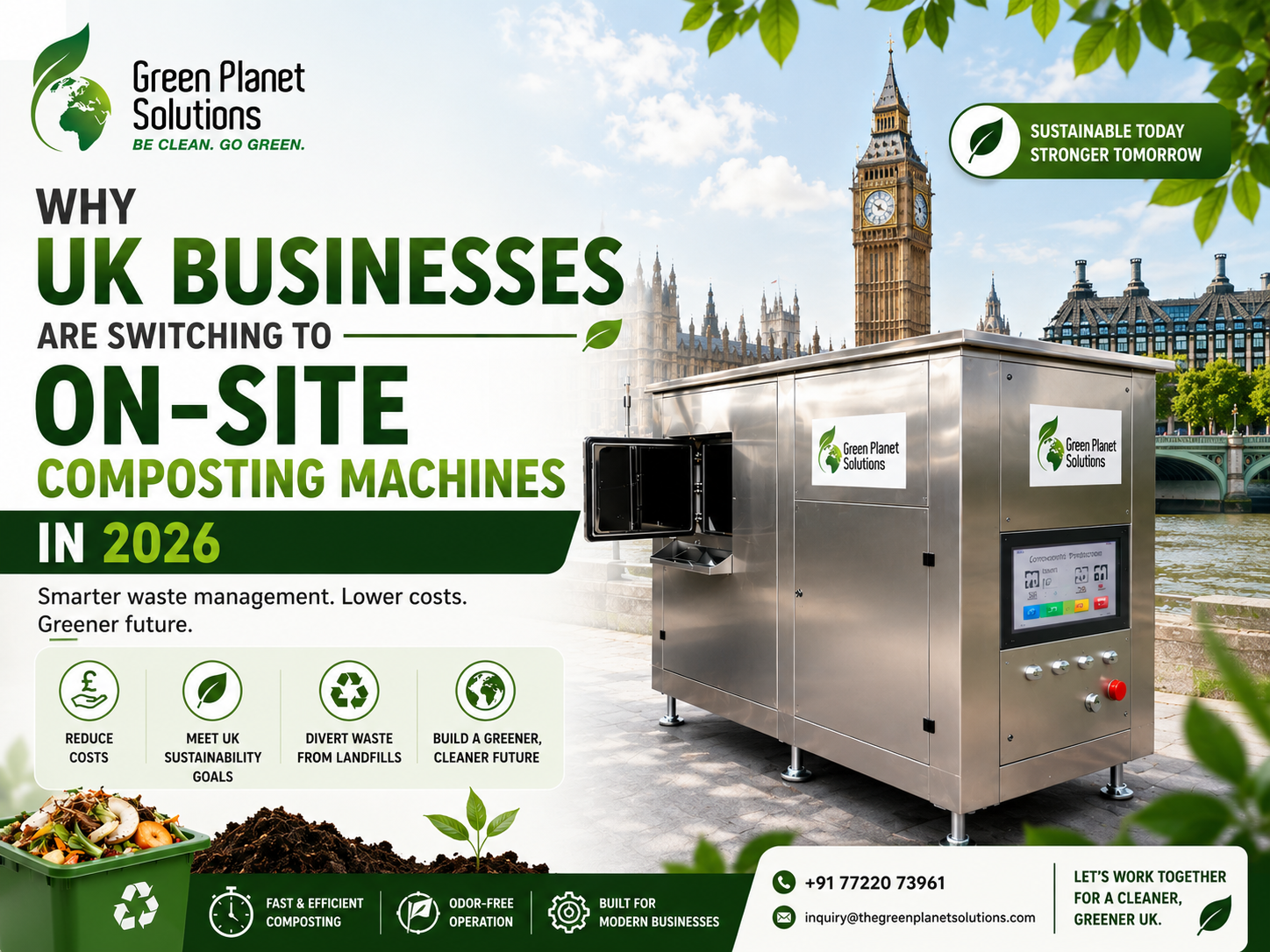
    5 Reasons Businesses Should Invest in Waste Composting Solutions

    Introduction

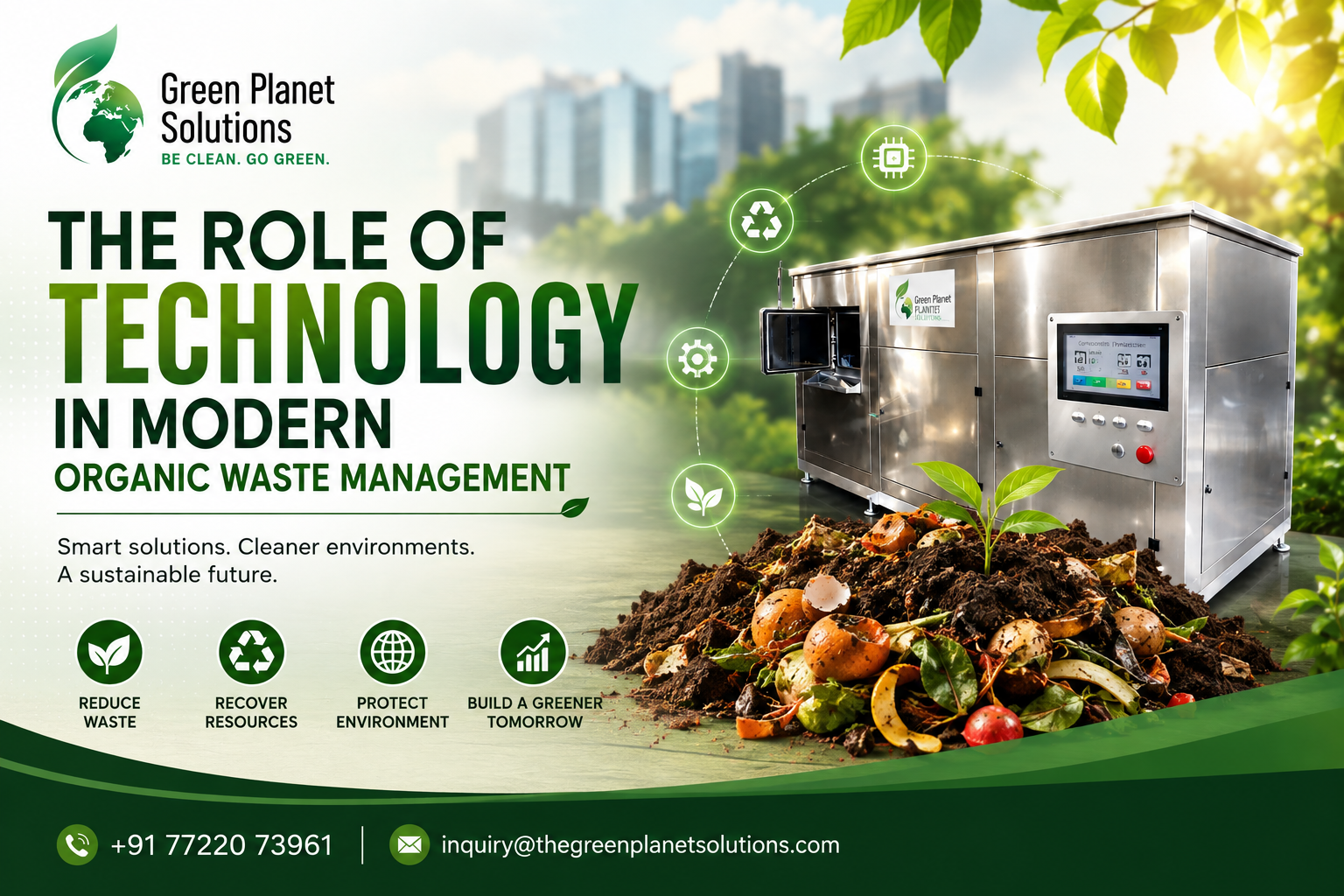
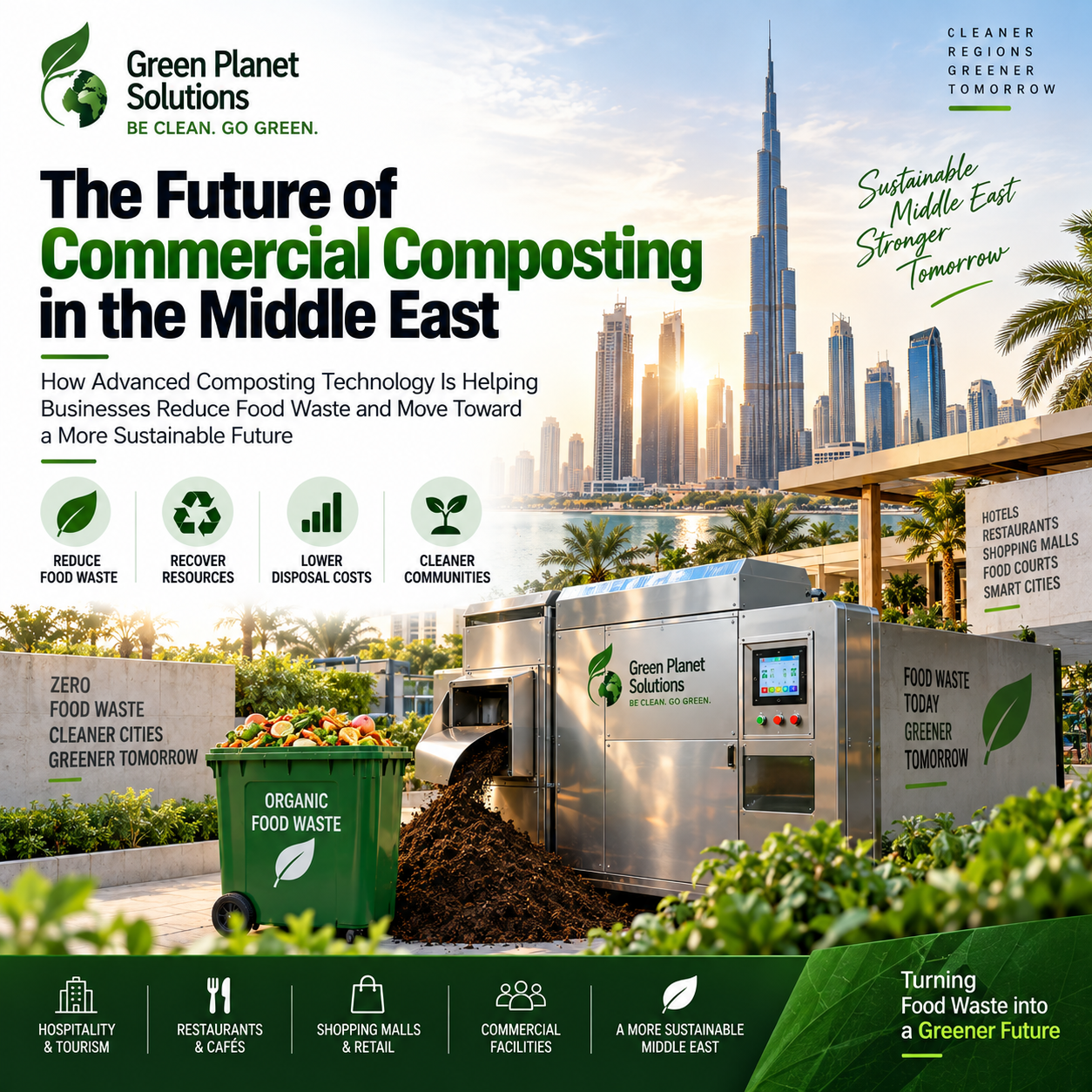
    With increasing environmental concerns and stricter waste management regulations, businesses are now looking for smarter and more sustainable ways to manage organic waste. Organic waste Composting Solutions machines have become an effective solution for hotels, restaurants, industries, housing societies, schools, and commercial spaces. These machines help convert food and organic waste into nutrient-rich compost while reducing environmental impact.

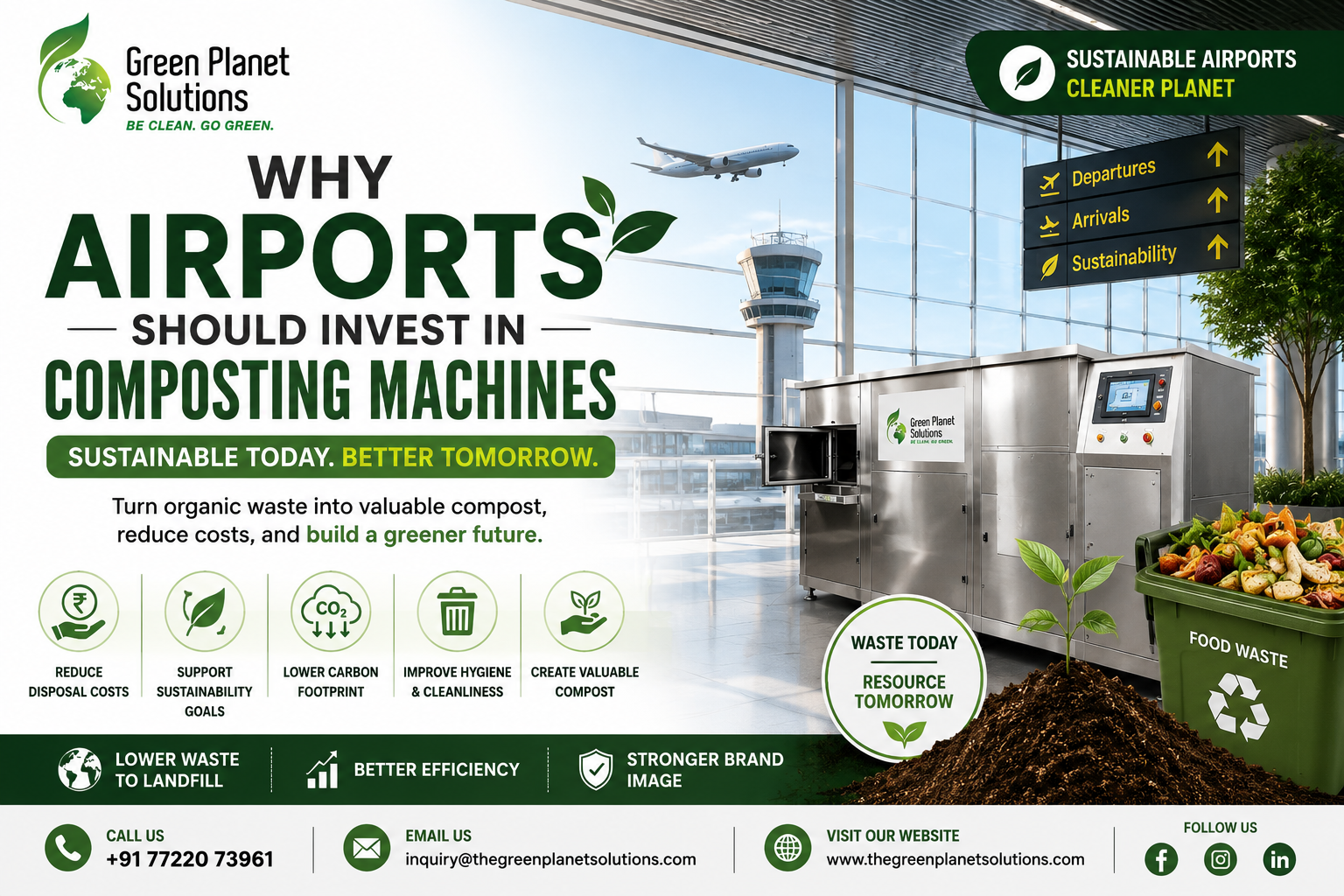
    Investing in waste composting solutions is not only beneficial for the environment but also helps businesses save money, improve sustainability, and build a positive brand image.


    1. Reduce Waste Disposal Costs

    One of the biggest advantages of composting solutions is the reduction in waste disposal expenses. Businesses that generate large amounts of organic waste often spend heavily on waste collection and landfill management.

    By installing an organic waste composting machine, businesses can process waste on-site and significantly reduce transportation and dumping costs. This creates a more cost-effective and efficient waste management system.


    2. Support Environmental Sustainability

    Organic waste dumped in landfills produces harmful greenhouse gases such as methane, which contributes to pollution and climate change. Composting machines help reduce landfill waste by converting biodegradable waste into useful compost.

    Businesses that adopt composting solutions actively contribute to a cleaner and greener environment while supporting sustainable waste management practices.


    3. Convert Waste into Valuable Compost

    Instead of treating organic waste as useless garbage, composting machines transform it into nutrient-rich organic fertilizer. This compost can be used for gardening, landscaping, agriculture, or sold for additional revenue.

    For hotels, resorts, and housing societies, this creates an eco-friendly cycle where waste is converted into something beneficial and valuable.


    4. Improve Brand Image and Corporate Responsibility

    Today’s customers and clients prefer environmentally responsible businesses. Companies that adopt green practices build a stronger reputation and gain customer trust.

    Using waste composting solutions demonstrates a commitment to sustainability and corporate social responsibility (CSR). It helps businesses stand out as eco-conscious organizations that care about the environment and future generations.


    5. Ensure Compliance with Waste Management Regulations

    Governments and local authorities are increasingly implementing strict waste management rules for businesses and commercial establishments. Improper disposal of organic waste can lead to penalties and environmental concerns.

    Investing in composting solutions helps businesses comply with waste management regulations while maintaining cleaner and healthier surroundings.


    Conclusion

    Waste composting solutions are becoming an essential part of modern business operations. From reducing waste disposal costs to supporting sustainability and improving brand reputation, composting machines offer multiple long-term benefits.

    Businesses that invest in organic waste composting technology today are not only protecting the environment but also creating a smarter, cleaner, and more sustainable future.
    Choose Green Planet Solutions for Advanced Composting Technology 🌱

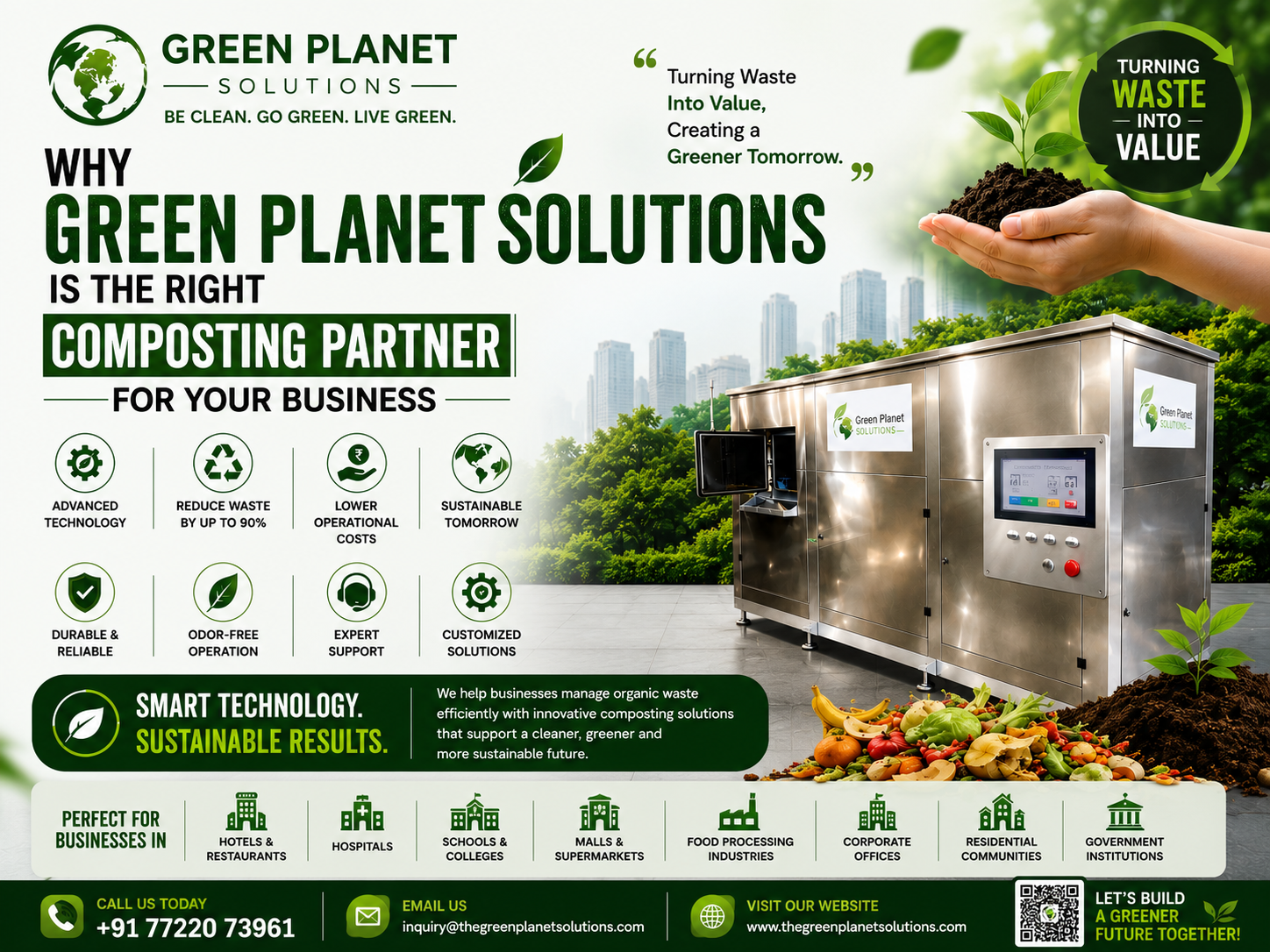
    Green Planet Solutions offers reliable and eco-friendly organic waste composting machines designed for apartments, hotels, industries, and commercial spaces across India. With advanced technology and sustainable solutions, businesses can efficiently manage waste while contributing to a greener tomorrow.

  • Reduce Landfill Waste with Modern Composting Technology

    Reduce Landfill Waste with Modern Composting Technology

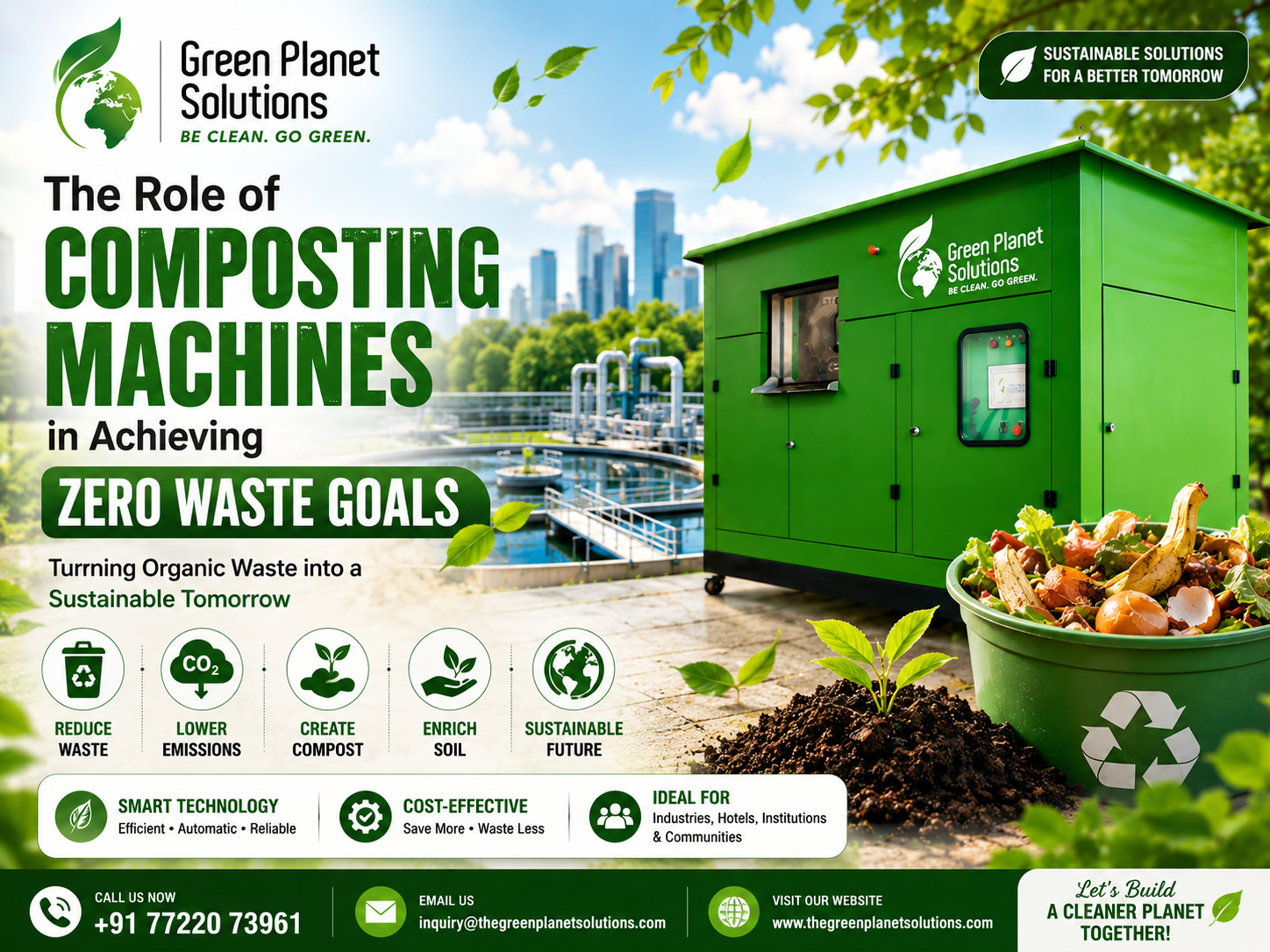
    Rapid urbanization and increasing population have created a major challenge in waste management across India. Every day, tons of organic waste from homes, hotels, restaurants, industries, and housing societies end up in landfills. This not only occupies valuable land space but also causes environmental pollution, unpleasant odors, and greenhouse gas emissions. Modern composting technology is emerging as a smart and sustainable solution to reduce landfill waste and promote eco-friendly waste management.

    What is Modern Composting Technology?

    Modern composting technology uses advanced composting machines to convert organic waste such as food scraps, vegetable waste, garden waste, and biodegradable materials into nutrient-rich compost. These machines accelerate the natural decomposition process through controlled temperature, moisture, and airflow systems.

    Unlike traditional composting methods, modern composting machines are faster, cleaner, odor-free, and highly efficient for commercial and residential use.

    Why Landfill Waste is a Serious Problem

    Landfills are becoming overloaded due to increasing waste generation. Organic waste dumped in landfills decomposes anaerobically and releases methane gas, a harmful greenhouse gas that contributes to climate change. In addition, landfills create soil and water pollution, attract pests, and negatively impact public health.

    Reducing the amount of waste sent to landfills has become essential for creating cleaner and healthier cities.

    How Composting Technology Help Reduce Landfill Waste

    1. Converts Organic Waste into Useful Compost

    Composting machines process wet waste and convert it into organic fertilizer that can be used in gardens, farms, and landscaping. This reduces the dependency on chemical fertilizers while minimizing waste disposal.

    2. Reduces Waste Transportation

    When waste is composted on-site, there is less need for transportation to dumping grounds. This helps reduce fuel consumption, transportation costs, and carbon emissions.

    3. Supports Sustainable Waste Management

    Modern composting technology promotes the principles of sustainability and circular economy by converting waste into a valuable resource instead of treating it as garbage.

    4. Minimizes Greenhouse Gas Emissions

    Organic waste in landfills releases methane gas. Composting helps reduce methane emissions by managing waste in a controlled aerobic environment.

    5. Improves Cleanliness and Hygiene

    Advanced composting machines are designed to operate with minimal odor and better hygiene, making them ideal for apartments, hotels, restaurants, schools, hospitals, and industries.

    Applications of Composting Machines or Composting Technology

    Modern composting machines are widely used in:

    • Housing societies
    • Hotels and restaurants
    • Corporate offices
    • Educational institutions
    • Municipal corporations
    • Food processing industries
    • Hospitals and healthcare facilities

    These sectors generate a large amount of biodegradable waste daily, making composting technology highly beneficial.

    Benefits for Businesses and Communities

    Businesses and communities adopting composting technology can experience several advantages:

    • Reduced waste disposal costs
    • Cleaner surroundings
    • Better compliance with waste management regulations
    • Positive environmental impact
    • Enhanced brand image through sustainable practices

    The Future of Waste Management in India using Composting Technology

    India is moving towards smarter and greener waste management solutions. Government initiatives such as Swachh Bharat Abhiyan and increasing environmental awareness are encouraging organizations and communities to adopt composting technologies.

    Modern composting machines are playing a crucial role in reducing landfill dependency and building sustainable cities for the future.

    Conclusion

    Reducing landfill waste is essential for protecting the environment and improving urban cleanliness. Modern composting technology offers an efficient, eco-friendly, and practical solution for managing organic waste. By converting waste into valuable compost, composting machines help create a cleaner, greener, and more sustainable future for businesses, communities, and cities across India.

  • Why Businesses Should Invest in Composting Technology in 2026

    Why Businesses Should Invest in Composting Technology in 2026

    Introduction

    As environmental awareness continues to grow, businesses across India are focusing more on sustainable waste management solutions. In 2026, composting technology is no longer just an eco-friendly option—it has become a smart business investment. From hotels and restaurants to housing societies, industries, and commercial spaces, organizations are adopting composting machines to reduce waste, lower operational costs, and support a greener future.

    Growing Importance of Sustainable Waste Management

    With increasing waste generation and stricter environmental regulations, businesses are under pressure to manage organic waste responsibly. Traditional waste disposal methods contribute to landfill pollution and greenhouse gas emissions. Composting technology offers a practical and sustainable solution by converting wet waste into useful organic compost.

    Reduction in Waste Disposal Costs

    One of the biggest advantages of composting machines is cost savings. Businesses that generate large amounts of food and organic waste often spend heavily on waste collection and disposal services. Composting machines significantly reduce the volume of waste sent to landfills, helping businesses lower transportation and disposal expenses.

    Support for Government Initiatives

    The Government of India continues to promote sustainable practices through initiatives such as Swachh Bharat Mission and smart city projects. Investing in composting technology helps businesses align with environmental regulations and government sustainability goals while building a responsible brand image.

    Eco-Friendly Brand Reputation

    Customers today prefer businesses that care about the environment. Companies that adopt composting technology demonstrate social responsibility and environmental commitment. This helps improve brand reputation, attract environmentally conscious customers, and create a positive impact in the market.

    Efficient Waste Management Solution

    Modern composting machines are designed to process organic waste quickly and efficiently. Advanced systems offer automatic operation, odor control, temperature management, and easy maintenance. Businesses can manage waste on-site without depending entirely on external waste disposal systems.

    Production of Valuable Organic Compost

    Composting machines convert food and organic waste into nutrient-rich compost that can be used for gardening, landscaping, agriculture, or even sold commercially. This creates an additional value stream while supporting sustainable environmental practices.

    Reduction in Carbon Footprint

    Organic waste in landfills releases harmful greenhouse gases such as methane. Composting technology helps reduce these emissions by processing waste naturally and responsibly. Businesses investing in composting contribute toward reducing their environmental footprint and protecting natural resources.

    Long-Term Financial Benefits

    Although composting technology requires an initial investment, it provides long-term financial returns through reduced waste management costs, lower environmental penalties, and improved operational efficiency. Businesses can achieve sustainability goals while also improving profitability.

    Future of Smart Waste Management

    As cities become smarter and sustainability becomes a global priority, composting technology will play an important role in modern waste management systems. Businesses that invest early in eco-friendly waste solutions will gain a competitive advantage and position themselves as responsible industry leaders.

    Conclusion

    In 2026, composting technology is more than just a waste management tool—it is a strategic investment for businesses aiming for sustainability, efficiency, and long-term growth. By reducing waste disposal costs, supporting environmental initiatives, and creating valuable compost, businesses can contribute to a cleaner, greener future while improving operational performance. Investing in composting technology today means investing in a sustainable tomorrow.

  • A Complete Guide to Choosing the Right Composting Machine

    A Complete Guide to Choosing the Right Composting Machine

    Introduction

    With increasing awareness about sustainable waste management and the Government of India’s focus on the Swachh Bharat Mission, composting machines have become an essential solution for converting organic waste into valuable compost. From housing societies and hotels to restaurants, industries, and municipalities, composting machines help reduce landfill waste while promoting eco-friendly practices. However, choosing the right composting machine can be challenging due to the variety of options available in the market.

    Why Composting Machines Are Important

    Composting machines play a major role in managing wet waste efficiently. They reduce the amount of waste sent to landfills, lower greenhouse gas emissions, and produce nutrient-rich compost that can be used for gardening and agriculture. Businesses and organizations can also save money on waste disposal costs while contributing to a greener environment.

    Understand Your Waste Capacity

    The first step in selecting the right composting machine is understanding the quantity of waste generated daily. Small housing societies or cafes may require compact machines, while hotels, industries, and municipal corporations may need high-capacity industrial composting systems. Choosing the correct capacity ensures smooth operation and better efficiency.

    Check the Type of Waste

    Different composting machines are designed to handle different types of organic waste. Food waste, vegetable waste, garden waste, and biodegradable industrial waste may require specific processing methods. Ensure the machine is suitable for the type of waste your organization produces regularly.

    Look for Automation and Ease of Use

    Modern composting machines come with automatic features that simplify the composting process. Machines with automatic mixing, temperature control, odor management, and user-friendly control panels help reduce manual effort and improve productivity. Easy-to-operate machines are ideal for organizations with minimal technical staff.

    Consider Space Availability

    Before purchasing a composting , evaluate the installation space available at your site. Compact models are suitable for apartments and small businesses, while larger industrial units require dedicated areas. Selecting a machine that fits comfortably within your space helps improve operational efficiency.

    Focus on Energy Efficiency

    Energy-efficient composting machines help reduce electricity consumption and operational costs. Investing in eco-friendly technology not only saves money in the long run but also supports sustainable environmental practices.

    Maintenance and Service Support

    Regular maintenance is important for the smooth functioning of composting machines. Choose a manufacturer that provides strong after-sales support, maintenance services, and spare parts availability. Reliable customer support ensures long-term machine performance and minimal downtime.

    Evaluate Composting Speed

    Different machines offer different composting durations. Some advanced composting machines can convert waste into compost within 24 hours, while traditional systems may take several days. Faster composting systems are beneficial for organizations generating large volumes of waste daily.

    Cost vs Long-Term Benefits

    While price is an important factor, businesses should focus on long-term value rather than only initial investment. A high-quality composting machine can reduce waste management costs, improve sustainability, and create valuable compost for future use. Investing in the right machine provides long-term environmental and financial benefits.

    Conclusion

    Choosing the right composting machine is an important step toward efficient waste management and environmental sustainability. By considering factors such as waste capacity, automation, energy efficiency, maintenance, and available space, businesses and organizations can select the perfect solution for their needs. Composting technology not only helps manage waste effectively but also supports the vision of a cleaner, greener, and healthier India.

  • What Is an Organic Waste Composting Machine and How Does It Work?

    What Is an Organic Waste Composting Machine and How Does It Work?

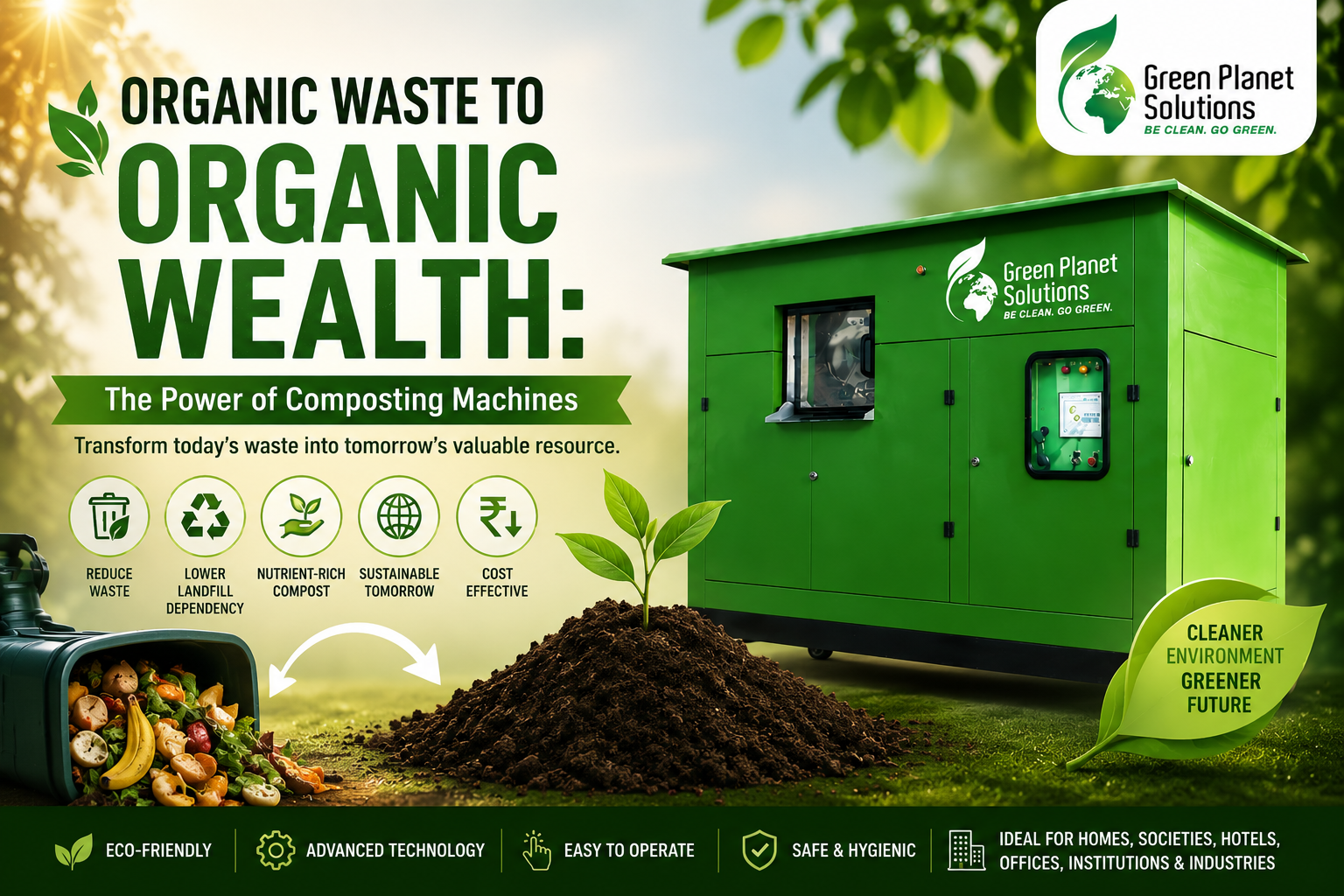
    With the increasing amount of food and organic waste generated daily, effective waste management has become essential for maintaining a cleaner and greener environment. Organic waste composting machines are modern solutions designed to convert food waste, garden waste, and biodegradable materials into nutrient-rich compost quickly and efficiently. These machines are widely used in housing societies, hotels, restaurants, industries, schools, and commercial spaces to reduce landfill waste and promote sustainable living.

    What Is an Organic Waste Composting Machine?

    An organic waste composting machine is an advanced waste management system that processes biodegradable waste and transforms it into natural compost. The machine uses controlled temperature, moisture, and microbial activity to accelerate the decomposition process. Unlike traditional composting methods that take several weeks or months, composting machines can convert waste into compost within 24 hours to a few days.

    Types of Waste Processed by Organic Waste Composting Machines

    Organic waste composting machines can process various biodegradable materials, including:

    • Food waste
    • Vegetable and fruit peels
    • Garden waste and dry leaves
    • Hotel and restaurant waste
    • Agricultural waste
    • Canteen and kitchen waste

    These machines help reduce the burden on landfills and minimize environmental pollution.

    How Does an Organic Waste Composting Machine Work?

    1. Waste Collection and Segregation

    The process begins with collecting organic waste separately from plastic, metal, or non-biodegradable materials. Proper segregation ensures better compost quality and machine efficiency.

    2. Shredding of Waste

    The collected waste is shredded into smaller pieces to speed up the decomposition process. Smaller particles allow microbes to break down the waste more efficiently.

    3. Mixing with Microbes or Composting Agents

    Special microbes or composting powders are added to the waste. These microorganisms help decompose organic matter naturally and eliminate foul odors.

    4. Heating and Decomposition

    Inside the machine, controlled heat and airflow maintain the ideal environment for rapid decomposition. The machine continuously rotates or mixes the waste to ensure uniform processing.

    5. Conversion into Compost

    Within a short period, the waste transforms into dry, nutrient-rich compost that can be used as organic fertilizer for plants, gardens, and agriculture.

    Benefits of Using an Organic Waste Composting Machine

    Reduces Landfill Waste

    Composting machines significantly reduce the amount of waste sent to landfills, helping decrease environmental pollution.

    Eco-Friendly Organic Waste Management

    These machines support sustainable waste disposal and contribute to a cleaner environment.

    Produces Organic Fertilizer

    The compost produced is rich in nutrients and improves soil quality naturally without harmful chemicals.

    Eliminates Bad Odor and Pests

    Modern composting machines are designed to minimize foul smell and prevent insects or pests around waste storage areas.

    Saves Waste Transportation Costs

    On-site composting reduces the need for waste collection and transportation, saving operational costs for businesses and societies.

    Applications of Organic Waste Composting Machines

    waste composting machines are widely used in:

    • Residential societies
    • Hotels and restaurants
    • Hospitals and institutions
    • Shopping malls
    • Food industries
    • Municipal corporations
    • Educational campuses

    Why Choose Green Planet Solutions?

    Green Planet Solutions provides advanced and reliable organic waste composting machines designed for efficient and eco-friendly waste management. With years of experience and innovative technology, the company helps businesses and communities reduce waste and build a sustainable future.

    Conclusion

    Organic waste composting machines are transforming the way we manage biodegradable waste. By converting food and organic waste into useful compost, these machines help reduce pollution, support sustainable living, and create a cleaner environment. Investing in a composting machine is a smart step toward responsible waste management and a greener future.

  • Top Benefits of Installing a Composting Machine for Businesses

    Top Benefits of Installing a Composting Machine for Businesses

    🌍 Introduction: Why Businesses Need Smart Waste Management

    In today’s competitive and environmentally conscious market, businesses are constantly looking for ways to reduce costs while building a strong sustainable image. Installing a composting machine is one of the smartest solutions for managing organic waste efficiently while contributing to environmental responsibility.

    ♻️ Efficient Organic Waste Management

    A composting machine allows businesses to convert daily organic waste such as food scraps, kitchen waste, and biodegradable materials into nutrient-rich compost. Instead of sending waste to landfills, it is processed on-site in a hygienic and controlled environment, reducing overall waste load.

    💰 Significant Cost Savings

    One of the biggest advantages is reduced waste disposal costs. Businesses can cut down on transportation, landfill charges, and external waste handling expenses. Over time, this leads to substantial financial savings and better resource management.

    🌿 Additional Revenue Opportunities

    The compost generated can be used for gardening, landscaping, or even sold as organic fertilizer. This turns waste into a valuable resource, creating an additional income stream for businesses.

    🌟 Strong Brand Image & Sustainability

    Customers today prefer eco-conscious brands. By installing a composting machine, businesses can position themselves as environmentally responsible, enhancing brand reputation and gaining customer trust.

    🌱 Reduced Environmental Impact

    Organic waste in landfills produces harmful greenhouse gases like methane. Composting on-site helps reduce carbon footprint and supports sustainable waste management practices, contributing to a greener planet.

    ⚙️ Easy Operation & Automation

    Modern composting machines are user-friendly and automated. They control temperature, moisture, and aeration, ensuring fast decomposition with minimal manual effort and no unpleasant odor.

    📜 Compliance with Government Regulations

    With increasing waste management regulations, especially for bulk waste generators, having a composting system ensures compliance with local laws and avoids penalties.

    ✅ Conclusion: A Smart Investment for the Future

    Installing a composting machine is not just about waste management—it’s a strategic decision for businesses aiming for sustainability, cost efficiency, and long-term growth. By turning waste into wealth, businesses can contribute to a cleaner and greener future. 🌍♻️

  • How a Composting Machine Helps Achieve Swachh Bharat Goals in India

    How a Composting Machine Helps Achieve Swachh Bharat Goals in India

    Introduction: A Step Towards a Cleaner India

    The Swachh Bharat Abhiyan, launched by the Government of India, is one of the most impactful cleanliness movements in the country. Its aim is simple yet powerful — to create a clean, hygienic, and waste-free India. However, with increasing urbanization and waste generation, managing daily waste has become a major challenge. This is where a Composting Machine plays a crucial role in supporting the mission and turning vision into reality.


    Understanding Swachh Bharat Mission

    The Government of India has taken strong steps to improve sanitation, waste management, and public awareness through Swachh Bharat. One of its key focuses is:

    • Proper segregation of waste
    • Reduction of landfill dependency
    • Promotion of eco-friendly waste solutions

    A Composting Machine directly aligns with all these goals.


    What is a Composting Machine?

    A Composting Machine is an advanced waste management solution that converts organic waste (wet waste) into nutrient-rich compost within a short time.

    It is widely used in:

    • Housing societies
    • Hotels & restaurants
    • Corporates & industries
    • Municipal projects

    How Composting Machines Support Swachh Bharat Goals in India

    ♻️ 1. Reduces Landfill Waste

    India generates tons of waste daily, and a large portion ends up in landfills. Composting machines help process waste at the source, reducing landfill burden significantly.


    🌱 2. Promotes Waste Segregation

    Swachh Bharat strongly encourages wet and dry waste segregation. Composting machines make it easier by handling wet waste efficiently at the source.


    🌍 3. Encourages Sustainable Living

    By converting waste into compost, these machines promote:

    • Organic farming
    • Reduced chemical fertilizer use
    • Circular economy

    🏙️ 4. Ideal for Urban Waste Management

    Cities like Pune, Mumbai, and Delhi face waste management challenges. Composting machines provide a decentralized solution, reducing dependency on municipal systems.


    🇮🇳 5. Supports Government Regulations

    The Government of India has made it mandatory for bulk waste generators (societies, hotels, institutions) to manage their waste.

    Using a composting machine helps organizations:

    • Stay compliant
    • Avoid penalties
    • Contribute to national cleanliness goals

    Real Impact: Small Step, Big Change in India

    When businesses and communities adopt composting machines, they:

    • Reduce pollution
    • Improve hygiene
    • Support government initiatives
    • Build a responsible brand image

    This directly contributes to the success of Swachh Bharat Abhiyan.


    Conclusion: Be a Part of Clean India Mission

    Achieving a clean India is not just the responsibility of the government — it requires collective action.

    A Composting Machine is not just a machine; it is a solution for a sustainable future.

    By adopting smart waste management practices, we can proudly say:
    👉 “We are contributing to Swachh Bharat.”


    🌱 Partner with Green Planet Solutions

    At Green Planet Solutions, we provide innovative composting machines that help you manage waste efficiently and contribute to a cleaner India.

    📞 +91 7722073961
    📧 inquiry@thegreenplanetsolutions.com

  • 🌱 5 Signs Your Business Needs a Biogas Plant Today

    🌱 5 Signs Your Business Needs a Biogas Plant Today

    ♻️ Turn Waste Into Opportunity, Not Expense Using biogas plant

    In today’s business environment, managing waste and reducing operational costs are major challenges. Many businesses generate large amounts of organic waste daily but fail to utilize it effectively. A commercial biogas plant offers a smart solution by converting waste into energy and fertilizer. If you’re unsure whether your business needs one, here are five clear signs to consider.


    🚨 1. Your Business Generates Large Amounts of Organic Waste

    If your business produces food waste, kitchen waste, or agricultural residue regularly, you are handling a valuable resource. Instead of spending money on disposal, a biogas plant helps convert this waste into useful energy and organic fertilizer, turning a problem into profit.


    💸 2. High Fuel Costs Are Increasing Your Expenses Using biogas plant

    Businesses like hotels, restaurants, and canteens often spend heavily on LPG or other fuels. With rising fuel prices, operational costs continue to grow. A biogas plant can significantly reduce these expenses by providing a consistent and renewable fuel source generated from your own waste.


    🌍 3. You Want to Build a Sustainable Brand Image

    Sustainability is becoming a key factor for customers when choosing businesses. Companies that adopt eco-friendly practices stand out in the market. Installing a biogas plant helps reduce carbon emissions, supports zero-waste goals, and strengthens your brand’s image as an environmentally responsible business.


    🏢 4. You Are Facing Waste Management Issues

    Improper waste management can lead to bad odor, hygiene issues, and complaints from nearby areas. It can also attract penalties from authorities. A modern biogas plant provides a clean, odor-free, and efficient solution to manage waste directly at the source.


    📈 5. You Want Long-Term Cost Savings and ROI Using biogas plant

    A plant is a one-time investment that delivers long-term benefits. It reduces waste disposal costs, lowers fuel expenses, and produces organic fertilizer that can be reused or sold. Most businesses recover their investment within a few years, making it a financially smart decision.


    🔥 Conclusion

    If your business is dealing with high waste generation, rising fuel costs, or sustainability challenges, a biogas plant is the right solution. It not only helps in saving money but also contributes to a cleaner environment and stronger brand positioning. Adopting biogas today means investing in a smarter and more sustainable future.

  • 🌱 Is a Biogas Plant a Good Investment for Hotels & Restaurants?

    🌱 Is a Biogas Plant a Good Investment for Hotels & Restaurants?

    💡 Turning Food Waste into Profit & Sustainability

    Hotels and restaurants generate a significant amount of food waste every day, which often leads to high disposal costs and environmental concerns. In today’s competitive and eco-conscious market, businesses are actively searching for solutions that not only reduce expenses but also improve sustainability. A commercial biogas plant offers exactly that—by converting organic waste into useful energy. But is it truly a smart investment? Let’s explore.


    💰 Reduce Operational Costs & Increase Savings Using biogas plant

    One of the biggest advantages of installing a biogas plant is the reduction in daily operational costs. Hotels and restaurants spend heavily on waste disposal and LPG cylinders. With a biogas system, organic waste is converted into fuel, significantly reducing dependency on LPG and eliminating disposal expenses. Over time, this leads to substantial monthly savings, making it a financially smart decision.


    🔄 Convert Waste into a Valuable Energy Resource Using biogas plant

    Instead of treating food waste as a burden, a biogas plant transforms it into a valuable asset. The gas produced can be used for cooking, ensuring a consistent and cost-effective energy source. This is especially beneficial for commercial kitchens that operate on a large scale, helping them become more self-reliant and efficient.


    🌍 Build a Strong Sustainable Brand Image

    Today’s customers prefer brands that care about the environment. By installing a biogas plant, hotels and restaurants can position themselves as eco-friendly businesses. It reduces carbon emissions, supports sustainable practices, and enhances brand reputation. This not only attracts environmentally conscious customers but also strengthens trust and loyalty.


    📈 Strong Return on Investment (ROI)

    Although the initial setup cost of a biogas plant may seem high, the long-term returns make it worthwhile. Most commercial biogas plants offer a return on investment within 1.5 to 3 years. After that, the savings continue for years, making it a long-term asset rather than just an expense.


    🏛️ Stay Compliant with Waste Management Regulations

    With increasing government regulations around waste management, businesses need to adopt responsible practices. A biogas plant helps hotels and restaurants comply with these rules, avoid penalties, and even benefit from available subsidies or incentives. It ensures that the business stays future-ready and aligned with sustainability goals.


    ⚙️ Easy to Operate & Maintain biogas plant

    Modern plants are designed to be user-friendly and efficient. They require minimal manual effort and can be operated with basic training. With proper maintenance and support, the system runs smoothly and reliably, making it a practical solution for busy commercial kitchens.


    🚀 Final Thought: A Smart Investment for the Future

    A biogas plant is not just a waste management solution—it’s a strategic investment. It helps hotels and restaurants reduce costs, generate energy, and build a sustainable brand image. In a world moving towards greener solutions, adopting biogas technology is not just beneficial—it’s essential.

    👉 Turn your waste into energy, and your expenses into savings.

  • Turning Waste into Wealth: A Green Transformation by Green Planet Solutions

    Turning Waste into Wealth: A Green Transformation by Green Planet Solutions


    Introduction

    Waste management has become a major challenge for urban societies and businesses in India. Increasing population, daily waste generation, and limited disposal systems have created serious environmental and hygiene issues. This success story highlights how Green Planet Solutions transformed a waste problem into a sustainable and profitable solution.


    The Problem: Rising Waste Crisis

    A residential society was facing continuous issues due to unmanaged wet waste.

    Key Challenges:

    • Daily generation of 150–200 kg wet waste
    • Overflowing garbage bins
    • Foul smell and pest infestation
    • High dependency on municipal collection
    • Increasing complaints from residents

    Despite regular waste collection, the situation kept getting worse, affecting both hygiene and living standards.


    The Need for a Sustainable Solution by Green Planet Solutions

    The society realized that traditional waste disposal methods were not enough.

    They needed a solution that could:

    • Manage waste at the source
    • Reduce environmental impact
    • Comply with government regulations
    • Lower long-term costs
    • Provide a permanent and scalable system

    This is when Green Planet Solutions stepped in with a smart and efficient approach.


    The Solution: Composting Machine Installation by Green Planet Solutions

    After analyzing the waste generation pattern, Green Planet Solutions recommended installing an Organic Waste Converter (composting machine).

    Implementation Details: Green Planet Solutions

    • Fully automatic composting machine
    • Capacity of 200 kg per day
    • Installed within society premises
    • Easy to operate with minimal manpower

    Working Process:

    1. Daily collection of wet waste
    2. Feeding waste into the machine
    3. Processing using heat and microorganisms
    4. Conversion into semi-compost within 24 hours
    5. Final compost ready in a few days

    The Transformation: Waste to Value

    Within a short period, the society experienced a remarkable transformation.

    Key Outcomes:

    • 90% reduction in waste sent to landfill
    • Elimination of foul smell and pests
    • Cleaner and more hygienic environment
    • Reduced waste management costs
    • Production of organic compost

    Use of Compost:

    • Gardening and landscaping
    • Sale for additional income
    • Promoting sustainable living within the community

    Measurable Impact

    The results were not just visible but also measurable.

    Before vs After:

    • Waste problem: High → Controlled
    • Odour: Severe → Eliminated
    • Costs: Increasing → Reduced
    • Environmental impact: Negative → Positive

    Why Green Planet Solutions Stands Out

    Green Planet Solutions provided more than just a product—they delivered a complete waste management system.

    Their Approach Included:

    • Detailed site analysis
    • Customized solution design
    • Professional installation
    • Training and support
    • Regular maintenance guidance

    This ensured smooth implementation and long-term success.


    Conclusion: Turning Waste into Opportunity

    This success story proves that waste is not a problem—it is an opportunity when managed correctly. By adopting composting technology, societies and businesses can reduce costs, improve hygiene, and contribute to a greener environment.

    Final Takeaway:

    • Waste can be reduced at the source
    • Sustainable solutions are cost-effective
    • Composting is the future of waste management