🔍 Turning Organic Waste into Renewable Energy
Biogas production is an innovative and eco-friendly method of converting organic waste into useful energy. With increasing waste generation and energy demand, this process offers a sustainable solution for industries, hotels, and large-scale facilities. It not only helps in waste management but also reduces dependence on conventional fuels.
♻️ Understanding Biogas and Its Importance
Biogas is a renewable fuel generated through the breakdown of organic materials such as food waste, agricultural residues, and animal manure in the absence of oxygen. This process produces methane-rich gas that can be used for cooking, electricity generation, and heating, making it a valuable energy source.
⚙️ Collection and Preparation of Organic Waste
The first step in production involves collecting biodegradable waste from various sources like hotels, canteens, and industries. This waste is then cleaned to remove non-degradable materials and processed by crushing or mixing with water to form a uniform slurry. Proper preparation ensures higher efficiency and smooth functioning of the plant.
🔄 Anaerobic Digestion Process
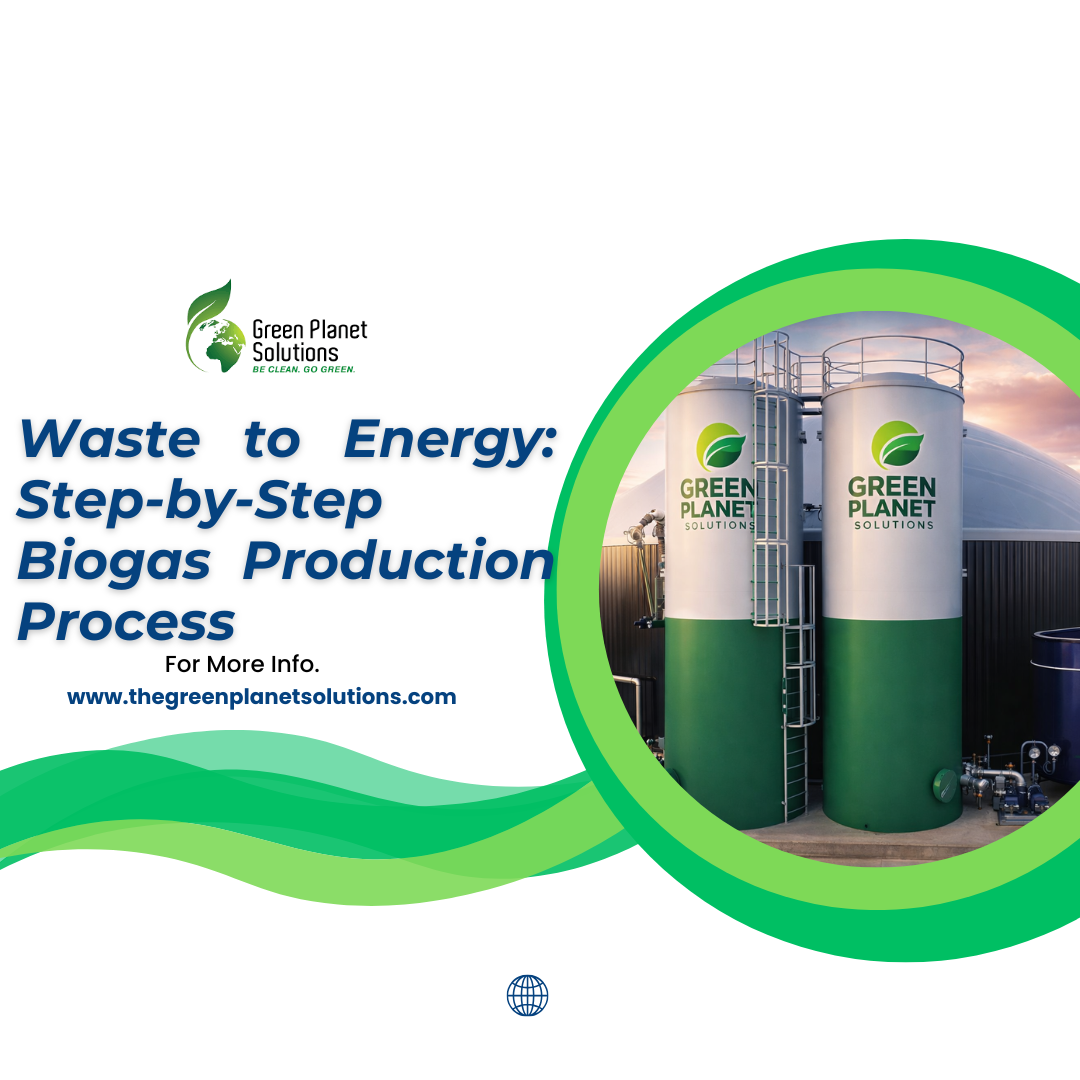
Once the slurry is prepared, it is fed into an airtight container called a digester. Inside the digester, microorganisms break down the organic matter in the absence of oxygen through multiple stages, ultimately producing methane gas. This biological process is the core of biogas production and typically takes a few weeks depending on the system.
🔥 Biogas Generation and Collection
During digestion, biogas is released and collected in the upper part of the digester. This gas, rich in methane, can be stored and used as a clean energy source. It can replace traditional fuels like LPG, helping businesses reduce operational costs and environmental impact.
🌿 Production of Organic Fertilizer
After gas extraction, the remaining slurry is discharged from the system. This by-product is rich in nutrients and can be used as organic fertilizer for agricultural purposes. It adds additional value by supporting sustainable farming practices.
🚀 Utilization and Benefits of Biogas
Biogas systems offer multiple advantages, including waste reduction, energy generation, and environmental protection. Businesses that generate large amounts of organic waste can significantly reduce disposal costs while contributing to a cleaner and greener future.
🌍 Conclusion
The step-by-step process of biogas production highlights how waste can be transformed into a valuable resource. By adopting this technology, industries and communities can achieve sustainable waste management while generating renewable energy, making it a smart and future-ready solution.
Leave a Reply