Table Of Contents:
- Introduction
- The Big Shift: Why 2026 is the Year of the Composter
- How These Machines Help the Environment (and You!)
- Frequently Asked Questions (FAQs)
- Conclusion
Introduction:
In 2026, it’s amazing how our perspective towards trash has shifted totally. An odor in a dump bin in the past; today it’s all about an asset. From Pune to Mumbai and Delhi, people today realize that to maintain a cleaner and greener lifestyle, one needs the best composting machines, and these machines aren’t mere gadgets.
Whether it is a student, a house owner, or a businessman, here is why composting machines for foods that go waste have finally started becoming a regular sight in every nook and corner.
The Big Shift: Why 2026 Is the Year of the Composter:
For many years, composting used to be an activity that only gardeners who had extensive gardens did. However, nowadays, because of several reasons, this technology has become mainstream:
1. Tougher “Waste at Source” Legislation
The year 2026 has seen the government enforcing waste segregation strictly. Many housing societies and hotels have been mandated to treat their wet waste within their premises. Failure to do so attracts hefty fines. As such, purchasing a composting machine has proved to be an intelligent ‘legal’ step to take.
2. The Landfill Crisis
Every year, India produces 62 million tons of wastes, with nearly half ofit is wet wastes. Dumpsites are full, leading to “garbage mountains,” which unfortunately frequently catch fire . We don’t add to these mountains with the help of a machine.
3. High-Tech is Now Easy
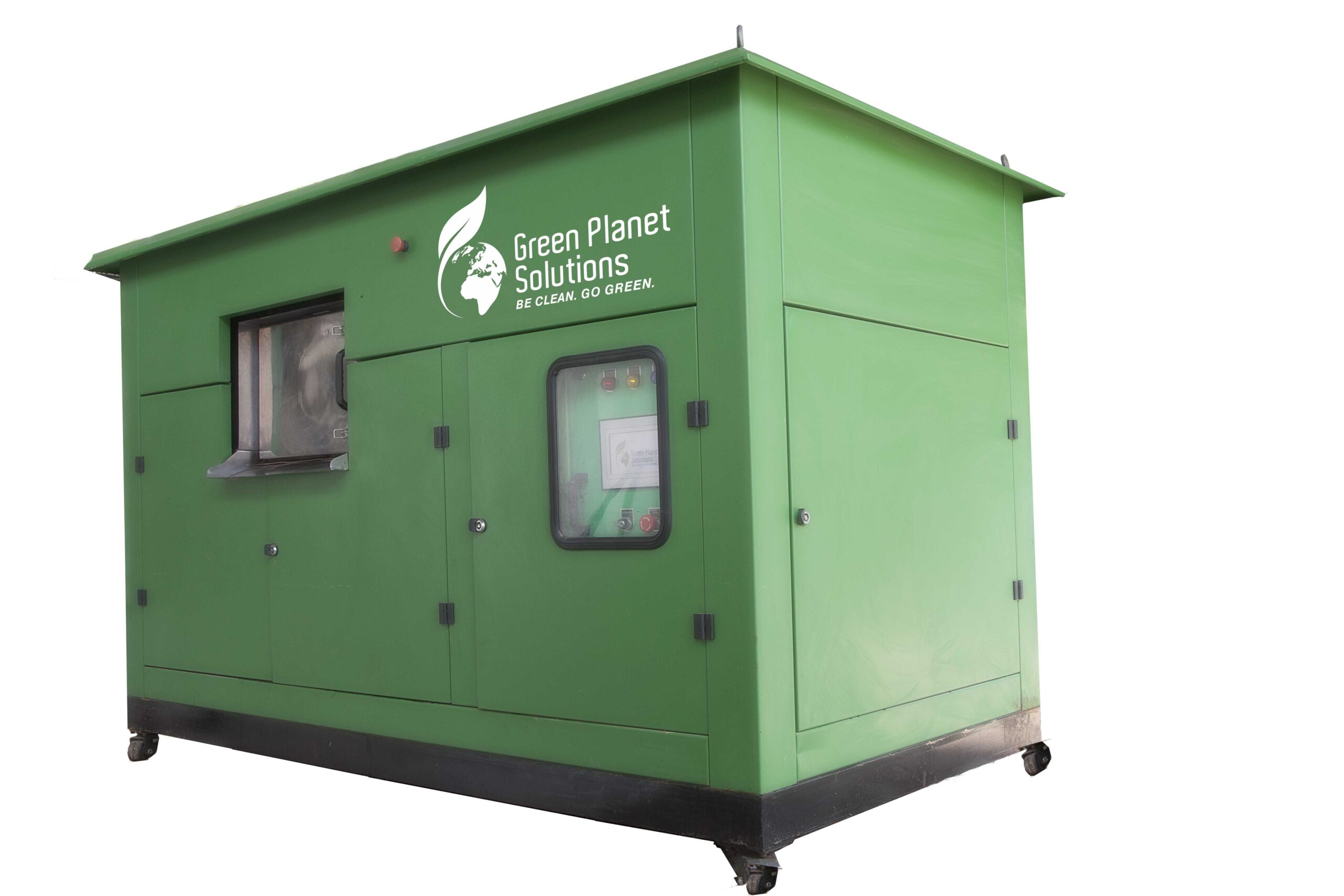
Today’s machines are not complicated at all. They are totally automatic, quiet, and compact. You just load the food into the machine, and it takes care of everything else.
What These Machines Do For the Environment (And You):
Reduces methane emissions: When garbage decomposes without oxygen in landfills, it releases methane, which is 25 times more toxic to the environment than CO2 emissions. Composting involves using oxygen which helps preventing methane from being generated.
Saves Money: The cost of “garbage lifting” to which societies that treat waste on their own premises save thousands of rupees each month.
Free Fertilizer: In this regard, you do not require buying any chemical fertilizer because you will be provided with 100% organic manure to add to your plants daily.
Frequently Asked Questions (FAQs):
Q: Does a composting machine smell? A: No! High-quality machines use “aerobic” (with air) technology and filters to ensure there is no foul odor. It smells earthy, like wet soil.
Q: Can it compost bones or seeds? A: Most industrial-strength machines can handle small bones and fruit seeds, though it’s always best to check the manufacturer’s guide.
Q: How much space does it need? A: For a small society, it needs about the same space as two large refrigerators. It’s very compact!
Q: Is it expensive to run? A: Not at all. Most modern units are energy-efficient and consume about the same electricity as a standard kitchen appliance.
Conclusion:
“We can’t keep putting all our food in giant mounds of trash,” in other words, it is very bad for the air we breathe and the water we drink,” said Thimmayya. “But by using the best composting machinery available to us today,” he continued, “we’re taking `leftover dal and rice’ and making `food for plants’ out of it.”
“It’s like feeding good food to the earth instead of trash. When we compost at home or at our buildings, we ensure that our city remains clean and our parks are always green. That’s the easiest way for anybody—in fact for any 13-year-old—to become a climate superhero!”