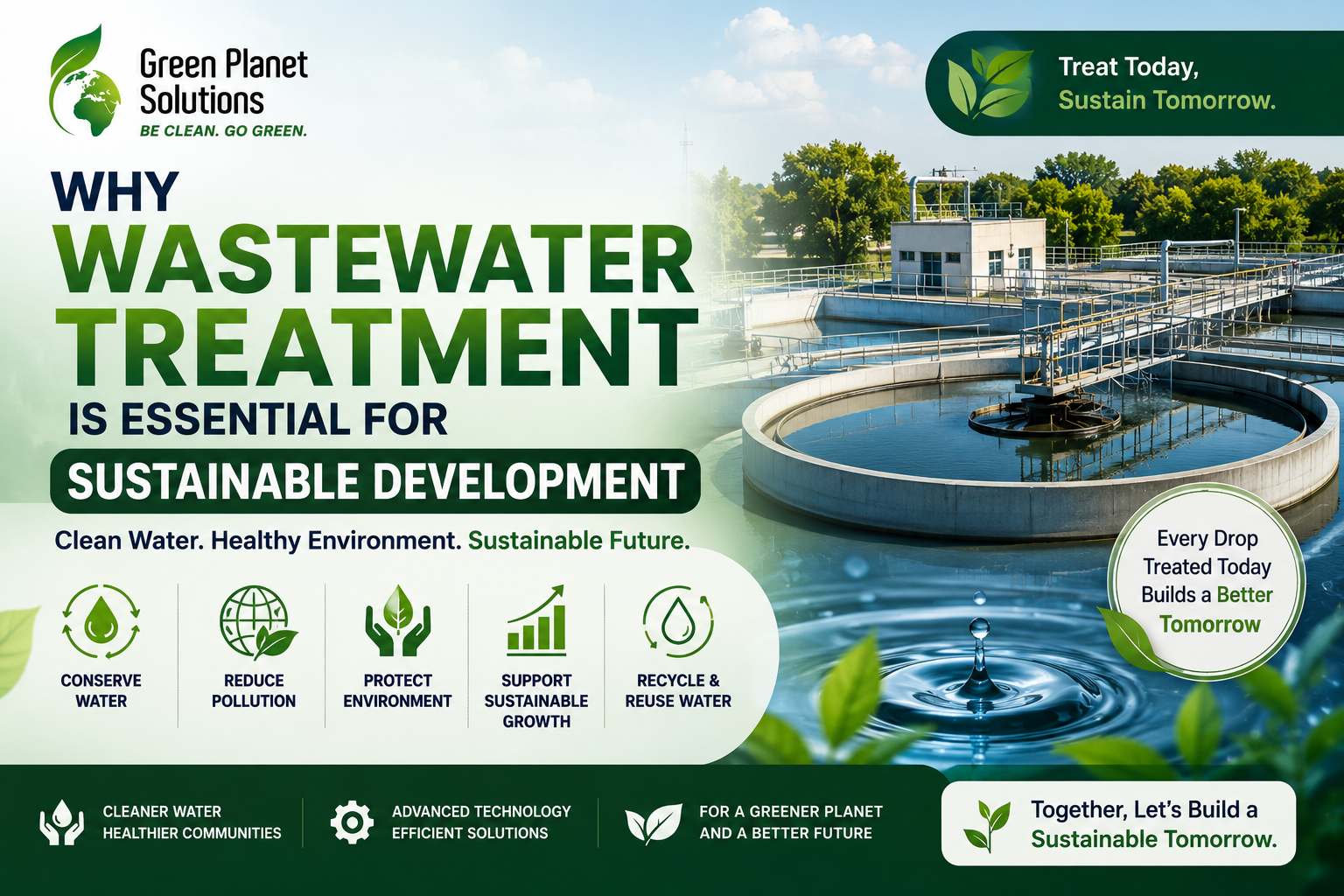
Protecting Water Resources Today for a Healthier and Greener Tomorrow
Water is one of the world’s most valuable natural resources, yet millions of liters of wastewater are generated every day by homes, businesses, industries, hospitals, and commercial establishments. Without proper treatment, this wastewater Treatment can contaminate rivers, lakes, groundwater, and ecosystems, creating serious environmental and public health challenges.
Wastewater treatment is no longer just a regulatory requirement—it’s a vital step toward sustainable development. By treating and reusing wastewater, businesses and communities can conserve freshwater, reduce pollution, and support a cleaner, greener future.
Understanding Wastewater Treatment
Wastewater treatment is the process of removing contaminants, harmful microorganisms, suspended solids, and pollutants from used water before it is safely discharged or reused.
A modern Sewage Treatment Plant (STP) uses advanced treatment technologies to convert wastewater into treated water that can be reused for landscaping, flushing, gardening, cooling systems, and other non-potable applications.
This process not only protects the environment but also helps businesses make better use of available water resources.
Why Sustainable Development Depends on Wastewater Treatment
Sustainable development focuses on meeting today’s needs without compromising the ability of future generations to meet theirs. Clean water plays a central role in achieving this goal.
As urban populations continue to grow and freshwater resources become increasingly limited, efficient wastewater treatment helps communities reduce water scarcity while protecting natural ecosystems.
Proper wastewater management ensures that economic growth and environmental protection go hand in hand.
Reduces Water Pollution on Wastewater Treatment
Untreated wastewater contains harmful chemicals, bacteria, organic matter, and pollutants that can damage rivers, lakes, and groundwater.
An efficient sewage treatment plant removes these contaminants before the water is released back into the environment, helping maintain cleaner water bodies and healthier ecosystems.
Reducing water pollution also protects aquatic life and improves the overall quality of the environment.
Conserves Freshwater Resources
Freshwater is becoming increasingly scarce in many parts of the world.
By treating wastewater and reusing it for non-drinking purposes, businesses can significantly reduce their dependence on freshwater supplies. Recycled water can be used for landscape irrigation, cooling towers, toilet flushing, construction activities, and industrial processes.
Water reuse is one of the most effective ways to improve long-term water sustainability.
Supports Green Building and ESG Goals
Many organizations today are working toward Environmental, Social, and Governance (ESG) commitments and green building certifications.
Installing a modern Sewage Treatment Plant demonstrates environmental responsibility by reducing water consumption, minimizing pollution, and promoting resource conservation.
Sustainable wastewater management strengthens a company’s reputation while supporting long-term environmental objectives.
Reduces Environmental Impact
Proper wastewater treatment helps reduce harmful emissions, prevent soil contamination, and protect biodiversity.
Instead of allowing untreated sewage to pollute natural resources, advanced treatment systems safely process wastewater and minimize environmental damage.
This contributes directly to healthier communities and a more sustainable future.
Lowers Long-Term Operating Costs
Although installing a sewage treatment plant requires an initial investment, businesses often experience significant long-term savings.
Reusing treated water reduces freshwater consumption, lowers utility bills, and decreases dependence on municipal water supplies. It also reduces wastewater disposal costs and improves overall operational efficiency.
For hotels, hospitals, residential communities, industries, and commercial buildings, these savings can be substantial over time.
Industries That Benefit from Wastewater Treatment
Effective wastewater treatment is essential for many sectors, including:
- Hotels and Resorts
- Residential Apartments
- Hospitals and Healthcare Facilities
- Commercial Buildings
- Shopping Malls
- Educational Institutions
- Manufacturing Industries
- Food Processing Units
- Corporate Campuses
- Municipal Projects
These facilities generate large volumes of wastewater every day and require reliable treatment solutions to meet environmental standards.
Why Choose Green Planet Solutions?
Green Planet Solutions provides advanced Sewage Treatment Plants (STPs) designed to help businesses manage wastewater efficiently and sustainably.
Our systems use modern treatment technologies to deliver high-quality treated water suitable for reuse while ensuring reliable performance, energy efficiency, and low maintenance. We offer customized wastewater treatment solutions for commercial, industrial, residential, and institutional projects.
With our expertise, organizations can reduce water consumption, comply with environmental regulations, and contribute to a more sustainable future.
Conclusion
Wastewater treatment plays a crucial role in sustainable development by protecting water resources, reducing pollution, conserving freshwater, and supporting responsible growth.
As businesses and communities continue to focus on sustainability, investing in an efficient sewage treatment plant is not only an environmental responsibility but also a smart long-term decision. By treating and reusing wastewater, organizations can reduce costs, improve resource efficiency, and create a cleaner, healthier environment for future generations.
Build a Sustainable Future with Green Planet Solutions
Looking for a reliable Sewage Treatment Plant (STP) for your project? Green Planet Solutions offers innovative wastewater treatment systems that help businesses save water, reduce environmental impact, and achieve their sustainability goals. Together, let’s create a cleaner and more sustainable tomorrow.