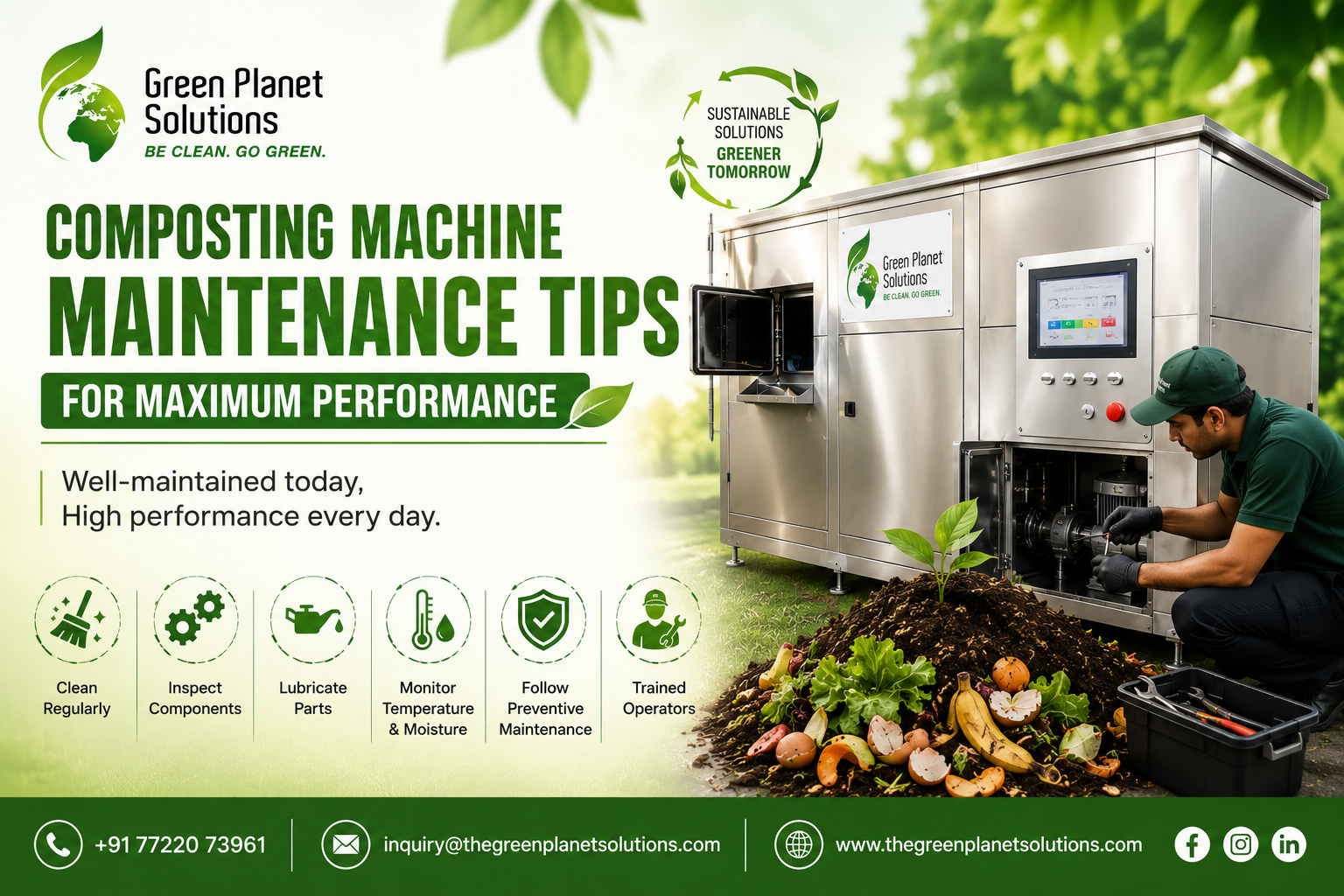
Keep Your Composting Machine Running Efficiently for Years
A commercial composting machine is a smart investment for businesses looking to manage organic waste efficiently while supporting sustainability. However, like any industrial equipment, regular maintenance is essential to ensure optimal performance, reduce downtime, and extend the machine’s lifespan. Proper care not only improves compost quality but also minimizes operating costs and keeps the composting process running smoothly. By following a few simple maintenance practices, businesses can maximize the value of their composting machine for years to come.
Why Regular Maintenance Matters
Routine maintenance keeps your composting machine operating at peak efficiency. It helps identify minor issues before they become costly repairs, ensures consistent compost production, reduces energy consumption, and improves overall safety. A well-maintained machine also minimizes unpleasant odors and creates a cleaner working environment.
Clean the Machine After Every Composting Cycle
Organic waste can leave behind residue that may affect machine performance if not cleaned regularly. Remove leftover waste, clean the feeding chamber, mixing drum, and discharge area after each composting cycle. Keeping the machine clean prevents blockages, reduces bacterial buildup, and maintains hygiene.
Inspect Moving Parts Regularly
Components such as blades, mixers, bearings, belts, and motors experience continuous wear during operation. Conduct regular visual inspections to check for signs of damage, unusual noise, or excessive vibration. Replacing worn parts early helps prevent unexpected breakdowns and ensures uninterrupted performance.
Lubricate Mechanical Components
Proper lubrication reduces friction between moving parts and prevents premature wear. Follow the manufacturer’s recommendations for lubricating bearings, gears, and rotating components. Using the correct lubricant at the recommended intervals helps maintain smooth operation and increases equipment life.
Monitor Temperature and Moisture Levels
Successful composting depends on maintaining the right balance of temperature and moisture. Excess moisture can create foul odors and slow decomposition, while insufficient moisture can reduce microbial activity. Modern composting machines often include monitoring systems to help maintain ideal operating conditions. Regularly check these parameters for the best composting results.
Avoid Overloading the Machine
Every composting machine is designed with a specific processing capacity. Overloading the system places unnecessary stress on motors, blades, and internal components, reducing efficiency and increasing maintenance requirements. Always follow the recommended daily input capacity to achieve consistent performance.
Use the Right Type of Organic Waste
Feed the machine only with approved biodegradable materials such as food waste, vegetable scraps, fruit peels, and garden waste. Avoid plastics, metals, glass, chemicals, and other non-compostable materials. Proper waste segregation improves compost quality and protects the machine from damage.
Check Electrical Components
Inspect electrical connections, control panels, sensors, switches, and wiring regularly. Loose or damaged electrical components can affect machine performance and create safety risks. Ensure the electrical system is clean, dry, and functioning correctly before operating the machine.
Replace Filters and Odor Control Systems
Many commercial composting machines use air filters or odor-control systems to maintain a clean environment. Over time, these filters become clogged and less effective. Replace or clean them according to the manufacturer’s maintenance schedule to ensure odor-free operation and proper airflow.
Train Operators Properly
Even the most advanced composting machine requires knowledgeable operators. Employees should understand correct loading procedures, cleaning methods, daily inspections, and basic troubleshooting techniques. Proper training reduces operating errors and improves equipment reliability.
Schedule Preventive Maintenance
Preventive maintenance is one of the most effective ways to avoid costly repairs. Create a maintenance schedule that includes daily cleaning, weekly inspections, monthly lubrication, and annual professional servicing. Keeping detailed maintenance records helps track machine performance and identify recurring issues before they become major problems.
Benefits of Proper Composting Machine Maintenance
Regular maintenance offers several long-term advantages, including:
- Improved compost quality
- Increased machine lifespan
- Lower maintenance and repair costs
- Reduced energy consumption
- Fewer unexpected breakdowns
- Better hygiene and odor control
- Higher operational efficiency
- Consistent compost production
Conclusion
A commercial composting machine delivers outstanding results only when it is maintained properly. Simple practices such as regular cleaning, routine inspections, lubrication, monitoring operating conditions, and preventive servicing can significantly improve performance while reducing operating costs. By investing time in proper maintenance, businesses can maximize the efficiency of their composting system, extend equipment life, and continue contributing to a cleaner, greener environment.
At Green Planet Solutions, we provide advanced commercial composting machines designed for reliability, efficiency, and long-term performance. With proper maintenance and expert support, your business can transform organic waste into valuable compost while achieving its sustainability goals.