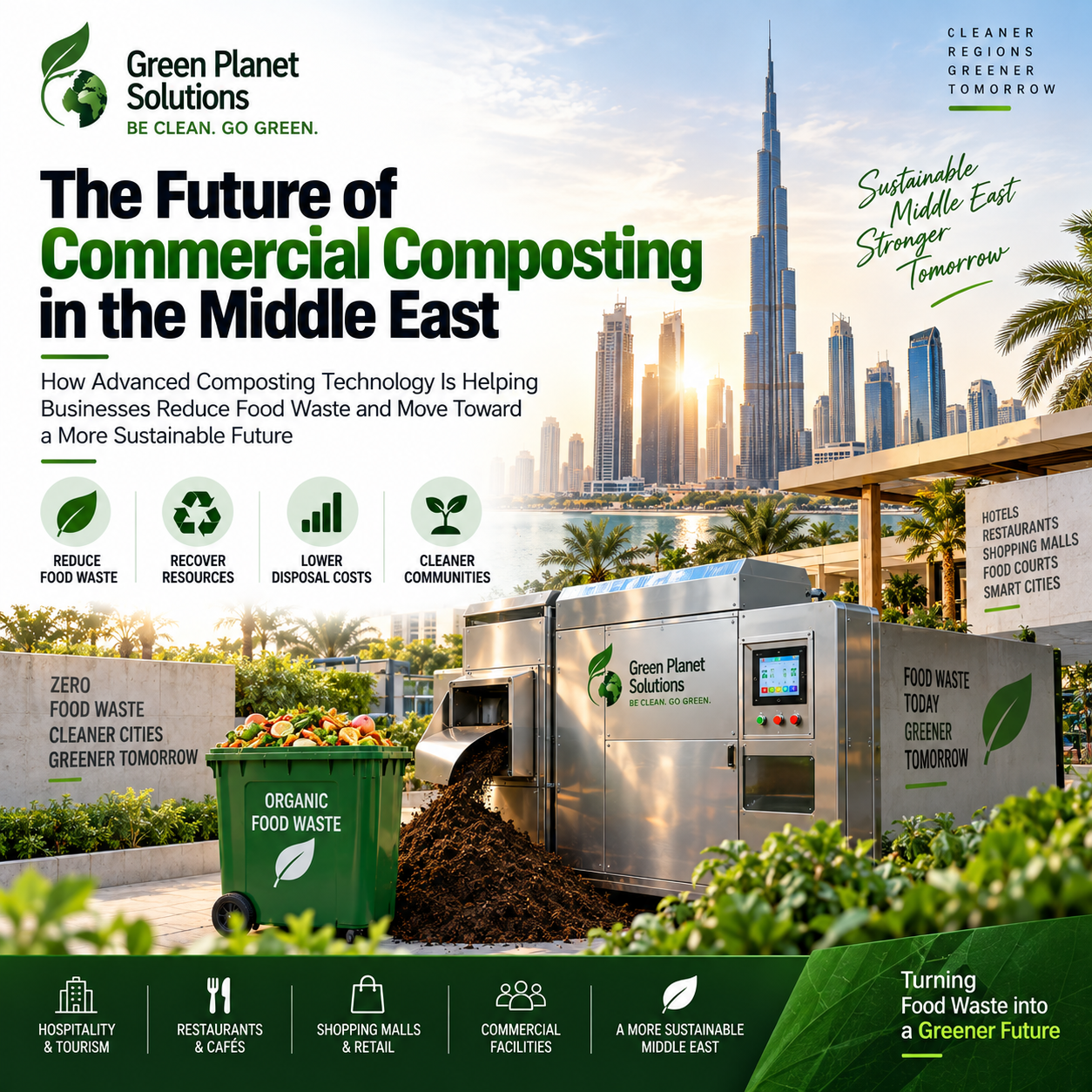
Tag: green planet solutions

  • Fully Automatic vs Semi-Automatic Composting Machine: Which One is Better?

    Fully Automatic vs Semi-Automatic Composting Machine: Which One is Better?

    With increasing awareness about organic waste management and sustainability, composting machines are becoming essential for businesses, housing societies, restaurants, and industries. However, many buyers get confused between fully automatic composting machines and semi-automatic Composting Machine. Understanding the differences can help you choose the best solution based on budget, manpower, waste volume, and operational needs.

    What is a Fully Automatic Composting Machine?

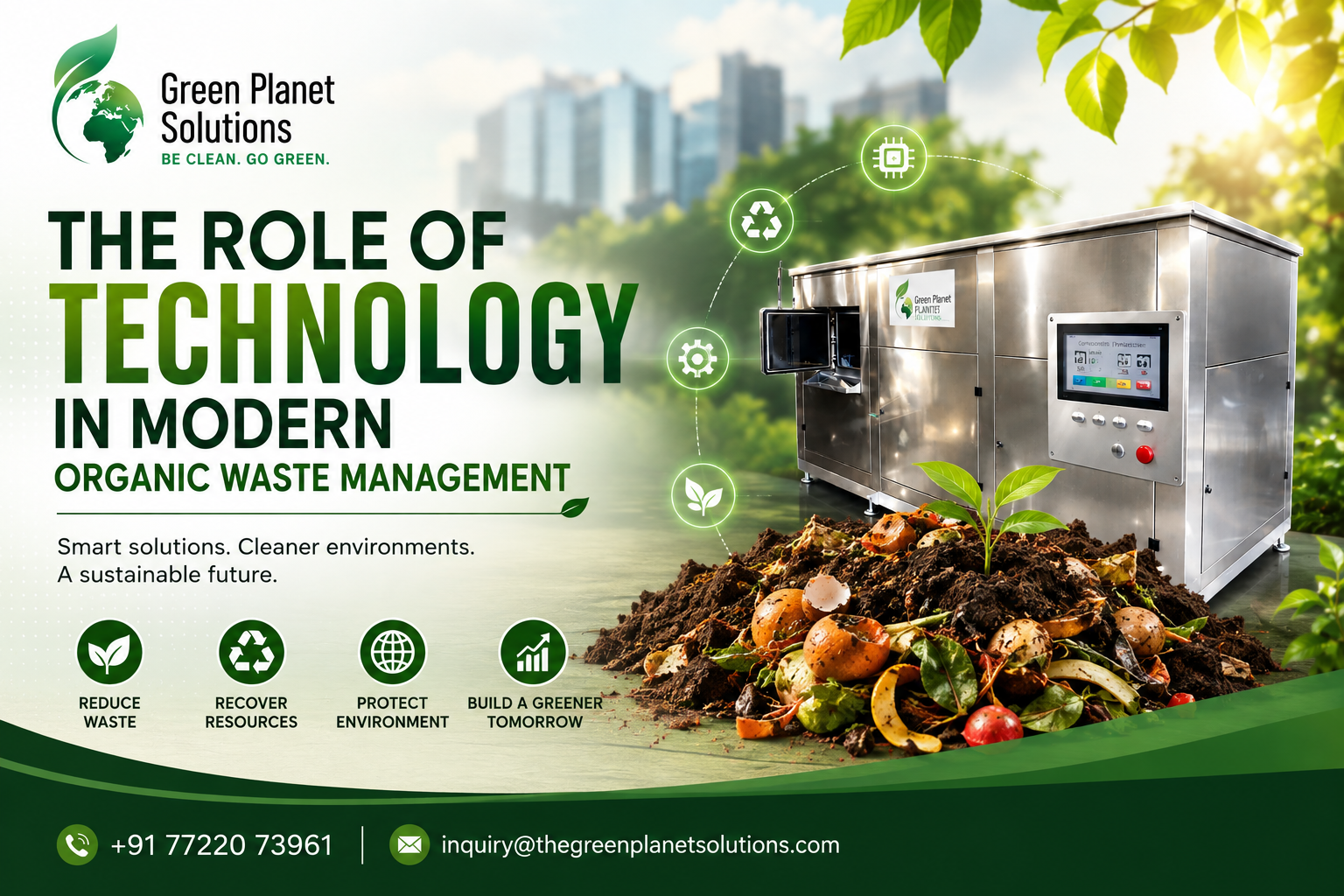
    A fully automatic composting machine is an advanced waste management system that automates most composting processes including mixing, heating, deodorizing, moisture control, and compost conversion. These machines require minimal human involvement and are designed for fast and efficient organic waste processing.

    Benefits of Fully Automatic Composting Machines

    • Faster compost production
    • Minimal manpower required
    • Odor control system included
    • Hygienic and clean operation
    • Ideal for hotels, hospitals, industries, and large societies
    • Smart automation and energy-efficient features

    What is a Semi-Automatic Composting Machine?

    A semi-automatic composting machine performs some composting operations automatically, while certain tasks like waste feeding, mixing, or monitoring may require manual support. These machines are cost-effective and suitable for medium-scale waste management.

    Benefits of Semi-Automatic Composting Machines

    • Lower initial investment
    • Easy maintenance
    • Suitable for small businesses and apartments
    • Lower electricity consumption
    • Flexible operation

    Fully Automatic vs Semi-Automatic Composting Machine

    FeatureFully AutomaticSemi-Automatic
    Automation LevelHighMedium
    Manpower RequirementVery LowModerate
    Composting SpeedFastModerate
    Initial CostHigherAffordable
    MaintenanceLowMedium
    Ideal ForLarge-scale operationsSmall & medium setups

    Which Composting Machine is Better?

    The best composting machine depends on your waste generation and operational requirements. If you want a hassle-free, high-capacity, and efficient solution, a fully automatic composting machine is ideal. If you are looking for a budget-friendly option with moderate waste processing needs, a semi-automatic composting machine is a practical choice.

    Conclusion

    Both fully automatic and semi-automatic composting machines help reduce organic waste and support eco-friendly waste management. Choosing the right machine depends on your budget, daily waste volume, available manpower, and long-term sustainability goals.

  • 5 Reasons Businesses Should Invest in Waste Composting Solutions

    5 Reasons Businesses Should Invest in Waste Composting Solutions

    Introduction

    With increasing environmental concerns and stricter waste management regulations, businesses are now looking for smarter and more sustainable ways to manage organic waste. Organic waste Composting Solutions machines have become an effective solution for hotels, restaurants, industries, housing societies, schools, and commercial spaces. These machines help convert food and organic waste into nutrient-rich compost while reducing environmental impact.

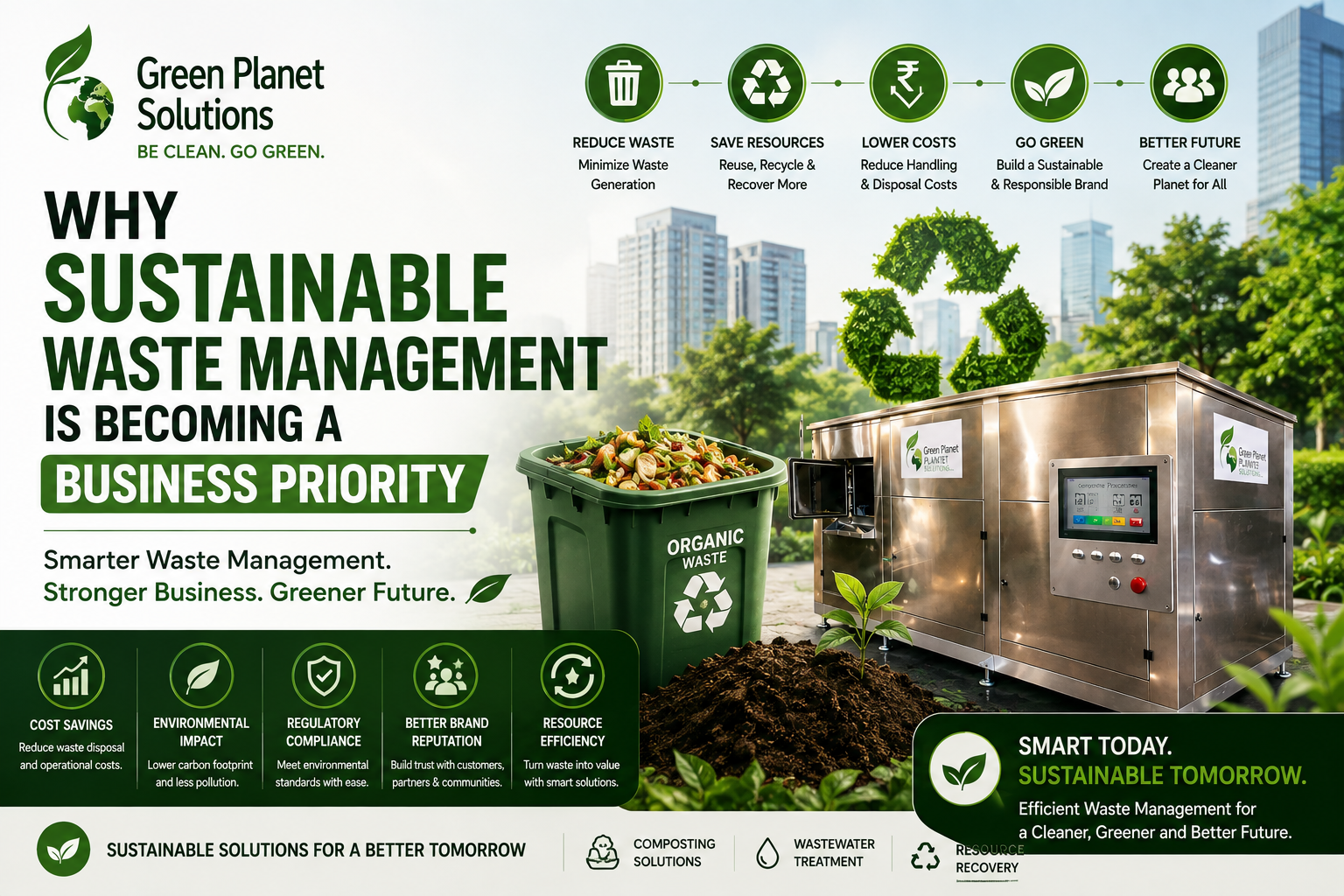
    Investing in waste composting solutions is not only beneficial for the environment but also helps businesses save money, improve sustainability, and build a positive brand image.


    1. Reduce Waste Disposal Costs

    One of the biggest advantages of composting solutions is the reduction in waste disposal expenses. Businesses that generate large amounts of organic waste often spend heavily on waste collection and landfill management.

    By installing an organic waste composting machine, businesses can process waste on-site and significantly reduce transportation and dumping costs. This creates a more cost-effective and efficient waste management system.


    2. Support Environmental Sustainability

    Organic waste dumped in landfills produces harmful greenhouse gases such as methane, which contributes to pollution and climate change. Composting machines help reduce landfill waste by converting biodegradable waste into useful compost.

    Businesses that adopt composting solutions actively contribute to a cleaner and greener environment while supporting sustainable waste management practices.


    3. Convert Waste into Valuable Compost

    Instead of treating organic waste as useless garbage, composting machines transform it into nutrient-rich organic fertilizer. This compost can be used for gardening, landscaping, agriculture, or sold for additional revenue.

    For hotels, resorts, and housing societies, this creates an eco-friendly cycle where waste is converted into something beneficial and valuable.


    4. Improve Brand Image and Corporate Responsibility

    Today’s customers and clients prefer environmentally responsible businesses. Companies that adopt green practices build a stronger reputation and gain customer trust.

    Using waste composting solutions demonstrates a commitment to sustainability and corporate social responsibility (CSR). It helps businesses stand out as eco-conscious organizations that care about the environment and future generations.


    5. Ensure Compliance with Waste Management Regulations

    Governments and local authorities are increasingly implementing strict waste management rules for businesses and commercial establishments. Improper disposal of organic waste can lead to penalties and environmental concerns.

    Investing in composting solutions helps businesses comply with waste management regulations while maintaining cleaner and healthier surroundings.


    Conclusion

    Waste composting solutions are becoming an essential part of modern business operations. From reducing waste disposal costs to supporting sustainability and improving brand reputation, composting machines offer multiple long-term benefits.

    Businesses that invest in organic waste composting technology today are not only protecting the environment but also creating a smarter, cleaner, and more sustainable future.
    Choose Green Planet Solutions for Advanced Composting Technology 🌱

    Green Planet Solutions offers reliable and eco-friendly organic waste composting machines designed for apartments, hotels, industries, and commercial spaces across India. With advanced technology and sustainable solutions, businesses can efficiently manage waste while contributing to a greener tomorrow.

  • Best Organic Waste Composter in India

    Best Organic Waste Composter in India

    Introduction of Organic Waste Composter

    With increasing urbanization and growing environmental concerns, managing organic waste has become one of the biggest challenges in India. Food waste from homes, restaurants, hotels, housing societies, and industries often ends up in landfills, causing pollution and harmful greenhouse gas emissions. Organic waste composter provide an eco-friendly and efficient solution by converting food and biodegradable waste into nutrient-rich compost.

    Companies like Green Planet Solutions are helping businesses and communities adopt sustainable waste management systems through advanced composting technologies designed for modern environmental needs.


    What is an Organic Waste Composter?

    An organic waste composter is a machine or system designed to process biodegradable waste such as food scraps, vegetable peels, garden waste, and leftover meals. These machines use advanced composting technology to break down waste quickly and transform it into organic compost that can be used as natural fertilizer.

    Organic waste composters are widely used in:

    • Residential societies
    • Restaurants and hotels
    • Hospitals and institutions
    • Commercial kitchens
    • Municipal corporations
    • Industrial facilities

    Why Organic Waste Composter is Important

    India generates thousands of tons of food waste every day. Without proper waste management, this waste contributes to:

    • Landfill overflow
    • Bad odor and harmful bacteria
    • Air and soil pollution
    • Increased carbon emissions

    Using an organic waste composter helps in:

    • Reducing landfill waste
    • Promoting recycling and sustainability
    • Producing eco-friendly compost
    • Saving waste transportation costs
    • Supporting Swachh Bharat initiatives

    Features of the Best Organic Waste Composter in India

    1. Fast Organic Waste Composter Technology

    Modern composters are designed to process waste quickly and efficiently. Advanced machines can convert waste into compost within 24 hours to a few days, making them suitable for continuous waste management.

    2. Odor-Free Operation

    The best composting machines are equipped with odor-control systems that ensure hygienic and pollution-free operation, especially in residential and commercial areas.

    3. Energy Efficient Design

    Energy-saving composters reduce electricity consumption while maintaining high productivity, helping organizations minimize operational costs.

    4. Durable and User-Friendly

    High-quality composters are built with corrosion-resistant materials and easy-to-use controls, ensuring long-term performance with minimal maintenance.

    5. Eco-Friendly Waste Solution

    Trusted companies such as Green Planet Solutions provide innovative composting machines that help organizations reduce their environmental footprint while maintaining operational efficiency.


    Applications of Organic Waste Composter

    Residential Societies

    Housing societies generate large amounts of kitchen and garden waste daily. Composting machines help manage waste onsite and reduce municipal waste dependency.

    Restaurants and Hotels

    Hotels and restaurants produce food waste in bulk. Organic waste composters help them maintain cleanliness while converting waste into valuable compost.

    Educational Institutions

    Schools and colleges can use composters to create awareness about sustainability and eco-friendly waste management practices.

    Industries and Commercial Spaces

    Large-scale composting systems are ideal for industries and commercial facilities that generate biodegradable waste regularly.


    Benefits of Using an Organic Waste Composter

    Reduce Waste Disposal Costs

    By processing waste onsite, businesses can significantly reduce transportation and dumping expenses.

    Produce Organic Fertilizer

    The compost produced can be used for gardening, landscaping, and agricultural purposes.

    Support Environmental Sustainability

    Composting reduces methane emissions from landfills and promotes a circular economy.

    Improve Hygiene and Cleanliness

    Organic waste composters minimize foul smells, insects, and waste accumulation.


    Why Choose Green Planet Solutions?

    Green Planet Solutions is committed to providing sustainable and innovative waste management solutions for residential, commercial, and industrial sectors. Their composting machines are designed with advanced technology, easy operation, and eco-friendly performance to help organizations efficiently manage organic waste while contributing to a cleaner environment.


    Conclusion

    Organic waste composters are becoming essential for sustainable waste management in India. Whether for residential societies, restaurants, industries, or institutions, investing in the best organic waste composter helps reduce environmental impact and promotes eco-friendly living.

    As India moves toward cleaner and greener practices, composting technology is playing a major role in transforming waste into valuable resources. A high-quality organic waste composter from trusted companies like Green Planet Solutions is not just a machine—it is a step toward a sustainable future.

  • Best Composting Machine for Apartments, Hotels & Industries 🌱

    Best Composting Machine for Apartments, Hotels & Industries 🌱

    Managing organic waste has become one of the biggest challenges for modern apartments, hotels, restaurants, and industries. With increasing environmental concerns and stricter waste management regulations, composting machine are emerging as the smartest and most eco-friendly solution.

    A composting machine helps convert daily organic waste into nutrient-rich compost quickly, hygienically, and efficiently. Whether it is food waste from hotels, kitchen waste from apartments, or industrial organic waste, modern composting technology offers a sustainable way to reduce landfill burden and create valuable compost for gardening and agriculture.

    What is a Composting Machine?

    A composting machine is an advanced waste management system designed to process organic waste such as food scraps, vegetable waste, garden waste, and biodegradable materials into compost. These machines accelerate the natural decomposition process using automated technology, reducing waste volume and producing eco-friendly fertilizer.

    Why Apartments Need Composting Machine

    Large residential societies and apartment complexes generate a huge amount of kitchen waste daily. Disposing of this waste in landfills creates pollution, bad odor, and health issues. Composting machines provide an effective solution by converting wet waste into useful compost onsite.

    Benefits for Apartments

    • Reduces daily waste disposal costs
    • Maintains a clean and hygienic environment
    • Eliminates foul odor and pest problems
    • Produces organic compost for gardens and landscaping
    • Supports sustainable living and green initiatives

    Modern composting machines are compact, odor-free, and easy to operate, making them ideal for housing societies and residential communities.

    Composting Machine for Hotels & Restaurants

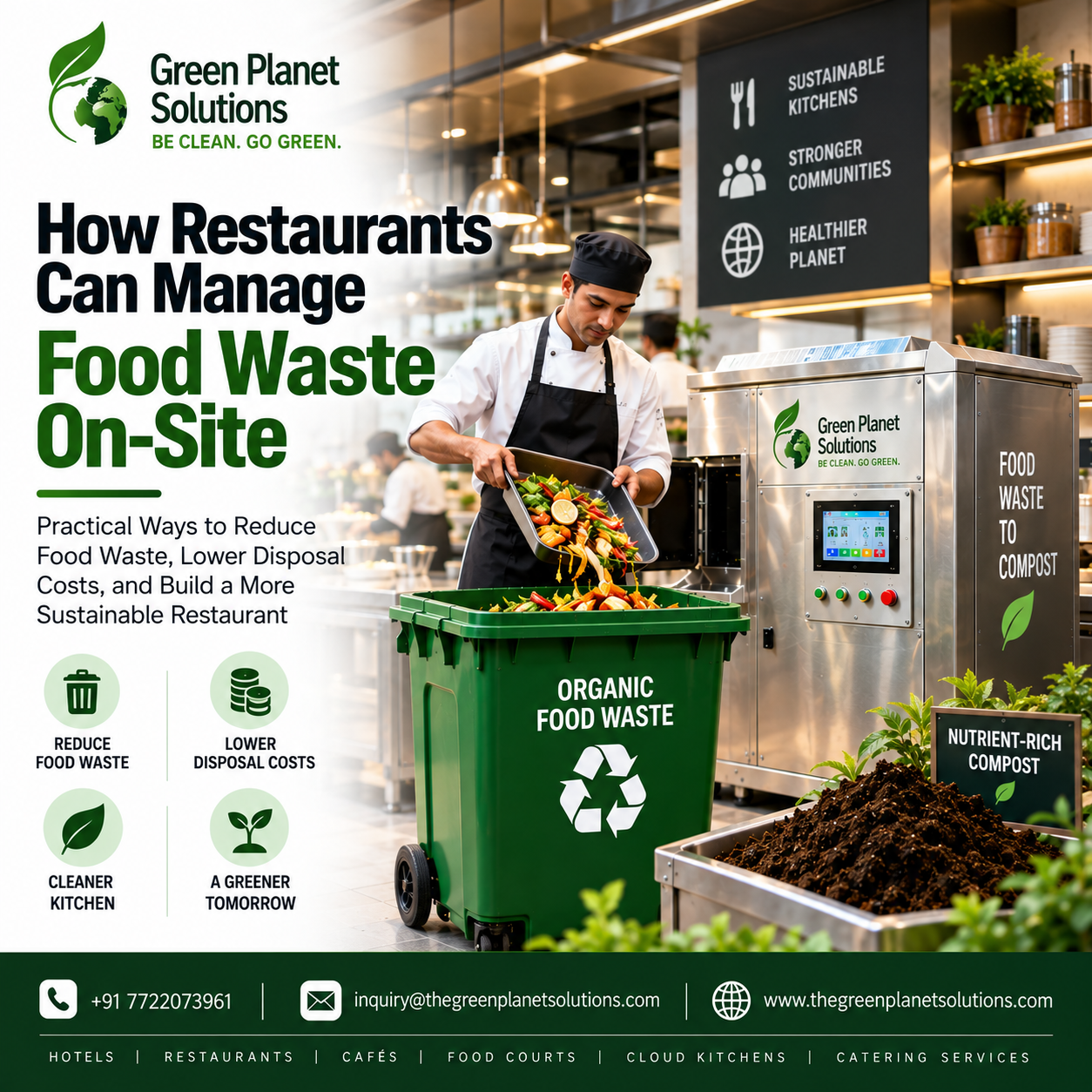
    Hotels and restaurants generate a large amount of food waste every day. Improper disposal not only harms the environment but also increases operational costs. Installing a composting machine helps businesses manage waste responsibly while improving their sustainability image.

    Key Advantages for Hotels

    • Fast processing of food waste
    • Reduces landfill contribution
    • Eco-friendly waste management solution
    • Improves brand image as a sustainable business
    • Creates compost that can be used for landscaping

    With automatic composting technology, hotels can efficiently handle waste without affecting daily operations.

    Industrial Composting Machine

    Industries related to food processing, agriculture, and manufacturing often deal with significant amounts of organic waste. Industrial composting machines are specially designed for high-capacity waste processing.

    Features of Industrial Composting Machines

    • Large waste handling capacity
    • Advanced automation system
    • Energy-efficient operation
    • Durable and low-maintenance design
    • Quick compost generation process

    These machines help industries comply with environmental regulations while reducing waste management expenses.

    Features of the Best Composting Machine

    When choosing the best composting machine, it is important to consider the following features:

    1. Fully Automatic Operation

    Automatic systems reduce manual work and improve efficiency.

    2. Odor-Free Technology

    Modern machines are designed with odor control systems for hygienic operation.

    3. Fast Composting Process

    High-speed decomposition technology converts waste into compost quickly.

    4. Energy Efficiency

    Low power consumption helps reduce operational costs.

    5. Durable Design

    Heavy-duty construction ensures long-term performance and reliability.

    Why Choose Green Planet Solutions?

    Green Planet Solutions provides advanced composting machines designed for apartments, hotels, restaurants, and industries. Their machines are eco-friendly, efficient, and built with modern technology to simplify organic waste management.

    Green Planet Solutions Offers:

    • High-quality composting machines
    • Customized waste management solutions
    • Low-maintenance systems
    • Eco-friendly and sustainable technology
    • Reliable customer support

    Conclusion

    Composting machines are transforming the way apartments, hotels, and industries manage organic waste. They not only reduce environmental pollution but also create valuable compost that supports sustainable living. Investing in a modern composting machine is a smart step toward cleaner surroundings and a greener future.

    If you are looking for the best composting machine solution, Green Planet Solutions offers reliable and efficient systems tailored to your waste management needs.

    📞 +91 7722073961
    📧 inquiry@thegreenplanetsolutions.com

    🌿 Green Planet Solutions – Be Clean. Go Green.

  • Best Food Waste Composting Machine Manufacturer in Pune

    Best Food Waste Composting Machine Manufacturer in Pune

    Turning Food Waste into a Sustainable Opportunity

    With rapid urbanization and increasing awareness about environmental sustainability, managing food waste has become one of the biggest challenges for residential societies, hotels, restaurants, industries, and commercial spaces. Pune, being one of India’s fastest-growing cities, generates tons of wet waste daily. This has increased the demand for reliable food waste composting machine manufacturers in Pune who can provide eco-friendly and efficient waste management solutions.

    Food waste composting machines are transforming the way organizations handle organic waste by converting kitchen and food waste into nutrient-rich compost within a short period. These machines help reduce landfill waste, lower carbon emissions, and promote a cleaner environment.


    What is a Food Waste Composting Machine?

    A food waste composting machine is an automated system designed to process organic waste such as leftover food, vegetable peels, fruit waste, and kitchen scraps. The machine converts wet waste into compost through controlled microbial decomposition.

    The final output is organic manure that can be used for gardening, landscaping, and agricultural purposes.


    Why Pune Needs Waste Composting Machine Solutions

    Pune is witnessing massive growth in residential projects, IT parks, hotels, restaurants, and commercial establishments. As a result, wet waste generation is increasing every day.

    Traditional waste disposal methods often lead to:

    • Overflowing landfills
    • Bad odor and unhygienic conditions
    • Increased pollution
    • Higher waste transportation costs

    Food waste composting machines offer a practical and sustainable alternative by processing waste directly at the source.


    Benefits of Food Waste Composting Machine

    1. Eco-Friendly Waste Management

    These machines significantly reduce the amount of waste sent to landfills, helping control environmental pollution.

    2. Fast Compost Production

    Modern composting machines can convert food waste into compost within 24 hours to a few days depending on the machine capacity.

    3. Odor-Free Operation

    Advanced systems are designed with odor-control technology for hygienic operation.

    4. Cost Savings

    Organizations can reduce waste transportation and disposal costs over time.

    5. Supports Sustainability Goals

    Businesses and residential societies can achieve green building and sustainability targets.


    Industries Using Waste Composting Machine in Pune

    Food waste composting machines are widely used in:

    • Residential societies
    • Hotels and restaurants
    • Corporate offices
    • Hospitals
    • Educational institutions
    • Industrial canteens
    • Municipal corporations
    • Shopping malls

    Features to Look for in a Waste Composting Machine Manufacturer

    When selecting a composting machine manufacturer in Pune, consider the following:

    Machine Quality

    Choose manufacturers using durable and corrosion-resistant materials.

    Automation

    Fully automatic machines reduce manual effort and improve efficiency.

    Capacity Options

    Machines should be available in multiple capacities according to waste generation needs.

    Installation & Support

    Reliable after-sales service and maintenance are essential.

    Energy Efficiency

    Low power consumption machines help reduce operational costs.


    Green Planet Solutions – Waste Composting Machine Manufacturer in Pune

    Green Planet Solutions is one of the trusted names in Pune for food waste composting and organic waste converter machines. The company provides innovative waste management solutions designed for residential societies, commercial establishments, and industries.

    Their machines are designed to:

    • Process wet waste efficiently
    • Minimize odor and maintenance
    • Deliver high-quality compost
    • Support sustainable waste management practices

    With installation support and customer-focused service, Green Planet Solutions is helping organizations move toward cleaner and greener operations.


    Frequently Asked Questions (FAQs)

    1. What types of waste can be processed in a Waste composting machine?

    Food waste, vegetable peels, fruit waste, leftover meals, kitchen waste, and other biodegradable organic waste can be processed.

    2. How long does composting take?

    Depending on the machine type and capacity, composting can take from 24 hours to several days.

    3. Is the machine suitable for residential societies?

    Yes, composting machines are widely used in housing societies for daily wet waste management.

    4. Does the machine produce bad odor?

    Modern composting machines are designed with odor-control systems for hygienic operation.

    5. What is the output from the machine?

    The output is nutrient-rich organic compost that can be used for gardening and landscaping.

    6. Are composting machines fully automatic?

    Many modern machines are fully automatic and require minimal manual handling.

    7. How do I choose the right machine capacity?

    The machine capacity depends on the amount of wet waste generated daily.

    8. Why should businesses invest in composting machines?

    It helps reduce waste disposal costs, supports sustainability goals, and ensures compliance with waste management regulations.

    Conclusion

    Food waste composting machines are becoming essential for sustainable waste management in Pune. Whether for residential societies, hotels, industries, or commercial spaces, these machines provide an effective way to convert organic waste into valuable compost while reducing environmental impact.

    Choosing a reliable composting machine manufacturer in Pune ensures better performance, long-term savings, and eco-friendly waste management solutions for the future.

  • Reduce Landfill Waste with Modern Composting Technology

    Reduce Landfill Waste with Modern Composting Technology

    Rapid urbanization and increasing population have created a major challenge in waste management across India. Every day, tons of organic waste from homes, hotels, restaurants, industries, and housing societies end up in landfills. This not only occupies valuable land space but also causes environmental pollution, unpleasant odors, and greenhouse gas emissions. Modern composting technology is emerging as a smart and sustainable solution to reduce landfill waste and promote eco-friendly waste management.

    What is Modern Composting Technology?

    Modern composting technology uses advanced composting machines to convert organic waste such as food scraps, vegetable waste, garden waste, and biodegradable materials into nutrient-rich compost. These machines accelerate the natural decomposition process through controlled temperature, moisture, and airflow systems.

    Unlike traditional composting methods, modern composting machines are faster, cleaner, odor-free, and highly efficient for commercial and residential use.

    Why Landfill Waste is a Serious Problem

    Landfills are becoming overloaded due to increasing waste generation. Organic waste dumped in landfills decomposes anaerobically and releases methane gas, a harmful greenhouse gas that contributes to climate change. In addition, landfills create soil and water pollution, attract pests, and negatively impact public health.

    Reducing the amount of waste sent to landfills has become essential for creating cleaner and healthier cities.

    How Composting Technology Help Reduce Landfill Waste

    1. Converts Organic Waste into Useful Compost

    Composting machines process wet waste and convert it into organic fertilizer that can be used in gardens, farms, and landscaping. This reduces the dependency on chemical fertilizers while minimizing waste disposal.

    2. Reduces Waste Transportation

    When waste is composted on-site, there is less need for transportation to dumping grounds. This helps reduce fuel consumption, transportation costs, and carbon emissions.

    3. Supports Sustainable Waste Management

    Modern composting technology promotes the principles of sustainability and circular economy by converting waste into a valuable resource instead of treating it as garbage.

    4. Minimizes Greenhouse Gas Emissions

    Organic waste in landfills releases methane gas. Composting helps reduce methane emissions by managing waste in a controlled aerobic environment.

    5. Improves Cleanliness and Hygiene

    Advanced composting machines are designed to operate with minimal odor and better hygiene, making them ideal for apartments, hotels, restaurants, schools, hospitals, and industries.

    Applications of Composting Machines or Composting Technology

    Modern composting machines are widely used in:

    • Housing societies
    • Hotels and restaurants
    • Corporate offices
    • Educational institutions
    • Municipal corporations
    • Food processing industries
    • Hospitals and healthcare facilities

    These sectors generate a large amount of biodegradable waste daily, making composting technology highly beneficial.

    Benefits for Businesses and Communities

    Businesses and communities adopting composting technology can experience several advantages:

    • Reduced waste disposal costs
    • Cleaner surroundings
    • Better compliance with waste management regulations
    • Positive environmental impact
    • Enhanced brand image through sustainable practices

    The Future of Waste Management in India using Composting Technology

    India is moving towards smarter and greener waste management solutions. Government initiatives such as Swachh Bharat Abhiyan and increasing environmental awareness are encouraging organizations and communities to adopt composting technologies.

    Modern composting machines are playing a crucial role in reducing landfill dependency and building sustainable cities for the future.

    Conclusion

    Reducing landfill waste is essential for protecting the environment and improving urban cleanliness. Modern composting technology offers an efficient, eco-friendly, and practical solution for managing organic waste. By converting waste into valuable compost, composting machines help create a cleaner, greener, and more sustainable future for businesses, communities, and cities across India.

  • Why Businesses Should Invest in Composting Technology in 2026

    Why Businesses Should Invest in Composting Technology in 2026

    Introduction

    As environmental awareness continues to grow, businesses across India are focusing more on sustainable waste management solutions. In 2026, composting technology is no longer just an eco-friendly option—it has become a smart business investment. From hotels and restaurants to housing societies, industries, and commercial spaces, organizations are adopting composting machines to reduce waste, lower operational costs, and support a greener future.

    Growing Importance of Sustainable Waste Management

    With increasing waste generation and stricter environmental regulations, businesses are under pressure to manage organic waste responsibly. Traditional waste disposal methods contribute to landfill pollution and greenhouse gas emissions. Composting technology offers a practical and sustainable solution by converting wet waste into useful organic compost.

    Reduction in Waste Disposal Costs

    One of the biggest advantages of composting machines is cost savings. Businesses that generate large amounts of food and organic waste often spend heavily on waste collection and disposal services. Composting machines significantly reduce the volume of waste sent to landfills, helping businesses lower transportation and disposal expenses.

    Support for Government Initiatives

    The Government of India continues to promote sustainable practices through initiatives such as Swachh Bharat Mission and smart city projects. Investing in composting technology helps businesses align with environmental regulations and government sustainability goals while building a responsible brand image.

    Eco-Friendly Brand Reputation

    Customers today prefer businesses that care about the environment. Companies that adopt composting technology demonstrate social responsibility and environmental commitment. This helps improve brand reputation, attract environmentally conscious customers, and create a positive impact in the market.

    Efficient Waste Management Solution

    Modern composting machines are designed to process organic waste quickly and efficiently. Advanced systems offer automatic operation, odor control, temperature management, and easy maintenance. Businesses can manage waste on-site without depending entirely on external waste disposal systems.

    Production of Valuable Organic Compost

    Composting machines convert food and organic waste into nutrient-rich compost that can be used for gardening, landscaping, agriculture, or even sold commercially. This creates an additional value stream while supporting sustainable environmental practices.

    Reduction in Carbon Footprint

    Organic waste in landfills releases harmful greenhouse gases such as methane. Composting technology helps reduce these emissions by processing waste naturally and responsibly. Businesses investing in composting contribute toward reducing their environmental footprint and protecting natural resources.

    Long-Term Financial Benefits

    Although composting technology requires an initial investment, it provides long-term financial returns through reduced waste management costs, lower environmental penalties, and improved operational efficiency. Businesses can achieve sustainability goals while also improving profitability.

    Future of Smart Waste Management

    As cities become smarter and sustainability becomes a global priority, composting technology will play an important role in modern waste management systems. Businesses that invest early in eco-friendly waste solutions will gain a competitive advantage and position themselves as responsible industry leaders.

    Conclusion

    In 2026, composting technology is more than just a waste management tool—it is a strategic investment for businesses aiming for sustainability, efficiency, and long-term growth. By reducing waste disposal costs, supporting environmental initiatives, and creating valuable compost, businesses can contribute to a cleaner, greener future while improving operational performance. Investing in composting technology today means investing in a sustainable tomorrow.

  • A Complete Guide to Choosing the Right Composting Machine

    A Complete Guide to Choosing the Right Composting Machine

    Introduction

    With increasing awareness about sustainable waste management and the Government of India’s focus on the Swachh Bharat Mission, composting machines have become an essential solution for converting organic waste into valuable compost. From housing societies and hotels to restaurants, industries, and municipalities, composting machines help reduce landfill waste while promoting eco-friendly practices. However, choosing the right composting machine can be challenging due to the variety of options available in the market.

    Why Composting Machines Are Important

    Composting machines play a major role in managing wet waste efficiently. They reduce the amount of waste sent to landfills, lower greenhouse gas emissions, and produce nutrient-rich compost that can be used for gardening and agriculture. Businesses and organizations can also save money on waste disposal costs while contributing to a greener environment.

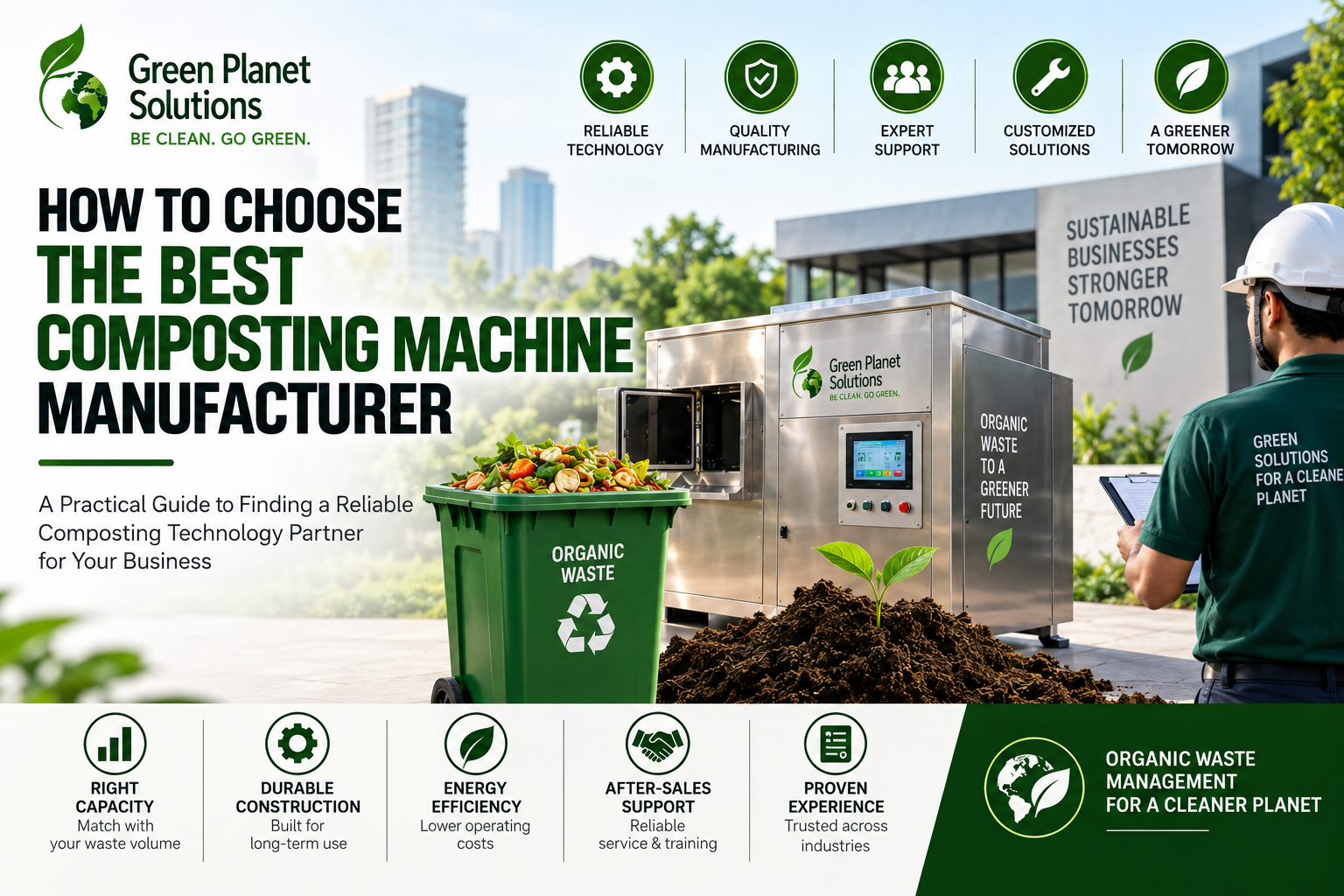
    Understand Your Waste Capacity

    The first step in selecting the right composting machine is understanding the quantity of waste generated daily. Small housing societies or cafes may require compact machines, while hotels, industries, and municipal corporations may need high-capacity industrial composting systems. Choosing the correct capacity ensures smooth operation and better efficiency.

    Check the Type of Waste

    Different composting machines are designed to handle different types of organic waste. Food waste, vegetable waste, garden waste, and biodegradable industrial waste may require specific processing methods. Ensure the machine is suitable for the type of waste your organization produces regularly.

    Look for Automation and Ease of Use

    Modern composting machines come with automatic features that simplify the composting process. Machines with automatic mixing, temperature control, odor management, and user-friendly control panels help reduce manual effort and improve productivity. Easy-to-operate machines are ideal for organizations with minimal technical staff.

    Consider Space Availability

    Before purchasing a composting , evaluate the installation space available at your site. Compact models are suitable for apartments and small businesses, while larger industrial units require dedicated areas. Selecting a machine that fits comfortably within your space helps improve operational efficiency.

    Focus on Energy Efficiency

    Energy-efficient composting machines help reduce electricity consumption and operational costs. Investing in eco-friendly technology not only saves money in the long run but also supports sustainable environmental practices.

    Maintenance and Service Support

    Regular maintenance is important for the smooth functioning of composting machines. Choose a manufacturer that provides strong after-sales support, maintenance services, and spare parts availability. Reliable customer support ensures long-term machine performance and minimal downtime.

    Evaluate Composting Speed

    Different machines offer different composting durations. Some advanced composting machines can convert waste into compost within 24 hours, while traditional systems may take several days. Faster composting systems are beneficial for organizations generating large volumes of waste daily.

    Cost vs Long-Term Benefits

    While price is an important factor, businesses should focus on long-term value rather than only initial investment. A high-quality composting machine can reduce waste management costs, improve sustainability, and create valuable compost for future use. Investing in the right machine provides long-term environmental and financial benefits.

    Conclusion

    Choosing the right composting machine is an important step toward efficient waste management and environmental sustainability. By considering factors such as waste capacity, automation, energy efficiency, maintenance, and available space, businesses and organizations can select the perfect solution for their needs. Composting technology not only helps manage waste effectively but also supports the vision of a cleaner, greener, and healthier India.

  • How Sewage Treatment Plants Help Create a Cleaner Environment

    How Sewage Treatment Plants Help Create a Cleaner Environment

    Introduction of Sewage Treatment Plants

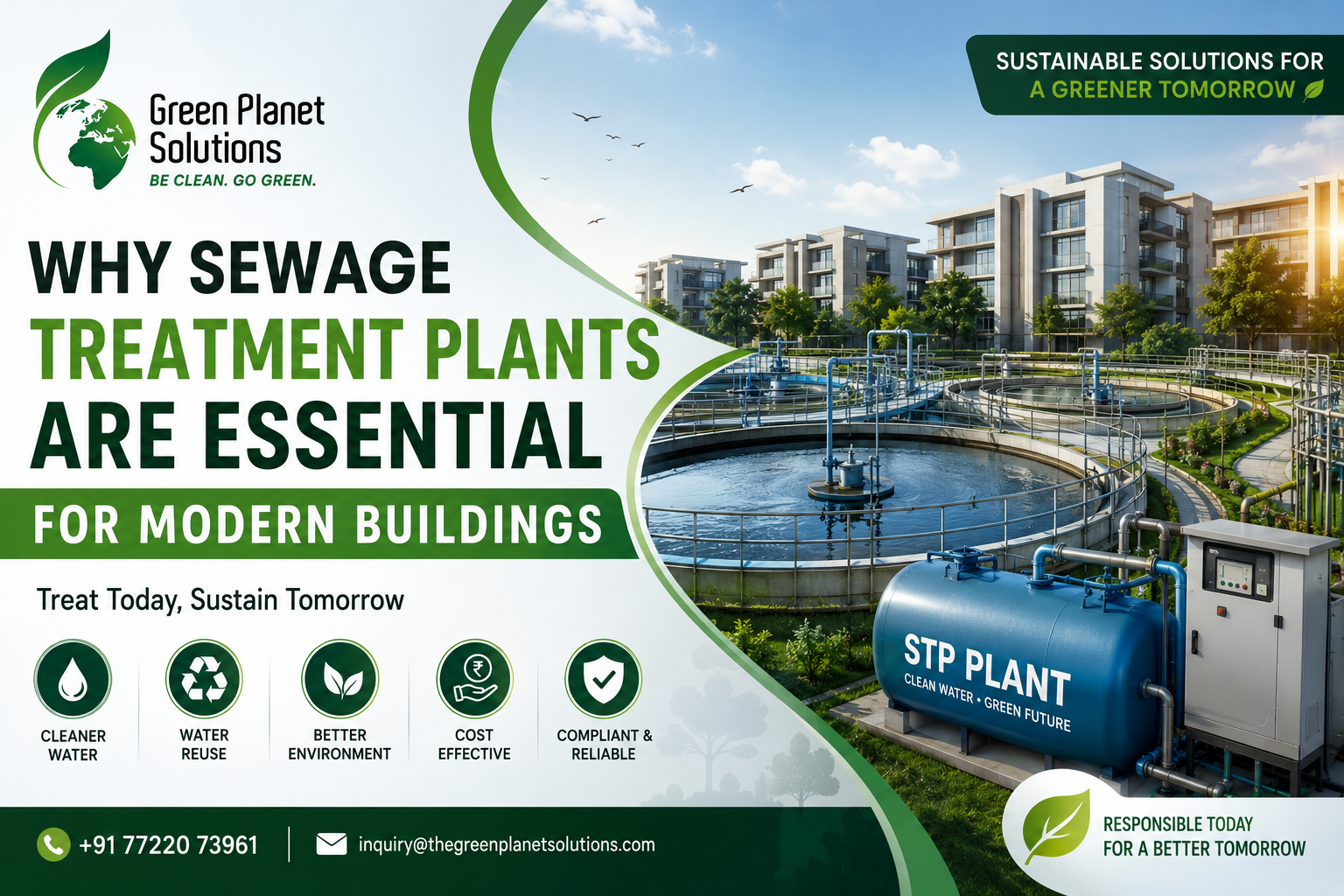
    Water is one of the most important natural resources for life, but increasing urbanization and industrial growth are creating large amounts of wastewater every day. Without proper treatment, sewage water can pollute rivers, lakes, and underground water sources, causing serious environmental and health problems. Sewage Treatment Plants (STPs) play a vital role in treating wastewater and protecting the environment by converting contaminated water into reusable and eco-friendly water.


    What is a Sewage Treatment Plants (STP)?

    A Sewage Treatment Plant is a system designed to remove contaminants, harmful bacteria, chemicals, and pollutants from wastewater generated by residential, commercial, and industrial areas. The treated water can then be safely reused for gardening, flushing, industrial operations, and other non-drinking purposes.

    Modern STPs use advanced technologies to ensure efficient water purification while reducing environmental impact.


    How Sewage Treatment Plants Protect the Environment

    1. Reduces Water Pollution

    Untreated sewage released into natural water bodies can damage aquatic life and pollute drinking water sources. STPs help remove harmful substances before the water is discharged or reused, keeping rivers and lakes cleaner.

    2. Promotes Water Recycling

    Treated wastewater can be reused for landscaping, agriculture, industrial cooling, and cleaning purposes. This reduces the demand for freshwater and supports sustainable water management.

    3. Improves Public Health

    Wastewater contains harmful bacteria, viruses, and toxins that can spread diseases. Sewage Treatment Plants eliminate these contaminants, helping create healthier communities and safer surroundings.

    4. Supports Sustainable Development

    STPs help industries, residential complexes, airports, hotels, hospitals, and commercial buildings meet environmental regulations and sustainability goals while reducing their ecological footprint.

    5. Protects Natural Ecosystems

    By preventing untreated sewage from entering the environment, STPs help protect aquatic ecosystems, wildlife, and soil quality.


    Key Benefits of Modern Sewage Treatment Plants

    • Eco-friendly wastewater management
    • Reduced environmental pollution
    • Cost-effective water reuse solutions
    • Low maintenance and high efficiency
    • Compliance with pollution control norms
    • Supports green infrastructure development

    The Future of Wastewater Management

    As cities continue to grow, the importance of efficient wastewater treatment is increasing rapidly. Modern Sewage Treatment Plants are becoming smarter, more compact, and energy-efficient, helping businesses and communities move toward a cleaner and greener future.

    Investing in advanced STP solutions is not only beneficial for the environment but also essential for sustainable development and responsible water usage.


    Conclusion

    Sewage Treatment Plants are an important step toward environmental protection and sustainable living. By treating and recycling wastewater efficiently, STPs reduce pollution, conserve water, and create healthier communities. Businesses and residential projects that adopt modern wastewater treatment solutions contribute significantly to building a greener tomorrow.

    Green Planet Solutions

    Be Clean. Go Green.

    📞 +91 7722073961
    📧 inquiry@thegreenplanetsolutions.com

  • Organic Waste Composting Machines: A Smart Investment for Airports

    Organic Waste Composting Machines: A Smart Investment for Airports

    Transforming Airport Organic Waste into Sustainable Solutions

    Modern airports are among the busiest public spaces in the world, handling thousands of passengers daily. With large food courts, airline catering services, lounges, and restaurants operating around the clock, airports generate a massive amount of organic waste every day. Managing this waste efficiently has become a major challenge for airport authorities worldwide.

    This is where organic waste composting machines emerge as a smart and sustainable investment for airports.


    The Growing Organic Waste Challenge at Airports

    Airports produce tons of food waste, including leftover meals, fruit peels, vegetable waste, tea bags, paper napkins, and biodegradable materials. Traditional waste disposal methods often send this waste directly to landfills, leading to:

    • Increased waste management costs
    • Unpleasant odors and hygiene issues
    • Higher carbon emissions
    • Environmental pollution
    • Increased landfill dependency

    As airports focus more on sustainability and green infrastructure, adopting eco-friendly waste management solutions has become essential.


    What Is an Organic Waste Composting Machine?

    An organic waste composting machine is an advanced system designed to convert biodegradable waste into nutrient-rich compost within a short period. These machines use biological decomposition processes to break down organic materials efficiently and hygienically.

    The final compost can be used for:

    • Airport landscaping
    • Gardens and green zones
    • Agricultural purposes
    • Eco-friendly initiatives

    This creates a complete waste-to-resource cycle within airport operations.


    Why Organic Waste Composting Machines Are a Smart Investment for Airports

    1. Reduces Waste Disposal Costs

    Transporting waste to landfills requires manpower, fuel, logistics, and disposal charges. Composting machines significantly reduce the volume of waste, helping airports save operational costs in the long run.


    2. Supports Sustainable Airport Initiatives

    Many airports are now adopting green airport programs and aiming for zero-waste operations. Composting technology helps airports achieve environmental goals while improving their sustainability image globally.


    3. Improves Hygiene and Cleanliness

    Organic waste left untreated can cause foul odors, pest problems, and bacterial growth. Composting machines process waste quickly, helping maintain a cleaner and more hygienic airport environment.


    4. Reduces Carbon Footprint

    When organic waste reaches landfills, it produces methane gas, a major contributor to climate change. Composting reduces landfill waste and lowers greenhouse gas emissions, supporting eco-friendly airport operations.


    5. Efficient Waste Management for High-Traffic Areas

    Airports operate 24/7 and require fast, reliable waste management systems. Modern composting machines are automated, compact, and capable of handling large quantities of organic waste daily.


    Ideal Areas in Airports for Organic Waste Composting Solutions

    Organic waste composting machines can be installed in:

    • Airport food courts
    • Airline catering units
    • Passenger lounges
    • Restaurants and cafeterias
    • Cargo food facilities
    • Staff canteens

    This ensures efficient waste segregation and on-site processing.


    Key Features of Modern Composting Machines

    Today’s advanced composting systems offer:

    • Automatic operation
    • Odor control technology
    • Low maintenance
    • Energy-efficient processing
    • Fast compost generation
    • Compact design for limited spaces

    These features make them highly suitable for airport environments.


    Building the Airports of the Future

    Sustainability is becoming a priority in the aviation industry. Airports worldwide are investing in renewable energy, smart infrastructure, and eco-friendly operations. Organic waste composting machines play an important role in this transformation by helping airports reduce waste, save costs, and protect the environment.

    By converting food waste into useful compost, airports can move one step closer to achieving zero-waste and sustainable aviation goals.


    Conclusion

    Organic waste composting machines are no longer just an environmental solution — they are a smart operational investment for airports. From reducing waste disposal expenses to supporting green airport initiatives, composting technology offers long-term environmental and financial benefits.

    As the aviation sector continues to grow, sustainable waste management will become essential for future-ready airport operations.


    Contact Us

    For advanced airport waste management and composting solutions, connect with:

    Green Planet Solutions
    📞 +91 7722073961
    📧 inquiry@thegreenplanetsolutions.com
    🌐 Green Planet Solutions