Tag: green planet solutions

  • How India is Managing Organic Waste Through Government Policies

    How India is Managing Organic Waste Through Government Policies

    Introduction

    Have you ever wondered where all the food waste from our homes, restaurants, and markets actually goes?

    Every day, Indian cities generate tons of Organic waste like vegetable peels, leftover food, and garden waste. Unfortunately, much of this waste ends up in landfills where it creates pollution, bad odor, and harmful greenhouse gases.

    To solve this growing problem, the Government of India has introduced several policies and initiatives that focus on proper waste management, composting, and sustainable solutions. These initiatives aim to reduce landfill waste and encourage cities to manage organic waste more responsibly.


    Why Organic Waste Management Matters

    Organic waste makes up nearly half of the total municipal waste in India. When this waste is mixed with other garbage and dumped in landfills, it not only harms the environment but also wastes a valuable resource.

    If managed properly, organic waste can be converted into nutrient-rich compost that benefits agriculture, gardening, and landscaping.

    This is why the government is promoting waste segregation, composting, and decentralized waste processing across cities and towns.


    Solid Waste Management Rules 2016

    One of the most important policies introduced by the Government of India is the Solid Waste Management Rules 2016.

    These rules make it mandatory for households, hotels, institutions, and commercial establishments to separate waste at the source into wet waste and dry waste.

    The policy also encourages local processing of organic waste through composting and other sustainable methods. By managing waste closer to where it is generated, cities can significantly reduce the burden on landfills.


    Swachh Bharat Mission

    The Swachh Bharat Mission has played a huge role in spreading awareness about cleanliness and responsible waste disposal.

    Under this mission, cities are encouraged to improve sanitation and adopt better waste management systems. Many municipal corporations are now promoting community composting and decentralized waste solutions to manage organic waste effectively.


    Smart Cities Mission

    The Smart Cities Mission focuses on building modern and sustainable cities in India. Waste management is a key part of this initiative.

    Smart cities are now adopting innovative technologies for waste processing, including automated composting systems that can convert wet waste into compost within a short time.

    Such technologies help cities reduce transportation costs and manage waste more efficiently.


    Role of Sustainable Waste Solutions

    As waste generation continues to increase, traditional waste disposal methods are no longer enough. Cities need modern and practical solutions that can handle organic waste efficiently.

    This is where companies like Green Planet Solution are contributing by providing innovative composting machines that convert organic waste into compost quickly and safely.

    These machines can be installed in housing societies, hotels, temples, markets, and institutions, helping manage wet waste at the source while supporting the government’s vision of decentralized waste management.


    Conclusion

    India is moving toward a more sustainable future, and effective organic waste management plays a major role in that journey.

    Government initiatives such as the Solid Waste Management Rules 2016, Swachh Bharat Mission, and Smart Cities Mission are encouraging cities to adopt better waste management practices.

    However, achieving a cleaner and greener India requires collaboration between governments, businesses, and citizens. By adopting modern composting solutions and responsible waste practices, we can turn organic waste into a valuable resource and build a more sustainable environment for future generations.

  • How the Government of India Manages Organic Waste: Policies, Initiatives & Sustainable Solutions

    How the Government of India Manages Organic Waste: Policies, Initiatives & Sustainable Solutions

    Table of Contents

    1. Introduction
    2. What is Organic Waste?
    3. Organic Waste Problem in Indian Cities
    4. Government Policies for Organic Waste Management
    5. Key Government Initiatives in India
    6. Positive Impact of Government Waste Management Programs
    7. Role of Technology and Composting Machines
    8. How Green Planet Solution Supports Government Waste Management Goals
    9. Frequently Asked Questions (FAQ)
    10. Conclusion

    Introduction

    India generates millions of tons of waste every day, and nearly 50–60% of it is organic waste such as food waste, vegetable scraps, garden waste, and biodegradable materials. If not properly managed, this waste ends up in landfills, causing pollution, bad odors, and harmful greenhouse gas emissions.

    To tackle this challenge, the Government of India has introduced several policies and initiatives to promote sustainable organic waste management. These initiatives focus on segregation at source, composting, recycling, and decentralized waste processing.

    Proper organic waste management not only helps keep cities clean but also creates valuable compost that supports agriculture and environmental sustainability.


    What is Organic Waste?

    Organic waste refers to biodegradable waste that naturally decomposes. Common examples include:

    • Food leftovers
    • Fruit and vegetable peels
    • Garden waste and leaves
    • Agricultural residues
    • Kitchen waste from households and restaurants

    This type of waste can be converted into compost, manure, or biogas, making it a valuable resource instead of landfill garbage.


    Organic Waste Problem in Indian Cities

    Rapid urbanization has increased waste generation across India. Major cities produce thousands of tons of waste daily.

    Common challenges include:

    • Lack of waste segregation at source
    • Overflowing landfills
    • Limited composting infrastructure
    • Public awareness gaps

    Organic waste in landfills produces methane gas, which contributes significantly to climate change.


    Government Policies for Organic Waste Management

    The Government of India has implemented several policies to ensure proper waste handling.

    1. Solid Waste Management Rules 2016

    This policy made segregation of waste mandatory. Citizens must separate waste into:

    • Wet waste (organic waste)
    • Dry waste (recyclable waste)
    • Hazardous waste

    It also encourages composting and decentralized waste processing.

    2. Swachh Bharat Mission

    This nationwide campaign promotes cleanliness and scientific waste management.

    Key focus areas include:

    • Door-to-door waste collection
    • Waste segregation awareness
    • Composting infrastructure
    • Smart waste processing solutions

    3. Waste to Wealth Initiative

    The government encourages converting organic waste into valuable resources like compost, biogas, and energy.


    Key Government Initiatives

    Decentralized Composting

    Municipal corporations encourage composting within:

    • Housing societies
    • Hotels and restaurants
    • Markets and institutions

    This reduces transportation costs and landfill burden.

    Biogas Plants

    Organic waste is used to produce biogas for energy generation, helping reduce fossil fuel usage.

    Public Awareness Campaigns

    The government promotes campaigns encouraging citizens to:

    • Use green and blue dustbins
    • Reduce food waste
    • Compost organic waste locally

    Positive Impact of Government Waste Management Programs

    Government initiatives have already started showing positive results.

    Cleaner Cities

    Improved waste collection and segregation have helped many cities maintain better hygiene standards.

    Reduced Landfill Waste

    Organic waste processing reduces the amount of garbage reaching landfills.

    Environmental Protection

    Composting reduces methane emissions and supports sustainable agriculture.

    Employment Opportunities

    Waste management initiatives create jobs in recycling, composting, and waste processing industries.


    Role of Technology in Organic Waste Management

    Technology plays a crucial role in improving waste processing efficiency.

    Modern organic waste composting machines can convert food waste into compost within 24 hours. These machines are ideal for:

    • Housing societies
    • Hotels and restaurants
    • Corporate offices
    • Hospitals
    • Municipal corporations

    Using such systems significantly reduces waste transportation and landfill dependency.


    How Green Planet Solution Supports Government Waste Management Goals

    Companies like Green Planet Solution play an important role in supporting India’s waste management mission.

    Green Planet Solution provides advanced organic waste composting machines that help organizations process food waste efficiently.

    Key benefits include:

    • Rapid composting technology
    • Reduced landfill waste
    • Eco-friendly waste management
    • Support for government sustainability goals

    Their machines are widely used in societies, hotels, institutions, and commercial establishments, helping organizations convert waste into useful compost while contributing to a cleaner environment.


    Frequently Asked Questions (FAQ)

    1. Why is organic waste management important?

    Organic waste management reduces landfill pollution, produces compost, and protects the environment.

    2. What percentage of waste in India is organic?

    Around 50–60% of municipal waste in India is organic waste.

    3. What are the government rules for waste segregation?

    According to Solid Waste Management Rules 2016, waste must be separated into wet, dry, and hazardous waste.

    4. How can societies manage organic waste?

    Housing societies can install composting machines or biogas plants to process kitchen waste locally.

    5. Can organic waste be converted into compost?

    Yes. Organic waste can be converted into nutrient-rich compost that is useful for agriculture and gardening.


    Conclusion

    Organic waste management is a critical step toward building clean, sustainable, and environmentally responsible cities. The Government of India has introduced strong policies and initiatives to encourage waste segregation, composting, and waste-to-resource systems.

    However, successful waste management requires collaboration between government authorities, businesses, and citizens.

    With innovative technologies and solutions from companies like Green Planet Solution, organic waste can be efficiently processed and transformed into valuable resources, supporting India’s mission for a cleaner and greener future.

  • Municipal Waste Management Solutions for Smart and Sustainable Cities

    Municipal Waste Management Solutions for Smart and Sustainable Cities

    Table of Contents

    1. Introduction
    2. Importance of Waste Management for Municipal Corporations
    3. Major Challenges in Municipal Waste Management
    4. Modern Waste Management Solutions
    5. Role of Composting Machines in Organic Waste Processing
    6. How Green Planet Solution Supports Municipal Waste Management
    7. Frequently Asked Questions (FAQs)
    8. Conclusion

    Introduction

    Rapid urbanization in India has significantly increased the amount of waste generated every day. Municipal corporations are responsible for collecting, transporting, and processing this waste to maintain cleanliness and public health in cities. However, improper waste management can lead to environmental pollution, health hazards, and overflowing landfills.

    Effective municipal corporation waste management is essential for building sustainable and clean cities. With the support of modern technology such as organic waste composting machines, municipal bodies can convert waste into useful resources like compost while reducing landfill pressure.


    Importance of Waste Management for Municipal Corporations

    Waste management is one of the most important responsibilities of municipal authorities. Proper waste handling helps to:

    • Maintain city cleanliness and hygiene
    • Prevent the spread of diseases
    • Reduce environmental pollution
    • Decrease landfill waste
    • Support sustainable urban development

    Efficient waste management also supports national initiatives such as Swachh Bharat Mission, which focuses on improving sanitation and cleanliness across India.


    Major Challenges in Municipal Waste Management

    Many municipal corporations face several challenges in handling waste efficiently.

    Increasing Waste Generation

    With growing populations and urban lifestyles, cities produce large amounts of waste daily.

    Lack of Waste Segregation

    Many households and commercial establishments do not separate wet and dry waste properly.

    Landfill Overload

    Most landfills are already reaching their maximum capacity.

    High Transportation Costs

    Transporting waste from city areas to distant dumping grounds increases operational costs.


    Modern Waste Management Solutions

    To tackle these challenges, cities are adopting modern waste management practices.

    Waste Segregation at Source

    Separating wet and dry waste at the source improves recycling and waste processing efficiency.

    Decentralized Waste Processing

    Instead of sending waste to landfills, waste can be processed at societies, hotels, and institutions.

    Composting Technology

    Organic waste can be converted into compost using automated composting machines.

    Community Waste Management Systems

    Housing societies and commercial complexes can manage their waste locally.


    Role of Composting Machines in Organic Waste Processing

    Organic waste forms a large portion of municipal waste. Composting machines provide a sustainable solution by converting food waste, vegetable waste, and garden waste into nutrient-rich compost.

    Key benefits include:

    • Reduces landfill waste
    • Minimizes foul odors
    • Converts waste into organic fertilizer
    • Supports sustainable waste recycling
    • Saves transportation costs for municipalities

    How Green Planet Solution Supports Municipal Waste Management

    Green Planet Solution provides advanced organic waste composting machines designed for efficient waste processing. These machines help municipal corporations and organizations convert organic waste into compost quickly and efficiently.

    Our composting solutions are suitable for:

    • Municipal corporations
    • Housing societies
    • Hotels and restaurants
    • Corporate offices
    • Educational institutions

    By implementing modern composting technology, cities can reduce landfill waste and promote sustainable waste management practices.


    Frequently Asked Questions (FAQs)

    1. What is municipal corporation waste management?

    Municipal corporation waste management refers to the collection, transportation, processing, and disposal of waste generated in cities by local government authorities.

    2. Why is waste segregation important?

    Waste segregation helps separate recyclable materials from organic waste, making recycling and composting more efficient.

    3. What percentage of municipal waste is organic?

    In many Indian cities, nearly 50–60% of municipal waste is organic waste, such as food scraps and vegetable waste.

    4. How do composting machines help municipalities?

    Composting machines convert organic waste into compost quickly, reducing landfill waste and transportation costs.

    5. Who can use composting machines?

    Composting machines can be used by municipal corporations, housing societies, hotels, restaurants, and large institutions.


    Conclusion

    Municipal waste management is a crucial part of building clean and sustainable cities. With increasing waste generation, traditional landfill-based systems are no longer sufficient.

    By adopting modern technologies such as composting machines and encouraging waste segregation, municipal corporations can significantly improve waste management efficiency.

    Solutions like those offered by Green Planet Solution can help cities reduce landfill dependency, manage organic waste effectively, and contribute to a cleaner and greener future.

  • Why Waste Management is Important for a Sustainable Future

    Why Waste Management is Important for a Sustainable Future

    Table of Contents

    1. Introduction
    2. The Growing Waste Problem in Modern Cities
    3. Environmental Impact of Poor Waste Management
    4. Role of Composting in Sustainable Waste Management
    5. How Businesses Benefit from Proper Waste Management
    6. Green Planet Solution’s Contribution to Sustainable Waste Management
    7. The Future of Waste Management
    8. Frequently Asked Questions
    9. Conclusion

    Introduction

    Waste management has become one of the most critical environmental issues in the modern world. As cities grow and consumption patterns increase, the amount of waste generated every day has reached alarming levels. From households to restaurants, hotels, industries, and commercial establishments, waste is produced continuously. If this waste is not properly managed, it can create serious environmental, social, and health problems.

    Proper waste management ensures that waste is collected, processed, and treated in a way that minimizes harm to the environment. Instead of simply dumping waste in landfills, modern waste management focuses on reducing waste generation, recycling materials, and converting organic waste into useful resources.

    This is where companies like Green Planet Solution play a vital role. By providing advanced waste management technologies such as composting machines, Green Planet Solution helps organization convert organic waste into compost while reducing landfill dependency and environmental pollution.


    The Growing Waste Problem in Modern Cities

    Rapid urbanization and industrial growth have significantly increased waste production across cities. Restaurants, hotels, housing societies, and corporate cafeterias generate large amounts of organic waste daily. Unfortunately, a large portion of this waste ends up in landfills where it decomposes and releases harmful gases.

    Food waste is one of the biggest contributors to municipal waste. When organic waste decomposes in landfills, it releases methane gas, which is a major greenhouse gas responsible for climate change. The accumulation of waste also leads to foul odors, pest infestations, and sanitation issues.

    To address this growing problem, businesses and institutions are increasingly adopting sustainable waste management practices. Companies such as Green Planet Solution are supporting this transition by offering innovative composting technologies that allow organizations to process organic waste directly at their premises.


    Environmental Impact of Poor Waste Management

    Improper waste disposal has a significant impact on the environment. When waste is dumped without proper treatment, it contaminates soil and groundwater. Toxic chemicals from waste materials can seep into water sources, affecting ecosystems and human health.

    Air pollution is another major concern. Decomposing organic waste produces methane gas, which contributes to global warming. In some areas, waste burning is still practiced, releasing harmful pollutants that affect air quality and public health.

    Effective waste management helps reduce these environmental threats. By implementing recycling systems, composting solutions, and proper waste treatment methods, communities can significantly reduce pollution and conserve natural resources.

    Organizations such as Green Planet Solution are actively contributing to this effort by providing eco-friendly waste management technologies that help businesses manage their waste responsibly.


    Role of Composting in Sustainable Waste Management

    Composting plays a crucial role in sustainable waste management, especially when it comes to organic waste. It is a natural process in which microorganisms break down biodegradable materials such as food scraps, vegetable peels, and garden waste to produce nutrient-rich compost.

    Modern composting machines have made this process faster and more efficient. These machines can convert food waste into compost within a short period of time while maintaining hygiene and reducing odors.

    Green Planet Solution provides advanced composting machines designed to handle organic waste generated by restaurants, hotels, housing societies, and institutions. By using these machines, organizations can significantly reduce their waste disposal costs while producing valuable compost that can be used for gardening and landscaping.


    How Businesses Benefit from Proper Waste Management

    Businesses generate significant quantities of waste every day, particularly in the hospitality and food service industries. Implementing effective waste management practices can help these organizations reduce environmental impact while also gaining economic benefits.

    By adopting composting technologies, businesses can manage organic waste directly at their premises instead of relying entirely on municipal waste systems. This reduces waste transportation costs and helps companies comply with environmental regulations.

    Moreover, organizations that invest in sustainable practices enhance their brand reputation. Customers today are increasingly aware of environmental issues and prefer businesses that demonstrate responsibility toward sustainability.

    Green Planet Solution supports businesses in achieving these goals by providing reliable composting machines and waste management solutions that simplify organic waste processing.


    Green Planet Solution’s Contribution to Sustainable Waste Management

    Green Planet Solution is committed to promoting eco-friendly waste management practices across various industries. The company offers advanced composting machines designed to efficiently convert food waste into compost.

    These machines are widely used in restaurants, hotels, housing societies, corporate offices, hospitals, and educational institutions. By enabling on-site composting, Green Planet Solution helps organizations reduce landfill waste and adopt environmentally responsible practices.

    The company’s mission is to encourage sustainable waste management and create awareness about the importance of responsible waste disposal. Through innovative technology and environmentally friendly solutions, Green Planet Solution is helping businesses move toward a greener and more sustainable future.


    The Future of Waste Management

    The future of waste management lies in sustainable and technology-driven solutions. Governments, businesses, and communities are increasingly focusing on reducing waste generation and promoting recycling and composting.

    Technological advancements are making waste management more efficient and accessible. Composting machines, recycling systems, and waste segregation technologies are transforming the way waste is handled.

    Companies like Green Planet Solution are at the forefront of this transformation by providing innovative solutions that make waste management easier and more sustainable for organizations.


    Frequently Asked Questions

    What is waste management?

    Waste management refers to the process of collecting, treating, recycling, and disposing of waste materials in a safe and environmentally responsible manner.

    Why is waste management important?

    Waste management is important because it reduces pollution, protects natural resources, and helps maintain a clean and healthy environment.

    How does composting help manage food waste?

    Composting converts organic waste into nutrient-rich compost that can be used as a natural fertilizer. This reduces landfill waste and supports sustainable agriculture.

    Who can use composting machines?

    Composting machines are suitable for restaurants, hotels, housing societies, corporate cafeterias, hospitals, and institutions that generate organic waste.

    How does Green Planet Solution help with waste management?

    Green Planet Solution provides advanced composting machines that help organizations convert organic waste into compost efficiently while promoting sustainable waste management practices.


    Conclusion

    Waste management is essential for maintaining a clean environment and ensuring sustainable development. As waste generation continues to increase, it becomes crucial for businesses and communities to adopt responsible waste management practices.

    By implementing composting solutions and sustainable waste management systems, organizations can reduce landfill waste, lower environmental pollution, and contribute to a greener planet.

    Companies like Green Planet Solution are playing an important role in this transition by offering innovative technologies that make organic waste management easier and more efficient.

    Adopting sustainable waste management today will not only protect the environment but also create a healthier and more sustainable future for generations to come.

  • Features to Look for Before Buying a Composting Machine

    Features to Look for Before Buying a Composting Machine

    Features to Look for Before Buying a Composting Machine

    Table of Contents

    1. Introduction
    2. Why Businesses Need a Composting Machine
    3. Key Features to Look for Before Buying a Composting Machine
    4. Capacity and Waste Handling Ability
    5. Odor Control Technology
    6. Energy Efficiency and Automation
    7. Maintenance and Durability
    8. Frequently Asked Questions (FAQ)
    9. Conclusion

    Introduction

    With the increasing amount of organic waste generated every day, businesses and residential communities are looking for sustainable waste management solutions. A Composting Machine is one of the most effective technologies that converts organic waste into nutrient-rich compost.

    From restaurants and hotels to housing societies and commercial buildings, installing a Composting Machine helps manage waste efficiently while reducing environmental impact. However, choosing the right Composting Machine requires understanding its features, performance, and efficiency.

    Before investing in a Composting Machine, it is important to evaluate the key features that ensure smooth operation, cost efficiency, and long-term sustainability.


    Why Businesses Need a Composting Machine

    A Composting Machine helps businesses convert food waste, garden waste, and organic materials into compost. Instead of sending waste to landfills, the Composting Machine processes it on-site and produces valuable fertilizer that can be used in landscaping or agriculture.

    Benefits include:

    • Reduces landfill waste
    • Improves environmental sustainability
    • Helps organizations follow waste management regulations
    • Produces organic compost for gardening
    • Reduces waste transportation costs

    Because of these advantages, many organizations are investing in a modern Composting Machine to manage organic waste effectively.


    Key Features to Look for Before Buying a Composting Machine

    Choosing the right Composting Machine requires careful evaluation of several technical and operational features. These features ensure that the machine operates efficiently and meets your waste management needs.

    Below are the most important factors to consider before purchasing a Composting Machine.


    1. Capacity and Waste Handling Ability

    One of the first things to consider is the capacity of the Composting Machine. Different machines are designed to process different volumes of organic waste.

    For example:

    Waste GenerationRecommended Composting Machine Capacity
    Small restaurants25–50 kg per day
    Housing societies100–300 kg per day
    Hotels & institutions300–1000 kg per day
    Municipal projects1000 kg+ per day

    Selecting the correct Composting Machine capacity ensures efficient waste processing without overloading the system.


    2. Odor Control Technology

    One common concern about organic waste processing is odor. A high-quality Composting Machine includes advanced odor control systems such as:

    • Bio filters
    • Activated carbon filters
    • Air circulation systems

    These technologies ensure that the Composting Machine operates without producing unpleasant smells, making it suitable for residential areas and commercial buildings.


    3. Fast Composting Cycle

    Modern Composting Machine technology significantly reduces the time required for decomposition. Traditional composting methods may take weeks or months, but an automated Composting Machine can convert organic waste into compost within 24 to 48 hours.

    This fast processing capability makes a Composting Machine ideal for businesses that generate daily organic waste.


    4. Energy Efficiency and Automation

    Another important feature of a Composting Machine is energy efficiency. Many modern machines are designed to consume minimal electricity while delivering high performance.

    Advanced Composting Machine models also include automation features such as:

    • Automatic mixing
    • Temperature control
    • Moisture regulation
    • Smart sensors for monitoring

    Automation reduces manual work and ensures consistent composting results.


    5. Durable Build and Low Maintenance

    A reliable Composting Machine should be built using durable materials such as stainless steel. This ensures long-term performance and resistance to corrosion.

    Low maintenance is another important factor. A good Composting Machine should:

    • Require minimal servicing
    • Have easy cleaning mechanisms
    • Provide long operational life

    This helps businesses reduce operational costs while maintaining efficient waste processing.


    Frequently Asked Questions (FAQ)

    1. What is a Composting Machine?

    A Composting Machine is a waste management device that converts organic waste such as food scraps and garden waste into compost through controlled biological decomposition.


    2. Who should use a Composting Machine?

    A Composting Machine is suitable for apartments, hotels, restaurants, corporate offices, hospitals, and municipalities that generate large amounts of organic waste.


    3. How long does a Composting Machine take to produce compost?

    Most modern Composting Machine models convert organic waste into compost within 24 to 48 hours, depending on the waste type and machine capacity.


    4. Is a Composting Machine environmentally friendly?

    Yes, a Composting Machine helps reduce landfill waste, lowers greenhouse gas emissions, and produces natural compost that improves soil health.


    Conclusion

    Organic waste management has become a critical challenge for cities, businesses, and residential communities. Investing in the right Composting Machine helps transform waste into valuable compost while reducing environmental impact.

    When choosing a Composting Machine, it is important to consider factors such as capacity, odor control, energy efficiency, automation, and durability. A well-designed Composting Machine not only improves waste management efficiency but also supports sustainable environmental practices.

    As more organizations adopt eco-friendly solutions, installing a Composting Machine is becoming an essential step toward responsible and sustainable waste management.

  • Why Modern Apartment are Switching to Fully Automatic Composting Machine

    Why Modern Apartment are Switching to Fully Automatic Composting Machine

    Table Of Contents

    1. Introduction
    2. Solving the “Big Trash” Problem
    3. Saving Money on Maintenance
    4. Free Fertilizer for the Society Garden
    5. Following Government Rules
    6. Frequently Asked Questions (FAQs)
    7. Conclusion

    Introduction

    The concept of building a sustainable community is the latest trend in modern living. If you reside in a large building, you are aware of the amount of waste that is collected on a daily basis. A large portion of this waste is simply leftover food from kitchens. This is why many residential societies are now setting up a Fully Automatic Composting Machine to deal with their organic waste at the source itself. This not only keeps the area clean, but it also helps to keep the environment clean by not allowing trash to reach the landfills. This is why residing in a “Green Building” has become a source of pride for many residents.

    Solving the “Big Trash” Problem

    In a building with 100 or 200 apartments, the quantity of wet waste is massive. Normally, this waste is dumped in large containers, reeks of stench, and is home to flies. But in a society where the Fully Automatic Composting Machine is used, all this food waste will vanish in 24 hours. What you will be left with is a small heap of dry, earthy-smelling compost.

    Saving Money on Maintenance By Using Fully Automatic Composting Machine

    Did you know that many cities now charge extra money to pick up unsegregated waste? In addition, the cost of garbage trucks is increasing every year. By processing waste on-site, the apartment complex saves a lot of money on waste disposal. Eventually, the machine will pay for itself.

    Free Fertilizer for the Society Garden

    In most modern apartments, the gardens, lawns, and potted plants are always beautiful. However, in most cases, the society has to purchase costly chemical fertilizers to maintain their greenness. With the Fully Automatic Composting Machine, you will obtain high-quality organic fertilizer for free! This will make the plants healthier and the soil much stronger.

    Following Government Rules

    Governments are becoming very strict about waste. In many places, it is now mandatory for “Bulk Waste Generators” (like big apartments) to treat their own wet waste. Therefore, installing an automatic system keeps the society safe from heavy fines and legal trouble.

    Frequently Asked Questions (FAQs)

    Q: Is the machine noisy? 

    No,these machines are built to work very quietly. Most residents won’t even notice it is running, even if they walk right past it.

    Q: Does it require a lot of electricity? 

    Modern machines are designed to be energy-efficient. They use smart sensors to only heat up when necessary, which keeps the electricity bill low.

    Q: What happens if someone puts plastic in by mistake? 

    While you should only put food waste in, the machine is sturdy. However, to get the best compost, residents should be taught to separate plastic and metal before dumping their kitchen bins.

    Conclusion

    In conclusion, the best thing that can happen to a modern housing society is to upgrade to a Fully Automatic Composting Machine. This will solve the odor problem, cut down on trash expenses, and give free food to the garden. But most importantly, it will teach the next generation that we can take care of our planet right from our homes. In short, it will convert a big problem into a beautiful solution that the whole building can be proud of.

  • Semi Automatic Composting Machine vs. Fully Automatic: Which One Do You Need?

    Semi Automatic Composting Machine vs. Fully Automatic: Which One Do You Need?

    Table Of Contents

    1. Introduction
    2. What is the Difference?
    3. Why Choose a Semi Automatic Composting Machine?
    4. Frequently Asked Questions (FAQs)
    5. Conclusion

    Introduction

    Picking the right equipment for waste management is like solving a big puzzle. If you are a businessman, a school principal, or a building manager, you would definitely like to recycle but are confused about which equipment to use. The most crucial decision that you need to make is whether to use a Semi Automatic Composting Machine or a fully automatic one. Although both equipment are used to save the environment, they are very different from each other in terms of cost and effort.

    A high-tech fully automatic composting machine in a modern Abu Dhabi urban setting showing a digital price chart.
    Turning waste into wealth is now easier and more affordable in Abu Dhabi.

    What is the Difference?

    Just think of it like doing laundry. A fully automatic machine will do everything for you with just the press of a button. But a semi-automatic machine will require you to move things around or add a few extra steps. In the waste management industry, both machines will process food scraps into fertilizer, but the “how” is what differs.

    1. The Semi Automatic Composting Machine

    This machine is typically a large drum or a designated bin. It is a great tool for those who want to go green but do not have as much money to spend.

    How it works: 

    You place the trash inside, and the machine assists in blending it and maintaining the proper temperature. But you may have to add “curing” agents yourself or transfer the compost to another bin to complete the cycle.

    Daily Effort: 

    It takes a little “elbow grease” or manual input.

    Best for: 

    Schools, small gardens, or where there is a designated person to monitor the composting station.

    The Price: 

    These machines are definitely more budget-friendly than the fully automatic ones.

    2. The Fully Automatic Composting Machine

    If you have a lot of waste and very little time, this is the “Ferrari” of composting. It is a high-tech box that takes care of everything from grinding the food to heating it up and drying it out.

    How it works: 

    You just throw the waste inside. The machine detects the moisture, turns the waste, and turns it into dry, usable compost in just 24 hours.

    Daily Effort: 

    Almost zero. You just press a button.

    Best for: 

    Large hotels, large apartment buildings, and busy malls where there is no time for manual labor.

    Why Choose a Semi Automatic Composting Machine?

    Although the Fully Automatic one sounds high-tech, there are many reasons why people choose the Semi Automatic Composting Machine. First, it is very rugged because it has fewer electronic sensors that could get damaged due to the heat. Second, it is a good learning tool for understanding the composting process. Moreover, if you are just starting out in your green adventure, it is a good way to dispose of waste without spending too much money.

    Frequently Asked Questions (FAQs)

    Q: Which one is better for fertilizer?

    Both machines produce top-notch compost. It’s not really about the machine, but more about the type of food scraps you add to it.

    Q: Do both smell?

    No. Both machines from Green Planet Solutions are odorless. As long as you follow the easy-to-follow instructions, your backyard or basement will smell fresh.

    Q: How long do they last?

    Both machines are made of durable materials such as stainless steel. If you take good care of them, they can last for 10 to 15 years.

    Conclusion

    In other words, your decision depends on your budget and the amount of time you have. If you want a cheap, durable, and not-so-hard solution, then your best buddy is the Semi Automatic Composting Machine. But if you want a “set it and forget it” solution for a large business, then go for the fully automatic one. Either way, you are doing a fantastic job for our planet. As a result, our planet receives less trash, and you get free fertilizer for your plants!

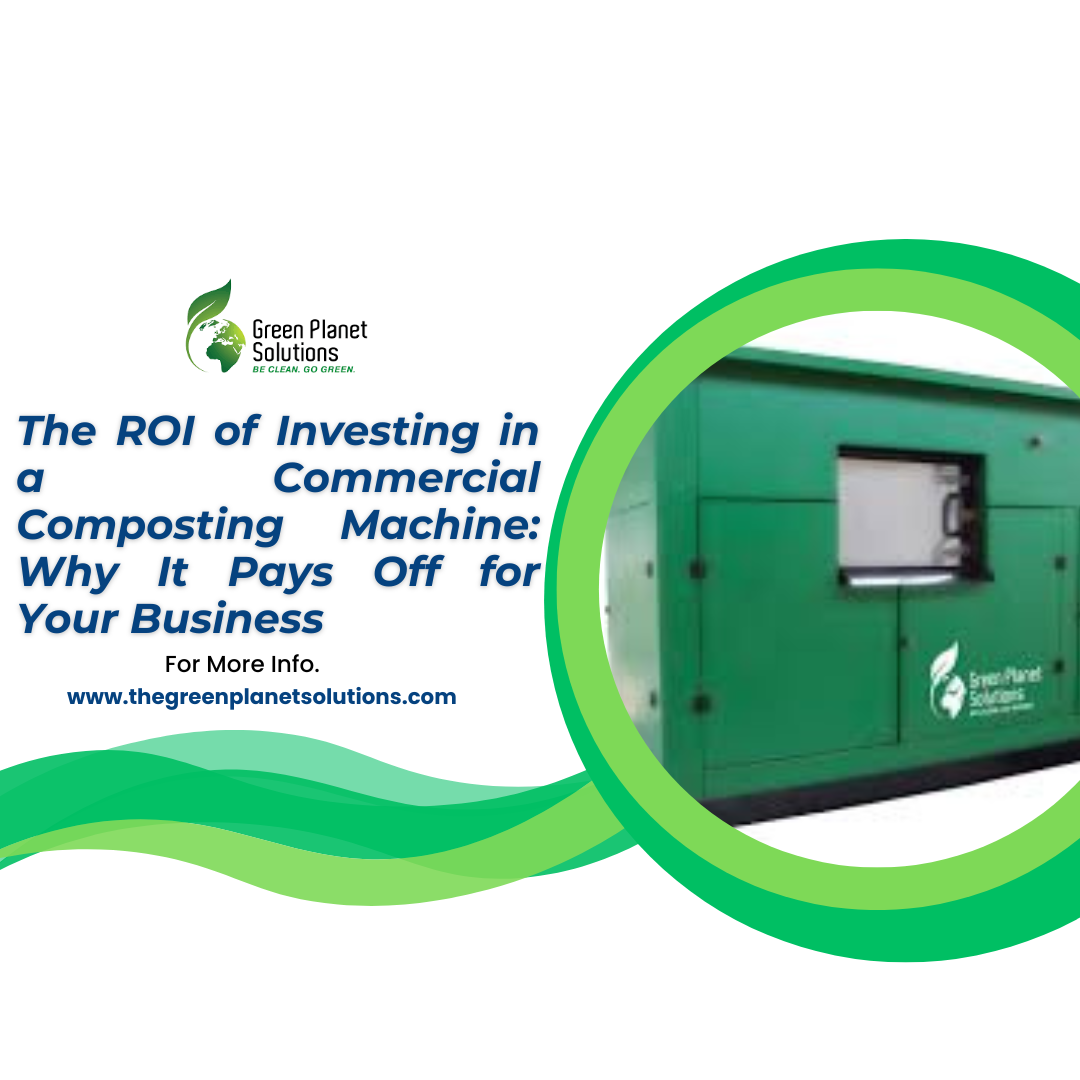
  • The ROI of a Fully Automatic Composting Machine

    The ROI of a Fully Automatic Composting Machine

    Table Of Contents

    1. Introduction
    2. Why Waste Costs You Money
    3. Best Food Waste Composter Price UAE: What Affects the Cost?
    4. The Math: How You Get Your Money Back in 2 Years
    5. Frequently Asked Questions (FAQs)
    6. Conclusion

    Introduction

    When we consider saving the planet, we consider that it has to cost us a lot. But in reality, purchasing a Fully Automatic Composting Machine is one of the best financial decisions that a business or a large community can make. Rather than viewing our waste as a “trash problem,” this technology enables us to view it as a resource. In other words, this machine will take your leftover food and turn it into high-quality fertilizer in only 24 hours. And the best part? It pays for itself incredibly quickly.

    Why Waste Costs You Money

    Each time a truck comes to collect your trash, you pay a fee. Moreover, as the landfills are filled up, these costs rise. If you are operating a hotel, a school, or a housing complex, you are probably paying thousands of dollars each year just to get rid of your trash. By utilizing an on-site composter, you will no longer be paying someone else to take your trash. Rather, you will retain the trash and turn it into something that you can actually use or sell.

    Best Food Waste Composter Price UAE: What Affects the Cost?

    If you are searching for the Best Food Waste Composter Price UAE, you should know that the “price” is more than just the amount you pay. You have to consider the value it provides in the long run. The following are the factors that affect the price and your savings:

    Machine Capacity: The bigger the machine, the more waste it can process, which translates to bigger savings every day.

    Energy Efficiency: The latest machines consume very little energy, which keeps your electricity bills low.

    Durability: A good machine from Green Planet Solutions will last for many years, which means that your investment is safe.

    Labor Savings: Since the machine is fully automatic, you won’t need to hire more staff to handle the compost.

    The Math: How You Get Your Money Back in 2 Years

    Let’s break down the savings in a simple manner. Most companies pay for two things: waste collection fees and fertilizer for their gardens.

    Cutting Collection Fees: If you cut your trash output by 80%, you’ll save money on waste collection fees right away.

    Making Free Fertilizer: Buying high-quality fertilizer at a garden shop can be expensive. Now, you are making it for free.

    Government Benefits: Governments provide tax benefits or bonuses to companies that adopt eco-friendly practices.

    When you combine all these savings, the total savings will be about the price of the Fully Automatic Composting Machine in 18 to 24 months. After that, all the savings go into your pocket!

    Frequently Asked Questions (FAQs)

    1. Is it difficult to use?

    Not at all! You just have to put the waste inside, and the machine will take care of the rest. It’s as simple as using a microwave.

    2. Does it smell?

    No. These machines have special filters to ensure that there are no unpleasant smells in your building or garden.

    3. What can I put inside?

    You can put fruit peels, vegetable peels, bread, and most leftover food. However, you should not put large bones or plastic inside.

    Conclusion

    In conclusion, making a green choice is also a great financial choice. A Fully Automatic Composting Machine is not only a machine; it is a tool that helps the Earth while saving you money. By turning “trash” into “treasure,” you can achieve a full return on your investment in less than two years. Consequently, you get to enjoy a cleaner environment and a thicker wallet at the same time. It is a win-win for everyone!

  • Best Organic Waste Composting Machine Saudi Arabia

    Best Organic Waste Composting Machine Saudi Arabia

    Table Of Contents:

    1. Introduction
    2. Why Saudi Arabia is Leading the Way in Composting
    3. Best Food Waste Composter Price UAE: Regional Cost Insights
    4. Frequently Asked Questions (FAQs)
    5. Conclusion

    Introduction

    Saudi Arabia is currently undergoing a massive change, thanks to Vision 2030, and sustainability and environmental protection is one of the major domains that are being focused on. With the development of Riyadh and Jeddah, the disposal of food waste has become one of the most important priorities for hotels, hospitals, and residential complexes. If you are looking to purchase an organic waste composting machine to get rid of your waste, then you are doing your bit for a cleaner Saudi Arabia. These smart machines will turn your leftover food into quality fertilizer within 24 hours.

    Why Saudi Arabia is Leading the Way in Composting

    In reality, the Kingdom has very ambitious targets to redirect 94% of waste not to go to landfills by 2035. Since food waste constitutes such a massive amount of what we dispose of, it is only sensible that a business turns to an organic waste composting machine.

    Aligns with Vision 2030:

    Align your business with the Kingdom’s sustainability vision.

    Prevents Methane Gas: 

    • Preventing food from decomposing in landfills keeps our air clean and healthy.
    • Compost helps retain water in the soil, which is vital in the Saudi environment.

    Industrial-Strength Construction: 

    Our machines are made of top-quality stainless steel to function optimally in high-temperature settings.

    Best Food Waste Composter Price UAE: Regional Cost Insights

    While you are looking for solutions in Saudi Arabia, you might also be curious about the Best Food Waste Composter Price UAE, as these markets are very similar. Generally, the price depends on the size of the machine and how much waste it can eat every day.

    1. Small Models (50kg – 100kg): These are great for small canteens or cafes. Furthermore, they are very energy-efficient.
    2. Medium Models (200kg – 500kg): Most housing societies choose this range because it offers a great balance of power and price.
    3. Large Industrial Models (1000kg+): For 5-star hotels and large factories, these heavy-duty machines offer the best long-term value by cutting waste bills significantly.

    Frequently Asked Questions (FAQs)

    Q: Does the machine require a lot of maintenance?

    No, these fully automatic machines are “plug and play” machines. Usually, all you need is a simple check-up from time to time to keep them in good working condition.

    Q: Can it process Saudi coffee grounds and dates?

    Yes! The machine is ideal for all organic materials, such as fruit peels, vegetable scraps, coffee grounds, and leftovers.

    Q: Is there any smell?

    Not at all. Good composters use special filters and heat to ensure that the process is completely odorless and hygienic.

    Conclusion

    To conclude everything, it is the responsibility of all people living in the Kingdom to take care of our environment. By investing in an organic waste composting machine, you are turning a problem into a solution for our soil and plants.

    • Pick a size depending on your daily waste production.
    • Invest today to save on waste collection fees tomorrow.
    • Join the movement towards a Zero-Waste Saudi Arabia.

    In simple words, this machine is like a stomach that eats your food scraps and gives vitamins to the earth. It is a clean, smart, and modern way to ensure our planet stays healthy for a very long time!

  • 100 Kg Composting Machine Suppliers in UAE

    100 Kg Composting Machine Suppliers in UAE

    Table Of Content

    1. Introduction
    2. Why Choose a 100 Kg Capacity Machine?
    3. Best Food Waste Composter Price UAE: What Affects the Cost?
    4. Frequently Asked Questions (FAQs)
    5. Conclusion

    Introduction

    As the UAE accelerates toward its Net Zero 2050 Strategy, businesses from Dubai to Ras Al Khaimah are looking for smarter ways to handle organic waste. In fact, if your business generates more than 100 kg of food waste daily in certain emirates, you may already be required to have a dedicated waste management plan. Finding the right Composting Machine Suppliers in UAE is no longer just about buying a piece of equipment; it is about choosing a partner to help you turn “trash” into a valuable resource. Whether you run a busy hotel or a large corporate canteen, a 100 kg composting machine is the “goldilocks” size—perfect for medium-scale operations that want to be clean and green.

    Why Choose a 100 Kg Capacity Machine?

    In fact, a 100 kg machine is one of the popular choices for urban businesses. This is because it perfectly fits into the waste cycle of mid-sized hotels, cloud kitchens, and apartments without occupying too much space.

    Perfect for 3-Star Hotels: This model easily accommodates food waste resulting from breakfast buffets and hotel staff canteens.

    Industrial Build: The machines weighing around 100 kg are made of high-grade stainless steel, suitable for the extreme climate.

    Significant Volume Reduction: These machines have the capacity to reduce a quantity of 100 kg of waste to a mere 15-20 kg of dry manure within a period of 24 hours.

    Best Food Waste Composter Price UAE: What Affects the Cost?

    However, before you begin your research to find the Best Food Waste Composter Price UAE, it is worth remembering that “the sticker price tells only half the story.” In addition, a high-quality model will save you so much money ultimately that it will pay for itself.

    Level of Automation: Fully automated machines that shred, heat, and mix the material are more costly than their semi-automatic versions but will save you money on labor costs.

    Odor Control Technology: The best suppliers of odor control technology in the UAE provide kitchen odor control machines equipped with activated carbon filters and UV technology to keep your kitchen fresh and odorless.

    Electricity Efficiency: Try to find a machine with a highly efficient power consumption, as some machines consume only 100 kg/day and use only 3-4 units of electricity.

    After Sales Support: Since these machines work hard every day, we need a supplier that provides quick after sales support in the UAE.

    Frequently Asked Questions (FAQs)

    Q: Can a machine of 100 kg weight handle flesh and bones?

    Yes! Most industrial-scale 100kg composters employ high temperatures for the decomposition of meat scraps and small bones.

    Q: Is there a lot of maintenance involved?

    Not at all. Good quality machines are designed to be “maintenance free.” They need only the occasional simple cleaning and check of filters. 

    Q: Does it create a bad smell in the kitchen? 

    No, these machines are designed with closed chambers and odor-removal filters, so the air inside is clean and hygienic.

    Conclusion

    To put a conclusion to the issue above, finding reliable suppliers of Composting Machine in UAE is a smart move for any business that cares about money and the planet – although the investment may seem too big a move to start with.

    • Avoid the cost of paying for trash pickup: Don’t pay for the service of having trash picked up every day
    • Obtain Green Certifications such as LEED and Green Key for your hotel.
    • Be part of keeping your city beautiful by avoiding filling landfills with trash.

    In other words, if you have a 100 kg composting machine, you are turning your waste into something nature will thank you for. By selecting an appropriate supplier today, you are building a clean and intelligent business for the future!