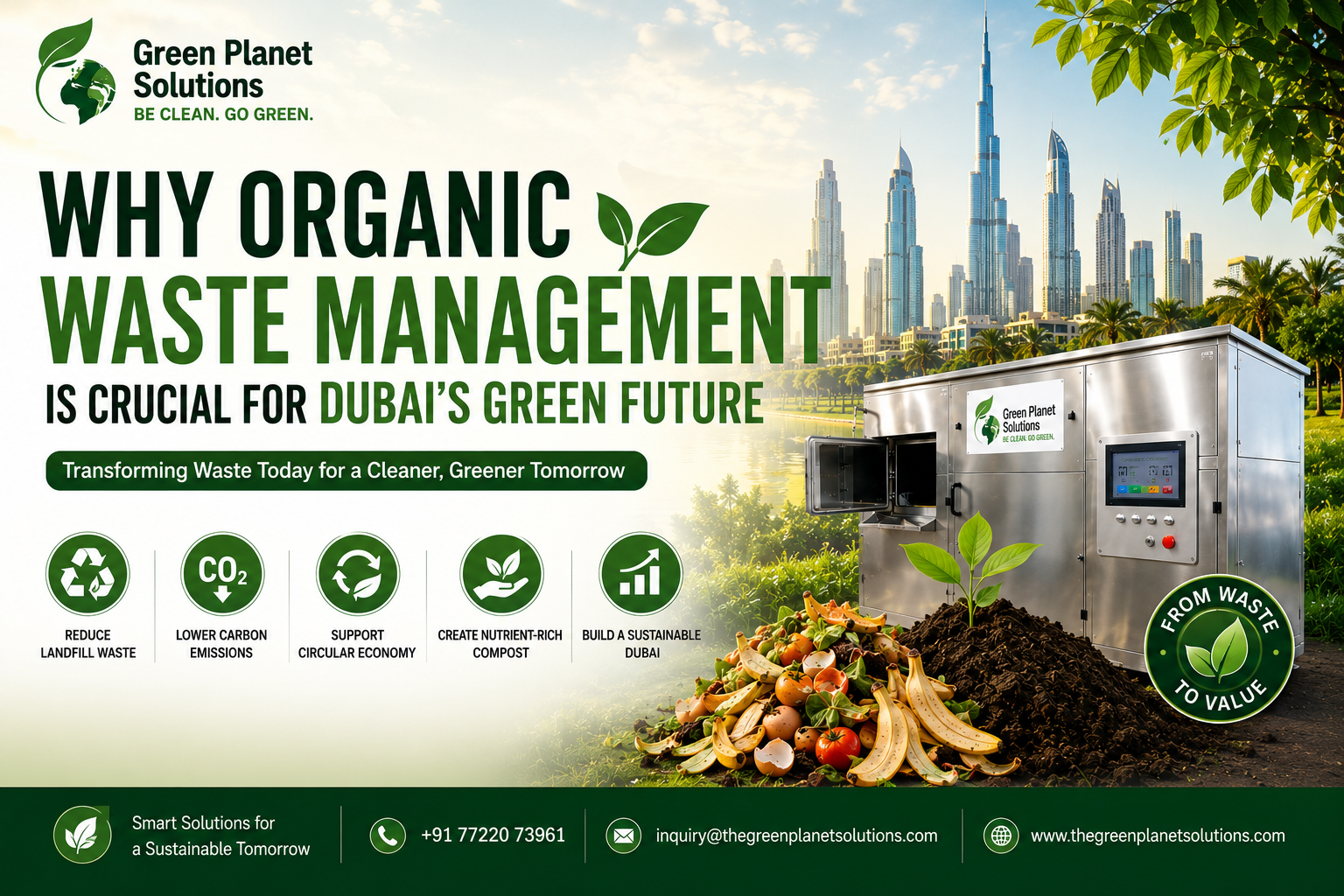
Turning Organic Waste into Sustainable Opportunities
Dubai is recognized globally for its innovation, rapid development, and commitment to sustainability. As the city continues to grow, so does the amount of waste generated by hotels, restaurants, shopping malls, residential communities, and commercial establishments. Among the different types of waste, organic waste represents a significant portion and requires special attention to ensure a cleaner and greener future.
Effective waste management is no longer just an environmental responsibility—it is a necessity for supporting Dubai’s sustainability goals, reducing landfill dependency, and creating a more circular economy.
Understanding Organic Waste
Organic waste includes food scraps, fruit and vegetable peels, garden waste, agricultural residues, and other biodegradable materials. Every day, thousands of tons of organic waste are generated across Dubai’s hospitality, retail, and residential sectors.
When this waste is sent directly to landfills, it decomposes and releases methane gas, a greenhouse gas that contributes significantly to climate change. Proper management of organic waste helps reduce these emissions while creating valuable resources that can benefit the environment.
The Growing Need for Sustainable Waste Management
Dubai has ambitious environmental goals aimed at reducing waste, increasing recycling rates, and promoting sustainable development. As businesses and communities become more environmentally conscious, the demand for efficient waste management solutions continues to rise.
Organic waste management plays a critical role in achieving these objectives by reducing the volume of waste sent to landfills and encouraging resource recovery.
Environmental Benefits of Organic Waste Management
Reducing Landfill Waste
A large percentage of municipal waste consists of organic materials. Diverting this waste from landfills helps reduce pressure on waste disposal infrastructure and extends landfill lifespan.
Lowering Carbon Emissions
Proper treatment of organic waste reduces methane emissions and supports climate action initiatives. Composting and resource recovery help create a more sustainable waste management ecosystem.
Supporting a Circular Economy
Organic waste should not be viewed as a disposal problem but as a valuable resource. Through composting and recycling, waste can be transformed into useful products that contribute to landscaping, agriculture, and environmental projects.
Conserving Natural Resources
Compost produced from organic waste improves soil quality, supports plant growth, and reduces the need for chemical fertilizers.
The Role of Composting in Dubai’s Sustainability Journey
Composting is one of the most effective methods for managing organic waste. Modern composting machines accelerate the natural decomposition process and convert food waste into nutrient-rich compost within a short period.
Businesses such as hotels, restaurants, food courts, shopping malls, and residential communities can significantly reduce their waste disposal costs while contributing to sustainability goals through composting solutions.
How Businesses Can Contribute
Organizations across Dubai can take several steps to improve organic waste management:
- Implement waste segregation at the source
- Reduce food waste through better planning
- Invest in composting technologies
- Train staff on sustainable waste practices
- Partner with professional waste management providers
These initiatives not only benefit the environment but also improve operational efficiency and strengthen sustainability performance.
How Green Planet Solutions Supports Dubai’s Green Future
Green Planet Solutions is committed to helping businesses and communities adopt smarter and more sustainable waste management practices. Through advanced composting machines and innovative organic waste management solutions, the company enables organizations to convert food waste into valuable compost while reducing landfill dependency.
Green Planet Solutions serves hotels, restaurants, industries, residential communities, educational institutions, and commercial establishments by providing customized waste management solutions that align with environmental goals. The company’s focus on innovation, efficiency, and sustainability makes it a trusted partner for organizations seeking long-term waste management success.
By helping businesses transform waste into valuable resources, Green Planet Solutions actively contributes to Dubai’s vision of a cleaner, greener, and more sustainable future.
Economic Benefits of Organic Waste Management
Beyond environmental advantages, effective organic waste management also provides financial benefits. Businesses can reduce waste transportation costs, lower landfill fees, improve resource utilization, and enhance their corporate sustainability image.
As consumers increasingly support environmentally responsible brands, investing in sustainable waste management can also strengthen customer trust and brand reputation.
Conclusion
Organic waste management is a vital component of Dubai’s sustainability journey. By reducing landfill waste, lowering greenhouse gas emissions, and supporting circular economy initiatives, organizations can make a meaningful contribution to environmental protection.
Through innovative composting technologies and sustainable waste management solutions, Green Planet Solutions continues to help businesses and communities manage organic waste responsibly, creating a cleaner and greener future for Dubai and generations to come.