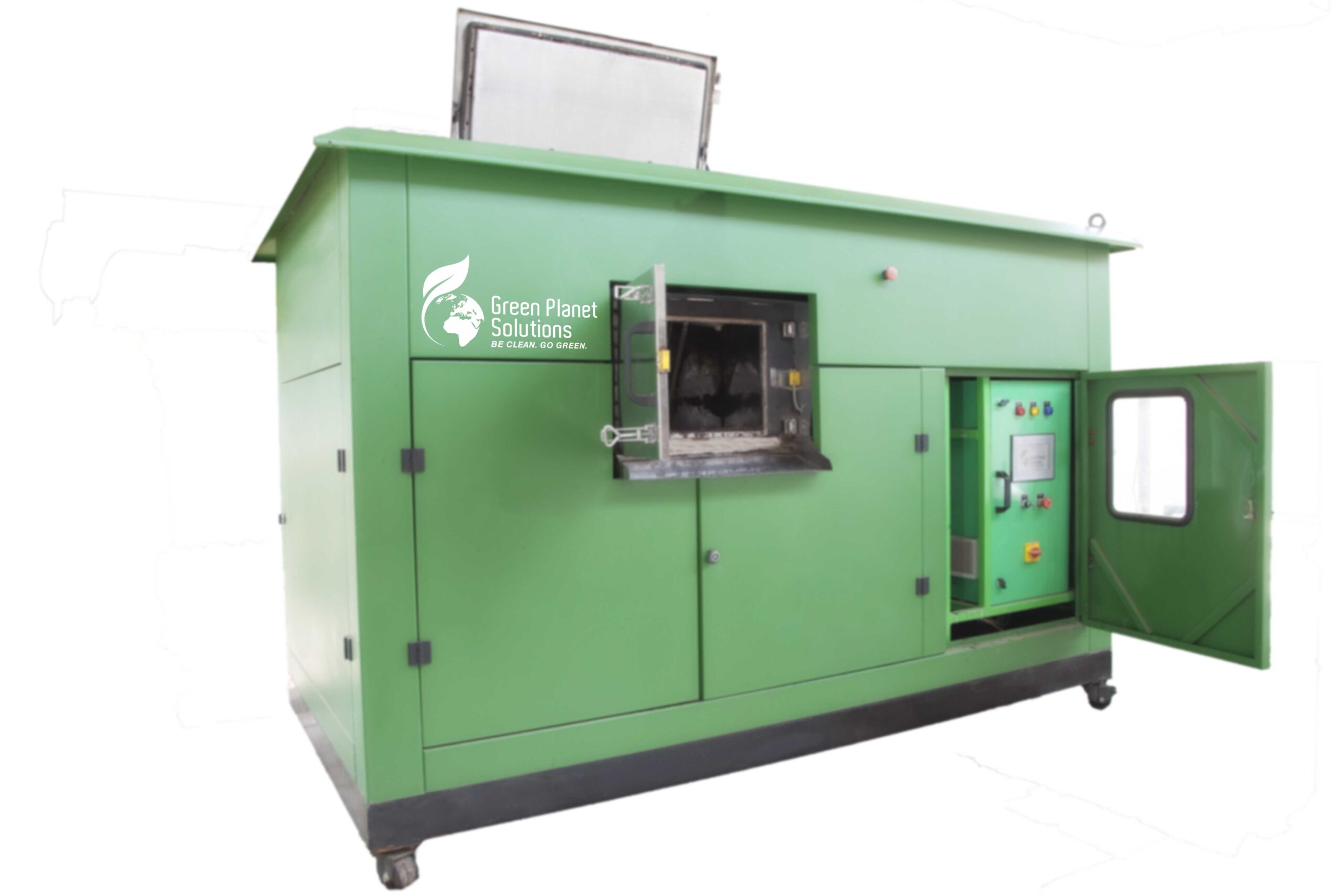
Features to Look for Before Buying a Composting Machine
Table of Contents
- Introduction
- Why Businesses Need a Composting Machine
- Key Features to Look for Before Buying a Composting Machine
- Capacity and Waste Handling Ability
- Odor Control Technology
- Energy Efficiency and Automation
- Maintenance and Durability
- Frequently Asked Questions (FAQ)
- Conclusion
Introduction
With the increasing amount of organic waste generated every day, businesses and residential communities are looking for sustainable waste management solutions. A Composting Machine is one of the most effective technologies that converts organic waste into nutrient-rich compost.
From restaurants and hotels to housing societies and commercial buildings, installing a Composting Machine helps manage waste efficiently while reducing environmental impact. However, choosing the right Composting Machine requires understanding its features, performance, and efficiency.
Before investing in a Composting Machine, it is important to evaluate the key features that ensure smooth operation, cost efficiency, and long-term sustainability.
Why Businesses Need a Composting Machine
A Composting Machine helps businesses convert food waste, garden waste, and organic materials into compost. Instead of sending waste to landfills, the Composting Machine processes it on-site and produces valuable fertilizer that can be used in landscaping or agriculture.
Benefits include:
- Reduces landfill waste
- Improves environmental sustainability
- Helps organizations follow waste management regulations
- Produces organic compost for gardening
- Reduces waste transportation costs
Because of these advantages, many organizations are investing in a modern Composting Machine to manage organic waste effectively.
Key Features to Look for Before Buying a Composting Machine
Choosing the right Composting Machine requires careful evaluation of several technical and operational features. These features ensure that the machine operates efficiently and meets your waste management needs.
Below are the most important factors to consider before purchasing a Composting Machine.
1. Capacity and Waste Handling Ability
One of the first things to consider is the capacity of the Composting Machine. Different machines are designed to process different volumes of organic waste.
For example:
| Waste Generation | Recommended Composting Machine Capacity |
|---|---|
| Small restaurants | 25–50 kg per day |
| Housing societies | 100–300 kg per day |
| Hotels & institutions | 300–1000 kg per day |
| Municipal projects | 1000 kg+ per day |
Selecting the correct Composting Machine capacity ensures efficient waste processing without overloading the system.
2. Odor Control Technology
One common concern about organic waste processing is odor. A high-quality Composting Machine includes advanced odor control systems such as:
- Bio filters
- Activated carbon filters
- Air circulation systems
These technologies ensure that the Composting Machine operates without producing unpleasant smells, making it suitable for residential areas and commercial buildings.
3. Fast Composting Cycle
Modern Composting Machine technology significantly reduces the time required for decomposition. Traditional composting methods may take weeks or months, but an automated Composting Machine can convert organic waste into compost within 24 to 48 hours.
This fast processing capability makes a Composting Machine ideal for businesses that generate daily organic waste.
4. Energy Efficiency and Automation
Another important feature of a Composting Machine is energy efficiency. Many modern machines are designed to consume minimal electricity while delivering high performance.
Advanced Composting Machine models also include automation features such as:
- Automatic mixing
- Temperature control
- Moisture regulation
- Smart sensors for monitoring
Automation reduces manual work and ensures consistent composting results.
5. Durable Build and Low Maintenance
A reliable Composting Machine should be built using durable materials such as stainless steel. This ensures long-term performance and resistance to corrosion.
Low maintenance is another important factor. A good Composting Machine should:
- Require minimal servicing
- Have easy cleaning mechanisms
- Provide long operational life
This helps businesses reduce operational costs while maintaining efficient waste processing.
Frequently Asked Questions (FAQ)
1. What is a Composting Machine?
A Composting Machine is a waste management device that converts organic waste such as food scraps and garden waste into compost through controlled biological decomposition.
2. Who should use a Composting Machine?
A Composting Machine is suitable for apartments, hotels, restaurants, corporate offices, hospitals, and municipalities that generate large amounts of organic waste.
3. How long does a Composting Machine take to produce compost?
Most modern Composting Machine models convert organic waste into compost within 24 to 48 hours, depending on the waste type and machine capacity.
4. Is a Composting Machine environmentally friendly?
Yes, a Composting Machine helps reduce landfill waste, lowers greenhouse gas emissions, and produces natural compost that improves soil health.
Conclusion
Organic waste management has become a critical challenge for cities, businesses, and residential communities. Investing in the right Composting Machine helps transform waste into valuable compost while reducing environmental impact.
When choosing a Composting Machine, it is important to consider factors such as capacity, odor control, energy efficiency, automation, and durability. A well-designed Composting Machine not only improves waste management efficiency but also supports sustainable environmental practices.
As more organizations adopt eco-friendly solutions, installing a Composting Machine is becoming an essential step toward responsible and sustainable waste management.
Leave a Reply