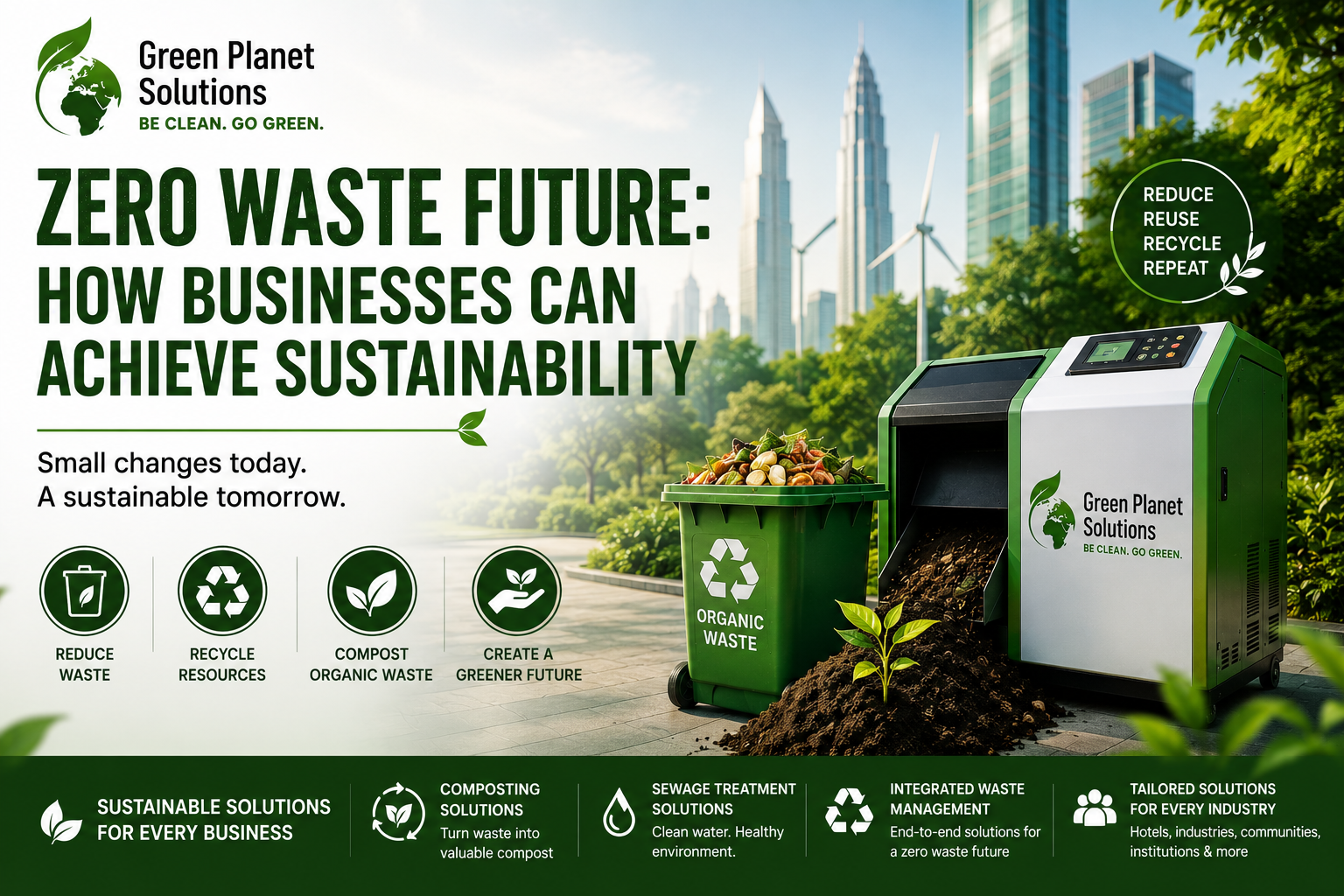
Building a Greener Tomorrow Through Smart Waste Management
Sustainability has become a key priority for businesses worldwide. As environmental concerns continue to grow, organizations are looking for ways to reduce waste, conserve resources, and operate more responsibly. One of the most effective approaches is adopting a zero-waste strategy. A zero-waste future is not just about reducing waste sent to landfills—it is about rethinking how resources are used, recovered, and reused to create long-term environmental and economic value.
Businesses that embrace sustainable waste management practices can reduce costs, improve efficiency, strengthen their brand reputation, and contribute to a healthier planet.
What Does Zero Waste Mean?
Zero waste is a waste management philosophy focused on minimizing waste generation and maximizing the recovery of valuable resources. Instead of treating waste as something to be discarded, businesses view it as a resource that can be reused, recycled, composted, or converted into useful products.
The goal is to divert as much waste as possible from landfills while creating a circular economy where materials remain in use for longer periods.
Why Sustainability Matters for Businesses
Modern customers, investors, and regulatory authorities increasingly expect organizations to operate sustainably. Businesses that prioritize environmental responsibility often experience improved customer trust, stronger brand value, and better long-term growth opportunities.
Sustainable practices also help organizations reduce operational costs by improving resource efficiency and reducing waste disposal expenses.
Key Steps to Achieve Zero Waste Goals
Conduct a Waste Audit
The first step toward sustainability is understanding the types and quantities of waste generated. A waste audit helps identify opportunities for waste reduction, recycling, and resource recovery.
Implement Waste Segregation
Proper segregation of waste at the source improves recycling efficiency and prevents valuable materials from ending up in landfills. Businesses should separate organic waste, recyclables, and non-recyclable waste into dedicated collection streams.
Focus on Organic Waste Management
Organic waste often represents a significant portion of business waste, especially in hotels, restaurants, food processing units, and residential communities. Composting organic waste helps reduce landfill dependency while producing nutrient-rich compost that can be reused for landscaping and agriculture.
Increase Recycling Efforts
Recycling materials such as paper, plastic, metal, and glass helps conserve natural resources and reduce environmental impact. Businesses should work with professional waste management partners to maximize recycling rates.
Adopt Sustainable Technologies
Modern waste management technologies can significantly improve waste processing efficiency. Composting machines, recycling systems, and wastewater treatment solutions enable businesses to manage waste responsibly while reducing environmental impact.
The Role of Organic Waste Management in Sustainability
Organic waste is one of the largest contributors to landfill waste. When food waste and biodegradable materials are disposed of improperly, they release greenhouse gases and contribute to environmental pollution.
Composting offers an effective solution by converting organic waste into valuable compost. This not only reduces waste disposal costs but also supports sustainable landscaping and agricultural practices.
How Green Planet Solutions Supports Zero Waste Goals
Green Planet Solutions helps businesses move closer to a zero-waste future through innovative waste management technologies and sustainable solutions. The company provides advanced composting machines, sewage treatment plants, and integrated waste management systems that help organizations reduce waste, improve efficiency, and achieve sustainability targets.
By focusing on organic waste management, resource recovery, and environmentally responsible practices, Green Planet Solutions enables businesses to transform waste into valuable resources while supporting long-term environmental goals.
Whether serving hotels, industries, residential communities, institutions, or commercial establishments, Green Planet Solutions delivers customized solutions that make sustainability practical and achievable.
Benefits of Adopting a Zero-Waste Strategy
Businesses that embrace zero-waste practices can experience several benefits:
- Reduced waste disposal costs
- Improved operational efficiency
- Stronger environmental compliance
- Enhanced corporate reputation
- Reduced carbon footprint
- Better resource utilization
- Increased sustainability performance
These benefits create both environmental and financial value, making sustainability a smart business investment.
Creating a Sustainable Future
Achieving a zero-waste future requires commitment, innovation, and collaboration. Businesses that invest in responsible waste management today will be better positioned to meet future environmental challenges while creating long-term value for stakeholders.
Through waste reduction, recycling, composting, and sustainable technologies, organizations can contribute to a cleaner and greener world while improving business performance.
Conclusion
A zero-waste future is achievable when businesses adopt sustainable waste management practices and invest in innovative solutions. By reducing waste generation, improving recycling efforts, and implementing effective organic waste management systems, organizations can significantly improve their sustainability performance.
With advanced waste management technologies and a commitment to environmental responsibility, Green Planet Solutions continues to help businesses transform waste challenges into sustainable opportunities, paving the way for a cleaner, greener, and more sustainable future.