📝 Introduction
Composting machine are revolutionizing waste management by turning organic waste into valuable compost quickly and efficiently. However, many users fail to get the desired results due to common operational mistakes. Whether you are a business, housing society, or institution, avoiding these errors can help you improve efficiency, reduce maintenance costs, and produce high-quality compost. In this blog, we will explore the most common mistakes and how to avoid them.
❌ 1. Adding Non-Biodegradable Waste in Composting Machine
One of the most common mistakes is adding plastic, metal, or glass into the composting machine. Composting machines are designed to process only organic waste such as food scraps, vegetable peels, and garden waste. Non-biodegradable materials can damage the machine and contaminate the compost. Always ensure proper waste segregation before feeding the machine.
⚖️ 2. Incorrect Waste Ratio (Wet vs Dry Waste) on Composting Machine
Maintaining the right balance between wet and dry waste is crucial. Too much wet waste can lead to foul odor and slow composting, while too much dry waste can reduce microbial activity. A balanced ratio (usually 60% wet and 40% dry waste) helps maintain optimal composting conditions and ensures faster results.
🌡️ 3. Ignoring Temperature and Moisture Levels
Temperature and moisture play a key role in composting. If the compost is too dry, decomposition slows down. If it is too wet, it can become smelly and anaerobic. Regularly monitor moisture levels and maintain proper aeration to keep the composting process active and efficient.
🛠️ 4. Lack of Regular Maintenance of Composting Machine
Many users neglect routine maintenance, which can lead to machine breakdowns and reduced efficiency. Cleaning the machine, checking moving parts, and ensuring proper functioning of components are essential for long-term performance. Regular servicing can prevent costly repairs.
⏳ 5. Overloading the Composting Machine
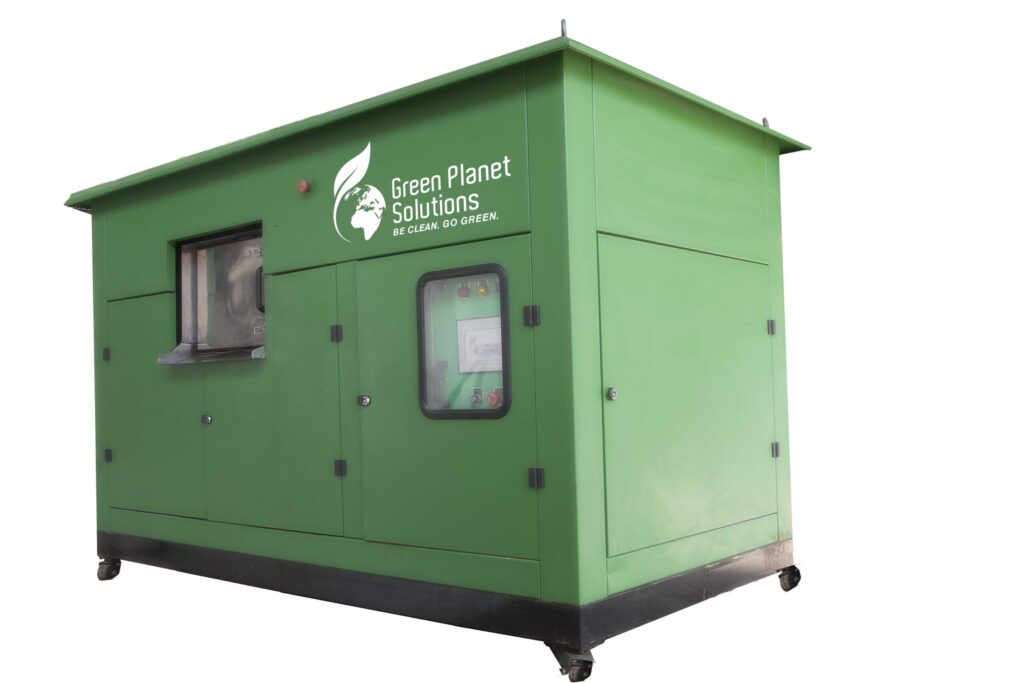
Overfeeding the composting machine beyond its capacity can disrupt the composting process. It may lead to incomplete decomposition and strain on the machine. Always follow the recommended capacity guidelines provided by the manufacturer.
🌬️ 6. Poor Aeration
Composting requires oxygen for proper microbial activity. Lack of aeration can result in bad odor and slow composting. Ensure that the machine allows proper airflow or is mixed regularly to maintain aerobic conditions.
🧪 7. Not Using Microbial Culture Properly
Microbial culture or composting agents are essential to speed up the decomposition process. Skipping or incorrectly using them can delay compost formation. Always use the recommended quantity for best results.
🚫 8. Ignoring Odor Issues
Bad odor is often a sign of improper composting. Instead of ignoring it, identify the root cause—such as excess moisture, poor aeration, or incorrect waste ratio—and fix it immediately to maintain hygiene.
🌍 Conclusion
Using a composting machine is a smart and sustainable way to manage organic waste, but only when used correctly. By avoiding these common mistakes, you can improve efficiency, reduce operational issues, and produce high-quality compost consistently. Proper usage not only benefits your organization but also contributes to a cleaner and greener environment.
📞 Call to Action
Looking for reliable composting solutions?
Green Planet Solutions offers advanced composting machines along with complete support and consultation.
📱 +91 7722073961
📧 inquiry@thegreenplanetsolutions.com